



1 Michelin Star · Macarfi 8.3 Food Rating · Guía Repsol 2 Soles
Our verdict
A Michelin-starred address on Xàbia's Arenal beachfront, Tula operates at a price point that undercuts the prestige its training pedigree suggests. Chefs with Quique Dacosta lineage run a format that mixes market-driven specials with a seven-course tasting menu and half-plate sharing dishes, placing it in a narrow tier between neighbourhood casual and full fine dining.

Pearl is the En Primeur Club membership app — saves, bookings, and concierge access live there. Same editors, same standards.
- Address
- Av. de la Llibertat, 36, 03730 Xàbia, Alicante, Spain
- Phone
- +34 966 47 17 45
- Hours
- Mon–Tue ClosedWed–Sat 1:30–3 PM, 8:30–10 PMSun Closed
- Website
- tularestaurante.com
- Directions
- Get directions
- Booking
- Book on the venue's website
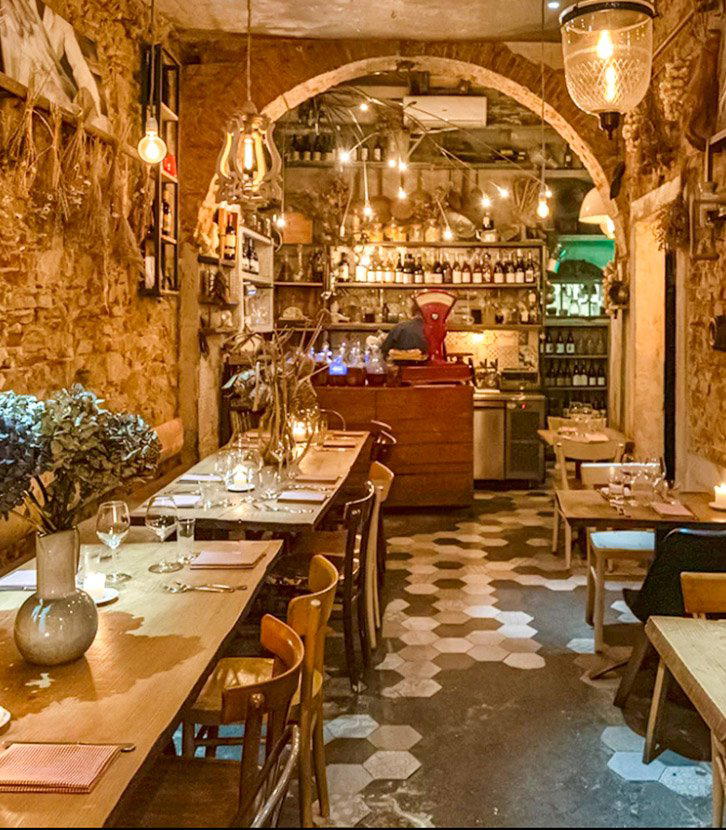
Arenal Beach and the Mediterranean Table
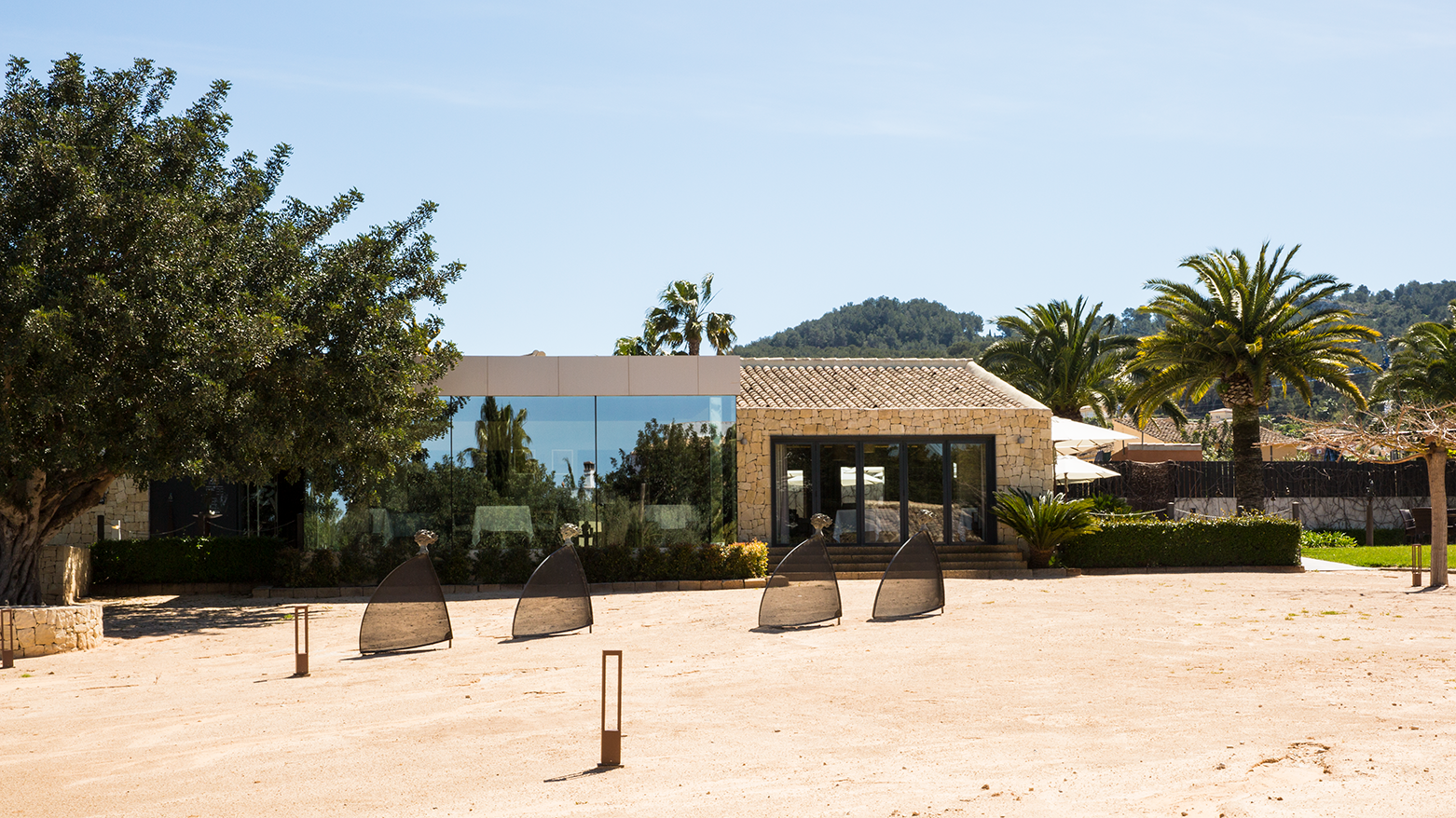
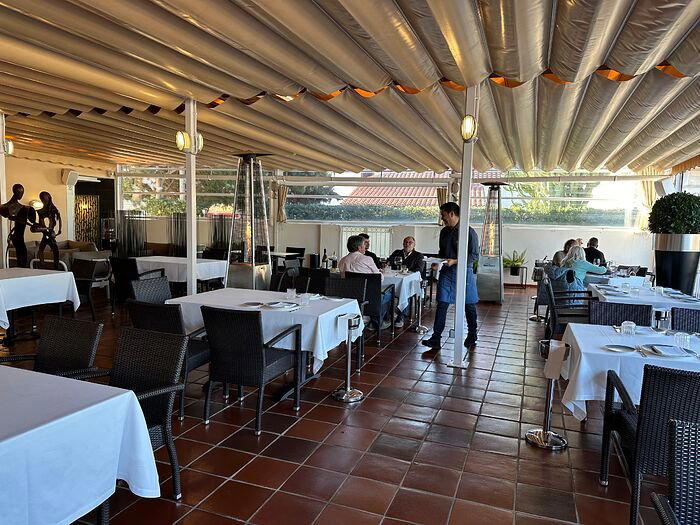
The Arenal beachfront in Xàbia sits at the quieter, more residential end of the Costa Blanca spectrum, where the dining scene runs on local produce and proximity to water rather than resort-circuit spectacle. It is the kind of address where a Michelin star reads as confirmation of something the regulars already knew, rather than a transformation of what the place is.
Within Xàbia's dining tier, this positioning matters. BonAmb operates at the top end of the local market, with a creative tasting-menu format priced at €€€€. Tosca holds the mid-range Mediterranean slot at €€€. Tula's €€ pricing places it alongside La Perla de Jávea in terms of outlay, but with a kitchen pedigree and a recognition profile that points clearly upward. Volta i Volta occupies the entry-level end of the same category. Tula is the place where that spread compresses most interestingly: Dacosta-trained technique at a neighbourhood price.
Herbs, the Sea, and What the Market Dictates
Mediterranean cooking has always used aromatics as architecture rather than decoration. Across the Valencian coast, the baseline grammar of a dish is built from what grows in dry, herb-dense hillside plots and what arrives at the market before the restaurant opens. At Tula, the menu format reflects this directly. Market-driven specials, many involving fresh fish, operate outside the printed card entirely and shift according to what the day's supply makes possible. This is not a novelty device but the standard operating logic of serious coastal kitchens from Valencia to Liguria, where the printed menu is a floor, not a ceiling.
The broader Mediterranean herb tradition that anchors this kind of cooking, from oregano and thyme across Spanish and Levantine tables to the za'atar blends that travel the same sea's southern shore, shows up in technique rather than explicit listing at Tula. The shiso leaf taco with pancetta, smoked eel and misonnaise, cited in both the OAD assessment and Michelin's recognition notes, is a case in point: it combines Japanese aromatic influence with coastal Valencian produce in a way that reads as natural rather than studied. The pig's ear and the potato fritter with seafood sauce and San Antonio cheese point toward the same logic, where local ingredient meets technical treatment without the result feeling like a statement.
The seven-course tasting menu provides structure for those who want the full sequence, but Tula's more distinctive format is the half-plate sharing option. Ordering in halves allows a table to cover significantly more of the menu than a conventional format permits, which turns a Michelin-starred meal into something closer to a communal tasting session. Across the Mediterranean, this kind of generous portioning logic is more common at the informal end of the market; combining it with starred-kitchen execution is the precise decision that separates Tula from its local competition. Quique Dacosta in Dénia holds three Michelin stars and sits at the apex of Valencian fine dining; the progression from that kitchen toward a beachfront address in Xàbia represents a deliberate step down in formality without a corresponding drop in technical standard. Arzak in San Sebastián, El Celler de Can Roca in Girona, Disfrutar in Barcelona, Azurmendi in Larrabetzu, and DiverXO in Madrid
The Opinionated About Dining (OAD) Casual in Europe ranking places Tula at number 810 in its 2025 list, a position that reflects the deliberately relaxed format rather than a qualification on the kitchen's output. OAD's casual category applies to venues where the experience is designed to be approachable rather than ceremonial; a Michelin star alongside a high OAD casual ranking is a signal that the kitchen is threading that balance precisely.
The Mediterranean market for Michelin-starred cooking at accessible price points is itself a useful comparison frame. La Brezza in Ascona and Arnaud Donckele and Maxime Frédéric at Louis Vuitton in Saint-Tropez represent the Mediterranean category at significantly higher price points and formality levels. Aponiente in El Puerto de Santa María operates in a similar coastal-Spanish register but at three stars and a price bracket several tiers above Tula. Tula's particular value is that it delivers credentialed Mediterranean cooking, with traceable training lineage and independent recognition from two separate assessment systems, at a price that remains inside the casual dining tier.
How to Plan the Visit
Tula operates a tight schedule across five days: lunch service runs 1:30 PM to 3:00 PM, dinner from 8:30 PM to 10:00 PM, Wednesday through Saturday. The restaurant closes Monday, Tuesday, and Sunday, which affects planning significantly for visitors on short stays. The lunch window in particular is narrow at 90 minutes; those wanting to work through the half-plate format at an unhurried pace are better placed at dinner, where the surrounding beach atmosphere also shifts toward the evening. For a broader read on where Tula sits within the town's eating and drinking offer, the full Xàbia restaurants guide maps the complete picture. The Xàbia hotels guide, Xàbia bars guide, Xàbia wineries guide, and Xàbia experiences guide cover the rest of what the area has to offer for a longer stay.
Frequently asked questions
Is Tula award-winning?
Tula has received recognition including: If everyone is talking up a restaurant, it must be doing something right! In this unpretentious eatery overlooking Arenal beach, couple Borja Susilla and Clara Puig offer guests enticing dishes with the essence of the Mediterranean in which….
What should I order at Tula?
Both the Michelin recognition notes and the OAD ranking (Europe Casual #810, 2025) single out three dishes: the shiso leaf taco with pancetta, smoked eel and misonnaise; the pig's ear; and the potato fritter with seafood sauce and San Antonio cheese. Beyond those anchors, the market specials — fresh fish in particular — change daily and do not appear on the printed menu, so asking the room what arrived that morning is the most direct route to what the kitchen is actually focused on.
What's the pricing like at Tula?
Pricing at Tula is listed as €€.
Just the Basics
| Venue | Cuisine | Price | Awards | Notes |
|---|---|---|---|---|
| TulaThis venue — the venue you are viewing | Modern Mediterranean Seafood | $50–100 | 1 Michelin Star · Macarfi 8.3 Food Rating | Not listed |
| BonAmb | Modern Mediterranean Fine Dining | $100–150 | 2 Michelin Stars · La Liste Top Restaurants | Modern Spanish, Creative |
| La Perla de Jávea | Traditional Mediterranean Coastal Cuisine | $30–50 | Michelin Plate · Guía Repsol 1 Sol | Traditional Cuisine |
| Tosca | Modern Mediterranean Fine Dining | $50–100 | Michelin Plate | Mediterranean Cuisine |
| Volta i Volta | Modern Mediterranean | $30–50 | Michelin Plate | Mediterranean Cuisine |
Recognition history
Dated appearances from independent guides and award organizations, with the underlying list record or original source where available.
Michelin 1 Star
Michelin
Guía Repsol 2 Soles
Guía Repsol
Macarfi 8.3 Food Rating
Macarfi
Opinionated About Dining Casual in Europe Recommended
Opinionated About Dining
Full recognition history (7 entries)
Michelin 1 Star
Michelin
Opinionated About Dining Casual in Europe Ranked #810
Opinionated About Dining
Michelin 1 Star
Michelin

Details
- Cozy
- Intimate
- Elegant
- Date Night
- Special Occasion
- Open Kitchen
- Extensive Wine List
- Local Sourcing
- Street Scene
- A La Carte
- Small Plates
- Vegetarian Friendly
Current opening hours
- Monday
- Closed
- Tuesday
- Closed
- Wednesday
- 1:30–3 PM, 8:30–10 PM
- Thursday
- 1:30–3 PM, 8:30–10 PM
- Friday
- 1:30–3 PM, 8:30–10 PM
- Saturday
- 1:30–3 PM, 8:30–10 PM
- Sunday
- Closed
Hours can change for holidays and private events. Last verified .
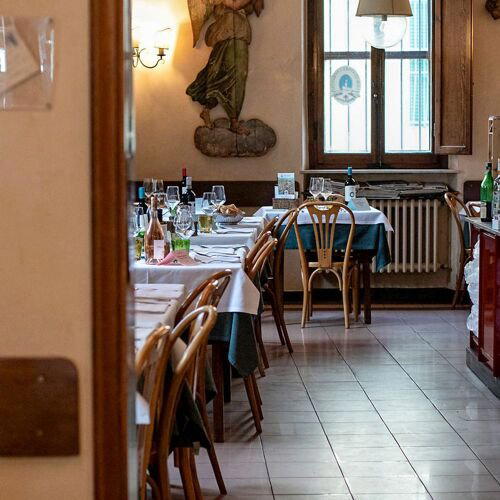
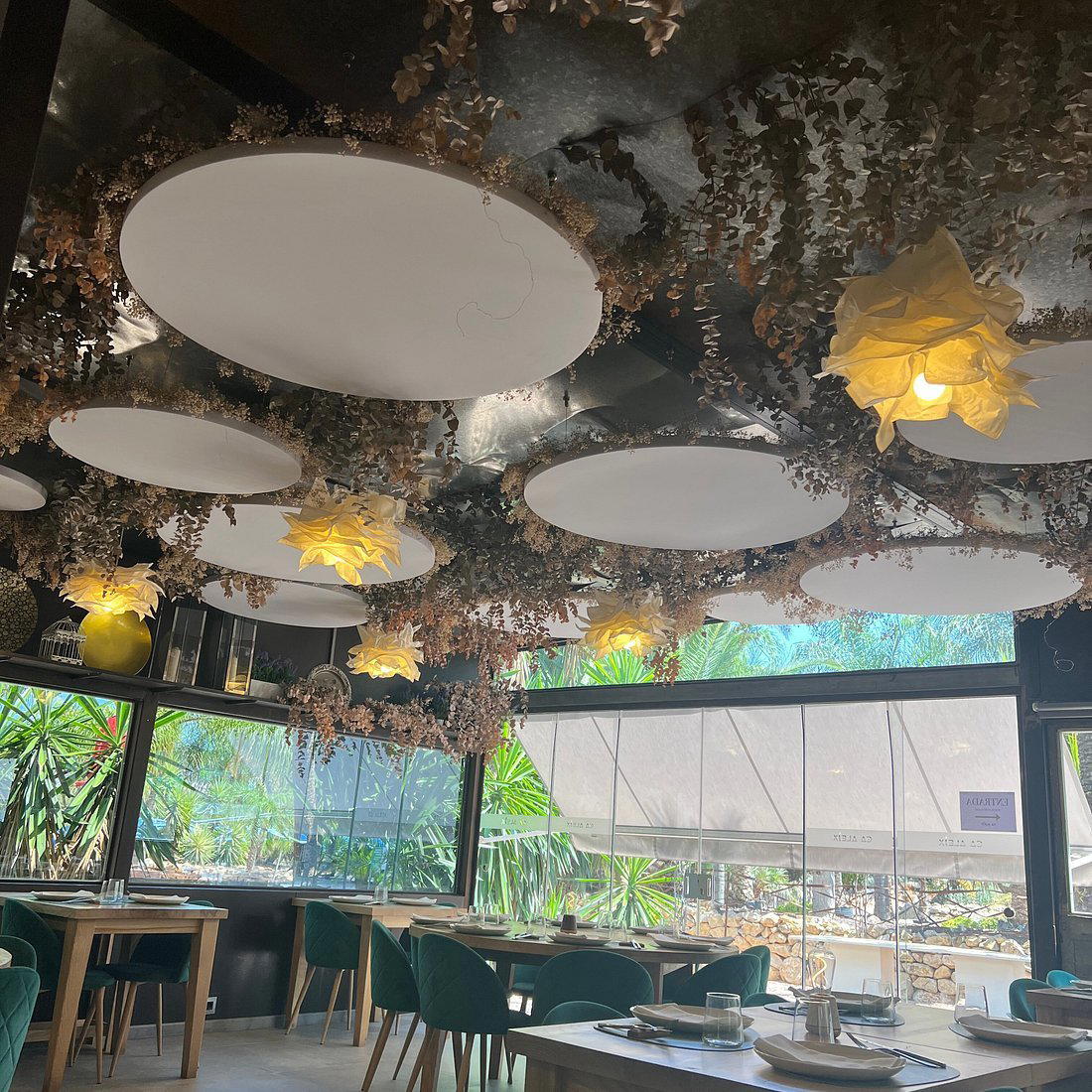
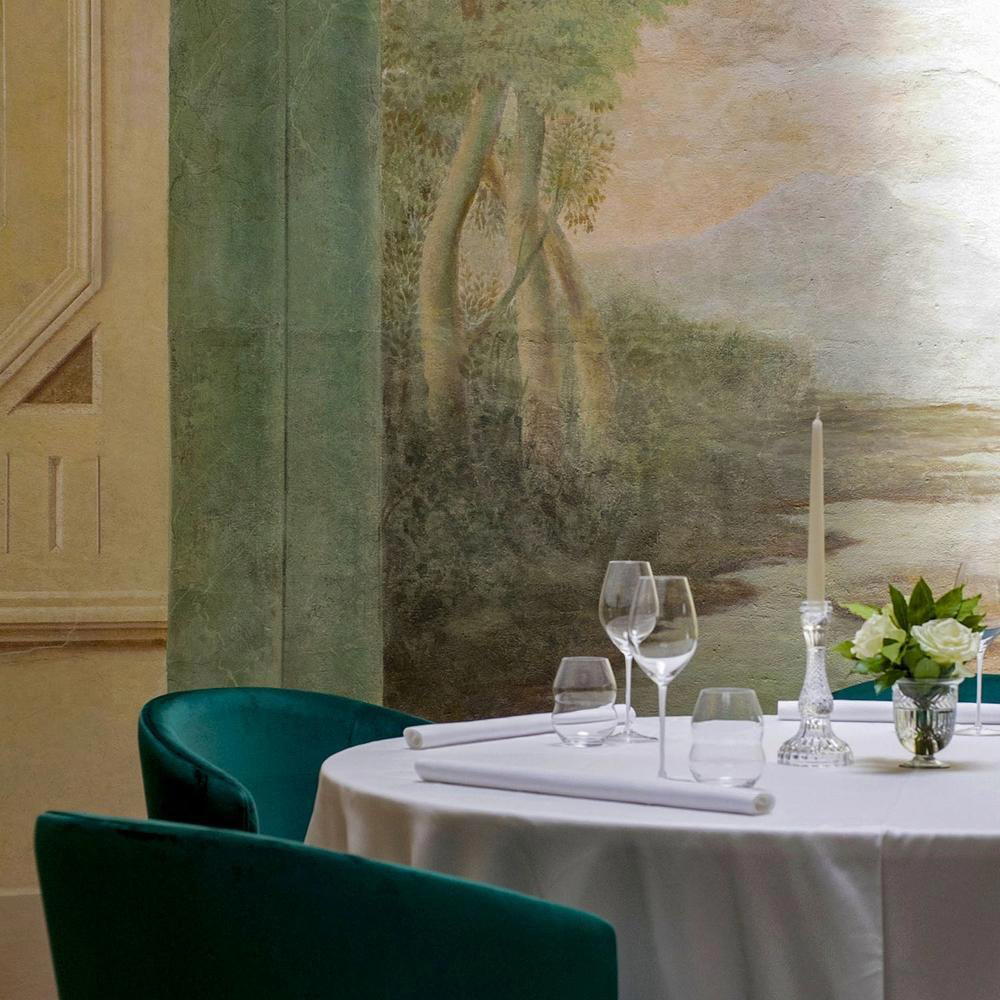
Cozy and unpretentious intimate space with warm welcoming atmosphere.