



1 Michelin Star · Macarfi 8.2 Food Rating · Guía Repsol 1 Sol
Our verdict
Audrey's holds a Michelin star in one of the Costa Blanca's most tourist-heavy towns, which is itself a kind of provocation. Chef Rafa Soler runs three tasting menus rooted in Valencian produce — including a fully plant-based option that earned recognition from We're Smart — and sources ingredients from thousand-year-old olive trees and family bread ovens. This is serious creative cooking in an unlikely postcode.

Pearl is the En Primeur Club membership app — saves, bookings, and concierge access live there. Same editors, same standards.
- Address
- Av. Juan Carlos I, 48, 03710 Calp, Alicante, Spain
- Phone
- +34 965 02 00 89
- Hours
- Mon–Tue ClosedWed–Thu 8–10 PMFri–Sun 1:30–3 PM, 8–10 PM
- Website
- ar-hotels.com
- Directions
- Get directions
- Booking
- Book on TheFork
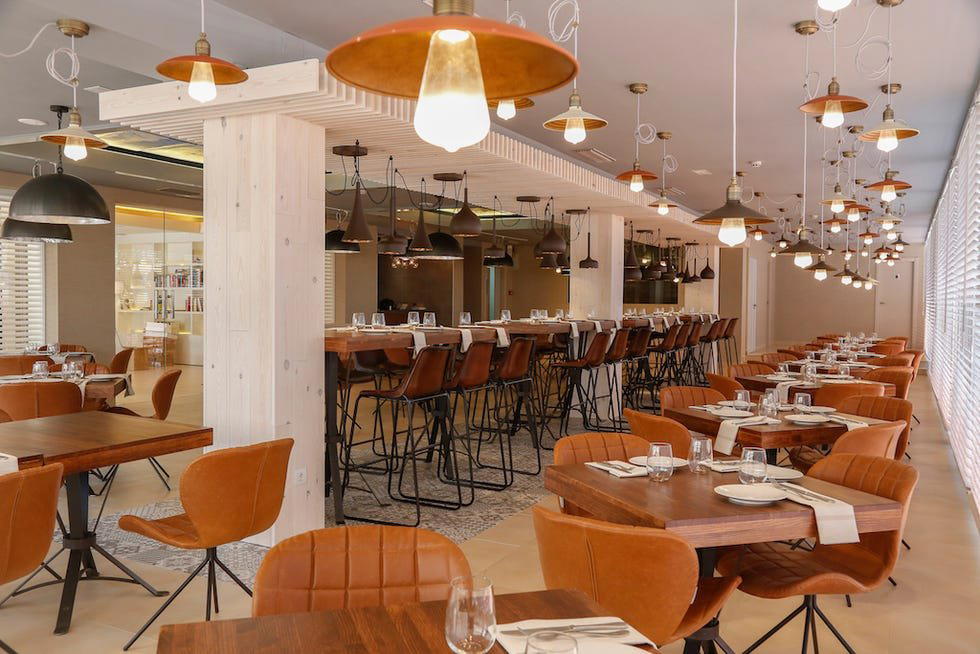
A Starred Counter in a Resort Town
Calp is not where most diners expect to find a Michelin-starred kitchen. The town draws summer crowds for its beaches and the Peñón de Ifach, and its restaurant scene skews heavily toward tourist-friendly Mediterranean staples. Against that backdrop, Audrey's operates in a different register entirely — a focused, technically demanding creative restaurant that earned its first Michelin star in 2024 and holds it in a context where that credential carries particular weight. The question a serious dining tourist asks is not just whether a kitchen is good, but whether it is good relative to what surrounds it. Here, the gap is unusually wide.
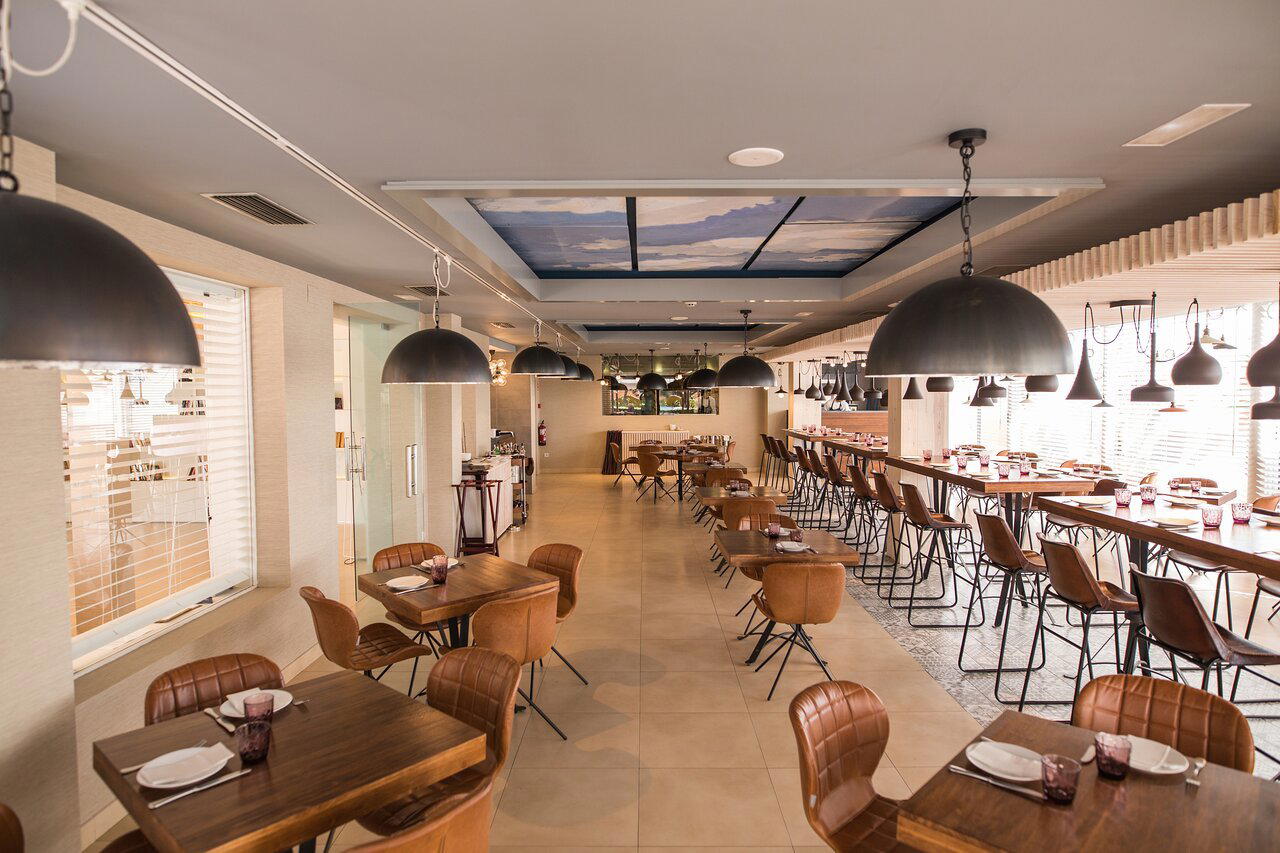
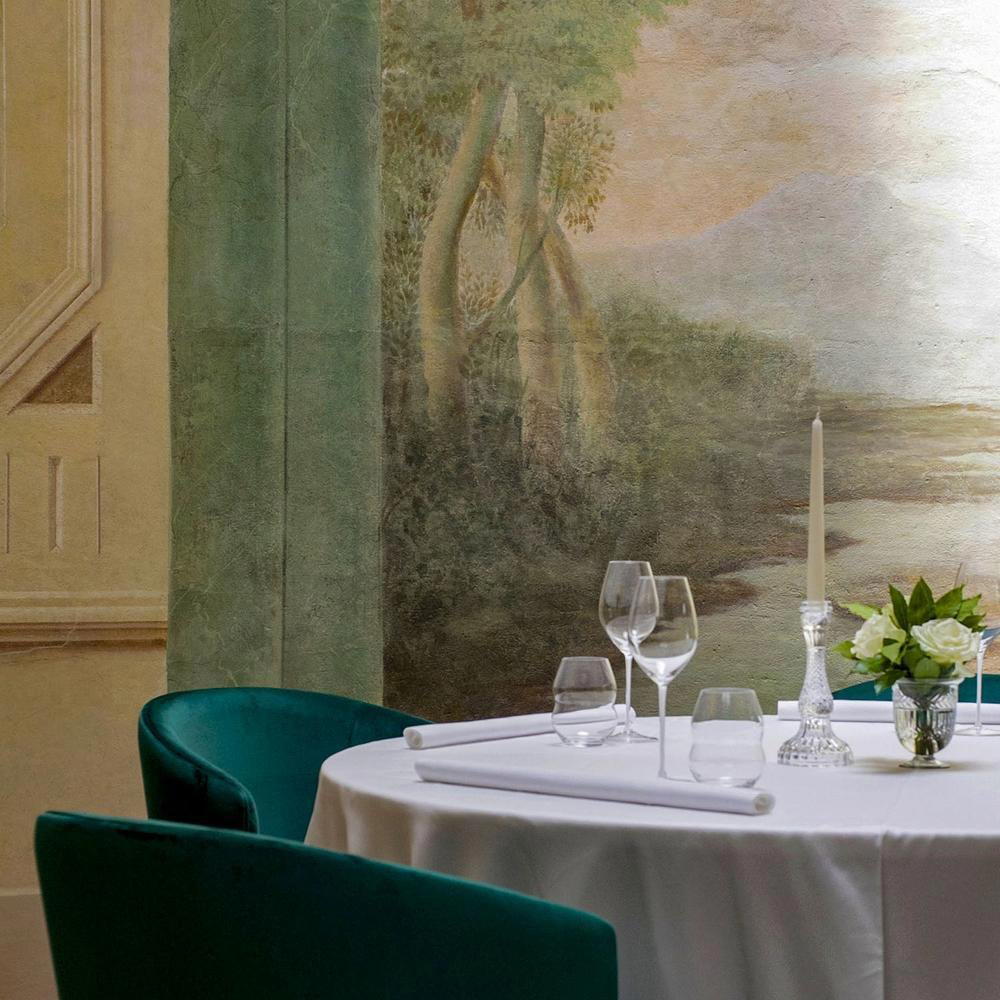
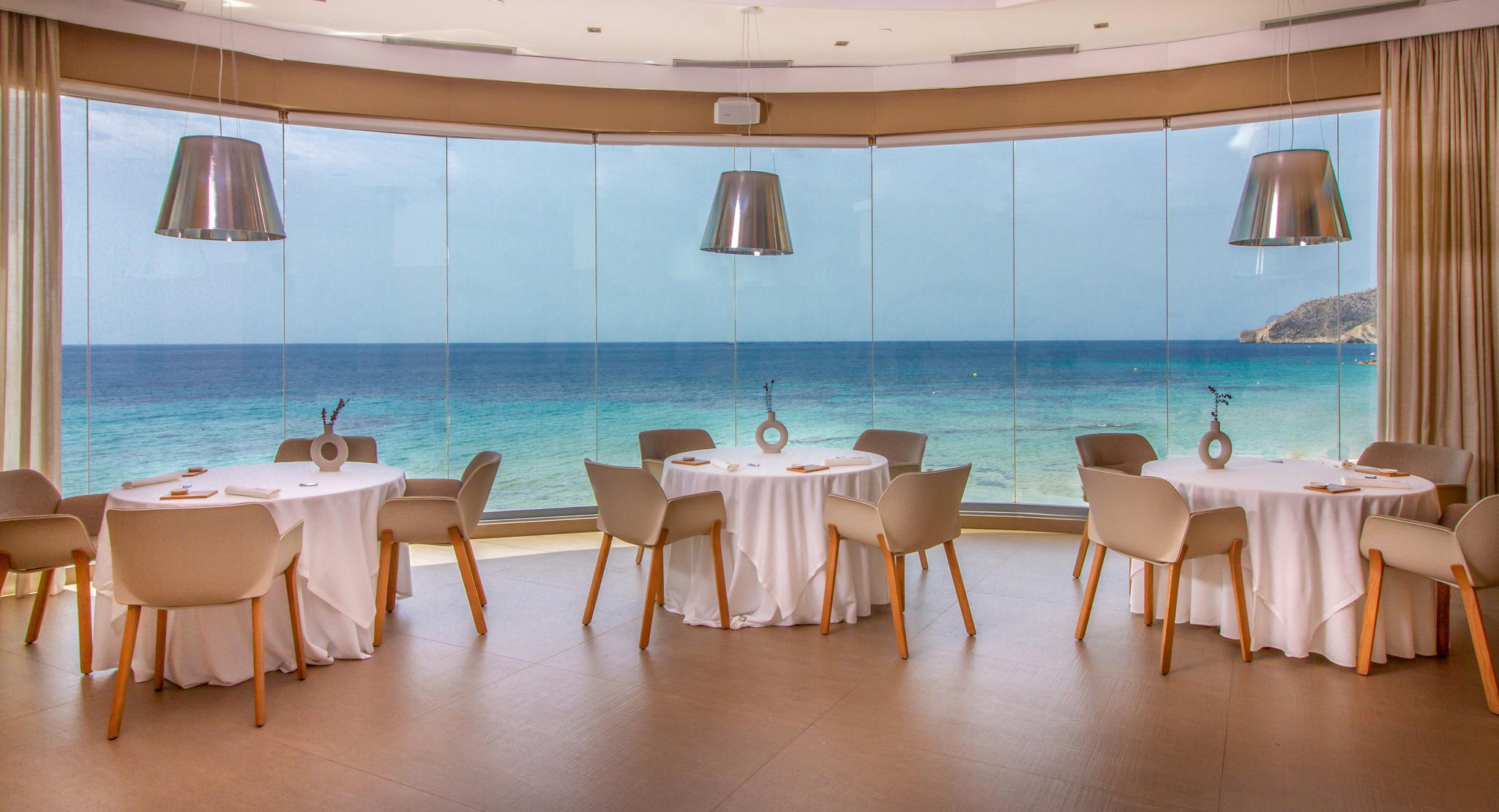
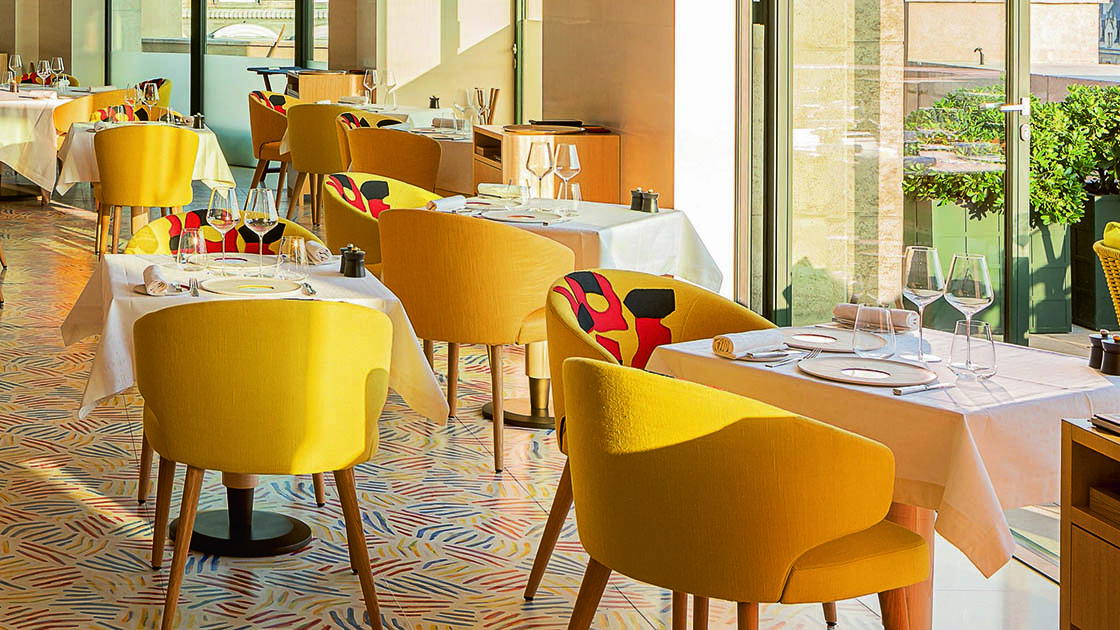
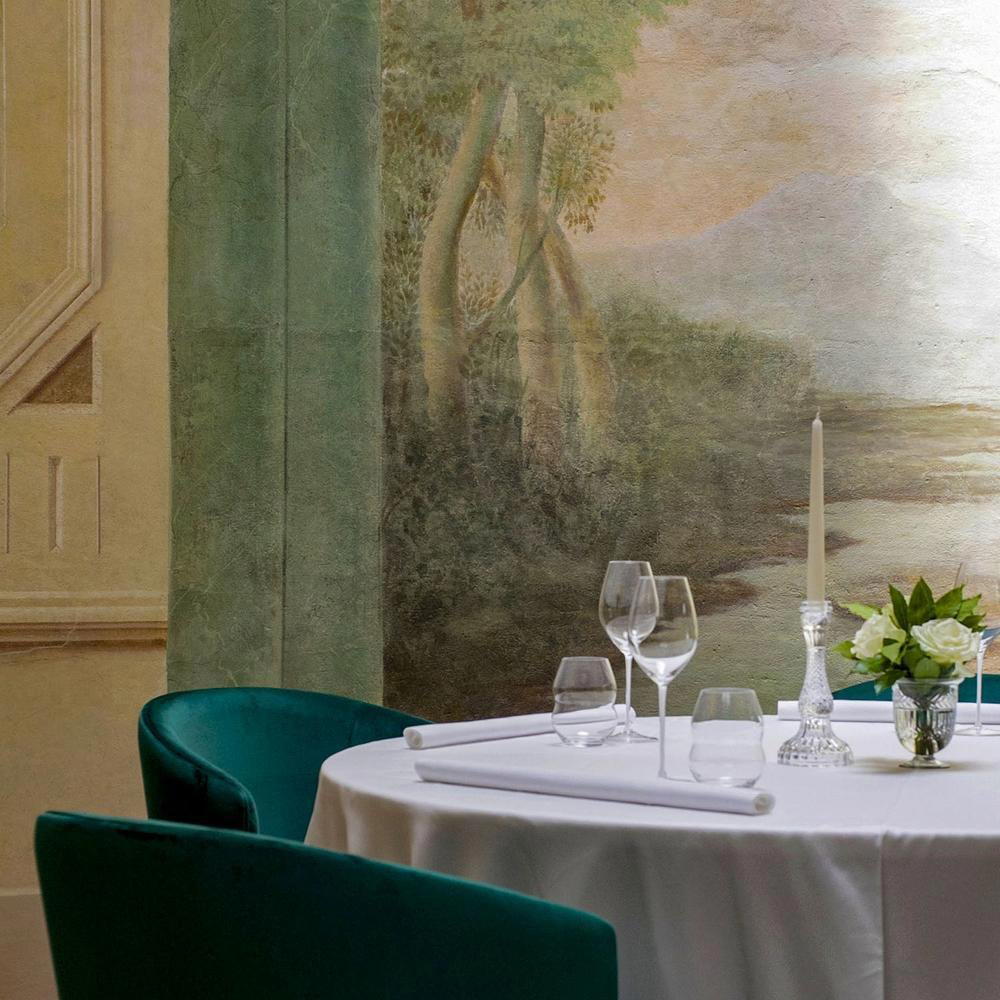
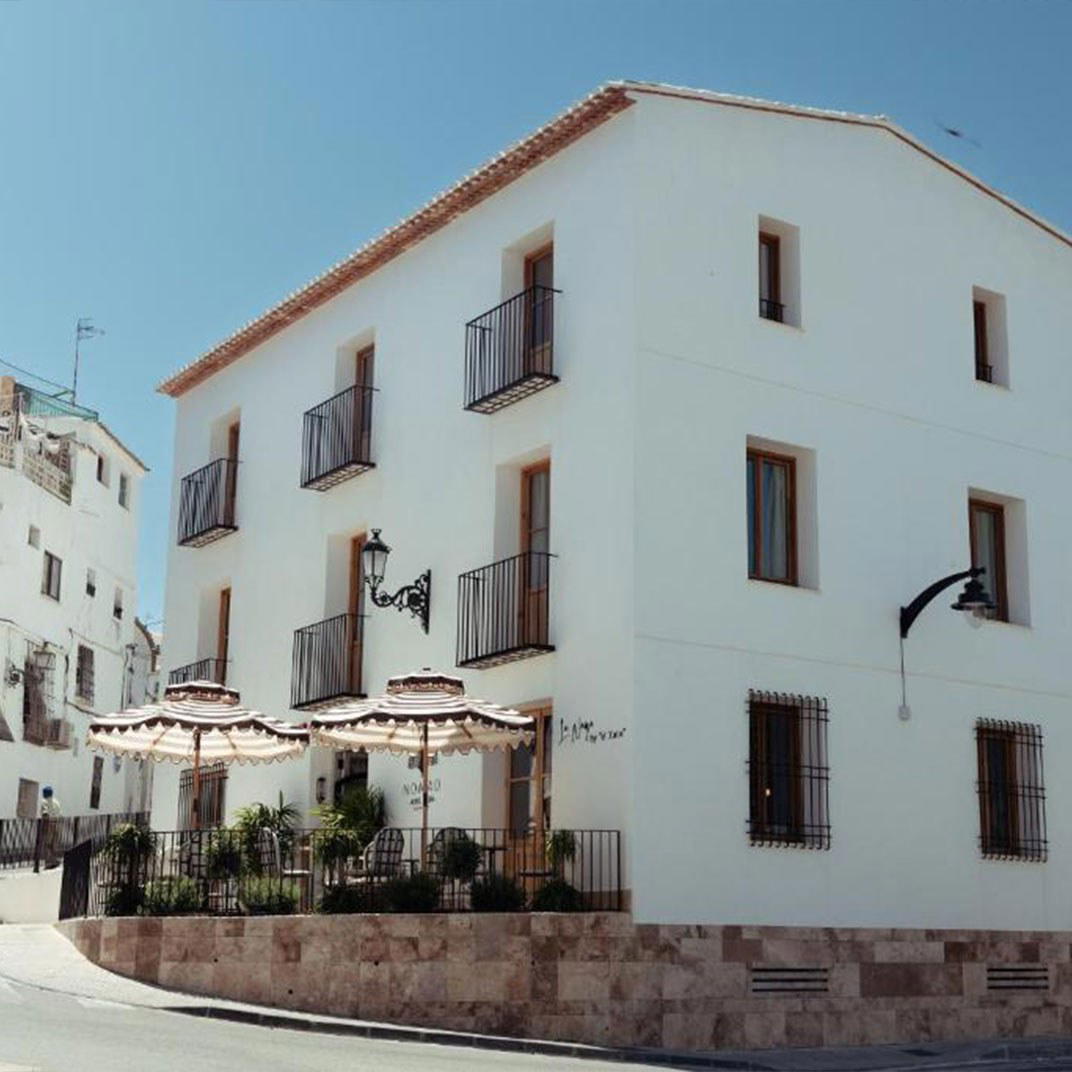
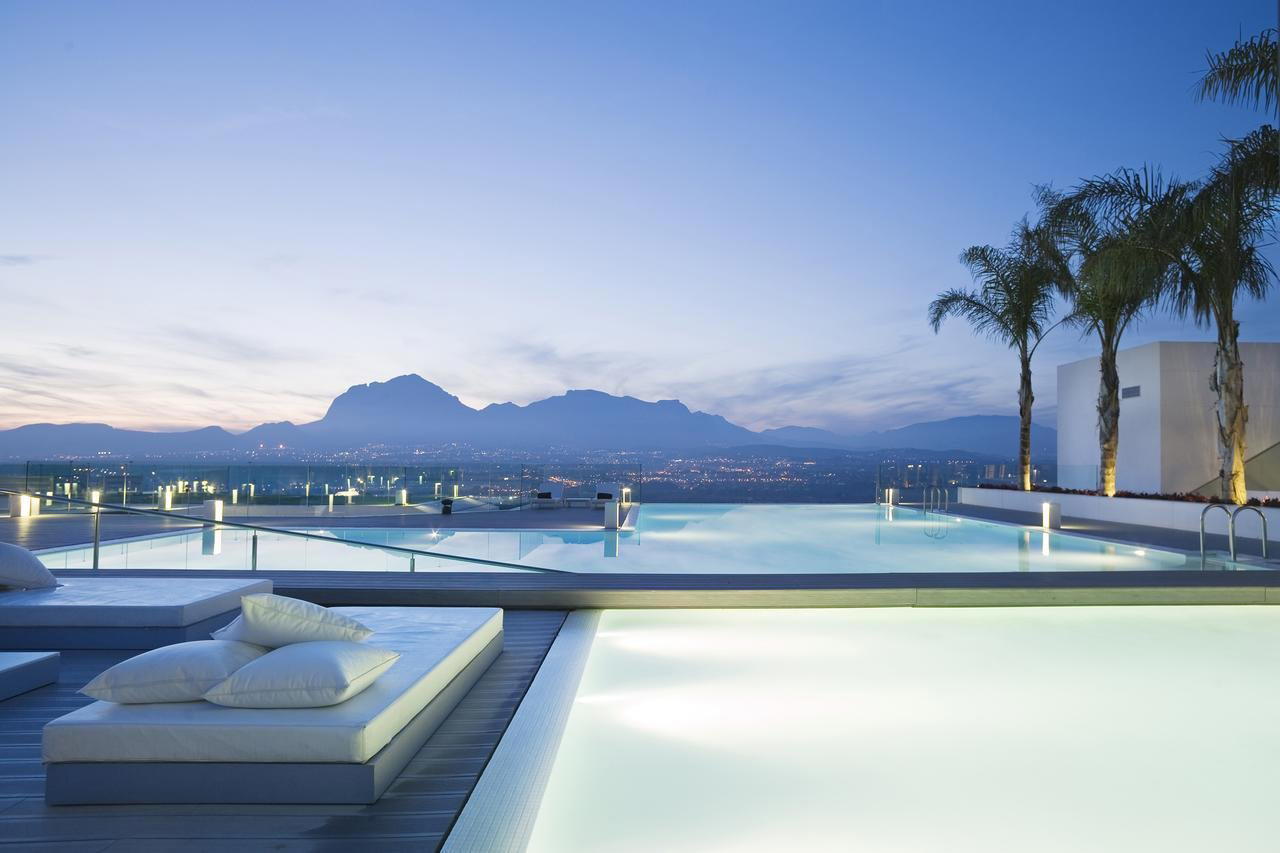
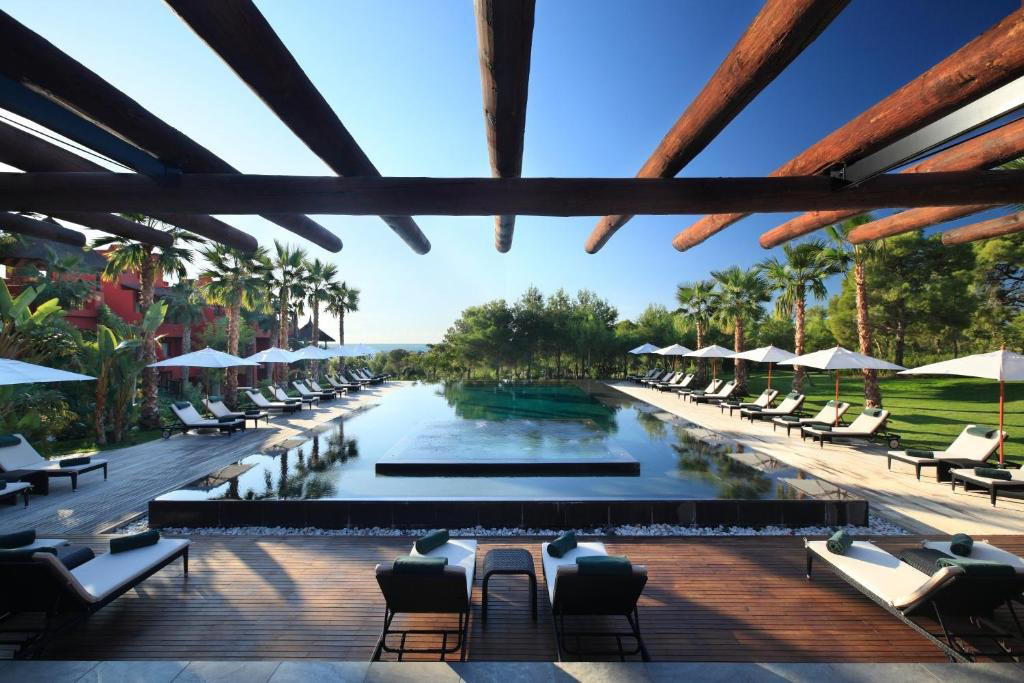
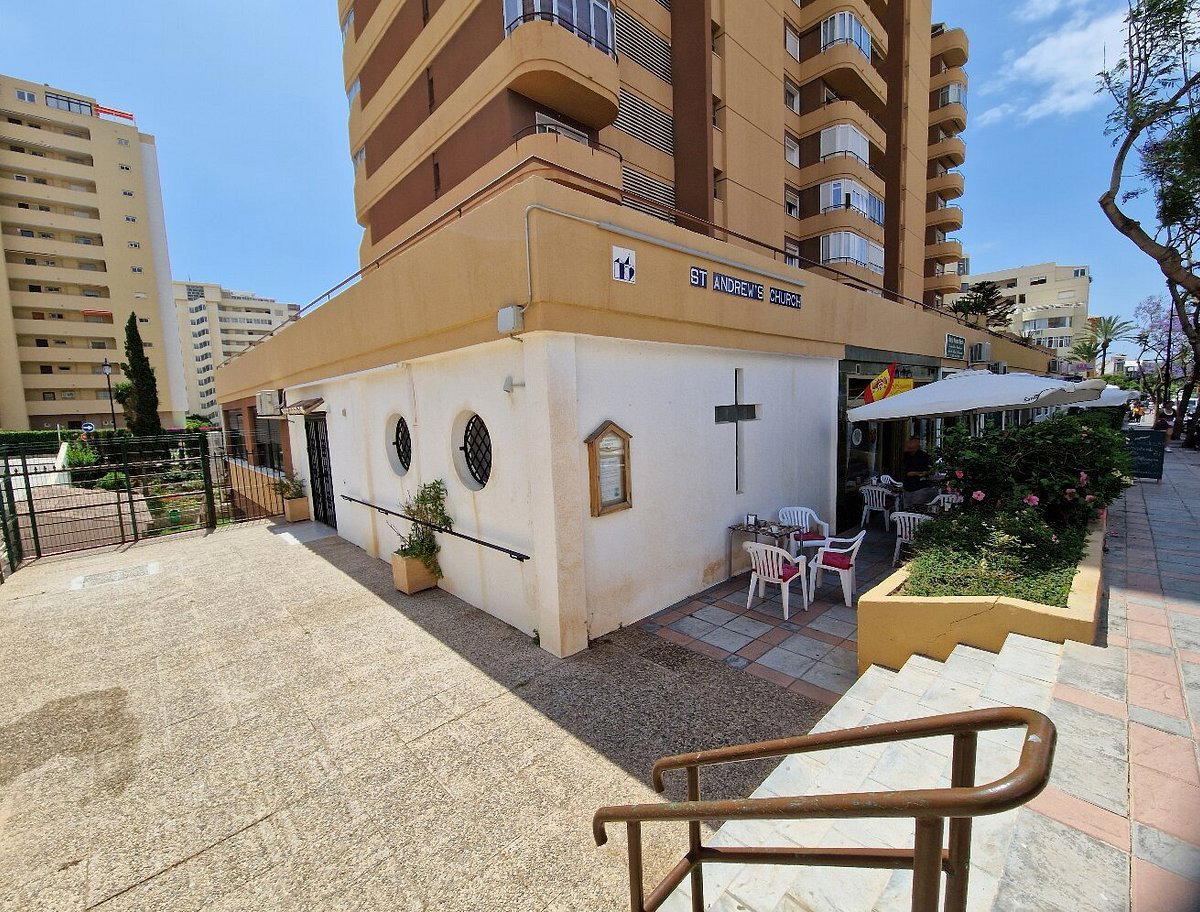
The dining room aesthetic takes its name from Audrey Hepburn — the reference point is a kind of studied elegance rather than spectacle. The space reads as bright and composed, a deliberate contrast to the resort architecture that dominates the Avenida Juan Carlos I address. Approaching from the coastal boulevard, the restaurant signals its register through restraint rather than grandeur. That restraint extends directly to the cooking.
Where the Food Comes From
The sourcing logic at Audrey's is precise enough to function as an argument about what Valencian cuisine can mean. Chef Rafa Soler has articulated a position, "we have access here to the full expression of Valencia's culinary bounty", that grounds the menu in geography rather than abstraction. Two details from the kitchen's supply chain make that position concrete.
Bread served across all tasting menus is baked to a family recipe, using an oven in Burjassot, a town in the Valencia metropolitan area. It arrives at the table as something with a documented origin, not a generic accompaniment. The extra-virgin olive oil, bottled by the restaurant itself, comes from trees in Traiguera in Castellón province that are estimated at a thousand years old. The yield from trees of that age is not simply old-oil romanticism: ancient olive cultivars produce oil with distinct flavour profiles shaped by centuries of root development in specific soils, and the quantity available from such trees is inherently limited. Both details point to a kitchen that treats provenance as a primary variable rather than a marketing footnote.
This sourcing approach places Audrey's within a broader tradition of ingredient-led Spanish fine dining that runs through some of the country's most decorated restaurants. Quique Dacosta in Dénia, located further along the same Costa Blanca coastline, built its three-star reputation on an equally specific relationship with Mediterranean ingredients. El Celler de Can Roca in Girona has long argued that Catalan terroir is as valid a creative framework as any French reference point. Audrey's operates at a different scale, but the underlying premise is the same: the region's produce is not a starting point to be transformed beyond recognition, but a subject worth examining closely.
Three Menus, One Philosophy
The kitchen structures its offer around three tasting menus: Roots, Origin, and Farm, the last being fully vegetarian. The naming suggests a deliberate hierarchy of connection to source material, moving from historical through agricultural to the most elemental plant-focused expression. The Farm menu, now rebranded internally as Garden, earned a specific commendation from We're Smart, the international guide focused on plant-forward and vegetable-centric restaurants. That recognition matters in context: Calp is a heavily touristic coastal town where demand for refined vegetable cooking is not, on the surface, obvious. Running a plant-based menu at this technical level in this location is a considered decision, not a concession.
The broader creative programme places Audrey's in the company of Spanish kitchens that have pushed technique without abandoning ingredient integrity. Disfrutar in Barcelona and DiverXO in Madrid represent the more maximalist end of Spanish creative cooking; Audrey's approach is closer to the Mediterranean restraint visible at Aponiente in El Puerto de Santa María, where the cooking's ambition is inseparable from its relationship with specific coastal and agricultural ingredients.
Calp's Fine Dining Tier
Within Calp itself, the high-end dining scene is small but coherent. Beat operates at the same €€€€ price point with a Mediterranean Cuisine focus, while Orobianco brings Italian Contemporary cooking to the same bracket. Both sit alongside Audrey's as the town's most serious dining options. For a different register entirely, Komfort handles contemporary cooking at a more accessible €€ level. The Michelin star separates Audrey's from its local peers in terms of external validation, but the more meaningful distinction is the depth of the sourcing programme, which operates at a level of specificity that goes well beyond what either the town's tourist economy or its local restaurant scene would typically require.
The starred Spanish restaurant circuit provides a useful reference frame for the ambition involved. Arzak in San Sebastián, Azurmendi in Larrabetzu, and Martin Berasategui in Lasarte-Oria all demonstrate that Spain's fine dining geography extends well beyond Madrid and Barcelona. Audrey's adds a coastal Valencian node to that map. For readers interested in how creative cooking operating at this level compares outside Spain, Alléno Paris au Pavillon Ledoyen and Enrico Bartolini in Milan offer useful European benchmarks.
Planning Your Visit
The schedule is deliberately limited. Audrey's closes on Mondays and Tuesdays. Wednesday service runs evenings only (8 PM to 10 PM). Thursday follows the same evening-only pattern. From Friday through Sunday, the kitchen opens for both lunch (1:30 PM to 3 PM) and dinner (8 PM to 10 PM). The narrow service windows reflect the commitment to a kitchen operating at full intensity rather than extended covers, a common characteristic of restaurants running complex tasting menus from a relatively small team. Bookings at this level in a tourist-heavy resort town can move quickly in peak season, particularly for the Friday-to-Sunday lunch slots. The restaurant is located on Avenida Juan Carlos I, 48, in central Calp.
For those building a broader stay around the visit, Calp's hotel options range from resort properties to smaller coastal stays. The town's bar scene, local wineries, and wider experiences are covered in our full city guides. For the full picture of where Audrey's sits within the town's dining options, see our complete Calp restaurants guide.
What People Ask About Audrey's
What do people recommend at Audrey's?
Given that the menu structure runs across three tasting formats, the strongest editorial recommendation is to approach the visit with the sourcing story in mind. The homemade bread baked from a family recipe and the house-bottled olive oil from thousand-year-old trees in Traiguera are the most documented anchors of the kitchen's ingredient philosophy. The fully plant-based Garden menu has earned external recognition from We're Smart, making it the most validated single-format option for diners who want a vegetable-focused experience at this technical level. The Michelin 2024 star covers the overall programme, which positions all three menus as expressions of the same Valencian produce-led approach rather than offering a clear hierarchy between them.
Frequently asked questions
Is Audrey's expensive?
Pricing at Audrey's is listed as €€€€.
How do I find Audrey's?
Audrey's is located at Av. Juan Carlos I, 48, 03710 Calp, Alicante, Spain, Calp.
Does Audrey's have a Michelin star or similar recognition?
Audrey's has received recognition including: This bright, fresh and elegant gastronomic jewel, which takes its name from Audrey Hepburn, the legendary star of the film “Breakfast at Tiffany’s”, is the fiefdom of chef Rafa Soler. Here, he conjures up highly developed and creative cuisi….
What do people recommend at Audrey's?
The editorial focus falls on the sourcing details that distinguish each menu: bread baked to a family recipe in Burjassot and extra-virgin olive oil pressed from thousand-year-old trees in Traiguera, Castellón. Michelin and We're Smart both single out the fully plant-based Farm menu as a particular achievement, with We're Smart describing it as deserving a standing ovation. At the €€€€ price point, the Roots and Origin menus offer the broadest expression of chef Rafa Soler's Valencian produce philosophy. Wednesday service is evenings only, while Friday through Sunday adds a lunch sitting from 1:30 PM.
| Venue | Cuisine | Price | Awards | Notes |
|---|---|---|---|---|
| Audrey'sThis venue — the venue you are viewing | Modern Spanish Fine Dining | $50–100 | 1 Michelin Star · Macarfi 8.2 Food Rating | Not listed |
| Beat | Modern Mediterranean-French Fine Dining | $150–200 | 1 Michelin Star · Guía Repsol 2 Soles | Mediterranean Cuisine |
| Orobianco | Contemporary Italian Fine Dining | $150–200 | 1 Michelin Star · Guía Repsol 1 Sol | Italian Contemporary |
| Komfort | Contemporary Mediterranean Grill | $30–50 | Michelin Bib Gourmand | Not listed |
Recognition history
Dated appearances from independent guides and award organizations, with the underlying list record or original source where available.
Michelin 1 Star
Michelin
Guía Repsol 1 Sol
Guía Repsol
Macarfi 8.2 Food Rating
Macarfi
We're Smart World 4 Radishes
We're Smart World
Full recognition history (6 entries)
Michelin 1 Star
Michelin
Michelin 1 Star
Michelin
Details
- Romantic
- Elegant
- Sophisticated
- Trendy
- Date Night
- Special Occasion
- Hotel Restaurant
- Local Sourcing
- Tasting Menu
- Vegetarian Friendly
Current opening hours
- Monday
- Closed
- Tuesday
- Closed
- Wednesday
- 8–10 PM
- Thursday
- 8–10 PM
- Friday
- 1:30–3 PM, 8–10 PM
- Saturday
- 1:30–3 PM, 8–10 PM
- Sunday
- 1:30–3 PM, 8–10 PM
Hours can change for holidays and private events. Last verified .
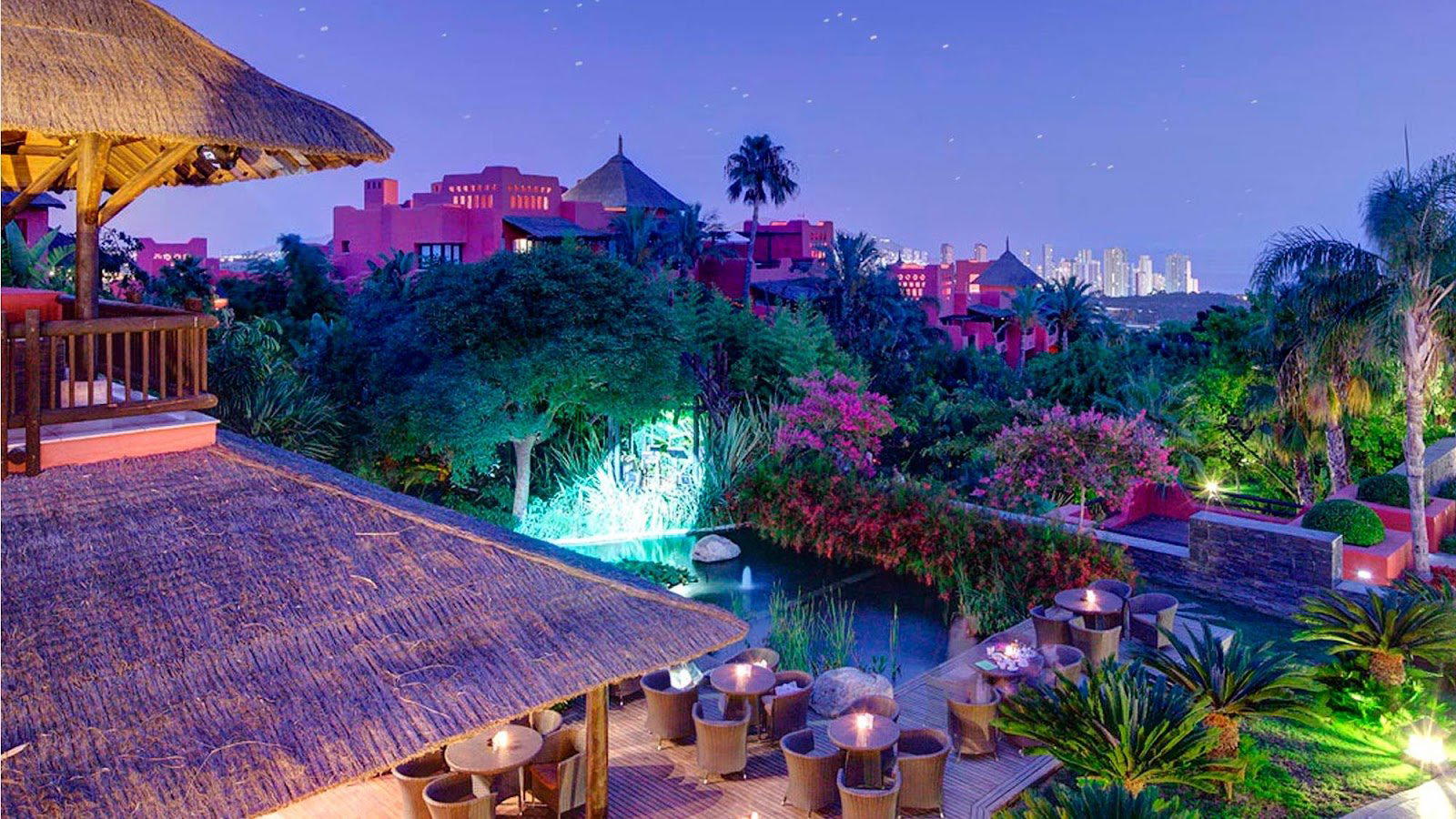
Bright, fresh, and elegant atmosphere praised for its romantic and sophisticated setting.