Beat holds a Michelin star (2024) at The Cookbook hotel in Calp, where chef José Manuel Miguel — the only chef to have earned a Michelin star in both France and Spain — combines Mediterranean produce with French technique. The menu runs across tasting formats and à la carte, including a vegetarian option, across four evening and weekend lunch sittings per week. Rated 4.8 from 769 Google reviews at the €€€€ price point.

Where the Costa Blanca Meets the French Kitchen
The stretch of coastline between Dénia and Calp has emerged, quietly but with increasing conviction, as one of Spain's more interesting addresses for serious Mediterranean cooking. It sits outside the prestige circuit of San Sebastián or the experimental energy of Madrid, yet the concentration of Michelin-starred restaurants here — Beat among them — signals something worth paying attention to. The region's proximity to Valencia, its access to exceptional Levantine produce, and a hotel dining culture that attracts international visitors have created conditions where ambitious kitchens can sustain themselves without the population density of a major city.
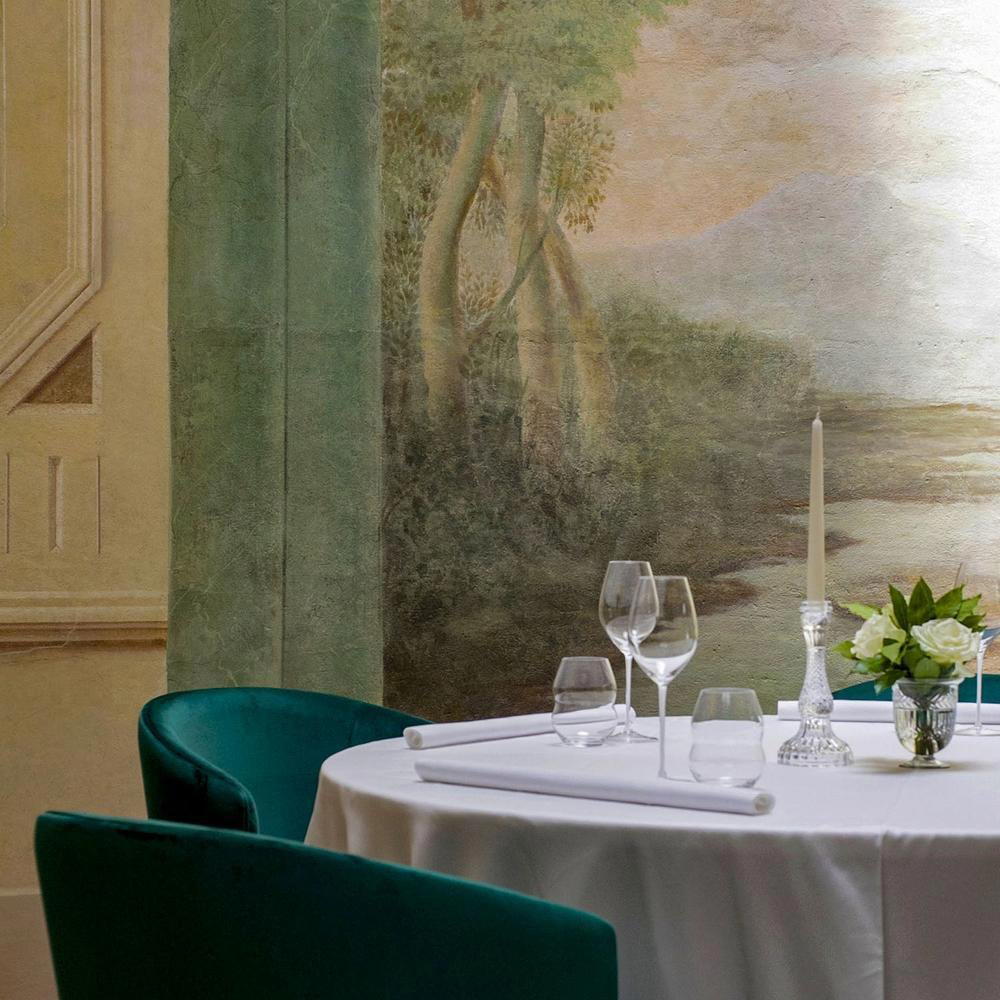
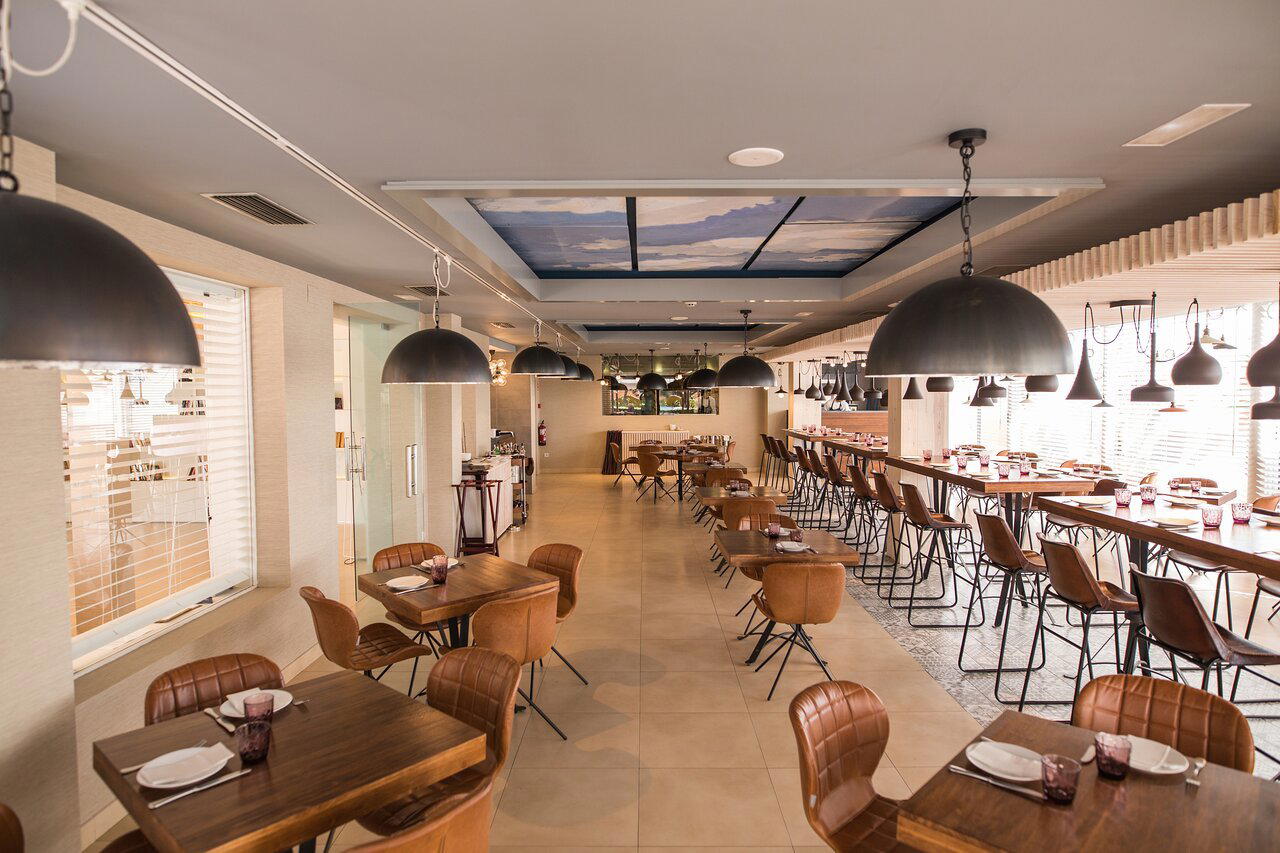
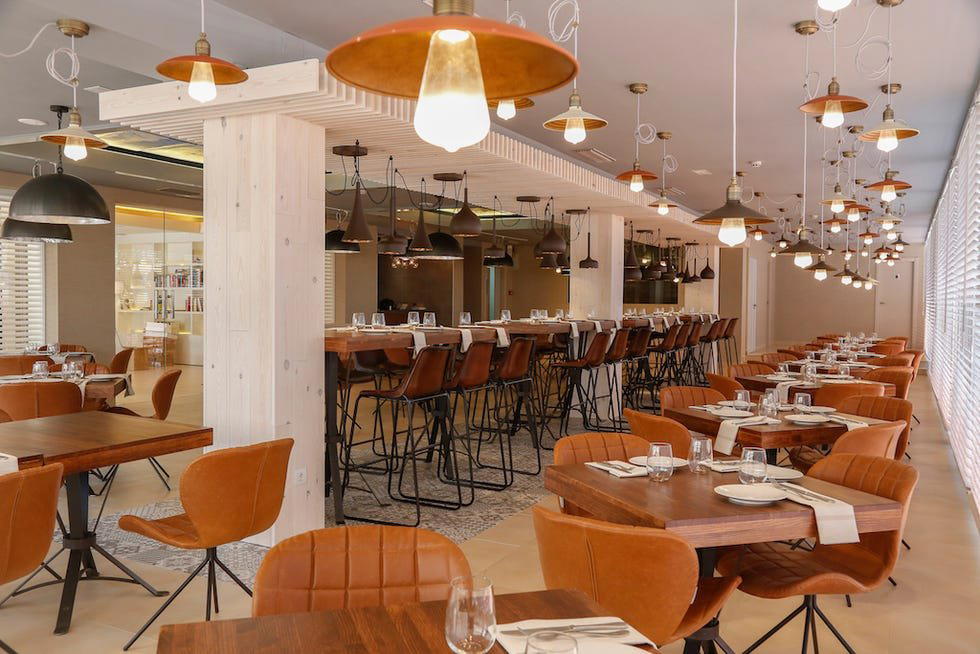
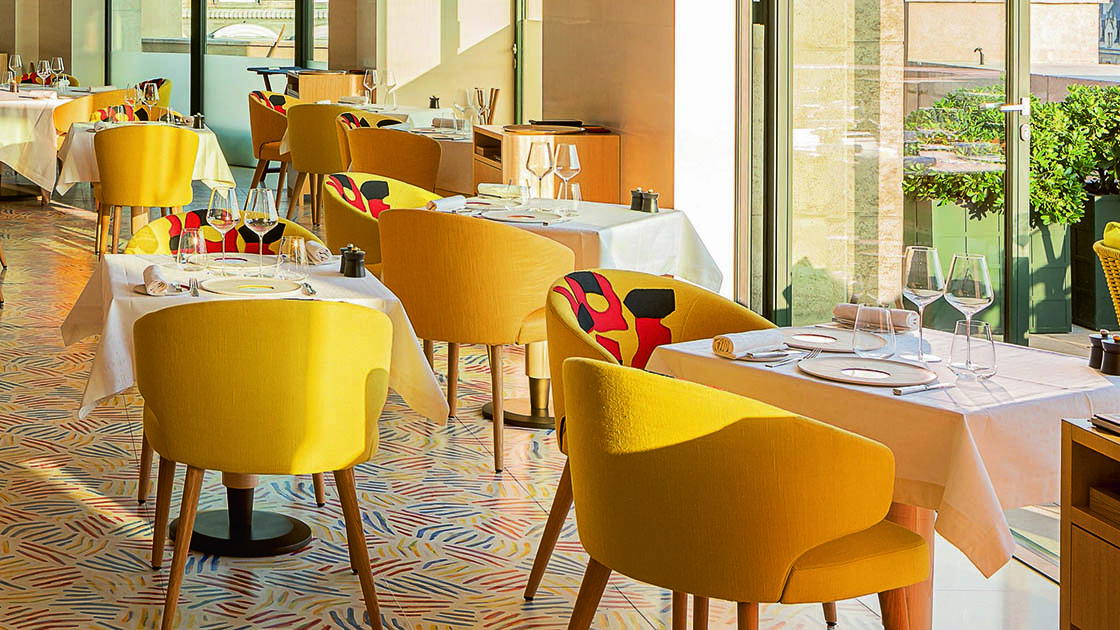
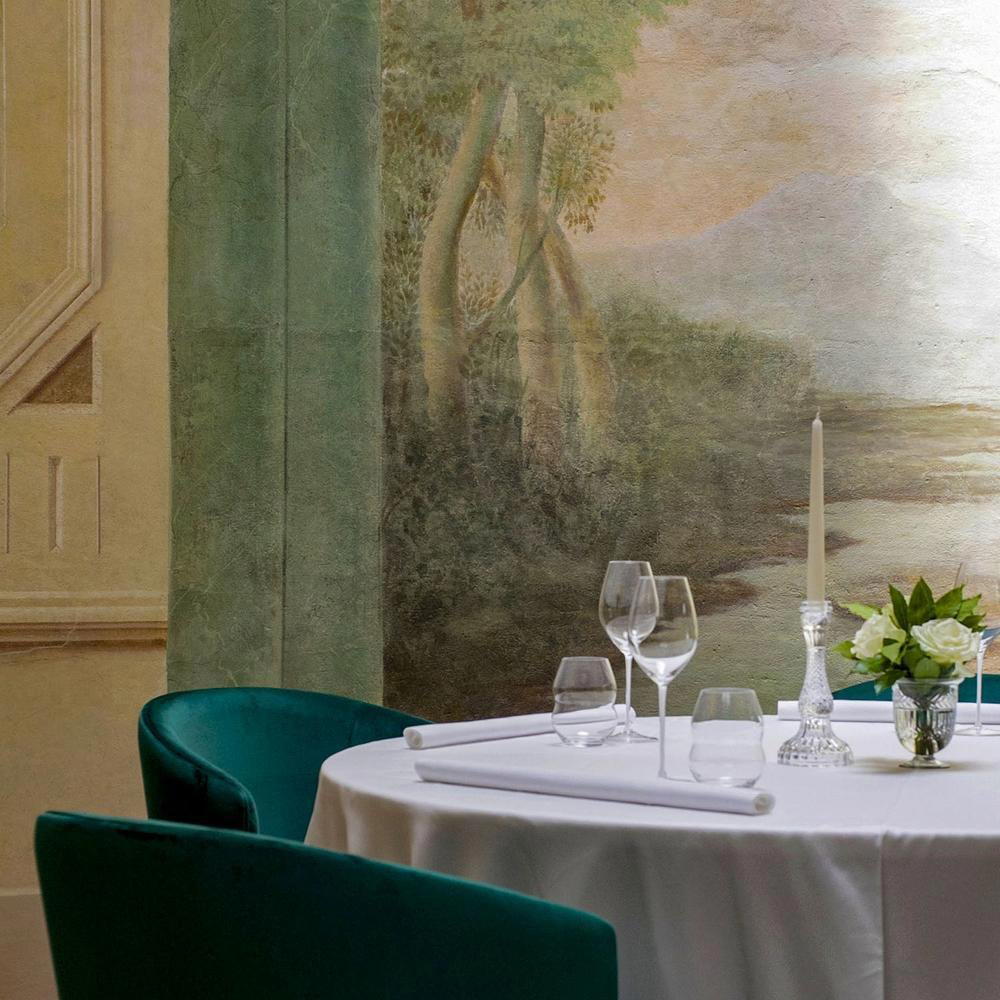
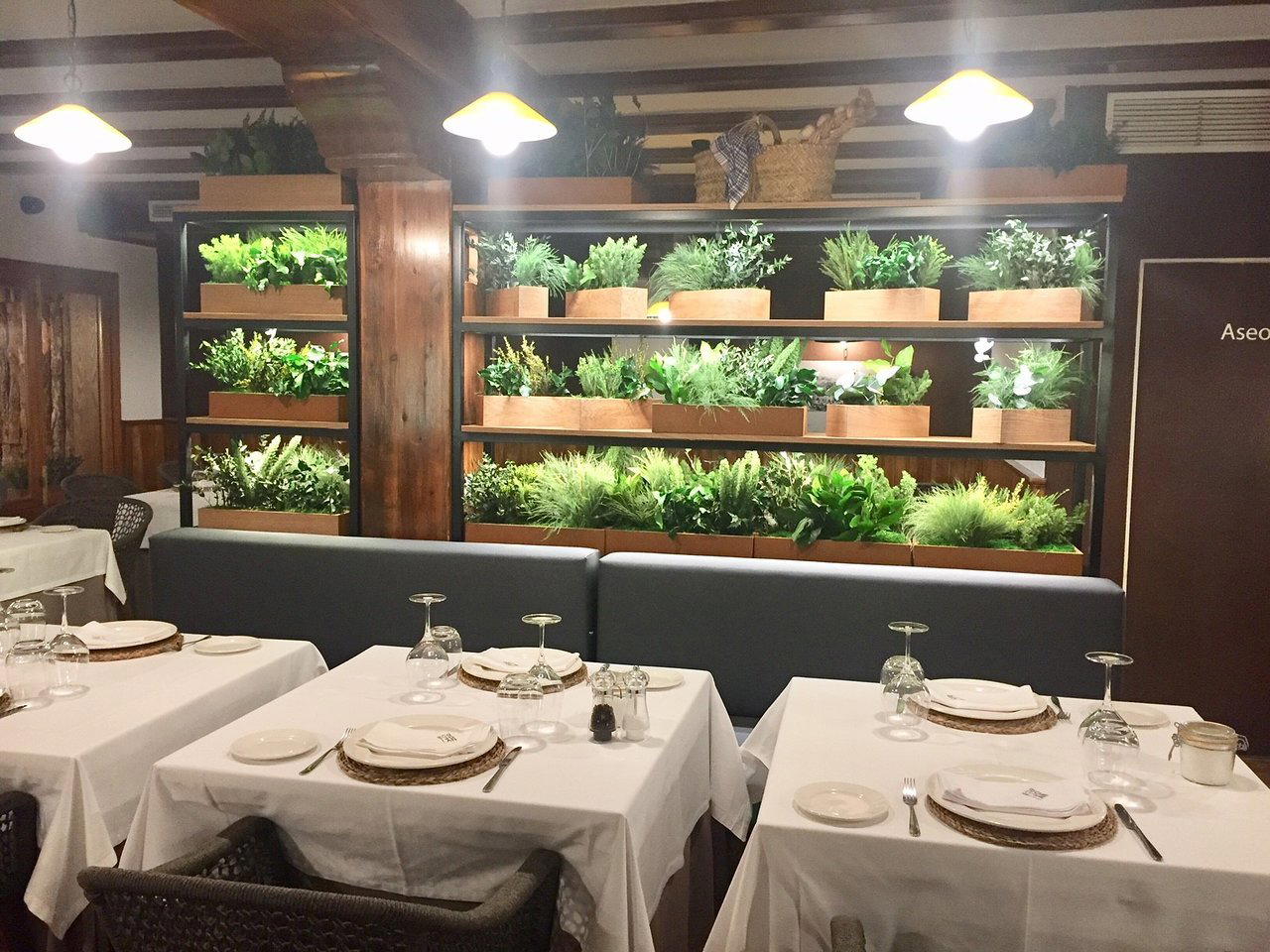
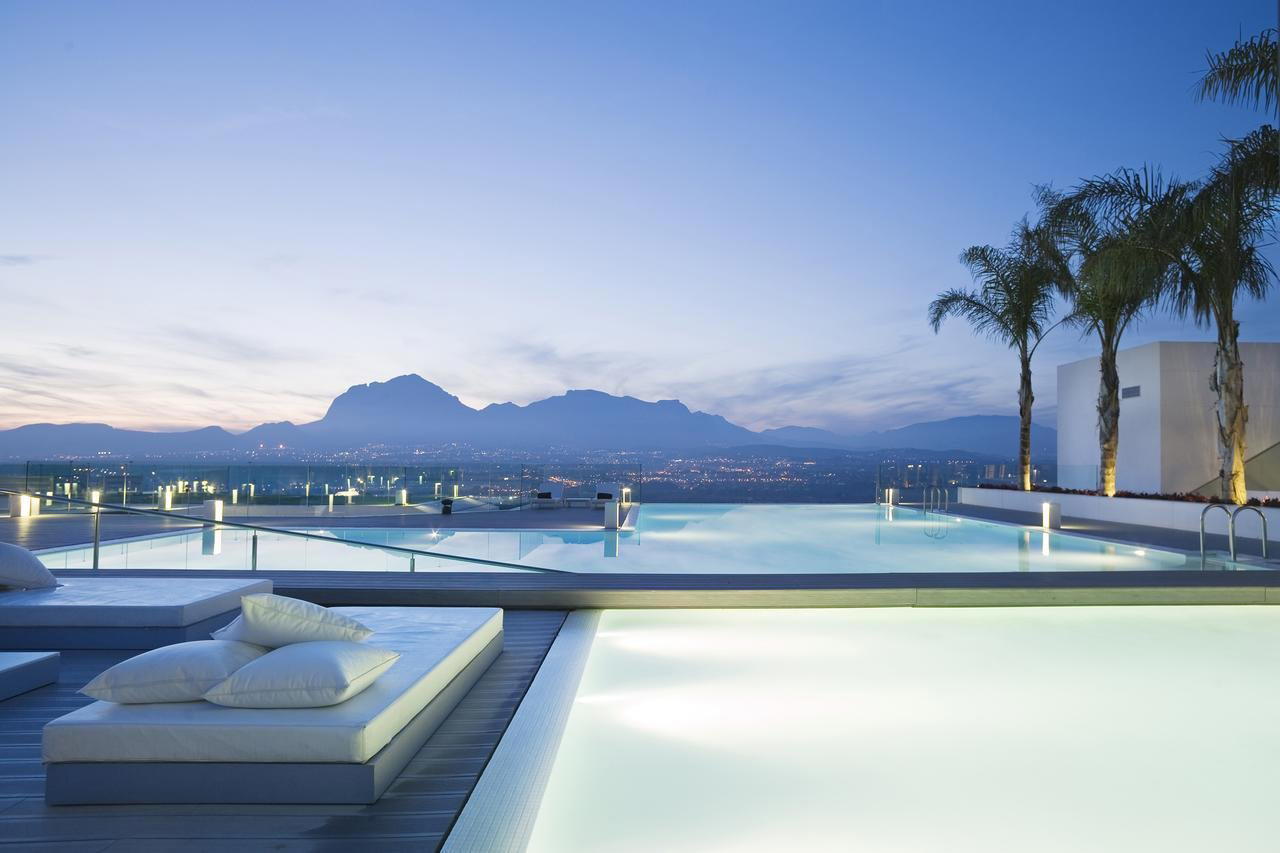
Beat, operating inside The Cookbook hotel in the Urbanización Marisol Park district of Calp, holds one Michelin star as of the 2024 guide. The dining room leans into the Mediterranean setting through a dominant white interior, which functions less as a design statement and more as a deliberate receding backdrop , the kind of environment where natural light and the produce on the plate do the work. The overall effect is spare without being cold.
A Table Tradition Between Two Culinary Cultures
The editorial angle on Beat is not simply that it holds a star in a small coastal town , that alone would be unremarkable. What distinguishes the kitchen's position in the broader Mediterranean dining conversation is the culinary lineage behind it. Chef José Manuel Miguel was born in Valencia and trained through the French system, earning Michelin recognition in France before returning to Spain. He is, according to the venue's own documentation, the only chef to have been awarded a Michelin star in both countries. That cross-channel credential shapes the entire approach at Beat: not fusion for its own sake, but a Mediterranean kitchen that treats French technique as infrastructure rather than identity.
This matters when you consider the tradition Beat is cooking within. Mediterranean cuisine across the Spanish coastline has spent the last two decades navigating between two poles: the hyper-local, product-driven cooking that defines places like Quique Dacosta in Dénia, and the more technically elaborate, internationally referential style seen at Cocina Hermanos Torres in Barcelona or DiverXO in Madrid. Beat occupies a considered middle ground: contemporary plating and French-trained precision applied to ingredients that are fundamentally Levantine. The use of authentic Normandy butter, for instance, is not a flourish , it is a signal about where the kitchen draws its references.
The Menu Structure and Sharing Logic
Beat offers both tasting menus , including a dedicated vegetarian option , and a broader à la carte. The vegetarian menu is not an afterthought or an accommodation; its presence alongside the main format suggests a kitchen confident enough in plant-forward Mediterranean cooking to treat it as a primary offering. This aligns with a wider shift visible at starred restaurants across the Valencian coast, where the extraordinary quality of local vegetables, citrus, and pulses has given chefs reason to present meatless menus as equal-weight propositions rather than substitutions.
The à la carte format carries its own significance in a room that could have defaulted entirely to the fixed-menu model. In the Michelin-starred tier, full à la carte is increasingly rare , most kitchens at this level push guests toward tasting menus to control pace and food cost. That Beat maintains both suggests either a confidence in the breadth of the menu or a deliberate hospitality choice to accommodate tables with mixed intentions. Either way, it gives the room a slightly more relaxed character than the strict omakase or chef's-menu-only format that defines comparable kitchens like Arzak in San Sebastián or Azurmendi in Larrabetzu.
The communal logic of the Mediterranean table , the meze-adjacent habit of sharing, of appetisers arriving in sequence, of a meal as a collective act rather than a series of individual plates , is present in the menu architecture here. Appetisers are described as the meal's opening rhythm, setting a pace that the kitchen controls through progression rather than a single headline dish. For tables booking in groups, this creates an experience that works laterally across the table as much as it does course by course.
Calp's Starred Scene in Context
Calp is not a dining destination in the way that Girona (home to El Celler de Can Roca) or El Puerto de Santa María (home to Aponiente) have become through their anchor restaurants. But it carries a notable density of serious cooking relative to its size. Beat sits alongside Orobianco, also Michelin-starred and Italian Contemporary at the €€€€ tier, and Audrey's, a Creative kitchen also holding a star at the same price point. That three Michelin-starred restaurants operate within a single coastal town of this scale is a fact worth registering; it positions Calp as an emerging node on the Mediterranean dining circuit rather than an outlier. The contrast with Komfort, a Contemporary kitchen at the €€ tier, illustrates how the town's restaurant offer spans a wide range , from accessible mid-market to full starred formality.
For broader Mediterranean comparisons, the cooking tradition Beat represents , French technique applied to coastal southern European produce , appears across the Mediterranean arc, from La Brezza in Ascona to Arnaud Donckele at Louis Vuitton in Saint-Tropez. That Beat belongs to this conversation from a base in Calp rather than a more prominent city is partly what makes it editorially interesting. And at Martin Berasategui in Lasarte-Oria, you see a comparable model of a chef anchoring serious fine dining in a location that requires the restaurant itself to generate its own gravitational pull. Beat operates on a smaller scale, but the structural logic is similar.
Planning a Visit
Beat operates on a restricted schedule that warrants attention before booking. The kitchen is closed Monday and Tuesday. From Thursday through Sunday, service runs at two sittings: lunch from 1:30 PM to 3:00 PM, and dinner from 8:00 PM to 10:00 PM. This is a four-day, eight-sitting week , a tight operation by any measure, and a clear indication that the kitchen is managing quality and volume deliberately rather than maximising covers. The venue is rated 4.8 from 769 Google reviews, a figure that reflects sustained performance at the €€€€ price point over a meaningful volume of visits.
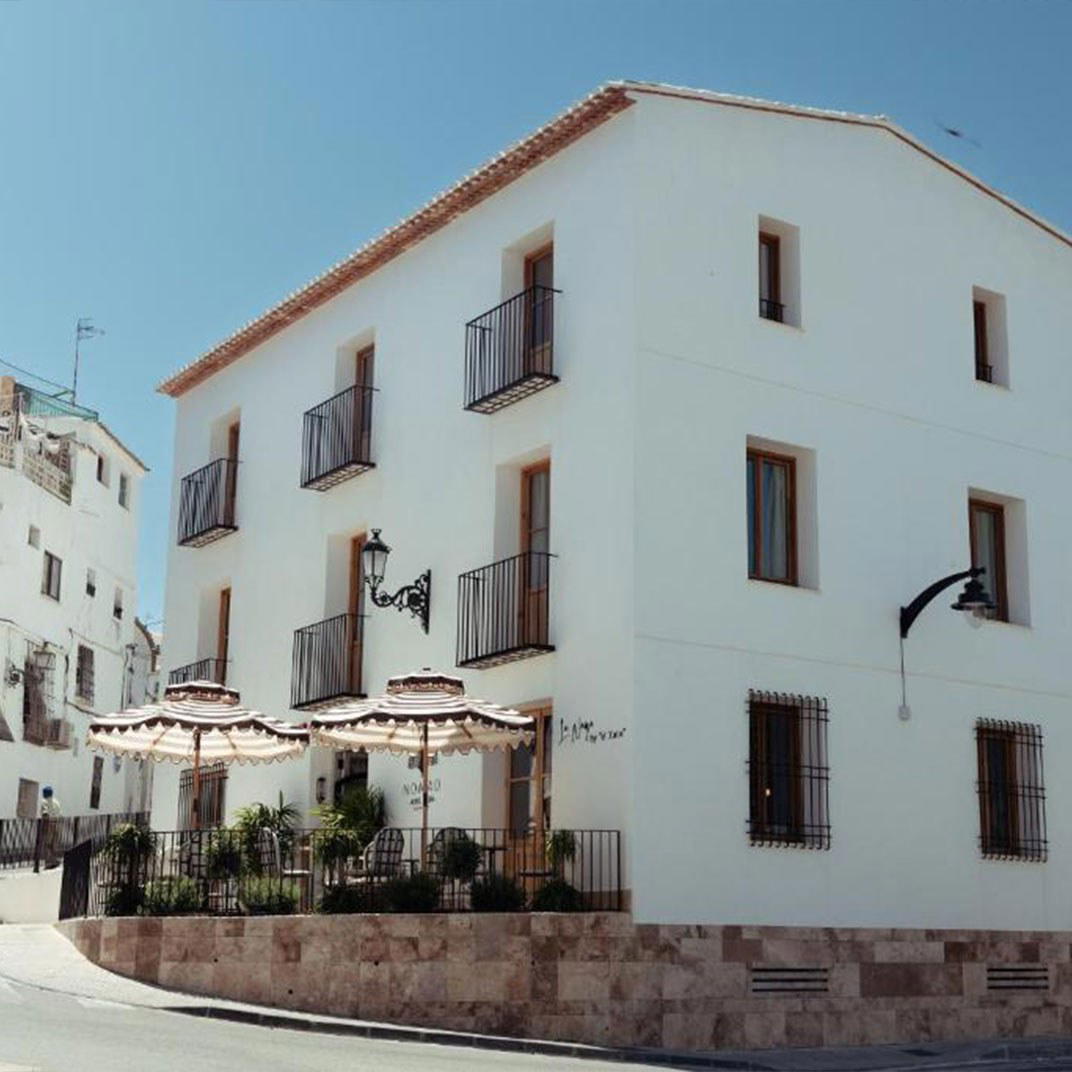
The restaurant operates within The Cookbook hotel in Urbanización Marisol Park, a residential district outside central Calp. Transport by car or taxi is the practical approach; the address is not walkable from the town's main tourist zone. Note that the venue's awards record references a temporary closure for refurbishment , prospective guests should verify current status and availability before planning around a specific date. Phone and website details are not listed in the current record, so booking through the hotel directly is the advised path. For a broader picture of what the town offers beyond Beat, the full Calp restaurants guide covers the range, and the Calp hotels guide provides context on where to stay. For drinks and wine before or after, the Calp bars guide, Calp wineries guide, and Calp experiences guide complete the picture.
FAQ
- What's the signature dish at Beat?
- No specific signature dish is documented in the current record. The kitchen's approach centres on contemporary Mediterranean dishes shaped by French technique, and the menu spans tasting formats , including a vegetarian option , alongside à la carte. Chef José Manuel Miguel holds a Michelin star in both France and Spain, a credential that speaks to the kitchen's range rather than a single headline plate. The opening sequence of appetisers is described as defining the meal's rhythm, which suggests the early courses carry particular weight in the overall experience.
Need a table?
Our members enjoy priority alerts and concierge-led booking support for the world's most difficult tables.
Access the Concierge