Nest Hotel

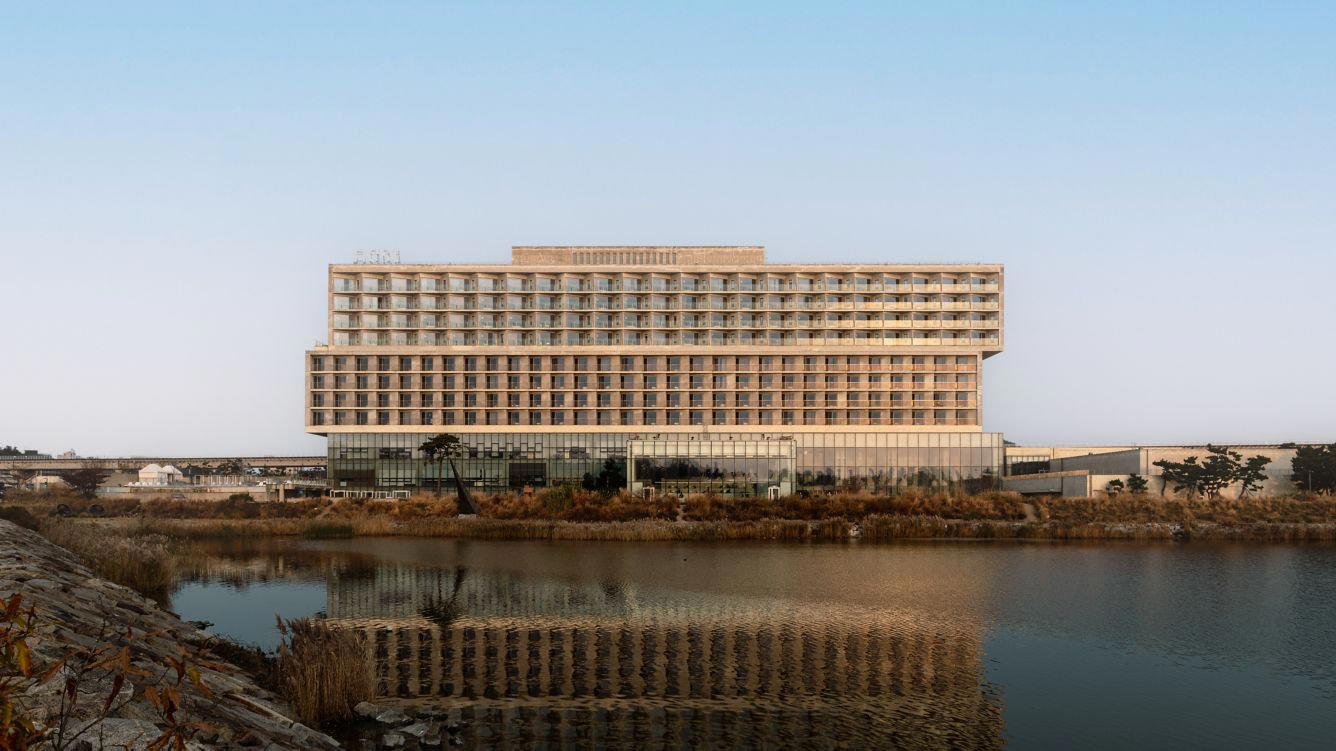
Nest Hotel occupies a distinctive position among Incheon's airport-adjacent properties, designed for travellers who want more than a transit holding pattern. Set on Yeongjongdo Island near Incheon International Airport, the hotel draws a mix of layover guests and Seoul-adjacent weekend visitors seeking coastal proximity without the capital's density. Its identity sits closer to destination stay than functional stopover.
 Discover on Pearl
Pearl is the En Primeur Club membership app — saves, bookings, and concierge access live there. Same editors, same standards.
- Address
- 19-5, Yeongjonghaeannam-ro, Jung-gu, Incheon 400-340, South Korea
- Website
- marriott.com
Airport Hotels Have Evolved, Incheon Is Making the Case
The airport hotel category has spent decades stuck between two poor options: the sterile transit pod, useful only for its proximity to departures, and the over-branded chain property that offers little reason to stay beyond necessity. Incheon's Yeongjongdo Island has become one of the more interesting places to watch that category shift. The island sits at the western edge of the Seoul metropolitan area, connected to the mainland by bridge, and its growth as a hospitality zone has been driven not just by passenger traffic at Incheon International Airport, one of Asia's highest-volume hubs, but by deliberate investment in resort-scale properties that treat the location as an asset rather than a compromise.
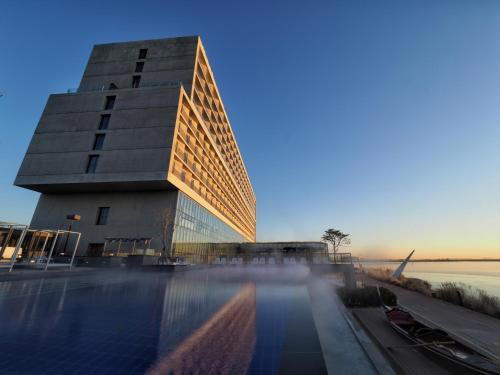
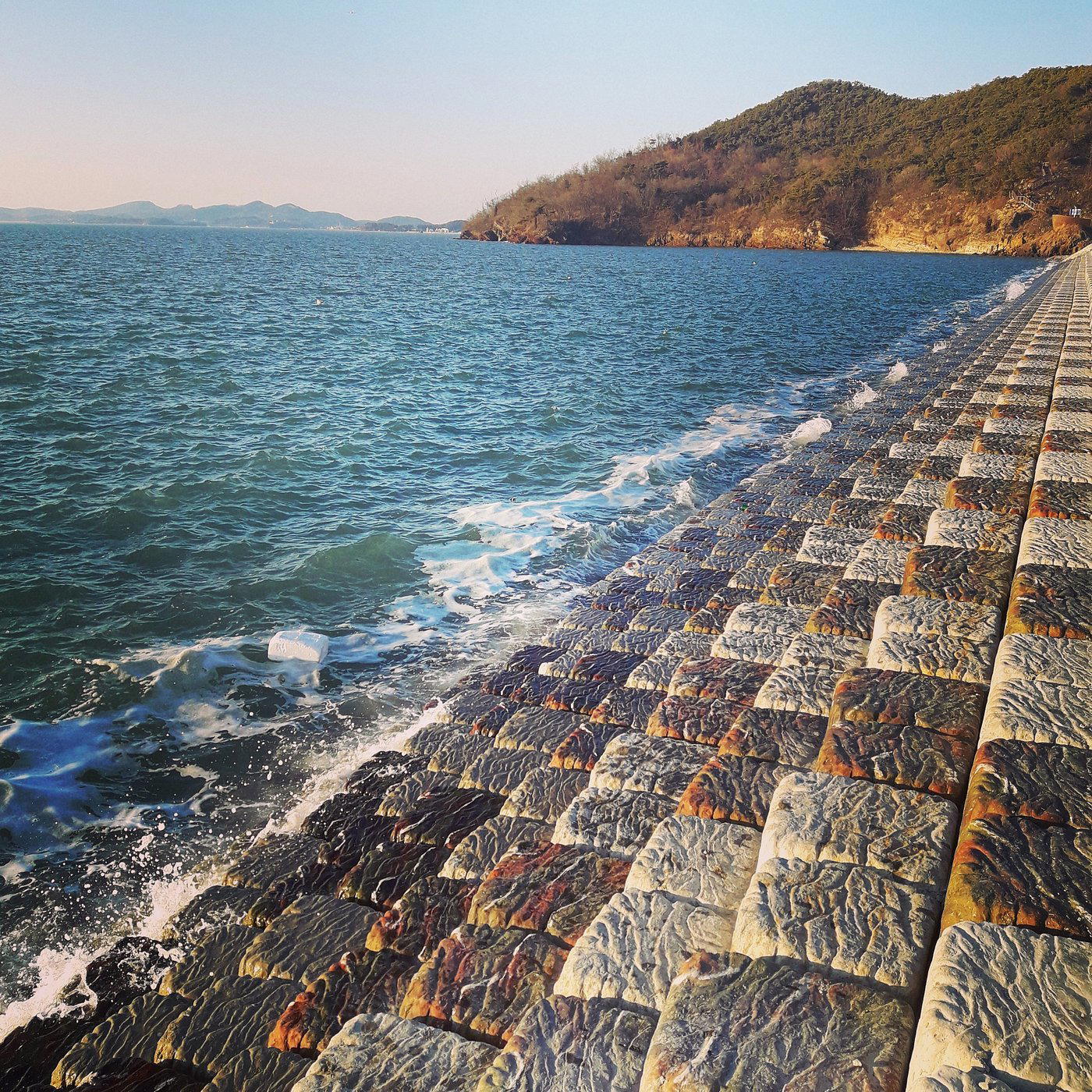
Nest Hotel is a 5-star hotel in Incheon, South Korea, with rooms from about $90 per night. It sits within that evolving context. Its address on Yeongjonghaeannam-ro places it along the island's southern coastal road, a stretch that faces open water and positions the property as something closer to a coastal retreat than a conventional airport annex. For travellers flying through Incheon on longer layovers, or for Seoul-based guests seeking a short coastal break without committing to a flight, the island's offer has grown substantially, and Nest Hotel is part of that argument.
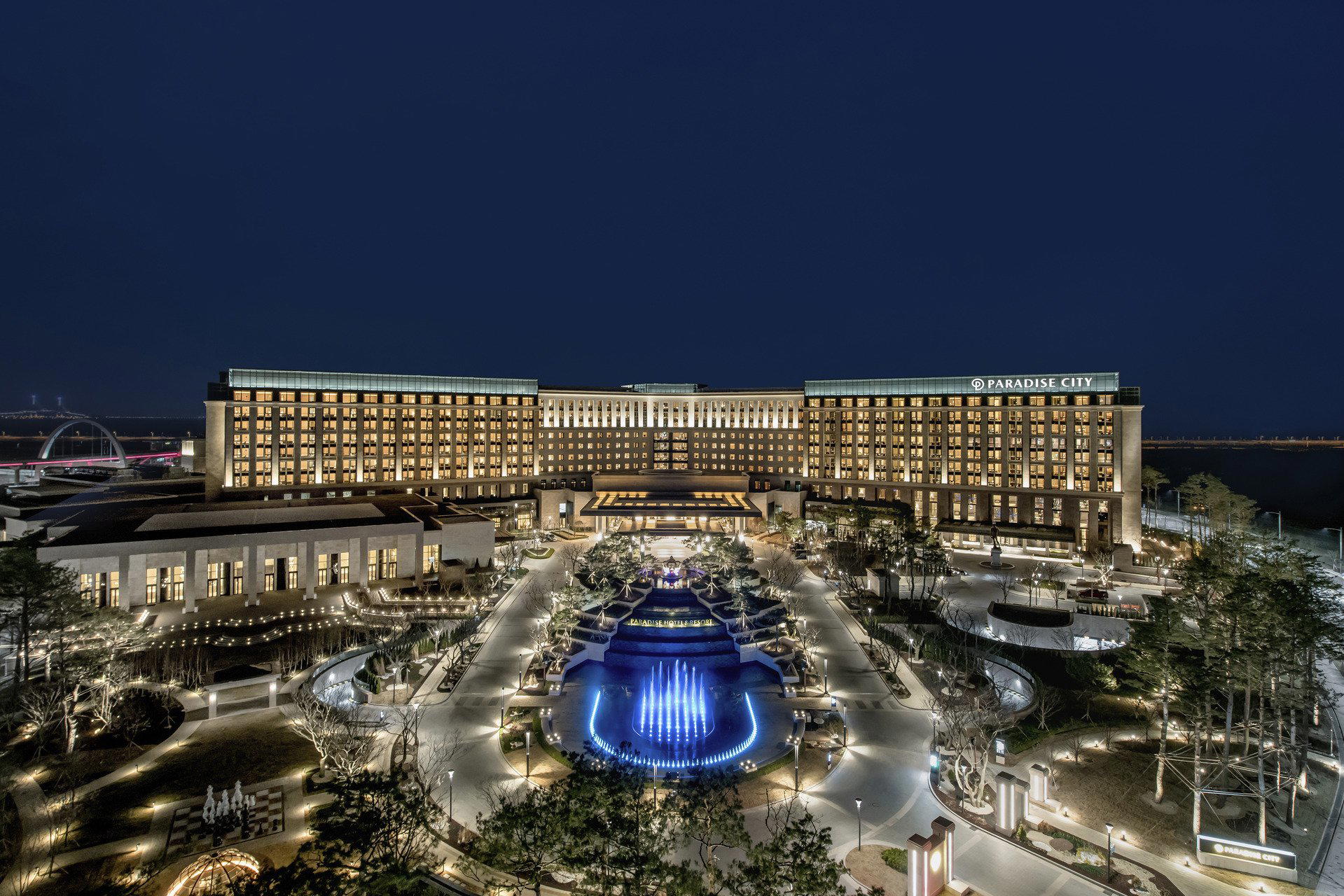
Incheon's airport-adjacent hotel tier now includes several serious competitors. Paradise City anchors the upper end, operating more as an integrated resort with casino facilities, design-forward architecture, and a substantial food and beverage programme. Art Paradiso Hotel and Art Paradiso, Paradise City extend that campus further into art-led hospitality. Nest Hotel operates at a different register, its positioning is less resort-compound and more self-contained stay, shaped by the coastal geography of the island rather than integrated entertainment infrastructure.
The Dining Argument: What Yeongjongdo Expects From Its Hotels
In a destination where guests may not leave the property for an entire stay, whether by choice during a layover or by design during a weekend escape, the food and beverage programme carries more weight than it would in a city-centre hotel. This is a dynamic that Yeongjongdo's better properties have understood clearly. Paradise City built its culinary identity around named F&B; concepts and high-profile collaborations. The island's hospitality culture has, as a result, raised the baseline expectation for what airport-adjacent dining should look like.
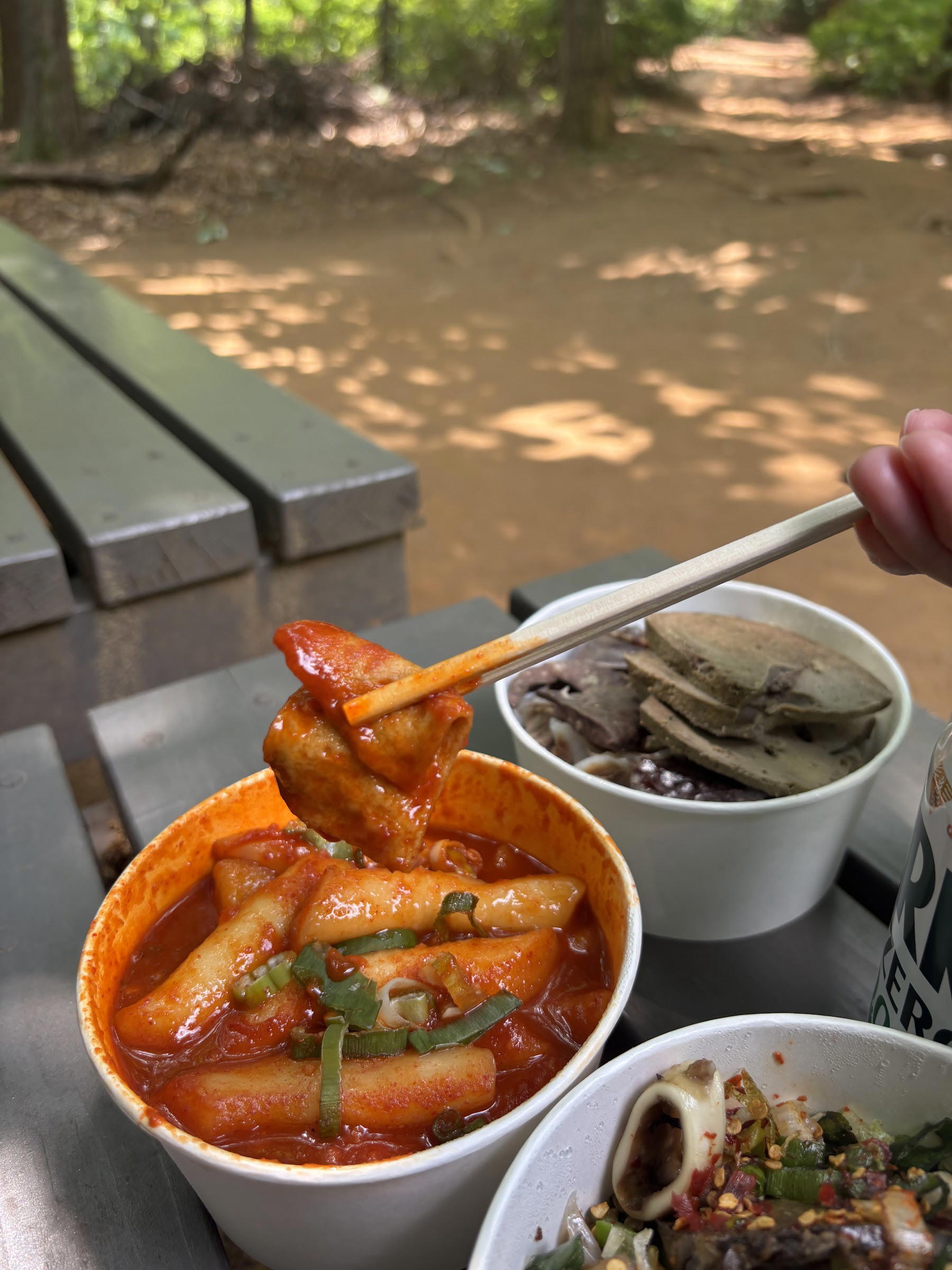
Nest Hotel's dining programme operates within that raised expectation. The property's coastal position gives it a logical anchor for a food identity rooted in the seafood traditions of Korea's West Sea, the waters visible from Yeongjongdo produce hairtail, yellow croaker, and the fermented and salted preparations that define the coastal cuisine of the Incheon region. Korean airport-hotel dining has historically leaned toward international buffet formats to serve the diversity of transit passengers, but the more considered properties on Yeongjongdo have begun to make a stronger case for regionally grounded menus alongside broader programmes. The geography makes that possible in a way it isn't for inland city hotels.
For guests arriving from international flights, the practical reality is that Incheon International Airport is approximately 15 to 20 minutes by road from most of the island's hotel cluster, making Nest Hotel's dining facilities the natural choice for anyone unwilling to venture further after a long flight. That captive logic used to produce mediocre hotel restaurants. The current generation of Yeongjongdo properties, competing against each other rather than simply against the airport food court, has changed the incentive structure.
Positioning and Peer Context
South Korea's premium hospitality market has diversified considerably. Properties like Ananti at Busan Cove have established a model for coastal resort stays that prioritise design, wellness, and food identity over pure convenience. Grand Hyatt Jeju and JW Marriott Jeju Resort & Spa anchor the island resort category further south. In that national context, Yeongjongdo's hotel cluster occupies a specific niche: accessible from Seoul in under an hour, airport-adjacent for practical convenience, and coastal enough to justify a stay independent of travel necessity.
Nest Hotel's competitive set is therefore not the five-star city-centre hotel in Seoul's Gangnam district, properties like Dormy Inn Seoul Gangnam serve a different guest with different priorities, nor is it the destination resort requiring a flight to reach, like Haevichi Hotel & Resort Jeju. It occupies the middle space: a stay that earns its place through location specificity and property character rather than brand scale or island remoteness.
Globally, the airport-adjacent hotel that successfully repositions itself as a destination stay is a pattern worth watching. Properties like Aman Venice or Bvlgari Hotel Tokyo sit at the far end of that ambition in terms of scale and investment. Nest Hotel's version of the argument is more grounded: a property that takes the Incheon island setting seriously as a reason to stay, rather than treating it as incidental to the airport's proximity.
Planning a Stay: What to Know
Yeongjongdo is accessible from Seoul's city centre via the Airport Railroad (AREX), with express services connecting to Incheon Airport in approximately 43 minutes from Seoul Station, and the island's hotels a short transfer beyond. For travellers arriving internationally, the hotel is within practical reach of the arrivals hall without requiring a full city transit. Guests planning a standalone weekend stay from Seoul should note that the coastal road location means the property is better suited to those with access to a vehicle or comfortable with local taxi services for exploring the island's broader waterfront areas.
Nest Hotel's specific proposition is the West Sea coastal position combined with Incheon airport convenience.
Those planning broader South Korea itineraries may also find useful reference in properties across the peninsula, from Hyatt Place Gwangju in the southwest to KOSMOS ULLEUNGDO on the remote East Sea island of Ulleungdo, and the hanok-style accommodation represented by Soi Hanok Stay in Gyeongju.
At a Glance
- Modern
- Quiet
- Cozy
- Family Vacation
- Business Trip
- Weekend Escape
- Infinity Pool
- Rooftop Pool
- Panoramic View
- Wifi
- Pool
- Spa
- Fitness Center
- Room Service
- Concierge
- Restaurant
- Airport Transfer
- Mountain
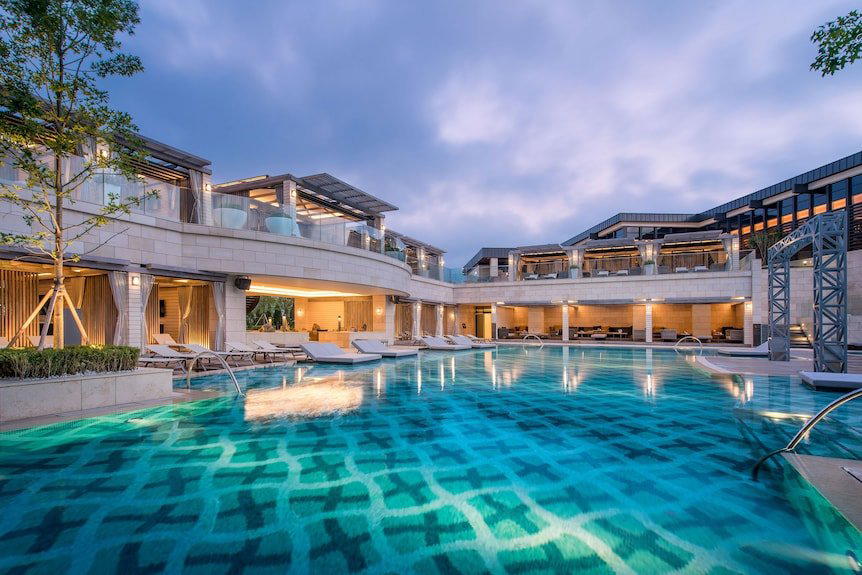
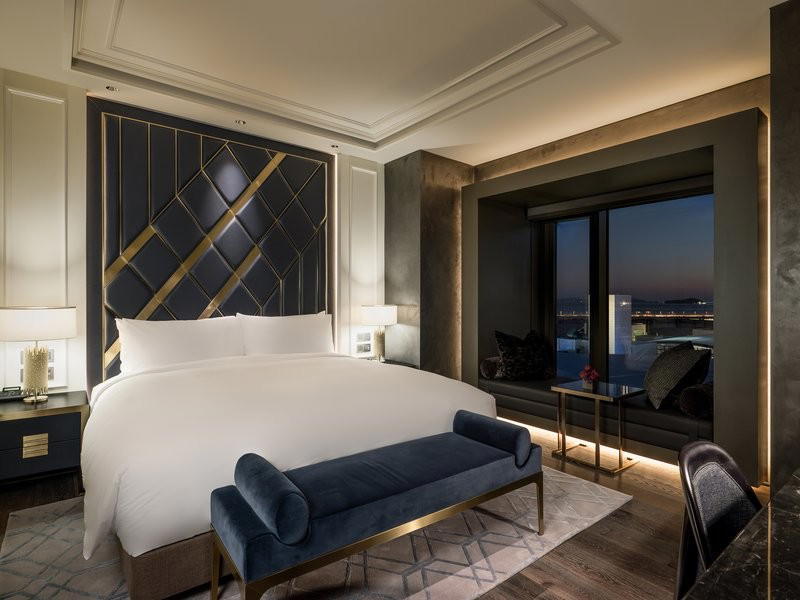
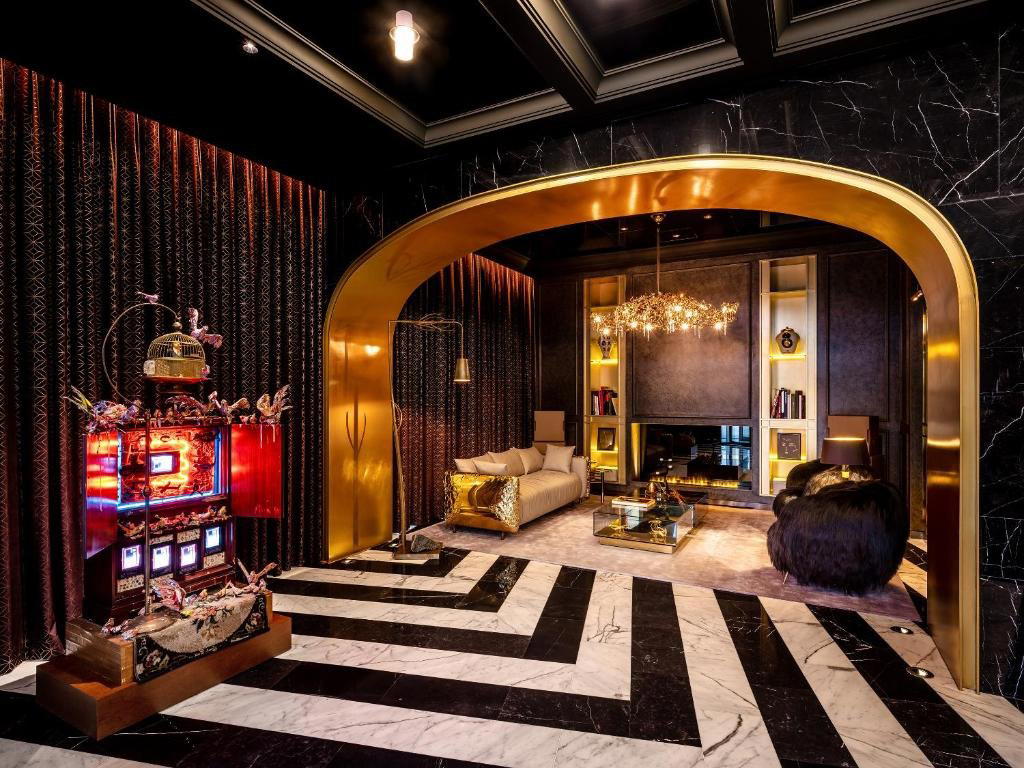
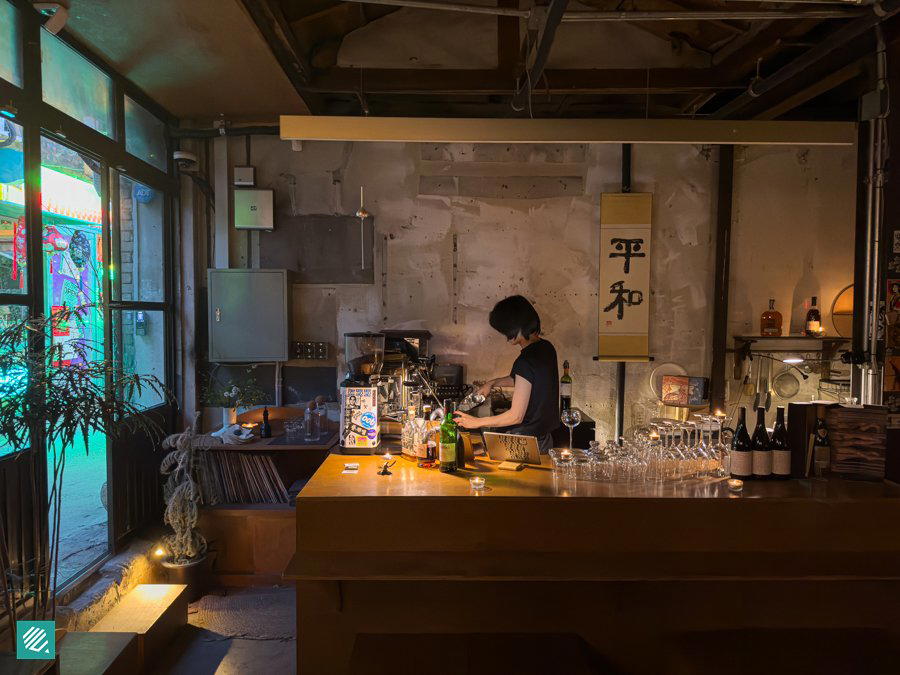
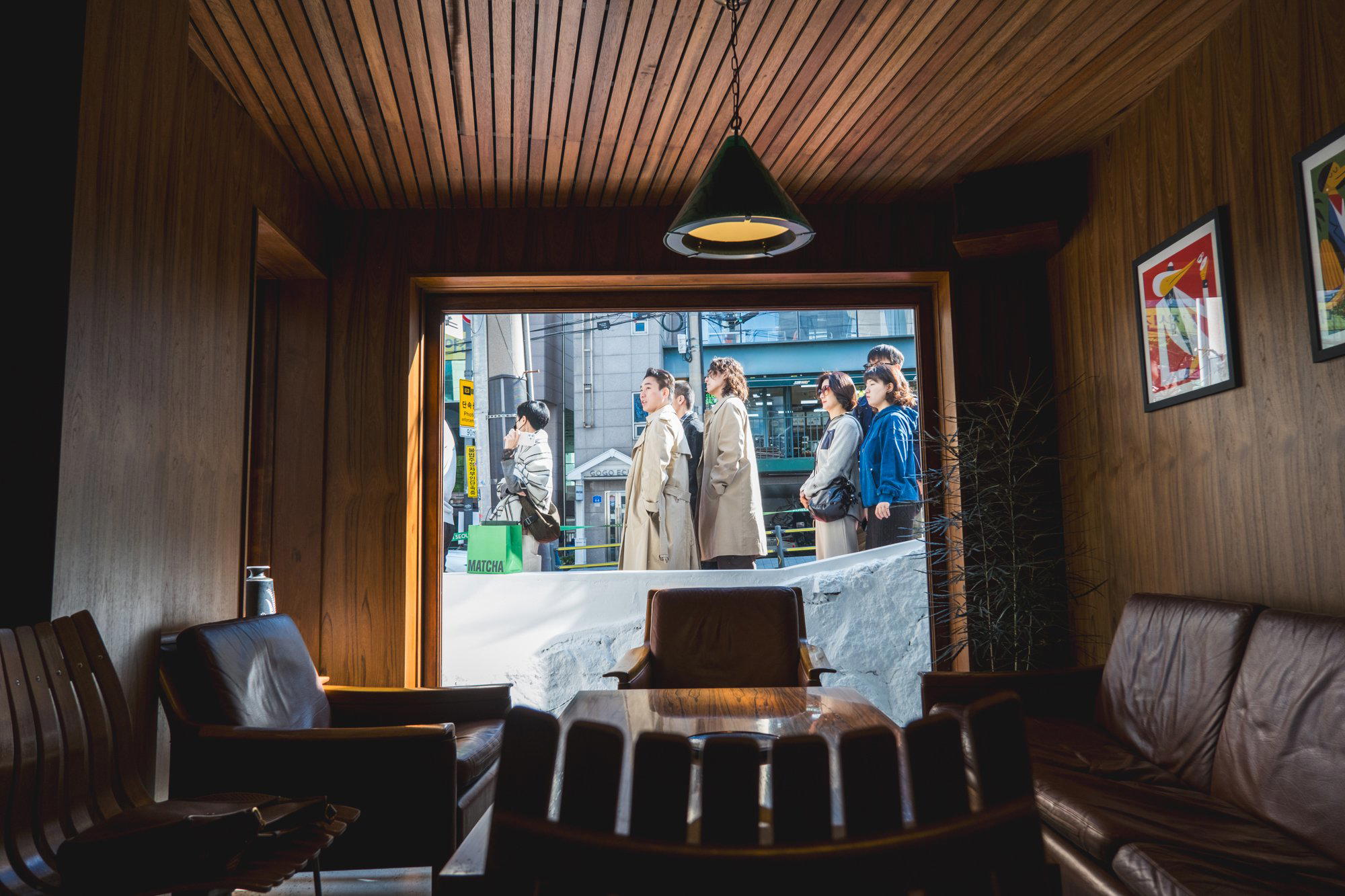
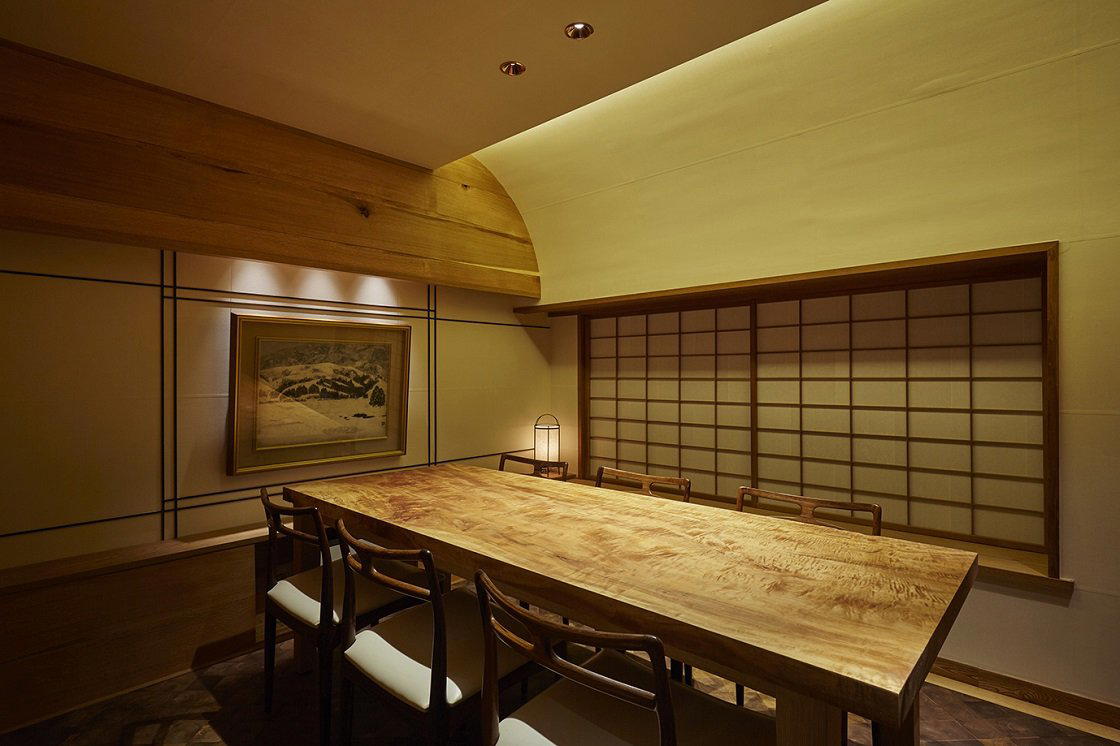
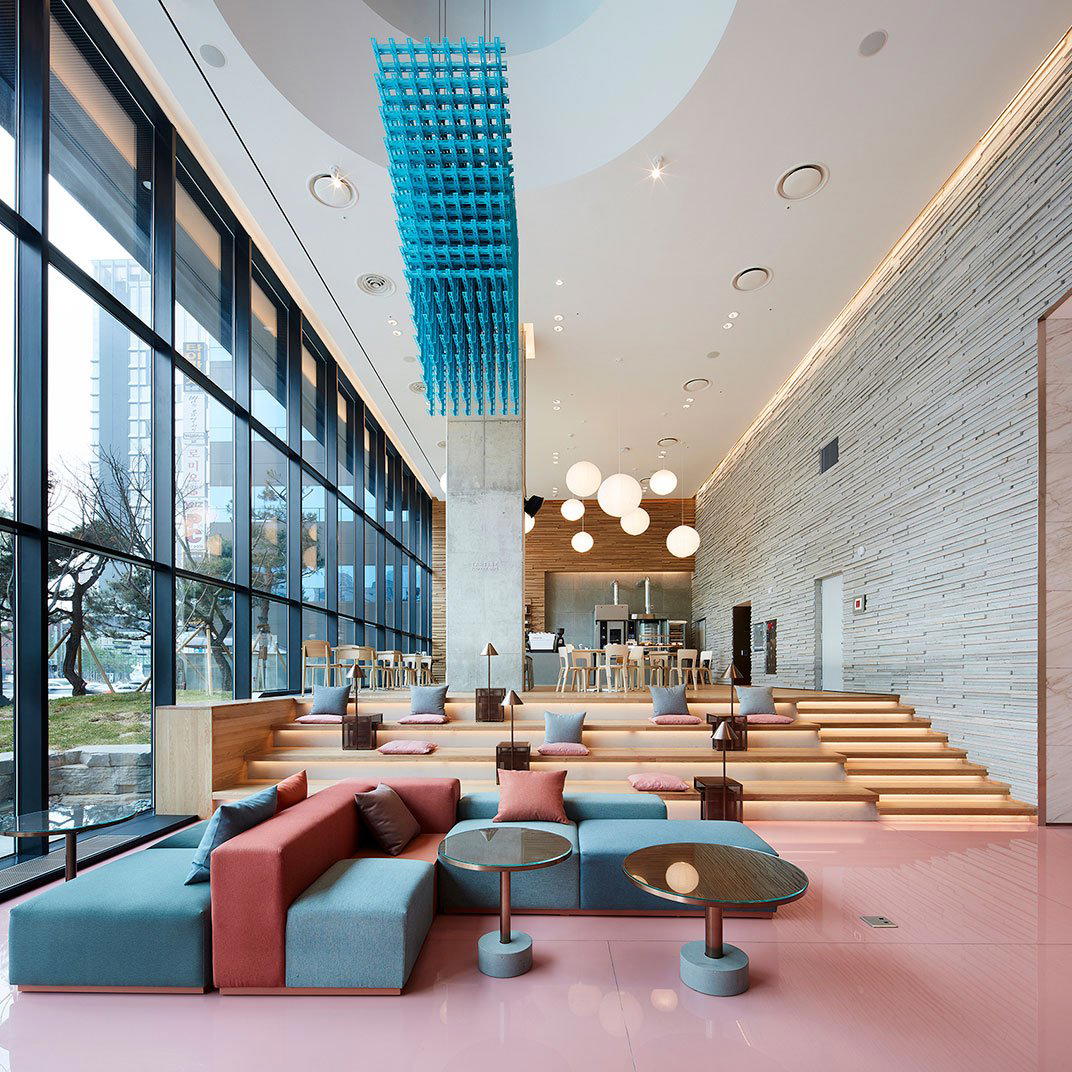
Tranquil and modern with natural light, wood and concrete interiors, and relaxing spa-like atmosphere.