MUSA Lago di Como holds three international awards, Regional Winner for Luxury Lakeside Hotel, Global Winner for Luxury Design Boutique Hotel, and Continent Winner for Luxury Brand, placing it among the more decorated small luxury properties on the lake. Located in Sala Comacina on Via Statale, it operates in the design-led boutique tier that has redefined Lake Como's upper accommodation market over the past decade.
Pearl is the En Primeur Club membership app — saves, bookings, and concierge access live there. Same editors, same standards.
- Address
- Via Statale, 45, 22010 Sala Comacina CO, Italy
- Phone
- +39 0344 56260
- Website
- musacomo.com
- Directions
- Get directions
 Saves & bookings on Pearl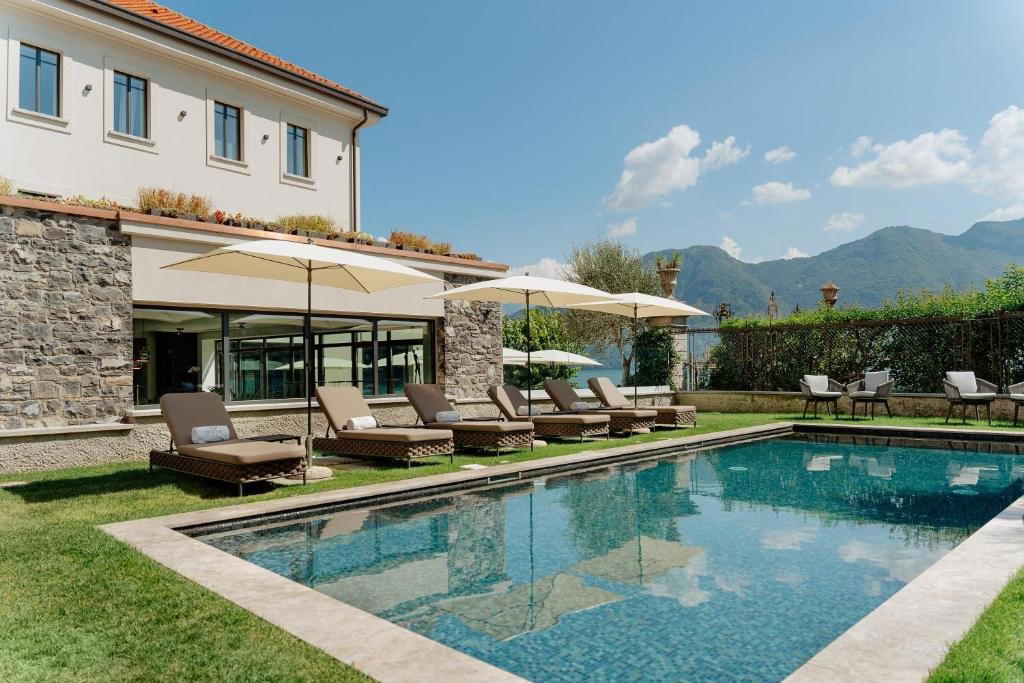
Where Lake Como's Design-Led Boutique Tier Takes Shape
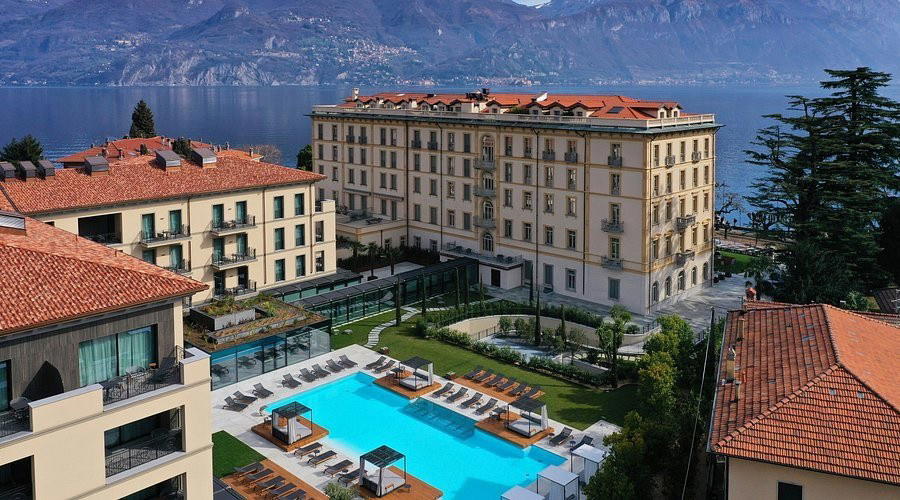
Approach Sala Comacina by water and the western shore of Lake Como reads as a sequence of low-rise stone buildings, terraced gardens, and the occasional private dock. The village sits at the southern end of the lake's central basin, close to the uninhabited Isola Comacina, the only island on the lake, and far enough from the coach-tour circuits of Bellagio and Varenna to maintain a different register of quiet. It is into this setting that MUSA Lago di Como positions itself as a design-led boutique hotel in Sala Comacina, a five-star hotel on Lake Como's western shore.
That tier is now where particularly serious accommodation decisions on the lake get made. Large international-flagged hotels, the sort represented on the Como waterfront by properties like the Hilton Lake Como, offer scale, full-service infrastructure, and a recognisable brand logic. Design boutique hotels offer something structurally different: limited keys, material specificity, and a direct relationship between the physical environment and the guest experience. Its three international awards, Regional Winner for Luxury Lakeside Hotel, Global Winner for Luxury Design Boutique Hotel, and Continent Winner for Luxury Brand, confirm its place in that second cohort.
The Dining and Food Culture Framework at Sala Comacina
Lake Como's dining identity has always been shaped by its geography. The lake's communities are small, road access is slow by Italian standards, and the local larder skews toward freshwater fish, agone, lavarello, persico, cured and prepared in ways that have little counterpart elsewhere in Lombardy. The village of Sala Comacina, specifically, has a documented history tied to the island opposite: for centuries, the Isola Comacina held strategic and ecclesiastical significance, and the mainland community that served it developed a distinct culinary self-sufficiency. That local context tends to inform how serious lakeside hotels in the area frame their food programming, whether through direct sourcing from lake fisheries, partnerships with local producers in the valleys above, or a menu logic that treats Como's regional pantry as the starting point rather than an afterthought.
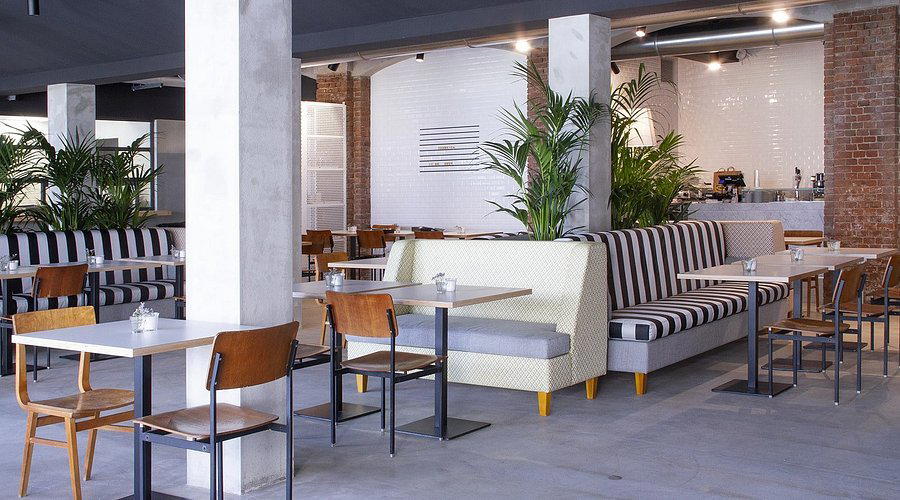
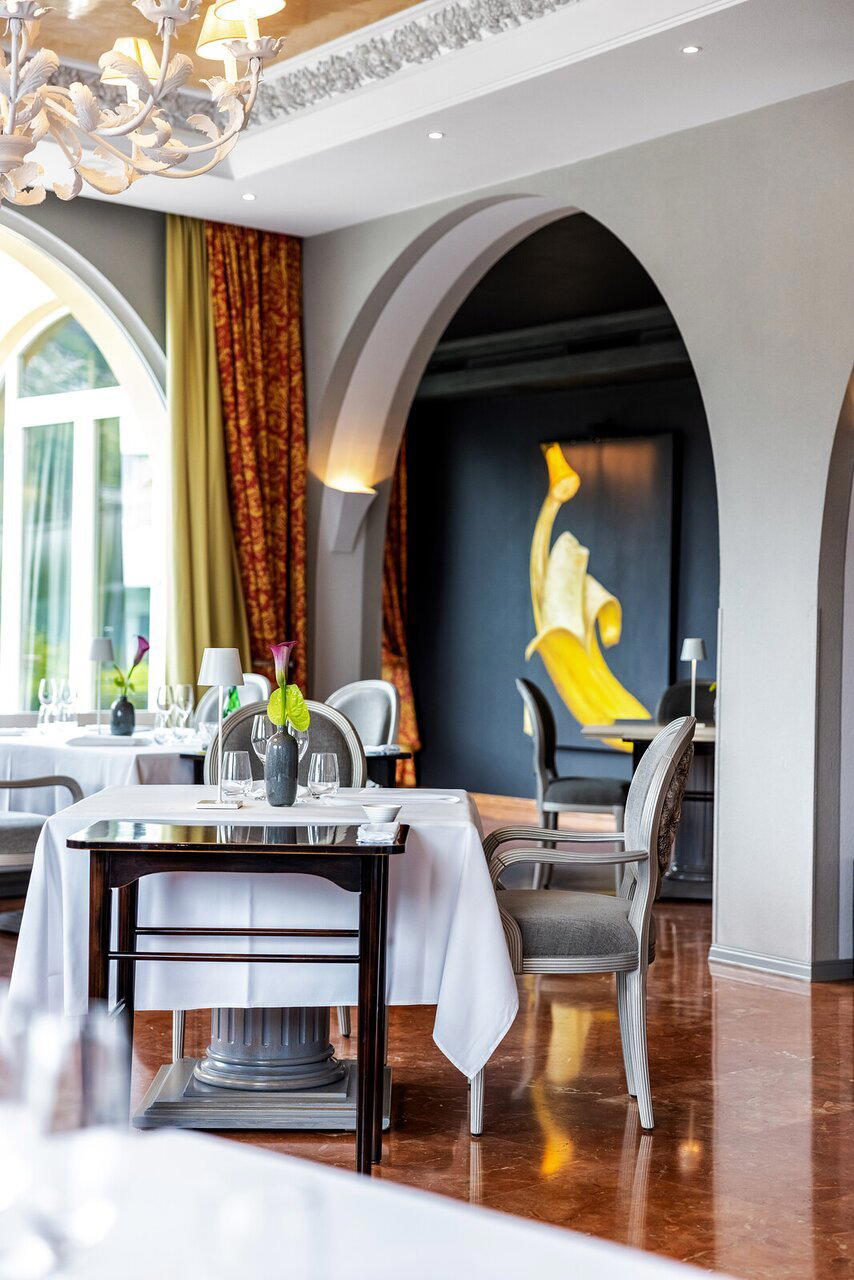
Design boutique hotels of MUSA's calibre, comparable in positioning to properties like Passalacqua in Moltrasio on the same lake, or further afield, Il Pellicano in Porto Ercole and Borgo Santandrea on the Amalfi Coast, typically anchor their food offer to place rather than to culinary celebrity. The kitchen is not a separate attraction; it is an extension of the property's design and sourcing philosophy. MUSA's food and beverage spaces are expected to follow the same material and aesthetic discipline as the accommodation itself.
Placing MUSA in Italy's Design Boutique Field
Italy's luxury boutique market has fragmented meaningfully over the past fifteen years. At one end, heritage rural conversions, Castello di Reschio in Lisciano Niccone, Borgo Egnazia in Savelletri di Fasano, Rosewood Castiglion del Bosco in Montalcino, have built entire hospitality worlds around restored agricultural estates. At the other, city-format properties like Portrait Milano and Bulgari Hotel Roma in Rome operate where design brand logic and urban luxury converge. The lake properties occupy a third category: small-scale, scenically anchored, with design specificity as a differentiator.
Within that lake category, MUSA's award profile positions it alongside the properties that have moved beyond scenic credential alone. A Luxury Brand award at the continental level suggests a consistent visual and experiential identity across the property. For comparison, properties like Casa Maria Luigia in Modena have built similar award recognition by treating every detail of the guest environment, food, interiors, service rhythm, as part of a single curatorial argument. MUSA appears to operate on a comparable logic on Lake Como.
Other Italian design properties that have earned international recognition in the boutique tier include JK Place Capri, Il San Pietro di Positano, and Four Seasons Hotel Firenze in Florence, each anchored to a specific geography and operating in a price and expectation tier well above the regional midpoint. MUSA's comparable set on Lake Como is smaller: the lake does not produce many properties with this level of international award recognition, which is part of what makes its location on the relatively quiet western shore notable.
Planning a Stay at MUSA Lago di Como
Sala Comacina is accessible by ferry from Como city, by private water taxi, or by car along the SS340 lakeside road. The village is not a dining destination in the way that Como city or Cernobbio are, which means that guests staying at a property of MUSA's calibre should expect the hotel's own food and beverage offer to carry significant weight in the stay experience.
Lake Como's high season runs from May through September, with July and August seeing the highest concentration of visitors on the water and at lakeside restaurants. Early May and late September offer the same light quality with considerably less pressure on restaurants and ferry services. For those comparing Como-area properties before committing, Palazzo Venezia and VISTA Lago di Como represent alternative positions within the city's accommodation range. Internationally, travellers who respond to this kind of design-led lakeside format often also consider Aman Venice, Castel Fragsburg in Merano, or, outside Europe, Amangiri in Canyon Point, properties where the relationship between architecture, landscape, and intimacy of scale defines the offer more than brand recognition or room count.
Booking and Cost Snapshot
Comparable venues nearby, for context on price, style, and recognition.
| Venue | Price | Awards | Notes |
|---|---|---|---|
| MUSA Lago Di ComoThis venue — the venue you are viewing | $$$$ | 5-Star | Not listed |
| VISTA Lago di Como | $$$$ | 5-Star | Como City Centre, Luxury urban boutique palace hotel blending 19th-century heritage architecture with contemporary design, positioned as Como's premier five-star property for informed travelers seeking refined lakeside elegance. |
| Villa Gina | $$$ | 4-Star | Varenna, Independent heritage villa apartments offering self-catering accommodations with historical charm and modern renovations. |
| Palazzo Venezia | $$$$ | 5-Star | Centro Storico (Historic Center), Historic 19th-century palazzo reimagined as a contemporary luxury boutique hotel, blending classical Italian and Venetian architecture with modern refinement. |
| DBH – Boutique Hotel Lake Como | $$$$ | 4-Star | Como City Centre, Boutique design hotel in renovated clerical buildings |
| Hilton Lake Como | $$$$ | 4-Star | slopes surrounding Lake Como, Contemporary luxury hotel with modern wellness focus |
Recognition history
Dated appearances from independent guides and award organizations, with the underlying list record or original source where available.
World Luxury Hotel Awards WLHA Continent Winner
World Luxury Hotel Awards
World Luxury Hotel Awards WLHA Regional Winner
World Luxury Hotel Awards
World Luxury Hotel Awards WLHA Global Winner
World Luxury Hotel Awards
Continue exploring
More in Como
Hotels in Como
Browse all →
Bars in Como
Browse all →
Restaurants in Como
Browse all →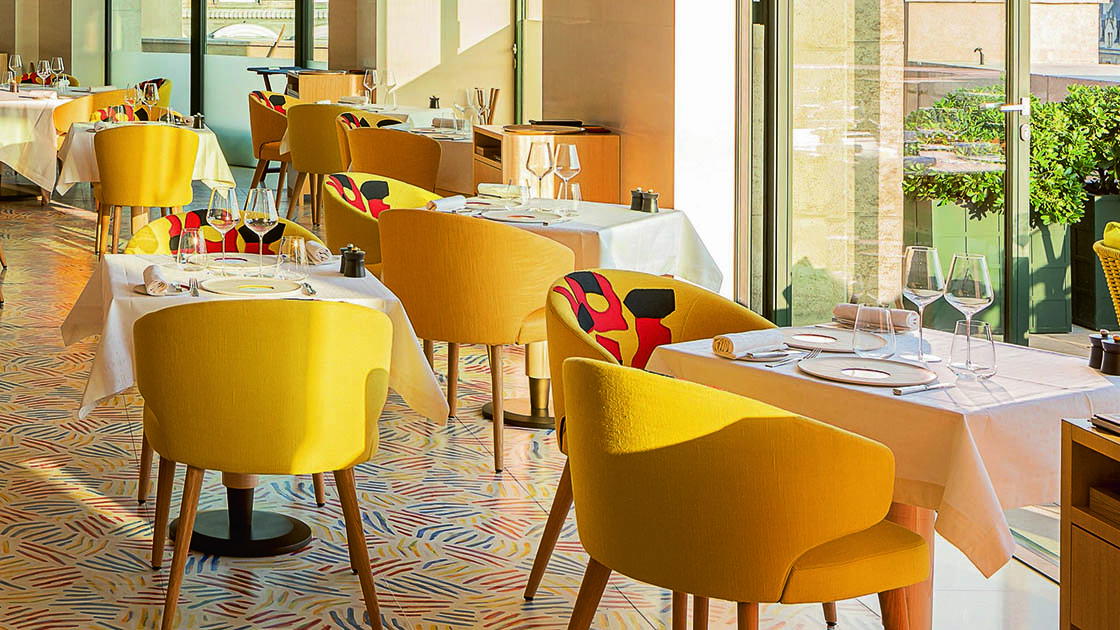

At a Glance
- Romantic
- Elegant
- Modern
- Scenic
- Sophisticated
- Intimate
- Honeymoon
- Romantic Getaway
- Anniversary
- Weekend Escape
- Waterfront
- Infinity Pool
- Panoramic View
- Terrace
- Wi Fi
- Pool
- Spa
- Fitness Center
- Room Service
- Concierge
- Restaurant
- Waterfront
- Wi Fi
- Pool
- Spa
- Fitness Center
- Room Service
- Concierge
- Restaurant
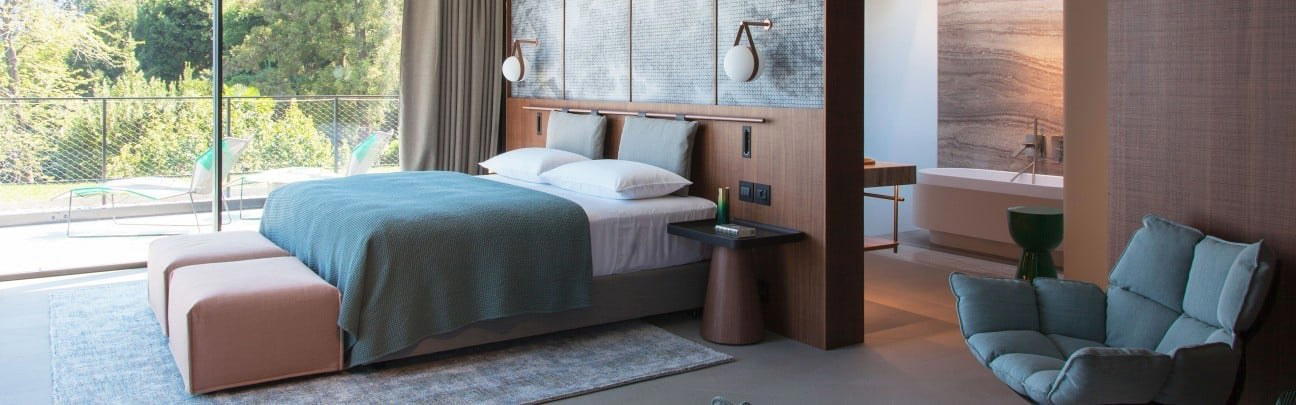
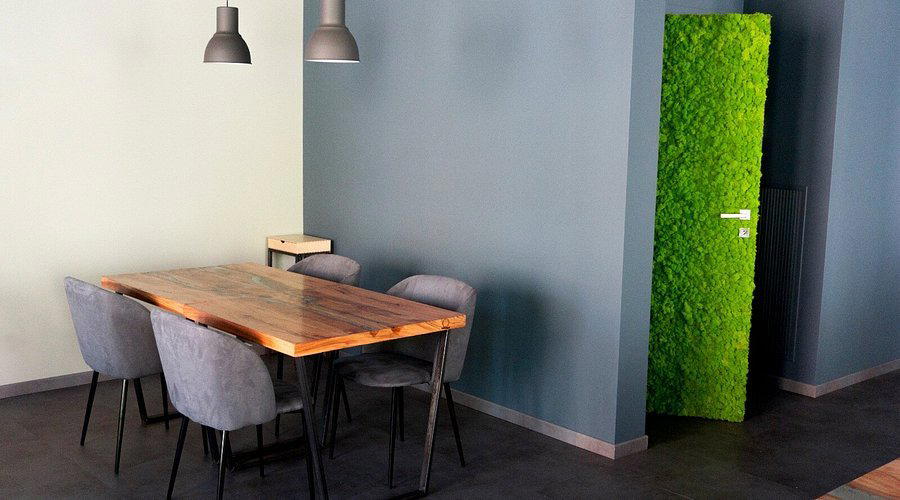
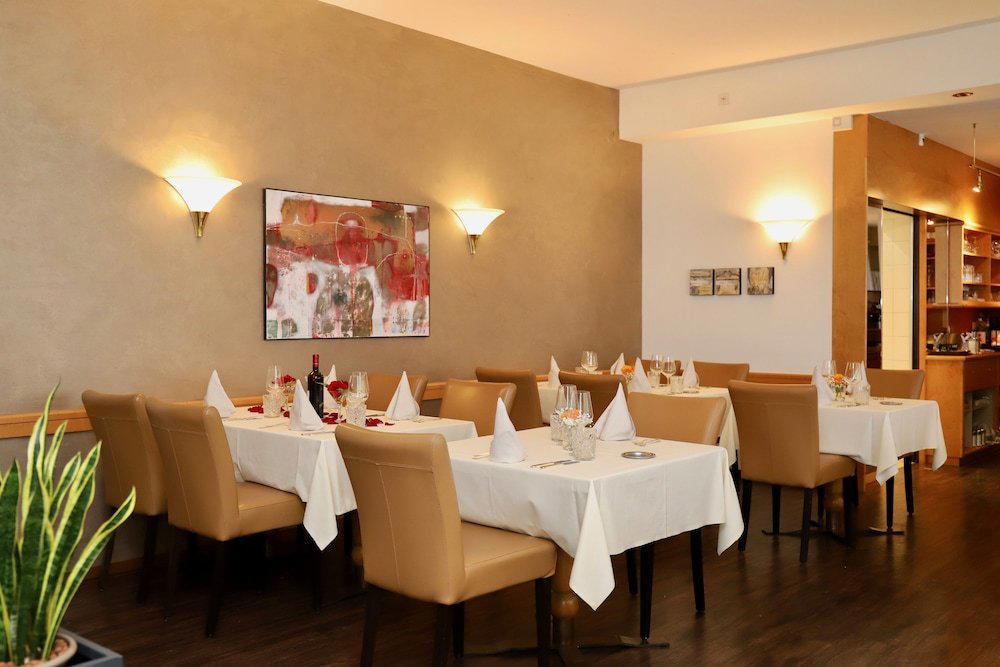
Warm lighting with a serene, modern atmosphere enhanced by panoramic lake views and soundproofed rooms.