One of Milan's earliest craft breweries, Birrificio Lambrate has anchored the city's independent beer scene from its address on Via Adelchi in the Lambrate neighbourhood since the mid-1990s. The taproom format keeps the focus on house-brewed lager, ale, and seasonal styles poured at the source, with a straightforward food offer built around the same unpretentious register. It sits at the intersection of working-class Milan and the neighbourhood's ongoing creative shift.

Pearl is the En Primeur Club membership app, where members save venues, book tables and use the concierge.
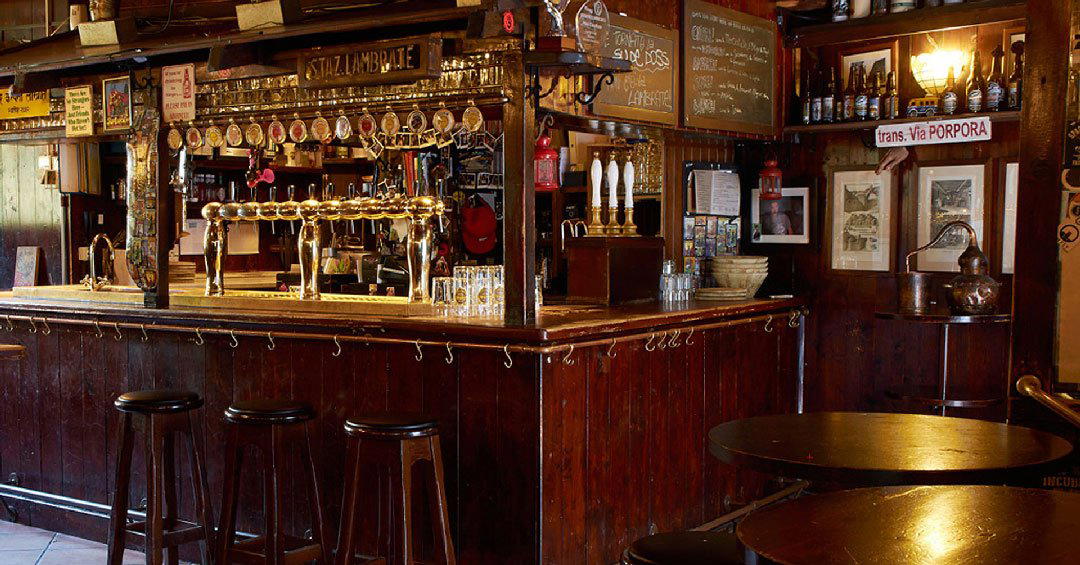
Where Milan's Craft Beer Scene Began
Walk down Via Adelchi in the Lambrate district on any given evening and the noise reaches you before the door does. The hum of conversation, the clink of glasses, the particular looseness of a room that has nothing to prove, Birrificio Lambrate has been producing that atmosphere since 1996, which in Italian craft brewing terms makes it practically foundational. At a time when the country's drinking culture ran almost exclusively on industrial lager and regional wine, a working brewery and taproom in a post-industrial Milan neighbourhood was a statement about what independent hospitality could look like.
The Lambrate district itself matters here. It was not, in the mid-1990s, a destination neighbourhood. Its identity came from factories, rail yards, and the dense residential blocks that grew up around them. That context is not incidental to understanding Birrificio Lambrate's position in the city: the brewery belongs to the neighbourhood's actual fabric rather than arriving as a gentrification amenity. The area has since attracted design studios, artist spaces, and a younger creative population, but the brewery predates all of that and operates with a register that reflects the earlier version of the street.
The Sourcing Argument Behind the Glass
Italian craft brewing occupies an interesting position in the broader European conversation about ingredient provenance. Where wine has centuries of appellation logic tying production to specific soils and climates, beer in Italy had, until recently, almost no equivalent discourse. The early wave of Italian craft brewers, of which Birrificio Lambrate was among the first, built their credibility not through terroir claims but through the more basic argument that locally produced, small-batch beer, brewed from identifiable ingredients, simply tastes different from what comes out of a regional distributor's lorry.
That argument has since become mainstream in cities across Europe, but it carried genuine weight in Milan in 1996. The taproom-at-source model meant drinkers were consuming beer brewed in the same building, with no time in transit or storage to flatten the character. Hop selection, water chemistry, and fermentation temperature, the variables that define a beer's profile, were under direct control. This is a different kind of sourcing claim than the farm-to-table model applied to food, but the logic runs parallel: proximity between production and consumption preserves something that industrial scaling loses.
Within Milan's current drinking scene, Birrificio Lambrate sits in a category that has almost no direct peers among the city's most-discussed venues. The cocktail bars that draw international recognition, 1930, Camparino in Galleria, Moebius Milano, and Nottingham Forest, operate in an entirely different register, oriented around technique, mixology credentials, and a more formal hospitality structure. Birrificio Lambrate is not competing in that space.
The Taproom Format and What It Offers
The production brewery and taproom format is one of the older models in European drinking culture, and it survives because it provides something that a bar stocking craft bottles cannot replicate: the beer is always at its freshest, the range reflects what is currently fermenting, and the knowledge sitting behind the bar is connected directly to the production process. Seasonal variations are not a marketing exercise but a reflection of what is available and what the brewers are working on.
The food offer at Birrificio Lambrate functions as it should in this format: as support for the beer rather than a parallel attraction. The register is consistent with the neighbourhood and the price point, accessible, ingredient-led without being precious about it, built around the logic that good drinking deserves decent eating alongside it. This is a more honest approach than venues that retrofit a brewery identity onto a restaurant ambition, or restaurants that add a beer tap and call themselves a brewpub.
For visitors arriving from outside Milan, the practical consideration is location. Lambrate sits east of the city centre, accessible by Metro Line 2 from the Duomo area in under fifteen minutes. The neighbourhood is not on the standard tourist circuit, which means the room at Birrificio Lambrate runs heavily local. That is precisely its point. The experience of drinking here is shaped by the fact that most people in the room live nearby and have been coming for years, or decades. That kind of regulars culture is not something a venue can manufacture; it accumulates slowly, and Birrificio Lambrate has had nearly thirty years to accumulate it.
Birrificio Lambrate in the Italian Craft Brewing Context
Italy's craft brewing movement has grown substantially since the mid-1990s, and the country now has several hundred independent producers. The north, and Lombardy in particular, remains the most concentrated zone. What separates the foundational breweries from the newer wave is not necessarily quality, some of the more recent Italian craft operations are producing technically sophisticated work, but rather the institutional knowledge that comes from decades of navigating a market that was actively resistant to the category when they started.
Across Italy, the cities that have developed genuine independent drinking cultures tend to have one or two anchor venues that predate the current scene and gave it a place to form around. Drink Kong in Rome plays a version of this role for cocktail culture in the capital. In Bologna, Enoteca Historical Faccioli holds a similar position in the natural wine conversation. In Venice, Al Covino has been a reference point for wine-led hospitality for years. Birrificio Lambrate occupies that structural role for Milan craft beer: the place that was there first and against which everything subsequent is implicitly measured.
Further afield, the same pattern of independently minded, long-running hospitality venues shaping local drinking culture appears in places as different as L'Antiquario in Naples, Gucci Giardino in Florence, Lost & Found in Nicosia, and even Bar Leather Apron in Honolulu. The venues that endure are those that found a specific identity early and maintained it consistently rather than repositioning toward whatever the current premium tier looks like. Birrificio Lambrate is a textbook example of that discipline.
For a fuller picture of where it sits within Milan's broader hospitality offer, our full Milan restaurants and bars guide covers the city's current scene across categories and neighbourhoods.
Planning Your Visit
Birrificio Lambrate is located at Via Adelchi 5 in the Lambrate district of Milan. The Metro Line 2 stop at Lambrate FS brings you within easy walking distance, and the area is also accessible by tram from the city centre. The venue operates on a walk-in basis in keeping with its neighbourhood taproom identity, this is not a booking-ahead destination in the way that a tasting-menu restaurant would be, and part of its appeal is the informality that comes with that. Evenings, particularly Thursday through Saturday, draw a fuller room. If you want more space and a better chance of a seat at the bar itself, earlier in the week or a midweek lunchtime offers a quieter version of the same experience.
A Quick Peer Check
A quick peer reference to anchor this venue in its category.
| Venue | Price | Awards |
|---|---|---|
| Birrificio LambrateThis venue (the venue you are viewing) | $20–30 | Not listed |
| Nottingham Forest | $10–20 | World's 50 Best #38 · Top 500 Bars Best Bars #268 |
| 1930 | Not listed | World's 50 Best #22 · Pinnacle Guide 1 Pin |
| Camparino in Galleria | $30–50 | World's 50 Best #18 · Top 500 Bars Best Bars #41 |
| Moebius Milano | $30–50 | World's 50 Best #6 · Pinnacle Guide 1 Pin |
| Backdoor 43 | $50–100 | Pinnacle Guide 1 Pin · Top 500 Bars Best Bars #96 |
Continue exploring
More in Milan
Bars in Milan
All bars in Milan →
Restaurants in Milan
All restaurants in Milan →
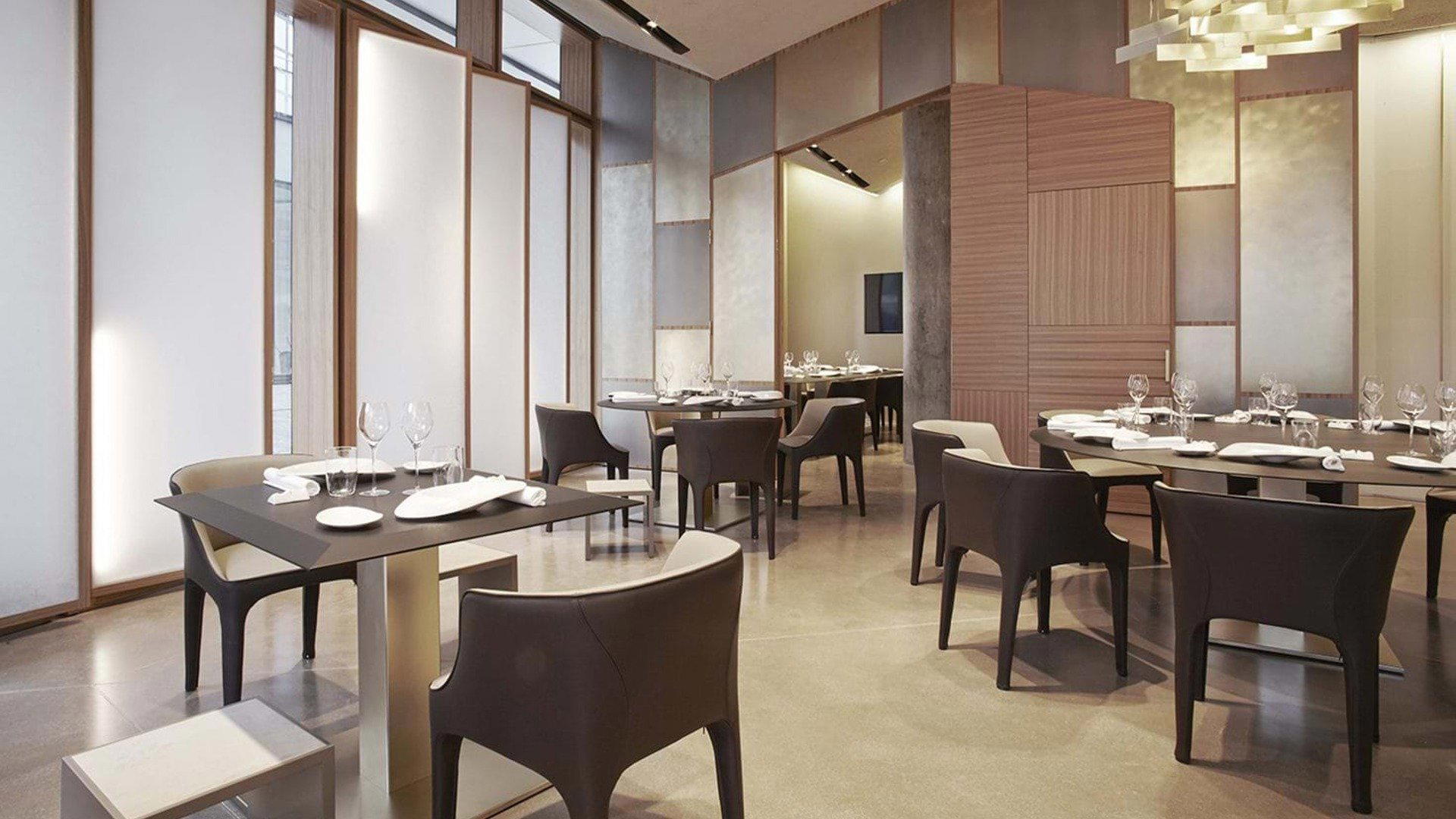
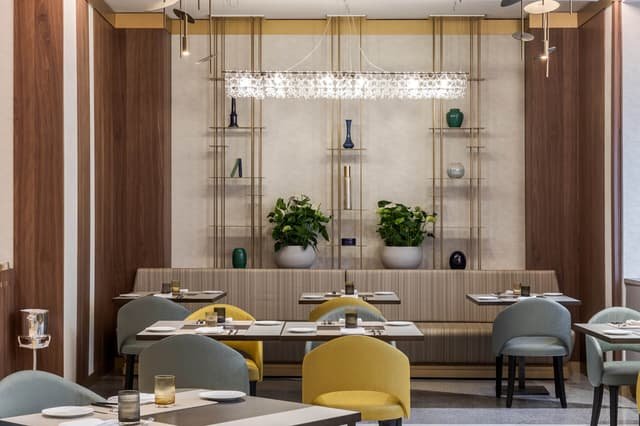
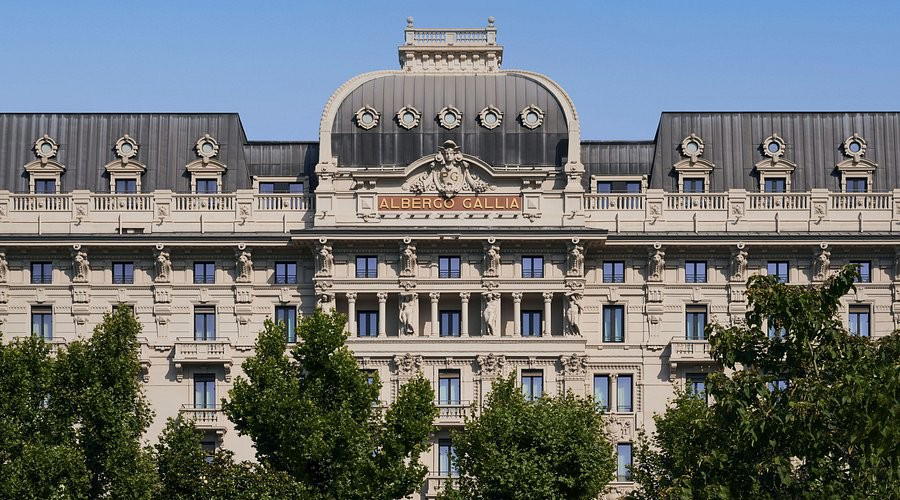
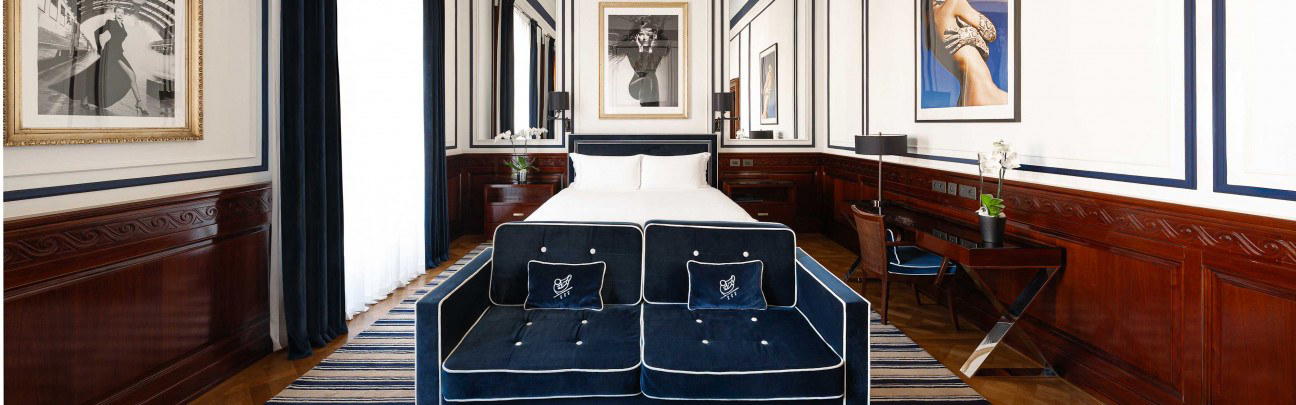
Birrificio Lambrate
The drinks
- Craft beer
Signature drinks: Montestella, Porpora, Gaina, Ghisa.
Details
- Lively
- Rustic
- Trendy
- Energetic
- After Work
- Late Night
- Group Outing
- Casual Hangout
- Standalone
- Seated Bar
- Booth Seating
- Communal Tables
- Craft Beer
Current opening hours
- Monday
- Closed
- Tuesday
- 6 PM–2 AM
- Wednesday
- 6 PM–2 AM
- Thursday
- 6 PM–2 AM
- Friday
- 6 PM–2 AM
- Saturday
- 6 PM–2 AM
- Sunday
- 6 PM–2 AM
Hours can change for holidays and private events. Last verified .
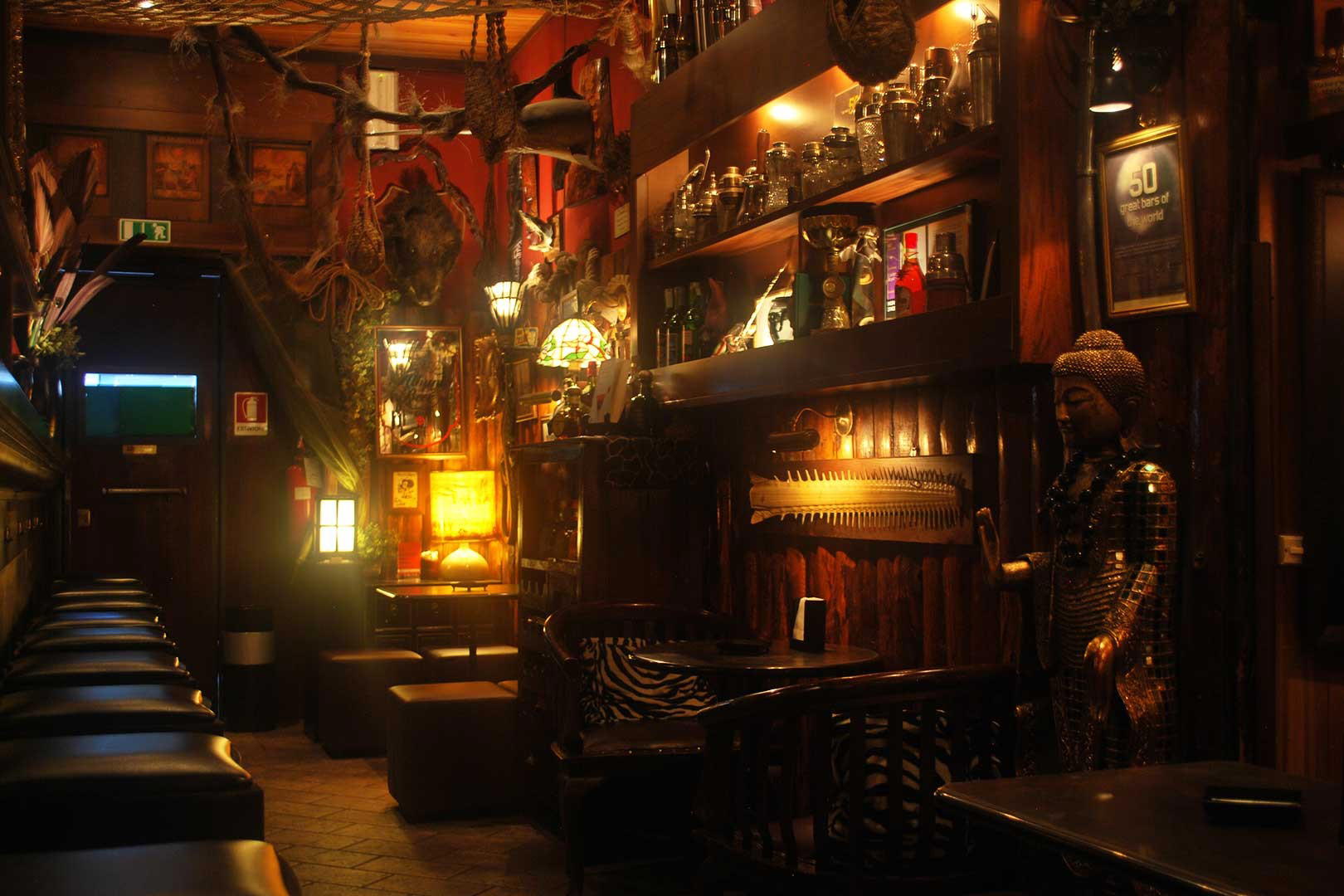
Dark wood decor with muted lighting accentuating the bar area, creating a traditional, atmospheric tavern vibe.