
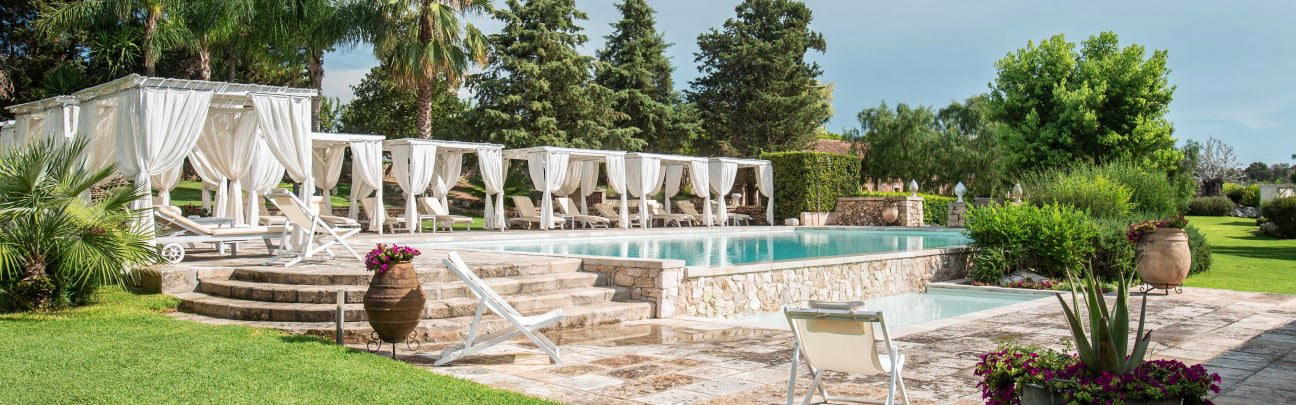
A Michelin Selected masseria on the Strada Provinciale between Otranto and San Cataldo, Masseria Longa occupies the architectural tradition of Puglia's fortified farmhouses with a boutique scale that positions it distinctly from the region's larger resort conversions. The surrounding Salento countryside sets the physical context: dry-stone walls, ancient olive groves, and the particular quality of light that defines the heel of Italy's boot.
Pearl is the En Primeur Club membership app — saves, bookings, and concierge access live there. Same editors, same standards.
- Address
- SPP 366 OTRANTO SAN CATALDO, 73028 Otranto LE, Italy
- Phone
- +39 351 662 8446
- Website
- masserialonga.it
- Directions
- Get directions
 Saves & bookings on Pearl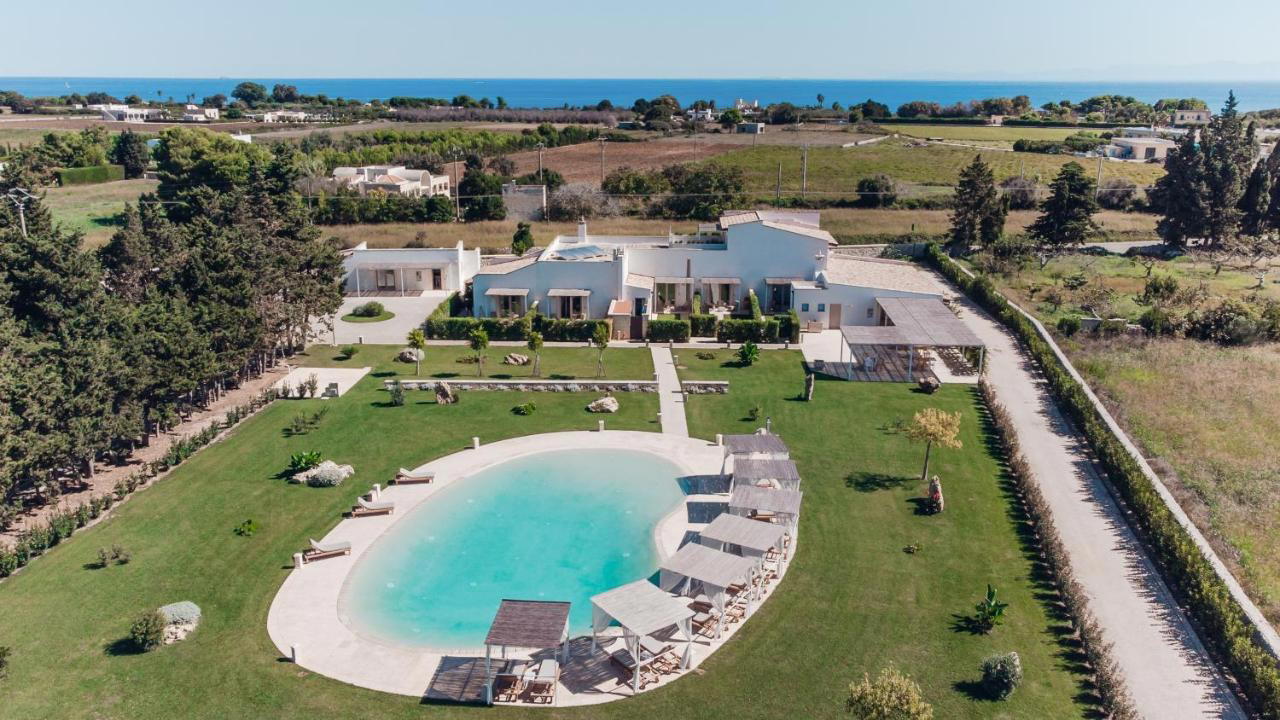
Stone, Silence, and the Salento Light
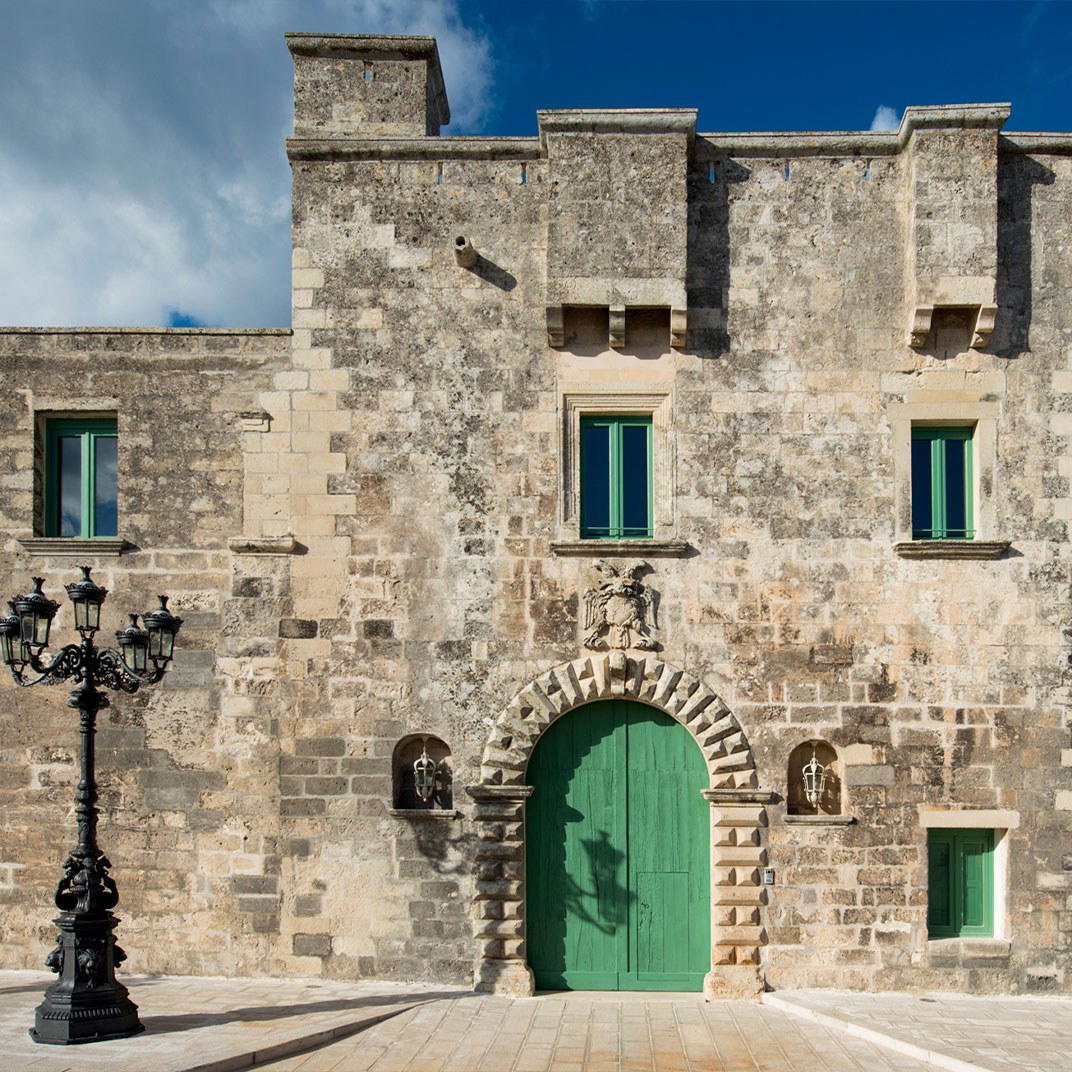
The approach along the Strada Provinciale between Otranto and San Cataldo tells you something before the building does. The road cuts through a range of gnarled olive trees, some centuries old, bounded by dry-stone walls built without mortar in a technique that has remained unchanged since the Byzantine period. Masseria Longa Boutique Hotel sits within this agricultural geography, and the architecture reads accordingly: thick limestone walls that absorb heat during the day and release it slowly at night, shaded exterior spaces that prioritize function over decorative gesture, and a structural logic inherited from the masseria tradition of fortified working farms that once anchored Puglia's feudal economy.
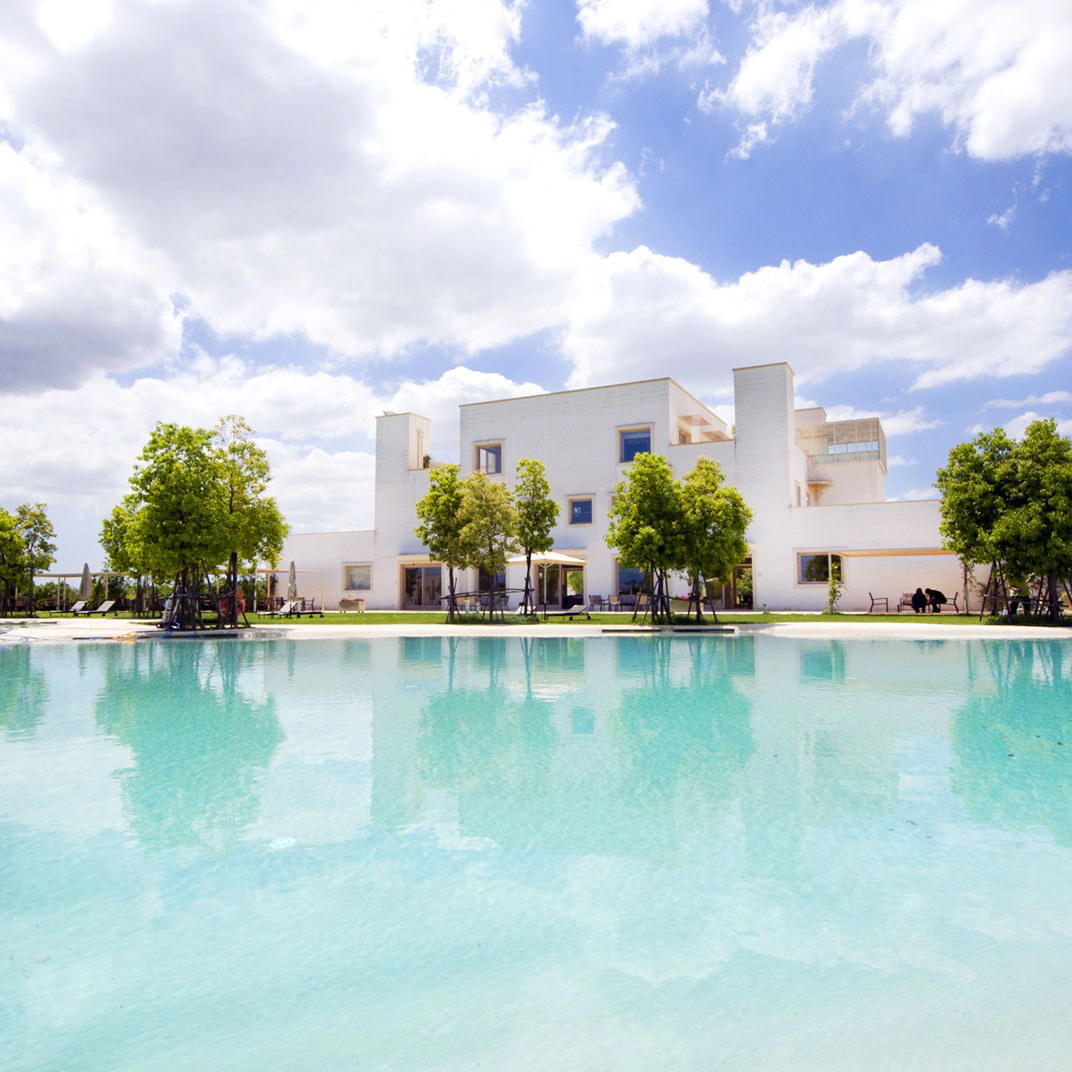
That tradition is worth understanding before you arrive. Across Puglia, the masseria has become the dominant format for premium rural accommodation, ranging from large resort conversions with spa complexes and hundreds of guests to smaller boutique interpretations where the original building proportions are preserved and the guest count stays low. Masseria Longa belongs to the second category. The boutique designation is not marketing language here, it signals a specific set of trade-offs: fewer facilities than the large-scale operations like Borgo Egnazia in Savelletri di Fasano, but a physical environment that retains the spatial character of the original structure rather than being remade around a hospitality program.
The Architecture of the Masseria Form
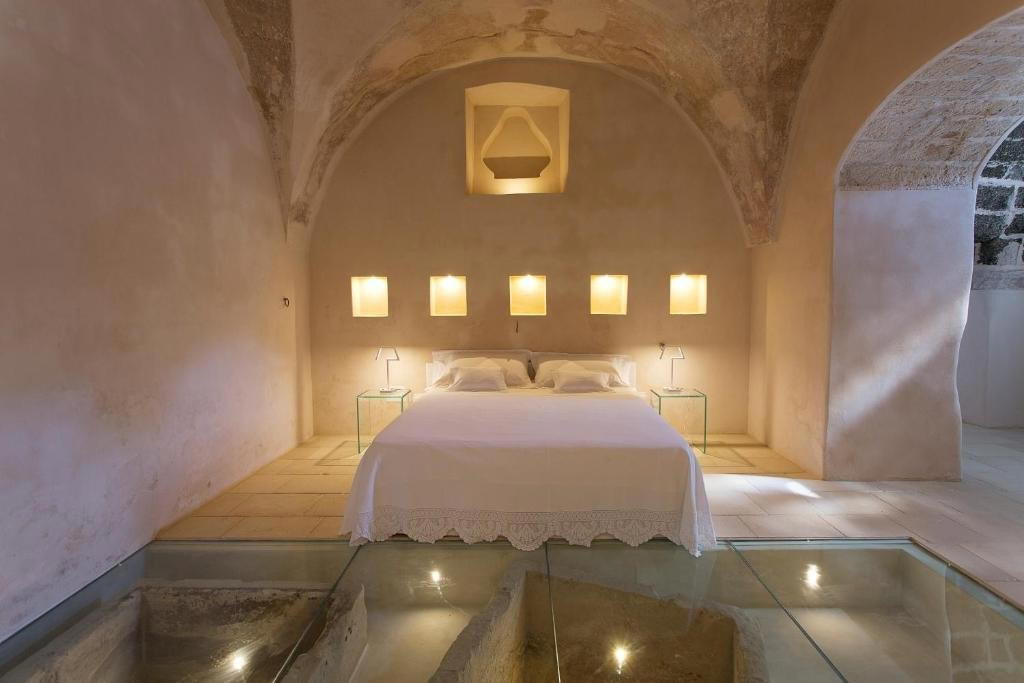
What the masseria form offers architecturally is a kind of spatial compression that larger properties cannot replicate. Rooms open onto internal courtyards rather than hotel corridors. Walls thick enough to regulate temperature passively produce a quality of interior quiet that mechanical systems struggle to achieve. The limestone used throughout the Salento, a pale, almost chalky stone that photographs silver at midday and warm amber at dusk, gives the built environment a visual coherence that design-led boutique hotels elsewhere in Italy spend considerable money trying to approximate. At properties like Castello di Reschio in Lisciano Niccone or Rosewood Castiglion Del Bosco in Montalcino, the creative effort is directed toward marrying contemporary comfort with historic fabric. The Salento masseria, operating within a vernacular tradition rather than a monumental one, faces the same challenge at a different register.
The setting between Otranto and San Cataldo places Masseria Longa within reach of the Adriatic coast, Otranto's old town, with its Cathedral containing one of the largest floor mosaics in Europe and its walls that bore the last Byzantine resistance in the West, is among the more historically weighted stops in southern Italy. The coastal road north toward San Cataldo runs along a shoreline where the water shifts from Adriatic blue-green to a near-Caribbean clarity at certain bays, a function of the limestone seabed and the absence of major river sediment in this part of the Salento.
Positioning Within the Otranto Accommodation Scene
Otranto and the surrounding Salento have attracted growing attention from northern European and domestic Italian travellers over the past decade, which has produced a more differentiated accommodation market. At the larger-scale end, Baglioni Masseria Muzza brings an international luxury brand into the masseria format, with the facilities infrastructure and service model that implies. Masseria Longa operates without that brand architecture, which means the property stands on the quality of its physical environment and the intimacy of its scale rather than on a loyalty program or global reservations infrastructure.
That positioning has a logic. Travellers who have stayed at design-led Italian properties elsewhere, at Aman Venice, at Four Seasons Hotel Firenze, or at Il Pellicano in Porto Ercole, often find the Salento masseria appealing precisely because it operates outside the grammar of international luxury. The trade-off is real: fewer amenities, less predictable service infrastructure, a property experience that depends more heavily on the specific location and building than on a standardized brand delivery. For some travellers, that calculus favours the boutique independent. For others, the assurance of a known brand or a larger property's facilities matters more.
For dining in and around Otranto, our full Otranto restaurants guide covers the options across price points and formats, from the seafood trattorias along the port to more considered cooking in the old town. The Salento kitchen, built around orecchiette, fave e cicoria, burrata from the Murge plateau, and the local Primitivo and Negroamaro wines, is one of southern Italy's more coherent regional traditions, and eating it close to its source, in a landscape that still produces much of what ends up on the plate, adds a dimension that urban restaurant visits cannot replicate.
Planning Your Stay
The Salento operates on a pronounced seasonal rhythm. July and August bring significant domestic Italian tourism as well as northern European visitors, which means coastal roads are congested, restaurant reservations require planning weeks ahead, and the ambient temperature in an un-air-conditioned masseria can be demanding by afternoon. June and September offer the same quality of light and substantially more manageable conditions. Spring, from late April through May, produces the wildflower coverage across the Salento that makes the agricultural landscape particularly striking, and the sea is swimmable from May for those willing to accept cooler water.
Arriving by car is the practical approach. Otranto is served by Brindisi Airport (roughly 50 kilometres to the northwest), and the drive from Brindisi through the Salento interior is itself a reasonable introduction to the character of the region. The address on the Strada Provinciale Otranto-San Cataldo positions the property for day access to both Otranto's old town and the northern coast, without requiring a full drive into the town centre for accommodation.
Travellers considering Masseria Longa alongside other Italian boutique properties with strong architectural identity might also look at Casa Maria Luigia in Modena, Corte della Maestà in Civita di Bagnoregio, or Borgo Santandrea on the Amalfi Coast, each operating within a distinct Italian vernacular tradition, each with a design approach calibrated to the building's specific history. The comparison set for Masseria Longa is this cohort of historically grounded independents, not the international urban properties like Bulgari Hotel Roma or Portrait Milano that operate in a different register entirely.
Fast Comparison
Comparable venues nearby, for context on price, style, and recognition.
| Venue | Cuisine | Price | Awards | Notes |
|---|---|---|---|---|
| Masseria Longa Boutique HotelThis venue — the venue you are viewing | Historic masseria blending traditional Puglian architecture with modern luxury suites. | $$$$ | Not listed | Not listed |
| Baglioni Masseria Muzza | Historic masseria blending authentic Puglian heritage with modern luxury | $$$$ | Michelin 1 Key | Otranto |
| Torre di Moravola | Medieval watchtower converted into contemporary luxury retreat | $$$$ | Not listed | Montone |
| Baccarat Hotel Rome | Ultra-luxury urban hotel positioned as a glamorous social and cultural hub on Rome’s Via Veneto. | $$$$ | Not listed | Via Veneto |
| Relais Le due Matote | Restored 17th-century farmhouse blending heritage with discreet luxury | $$$$ | Not listed | Bossolasco |
| Presulis Hideaway Apartments & Restaurant | luxury aparthotel in converted farmhouse | $$$$ | Not listed | Prösels/Presule |
Recognition history
Dated appearances from independent guides and award organizations, with the underlying list record or original source where available.
Michelin Selected
Michelin
Continue exploring
More in Otranto
Hotels in Otranto
Browse all →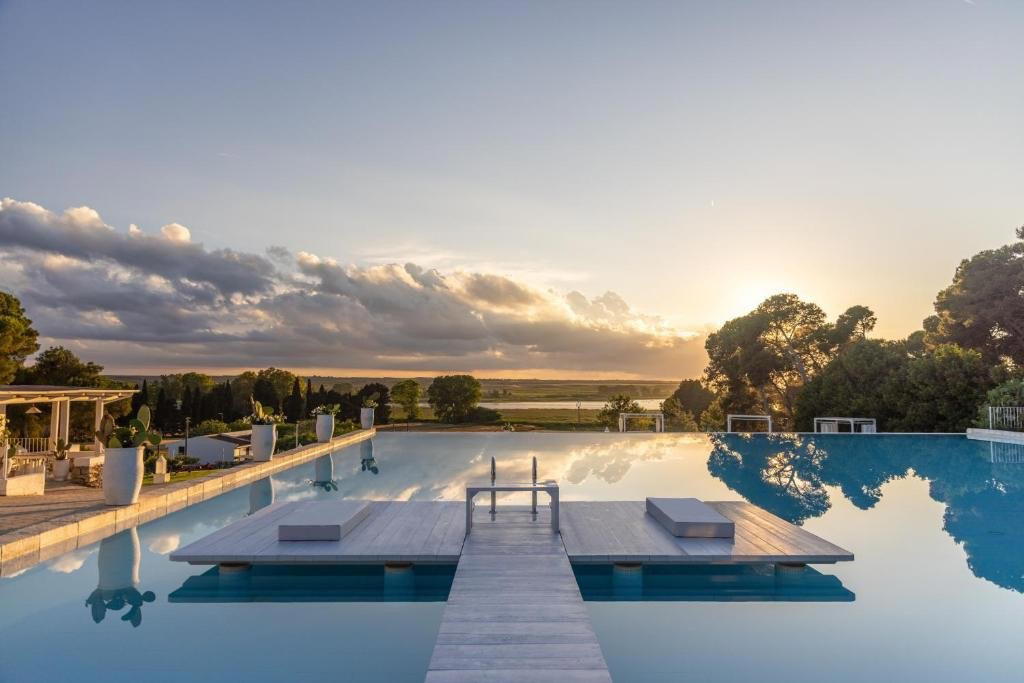
Bars in Otranto
Browse all →
Restaurants in Otranto
Browse all →
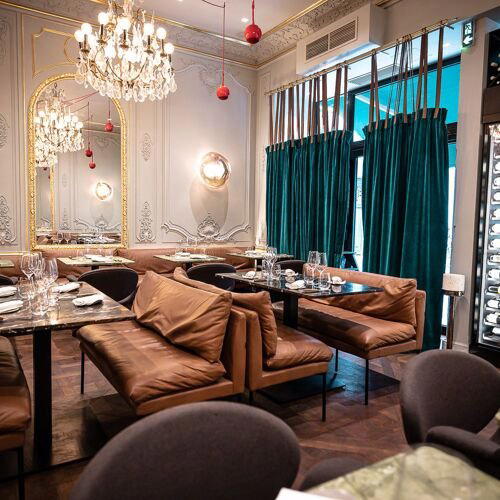
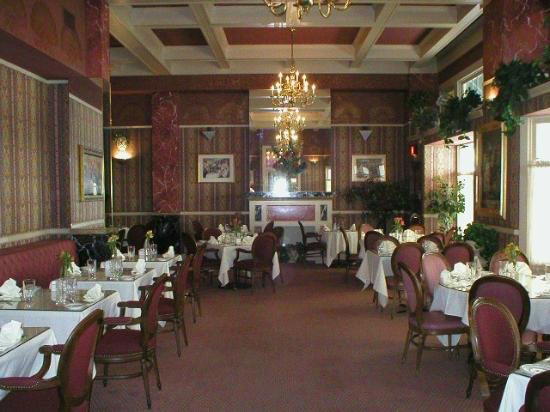
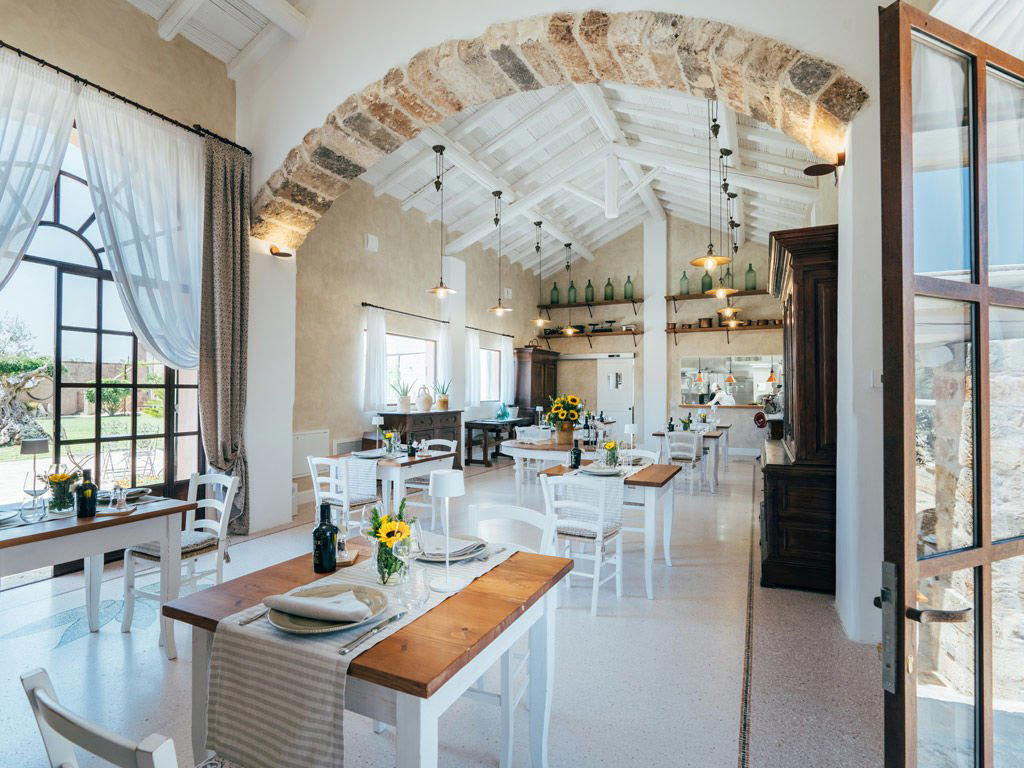
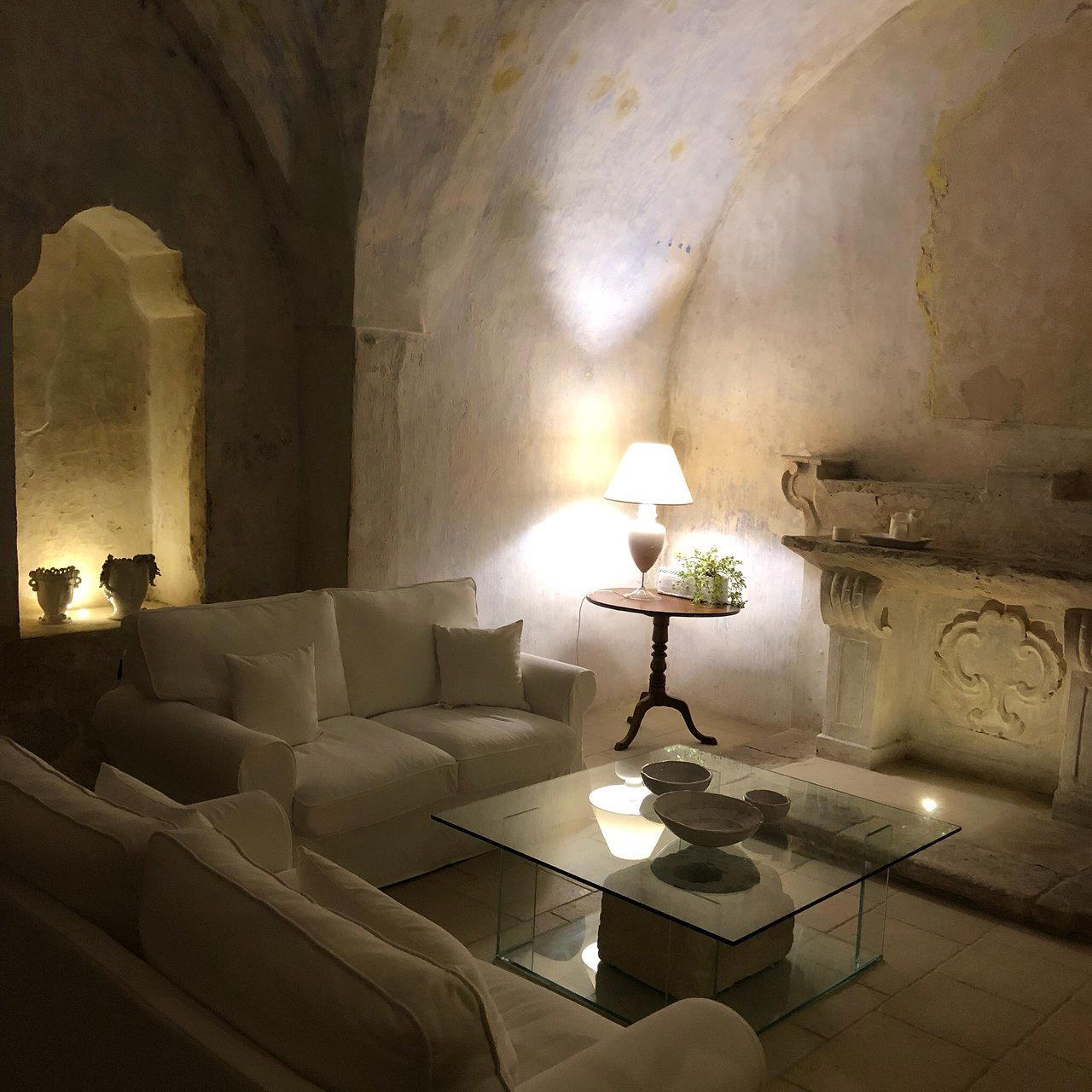

At a Glance
- Romantic
- Elegant
- Rustic
- Quiet
- Intimate
- Romantic Getaway
- Honeymoon
- Wellness Retreat
- Anniversary
- Infinity Pool
- Historic Building
- Garden
- Terrace
- Wi Fi
- Pool
- Spa
- Room Service
- Concierge
- Restaurant
- Massage
- Garden
- Wi Fi
- Pool
- Spa
- Room Service
- Concierge
- Restaurant
- Massage
Serene and elegant with beautiful gardens, tasteful decor, and a peaceful countryside setting ideal for relaxation.