
Falstaff Winery - Listed
Cantina Fiorentino gives Salento’s organic wine movement a physical anchor in Galatina, where historic cellar fabric meets low-energy production. The draw is terroir rather than theatre: Negroamaro, Primitivo, Fiano, Verdeca and Chardonnay interpreted through a hot, dry peninsula shaped by limestone, clay, sand and two seas.
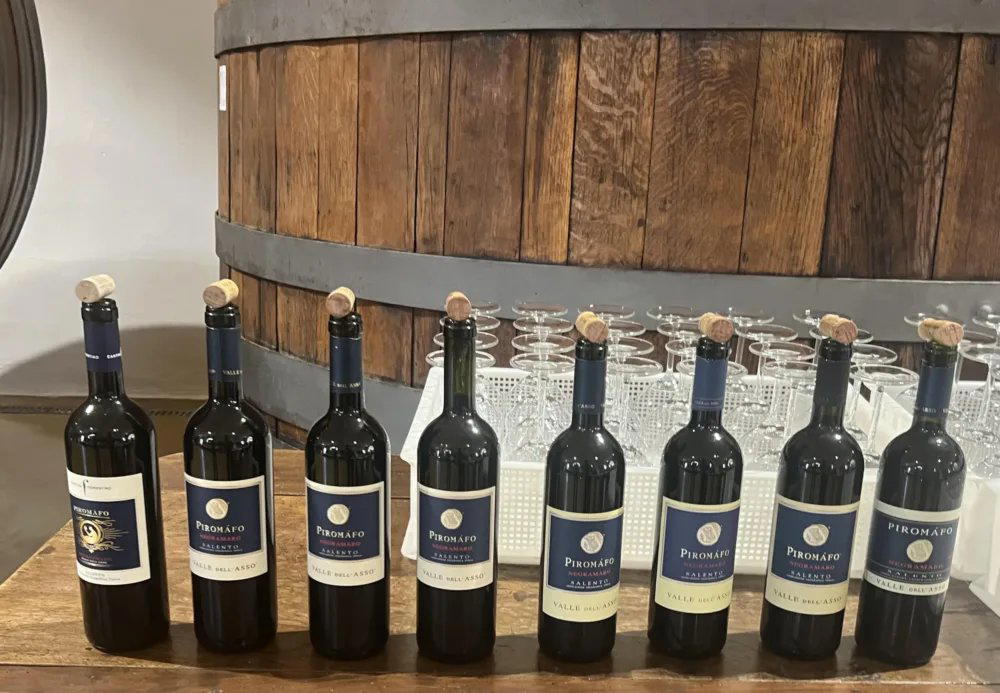
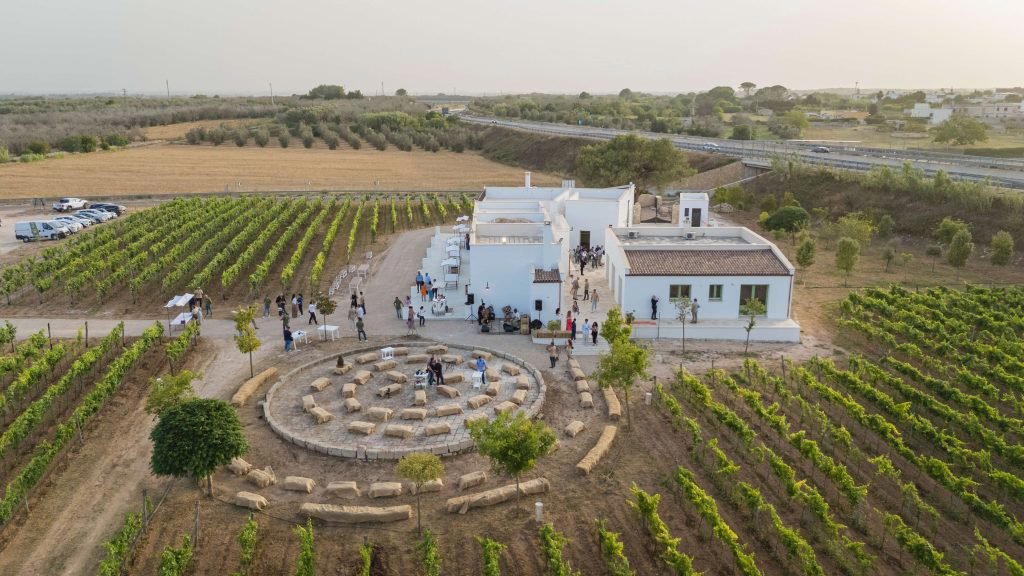
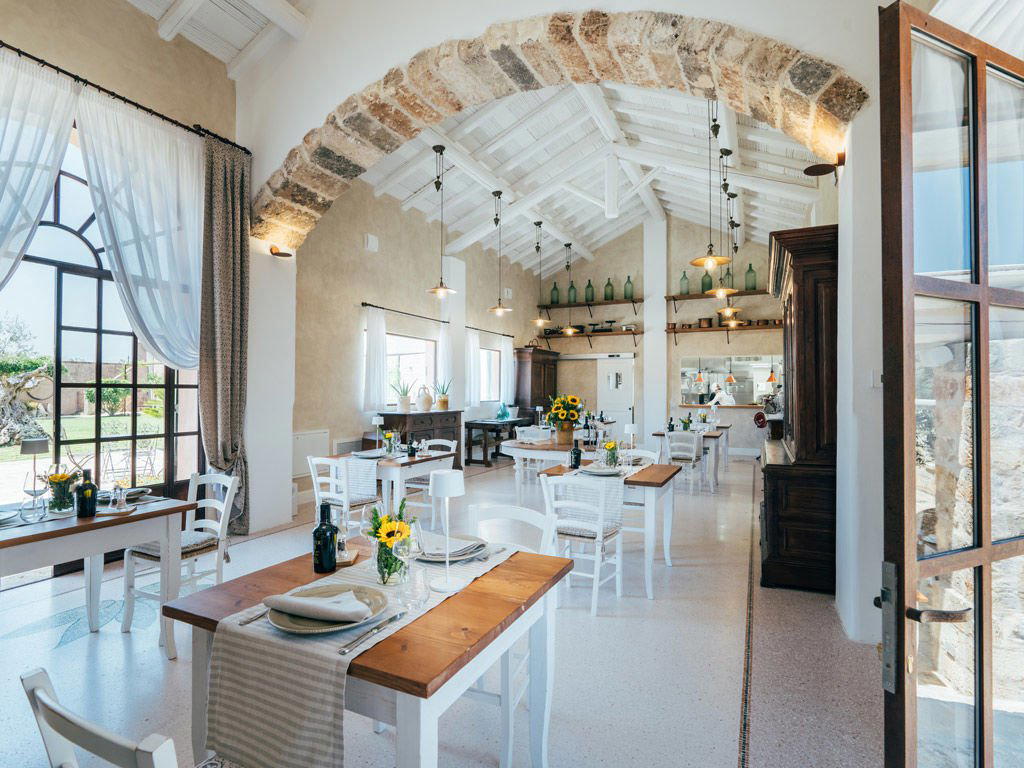
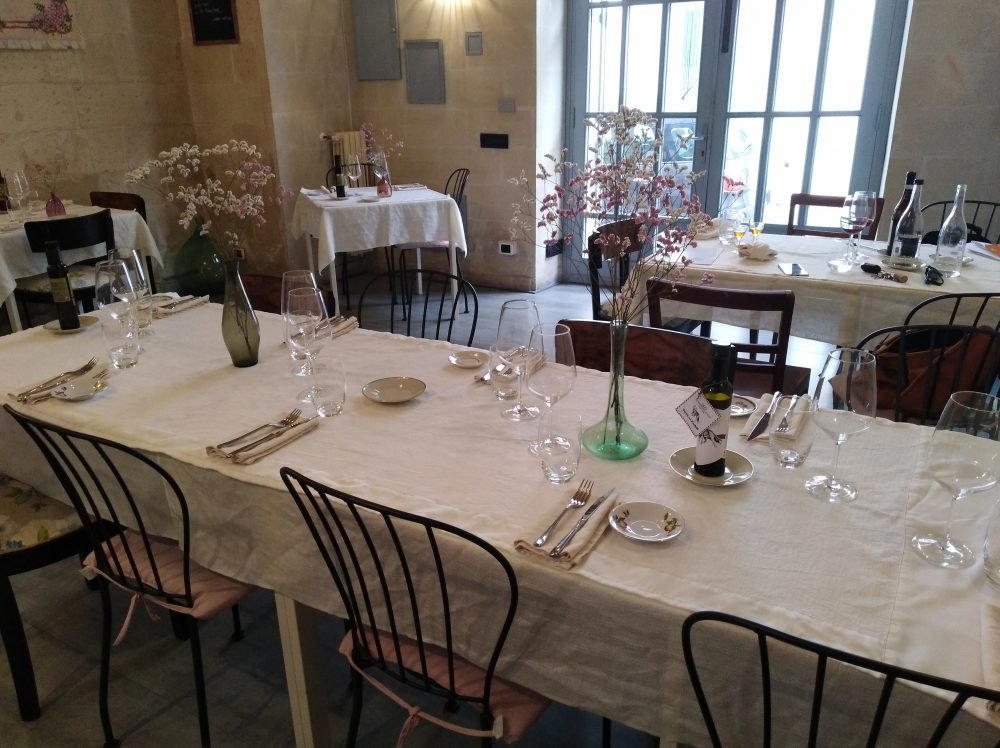
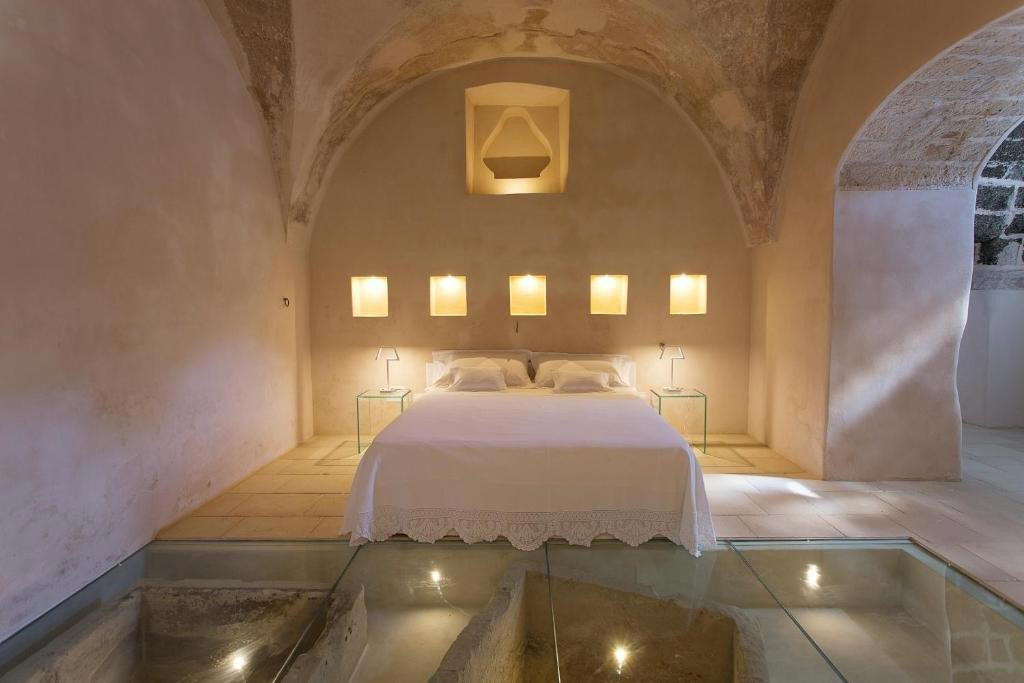
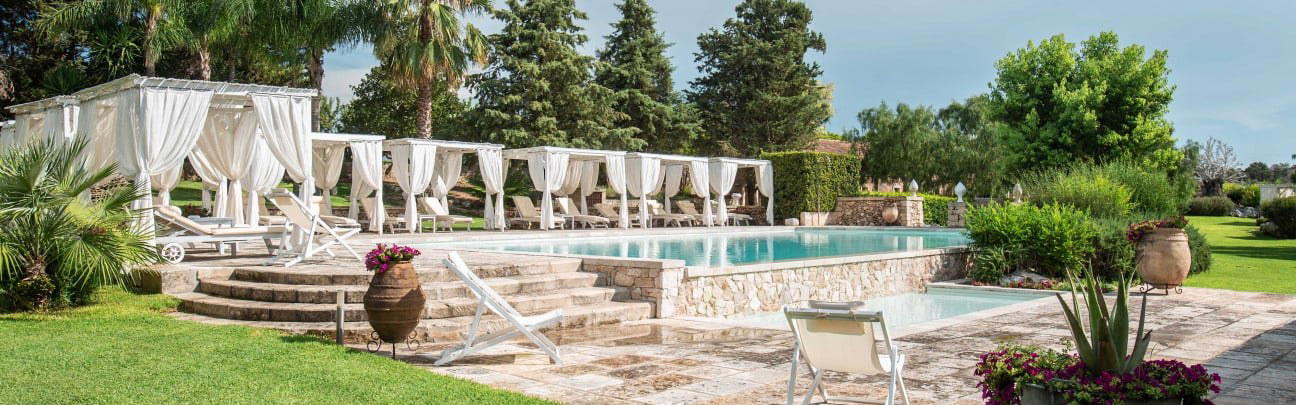
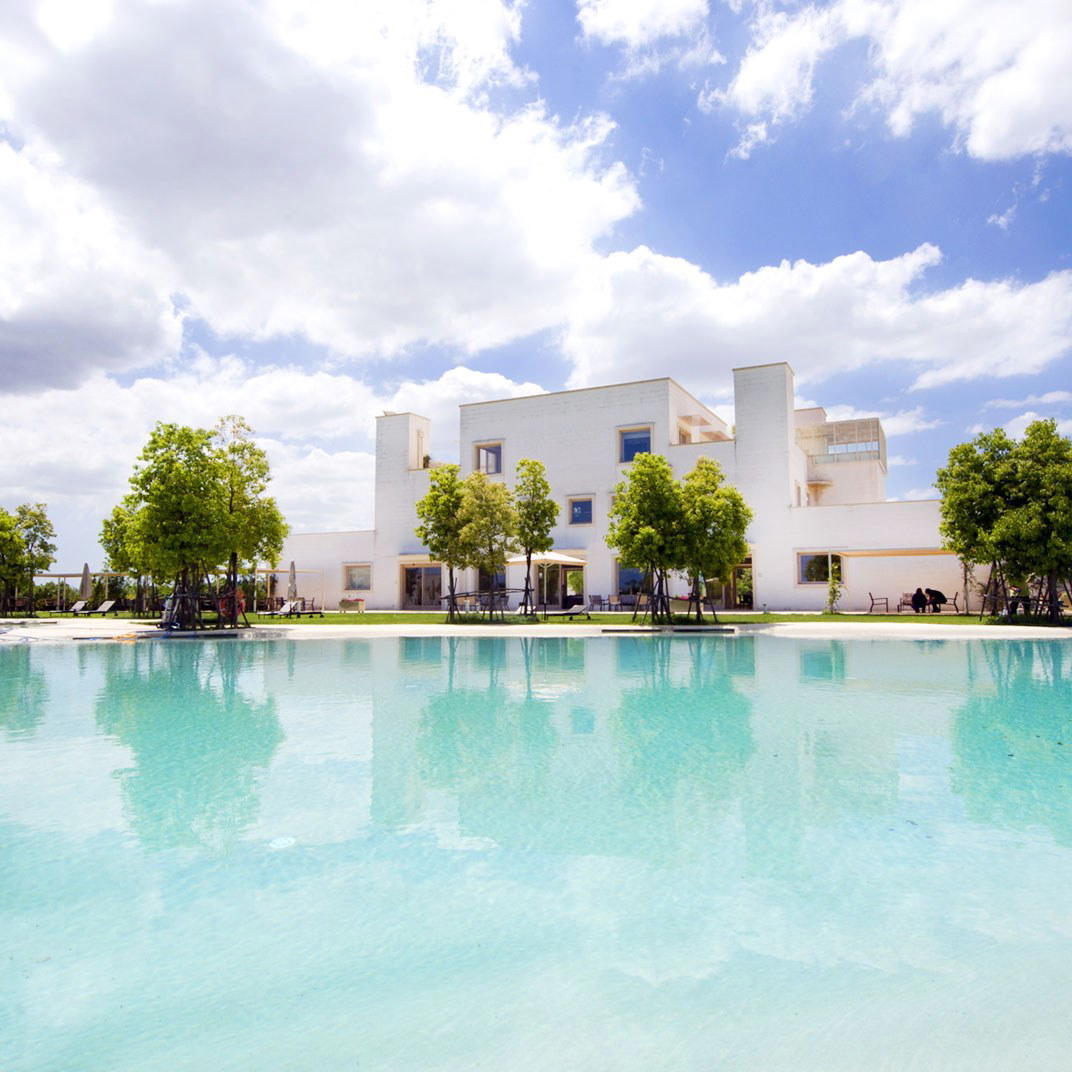
Approaching Cantina Fiorentino means entering a quieter side of Salento: a rural Galatina setting where restored wine buildings and contemporary facilities shape the identity of the place. The story here is architectural as much as agricultural, with historic cellar spaces brought back into use alongside a modern, sustainability-focused winery. That combination gives the venue its clearest character: not simply a place attached to wine production, but a site where the memory of local wine work remains visible in the built environment.
Cantina Fiorentino sits within the broader conversation about organic wine production in Salento. Rather than presenting the winery through menu-style details or invented visit formats, the useful frame is simpler: it is a contemporary organic winery in Galatina, rooted in restored historic structures and a calm rural atmosphere. Read this way, the venue is less about ticking off a predetermined list of experiences and more about understanding how a Salento winery can connect present-day organic production with older rural architecture.
Organic Salento wine in a Galatina setting
The facts point to Cantina Fiorentino as an organic winery in Galatina, in Salento. Specific grape varieties, bottle lines, production volumes and technical cellar methods are not confirmed here, so the safest way to read the venue is through its broader positioning: a modern organic winery using Galatina’s historic wine architecture as part of its identity. That positioning matters because it places the winery within a landscape where wine is not only a product, but also a cultural and spatial marker.
That makes the winery relevant for travellers interested in how Salento wine culture is being updated. The emphasis is not only on the wines themselves, but on the way an older working-wine landscape can be adapted for contemporary production without losing its sense of place. The restored setting helps keep the connection to earlier winery life present, while the contemporary facilities point to a current interpretation of that tradition.
For visitors, the appeal is therefore contextual rather than checklist-driven. Cantina Fiorentino is best understood as a Galatina winery where organic production, historic buildings and a quiet rural setting come together, rather than as a page that can reliably promise specific tastings, pairings, grape flights or tour languages. That distinction is important: the strongest confirmed reason to be interested is the overall character of the place, not a set of services.
Historic Galatina cellars meet sustainability-focused facilities
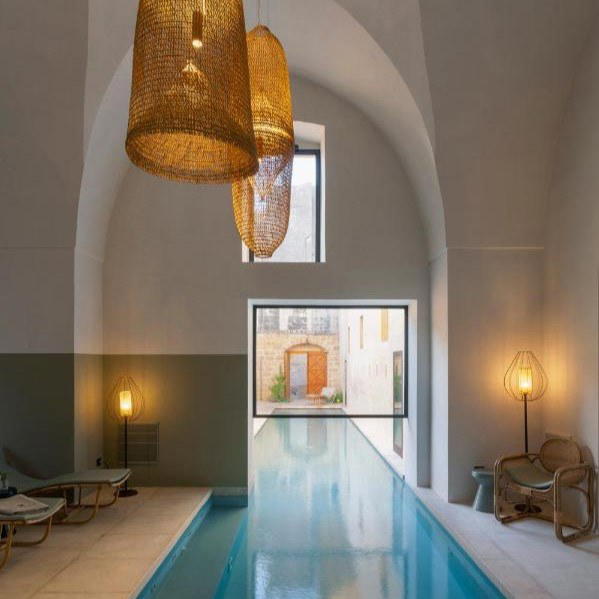
The winery’s physical identity carries unusual weight. details describe restored early-20th-century cellars and an old late-19th-century winery, now combined with modern facilities shaped by a sustainability-focused approach. That mix of restored historic fabric and contemporary infrastructure is the strongest confirmed reason to pay attention to Cantina Fiorentino. It suggests a venue where the architecture is not background decoration, but a central part of how the winery presents itself.
The useful takeaway is not an founder story, production statistic or technical claim. It is the venue’s positioning: Cantina Fiorentino presents itself as a contemporary organic winery rooted in historic Salento buildings, with its architecture and atmosphere doing much of the storytelling. The contrast between older cellar spaces and newer facilities gives the place a layered identity, allowing the winery to feel connected to local history without being framed as a museum piece.
Setting is described as quiet and rural, which makes it feel different from a purely urban tasting room or a restaurant-led destination. The rural note is still useful, though, because it helps set expectations for a calmer, place-led winery experience rather than a busy hospitality format defined by fixed extras.
How to place it in a Galatina wine day
For a traveller building a Galatina itinerary, Cantina Fiorentino is strongest as a winery stop focused on place: organic Salento production, restored historic cellar architecture and a calm rural atmosphere. It should not be planned around promises such as a lunch program, a fixed tasting format or specific grape-led flights. Instead, it fits best as a stop for those who want their wine day to include a sense of rural setting and architectural continuity.
The broader Galatina plan can treat the winery as one part of a local circuit. Use current local resources for additional cellar planning, then pair the visit with other dining, stays, aperitivo research and cultural programming in Galatina. That approach keeps the itinerary flexible, while allowing Cantina Fiorentino to occupy the role it can most confidently hold: a grounded Salento winery stop with a clearly defined sense of place.
For wider Italian wine context, compare Cantina Fiorentino with other wineries generically rather than forcing false local parallels. Keeping that frame intact avoids overclaiming and lets the venue’s confirmed strengths remain clear.
Frequently asked questions
What kind of setting is Cantina Fiorentino?
Cantina Fiorentino is in Galatina, with a quiet rural atmosphere. details describe restored historic winery buildings combined with modern, sustainability-focused facilities.
What's the address for Cantina Fiorentino?
Cantina Fiorentino is located in Galatina.
Is Cantina Fiorentino expensive?
Pricing at Cantina Fiorentino is listed as $$.
What makes Cantina Fiorentino worth visiting?
The draw is its identity as a contemporary organic winery in Galatina, rooted in restored historic Salento buildings, including early-20th-century cellars and an old late-19th-century winery.
How hard is it to get in to Cantina Fiorentino?
Check directly with Cantina Fiorentino before planning a visit.
Recognition history
Dated appearances from independent guides and award organizations, with the underlying list record or original source where available.
Falstaff Winery - Listed
Falstaff
Request a visit to Cantina Fiorentino
Tell us when you would like to go and how many people, and we put the request to the estate and reply to you by email.
Continue exploring
More in Galatina
Wineries in Galatina
All wineries in Galatina →
Bars in Galatina
Browse all →
Details
- Modern
- Rustic
- Scenic
- Sophisticated
- Wine Education
- Group Outing
- Solo Exploration
- Romantic Getaway
- Historic Building
- Estate Grounds
- Design Destination
- Organic
- Sustainable
- Vineyard
- Negroamaro
- Primitivo
- Chardonnay
- Verdeca
- Fiano
- Still Red
- Still White
- Still Rosé
- Standard Tasting
- Wine Purchase
- Italian
Contemporary organic winery rooted in historic Salento buildings, combining restored early-20th-century cellars and an old late-19th-century winery with modern, sustainability-focused facilities and a quiet, rural atmosphere between the Adriatic and Ionian coasts.