
Falstaff Winery - Listed
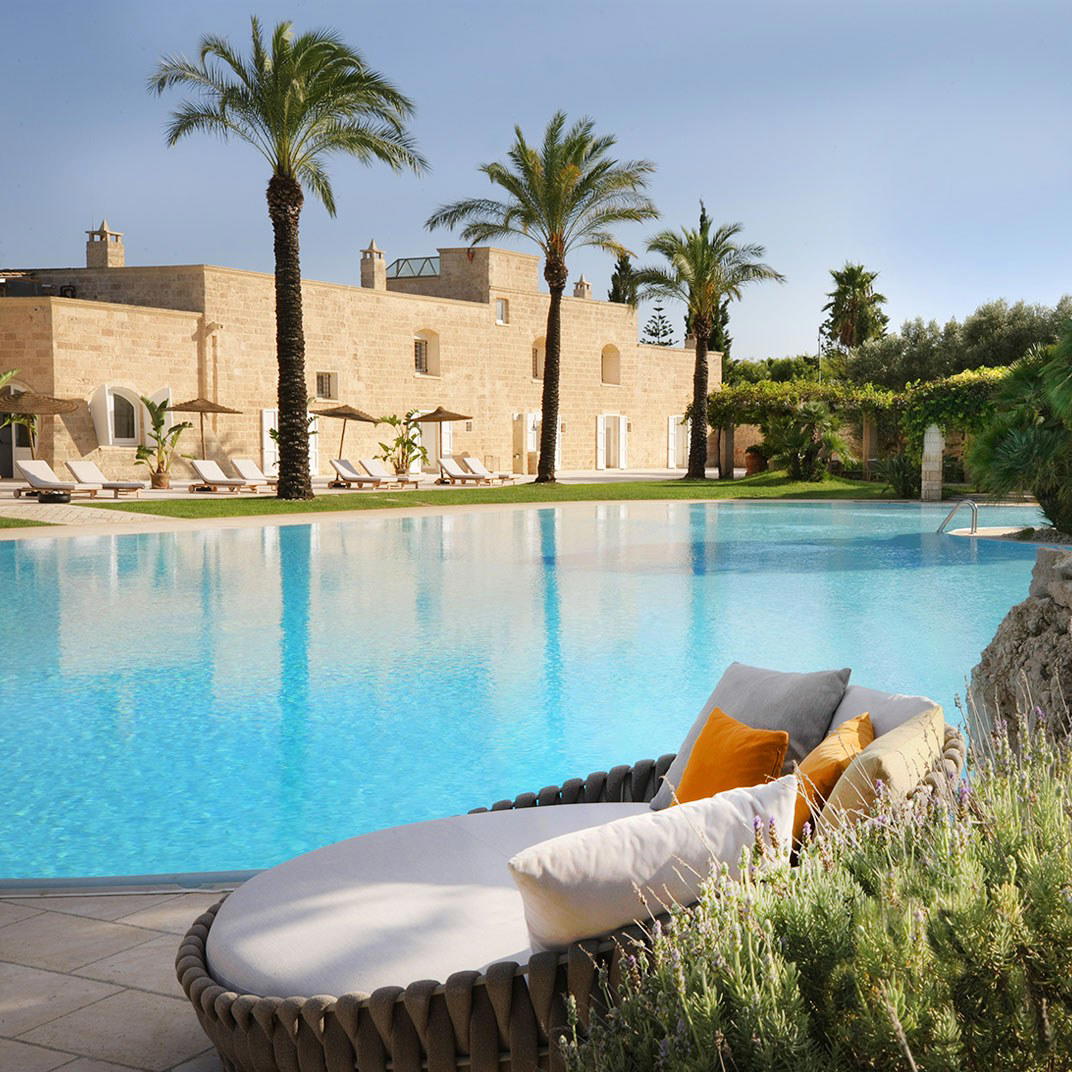
Schola Sarmenti brings Nardò’s wine identity into sharp focus through native Puglian varieties, especially Negroamaro, inside a restored nineteenth-century wine factory. The appeal is not spectacle but context: vaulted tuff, Lecce stone, vineyard setting, and a guided tasting format that suits travelers trying to understand Salento through its grapes.

Pearl is the En Primeur Club membership app, where members save venues, book tables and use the concierge.

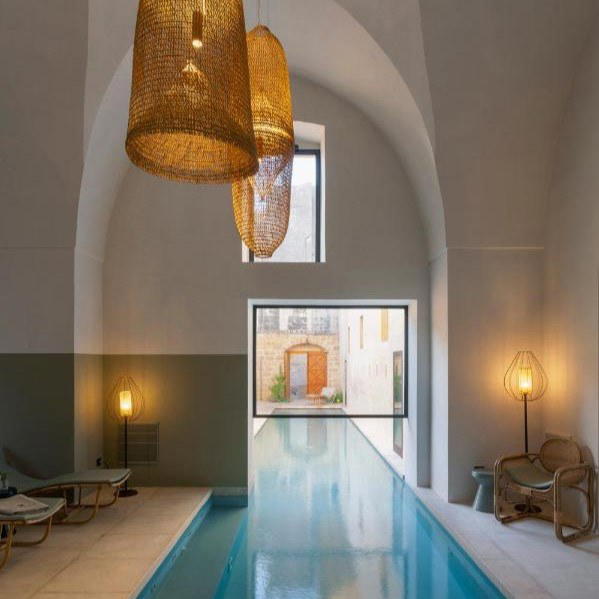
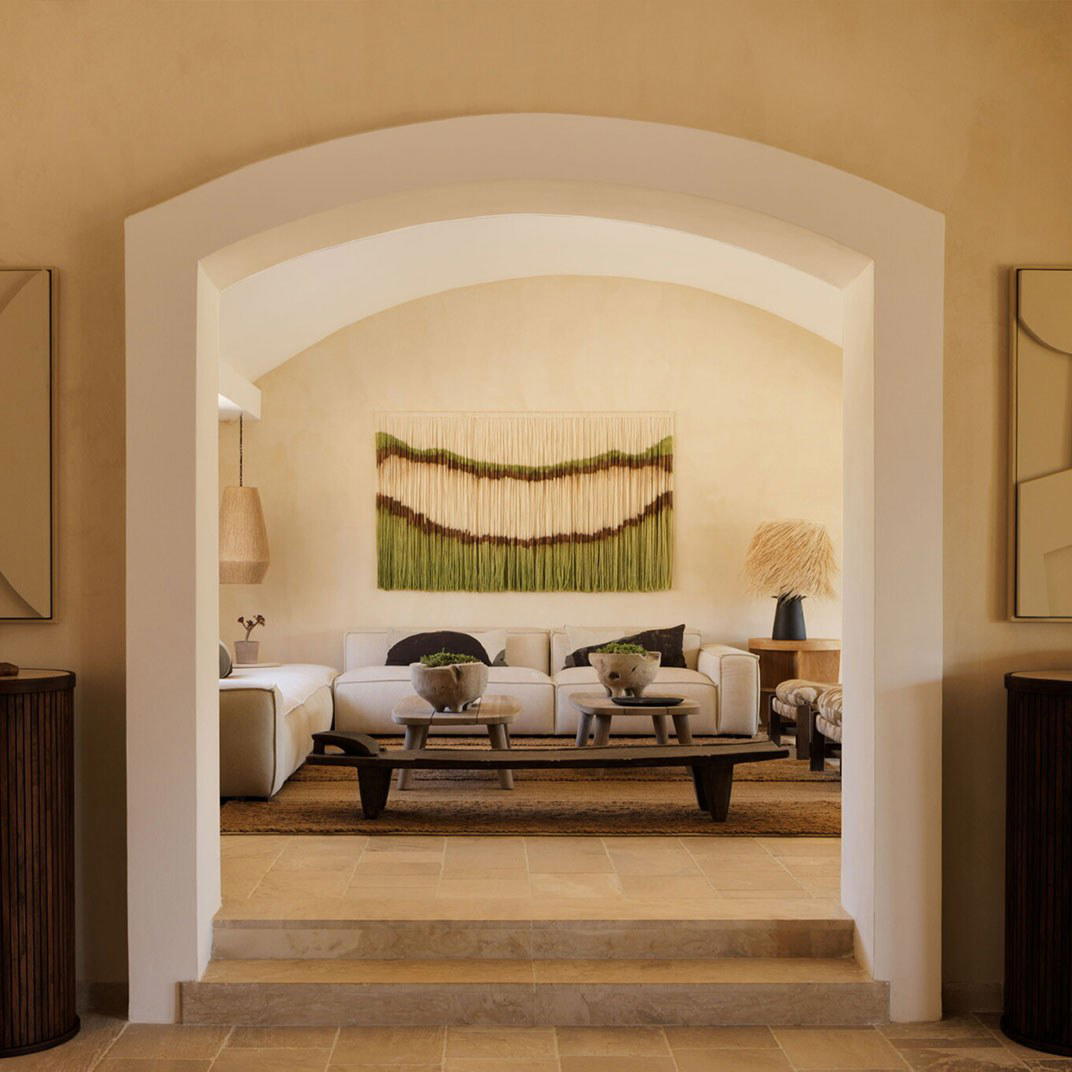
Stone is the clearest detail at Schola Sarmenti in Nardò. The venue is described through restored nineteenth-century winery architecture, with vaulted tuff and Lecce stone ceilings creating a historic, atmospheric setting. Rather than relying on invented service details or menu claims, the reliable picture is architectural and tonal: refined, rooted in Salento tradition, rustic, quiet, and somewhat hidden. That restraint matters, because the most convincing impression comes from what is actually established: an old winery structure, local materials, and a mood shaped by preservation rather than display.
That makes Schola Sarmenti most useful to understand as a place defined by setting. The information supports a venue with a strong sense of local material character, where the restored structure does much of the storytelling. The safer reading is also the more interesting one: this is a venue whose appeal begins with the room, the ceiling lines, the stone surfaces, and the quiet suggestion of Salento history.
Historic architecture gives the venue its center of gravity
The most grounded reason to pay attention to Schola Sarmenti is its restored nineteenth-century winery architecture. Vaulted tuff and Lecce stone ceilings give the interior a sense of age and texture, connecting the space to the broader architectural language of Salento without needing to overstate what happens inside. Those materials are not decorative footnotes; they are the main evidence for the venue’s character, giving it a physical weight that a generic rustic description would not provide.
The atmosphere is best described as historic, rustic, sophisticated, quiet, and refined. It is not presented here as a place defined by a confirmed chef, tasting format, specific cuisine, or formal award record. Its identity rests instead on the physical environment and the way that environment frames the experience. In that sense, the restored winery setting functions almost like a lens: it shapes expectations before any other detail is considered, making the place feel grounded, local, and deliberately understated.
For travelers comparing options in Nardò, Schola Sarmenti stands out as a venue where the building itself be central to the appeal. Other dining and hospitality choices in the city may offer different formats, but the distinction here is the restored winery setting and its Salento-rooted character. It is the kind of distinction that depends less on a checklist of offerings and more on whether a visitor is drawn to architecture, atmosphere, and the quiet drama of an old space carefully brought back into use.
A restored winery setting changes the room
Many venues can claim atmosphere in broad terms; Schola Sarmenti has a more specific setting. The restored nineteenth-century winery architecture, with tuff and Lecce stone overhead, gives the space a strong historic frame. That makes the room feel materially grounded rather than generically rustic. The description suggests a place where the ceiling, masonry, and sense of age are not background elements but central parts of the experience.
The mood is described as quiet and sophisticated, with a hidden-gem quality. Those are useful expectations to set: the appeal is not based on confirmed spectacle, entertainment, or an elaborate public-facing format, but on a refined historic environment in Nardò. The hidden quality should be understood in that atmospheric sense, not as a claim about access or exclusivity. It points instead to a venue that feels slightly from louder narratives, relying on stone, scale, and restraint to create interest.
Who should put it on a Nardò itinerary
Schola Sarmenti makes sense for travelers who value atmosphere, restored architecture, and a quieter sense of place. The description points to a sophisticated but rustic environment, rooted in Salento tradition and shaped by nineteenth-century winery architecture. Visitors who respond to historic interiors and local materials are likely to understand the appeal more clearly than those looking first for confirmed programming or a detailed food-and-wine agenda.
It is especially relevant for visitors who prefer historic rooms and local material character over highly produced hospitality claims. The appeal is not a confirmed award, chef-led format, tasting program, or specific menu; it is the combination of Nardò, restored winery architecture, vaulted tuff and Lecce stone ceilings, and a refined quiet mood. That combination gives Schola Sarmenti a clear editorial position even without a longer list of operational specifics.
Within Nardò, consider Schola Sarmenti as a distinctive atmospheric stop rather than a venue defined here by operational details. The reliable facts are limited, but they are clear: $$ pricing, a historic restored setting, and a rustic, sophisticated character rooted in Salento tradition. Taken on those terms, the venue is best approached for the setting itself: the sense of age, the Salento stone, and the understated confidence of a restored winery space.
Recognition history
Dated appearances from independent guides and award organizations, with the underlying list record or original source where available.
Falstaff Winery - Listed
Falstaff
Continue exploring
More in Nardò
Wineries in Nardò
All wineries in Nardò →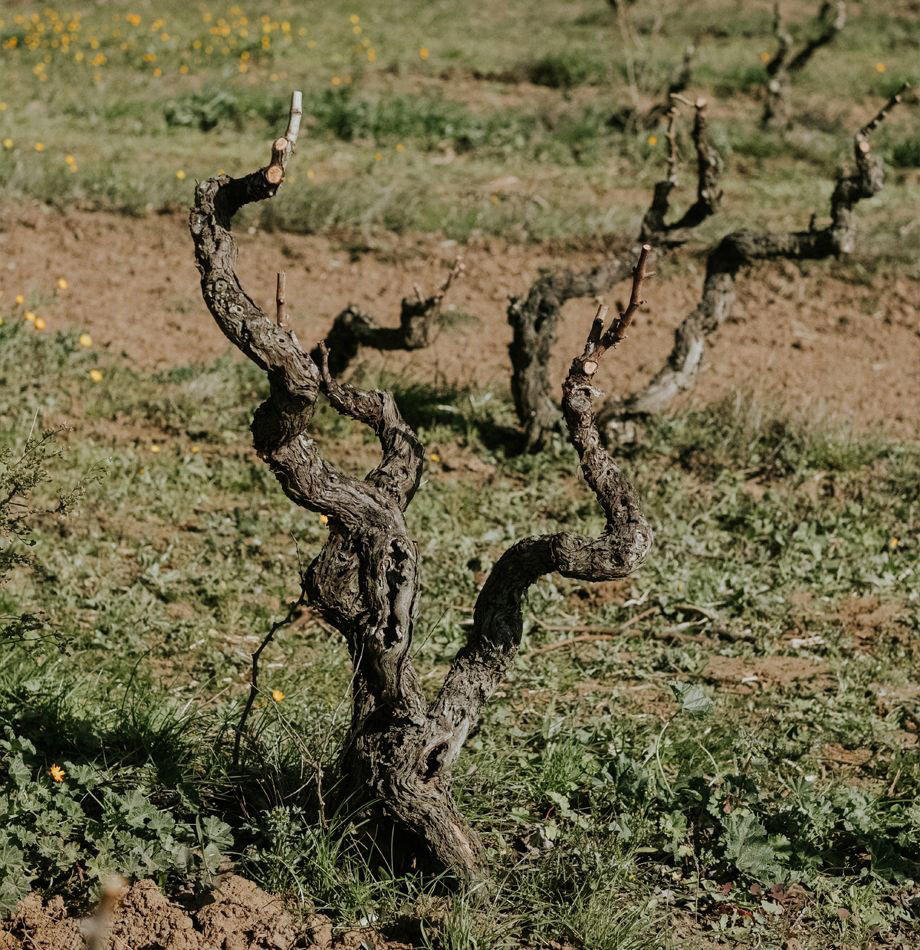
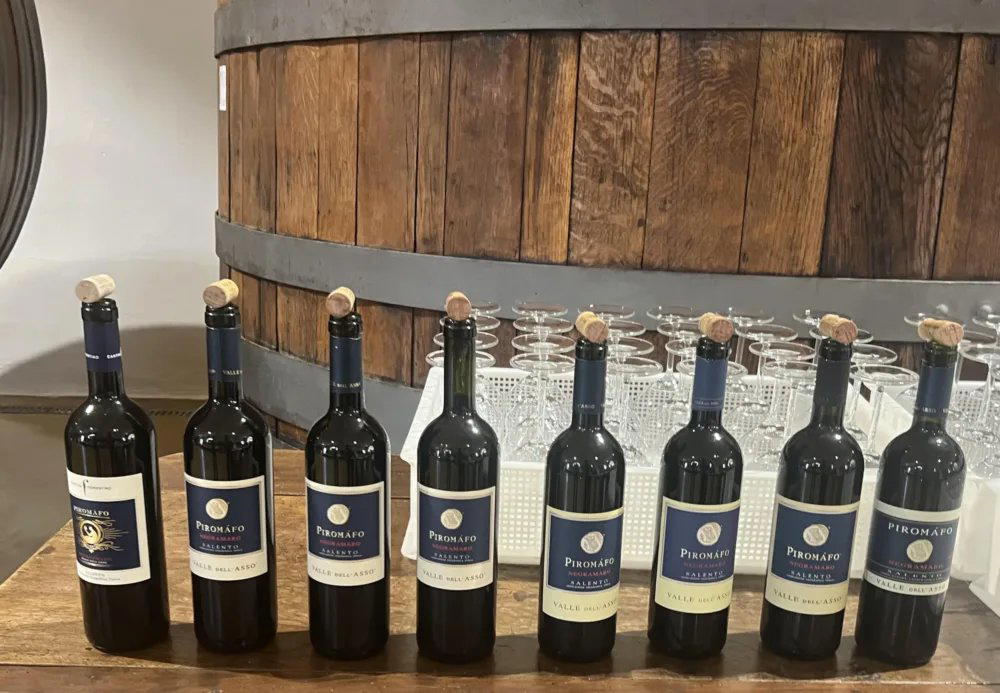
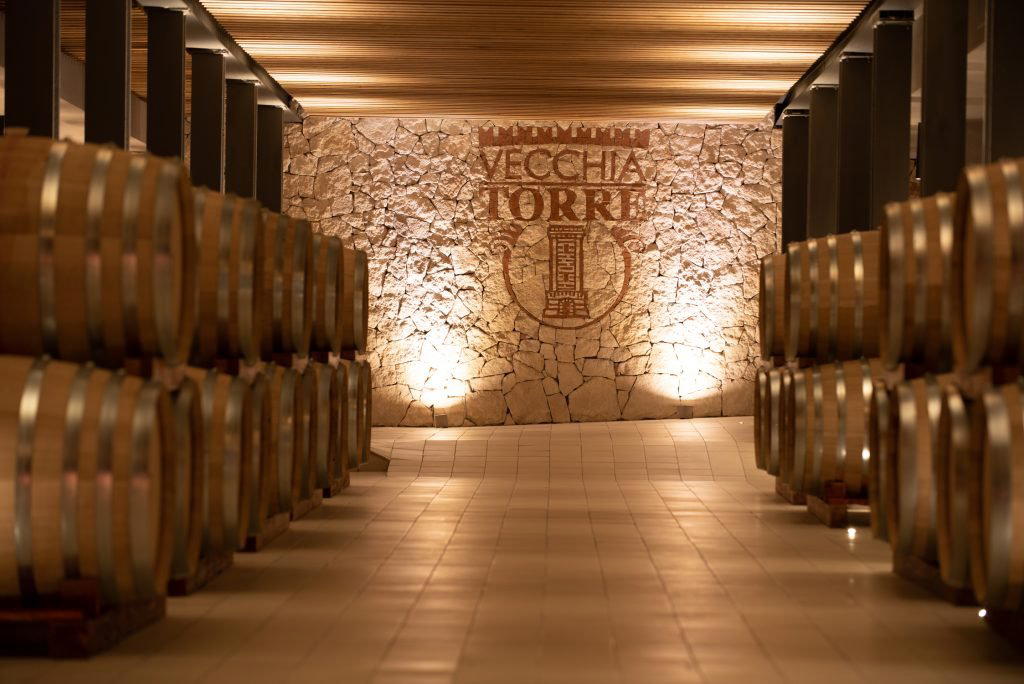
Bars in Nardò
All bars in Nardò →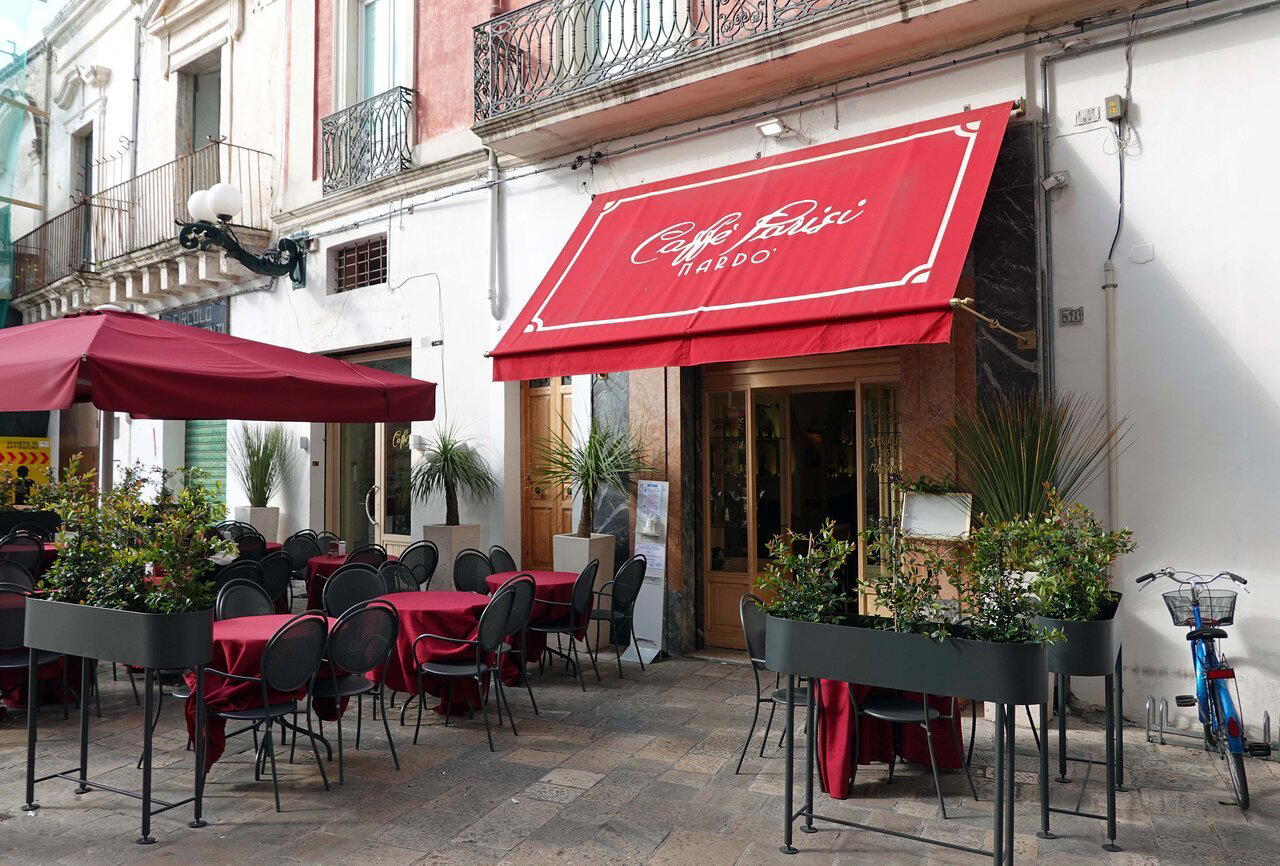
Restaurants in Nardò
Browse all →
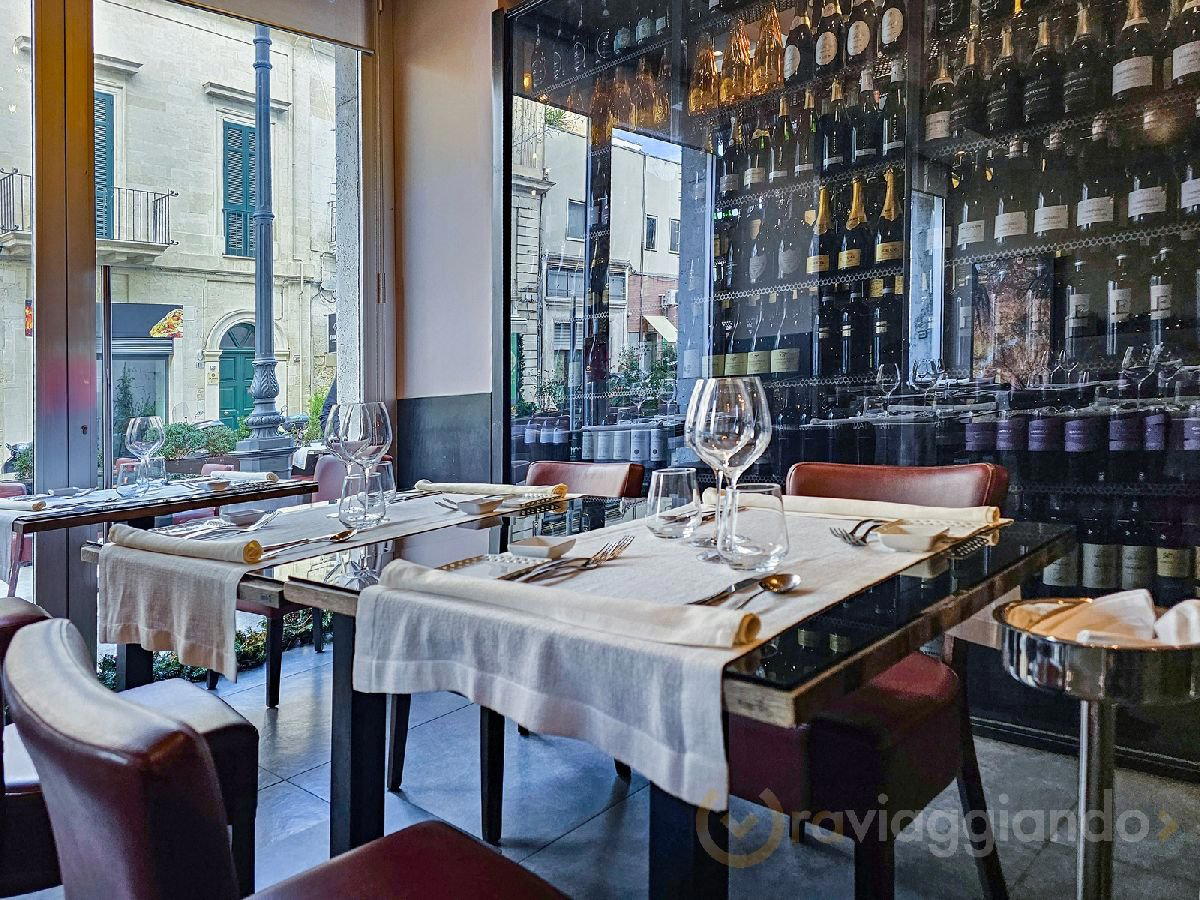
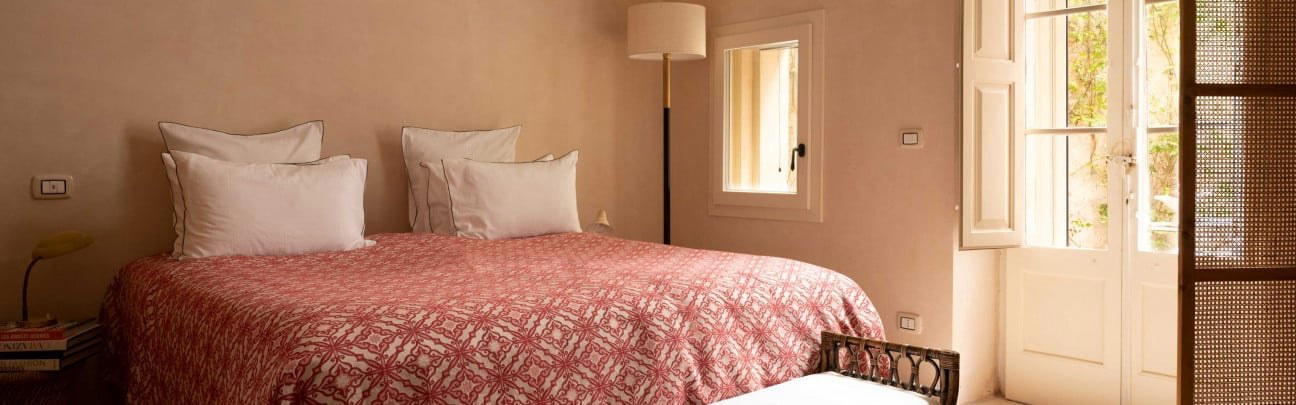
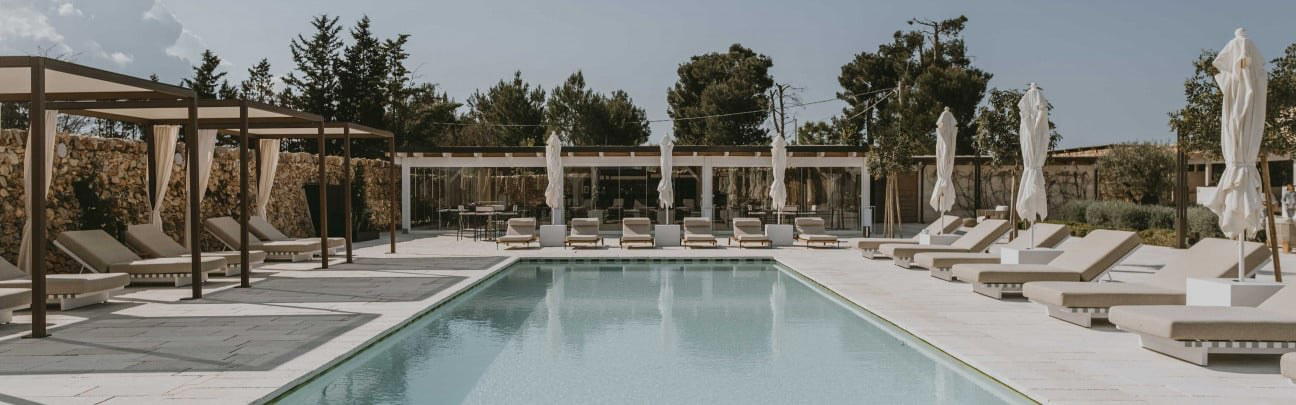
Details
- Historic
- Rustic
- Sophisticated
- Quiet
- Wine Education
- Special Occasion
- Group Outing
- Solo Exploration
- Historic Building
- Design Destination
- Estate Grounds
- Vineyard Tour
- Private Tasting
- Vineyard
- Negroamaro
- Primitivo
- Malvasia
- Fiano
- Chardonnay
- Susumaniello
- Still Red
- Still White
- Still Rosé
- Fortified
- Guided Tasting
- Estate Tasting
- English
- French
- German
- Spanish
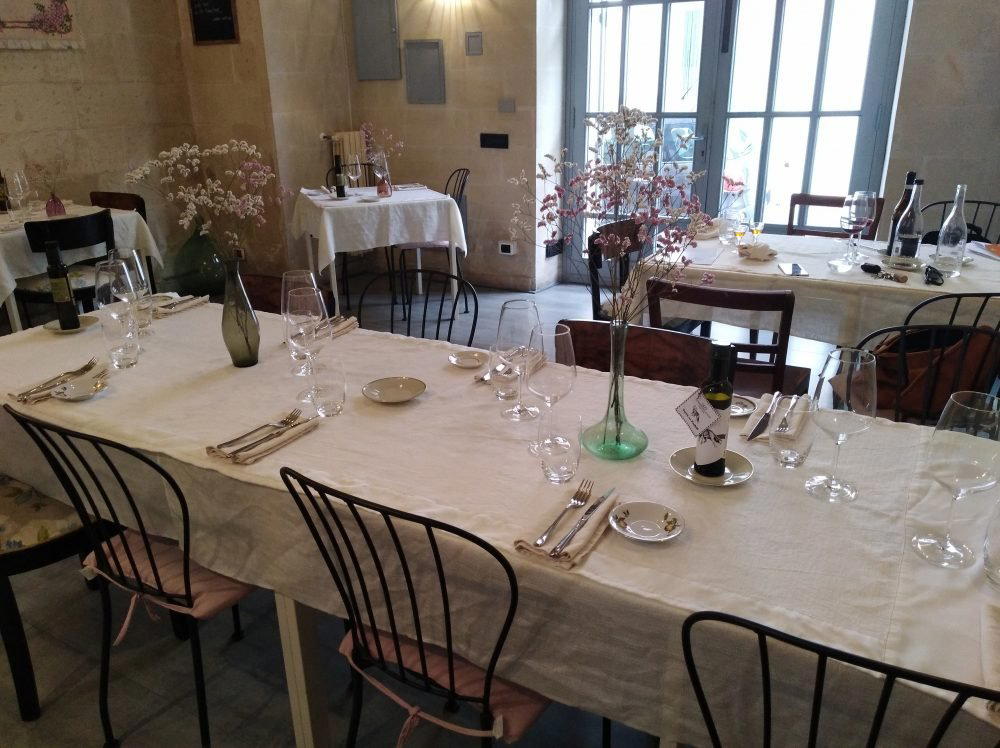
Restored 19th-century winery architecture with vaulted tuff and Lecce stone ceilings, creating a historic, atmospheric setting that feels both refined and rooted in Salento tradition.