Alex occupies a address on Via Vito Fazzi in the heart of Lecce, placing it within one of Puglia's most distinctive dining cities. The restaurant sits in a city where Baroque architecture and deeply rooted cucina povera traditions set a high bar for any table. Details on cuisine format, pricing, and booking are best confirmed directly with the venue.
Pearl is the En Primeur Club membership app — saves, bookings, and concierge access live there. Same editors, same standards.
- Address
- Via Vito Fazzi, 15, 73100 Lecce LE, Italy
- Phone
- +393208034258
- Website
- alexristorantelecce.it
- Directions
- Get directions
 Saves & bookings on Pearl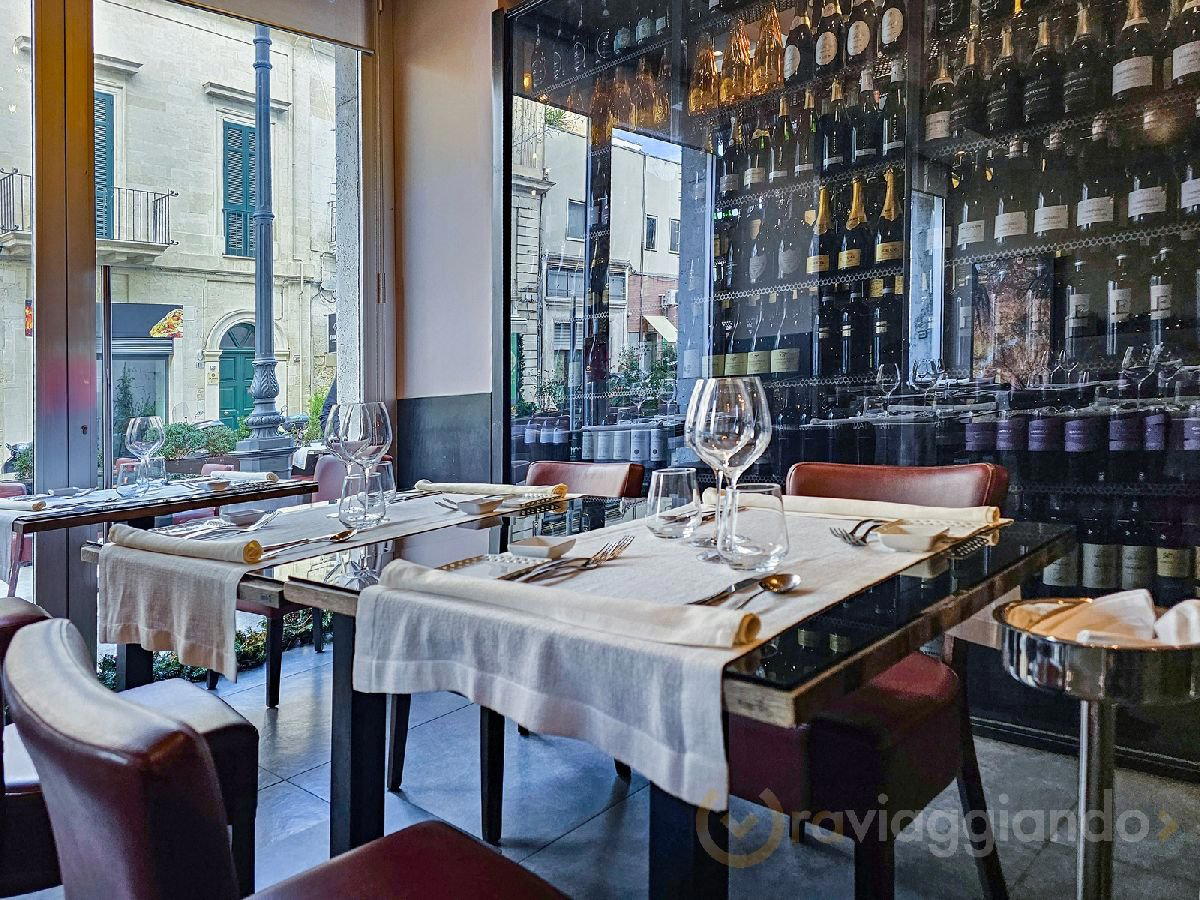
Lecce and the Weight of a Southern Table
Lecce earns its reputation not through novelty but through accumulation. The Salento capital carries centuries of Baroque civic pride, a dialect that sounds closer to Greek than Roman, and a food culture that built itself from scarcity into one of Italy's most coherent regional traditions. Fave e cicoria, pittule, frisa, pasticciotto: these are not dishes assembled for tourists but staples that predate modern restaurant culture entirely. Any serious table in this city operates in relation to that tradition, either drawing from it directly or positioning itself against it.
The dining scene in Lecce has sharpened considerably over the past decade. Where the city once offered a narrow band of trattorias and hotel restaurants, it now supports a more differentiated market. Duo Ristorante anchors the Apulian mid-range with focused regional cooking, while Primo Restaurant occupies the Mediterranean fine-dining tier at the higher end of the price spectrum. 400 Gradi and 3 Rane fill out the mid-market, and Classé La Dogana Restaurant adds a further contemporary dimension. Alex, at Via Vito Fazzi 15, sits within this expanded field, a short distance from the historic centre's main circuit of churches and palazzi.
The Salento Tradition and What It Demands
Southern Italian cooking, and Pugliese cooking in particular, operates under a set of constraints that most other regional traditions do not share in the same way. The cucina povera inheritance is not simply a marketing frame; it is a structural reality. The cuisine developed without abundant meat, without dairy in the northern Italian sense, and without the urban restaurant culture that shaped Milanese or Florentine tables. What it produced instead was an extraordinary vocabulary of legumes, wild greens, preserved fish, and hand-shaped pasta that require technical precision to execute correctly.
Orecchiette with cime di rapa is the paradigm case: three ingredients, two of them cheap, with the result entirely dependent on timing, the bitterness management of the turnip tops, and the texture of the pasta itself. The same logic applies across the canon. Lecce's position at the tip of the heel adds a further layer: the Adriatic and Ionian both within reach, a Greek-inflected spice history, and a pastry tradition, most visible in the pasticciotto, that belongs to no other Italian region.
Restaurants operating in this context face a consistent editorial question: how much of the tradition to preserve intact, and how much to interpret. Particularly respected tables in Italy's south tend to resolve that question through restraint rather than reinvention. At the national level, places like Reale in Castel di Sangro and Uliassi in Senigallia demonstrate how southern and central Italian ingredients can support serious fine-dining frameworks without abandoning their origins. At the other end of the ambition curve, celebrated rooms like Osteria Francescana in Modena show what happens when the tradition is treated as raw material for something more conceptual.
Via Vito Fazzi: Location and Context
Via Vito Fazzi runs through a part of Lecce that sits just outside the tightest tourist corridor of the centro storico. The street is named after a local physician and civic figure, and the area around it represents the kind of working Lecce neighbourhood where daily life and visitor traffic have not yet fully merged. For a restaurant, this positioning tends to produce a more local clientele mix than addresses directly on Piazza Sant'Oronzo or Via Trinchese, which are dominated by transient footfall in the summer months.
The geography matters for timing. Lecce draws significant visitor volume between June and August, when the Salento coast fills with Italian holidaymakers and a growing international contingent. Restaurants with strong local bases tend to maintain more consistent quality outside those peak months, when the pressure of volume service is lower. September and October represent one rewarding period to eat seriously in this city: the summer crowds have thinned, the heat is manageable, and local ingredients are at a seasonal peak before the winter vegetable cycle takes over.
Reading Alex Against the Lecce Field
What the address does confirm is a location that favours a local-leaning clientele and positions the restaurant outside the purely tourist-facing segment of the market. In a city where the leading eating often happens away from frequently photographed piazze, that geography is informative in itself.
For context on what the upper tier of Italian restaurant ambition looks like at the national level, the contrast with starred rooms is useful. Atelier Moessmer Norbert Niederkofler in Brunico and Dal Pescatore in Runate represent the kind of multigenerational or intensely chef-driven formats that carry Michelin recognition at multiple star levels. Quattro Passi in Marina del Cantone shows what coastal southern Italian fine dining can achieve with proper resource and focus.
What the Lecce scene does offer any serious table in the city is a deep larder and a demanding local audience. Leccesi eat seriously and eat late; the evening service rhythm in this city runs well past nine, with many locals not seated until ten. The wine context is equally specific: Primitivo and Negroamaro dominate the local list, and any restaurant not engaging with Salento DOC wines in some meaningful way is missing an obvious opportunity.
Planning Your Visit to Alex
Alex is located at Via Vito Fazzi 15, 73100 Lecce. Reservations are recommended, and Alex opens daily from 11 AM to 3 PM and 7 PM to 10:30 PM. Given the uncertainty around cuisine format and price tier, arriving with flexible expectations is advisable. Lecce's dining culture rewards patience: service here is rarely rushed, and the rhythm of a meal is treated as part of the experience rather than a logistical transaction.
Those planning a broader Italian trip with fine-dining ambitions should also consider what other celebrated rooms are doing across the country: Piazza Duomo in Alba, Le Calandre in Rubano, Enoteca Pinchiorri in Florence, and Enrico Bartolini in Milan each represent a different inflection of Italian restaurant ambition at the summit of the market. For international reference points, Le Bernardin in New York City and Lazy Bear in San Francisco show how analogous questions about tradition and interpretation play out in different culinary cultures.
Pricing, Compared
Comparable venues nearby, for context on price, style, and recognition.
| Venue | Cuisine | Price | Awards | Notes |
|---|---|---|---|---|
| AlexThis venue — the venue you are viewing | historic center, Modern Italian Seafood | $$$ | Not listed | Not listed |
| 400 Gradi | Neapolitan Pizza | $$ | Not listed | Not listed |
| La Vecchia Osteria da Totu | Not listed | $$ | Not listed | Porta Napoli, Traditional Salento Trattoria |
| Classé La Dogana Restaurant | Not listed | $$$ | Not listed | Viale Libertà, Modern Seafood and Sushi with Apulian Influences |
| Gimmi Restaurant | Lecce, Modern Salento Italian | $$$$ | Michelin Plate | Not listed |
| 3 Rane | Not listed | $$$ | Not listed | centro storico, Modern Italian Fine Dining |
Continue exploring
More in Lecce
Restaurants in Lecce
Browse all →
Bars in Lecce
Browse all →
Hotels in Lecce
Browse all →

At a Glance
- Elegant
- Sophisticated
- Intimate
- Date Night
- Special Occasion
- Open Kitchen
- Extensive Wine List
- Street Scene
Current opening hours
- Monday
- 11 AM–3 PM, 7–10:30 PM
- Tuesday
- 11 AM–3 PM, 7–10:30 PM
- Wednesday
- 11 AM–3 PM, 7–10:30 PM
- Thursday
- 11 AM–3 PM, 7–10:30 PM
- Friday
- 11 AM–3 PM, 7–10:30 PM
- Saturday
- 11 AM–3 PM, 7–10:30 PM
- Sunday
- 11 AM–3 PM, 7–10:30 PM
Hours can change for holidays and private events. Last verified .
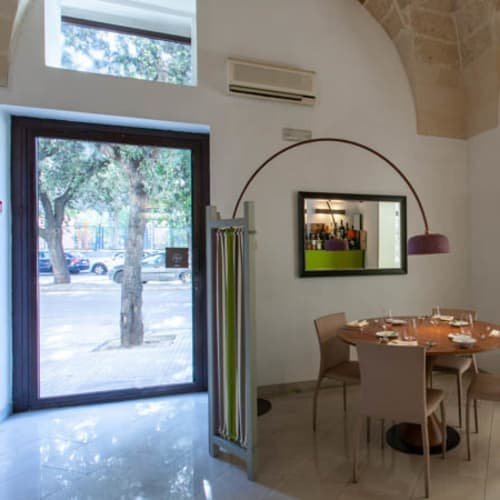
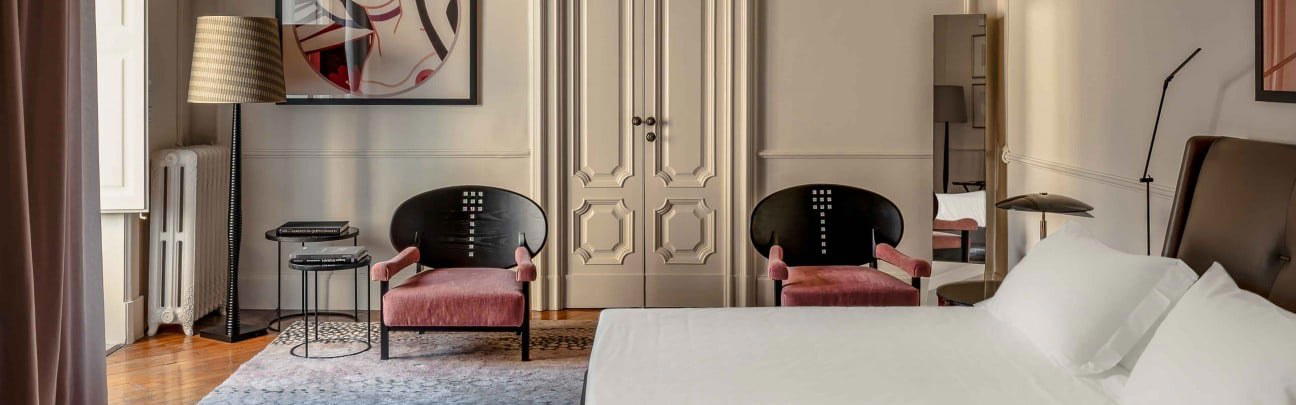
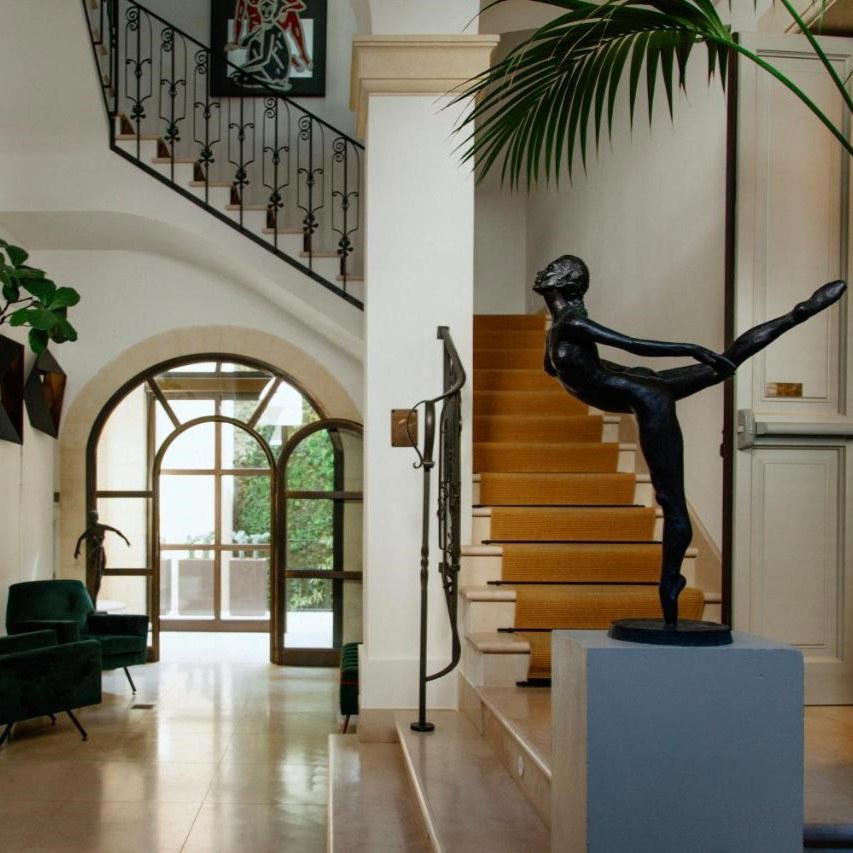
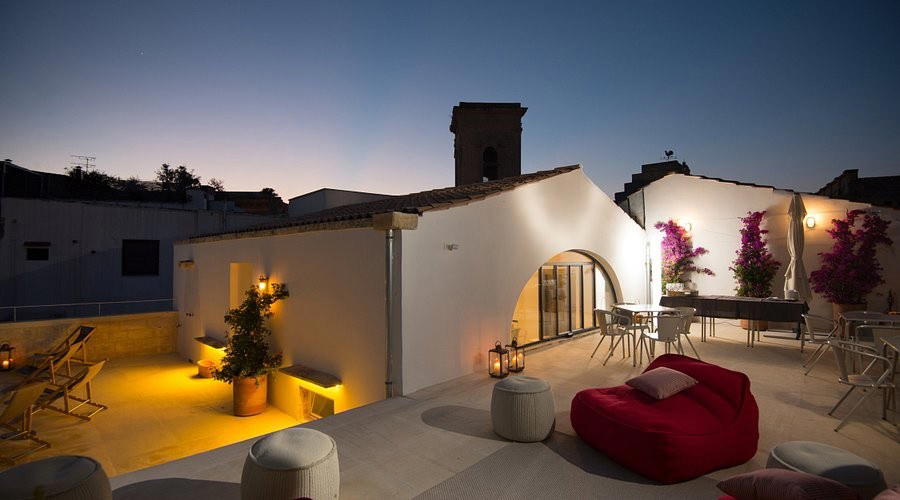
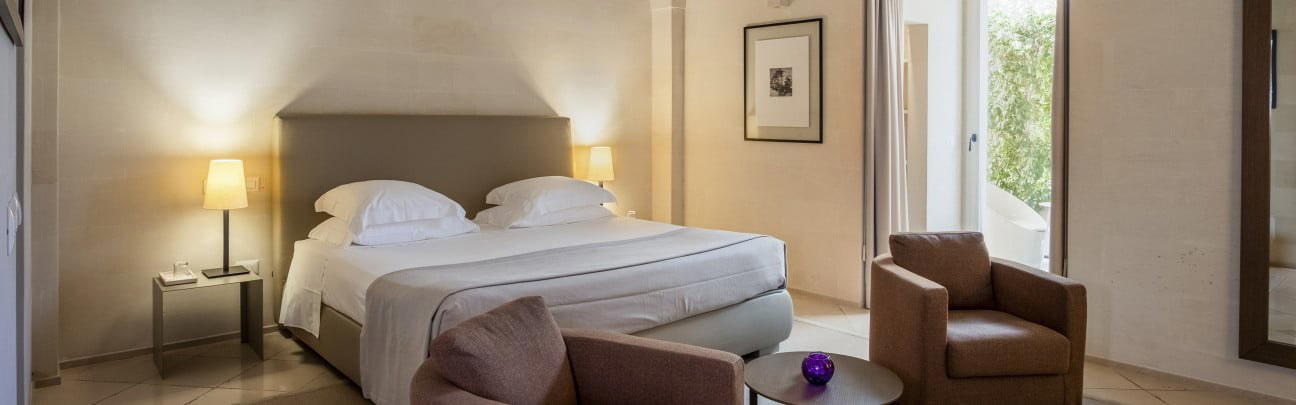
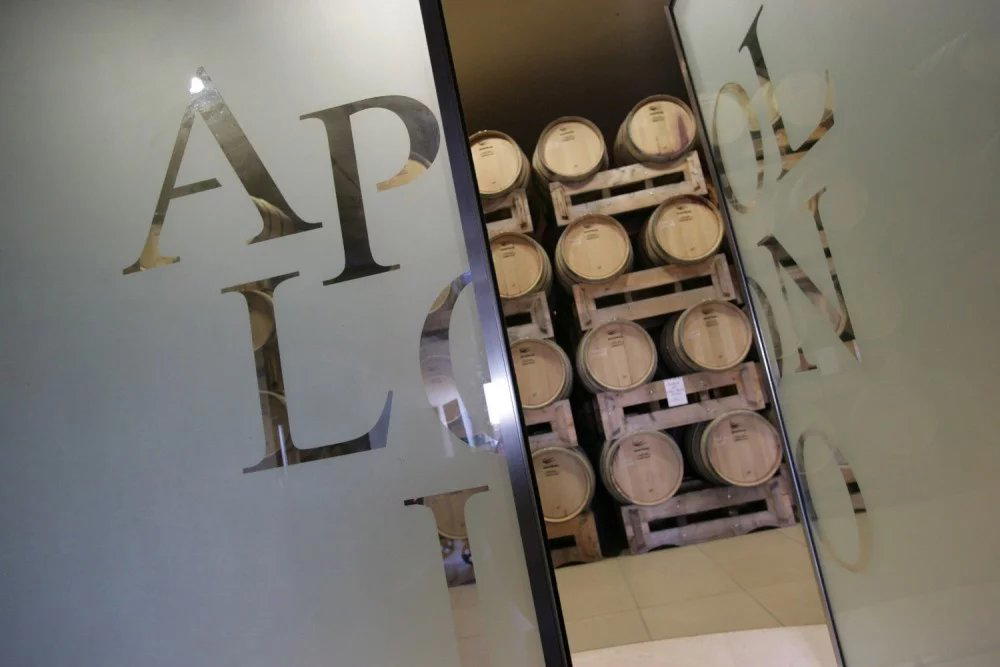
Elegant and relaxed atmosphere with warm and authentic welcoming, modern space just off Piazza Sant'Oronzo.