

Michelin Selected · Mr & Mrs Smith Seal of Approval
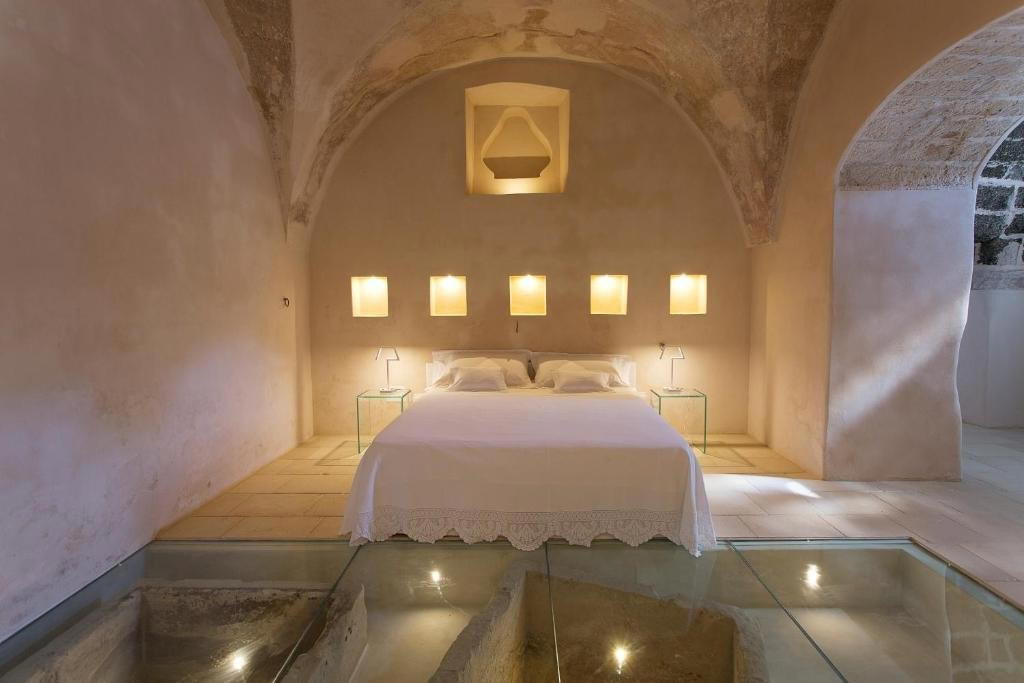
A Michelin Selected palazzo in Matino, deep in the Salento interior of Puglia, Palais Gentile occupies a historic aristocratic residence that places it squarely in Italy's tradition of palazzo hospitality. The property sits apart from the coastal resort circuit, offering a quieter, architecture-led experience in a town few international visitors reach without purpose.

Pearl is the En Primeur Club membership app, where members save venues, book tables and use the concierge.
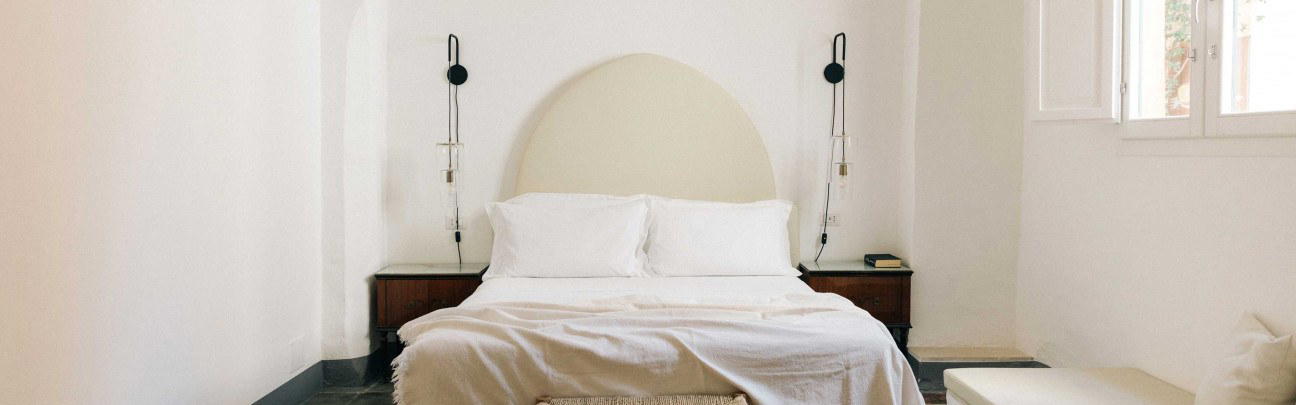
A Palazzo in the Salento Interior
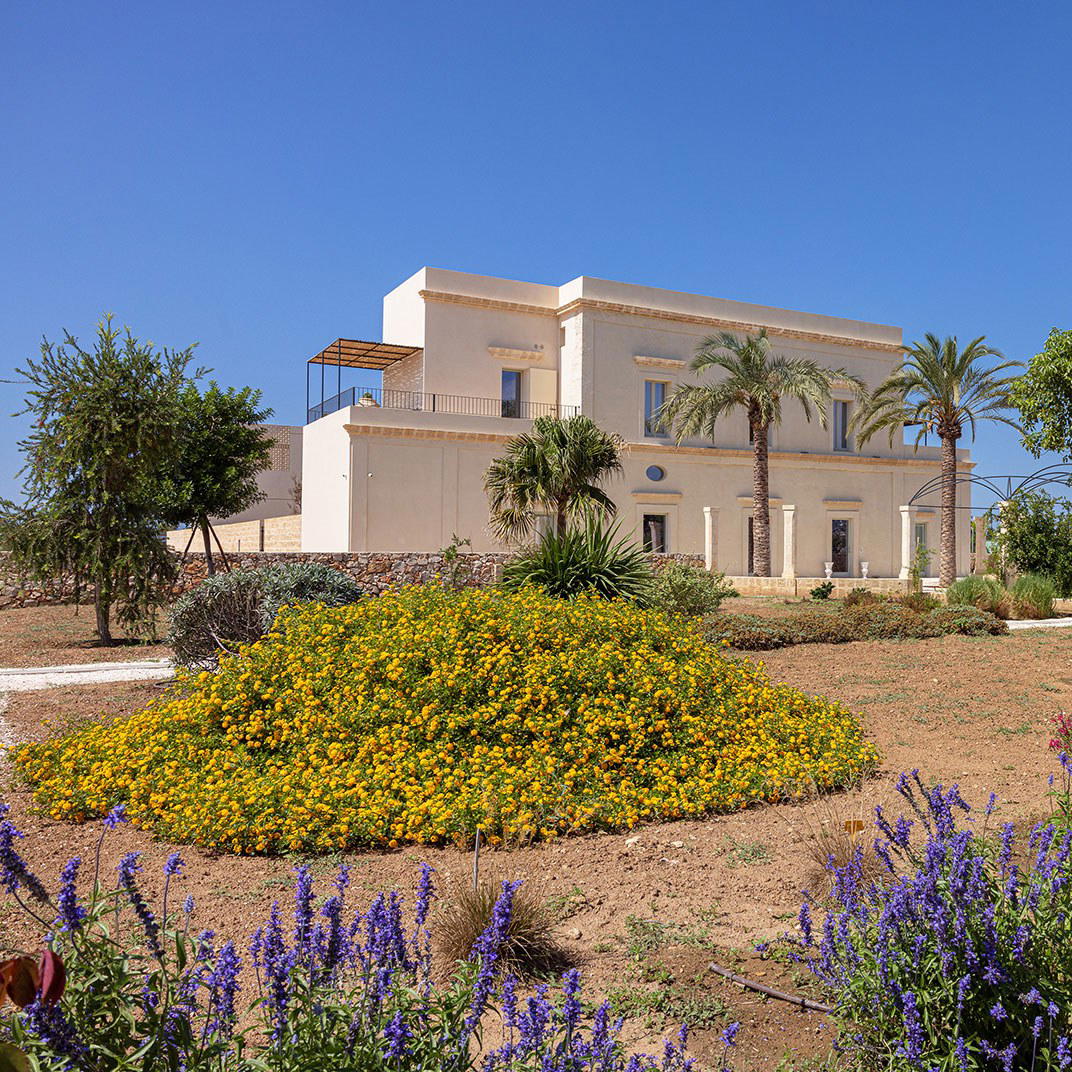
Puglia's hospitality story is usually told from the coast: the masserie of the Valle d'Itria, the trulli around Alberobello, the seafront hotels of the Adriatic and Ionian shores. Matino sits inland, roughly ten kilometres from the Ionian coast near Gallipoli, and it belongs to a different register entirely. The town is Salentine in the fullest sense: flat agricultural hinterland, Baroque church facades, streets that quiet by midday in summer. Arriving at Via Gentile, the palazzo announces itself through stone rather than signage, as historic residences in this part of southern Italy tend to do.
In Puglia, that tier includes Borgo Egnazia in Savelletri di Fasano on the Adriatic coast, though the two properties occupy entirely different registers of scale and visibility. Palais Gentile is the quieter argument: that deep Salento, away from organised resort infrastructure, has its own logic for the traveller prepared to find it.
The Architecture as the Experience
Palazzo buildings of this type in the Salento were the administrative and residential centres of landed families, and their architectural grammar is consistent: heavy limestone construction, internal courtyard or garden, piano nobile proportions, and decorative stonework concentrated around doorways and window surrounds. The southern Italian Baroque, which ran from the late seventeenth century well into the eighteenth, left a particular fingerprint on these structures: carved portals, wrought-iron balconies, and facade articulation that uses shadow and relief more than colour. Palais Gentile carries that lineage in its bones.
What distinguishes the Michelin Selected tier of Italian palazzo hotels from direct historic accommodation is the degree to which the architectural fabric itself functions as the primary offering. At properties like Castello di Reschio in Lisciano Niccone in Umbria or Casa Maria Luigia in Modena in Emilia-Romagna, the building's history and material integrity carry more weight in the guest experience than amenity count. Palais Gentile operates on the same principle, applied to a Salentine context where local pietra leccese limestone defines the visual and tactile character of the built environment. The stone is the design material, the decorative vocabulary, and the regional marker simultaneously.
For travellers whose reference points are northern Italian palazzo hotels, the southern version requires some recalibration. Aman Venice in Venice or Four Seasons Hotel Firenze in Florence operate within internationally legible luxury frameworks, with full service infrastructure wrapped around historic shells. The Michelin Selected properties in the Salento interior typically work differently: the architecture is less restored to a standard and more preserved in its own terms, and the surrounding town is not a tourist destination serviced for visitor convenience. That specificity is the point, not a limitation.
Matino and the Salento Interior
The Salento peninsula, the heel of Italy's boot, has developed a split identity over the past two decades. The coastline, particularly around Gallipoli on the Ionian side and Otranto on the Adriatic, now draws significant summer tourism, with corresponding infrastructure. The interior towns, including Matino, Casarano, Galatina, and Nardò, have largely maintained their everyday character. For visitors, this means encountering a version of Puglia that functions on its own schedule rather than around tourist demand.
Matino is close enough to Gallipoli (roughly ten kilometres) to reach the coast comfortably, but its central experience is the town itself: the main piazza, the church of Sant'Andrea, the surrounding agricultural flatlands that grow tobacco and olive. The Salento's food culture, one of the most coherent in southern Italy, is expressed here in its domestic rather than restaurant form. Local markets and producers in this zone supply the broader Puglian food economy. For context on where to eat nearby, see our full Matino restaurants guide.
Seasonally, the Salento interior runs hot in July and August, when coastal towns are at their most crowded and expensive. May, June, and September offer more moderate conditions and a quieter version of the region. The harvest period in autumn, when olive groves are active and the air carries the particular dry warmth of the Salentine plain, is when the agricultural character of the area is most legible. Spring brings the flowering of the countryside and a palette of colour across the flatlands that is entirely different from the parched summer version.
Placing Palais Gentile in the Italian Palazzo Hotel Tradition
Italy's tradition of converting aristocratic residences into hotels is long and varied. At the top of the market, properties like Bulgari Hotel Roma in Rome, Portrait Milano in Milan, or Passalacqua in Moltrasio on Lake Como represent the tier where historic fabric meets full international luxury service. The Michelin Selected tier operates differently: it covers properties where architectural authenticity and locational specificity are the primary criteria, and service infrastructure varies considerably by property. The selection is a recognition of character rather than a rating of facilities.
Within Puglia specifically, the comparison set includes Borgo Egnazia in Savelletri di Fasano, which represents the larger-scale resort end of the regional market, and properties across the Valle d'Itria that have converted masserie into accommodation with varying degrees of intervention. Palais Gentile, as a town palazzo in the Salento interior rather than a rural masseria, occupies a distinct sub-category: urban in the Salentine sense, architecturally specific to the Baroque building tradition of the deep south, and positioned in a location that filters for intentional travellers rather than casual resort visitors.
Broader reference points across Italy for this type of architecture-first, smaller-scale experience include Corte della Maestà in Civita di Bagnoregio, Castel Fragsburg in Merano, and Borgo San Felice Resort in Castelnuovo Berardenga in Tuscany. Each of these properties is defined first by its built environment and its particular regional context. Palais Gentile adds Salento's specific material and cultural character to that pattern.
Planning a Stay
Matino is most practically reached via Brindisi airport, which handles both domestic Italian connections and European routes, or via Lecce by rail, with Matino approximately 25 kilometres south of Lecce. The address is Via Gentile, 20, Matino. Given the Michelin Selected designation and the relatively small scale typical of palazzo conversions in this zone, advance planning during peak summer months (July and August) is advisable. Spring and autumn visits avoid both the summer heat and the higher coastal-season pricing that characterises the Gallipoli area.
Fast Comparison
Comparable venues nearby, for context on price, style, and recognition.
| Venue | Cuisine | Price | Awards | Notes |
|---|---|---|---|---|
| Palais GentileThis venue (the venue you are viewing) | Pared-back palazzo with slow-living ethos; authentically restored family retreat emphasizing simplicity and local craftsmanship. | Not listed | Michelin Selected · Mr & Mrs Smith Seal of Approval | Not listed |
| Tivoli Palazzo Gaddi | Historic palace blending Renaissance heritage with modern luxury | Not listed | Michelin Selected | Centro Storico |
| Villa Paola | Restored 16th-century convent blending historic charm with modern luxury | $300–500 | Michelin Selected | Contrada Paola |
| Palazzo Ducale Venturi | Luxury heritage palazzo with contemporary amenities, positioned as an aristocratic retreat blending five centuries of history with modern wellness services. | $300–500 | Michelin Selected | Minervino di Lecce |
| San Montano Resort & SPA | 1970s postmodern luxury resort with contemporary renovations, blending Mediterranean heritage with modern wellness-focused design. | $300–500 | Michelin Selected · Virtuoso Luxury Hotel Partner | Lacco Ameno |
| Parkhotel Laurin | Historic Art Nouveau with modern updates | $100–200 | Michelin Selected | city center |
Recognition history
Dated appearances from independent guides and award organizations, with the underlying list record or original source where available.
Michelin Selected
Michelin
Mr & Mrs Smith Seal of Approval
Mr & Mrs Smith
Continue exploring
More in Matino
Hotels in Matino
All hotels in Matino →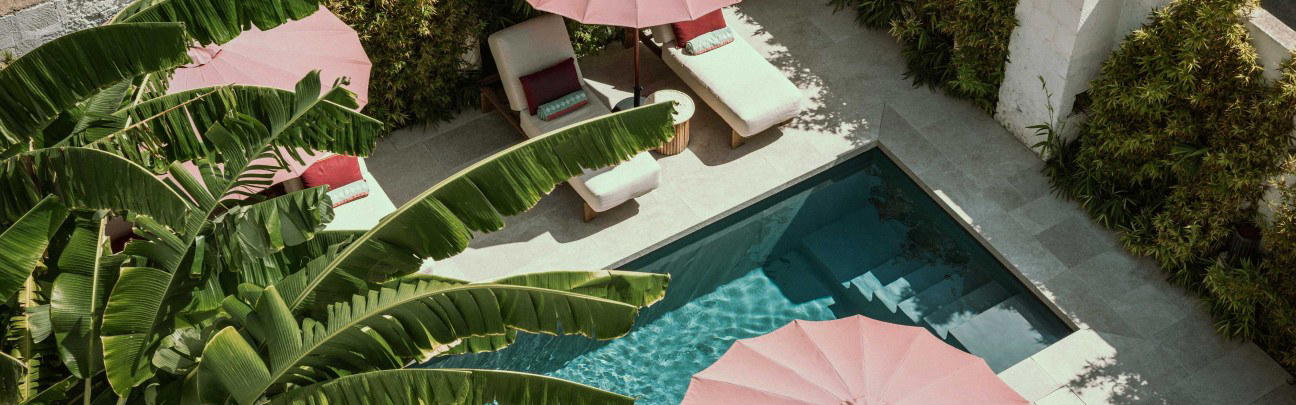
Bars in Matino
Browse all →

Details
- Romantic
- Elegant
- Intimate
- Scenic
- Classic
- Romantic Getaway
- Anniversary
- Family Vacation
- Celebration
- Historic Building
- Garden
- Terrace
- Panoramic View
- Wi Fi
- Massage
- Air Conditioning
- Airport Shuttle
- Pool
- Spa
- Street Scene
- Garden
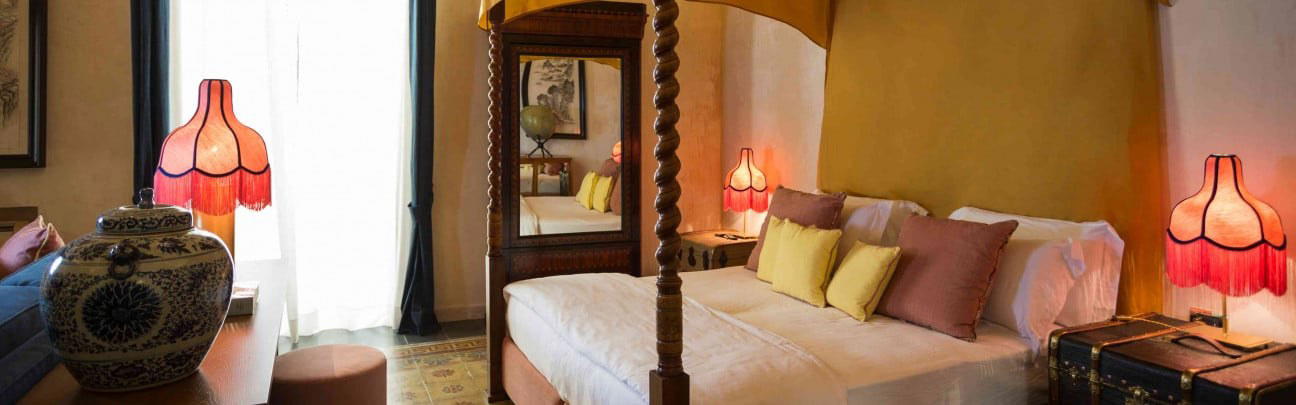
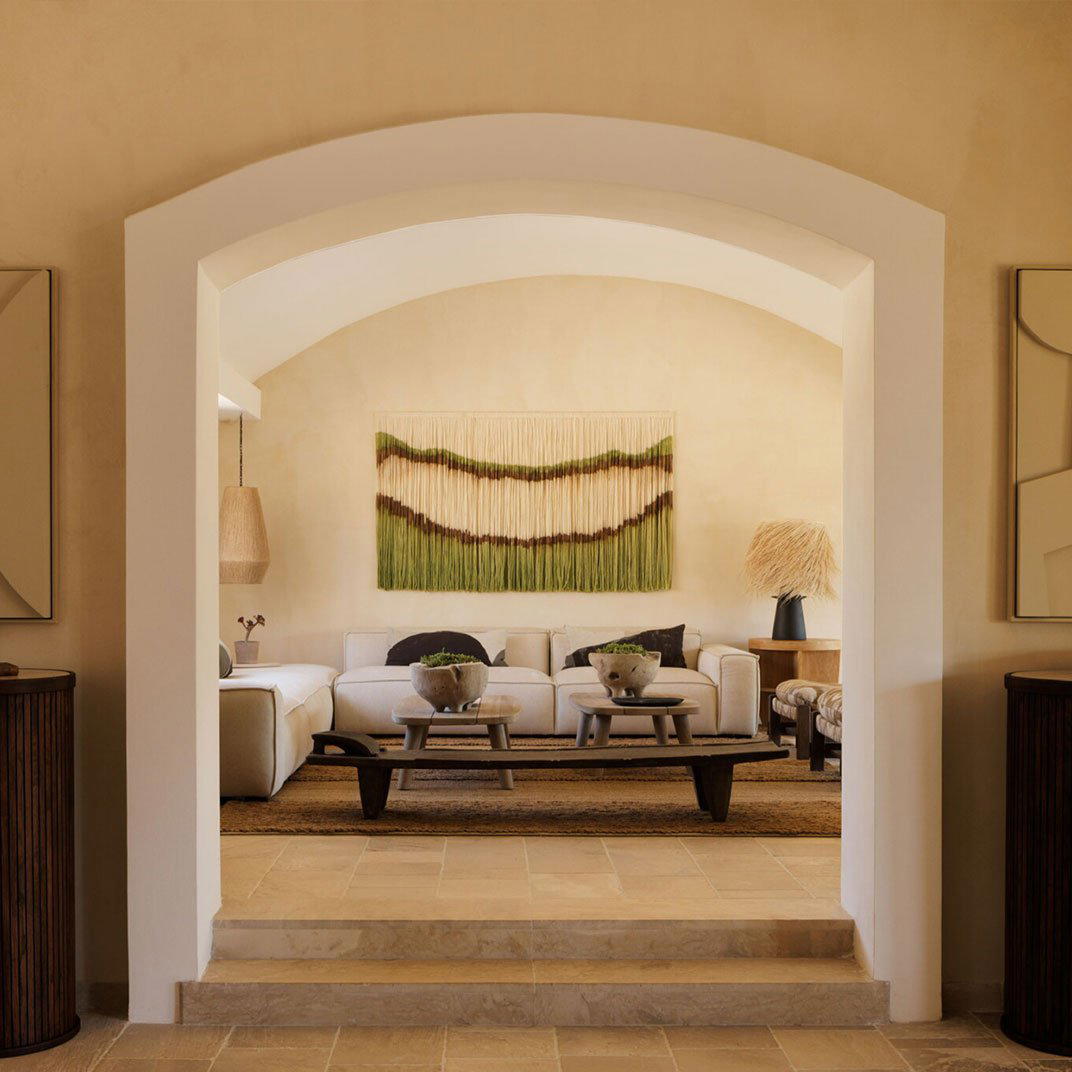
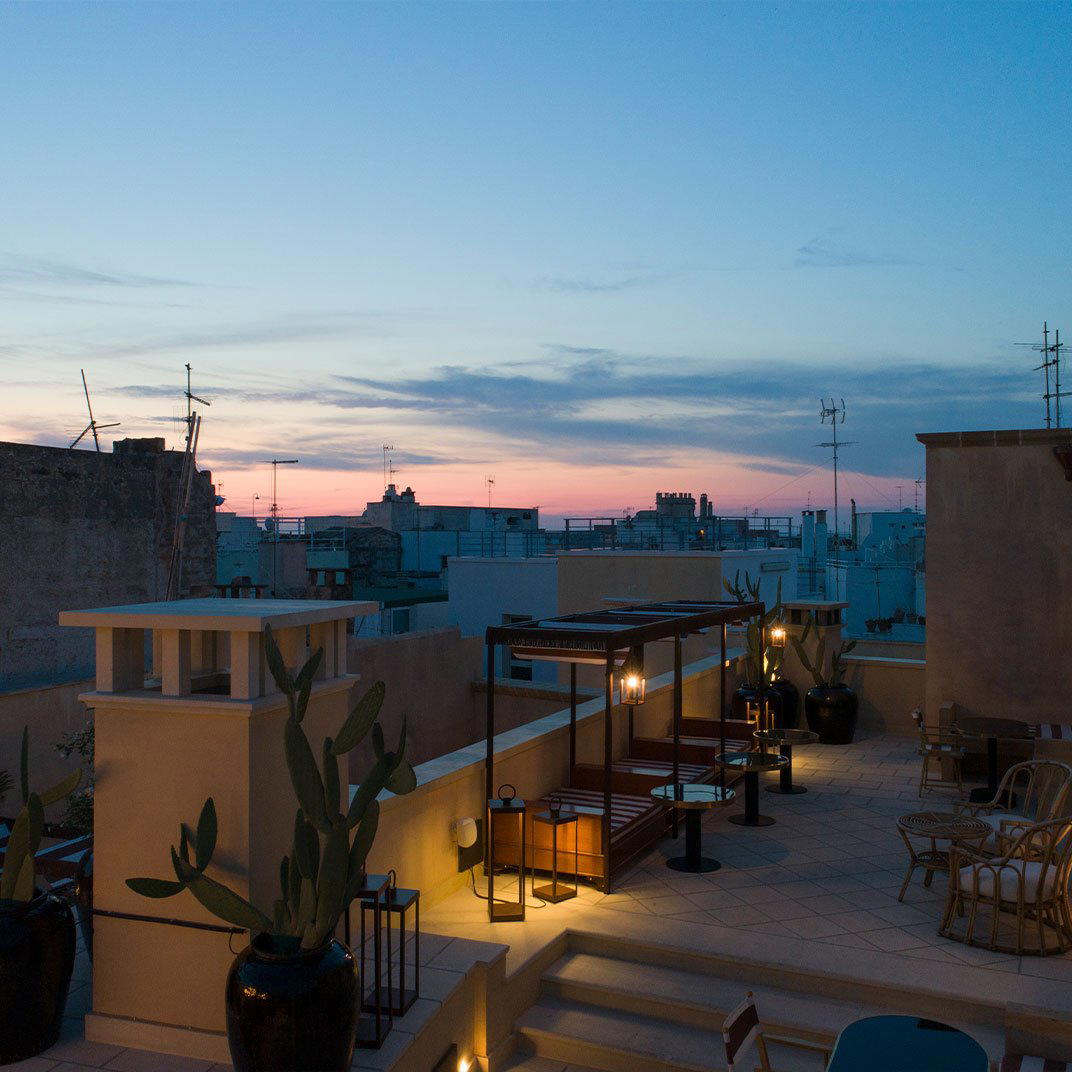
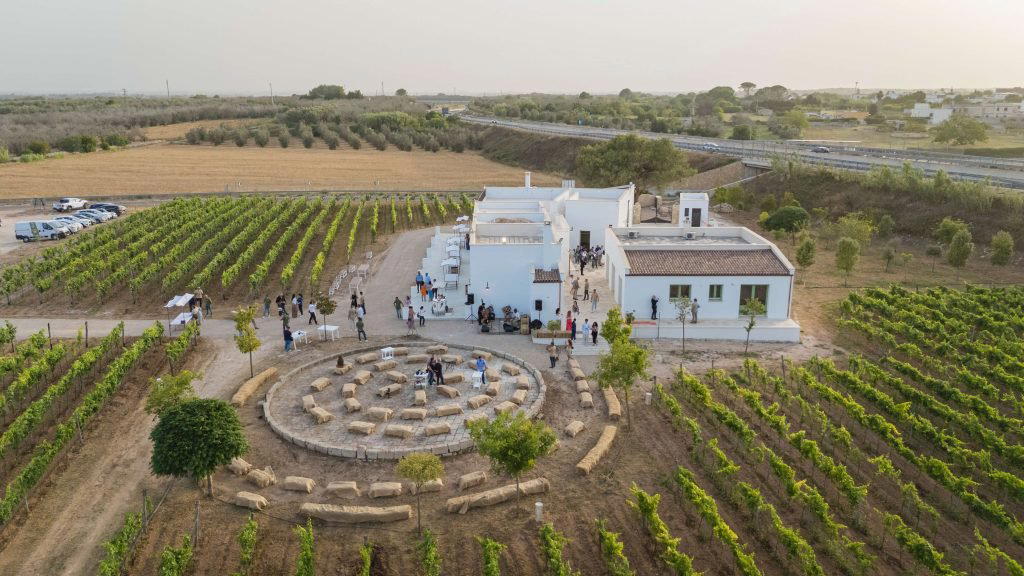
Serene and sophisticated with whitewashed walls, original patterned floor tiles, high ceilings, and soft natural light; rooftop terrace provides peaceful sunset views over the medieval village.