


Michelin Selected · La Liste Top Hotels · Mr & Mrs Smith Seal of Approval
A medieval castle hotel in the Salento heel of Puglia, Castello di Ugento earned 90.5 points from La Liste's 2026 Top Hotels ranking, placing it among a select tier of Italian heritage properties that trade scale for architectural authenticity. The castello's stone towers and cortile position it as a counterpoint to the polished resort model dominant along the Adriatic coast.

Pearl is the En Primeur Club membership app, where members save venues, book tables and use the concierge.
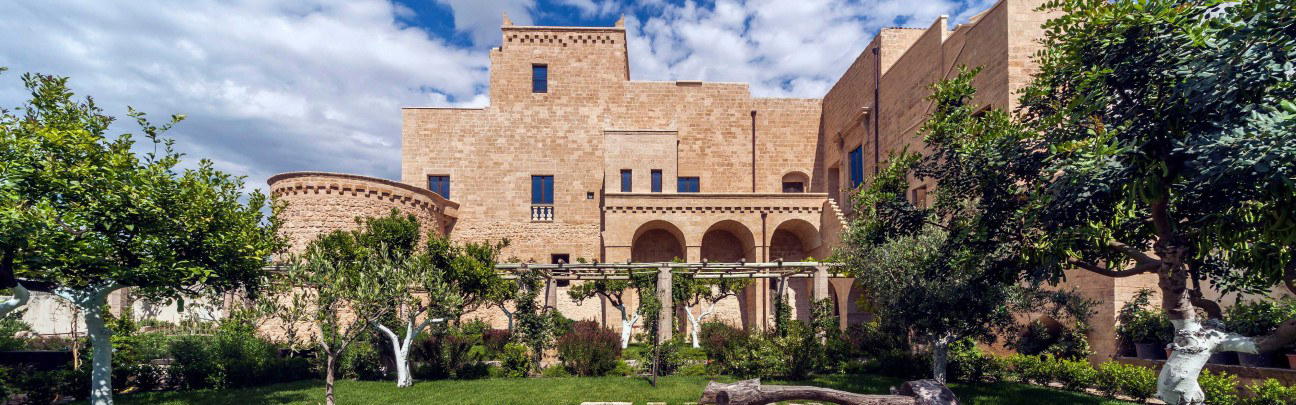
Stone, History, and the Southern Puglia Approach to Luxury
The Salento peninsula occupies the southernmost tip of Italy's heel, a limestone plain that runs between two seas, the Adriatic to the east, the Ionian to the west. Luxury here has never followed the same grammar as Amalfi or Tuscany. There are no grand lakefront promenades, no famous vineyard vistas. What Salento offers instead is architectural density: masserie converted from working farms, baroque town centres, and occasionally, a full medieval castle turned into a place to sleep. Castello di Ugento belongs to that last, rarest category.
Arriving at the property, the defining fact is stone. The castle sits at the centre of Ugento, a small inland town in the Lecce province, with its towers and fortified walls occupying the kind of civic footprint that in northern Italy would have been absorbed by a regional government or heritage trust. In Salento, the logic of repurposing goes differently, private restoration, private hospitality, the castle returned to use rather than preserved behind a velvet rope. What the visitor encounters approaching from Via Castello is a structure with obvious medieval bones: a cortile (courtyard) enclosed by walls of substantial thickness, apertures that were once defensive and now frame light, and a verticality that makes the surrounding town feel like an extension of the property rather than its context.
An Architectural Idiom That Resists Renovation Gloss
The broader pattern among Italian castle conversions splits fairly clearly between two approaches. One category leans into theatrical restoration: vaulted ceilings dramatised by contemporary lighting design, medieval stonework paired with international luxury furniture, the original architecture treated as a backdrop for a modern hospitality product. The other category keeps the material logic of the original structure intact, thick walls that regulate temperature without mechanical assistance in summer, irregular floor plans that resist standardised room typologies, courtyards that function as the social centre of the property rather than an amenity add-on.
Castello di Ugento reads as the latter type. The architectural identity of Salento's vernacular building tradition, tufa stone, whitewashed lime surfaces, deep window reveals, carries through in properties of this kind rather than being overwritten. The distinction matters: when the architecture is the product, the property rises or falls on how honestly that architecture has been handled.
La Liste's 2026 Leading Hotels index awarded Castello di Ugento 90.5 points, a score that places it within a cohort of properties where independent recognition has started to align with what travellers in the heritage hotel segment already suspected. La Liste draws its methodology from aggregated critical data across multiple sources, which means a 90.5 does not reflect a single editorial opinion but a pattern of sustained positive assessment. In the context of Puglia specifically, that kind of ranking is notable: the region has historically sat outside the circuits that produce Michelin rosettes and Condé Nast rankings, while properties on Lake Como, the Amalfi Coast, or in Tuscany accumulated recognition simply by proximity to established tourism infrastructure.
For Puglia, the validation carries different weight. Properties like Borgo Egnazia in Savelletri di Fasano established a template for the region's premium hospitality offer by building from scratch in the masseria tradition. Castello di Ugento operates differently, not a new-build conceived as a hotel, but a centuries-old structure repurposed for contemporary use, which creates both the appeal and the operational constraints. Recognition from La Liste at this score positions it alongside properties where the accommodation experience is inseparable from the building's own history.
For comparison, Italian properties that consistently register in the same La Liste tier include heritage hotels along the Venetian lagoon such as Aman Venice, or the considered smaller properties of the Italian south like Il San Pietro di Positano and Borgo Santandrea on the Amalfi Coast. The comparison is instructive: both of those southern properties are defined entirely by their physical settings and construction logic rather than by hotel-group programming. Castello di Ugento occupies the same conceptual territory, applied to a landlocked Salento setting.
The Salento Context: Why Location Inside the Town Matters
Most premium Puglia properties position themselves outside town centres, either in open agricultural land or on the coast. Masserie by definition were working farms, and the romance of the format depends partly on that rural remove. Castello di Ugento inverts the logic. The castle is in the town, not on its edge, not commanding a hilltop above it, but integrated into the urban fabric of Ugento in a way that makes the surrounding streets part of the guest's daily experience. The local market, the baroque churches, the bars and pharmacies of a working Salento town are immediately accessible on foot.
This is not incidental: it shapes the kind of stay the property produces. Guests here are not sealed into a resort environment. The architecture opens onto the town rather than away from it, which means the property functions more like a Venetian palazzo hotel than a countryside retreat. Corte della Maestà in Civita di Bagnoregio operates on a similar logic, a heritage structure embedded in a living historic settlement rather than isolated within landscaped grounds. The trade-off is the absence of a private pool landscape or panoramic agricultural views, replaced instead by immediate contact with the social and architectural fabric of a southern Italian town that most international visitors have never encountered.
Ugento itself sits roughly 45 kilometres south of Lecce and within reasonable reach of the Ionian coast beaches at Torre San Giovanni. The town is not a tourist destination in the conventional sense, which is precisely what makes the castle's position unusual. Access typically means driving or arranging a transfer from Lecce or Brindisi airport, the latter being the more practical entry point for Salento. For further context on what the wider area offers, see our full Ugento restaurants guide.
Planning Your Stay
The Salento coast and interior operate on a clear seasonal rhythm. High summer, July and August, brings heat, maximum coastal traffic, and the full activation of any property's outdoor spaces. The period from late May through June and from September into October delivers more moderate temperatures and far less pressure on the surrounding area. For a property whose appeal is partly the architectural calm of thick stone walls and a medieval courtyard, the shoulder months make the experience more coherent. Booking directly through the property's channels is the standard approach for heritage hotels of this type; because the La Liste ranking will have raised international awareness of the property, earlier reservation planning is advisable for peak season dates. Contact and booking information is best confirmed through current channels, as operational details for properties in this category can shift seasonally.
Travellers building a broader southern Italian itinerary might pair Castello di Ugento with Bellevue Syrene 1820 in Sorrento or JK Place Capri for a contrasting coastal register, or move north through Italy with stops at Casa Maria Luigia in Modena, Passalacqua in Moltrasio, or Portrait Milano for a full Italian heritage hotel survey. Those planning heritage castle stays elsewhere in Italy should also consider Borgo San Felice Resort in Castelnuovo Berardenga, Castel Fragsburg in Merano, or Rosewood Castiglion Del Bosco in Montalcino as reference points across different Italian regions and price brackets. For those extending beyond Italy, the structural logic of historic conversion hotels applies equally at Amangiri in Canyon Point, Aman New York, The Fifth Avenue Hotel in New York City, Forestis Dolomites in Plose, Grand Hotel Tremezzo in Tremezzo, EALA My Lakeside Dream in Limone sul Garda, and Il Pellicano in Porto Ercole as properties that similarly place architecture at the centre of their hospitality argument.
Quick Comparison
Comparable venues nearby, for context on price, style, and recognition.
| Venue | Cuisine | Price | Awards | Notes |
|---|---|---|---|---|
| Castello di Ugento HotelThis venue (the venue you are viewing) | Restored 17th-century castle blending family heritage with contemporary luxury. | Not listed | Michelin Selected · La Liste Top Hotels | Not listed |
| Naturalis Bio Resort & Spa | Restored 18th-century masseria blending Apulian rural authenticity with contemporary bio-architecture | Not listed | Michelin Selected · Mr & Mrs Smith Seal of Approval | Martano |
| Tenuta Le Tre Virtù | Restored 17th-century stone farmhouse transformed into luxury agriturismo with contemporary comfort and rustic authenticity. | $100–200 | Michelin Selected | Mugello Valley |
| Eight Venezia | Historic Venetian palazzo transformed into a luxury boutique hotel | Not listed | Michelin Selected | Castello |
| Petra Segreta Resort & Spa | Contemporary Sardinian stazzi-inspired luxury resort | Not listed | 1 Michelin Key · La Liste Top Hotels | San Pantaleo |
| Abi d'Oru Beach Hotel&Spa | Historic beach resort with hexagonal pavilions and Mediterranean gardens | Not listed | Michelin Selected | Porto Rotondo |
Recognition history
Dated appearances from independent guides and award organizations, with the underlying list record or original source where available.
Michelin Selected
Michelin
La Liste Top Hotels
La Liste
Mr & Mrs Smith Seal of Approval
Mr & Mrs Smith
Continue exploring
More in Ugento
Hotels in Ugento
All hotels in Ugento →
Bars in Ugento
Browse all →

Details
- Romantic
- Elegant
- Intimate
- Historic
- Sophisticated
- Honeymoon
- Romantic Getaway
- Anniversary
- Wellness Retreat
- Historic Building
- Garden
- Terrace
- Wi Fi
- Spa
- Fitness Center
- Room Service
- Concierge
- Restaurant
- Garden
- Elevator
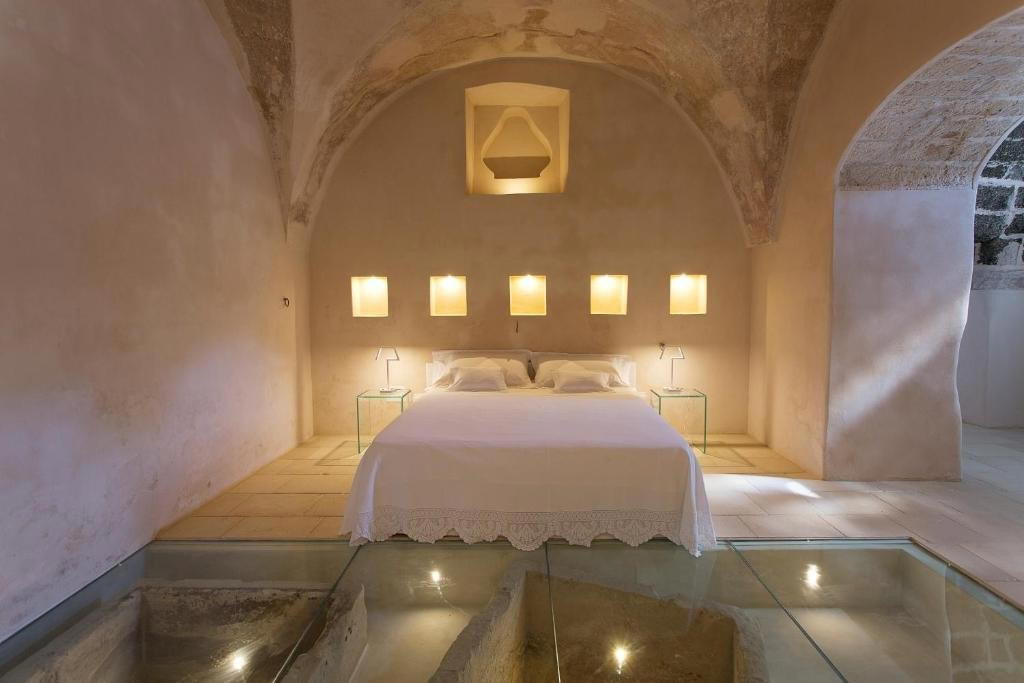
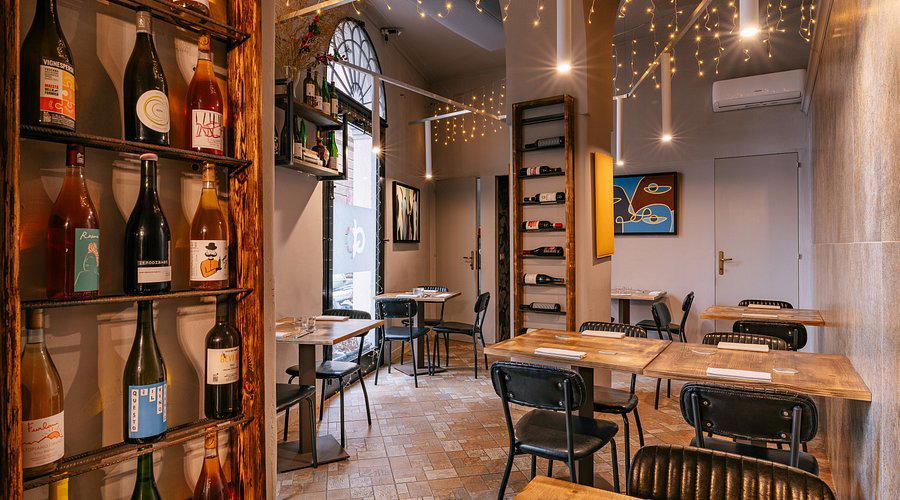
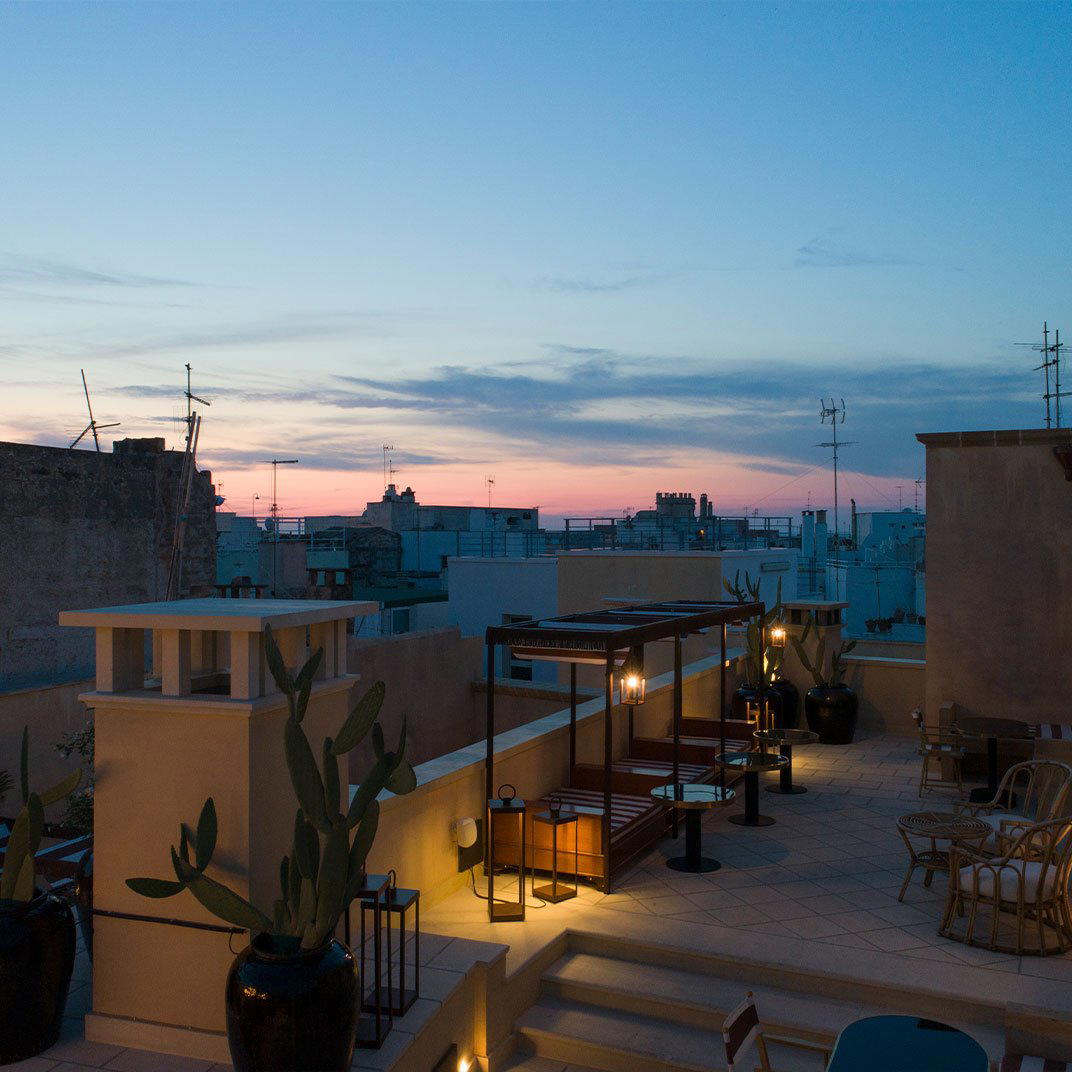
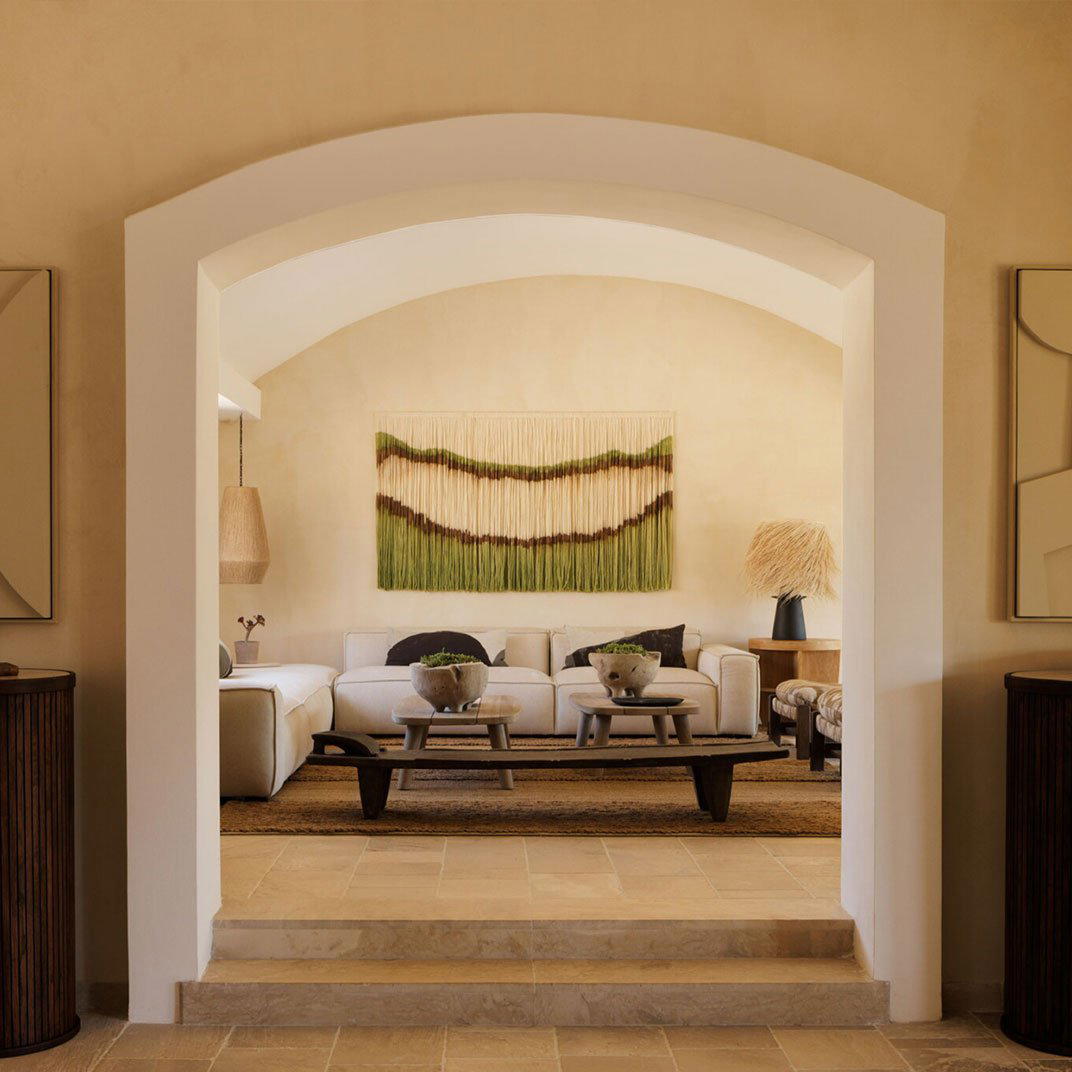
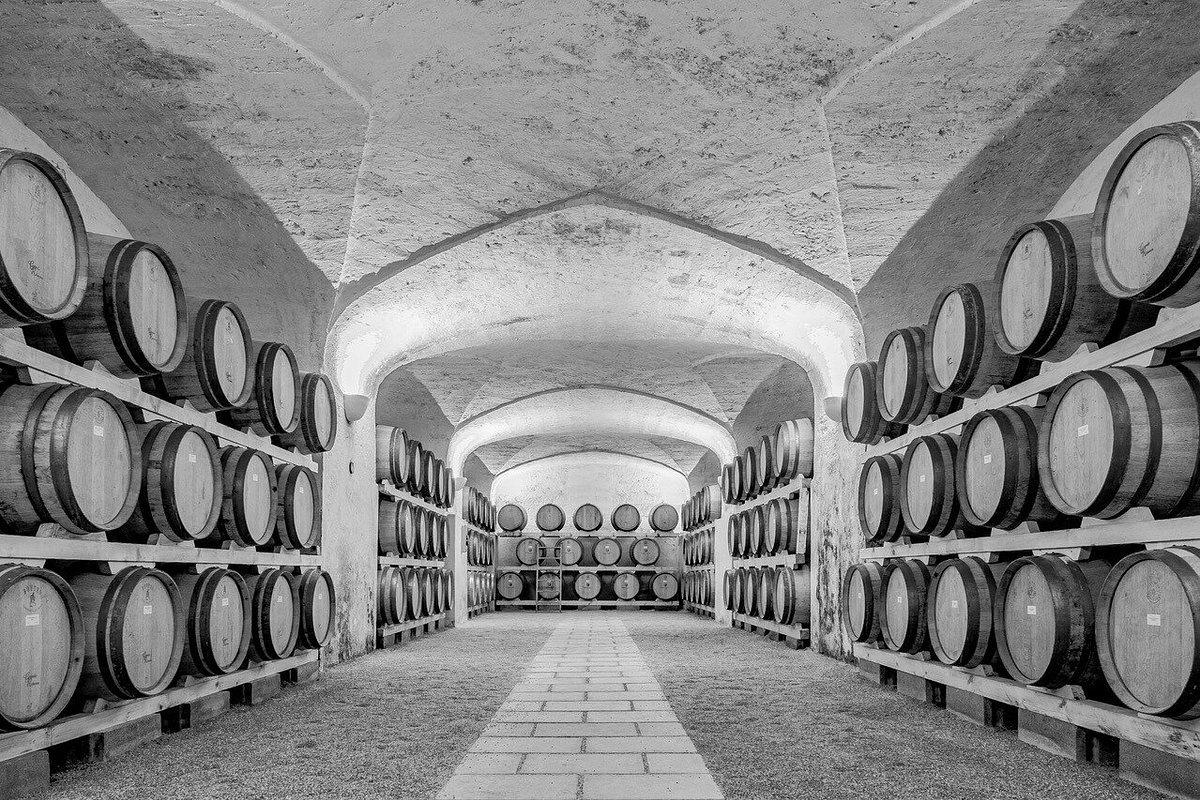
Softly lit courtyards and vaulted stone interiors create a magical, historical atmosphere blending antique elegance with modern comfort.