Osteria Origano

Michelin Plate
Our verdict
A Michelin Plate-recognised contemporary restaurant on a rural road outside Palmariggi, Osteria Origano sits at the point where the deep agricultural traditions of the Salento peninsula meet a kitchen working in a more considered register. It draws a crowd well beyond local regulars, evidence that serious cooking at this price tier finds its audience even in the Apulian interior.

Pearl is the En Primeur Club membership app, where members save venues, book tables and use the concierge.
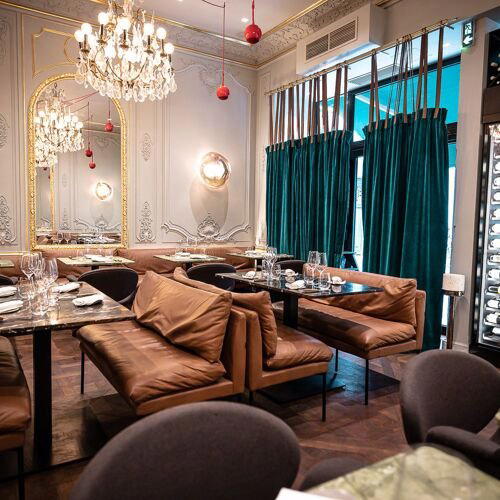
The menu
What to order
- Polpo BBQ with red onion, pepper and caruselle
- Focaccia integrale with grilled figs and erborinato di Cecca
- Tomato tartare with burrata
Where the Salento Interior Meets Contemporary Cooking
The drive along SP59 toward Palmariggi offers a preview of what the kitchen at Osteria Origano is working with. The countryside between Minervino di Lecce and the surrounding comuni is agricultural in the oldest sense: dry-stone walls, silver-green olive groves running to the horizon, plots of vegetables turned by small holdings that have supplied local tables for generations. A restaurant positioned on this road, at kilometre marker three, is not placed there by accident. In the Salento, the relationship between what grows in the ground and what arrives on the plate is less a philosophy than a geographic fact, and contemporary kitchens in this part of Puglia that ignore it tend not to last.
Osteria Origano holds a Michelin Plate for 2024, which in the guide's current framework signals cooking that meets the standard for recognition without yet reaching star territory. Within the wider Italian restaurant field, that places it in a tier occupied by serious regional operators, distinct from the multi-star destination restaurants like Osteria Francescana in Modena, Le Calandre in Rubano, or Piazza Duomo in Alba, and equally distinct from trattorias operating without any external validation. The Plate is the guide's way of marking a kitchen worth the detour, and in a province where the tourist infrastructure concentrates on the coast, a Plate-level restaurant inland carries genuine editorial weight.
The Agricultural Case for Eating Here
The question any contemporary restaurant in the Salento has to answer is what it does with its ingredient inheritance. The peninsula produces some of the most characterful raw material in southern Italy: Cellina di Nardò and Ogliarola Salentina olives pressed into oils that run from grassy to peppery; figs, pomegranates, and capers that grow without much human interference; coastal fish from the Ionian and Adriatic that share a short stretch of water; lamb and goat from small inland farms; the dense, almost nutty flavor of Senatore Cappelli wheat still grown by a handful of producers. A contemporary register applied to this larder does not require reinvention so much as editorial restraint, knowing what to leave alone, what to reframe, and what combination opens up a flavor the traditional kitchen never tried.
That framing matters when assessing Osteria Origano's position. The €€€ price tier in this context means the kitchen is pricing above casual trattoria territory without reaching the full tasting-menu expense of Italy's top-tier addresses. Comparable contemporary operations in the south, such as Reale in Castel di Sangro or Quattro Passi in Marina del Cantone, sit at a higher price point, reflecting their star status and destination profile. Osteria Origano offers Michelin-recognised cooking at a more accessible register, which in a region where serious dining options remain relatively sparse gives it a specific utility for the informed traveller.
It means people are making deliberate trips, not stumbling in. For comparison, many Michelin Plate restaurants in less-trafficked Italian provinces operate on a far smaller review base, making Origano's count an indicator of consistent performance over time rather than a single viral moment.
The broader pattern in southern Italian fine dining over the past decade has been a gradual decentralisation. Serious cooking once concentrated in the north, with outposts in Naples and Sicily, has developed a sparser but real network in Puglia, Basilicata, and Calabria. Kitchens in this region tend to draw more directly on agricultural specificity because the supply chains are shorter and the alternatives less convenient. A restaurant like Osteria Origano fits that trajectory: contemporary in technique, located where the ingredients originate, and Michelin-recognised in a region where such recognition remains less common than in Lombardy or Emilia-Romagna.
The Setting and the Experience in Practice
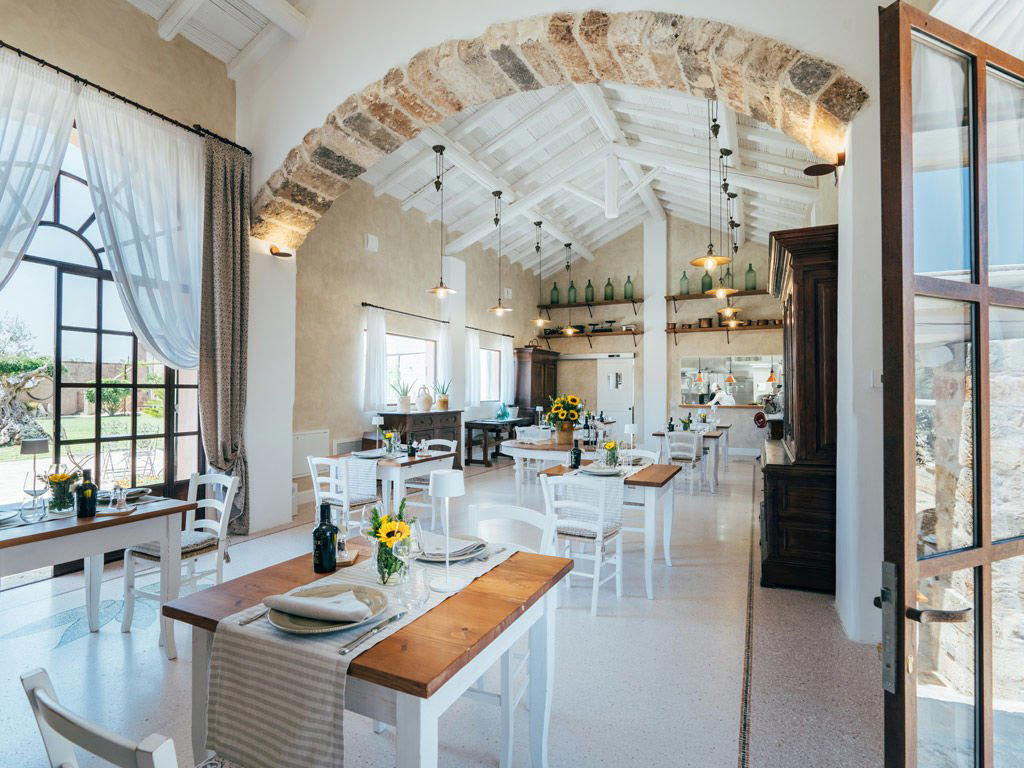
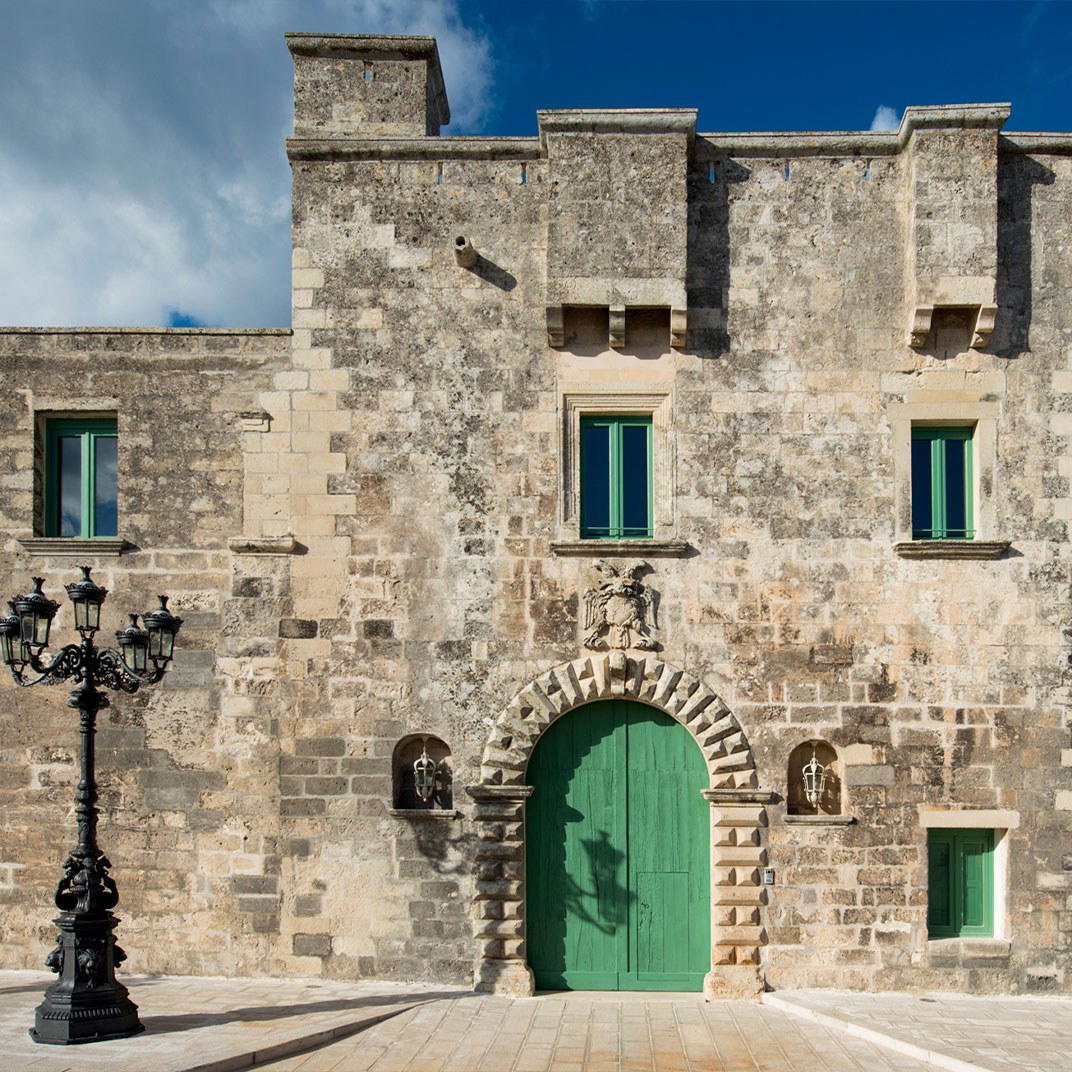
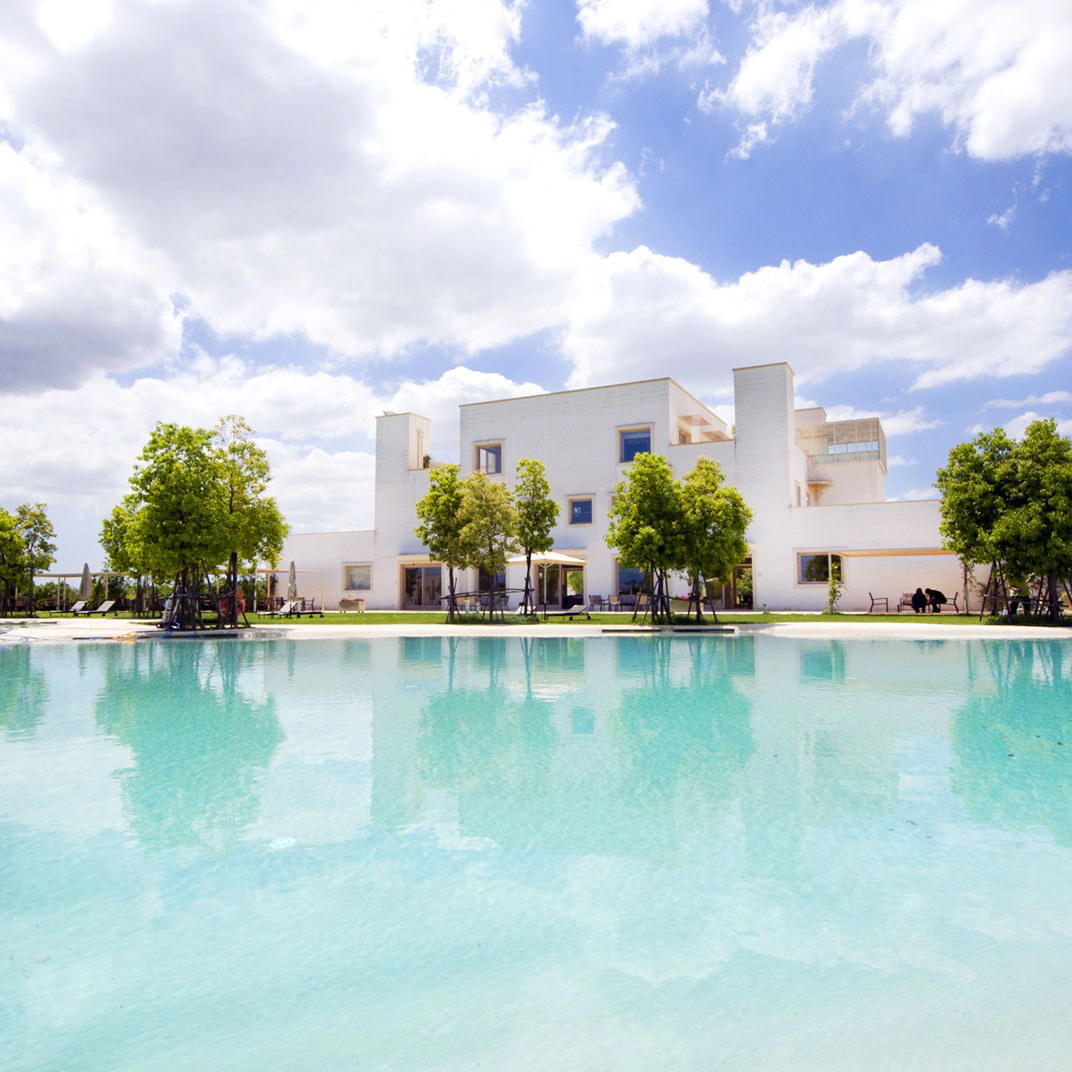
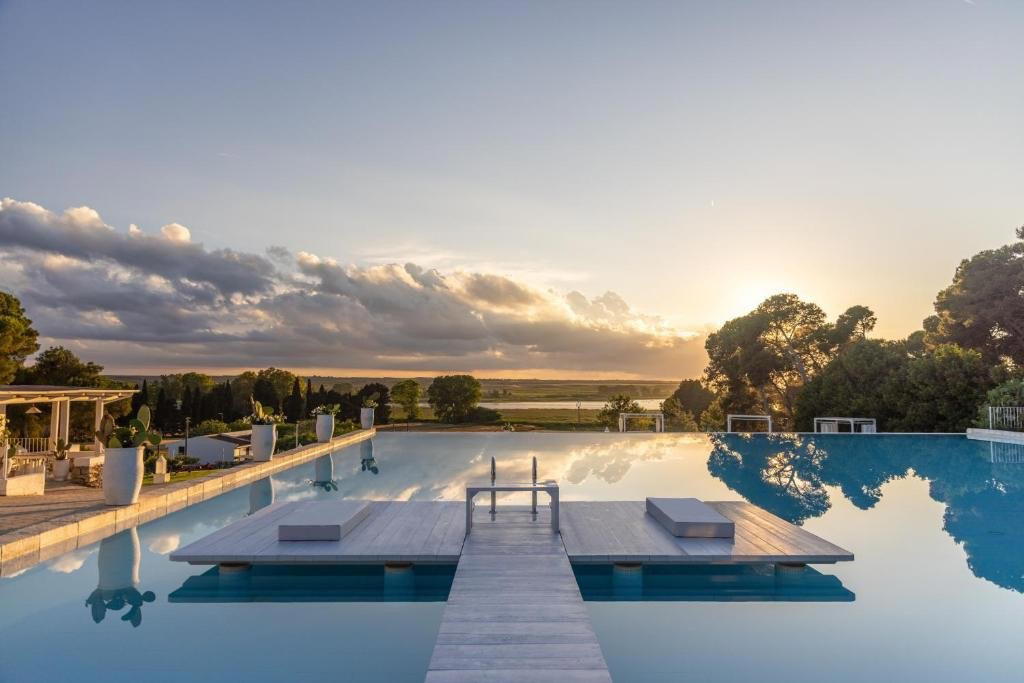
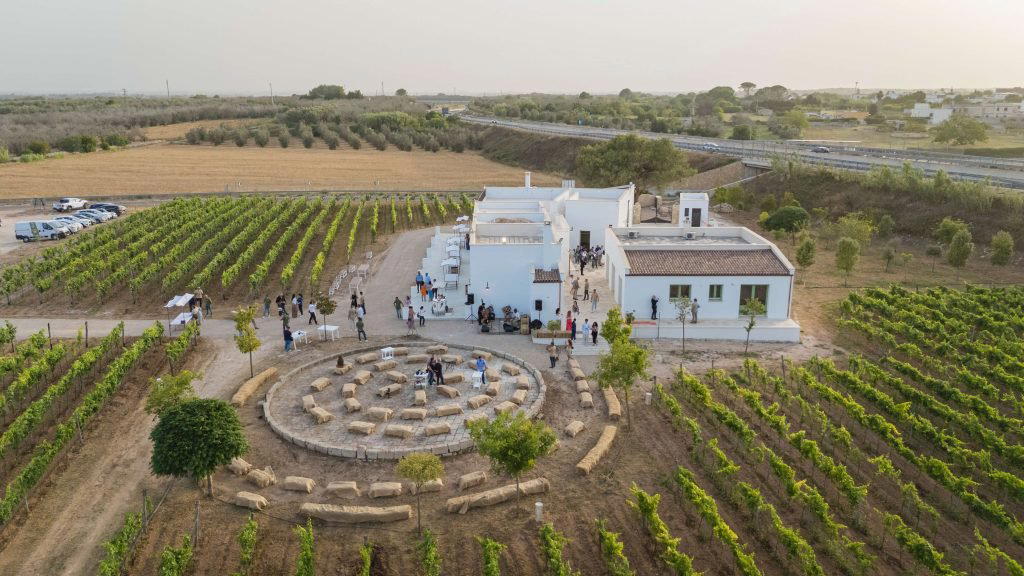
The SP59 address places the restaurant outside any town centre, which shapes the experience before the food arrives. Arriving requires intent, this is not a restaurant you pass while walking a piazza. The surrounding countryside is quiet in a way that distinguishes the Salento interior from the coastal strip running between Otranto and Santa Maria di Leuca, where summer traffic changes the character of almost every venue. Dining here in the warmer months means an outdoor or semi-outdoor environment shaped by that landscape, with the light and ambient temperature of the Salento evening as part of the context rather than incidental backdrop.
For planning purposes, the €€€ tier at a contemporary Michelin Plate restaurant in this province typically implies a degree of reservation planning, particularly in summer when the Salento draws visitors from across Europe. The rural location means transport needs consideration; the nearest significant town is Lecce, and visitors staying on the coast will want to factor in a round trip without easy public transport options. Those building a fuller picture of the area's food, wine, and accommodation options can consult our full Minervino di Lecce restaurants guide, our Minervino di Lecce hotels guide, our Minervino di Lecce wineries guide, and our Minervino di Lecce bars guide for a complete regional picture, as well as our Minervino di Lecce experiences guide for context beyond the table.
Placing Origano in the Italian Contemporary Scene
Italy's contemporary restaurant tier spans an enormous range of ambition and geography. At one end sit the internationally referenced addresses: Enoteca Pinchiorri in Florence, Enrico Bartolini in Milan, Dal Pescatore in Runate, or the alpine precision of Atelier Moessmer Norbert Niederkofler in Brunico. At the other end, neighbourhood osterie that use the word contemporary loosely. Osteria Origano occupies a middle ground that the Italian dining scene arguably needs more of: Michelin-validated, rooted in specific agricultural geography, and priced for a broader audience than the multi-course, multi-hour destination formats. International comparisons for the contemporary format at this tier might include César in New York City or Jungsik in Seoul, both of which demonstrate how the contemporary register operates across different ingredient traditions. Also consider Casa Perbellini 12 Apostoli in Verona and Uliassi in Senigallia for Italian coastal parallels where regional ingredient identity drives a kitchen at a recognised level. What separates Origano from those is the specificity of the Salento larder and the relative scarcity of similar operations in this corner of Italy, which gives it a position in the regional dining picture that the award recognises but the location perhaps underplays.
Frequently asked questions
Is Osteria Origano suitable for children?
The restaurant sits on a provincial road (SP59, km 03) outside any town centre, which means the setting is relaxed and unhurried rather than formal. A Michelin Plate 2024 recognition signals kitchen ambition, but the osteria format in the Italian tradition is broadly inclusive.
How would you describe the vibe at Osteria Origano?
The address tells you something: SP59, between Minervino di Lecce and Palmariggi, with no town centre to frame it. Getting there requires a deliberate choice, which filters the room toward guests who came specifically for the meal.
Is Osteria Origano award-winning?
Osteria Origano has received recognition including: Michelin Plate (2024).
What should I eat at Osteria Origano?
The kitchen works within a contemporary format in the Salento, a peninsula whose agricultural output, olive oil, legumes, orecchiette wheat, coastal fish, gives any serious cook substantial material. The Michelin Plate 2024 indicates the inspectors found technical merit worth marking. Specific dishes are best confirmed directly with the restaurant at time of booking, as seasonal menus at this level of Italian contemporary cooking shift with availability.
Fast Comparison
Comparable venues nearby, for context on price, style, and recognition.
| Venue | Cuisine | Price | Awards | Notes |
|---|---|---|---|---|
| Osteria OriganoThis venue (the venue you are viewing) | Modern Puglian Italian | Not listed | Michelin Plate | Not listed |
| Renzo | Contemporary Italian | $100–150 | Not listed | Cadenabbia di Griante |
| Radimare | Modern Mediterranean Seafood | Not listed | Michelin Plate | Monopoli |
| Da Tuccino | Italian Seafood & Crudo | $50–100 | Michelin Plate | Polignano a Mare |
| Evo Ristorante | Modern Puglian Fine Dining | $50–100 | Michelin Plate | Alberobello |
| Casanova | Modern Italian Fine Dining | $200–300 | Michelin Plate | historic centre |
Recognition history
Dated appearances from independent guides and award organizations, with the underlying list record or original source where available.
Michelin Plate
Michelin
Continue exploring
More in Minervino di Lecce
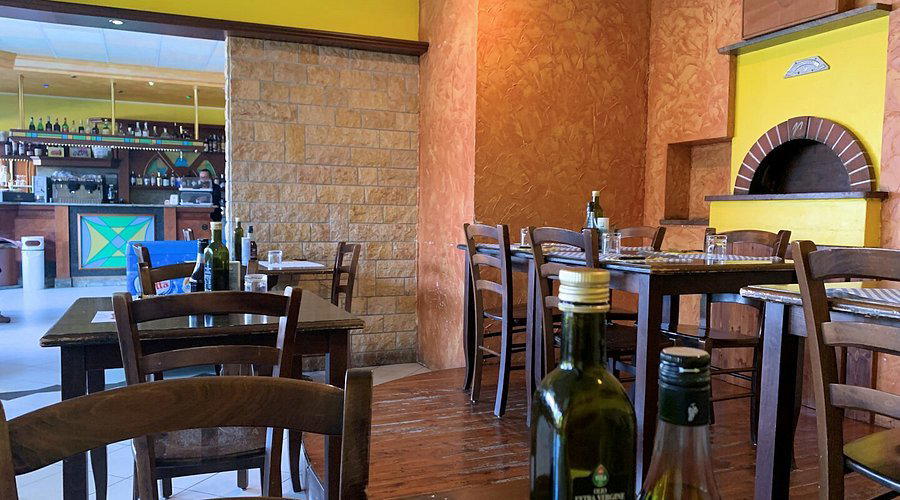
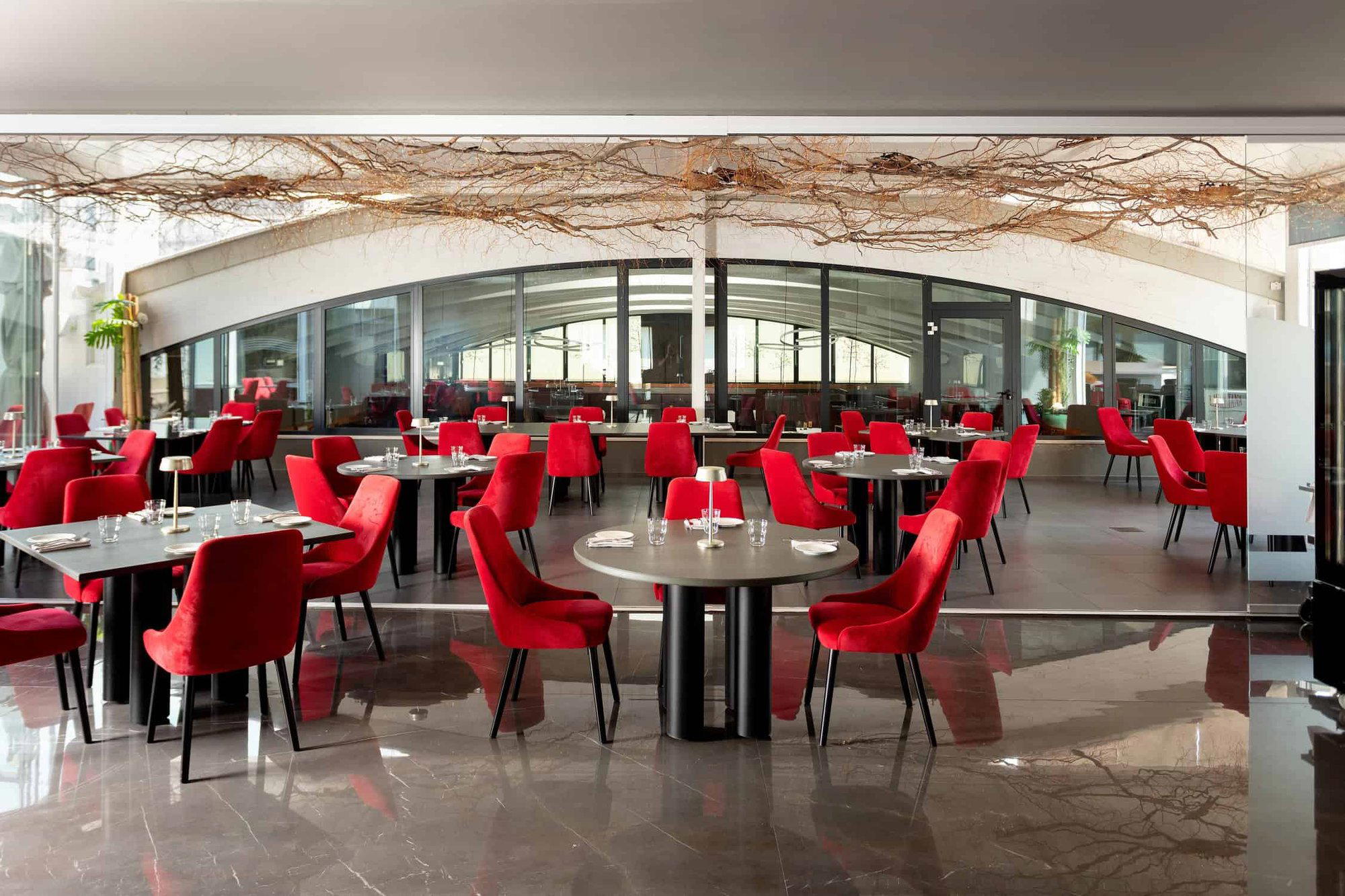
Restaurants in Minervino di Lecce
All restaurants in Minervino di Lecce →
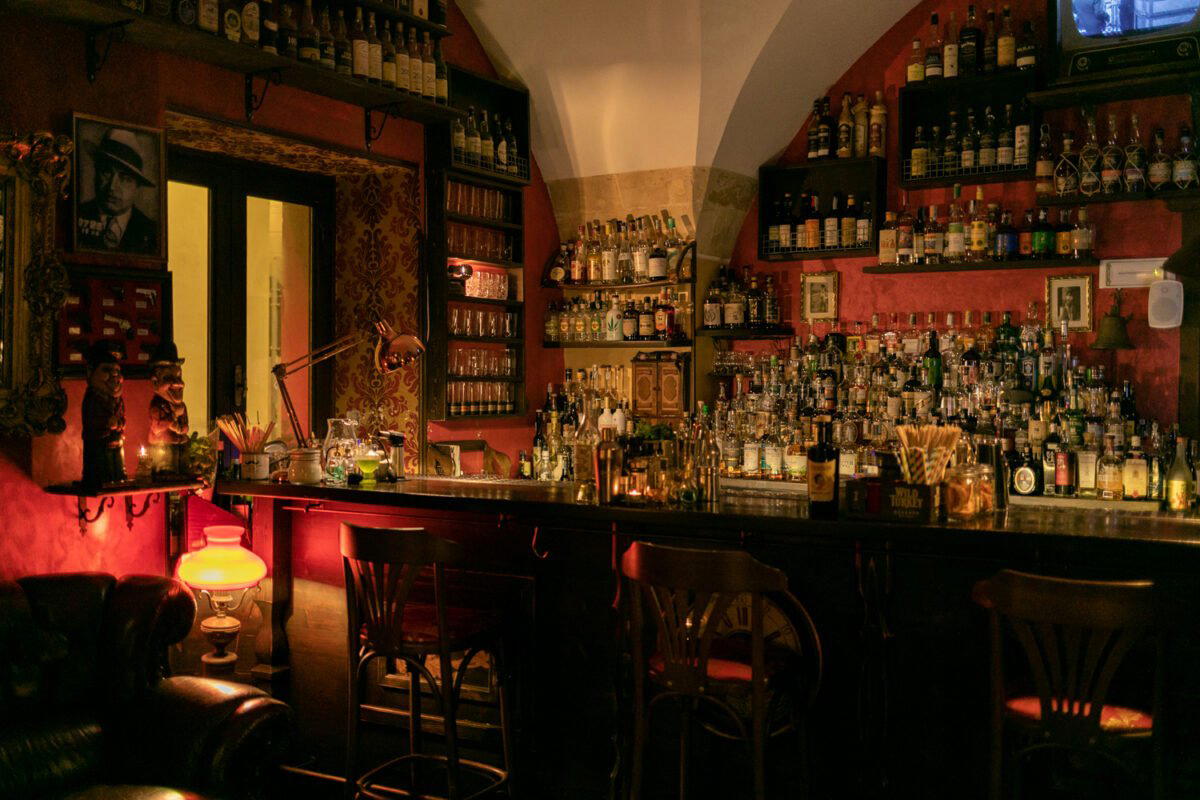
Bars in Minervino di Lecce
Browse all →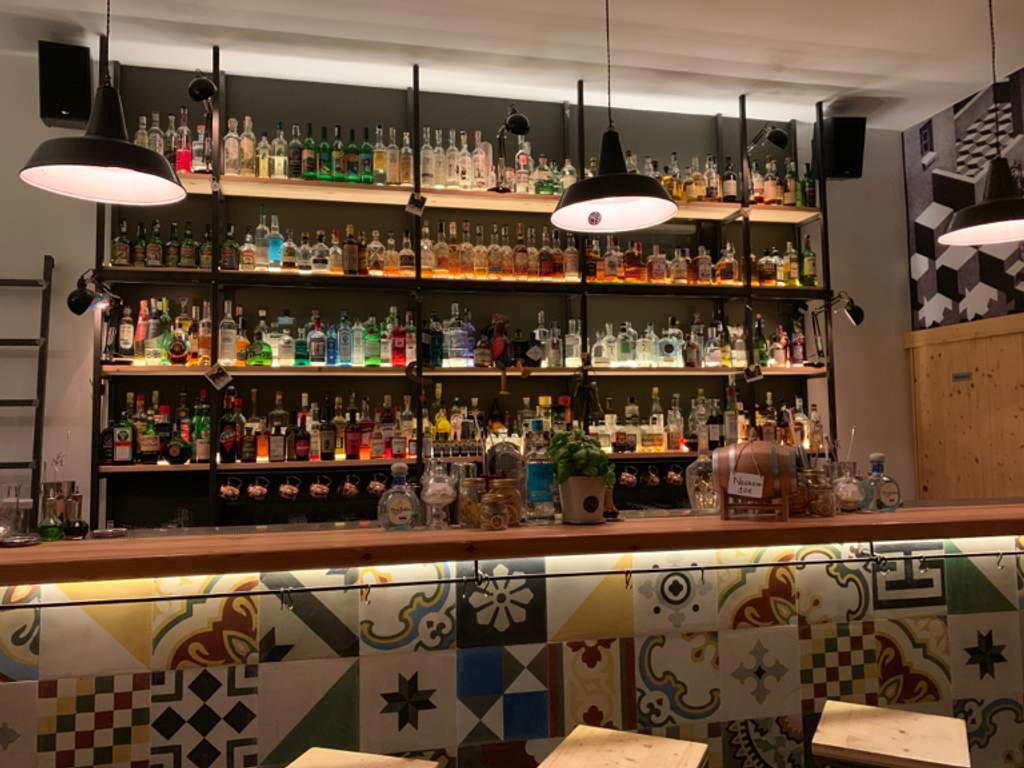


Details
- Romantic
- Scenic
- Rustic
- Cozy
- Date Night
- Special Occasion
- Celebration
- Standalone
- Extensive Wine List
- Local Sourcing
- Vineyard
- A La Carte
- Tasting Menu
- Salento Wine
- Regional Wine Pairings
Current opening hours
- Monday
- 9:30 AM–11 PM
- Tuesday
- Closed
- Wednesday
- 9:30 AM–11 PM
- Thursday
- 9:30 AM–11 PM
- Friday
- 9:30 AM–11 PM
- Saturday
- 9:30 AM–11 PM
- Sunday
- 9:30 AM–2:30 PM
Hours can change for holidays and private events. Hours as of .
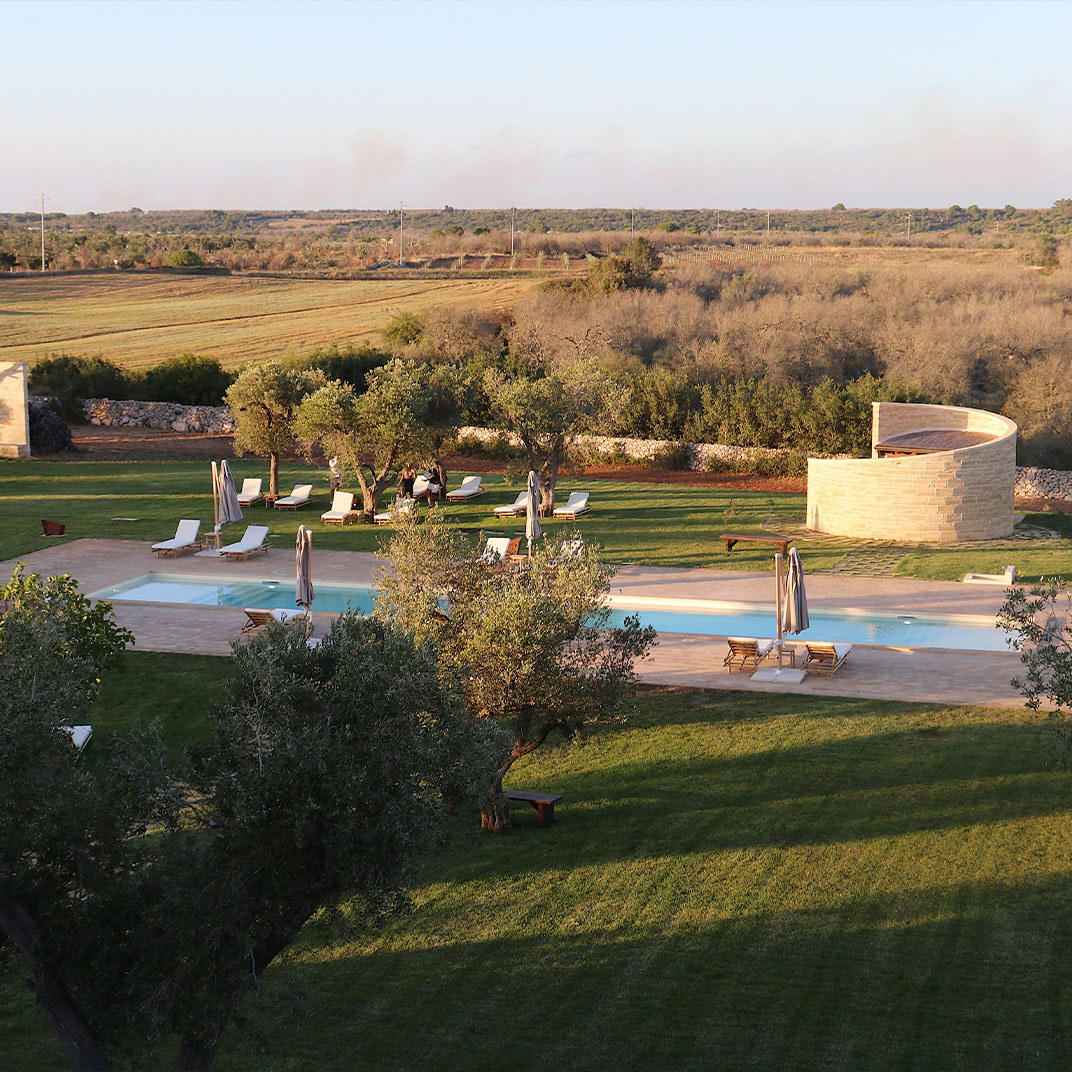
Romantic and relaxed, with a rural Salento winery atmosphere and vineyard surroundings noted by guests.