
Michelin Plate
Our verdict
A Michelin Plate recipient for 2024 and 2025, Retrogusto sits just off Otranto's seafront and delivers Salento country cooking at a mid-range price point. The room is calm and unfussy, the cooking focused on regional ingredients rather than spectacle. For anyone reading the Puglian south through what ends up on the plate, this is a reliable address.

Pearl is the En Primeur Club membership app, where members save venues, book tables and use the concierge.
The menu
What to order
- Tortelloni filled with saffron burrata
- Seafood risotto
- Tuna tartare
- Low temperature tuna
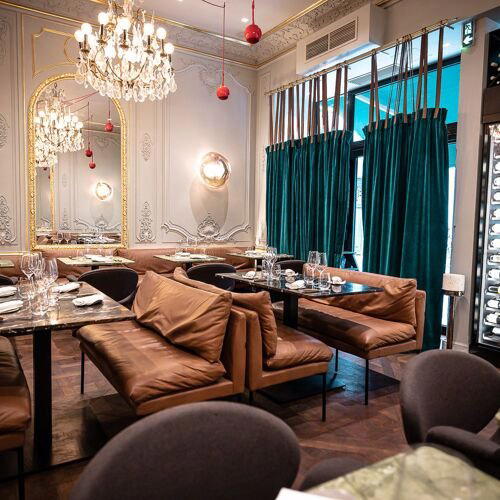
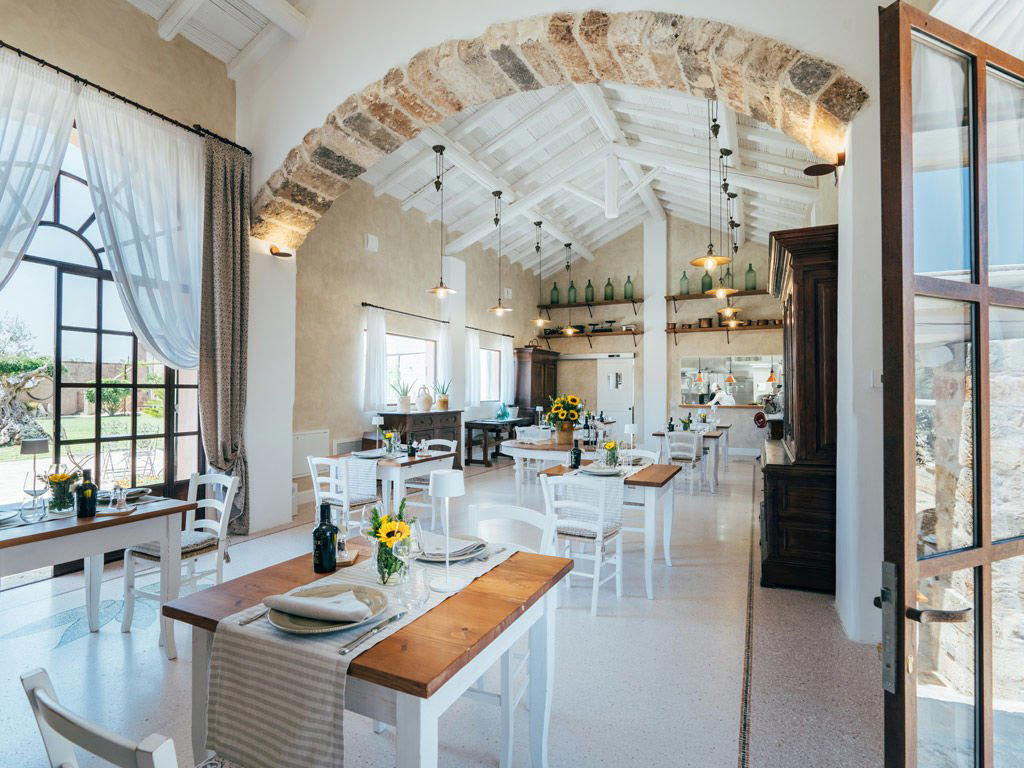
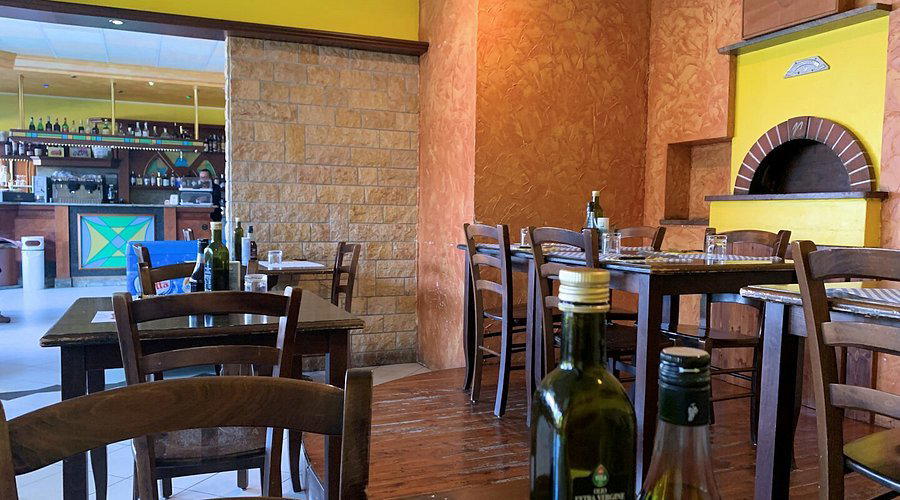
The approach to Retrogusto asks something small of visitors: a short walk back from Otranto's seafront promenade, away from the cluster of tourist-facing trattorias that face the water. Via Luigi Eula is quieter. The room, when you reach it, reads accordingly: simple furniture, muted tones, background music kept low enough that conversation doesn't require effort. This is an interior designed around the food rather than around the view, and that distinction turns out to matter.
Salento on the Plate: What Country Cooking Means Down Here
The label "country cooking" covers considerable ground in Italy, and its meaning shifts sharply once you move south of Naples. In Salento, the heel of the Italian boot, the tradition is built on ingredients that were, for centuries, defined by scarcity and ingenuity: wild greens foraged from dry limestone terrain, legumes that could survive the heat, olive oil from trees that predate most European nations, and fish from the Adriatic and Ionian coasts that bracket the peninsula. This is not the cream-and-butter register of northern cucina povera; it is drier, more herbal, more direct.
Retrogusto operates within that tradition rather than reinterpreting it for a fine-dining audience. At the €€ price point, the kitchen is not attempting the kind of conceptual distance that separates, say, Osteria Francescana in Modena or Enrico Bartolini in Milan from their regional raw material. The commitment here is to fidelity. The Salento's flavours, as the Michelin notes frame it, are the point of arrival rather than a starting point for transformation.
The Ingredient Logic of the Salento Kitchen
Understanding what Retrogusto is doing requires a brief accounting of what the Salento actually produces. The province of Lecce, in which Otranto sits, contains some of the densest concentrations of ancient olive groves in Europe. The oil from this territory, often pressed from Ogliarola Salentina or Cellina di Nardò cultivars, carries a different aromatic profile from the grassy Tuscan oils that tend to dominate Italian export markets: riper, more rounded, occasionally faintly bitter on the finish. In a kitchen that uses oil as a structural element rather than a garnish, that provenance is legible in the final dish.
The coastline matters too. Otranto is the easternmost point of Italy, and its position between two seas means local catches range from the meatier species of the Adriatic to the clearer, lighter catch of the Ionian. Country cooking in this context is not confined to the interior; it absorbs the coast. Dishes built around local seafood, preserved in the olio and combined with the pulse and grain traditions of the hinterland, represent the most coherent expression of what this cuisine does.
For a sharper contrast in how the same southern Italian coastal tradition gets handled at the luxury end, Quattro Passi in Marina del Cantone and Uliassi in Senigallia show the Michelin-starred register. Retrogusto occupies a different tier entirely, one defined by accessibility rather than ambition, and the Michelin Plate recognition it has held for two consecutive years (2024 and 2025) signals that the quality-to-price ratio is doing something worth noting.
The Michelin Plate and What It Signals Here
The Michelin Plate, distinct from the star system, recognises restaurants where the kitchen produces food prepared with quality ingredients and competent technique. It does not imply the elaborate service architecture or tasting-menu format of starred addresses like Le Calandre in Rubano or Piazza Duomo in Alba. What it does confirm is that the kitchen at Retrogusto is operating consistently, using the right materials, and producing results that justify the modest outlay.
In a town where much of the seafront dining is calibrated to tourist throughput rather than culinary seriousness, two years of Michelin recognition is a meaningful marker.
For a sense of where country-cooking traditions elsewhere in Italy are being taken at a more refined price point, 21.9 in Piobesi d'Alba and Andrea Monesi at Locanda di Orta in Orta San Giulio offer instructive comparisons. Retrogusto sits at the more grounded end of that spectrum, where the emphasis falls on the cooking rather than the surrounding context or positioning.
Atmosphere and Format
The informal atmosphere is not incidental; it is structurally appropriate to the cuisine. Salento country cooking does not belong to the white-tablecloth register, and rooms that try to impose that formality on these dishes tend to produce a kind of tonal mismatch. The simple furniture and soft background music at Retrogusto create conditions in which the food can be read on its own terms, without the pressure of a ceremonial occasion or a tasting-menu pace.
The walk from the seafront, short as it is, also means the room draws a different crowd from the pavement-facing restaurants that capture footfall from the promenade. That self-selection tends to favour diners who have sought the place out rather than wandered in.
Planning a Visit
Retrogusto is on Via Luigi Eula 7, a brief walk from Otranto's waterfront. The price sits in the €€ band, meaning a full meal with wine will land well under the thresholds that apply at the Adriatic's more ambitious seafood restaurants. The town itself is worth building time around: the cathedral, the Aragonese castle, and the old city walls form a compact historic core that pairs well with a long lunch itinerary.
For broader orientation across the city's dining and hospitality options, see our full Otranto restaurants guide, our full Otranto hotels guide, our full Otranto bars guide, our full Otranto wineries guide, and our full Otranto experiences guide. For reference points elsewhere in Italy, Dal Pescatore in Runate, Enoteca Pinchiorri in Florence, Atelier Moessmer Norbert Niederkofler in Brunico, Reale in Castel di Sangro, and Casa Perbellini 12 Apostoli in Verona map the fuller range of what Italian regional cooking looks like at different price points and ambition levels.
Frequently asked questions
Is Retrogusto suitable for children?
The informal atmosphere and straightforward country cooking format make Retrogusto a reasonable choice for families. The €€ price band means a full meal with wine lands well below the formal dining tier, removing the pressure of a white-tablecloth setting. Salento country cooking centres on recognisable ingredients rather than elaborate preparations, which generally suits younger diners.
What's the vibe at Retrogusto?
Simple furniture, soft background music, and an informal tone define the room. The Michelin Plate citation specifically notes the 'classic ambience' and 'tasteful furniture', which signals a kitchen-forward approach where the food does the work rather than the décor. It sits a short walk back from Otranto's waterfront, so the pace is quieter than the seafront strip.
What's Retrogusto known for in terms of accolades?
Retrogusto has received recognition including: Although this restaurant is slightly set back from the seafront, the high quality cuisine focusing on the flavours of the Salento makes the short walk well worthwhile. A classic ambience with simple yet tasteful furniture, soft background m….
What should I eat at Retrogusto?
The kitchen focuses on the flavours of the Salento, which means the menu draws on the ingredients the province of Lecce actually produces: local legumes, olive oil, vegetables, and the coastal catch that reaches the heel of Italy from two seas. The Michelin Plate recognition for two consecutive years (2024 and 2025) points to consistent execution of that regional brief rather than creative detours from it.
| Venue | Cuisine | Price | Awards | Notes |
|---|---|---|---|---|
| RetrogustoThis venue (the venue you are viewing) | Modern Italian Seafood | $50–100 | Michelin Plate | Not listed |
| Atelier Moessmer Norbert Niederkofler | Modern Alpine Fine Dining | $300–500 | 3 Michelin Stars · World's 50 Best #20 | Italian, Creative |
| Dal Pescatore | Classic Italian Fine Dining | $200–300 | 3 Michelin Stars · World's 50 Best #38 | Italian, Italian Contemporary |
| Enoteca Pinchiorri | Contemporary Italian Fine Dining | $200–300 | 3 Michelin Stars · World's 50 Best #32 | Italian - French, Italian Contemporary |
| Enrico Bartolini | Modern Italian Fine Dining | $300–500 | 3 Michelin Stars · World's 50 Best #85 | Creative |
| Osteria Francescana | Avant-Garde Italian Contemporary | $300–500 | 3 Michelin Stars · World's 50 Best #1 | Progressive Italian, Creative |
Recognition history
Dated appearances from independent guides and award organizations, with the underlying list record or original source where available.
Michelin Plate
Michelin
Full recognition history (3 entries)
Michelin Plate
Michelin
Michelin Plate
Michelin
Continue exploring
More in Otranto
Restaurants in Otranto
All restaurants in Otranto →
Bars in Otranto
Browse all →

Details
- Elegant
- Cozy
- Sophisticated
- Date Night
- Special Occasion
- Open Kitchen
- Extensive Wine List
- Local Sourcing
- A La Carte
- Vegetarian Friendly
Current opening hours
- Monday
- Closed
- Tuesday
- Closed
- Wednesday
- Closed
- Thursday
- Closed
- Friday
- Closed
- Saturday
- 12–11 PM
- Sunday
- 12–11 PM
Hours can change for holidays and private events. Hours as of .
Clean, bright interior with pleasant background music and charming, well-cared-for atmosphere; outdoor tables offer a more secluded experience.