
Falstaff Winery - Listed
Vecchia Torre is a large Leverano cooperative rather than a boutique estate, and that changes the value of a visit: the story is Salento at scale. Expect a traditional winery atmosphere, a rock-carved barrel cellar opened to visitors in 2019, guided tastings in Italian or English, and a portfolio built around Negroamaro, Primitivo, Malvasia Nera, Chardonnay and Vermentino.

Pearl is the En Primeur Club membership app, where members save venues, book tables and use the concierge.
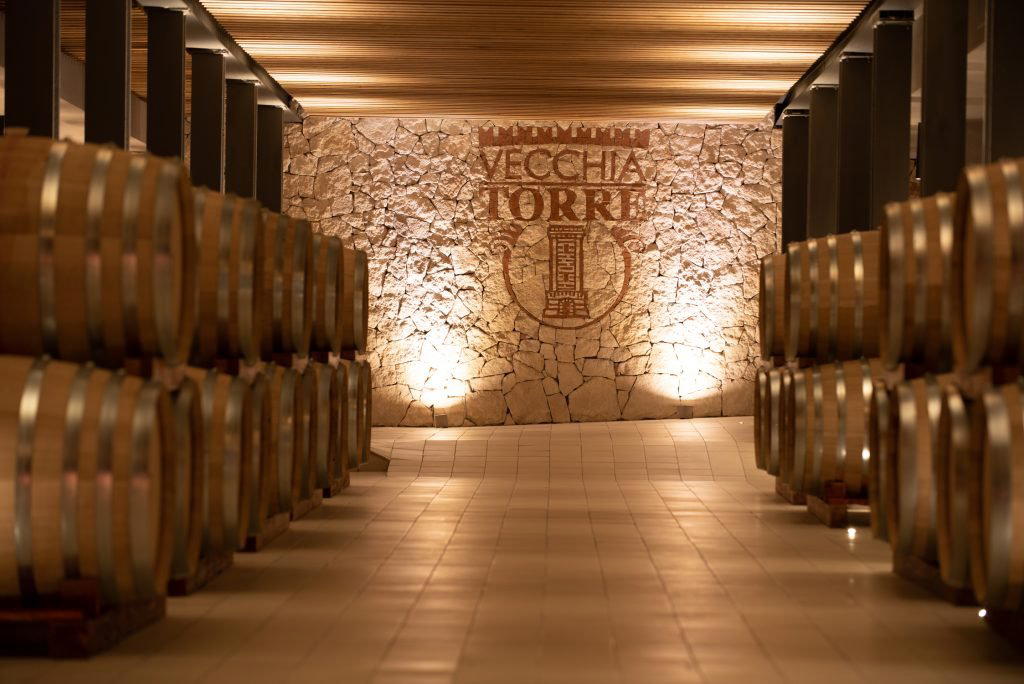
The first impression at Vecchia Torre is not the polished hush of a private estate. It is the more grounded language of a working Salento cooperative: barrels, production memory, a guided tasting space, and a cellar carved into rock that gives the visit a sense of agricultural weight rather than showroom theatre. In Leverano, that matters. Wine here is not presented as a collector’s object first; it is tied to growers, seasonal rhythm and the warm heel of Puglia, where Negroamaro and Primitivo carry much of the regional argument.
Southern Puglia rewards a different kind of wine curiosity from the hill-town cellars of Tuscany or the grand cru vocabulary of Burgundy. The point is not scarcity. The point is how heat, red calcareous soils, sea air and local grape habits can be translated across a broad range without losing regional grammar. Vecchia Torre is useful because it shows that grammar at cooperative scale: 1,100 members, about 1,500 hectares of vineyards, 90,000 hectolitres and 3,500,000 bottles. Those numbers are not decorative. They explain why the place reads as a community production engine, not a single-family domaine.
Salento character expressed through scale, not scarcity
The cooperative was founded in 1959 by 44 Leverano farmers, a detail that still defines how the wines should be read. A private estate often asks the visitor to focus on one house style or one vineyard hierarchy. A cooperative of this size asks a broader question: what does a region taste like when many growers, plots and harvest decisions are brought into one cellar system? In Salento, the answer usually begins with warmth, ripeness and Mediterranean structure, especially in red and rosé wines built from Negroamaro, Primitivo and Malvasia Nera.
The varietal spread is telling. Negroamaro and Primitivo anchor the red-wine identity; Malvasia Nera supports the red and rosé tradition; Chardonnay and Vermentino give the white-wine side a commercially familiar frame. The portfolio runs across still red, white and rosé, with sparkling and dessert wines also part of the offer. That breadth suits a cooperative model. It gives restaurant buyers, local drinkers and visiting tasters several entry points into Salento rather than forcing attention onto a single prestige bottling.
Cellar story has a technical edge where the reserve range is concerned: French barriques are used for ageing, and the renovated bottaia opened to visitors in 2019 gives that part of production a physical presence. The barrel cellar is not just a backdrop for photographs. It connects the cooperative’s older agricultural structure with a more contemporary visitor format, where education, tasting and production infrastructure are expected to meet in one itinerary.
The tasting is strongest when treated as a lesson in Leverano
For travellers used to small allocations and winemaker-led mythology, Vecchia Torre may feel deliberately unfussy. That is the point. The visit makes better sense as an introduction to Leverano DOC and the wider Salento wine habit than as a hunt for cult bottles. The setting is traditional, rustic and production-minded, with guided tasting and wine-shop tasting formats, plus Italian and English as tour languages. Groups are a natural fit because the scale can absorb an educational visit without turning the experience into a fragile appointment at a tiny cellar.
The wines are organised by use and style rather than by luxury signalling: varietal bottlings, riserve, DOP wines, sweet wine, sparkling wine, novello and hospitality-channel labels all sit within the broader structure. Novello is particularly useful as a cultural marker because it keeps the annual harvest cycle visible. The Ho. Re. Ca. line also says something practical about the winery’s position in the region: this is a producer designed for tables, shops and distribution as much as for cellar-door storytelling.
There is a social dimension to that structure. A cooperative with more than a thousand members is a land-management network as well as a brand. It ties income, vineyard continuity and regional identity to many farming families rather than to a narrow ownership story. That does not automatically imply organic or biodynamic practice, and it should not be read as a sustainability certification. It does, however, make stewardship here more communal than aesthetic: the long-term value lies in keeping Salento growers connected to an active production and sales system.
How to use it in a Leverano wine itinerary
Vecchia Torre works well when placed at the beginning of a Salento wine day, especially for travellers who want context before moving into smaller or more specialised addresses. In Leverano, it gives a broad view of the grapes, scale and cellar language that shape local drinking.
Within the same town’s wine conversation, Conti Zecca gives another Leverano reference point, while a wider Italian cellar route might include A Mano Wine in Noci, a6mani in Fragagnano, Abbadia Ardenga in Torrenieri, Abbazia di Crapolla in Neapel, 3GP SRL in Treviso, 47 Anno Domini in Trebaseleghe, A Vida Portuguesa in Malfa, »der Steiner« Hans Steiner in Podersdorf am See and & Handwein in Mannheim. The useful distinction is scale: Vecchia Torre is where Salento’s cooperative model becomes visible, with the land’s heat, grape mix and village identity translated into a broad, accessible cellar language.
Recognition history
Dated appearances from independent guides and award organizations, with the underlying list record or original source where available.
Falstaff Winery - Listed
Falstaff
Continue exploring
More in Leverano
Wineries in Leverano
All wineries in Leverano →
Bars in Leverano
Browse all →
Restaurants in Leverano
Browse all →

Details
- Classic
- Rustic
- Well Known
- Wine Education
- Group Outing
- Special Occasion
- Barrel Room
- Historic Building
- Private Tasting
- Design Destination
- Negroamaro
- Primitivo
- Malvasia Nera
- Chardonnay
- Vermentino
- Still Red
- Still White
- Still Rosé
- Sparkling
- Dessert
- Guided Tasting
- Wine Shop Tasting
- Italian
- English
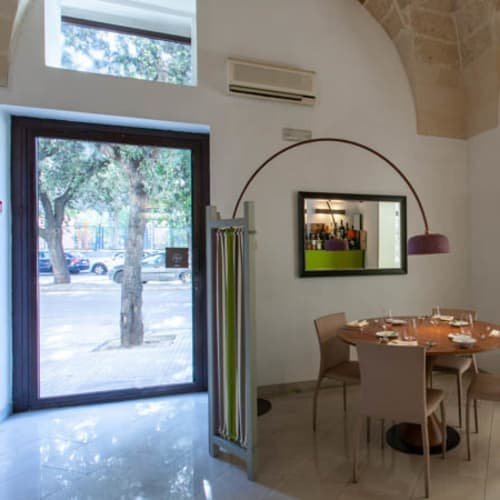
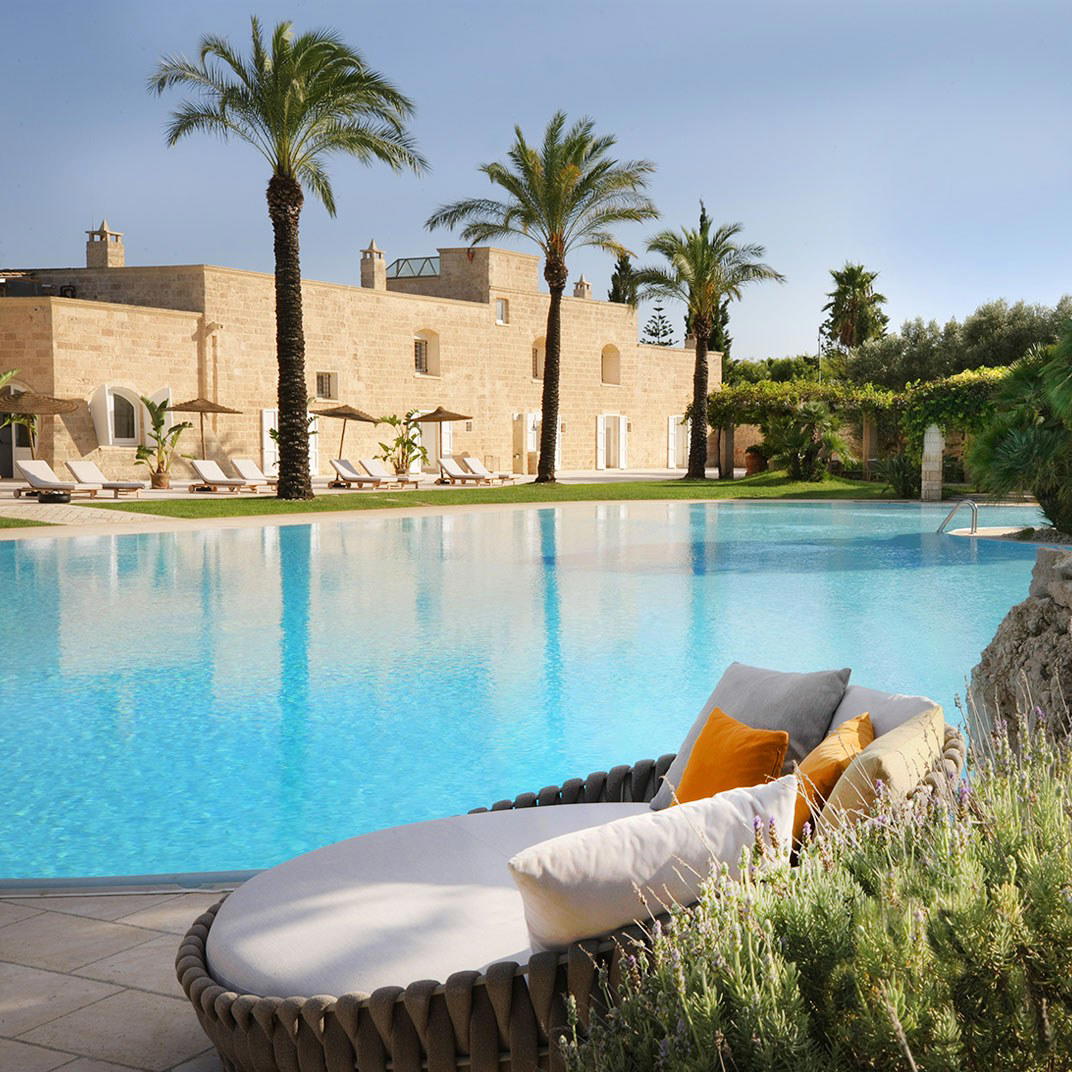
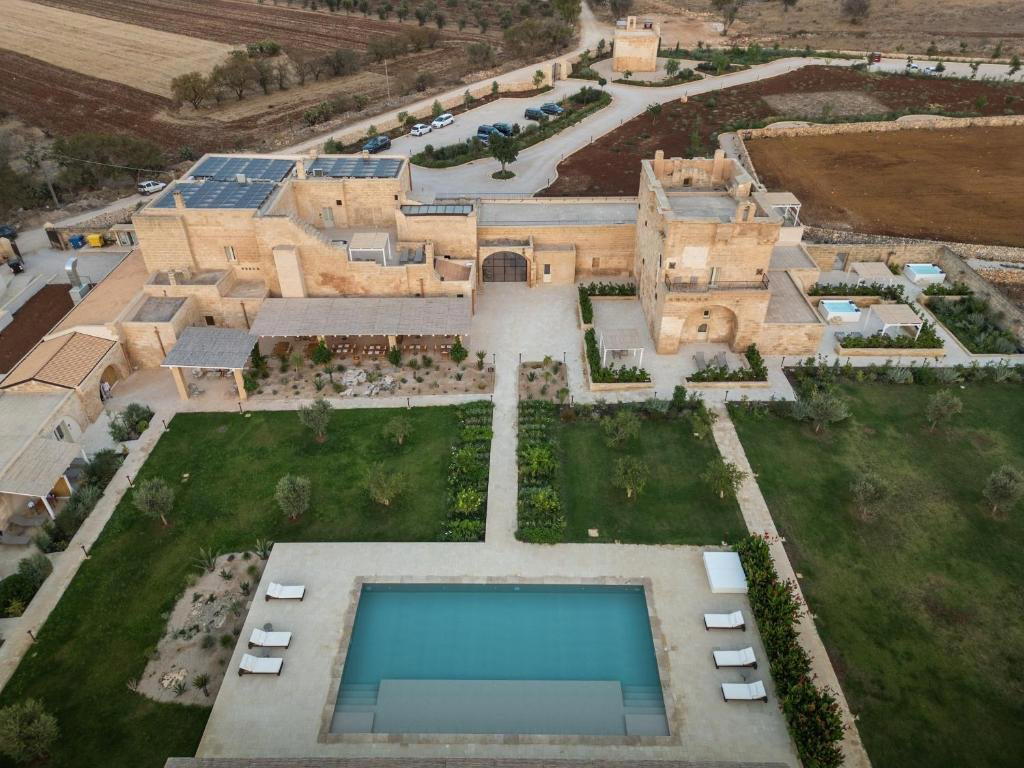
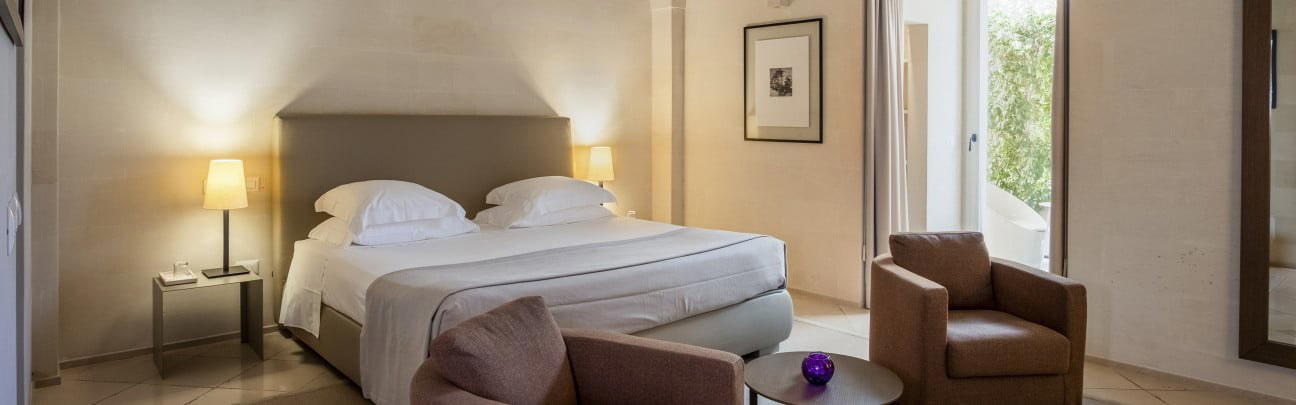
Traditional cooperative winery atmosphere with a renovated barrel cellar and guided tasting space; the setting emphasizes heritage, production, and Salento identity.