
A Michelin Selected palazzo in the historic centre of Nardò, Palazzo Tafuri occupies a restored aristocratic residence in one of Puglia's least-trafficked Baroque towns. The property sits within the southern Salento tradition of adaptive heritage conversion, where ancient stone structures are returned to use as small, architecturally serious lodgings rather than resort-scale developments.
Pearl is the En Primeur Club membership app — saves, bookings, and concierge access live there. Same editors, same standards.
- Address
- Via Giovanni Zuccaro, 36, 73048 Nardò LE, Italy
- Phone
- +39 0833 182 4099
- Website
- palazzotafuri.com
- Directions
- Get directions
 Saves & bookings on Pearl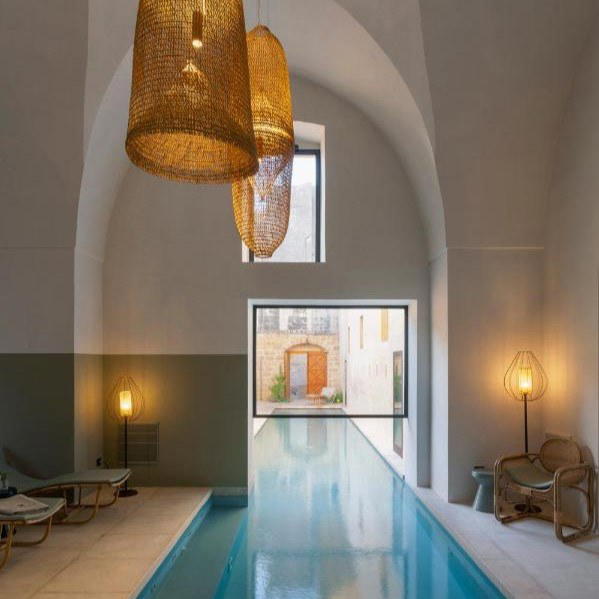
Stone, Baroque, and the Salento Interior
Nardò sits roughly twenty kilometres southwest of Lecce on the Ionian side of the Salento peninsula, and it does not court visitors the way its more famous neighbour does. The town's Baroque piazza and warren of tufa-stone streets absorb a fraction of the regional foot traffic, which is precisely why a Michelin Selected property here signals something different from the coastal resort circuit. Palazzo Tafuri occupies a historic residence at 36 Via Giovanni Zuccaro, inside the old town fabric, and the building's address alone places it within a particular tradition of southern Italian hospitality: the urban palazzo conversion, where a private aristocratic structure is given back to use without erasing what made it architecturally significant in the first place.
That tradition has accelerated across the Mezzogiorno over the past two decades. In Puglia specifically, the conversion of masserie, trulli compounds, and historic town palazzi has become the dominant format for premium lodging, splitting between large agriturismo-resort hybrids and much smaller, architecturally focused town houses. See the full picture at our Nardò guide.
The Architecture of the Space
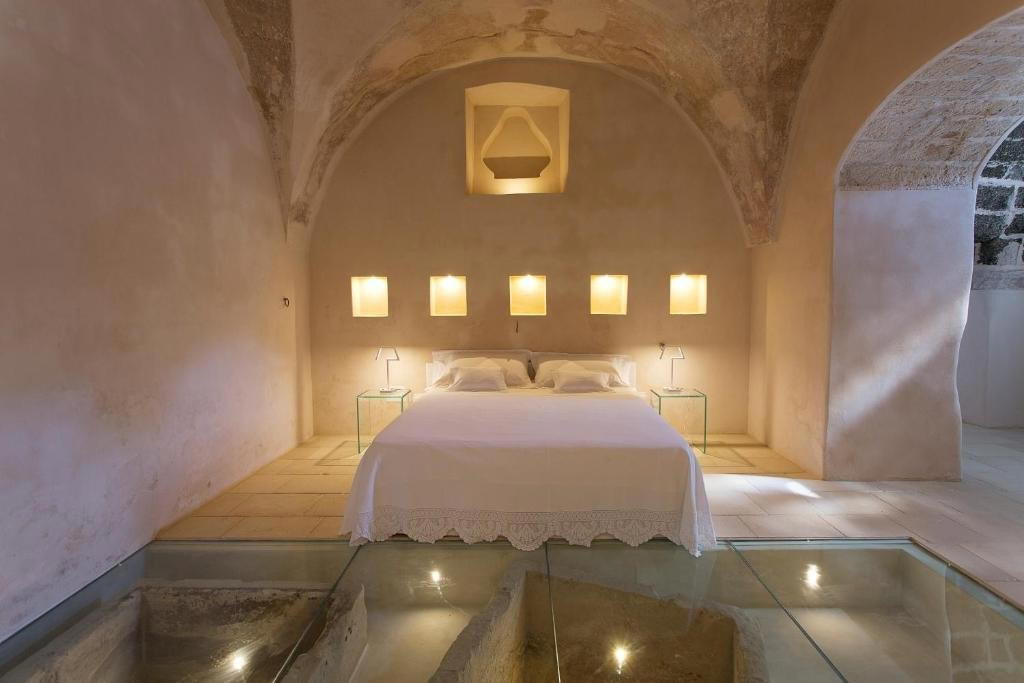
Nardò's built fabric is predominantly Lecce stone — the warm, cream-coloured limestone that the entire Salento peninsula rests on and builds from. In the town centre, that material appears in layered form: carved window frames, internal courtyard loggie, vaulted ground-floor ceilings that once served as stables or storage, and piano nobile rooms with proportions designed for the slow, shaded life of the southern Italian nobility. Palazzo Tafuri's address on Via Giovanni Zuccaro places it within the dense historic grid, where buildings share party walls and the transition from street to interior is typically abrupt: a heavy timber door, a vaulted entrance passage, and then the courtyard opening upward.
This spatial grammar, familiar across Lecce, Gallipoli, and Nardò alike, creates a specific experiential logic. The street offers no preview of what lies behind the facade. The reveal is architectural, not scenic. Where coastal Puglia properties like Borgo Egnazia in Savelletri di Fasano orient themselves around landscape and outdoor volume, an urban palazzo like Tafuri operates through enclosure, threshold, and the quality of its internal light. The relevant comparison set is not the Adriatic coast but properties like Corte della Maestà in Civita di Bagnoregio or Castello di Reschio in Lisciano Niccone, where the physical structure frames the stay rather than the surrounding countryside.
Michelin Selection and What It Signals
Michelin's hotel selection programme, formalized across Italy in the 2025 guide cycle, functions differently from the starred restaurant model. Inclusion in the Michelin Selected Hotels list does not assign a tier within a hierarchy; it signals a threshold of character and quality that the inspectors consider worth directing readers toward. For a property in a secondary city like Nardò, that signal carries additional weight, because it implies the inspectors found the property worth the detour from the more obvious Lecce and Ostuni circuits.
In a regional context where Puglia's premium accommodation has concentrated heavily around the Valle d'Itria and the Adriatic coast, Michelin's selection of Palazzo Tafuri, alongside comparable properties like Masseria Donna Menga, suggests that the Ionian interior is building a credible tier of its own. That matters for how the property should be understood: not as a compromise choice made by travellers who missed out elsewhere, but as a deliberate anchor in a less-trafficked part of the Salento that has its own architectural and cultural logic.
For context on how similar Michelin Selected designations operate at the higher end of Italian heritage hospitality, the range runs from intimate town-house properties to full-scale palace conversions: Aman Venice, Four Seasons Hotel Firenze, and Bulgari Hotel Roma all sit within the broader Michelin hotel framework, demonstrating how wide that net is cast across Italy's historic property stock.
Nardò as a Base
The town's central position in the Salento makes it a workable base for the full range of the peninsula's draws. The Ionian coast at Porto Selvaggio, a protected natural area with clear water and no commercial development, lies within a short drive. The Adriatic beaches at Torre dell'Orso and the sea-stacks at Otranto are accessible in under an hour. Lecce, for Baroque architecture at scale, is a twenty-minute drive north.
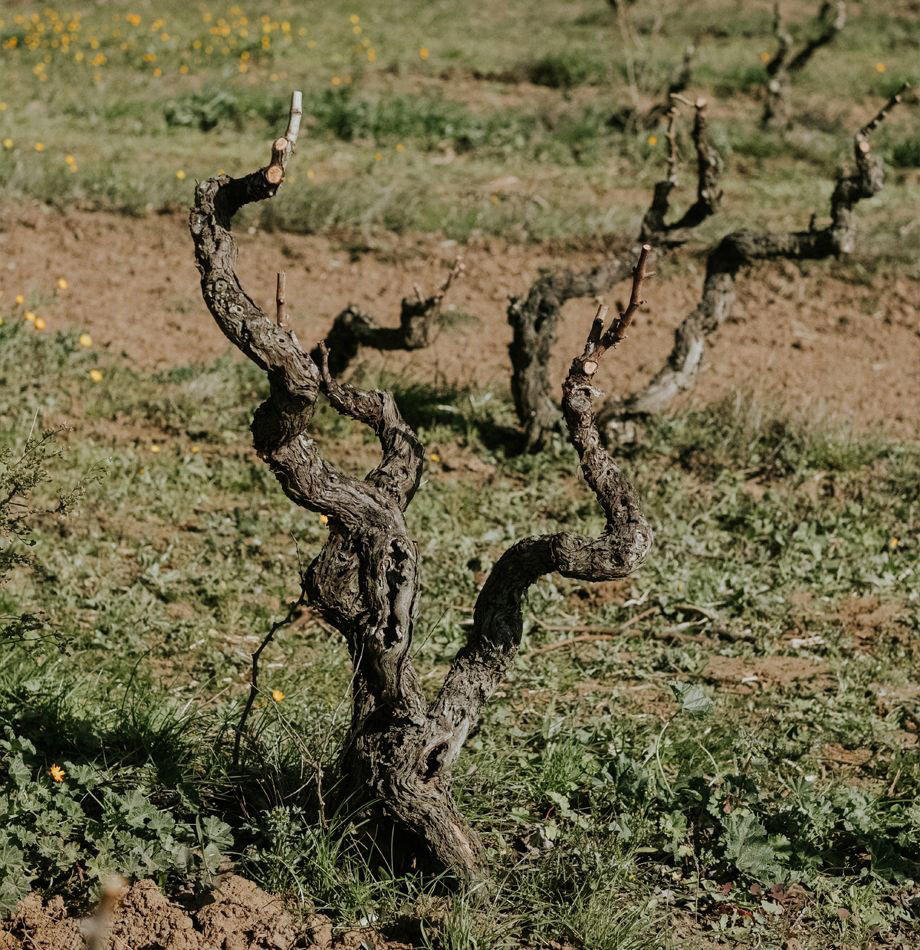
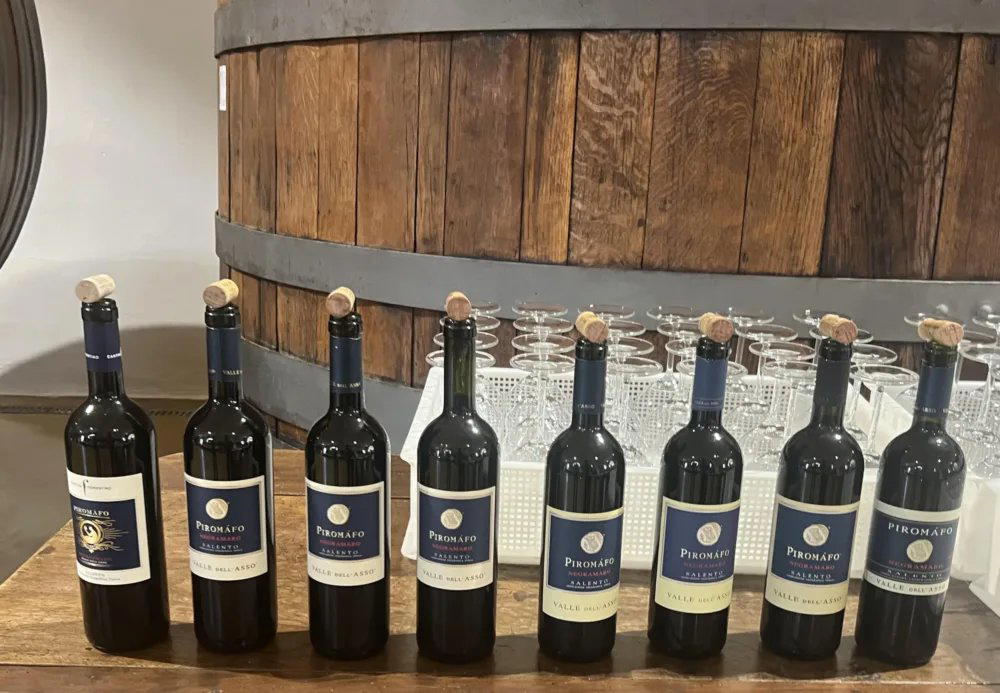
More locally, Nardò's own historic centre rewards time on foot. The Piazza Salandra is one of the better Baroque civic squares in the Salento, less photographed than Lecce's main axis but architecturally coherent. The town's food culture follows the Salento pattern: cucina povera built on ciceri e tria, pitta di patate, and the local production of Negroamaro and Primitivo grapes that define this southern stretch of Puglia's wine output. For travellers arriving in summer, Nardò's position away from the coast means the town itself is cooler in the evenings and significantly less crowded than the beach strip at Santa Maria al Bagno, which sits a few kilometres to the west.
Booking through the property directly is advisable for access to local logistical detail, given that Nardò operates on a smaller hospitality infrastructure than Lecce or the Valle d'Itria towns. Summer — July through August, is high season across all of Puglia, with corresponding pressure on accommodation throughout the region. May, June, and September offer the most comfortable conditions for exploring the interior and the coastline without the peak-season volume.
Where Palazzo Tafuri Sits in the Broader Italian Picture
Italy's premium heritage hotel segment is deep and competitive. At one end sit properties that have absorbed major investment and international brand affiliation: Rosewood Castiglion Del Bosco in Montalcino, Passalacqua in Moltrasio, and Il Pellicano in Porto Ercole. At the other end are smaller, owner-operated conversions where the architecture carries the stay and the scale stays deliberately limited. Palazzo Tafuri operates in that second register, alongside properties like Casa Maria Luigia in Modena and Il San Pietro di Positano, where the building itself is the primary argument for staying.
For travellers calibrating their Puglia itinerary, the question is not whether Palazzo Tafuri competes with the region's larger resort properties, but whether the specific offer of a Baroque palazzo in a quiet provincial town, with Michelin endorsement and immediate access to both Lecce and the Ionian coast, matches what the trip requires. For those routing south from the Valle d'Itria, or extending a Lecce stay into less-charted territory, it answers a particular need that the masseria circuit does not.
Planning Your Stay
Palazzo Tafuri is located at 36 Via Giovanni Zuccaro in Nardò's historic centre. The nearest major transport hub is Lecce, served by Trenitalia from Brindisi and by road from Brindisi Airport (roughly fifty kilometres north). Nardò is reachable by regional train from Lecce on the Ferrovie del Sud Est network, though a hire car gives considerably more flexibility for reaching the surrounding coastline and the broader Salento interior.
How Palazzo Tafuri Nardò compares with similar nearby venues.
| Venue | Awards |
|---|---|
| Palazzo Tafuri | MICHELIN Guide, Hotels Selected (2025) |
Recognition history
Dated appearances from independent guides and award organizations, with the underlying list record or original source where available.
Michelin Selected
Michelin
Continue exploring
More in Nardò
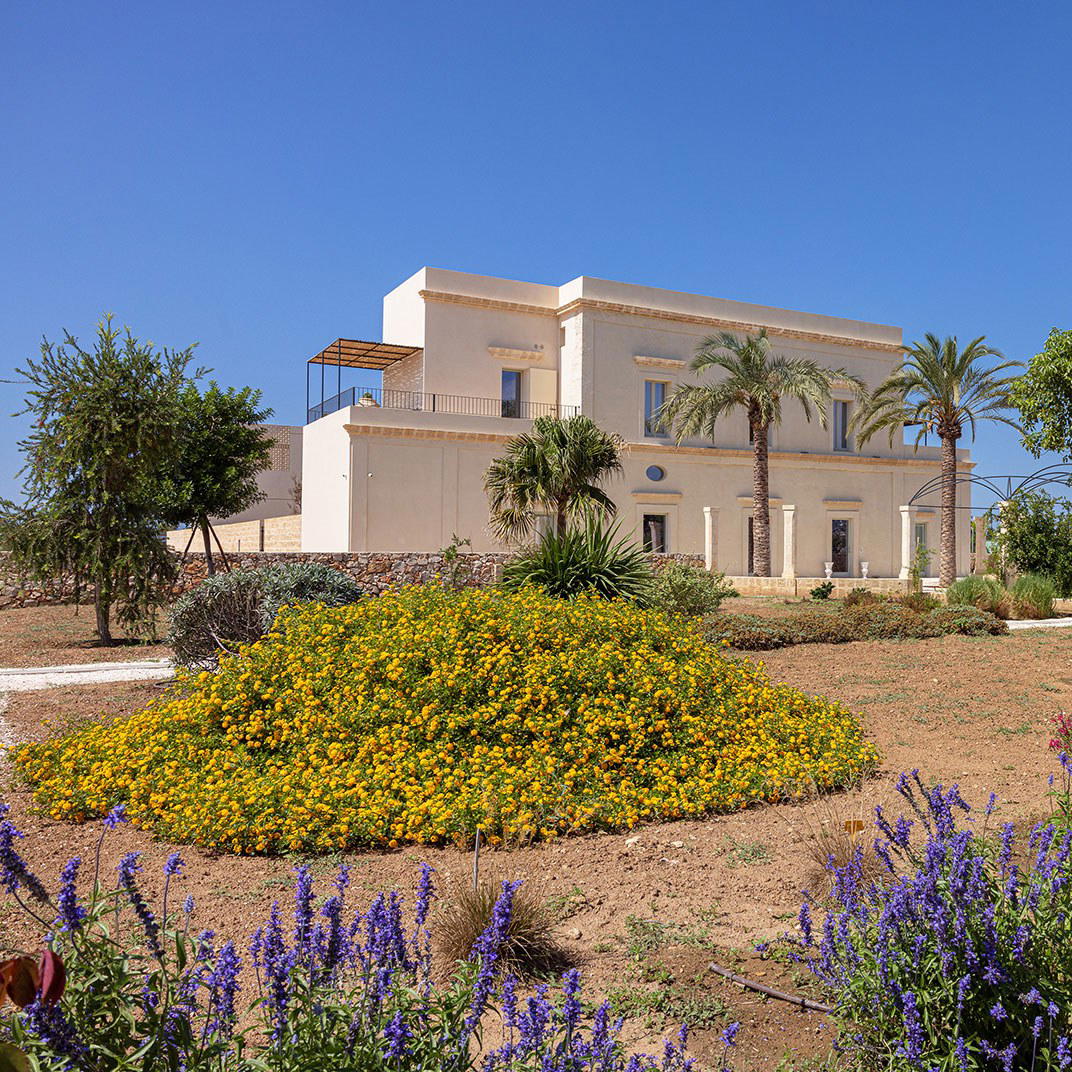
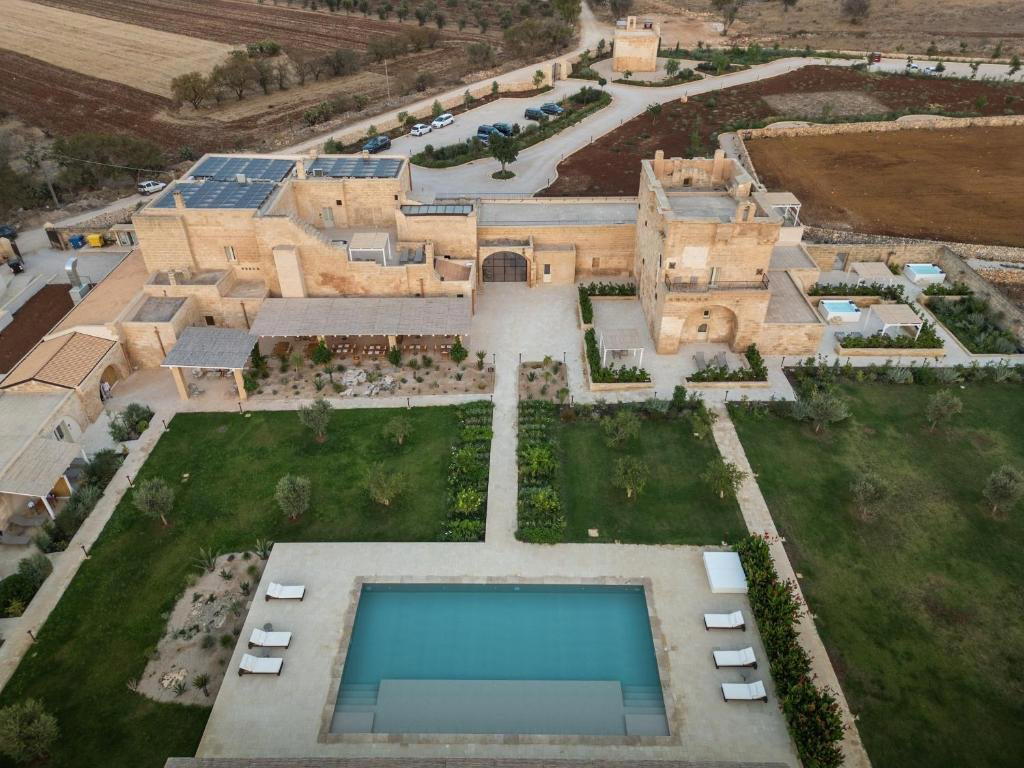
Hotels in Nardò
Browse all →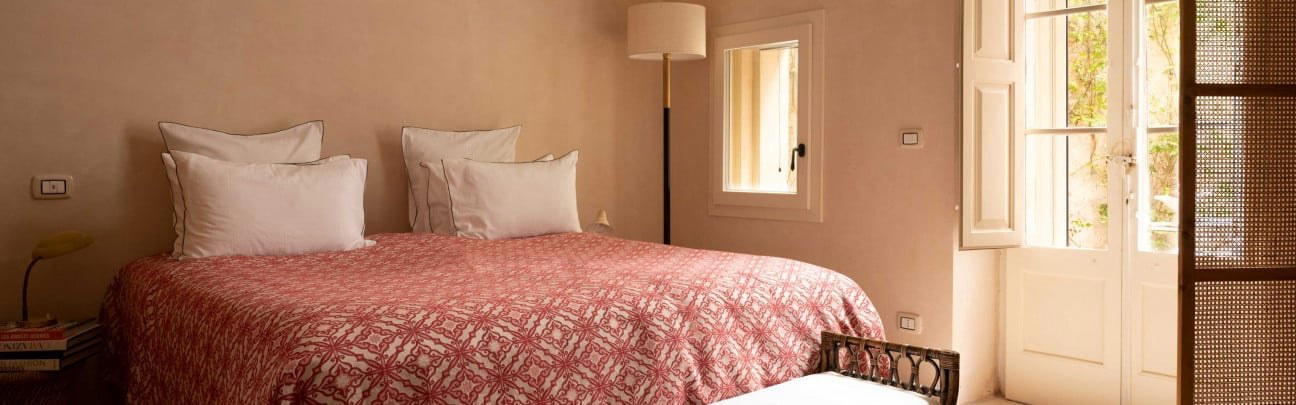
Bars in Nardò
Browse all →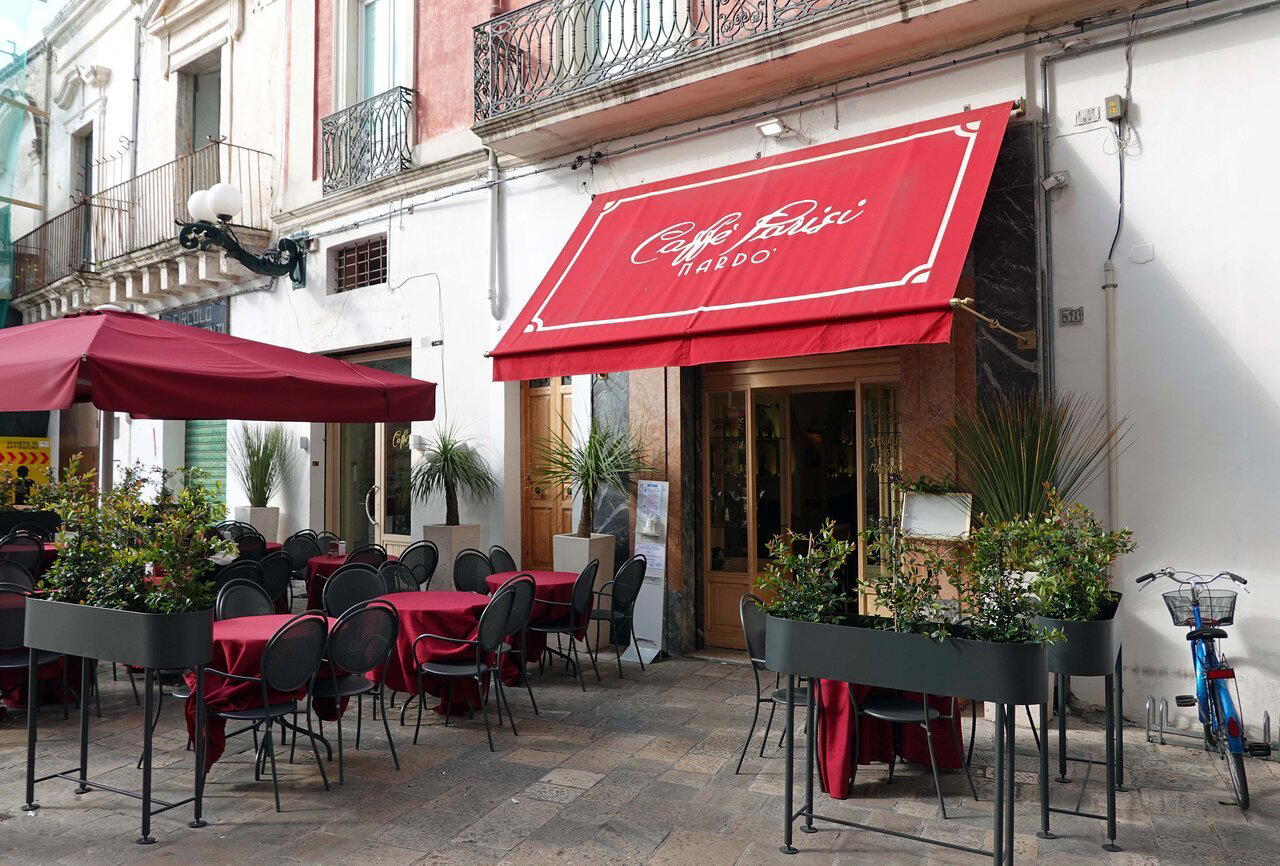
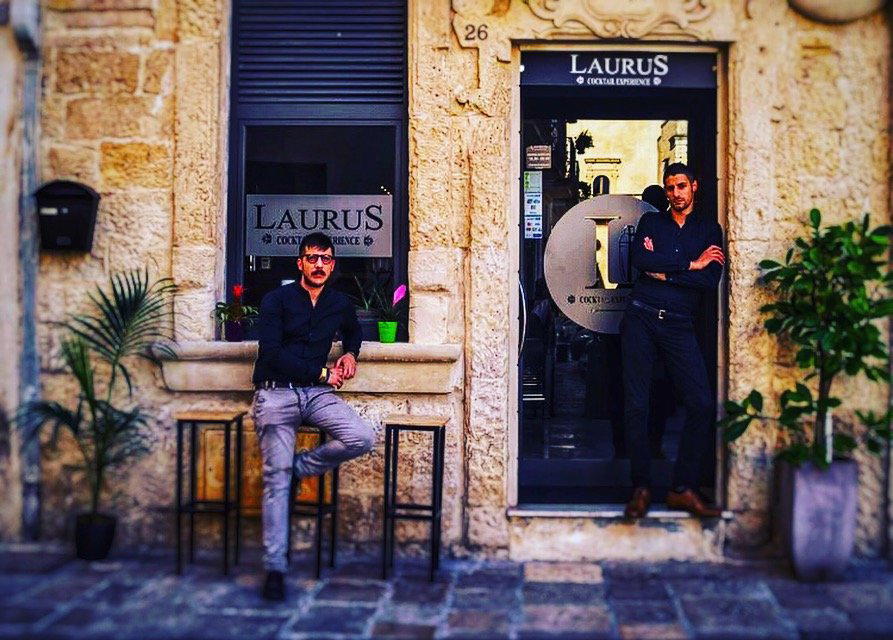
Restaurants in Nardò
Browse all →

At a Glance
- Elegant
- Sophisticated
- Quiet
- Romantic
- Intimate
- Romantic Getaway
- Honeymoon
- Anniversary
- Weekend Escape
- Historic Building
- Terrace
- Panoramic View
- Wi Fi
- Pool
- Spa
- Sauna
- Hot Tub
- Restaurant
- Bar
- Room Service
- Concierge
- Street Scene
- Wi Fi
- Pool
- Spa
- Sauna
- Hot Tub
- Restaurant
- Bar
- Room Service
- Concierge
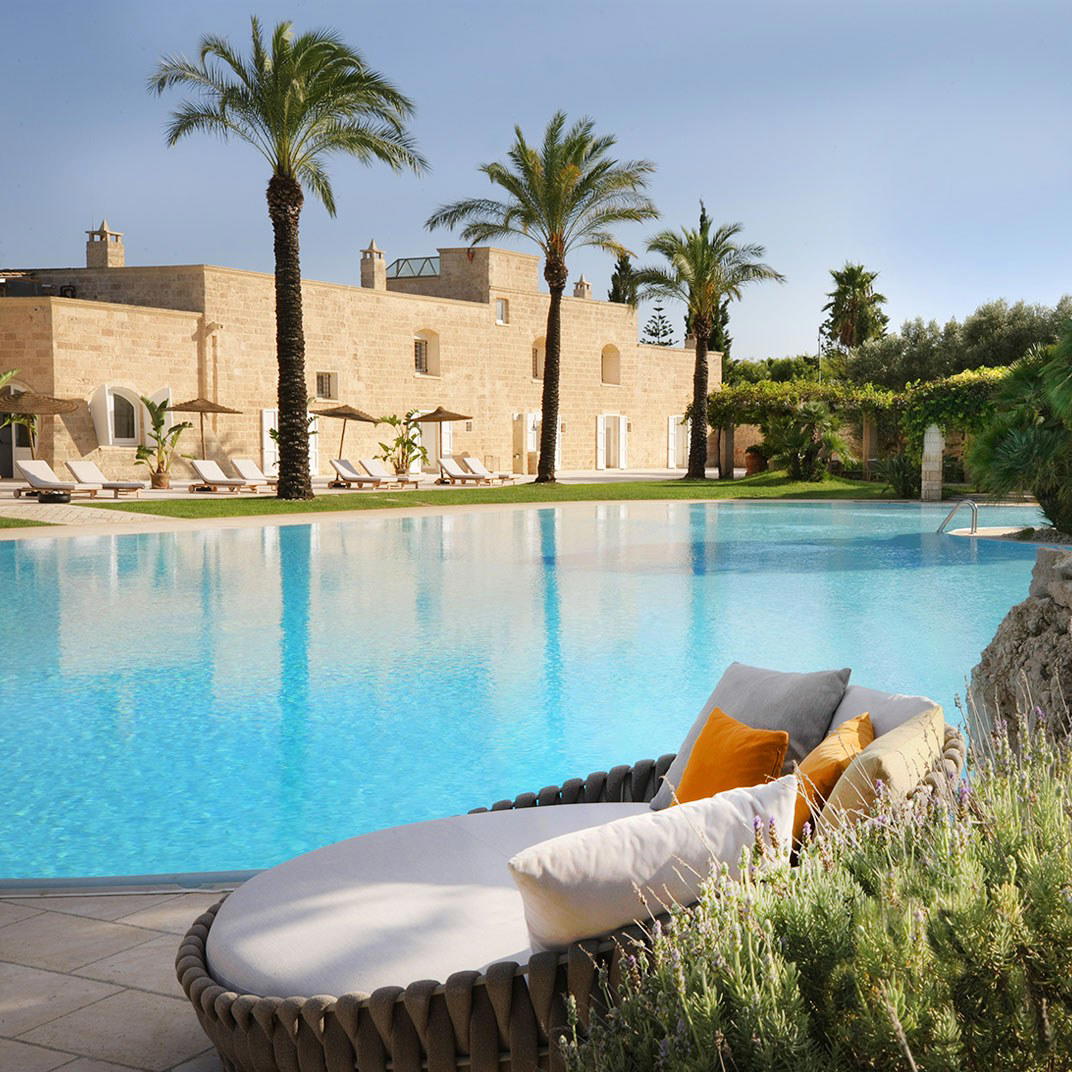
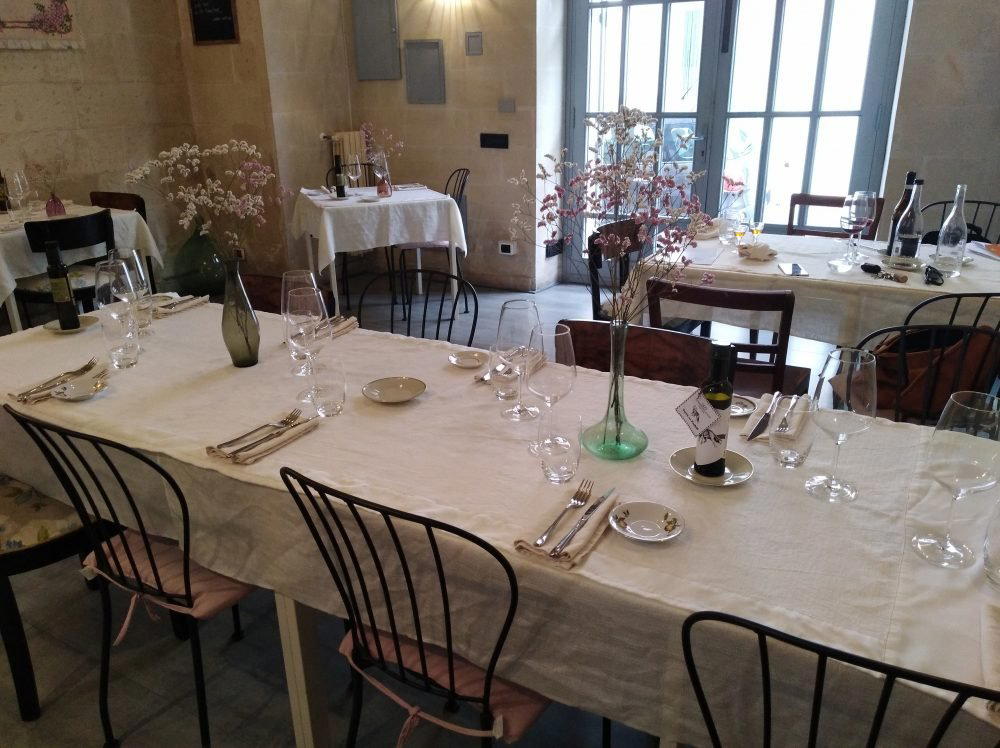
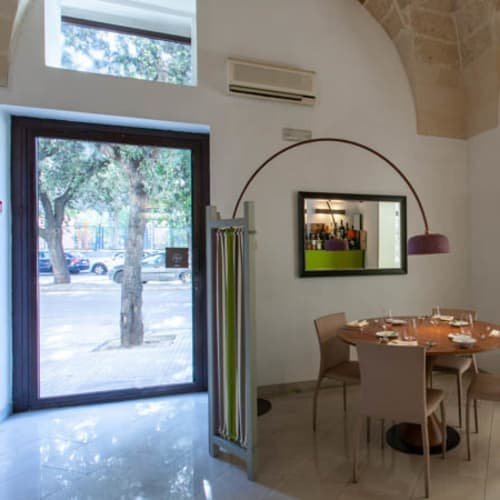
Contemporary stylishness matched by antique atmosphere, with peaceful courtyards, lush vertical gardens in the spa, and meditative retreat-like rooms featuring natural light and understated luxury.
Know Before You Go
- Getting there
- Via Giovanni Zuccaro, 36, 73048 Nardò LE, Italy