Maribel

Small Luxury Hotels of the World Member
A contemporary chalet-hotel at the foot of Sierra Nevada's slopes, Maribel addresses the ski-in crowd with an interior that layers Alpine warmth against Nordic cool. The showstopping elliptical staircase sets the architectural tone before you reach your room. For skiers based in Pradollano, it offers one of the most design-forward bases on the mountain.

Pearl is the En Primeur Club membership app — saves, bookings, and concierge access live there. Same editors, same standards.
- Address
- Urbanización Pradollano, Pl. Maribel, s/n, 18196 Mochanil, Sierra Nevada, Granada
- Phone
- +34 958 48 11 55
- Website
- maribels.com
- Directions
- Get directions
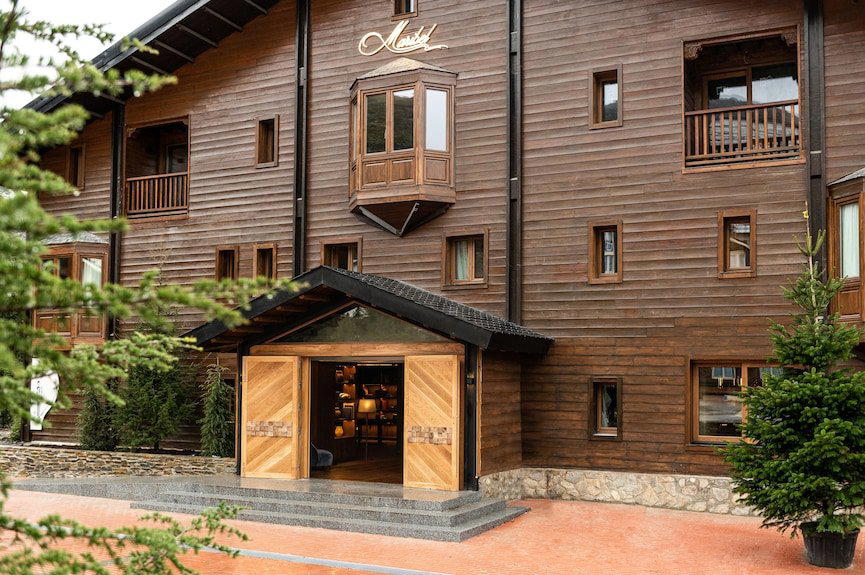
A Ski-In Hotel That Takes Its Interior Seriously
Sierra Nevada's Pradollano resort sits at around 2,100 metres, high enough to guarantee reliable snow cover through most of the Spanish winter season. The accommodation offer here divides roughly between functional ski lodges built for volume and a smaller cluster of properties that treat the interior experience as seriously as the piste access. Maribel occupies the latter category, presenting itself as a contemporary chalet-hotel where the design vocabulary is as considered as the slope-side position.
The approach to this kind of property in European ski resorts has shifted considerably over the past decade. Where Alpine warmth once meant exposed timber, checked fabrics, and taxidermy, the most current interpretation fuses that structural cosiness with Nordic restraint: cleaner lines, a cooler palette, materials that feel crafted rather than rustic. Maribel reads within that framework, blending the two registers rather than defaulting to the more familiar Savoyard template you encounter across France and Austria. In Andalusia, where the Sierra Nevada season runs broadly from late November through April or May depending on snowfall, that design positioning matters more than it might in a resort with a longer competitive history.
The Elliptical Staircase and What It Signals
The property's most commented-upon architectural detail is the elliptical staircase that forms the interior centrepiece. In hotel design, a staircase of this type functions as a deliberate editorial statement: it announces that the operator has invested in spatial drama beyond what function requires. Comparable gestures appear in design-led city properties across Spain, from Mandarin Oriental Barcelona to Hotel Can Cera in Palma, where architecture is used to frame the guest's first minutes inside the building. At altitude, where guests arrive wind-burned and carrying ski equipment, that decision to lead with a sculptural interior element reflects a clear ambition about who the hotel is speaking to.
For the visitor, it sets a calibration point: this is not a property where the outdoor experience is the only consideration. The indoor environment is part of the offer, and the staircase is the first proof of that commitment.
Eating and Drinking at Altitude on the Sierra Nevada
Mountain dining in Spain has historically occupied a different register from the country's broader gastronomic reputation. The Sierra Nevada corridor has strong Andalusian culinary roots, and Pradollano specifically tends toward hearty, restorative food suited to a ski crowd: slow-cooked stews, regional charcuterie, and dishes that read as practical rather than theatrical. The question any ski-in hotel faces is how to interpret that tradition for a guest who may equally be looking for something more refined after a day on the slopes.
Properties in comparable ski positions across Europe have resolved this tension in different ways. El Lodge Ski and Spa, the other prominent design-led property in Monachil, has built a reputation partly on its food and beverage programme alongside its slope access. The broader Spanish luxury hotel conversation, from Akelarre in San Sebastián with its Michelin-decorated kitchen to wine-estate hotels like Abadía Retuerta LeDomaine, demonstrates how seriously the sector has taken its culinary identity at the upper end of the market.
What the chalet-hotel format generally implies, based on how these properties operate across European ski resorts, is a food offering designed for the resident guest first, with a focus on breakfast, post-ski warmth, and evening dining that keeps guests on property rather than sending them into the resort village. The Nordic-Alpine interior aesthetic Maribel pursues tends to align with a similarly edited, ingredient-focused approach to food, though that inference should be confirmed with the property directly.
Sierra Nevada's Position in the Spanish Winter Travel Market
Sierra Nevada is the southernmost ski resort in continental Europe at this scale, a geographical fact that shapes its visitor profile in specific ways. The resort draws heavily from Andalusia's population centres, Granada being the most proximate, but also attracts skiers from Málaga, Sevilla, and further afield who treat it as the closest viable ski destination. International visitors tend to arrive through Málaga or Granada airports, with transfer times that are competitive with some Alpine alternatives when you factor in the European flight network.
The resort's positioning as an Andalusian winter destination also means that the surrounding area offers something most Alpine resorts cannot: proximity to Granada's historic centre, the Alhambra, and the broader culinary and cultural infrastructure of southern Spain. A guest staying at Maribel can be in Granada for dinner in under an hour, or combine the stay with properties elsewhere in the Spanish luxury circuit: Mandarin Oriental Ritz, Madrid for a city chapter, or coastal alternatives like Marbella Club Hotel for a post-ski southern Spain extension.
For context on the depth of the broader Spanish design-hotel market that Maribel sits within, see properties like Atrio Restaurante Hotel in Cáceres, Terra Dominicata in Escaladei, Pepe Vieira Restaurant and Hotel in Poio, and Mas de Torrent Hotel and Spa in Torrent, each of which demonstrates a different resolution of the design-meets-culinary identity question at roughly comparable market positioning. Island alternatives for comparison include La Residencia, A Belmond Hotel, Mallorca, Hotel Can Ferrereta in Santanyí, and BLESS Hotel Ibiza.
Planning a Stay
Maribel sits within Urbanización Pradollano, the immediate resort zone at the base of the Sierra Nevada ski area, placing it within the ski-in segment that commands a premium in this market. The property address (Pl. Maribel, s/n, 18196 Monachil, Sierra Nevada, Granada) positions it centrally within Pradollano's main cluster. Given that Sierra Nevada's season timing varies year to year based on snowfall, guests planning around specific skiing windows should book with flexibility or check snow conditions through the resort's official reporting before travel. Pradollano itself is a compact resort village, so most services are within easy walking distance of the hotel, though the combination of altitude and ski traffic makes the ski-in positioning more practically useful than it might be in a larger Alpine centre.
For broader context on what Monachil and Sierra Nevada offer across categories, our full Monachil - Sierra Nevada restaurants and hotels guide maps the area's options in more detail. Additional reference properties worth considering for international context include Cap Rocat in Cala Blava, Torre del Marqués Hotel Spa and Winery, and Casa Beatnik Hotel in A Coruña for a sense of the wider Spanish boutique-hotel market Maribel operates within.
Cost and Credentials
Comparable venues nearby, for context on price, style, and recognition.
| Venue | Price | Awards | Notes |
|---|---|---|---|
| MaribelThis venue — the venue you are viewing | Not listed | Small Luxury Hotels of the World Member | Not listed |
| El Lodge Ski and Spa | Not listed | Small Luxury Hotels of the World Member | Monachil, Alpine-style boutique ski lodge with seasoned Finnish timber exterior and log cabin luxury interiors. |
| INNSiDE Tenerife Santa Cruz | Not listed | Not listed | Santa Cruz city centre, Urban lifestyle hotel blending business and leisure in the commercial heart of Santa Cruz. |
| Villa Oniria | $100–200 | Michelin Selected | city center, Contemporary boutique hotel housed in a restored 19th-century Andalusian palace, blending historic architecture with modern luxury design. |
| Palacio Bellas Artes Hotel San Sebastián | Not listed | Not listed | Amara, Historic theatre redevelopment with Basque design influences |
| One Shot Puerta Ruzafa | Not listed | Michelin Selected | Ruzafa, Contemporary boutique honoring nature through art and architecture |
Recognition history
Dated appearances from independent guides and award organizations, with the underlying list record or original source where available.
Small Luxury Hotels of the World Member
Small Luxury Hotels of the World
Continue exploring
More in Monachil - Sierra Nevada
Hotels in Monachil - Sierra Nevada
Browse all →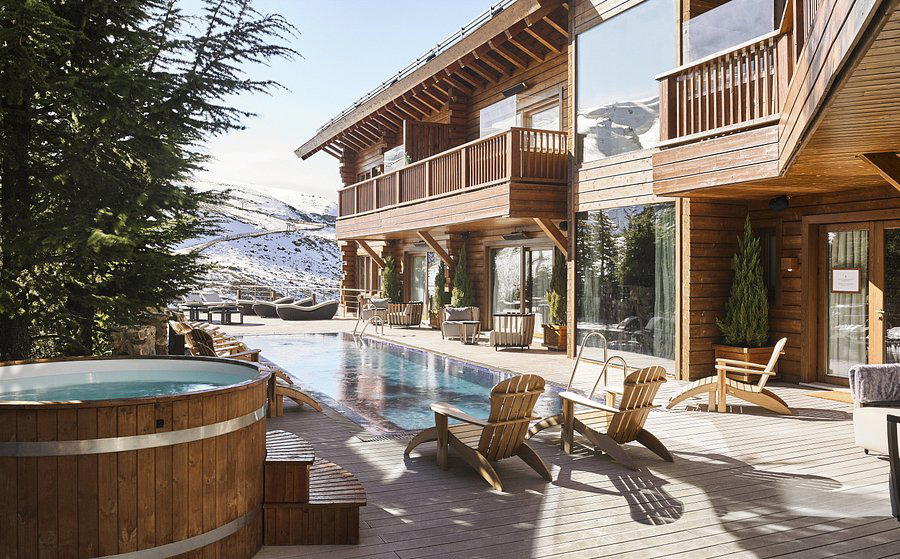
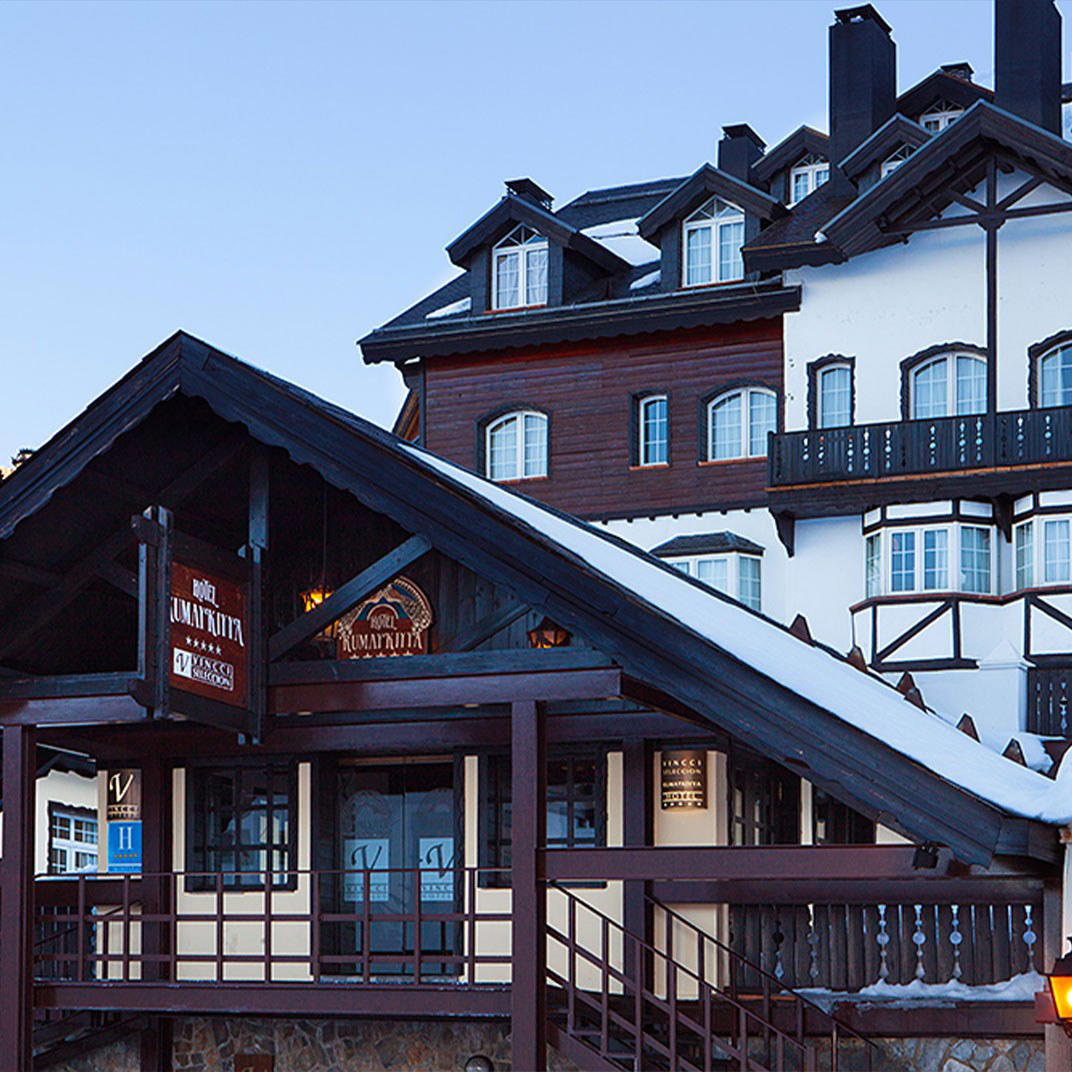
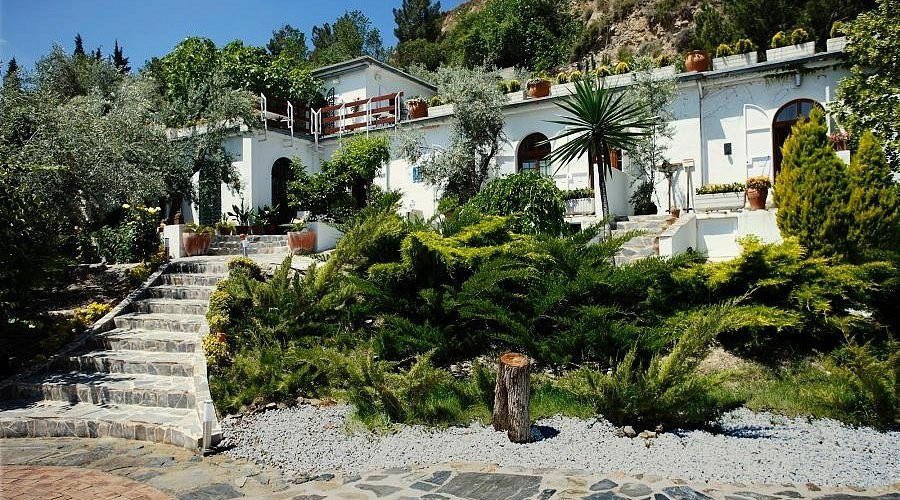
Bars in Monachil - Sierra Nevada
Browse all →
Restaurants in Monachil - Sierra Nevada
Browse all →
Wineries in Monachil - Sierra Nevada
Browse all →
Details
- Cozy
- Scenic
- Elegant
- Sophisticated
- Rustic
- Romantic Getaway
- Family Vacation
- Weekend Escape
- Ski In Ski Out
- Panoramic View
- Terrace
- Wi Fi
- Spa
- Pool
- Sauna
- Hot Tub
- Restaurant
- Bar
- Concierge
- Room Service
- Mountain
- Elevator
Warm, cocooning interiors with caramel wood tones, faux fur throws, bookshelves, and a busy lobby merging into a welcoming lounge, bar, and ski-in/ski-out outdoor terrace.