Las Torres Patagonia Hotel Torres del Paine
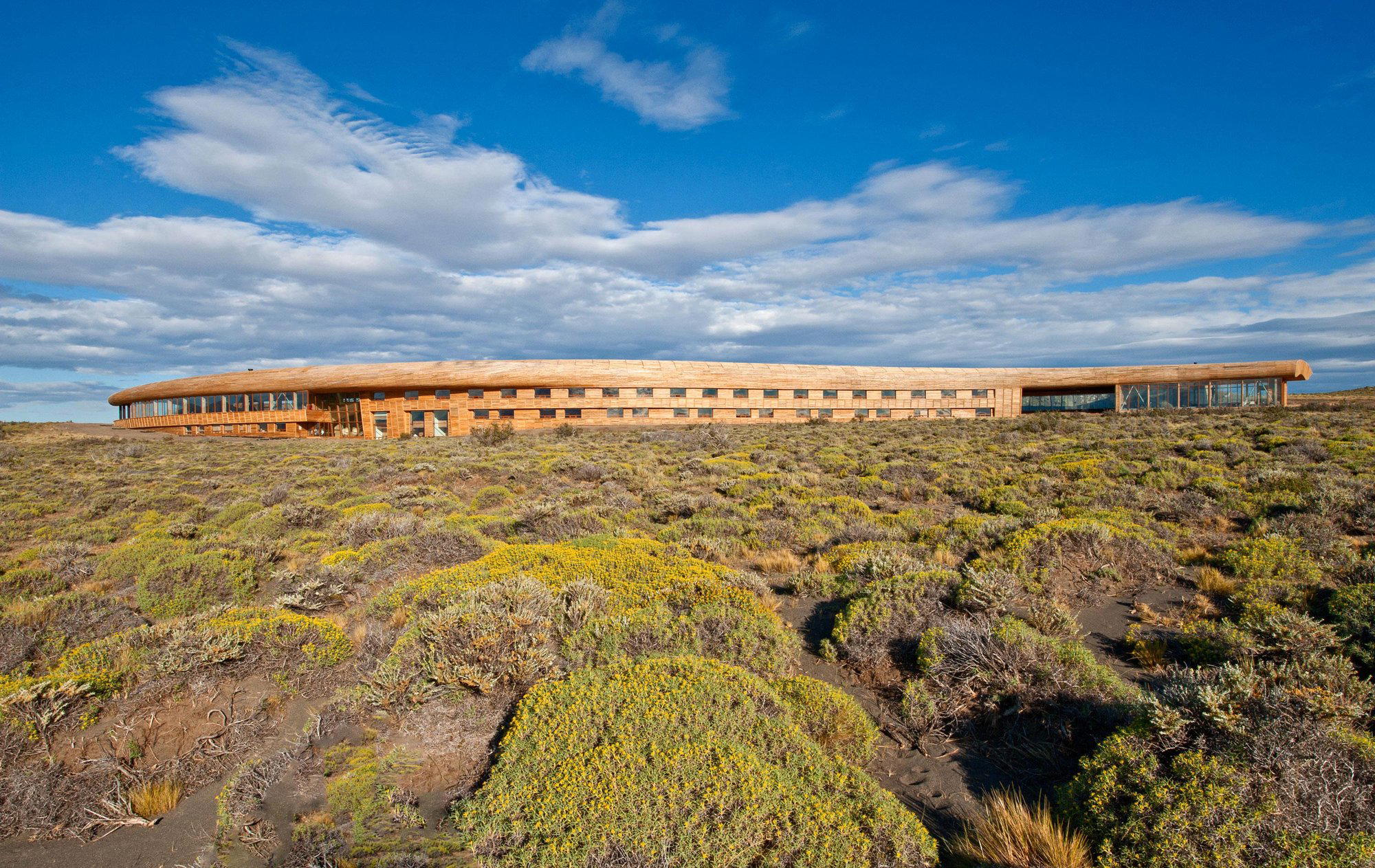
Las Torres Patagonia sits at the gateway to one of South America's most demanding wilderness circuits, placing guests within reach of the Torres del Paine massif without sacrificing shelter or meal quality. The property anchors itself in the working ranch tradition of Chilean Patagonia, with a dining programme built around the pastoral produce of the region. Expect wind, light that shifts by the hour, and food that reflects the land immediately outside.
Pearl is the En Primeur Club membership app — saves, bookings, and concierge access live there. Same editors, same standards.
- Address
- Estancia Cerro Paine s/n, 6170000 Torres de Paine, Magallanes y la Antártica Chilena, Chile
- Phone
- +56 2 2898 6043
- Website
- lastorres.com
- Directions
- Get directions
 Saves & bookings on Pearl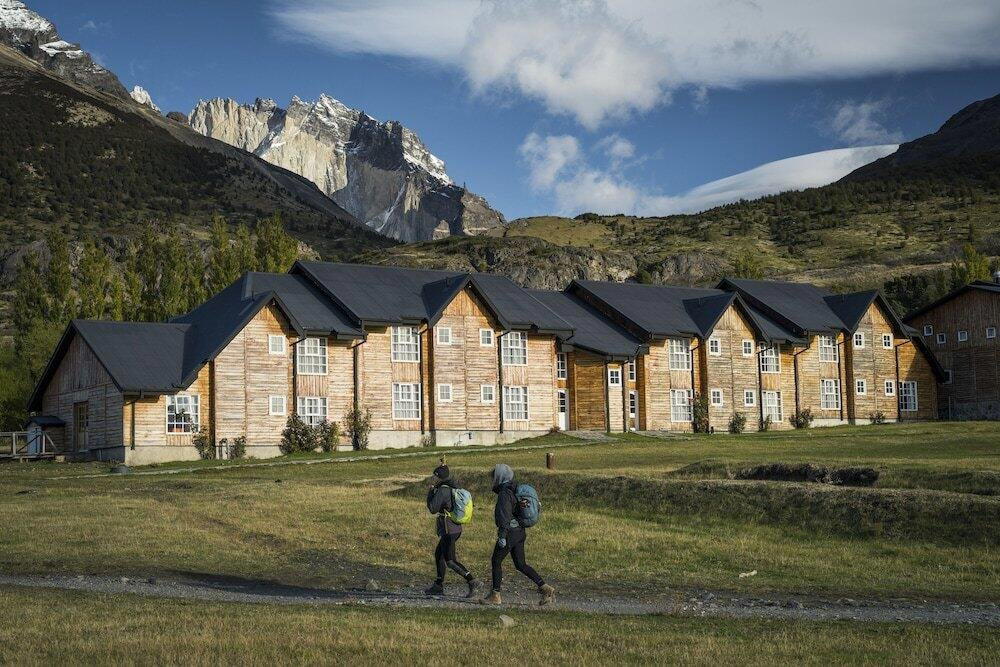
Where Patagonia's Weather Becomes Part of the Programme
Torres del Paine is not a soft destination. The wind here is measured in events, not degrees, and the light can move from glacial blue to copper to pitch black inside a single afternoon. Properties that succeed in this environment do so not by insulating guests from the conditions but by making the conditions legible, framing the wilderness as something to read rather than something to survive. Las Torres Patagonia Hotel Torres del Paine, a 74-room hotel in Torres del Paine, Chile, operates within that tradition. The land it occupies has a ranching history that predates the park's official boundaries, and that agricultural lineage shapes the property's identity more than any design brief could. Guests arriving here are not landing inside a resort bubble; they are entering a working landscape where the hotel infrastructure exists in relationship to the terrain, not in opposition to it.
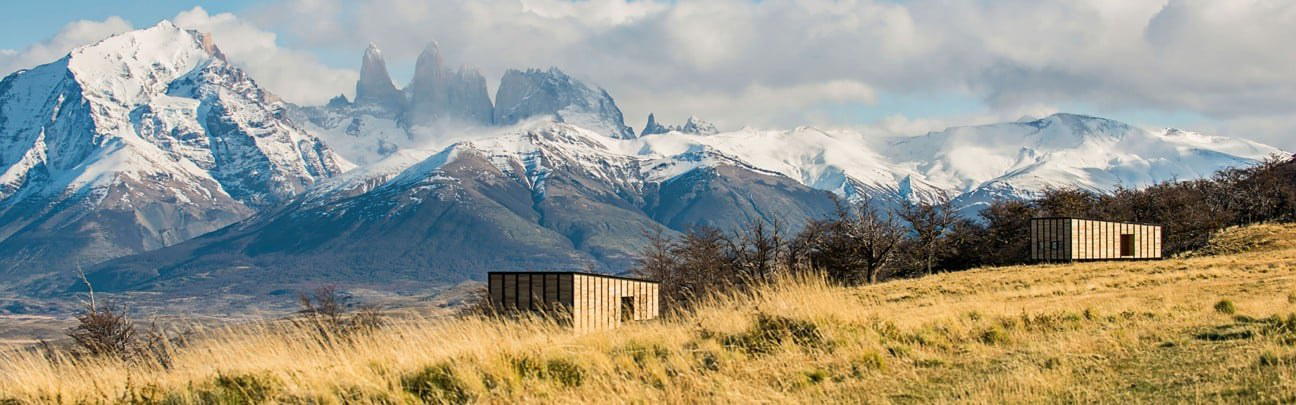
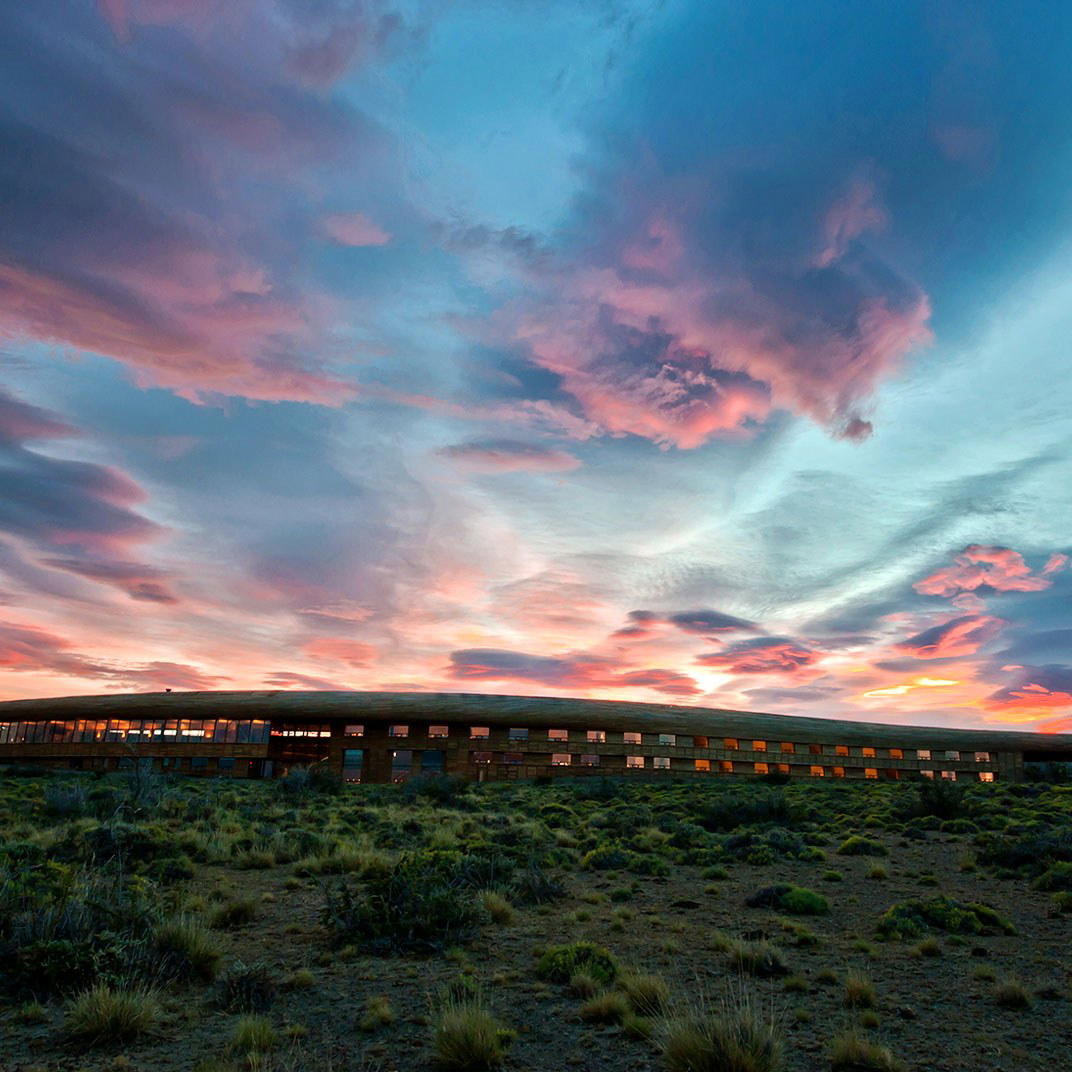
That context matters when assessing where Las Torres sits among the Patagonian lodge tier. The property competes in a field that includes Awasi Patagonia, Tierra Patagonia, and Ecocamp Patagonia, each of which has staked a distinct position in the market. Awasi leans toward the all-inclusive exclusivity model with private guides. Tierra Patagonia has built its reputation on architecture and spa access with sweeping lake views. Ecocamp operates at the sustainable-camping end of the spectrum with geodesic domes. Las Torres positions itself differently: as the property most directly embedded in the park's historic infrastructure, with access points to the W Trek and the base of the towers that few other lodges can match for proximity. That proximity is the primary credential here, and the dining programme exists in service of it, feeding people who are about to hike significant elevation or who have just descended from it.
The Dining Programme: Patagonian Ranch Logic
In southern Chilean Patagonia, the hospitality food tradition runs through the estancia, the large sheep and cattle ranches that shaped the region's economy for over a century. Lamb is not a menu choice here; it is a cultural fact. The Magallanes region produces some of South America's most prized Cordero Patagónico, a designation that carries genuine geographic specificity in the way that regional appellations function for wine. Lodge dining programmes in this category are evaluated not on innovation but on sourcing integrity and execution consistency: can the kitchen deliver a lamb preparation that honours the product and holds up across a multi-day stay?
Las Torres's food and beverage operation sits within this estancia tradition. The property's own land provides a direct connection to pastoral production, which is a logistical and culinary advantage that urban-style lodges attempting to import a fine-dining format cannot replicate. For the guest arriving after a full day on the trail, the question is rarely whether the food is ambitious enough, it is whether it is abundant, coherent, and grounded. That orientation toward the trekker and the active traveller defines the dining identity here, distinguishing it from properties like Explora Torres del Paine, which operates on an all-inclusive model that packages meals, guides, and excursions into a single rate structure, or REMOTA in Puerto Natales, which approaches Patagonian food with a more deliberate culinary programme from its base in the gateway town.
Chilean wine coverage at this category of property typically runs toward the Colchagua and Maipo valleys for reds, with Casablanca and San Antonio whites appearing on longer lists. Carménère remains the default regional gesture, though properties aiming at an international clientele increasingly stock Pinot Noir from the Bío Bío or Malleco valleys, a colder, more continental expression that reads better against lamb than a warm-valley Cabernet. The broader wine landscape that frames a stay in southern Chile is documented across properties from Clos Apalta Residence in Valle de Apalta to Noi Puma Lodge in Cachapoal, where proximity to the vineyard itself becomes the guest proposition.
The Accommodation Tier and What It Signals
Remote Patagonian lodges have bifurcated over the past decade into two readable categories: high-exclusivity properties with single-digit room counts and private guide ratios, and larger-footprint properties that offer national park access at a more accessible price point with shared infrastructure. Las Torres belongs to the second category, which is not a criticism, it is a clarification of what the property is for. A larger property can absorb the logistics of groups, families, and independent trekkers in ways that an eight-suite boutique cannot. The trade-off is intimacy and staff-to-guest ratio, and travellers should make that calculation consciously before booking.
For those who want the boutique exclusivity model in Patagonia, Awasi Patagonia operates at the high-exclusivity end with dedicated vehicles and guides per suite. For a middle tier that emphasises design and landscape framing, Tierra Patagonia offers a compelling case. Las Torres makes its argument through access, history, and the working-ranch authenticity that comes from occupying land with a documented pre-tourist past. Across Chile, properties with similarly distinct location propositions include Puyuhuapi Lodge and Spa in Aisén, accessible only by boat or floatplane, and andBeyond Vira Vira in Pucón, which pairs volcano access with a farm-to-table food programme.
Getting There and Planning the Stay
Access to Torres del Paine National Park runs through Punta Arenas airport, roughly four to five hours by road from the park entrance depending on route and road conditions, or through Puerto Natales, which shortens the transfer considerably. Travellers routing through Santiago before heading south can reference the city's hotel range from the design-forward Debaines Hotel Santiago to the international-chain positioning of the W Santiago, both of which serve as common overnight stops before early morning flights to the far south.
Within the park, the shoulder seasons, October to November and March to April, offer one tractable combination of daylight, trail conditions, and reduced wind intensity. The height of the southern hemisphere summer, December through February, brings longer days but also particularly aggressive wind patterns. Booking windows for the lodge tier in Patagonia have extended significantly in the past several years; peak-season availability at any of the major properties now requires planning well in advance. Guests considering a broader Chilean itinerary can also look at Explora Rapa Nui on Easter Island or Awasi Atacama in San Pedro de Atacama as contrasting landscape experiences within the same country. Additional reference points for design-led Chilean lodging include Refugia Chiloé, Futangue Hotel and Spa in Riñinahue, Hotel AWA in Puerto Varas, Mari Mari Natural Reserve Experience, CasaMolle in El Molle, Palacio Astoreca Hotel in Valparaíso, Hotel Las Majadas in Pirque, and Explora Patagonia National Park in Cochrane. For international comparisons at a similar wilderness-lodge standard, Aman New York, The Fifth Avenue Hotel, and Aman Venice represent different ends of the same premium accommodation conversation, useful for calibrating expectations around service architecture and rate structure.
Budget and Context
Comparable venues nearby, for context on price, style, and recognition.
| Venue | Cuisine | Price | Awards | Notes |
|---|---|---|---|---|
| Las Torres Patagonia Hotel Torres del PaineThis venue — the venue you are viewing | Not listed | $$$$ | Not listed | Not listed |
| Ecocamp Patagonia | Not listed | $$$$ | Not listed | Torres del Paine National Park, Sustainable geodesic dome glamping inspired by indigenous Kawesqar architecture |
| Awasi Patagonia | Not listed | $$$$ | Michelin 3 Key | Torres del Paine National Park, Exclusive all-inclusive lodge with stand-alone private villas in a native forest reserve |
| Tierra Patagonia | Not listed | $$$$ | Michelin 3 Key | Torres del Paine National Park, Patagonian wilderness lodge |
| Puyuhuapi Lodge & Spa | Puyuhuapi, Hotel | $$$$ | Not listed | Not listed |
| Explora Torres del Paine | Not listed | $$$$ | 5-Star | Torres del Paine National Park, Award-winning design integrated into the Patagonian landscape with native wood elements and striking architecture. |
Continue exploring
More in Torres del Paine
Hotels in Torres del Paine
Browse all →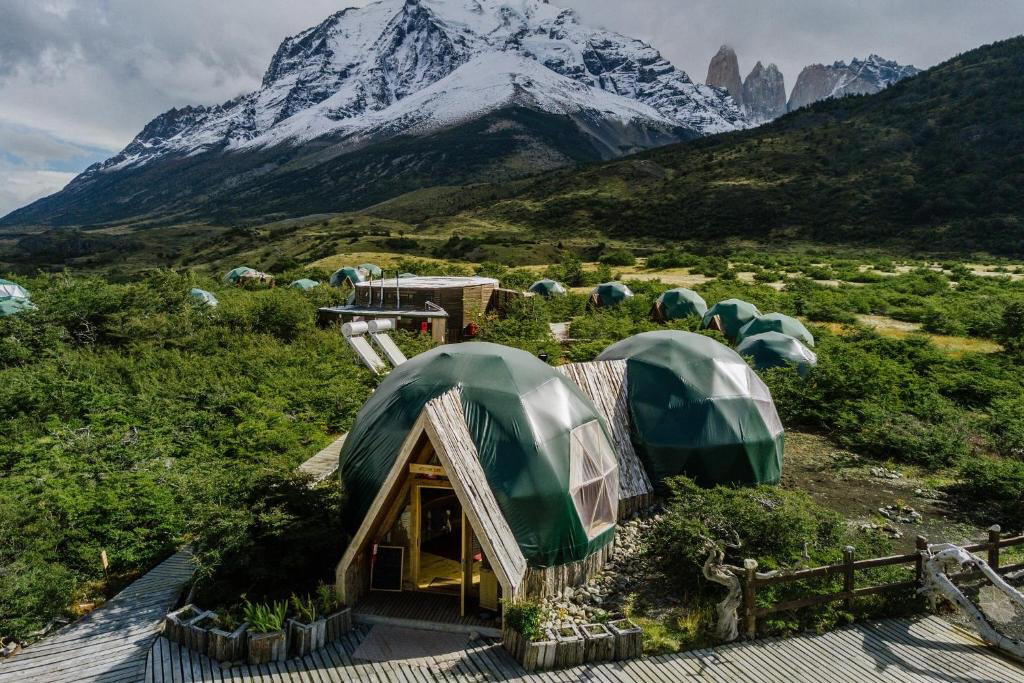
Restaurants in Torres del Paine
Browse all →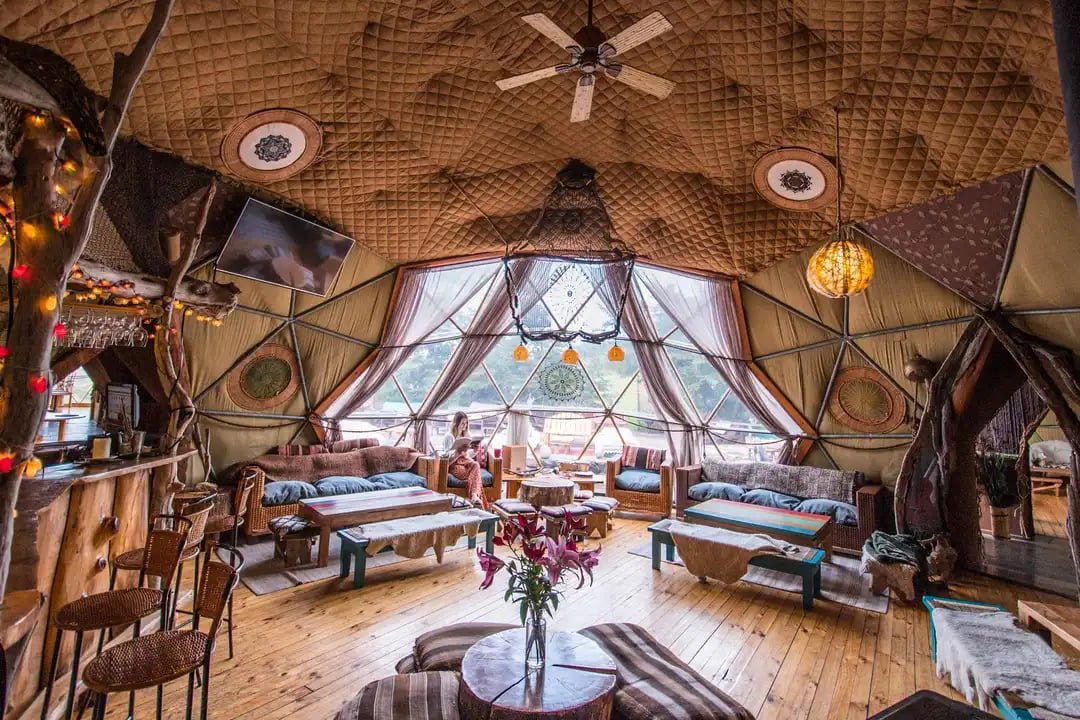
At a Glance
- Scenic
- Rustic
- Cozy
- Elegant
- Romantic Getaway
- Family Vacation
- Wellness Retreat
- Weekend Escape
- Panoramic View
- Terrace
- Wi Fi
- Room Service
- Concierge
- Mountain
- Wi Fi
- Room Service
- Concierge
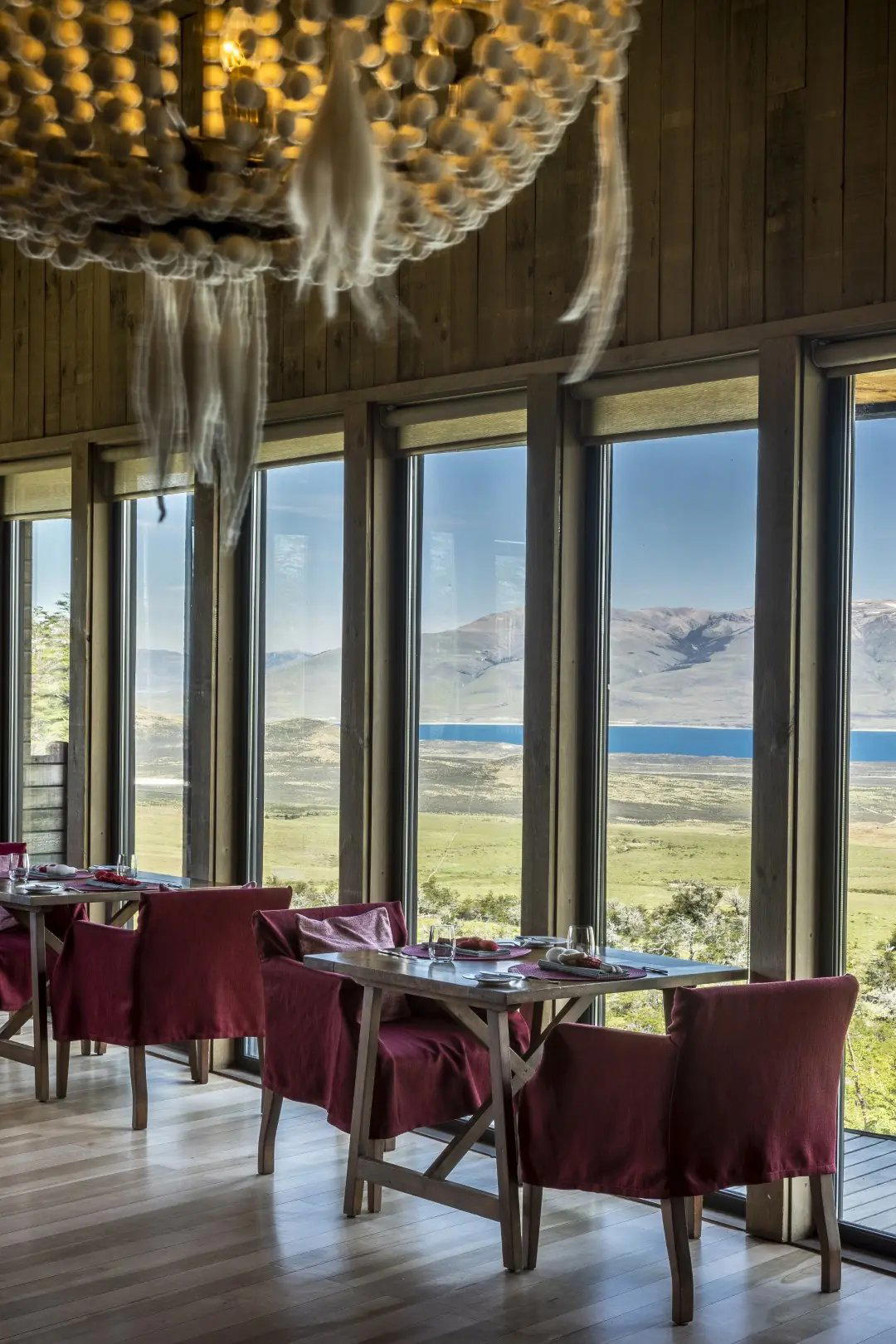
Cozy refuge blending rustic wood elements, warm lighting, and contemporary design that harmonizes with the majestic Patagonian landscape.