Tierra Patagonia




Tierra Patagonia sits on a bluff above Lake Sarmiento inside Torres del Paine National Park, its low-slung architecture so flush with the hillside that the building reads as geological before it reads as hotel. Forty rooms face the Paine Massif across a wall of glass. Awarded 93.5 points by La Liste Top Hotels 2026, the property operates on a fully all-inclusive model with guided excursions included, open November through May.
Pearl is the En Primeur Club membership app — saves, bookings, and concierge access live there. Same editors, same standards.
- Address
- Hotel Tierra Patagonia, Torres de Paine, Magallanes y la Antártica Chilena
- Phone
- +56 2 6469 0518
- Website
- tierrapatagonia.com124
 Saves & bookings on Pearl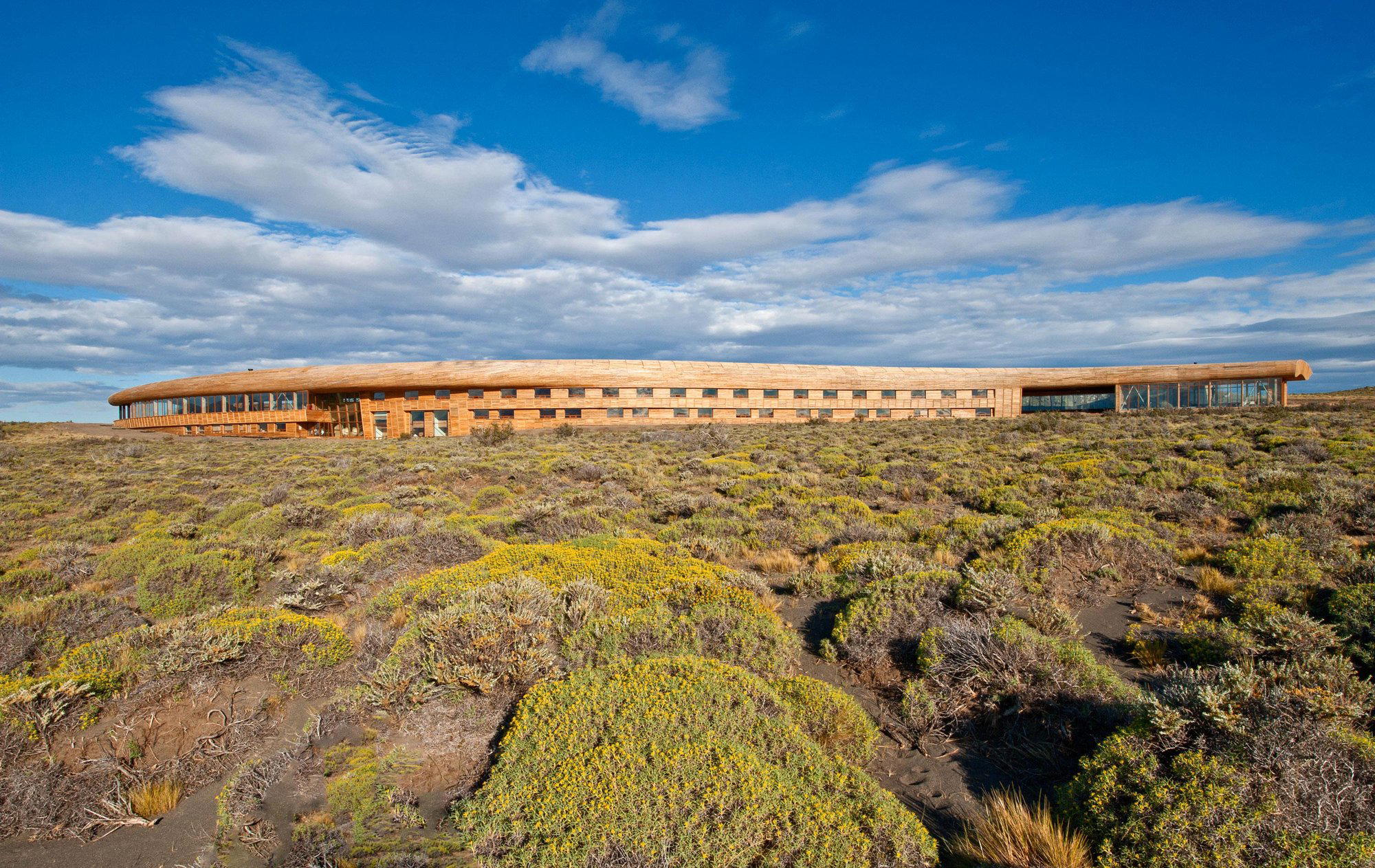
Where the Building Disappears Into the Land
There is a category of remote lodge where the architecture announces itself, where the structure competes with the setting for your attention. Tierra Patagonia belongs to the opposite tradition. Approached from the park road, the building reads less as a hotel than as a low geological shelf, a dark horizontal line that the eye almost skips past to reach the granite towers behind it. That near-invisibility is the design's central argument: the Torres del Paine massif is the event, and the lodge exists to place you inside a clear view of it, not to distract from it. The award-winning architecture, which emerges from the hillside above Lake Sarmiento, earned the property 93.5 points at the La Liste 2026 rankings, a signal that the integration of building and landscape has been noticed well beyond Chile's borders.
Torres del Paine National Park has carried UNESCO Biosphere Reserve status since 1978, and that designation shapes the way serious operators here think about footprint. Among the lodges positioned inside or immediately adjacent to the park, the design conversation has moved toward restraint, low profiles, natural materials, minimal visual intrusion. Tierra Patagonia sits at the refined end of that shift, comparable in approach to Awasi Patagonia and Ecocamp Patagonia, though each makes different formal bets on how to achieve it.
The Address and What It Gives You
Location inside the park rather than on its periphery is a meaningful distinction in Patagonia. The drive from Puerto Natales Airport runs approximately one hour and forty-five minutes; from Punta Arenas Airport, plan on four hours. Both transfers are included in the all-inclusive rate, which removes one of the logistical friction points common to remote lodge travel. More practically, positioning on the park's edge means excursions into the interior start from the property rather than from a distant town, a difference that can amount to an extra hour of trail time each direction.
All 42 rooms face Lake Sarmiento and the Paine Massif beyond it. The wall-of-glass format means the view from bed is the same view as the view from the restaurant and the same view as the Uma Spa's indoor pool, the massif is not a perk you walk to, it is the constant backdrop of every hour spent inside. That consistency is harder to achieve than it sounds; many lodges in destination landscapes offer the signature view from select public areas while rooms look out over service corridors or car parks. Here the orientation is total.
Inside the Lodge: Materials and Atmosphere
The interior materials do specific work. Wood runs through the property in several states: smooth floors that suggest warmth underfoot, gnarly sun-bleached branches used structurally, crooked log beams overhead. Furnishings and textiles were made by Chilean craftspeople using regional natural materials, with reference to the surrounding estancias and the visual tradition of the native Tehuelche people. Sheepskins and cowhide rugs appear throughout the common areas, not as decorative gestures but as the thing that makes a window seat workable when the temperature outside is Patagonian.
The social architecture of the common areas is worth noting. A large central space with an open fire anchors the property, flanked by a library, a map room, a TV area, and the bar. The map room in particular serves a practical function: this is where guests consult with staff about the excursion program, plan routes, and get the kind of logistical advice that separates a well-run wilderness lodge from a hotel that happens to be near a national park. The atmosphere is casual rather than ceremonial, the kind of place where conversation starts easily between guests who arrived from different countries that morning and discovered they're hiking the same trail tomorrow.
Among Chile's broader roster of destination lodges, from andBeyond Vira Vira in Pucon to Puyuhuapi Lodge and Spa in Aisen and REMOTA in Puerto Natales, Tierra Patagonia occupies a specific niche: all-inclusive with guided excursions built in, orientated entirely around the national park, and designed to read as shelter rather than spectacle. Properties like Explora Torres del Paine operate with a similar model in the same geography, making the comparison between them the most instructive exercise for a guest choosing between options in this tier.
The Excursion Program and What Inclusion Means
The all-inclusive structure at Tierra Patagonia covers stay, all meals, bar, guided excursions, Uma Spa facilities, and airport transfers. In practical terms this means the decision about whether to take a gaucho-led horseback ride or attempt a more demanding mountain ascent is a logistical question rather than a financial one. The excursion range runs from easy guided walks to routes that push deeper into the park's interior, calibrated by the staff consultation that happens early in a stay. Three meals daily and an open bar mean the rhythm of a day here is set by the trail and the weather, not by a restaurant's opening hours.
The Uma Spa includes an indoor swimming pool with jets and cascades, an outdoor Jacuzzi, sauna, steam bath, and relaxation areas, all with the same park views as the rest of the property. After a full day on Patagonian terrain, the sequence of hot water and panoramic granite is not incidental, it is part of the lodge's core proposition about what recovery looks like in this landscape.
Planning a Stay: What to Know Before You Go
Tierra Patagonia is a seasonal property, operating from November through May. A three-night minimum stay is required. The hotel sits within the Tierra Hotels portfolio, under Baillie Lodges. The property holds 42 rooms, which puts it in a mid-size bracket relative to the lodge category, large enough to sustain a proper common area program and excursion operation, small enough that service remains oriented around individual guests. WiFi is available in public areas; iPads are provided for guest use.
Staff is primarily hired locally and from within Chile, which has operational implications beyond the obvious. Local knowledge in a landscape as technically complex as Torres del Paine is not a decorative detail, it affects the quality of excursion guidance, weather reading, and the kind of spontaneous judgment calls that matter when conditions shift mid-trail. Comparable properties across Chile's remote lodge circuit, from Awasi Atacama to Noi Puma Lodge in Cachapoal, have adopted similar hiring philosophies for the same reason.
For guests building a broader Chile itinerary, Tierra Patagonia sits at the southern end of a country that runs from the Atacama Desert to the channels of Patagonia. Urban anchors like W Santiago or Debaines Hotel Santiago provide the Santiago bookend, while properties such as Las Torres Patagonia Hotel Torres del Paine offer alternative accommodation within the same national park geography for those comparing options at the same destination.
At a Glance
Comparable venues nearby, for context on price, style, and recognition.
| Venue | Price | Notes |
|---|---|---|
| Tierra PatagoniaThis venue — the venue you are viewing | $$$$ | |
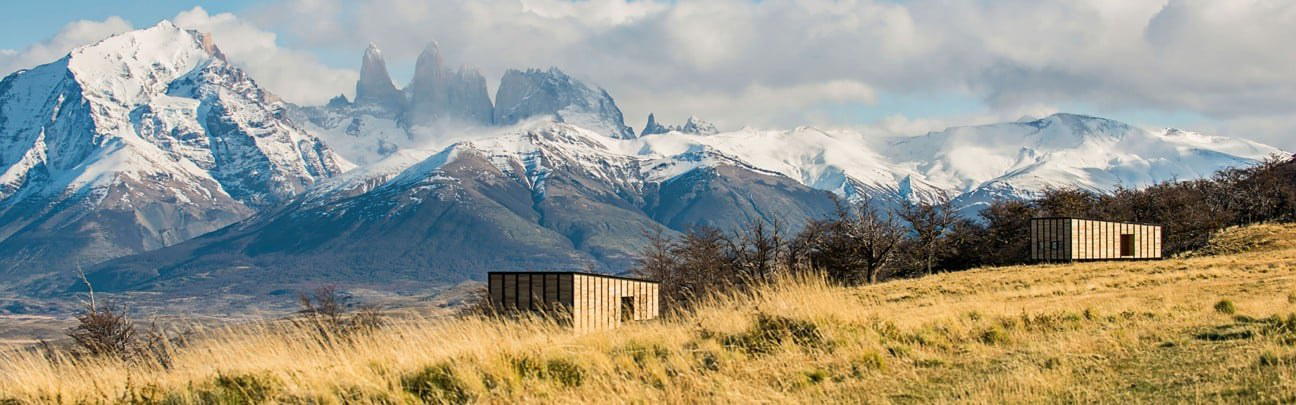
| Awasi Patagonia | $$$$ | Torres del Paine National Park, Exclusive all-inclusive lodge with stand-alone private villas in a native forest reserve |
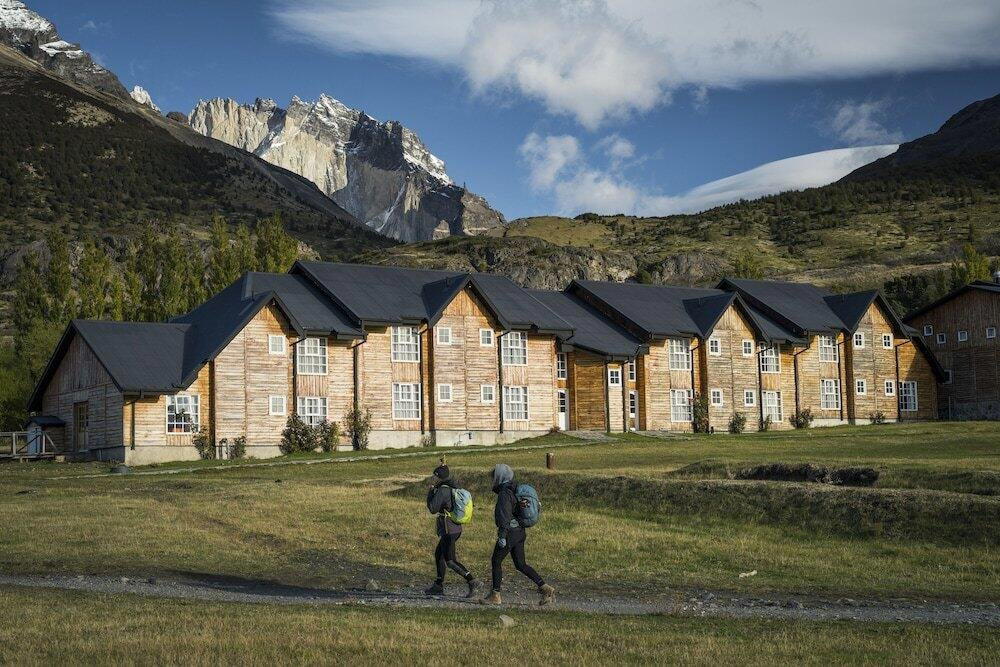
| Las Torres Patagonia Hotel Torres del Paine | $$$$ | Torres del Paine National Park, Contemporary Patagonian ranch-style with modern renovations |
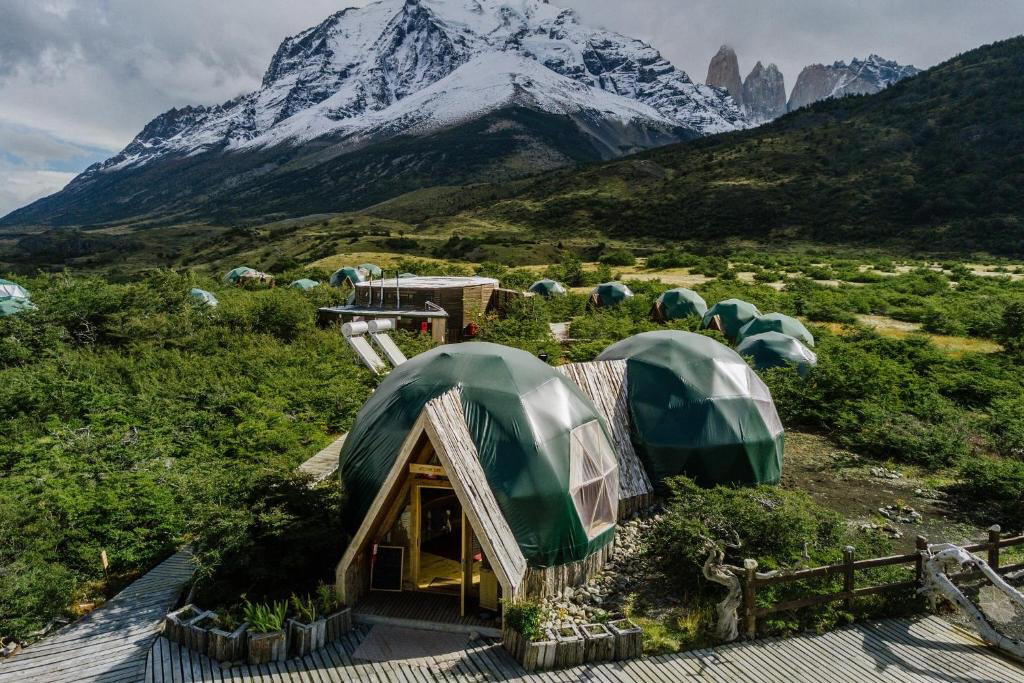
| Ecocamp Patagonia | $$$$ | Torres del Paine National Park, Sustainable geodesic dome glamping inspired by indigenous Kawesqar architecture |
| The Singular Patagonia | $$$$ | Puerto Bories, historic industrial heritage luxury |
| Refugia Chiloé | $$$$ | San José, Contemporary stilted structure blending modern design with Chilote palafito architecture on 10 hectares of beachfront land. |
Continue exploring
More in Torres del Paine
At a Glance
- Scenic
- Elegant
- Rustic
- Sophisticated
- Cozy
- Honeymoon
- Romantic Getaway
- Wellness Retreat
- Weekend Escape
- Panoramic View
- Infinity Pool
- Pool
- Spa
- Sauna
- Room Service
- Concierge
- Wifi
- Fitness Center
- Restaurant
- Bar
- Mountain
- Waterfront
Warm natural wood interiors with floor-to-ceiling windows offering stunning mountain and lake views, cozy fireside lounge, soft lighting, and serene atmosphere.