Awasi Patagonia Restaurant

Relais Chateaux Award
Our verdict
Awasi Patagonia Restaurant belongs to the lodge-dining culture of Torres del Paine, where remoteness makes sourcing part of the experience rather than a decorative claim. The kitchen’s stated focus on South Pacific fjord fish, crab, locally reared lamb, vegetables and berries gives the meal a clear Patagonian anchor, with seasonality shaping the plate more than imported luxury cues.

Pearl is the En Primeur Club membership app — saves, bookings, and concierge access live there. Same editors, same standards.
- Address
- Estancia Tercera Barranca, Torres del Paine, Torres de Paine, Magallanes y la Antártica Chilena, Chile
- Phone
- +56 2 2233 9641
- Website
- awasi.com
- Directions
- Get directions
- Booking
- Book on the venue's website
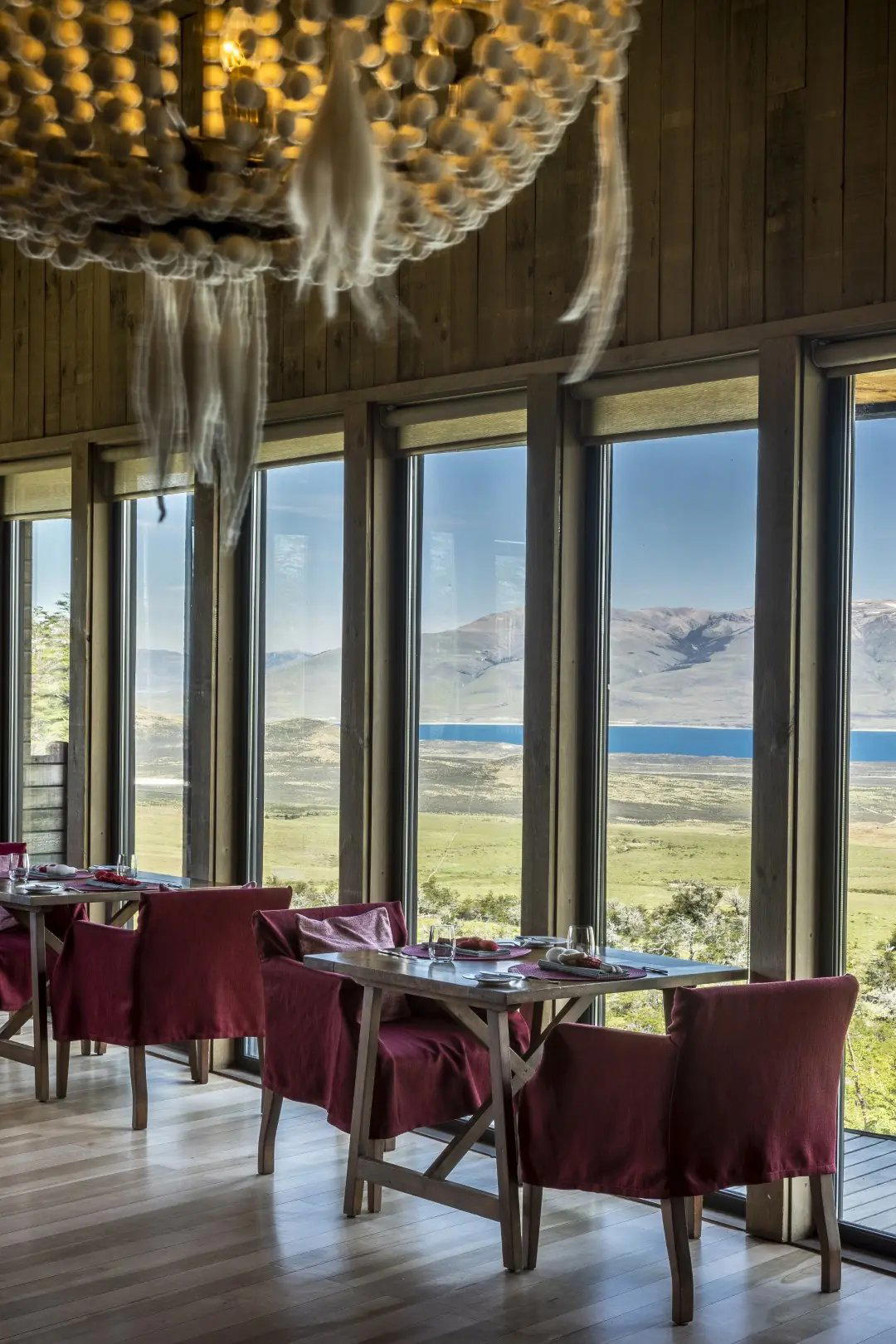
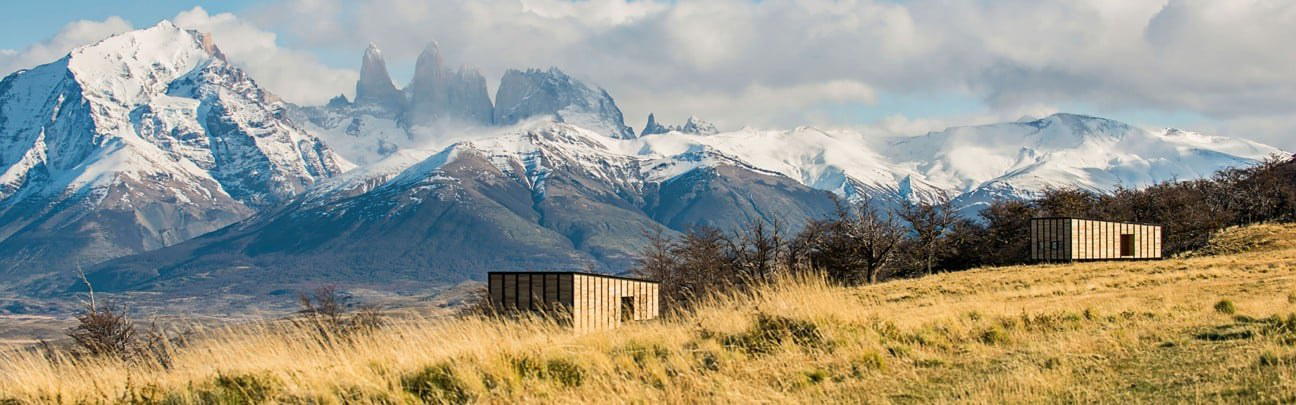
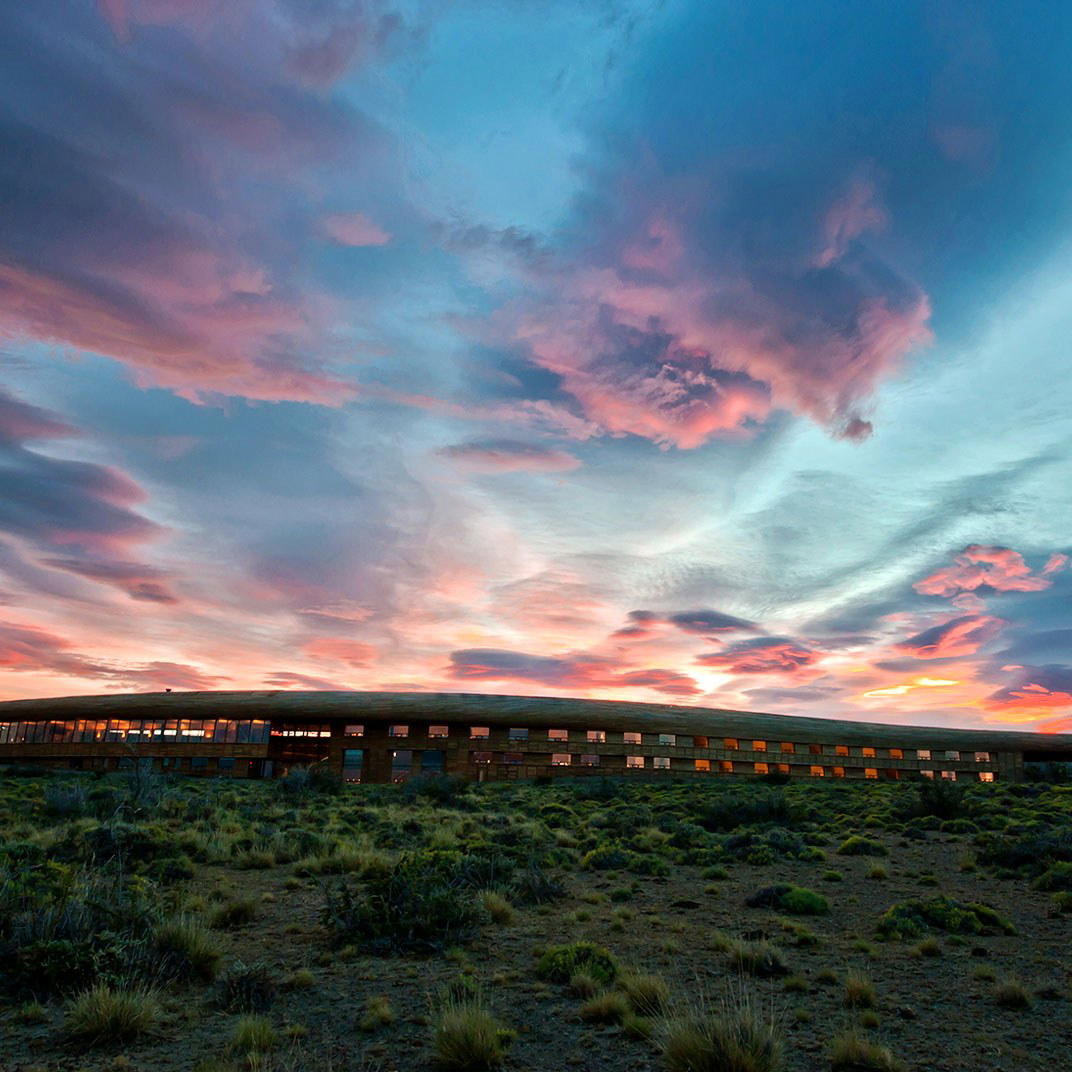
Approaching dinner in Torres del Paine is not a city ritual transplanted into the wilderness. The scale is different: wind across open landscapes, mountain views in the distance, long southern light, and a sense that the kitchen has to answer to geography before fashion. Awasi Patagonia Restaurant sits inside that lodge-dining category, where the meal is tied to the same terrain guests spend the day crossing. In this part of Patagonia, the serious question is not whether a restaurant can perform refinement, but whether it can make refinement feel connected to place without turning the region into a decorative theme.
The answer here begins with context. The restaurant’s appeal is rooted in a dining style that feels responsive to Torres del Paine rather than imported wholesale from an urban hotel playbook. That matters because Torres del Paine is not a market city with endless suppliers around the corner. Food service here is shaped by distance, weather and season; the kitchen’s discipline is measured by how well it can make the experience feel coherent in a remote setting. The point is not a single named dish or a fixed culinary label, but a meal that belongs to the landscape around it.
Patagonian sourcing, not imported resort cooking
Luxury lodge restaurants in remote destinations often split into two camps. One imports a global hotel vocabulary and treats the surrounding region as scenery; the other builds a menu around what the place can credibly sustain. Awasi Patagonia Restaurant belongs to the second camp. Its Patagonian lodge-dining identity positions the meal closer to the lodge tradition than to a standalone urban tasting-menu model.
That distinction is useful when comparing dining across Chile. Metropolitan restaurants operate in a different restaurant economy, with urban access to suppliers, staff and repeat local diners. City tables can make local character part of a more metropolitan conversation. In Torres del Paine, the equation changes. The meal has to function after a day outdoors, in a place where appetite, weather and remoteness are part of the format.
This is why the broader ingredient brief carries more weight than a named signature dish would. The restaurant is best understood through regionality, seasonality and restraint rather than through a narrow cuisine tag or a chef-driven headline. The cooking may be refined, but the stronger editorial point is coherence: in Patagonia, the setting earns attention before technique does.
Where lodge dining becomes part of the Torres del Paine itinerary
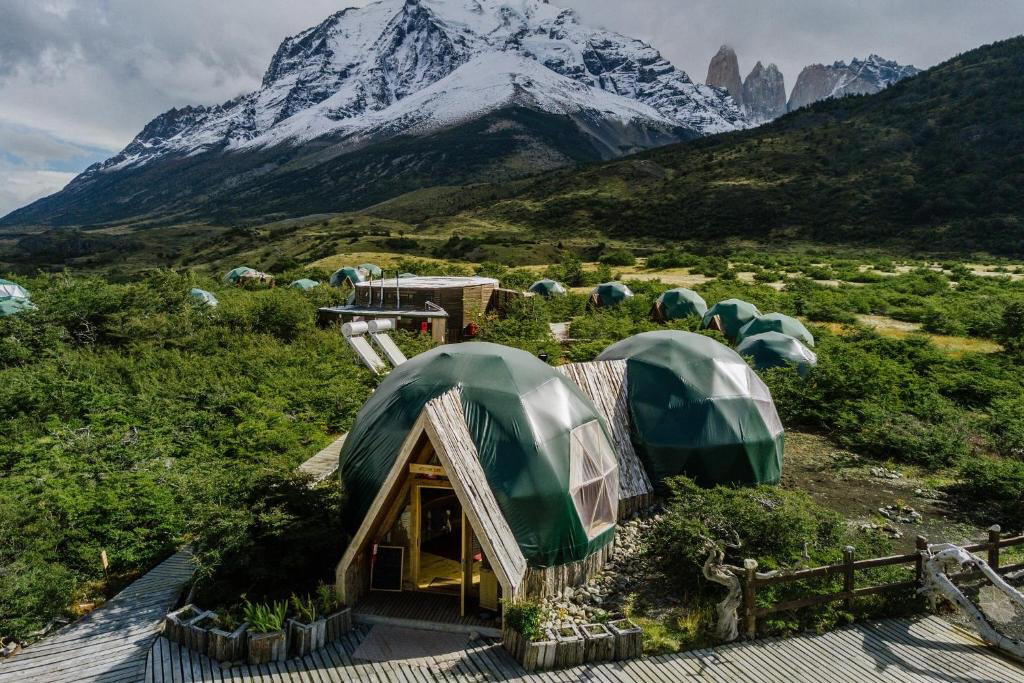
Torres del Paine dining is shaped by geography as much as by cuisine. Restaurants here are often attached to lodges, camps or expedition properties, so the meal forms part of a wider travel rhythm rather than a stand-alone night out. That makes Awasi Patagonia Restaurant closer in spirit to lodge-based properties such as Awasi Patagonia than to an independent restaurant district. Nearby comparison points include Community Domes Dining Area, where the format also reflects the park’s lodging-led dining structure rather than a conventional urban restaurant circuit.
The broader regional set matters for planning. Other Chilean lodge-and-landscape dining rooms may share the travel-led format, but their ecosystems are different. Those contrasts sharpen what makes the Torres del Paine table specific: distance, seasonality, landscape and the practical realities of dining in a remote destination.
For travelers mapping meals across Chile, the contrast with casual urban formats is equally telling. City restaurants belong to a dining pattern built around repeat local traffic and neighborhood convenience. Even international-leaning urban addresses show how cuisine reads differently when supply chains, audience and context are metropolitan. Awasi Patagonia Restaurant should be judged by another standard: does the kitchen make the location legible as part of the meal?
How to place it within a Torres del Paine trip
The restaurant’s location in Torres del Paine signals a dining experience tied to lodge logistics and park movement rather than spontaneous city eating. Travelers should think of dinner here as part of the stay pattern around Torres del Paine, with timing shaped by excursions, weather and transfers. For broader planning, Our full Torres del Paine restaurants guide gives the dining context, while Our full Torres del Paine hotels guide explains how lodge choice affects the food experience.
The surrounding categories matter too. In remote Patagonia, bars, wineries and experiences do not behave like their city equivalents; they are often folded into hotels, camps and guided itineraries. Use Our full Torres del Paine bars guide, Our full Torres del Paine wineries guide and Our full Torres del Paine experiences guide as planning companions rather than as separate nightlife or cellar routes. The strongest case for Awasi Patagonia Restaurant is not novelty. It is coherence: a Patagonian lodge table that makes Torres del Paine part of the meal, without pretending the destination is a capital-city restaurant quarter.
Frequently asked questions
Would Awasi Patagonia Restaurant be comfortable with kids?
The setting in Torres del Paine is a lodge restaurant, so it is less formal than a city dining counter. For family-specific needs, confirm the current dining arrangements directly with the venue before booking.
What's the vibe at Awasi Patagonia Restaurant?
Expect a lodge dining room shaped by Torres del Paine rather than a stand-alone urban restaurant. The mood is grounded in place, with the meal forming part of the wider Patagonia travel rhythm.
Where exactly is Awasi Patagonia Restaurant?
Torres del Paine.
Is Awasi Patagonia Restaurant reservation-only?
The public record places Awasi Patagonia Restaurant in Torres del Paine, but it does not list a booking policy. As a lodge restaurant, service is tied to the property rather than a street-facing dining room. Check the venue's official channels for the latest details.
What's the signature at Awasi Patagonia Restaurant?
The clearest house style is its Patagonian lodge-dining context: a meal designed to feel connected to Torres del Paine rather than to a conventional urban restaurant circuit.
What if I have allergies at Awasi Patagonia Restaurant?
For allergies or dietary restrictions, raise the details when the dining arrangement is made. In a remote Torres del Paine lodge setting, advance communication is the safest way to confirm what the kitchen can accommodate.
At-a-Glance Comparison
Comparable venues by cuisine and price in the same metro.
| Venue | Cuisine | Price | Awards | Notes |
|---|---|---|---|---|
| Awasi Patagonia RestaurantThis venue — the venue you are viewing | Patagonian Fine Dining | Not listed | Relais Chateaux Award | Not listed |
| Community Domes Dining Area | Gourmet Patagonian-inspired set menus with strong vegetarian options | $50–100 | Not listed | Not listed |
| EOLO Restaurant | Bistro-style cuisine | Not listed | Not listed | Not listed |
| EOLO - Patagonia's Spirit | Patagonian Argentinian | Not listed | Not listed | Not listed |
| Awasi Patagonia | Refined Patagonian Fine Dining | Not listed | Relais Chateaux Award | Chilean Safari |
Recognition history
Dated appearances from independent guides and award organizations, with the underlying list record or original source where available.
Relais Chateaux Award
Relais Chateaux
Continue exploring
More in Torres del Paine
Restaurants in Torres del Paine
Browse all →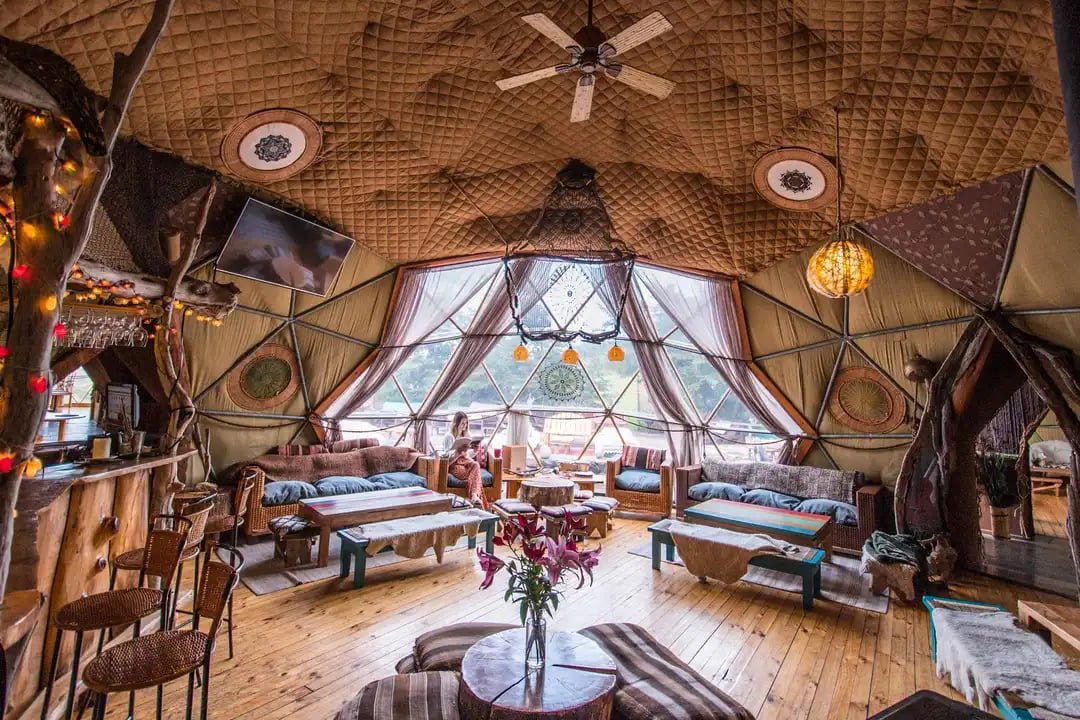
Awasi Patagonia Restaurant
The wine
- Wine program
- Curated wine list
- Extensive wine list
- Sommelier-led
Details
- Scenic
- Quiet
- Elegant
- Sophisticated
- Intimate
- Rustic
- Special Occasion
- Date Night
- Group Dining
- Hotel Restaurant
- Design Destination
- Sommelier Led
- Extensive Wine List
- Local Sourcing
- Sustainable Seafood
- Mountain
- Set Menu
- A La Carte
- Chilean Wines
- Regional Pairings
- Vegetarian Friendly
- Gluten Free Options
- Allergy Accommodating
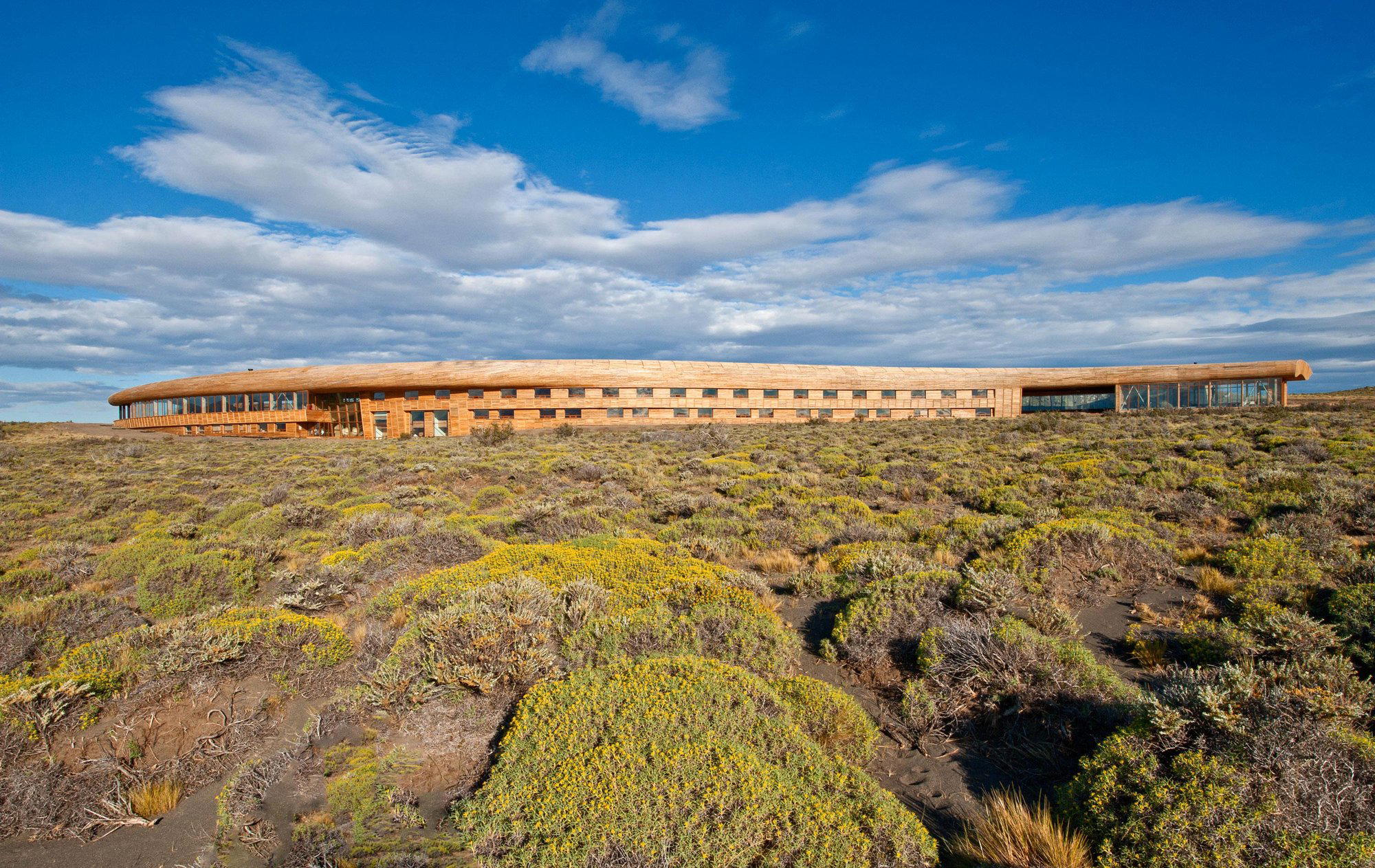
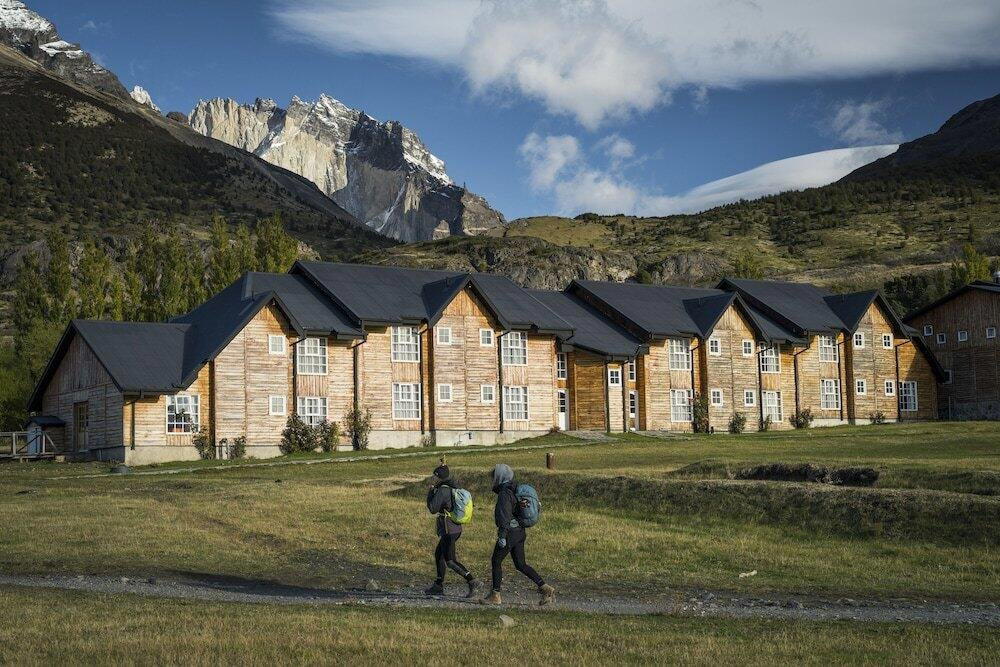
Warm, refined, and lodge-like, with wood-paneled interiors and a quiet, polished atmosphere that emphasizes the surrounding Patagonia landscape.