Community Domes Dining Area
Community Domes Dining Area belongs to the practical, weather-aware side of eating in Torres del Paine, where the room matters because the park dictates the day. The appeal is less about formal restaurant theatre than about gathering after long Patagonian hours, with food framed by proximity to estancia country, mountain weather, and the logistics of remote travel.
Pearl is the En Primeur Club membership app — saves, bookings, and concierge access live there. Same editors, same standards.
- Address
- Estancia Cerro Paine, Torres del Paine, Magallanes y la Antártica Chilena, Chile (Community Domes)
- Directions
- Get directions
 Saves & bookings on Pearl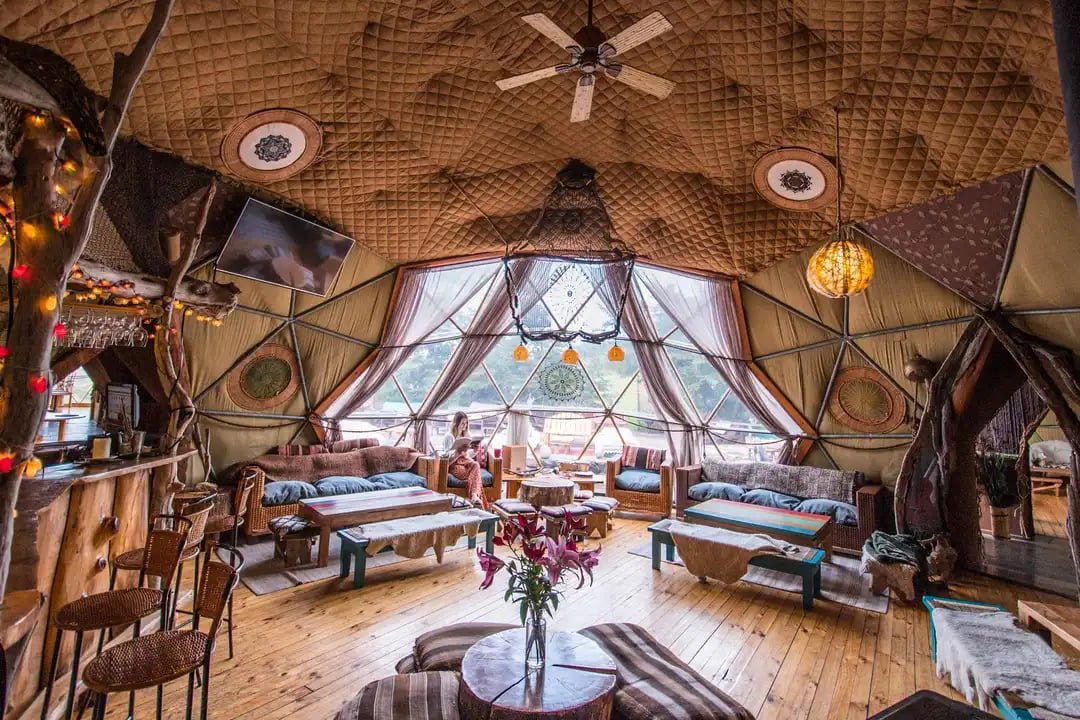
Approaching the Community Domes Dining Area means entering the social end of a Patagonian camp rather than a conventional restaurant room. In Torres del Paine, dinner rarely arrives as an isolated event; it follows wind, trail dust, changing light on the Paine massif, and the shared fatigue of people who have spent the day outside. That setting changes the terms of judgment. Formal plating matters less than timing, warmth, and whether the kitchen reads the landscape around it.
Patagonian dining is shaped by distance, weather, and estancia country
Remote dining in this part of Chile has a different grammar from Santiago or Valparaíso. Supply chains are longer, weather can interrupt schedules, and the surrounding estancia tradition gives meat, fire, and simple provisioning more cultural weight than imported luxury cues. The stronger kitchens in the region understand that Patagonia is not a backdrop for generic international cooking; it is a place where sourcing, restraint, and logistics become part of the meal.
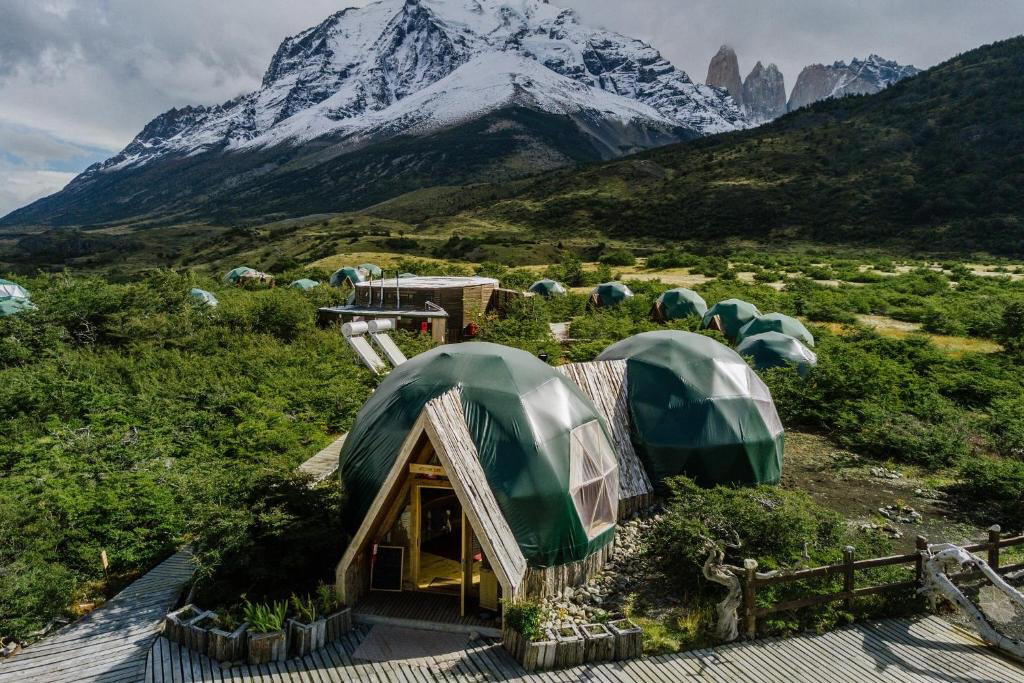
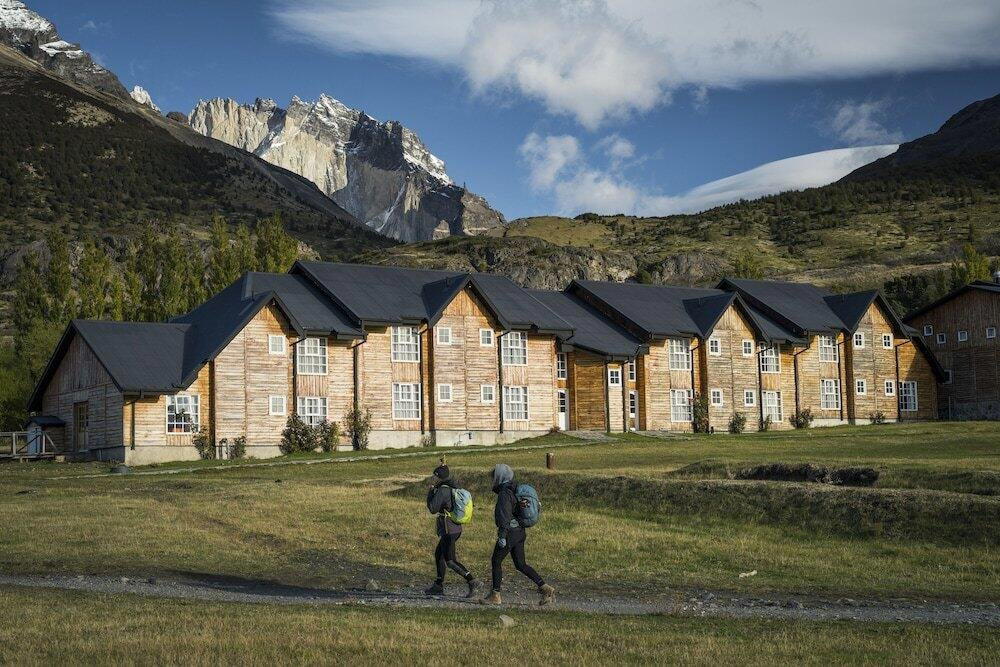
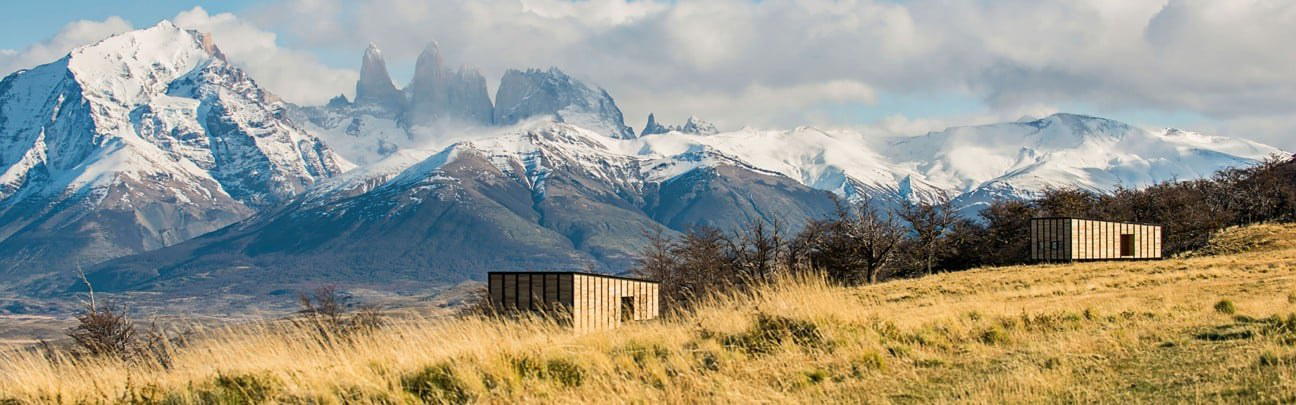
Community Domes Dining Area sits inside that context. The address places it at Estancia Cerro Paine, within the Torres del Paine area, so the food experience is tied to a camp-based rhythm rather than a walk-in urban dining circuit. That matters for expectations: meals here belong to an itinerary built around daylight, trail conditions, and the shared schedule of travelers moving through the park. In a region where the restaurant category often overlaps with lodges, camps, and expedition properties, the dining room functions as both refuelling point and communal room.
Ingredient sourcing is the more interesting lens than menu taxonomy. Southern Chilean cooking in this latitude is defined by what can travel, what can be held, and what makes sense after exposure to cold and wind. Lamb, beef, potatoes, grains, preserved goods, and warming preparations have long made more sense here than fragile urban fashions. When a Patagonian dining room works, it does not need to imitate a capital-city tasting menu; it needs to make regional constraint feel intentional.
The room belongs to the camp format, not the destination-restaurant circuit
Torres del Paine has a small but varied hospitality ecosystem. At the higher-touch end, properties such as Awasi Patagonia Restaurant and Awasi Patagonia (Chilean Safari) frame dining through lodge-level service and guided wilderness travel. Community Domes Dining Area belongs to a more communal register, where the value is in the collective pause between excursions rather than the choreography of a standalone fine-dining service.
That distinction is useful because Patagonia attracts travelers who can mistake remoteness for luxury by default. A camp dining room should be assessed on different terms: Does it support early starts and tired returns? Does it feel connected to the surrounding country? Does the format make sense for a place where weather can dominate the day? The Community Domes setting points toward that practical, group-oriented tradition. The name itself signals the priority: a dining area attached to a dome-based stay, with atmosphere drawn from proximity, shelter, and shared movement through the park.
There are no public awards attached to the venue, which is not a flaw in this category. In Torres del Paine, recognition often sits with full-service lodges or destination properties, while camp dining succeeds or fails through operational discipline. The meaningful comparison is not a tasting-menu restaurant in a major city but the small field of Patagonian hospitality rooms that feed travelers under remote conditions.
How to place it within a Chilean food itinerary
For travelers building a wider Chilean route, this is the Patagonian counterpoint to urban and coastal dining. Santiago addresses such as 99 Restaurante in Santiago, 400 Pizzería in Providencia, and Aquí está Coco Restaurante in Vitacura reflect metropolitan scale and neighborhood demand. Coastal and regional rooms such as Alegre in Valparaiso, Aquí Jaime in Concon, Amares Bistro in Antofagasta, and AWA Restaurant in Puerto Varas tell other stories about Chilean produce, seafood, and regional identity. Patagonia is different: fewer spontaneous choices, greater dependence on lodging formats, and a stronger link between meal structure and the day’s physical demands.
That makes planning more important than appetite alone. Use our full Torres del Paine restaurants guide to understand the local dining field, then cross-check the wider trip through our full Torres del Paine hotels guide, our full Torres del Paine bars guide, our full Torres del Paine wineries guide, and our full Torres del Paine experiences guide. For a broader Chilean and travel-food map, compare the Patagonian model with Alto Las Leñas Restaurant in Cachapoal, andBeyond Vira Vira in Araucanía, and even out-of-country casual specialists such as Jōdo Saké Bar in Los Angeles and Onigiri Time in Pasadena, where urban convenience creates a completely different dining logic.
The editorial read is clear: the restaurant is for travelers who want their meals integrated into the Patagonian day rather than separated from it. Come expecting a camp-based social room shaped by weather, distance, and estancia surroundings, not a city restaurant transplanted into the park.
A Quick Peer Check
Comparable venues by cuisine and price in the same metro.
| Venue | Cuisine | Price |
|---|---|---|
| Community Domes Dining Area | This venue | Not listed |
| EOLO Restaurant | Bistro-style cuisine | Bistro-style cuisine |
| EOLO - Patagonia's Spirit | Patagonian Argentinian | Patagonian Argentinian |
| Awasi Patagonia | Chilean Safari | Chilean Safari |
Continue exploring
More in Torres del Paine
Restaurants in Torres del Paine
Browse all →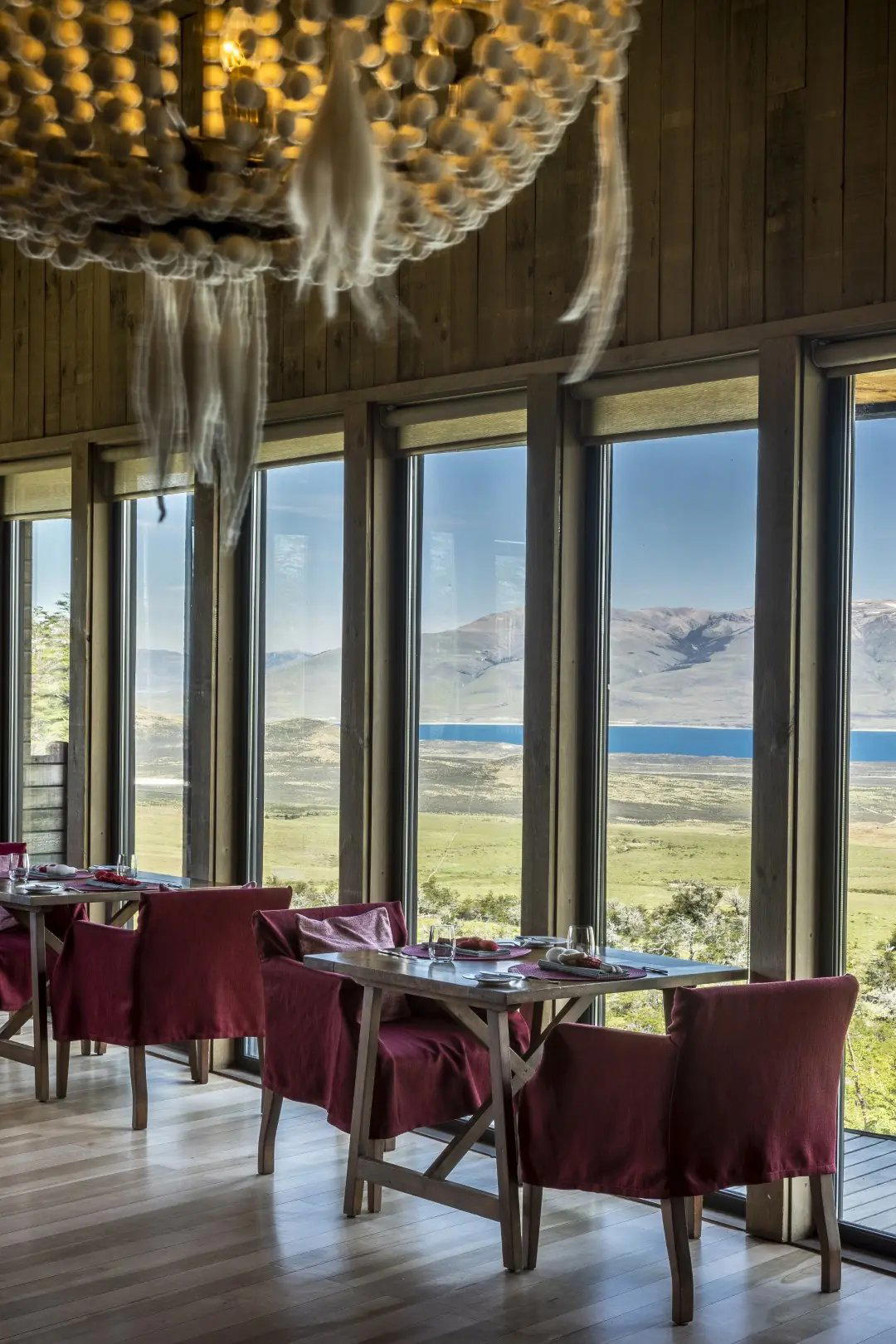
At a Glance
- Scenic
- Cozy
- Rustic
- Well Known
- Lively
- Intimate
- Group Dining
- Family
- Celebration
- Solo
- Panoramic View
- Design Destination
- Hotel Restaurant
- Craft Cocktails
- Beer Program
- Farm To Table
- Local Sourcing
- Sustainable Seafood
- Zero Waste
- Mountain
Warm, communal, and expedition-like, with shared tables in cozy geodesic domes that encourage socializing over gourmet meals after a day of trekking, set against dramatic Patagonian mountain scenery.