La Medusa Dimora di Charme


Michelin Selected · Small Luxury Hotels of the World Member
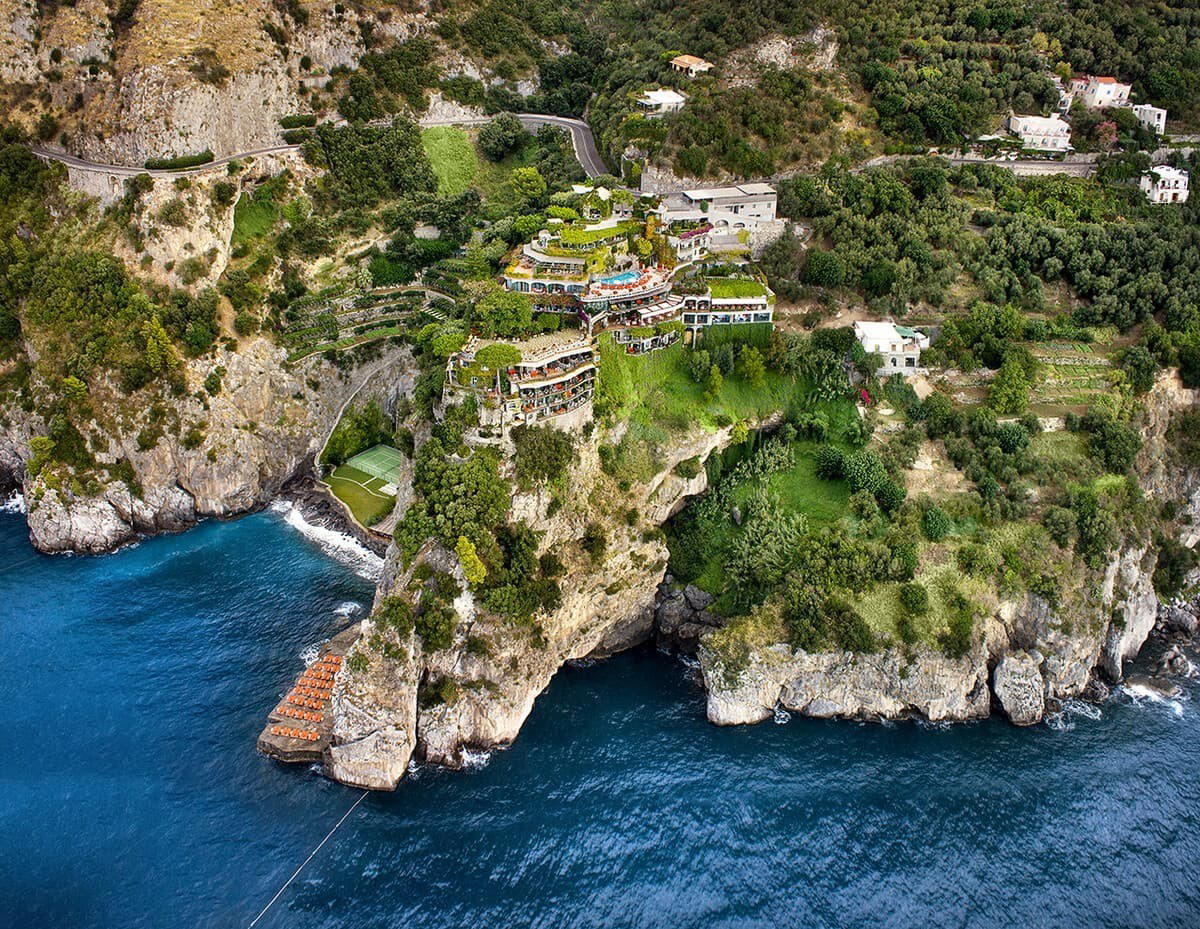
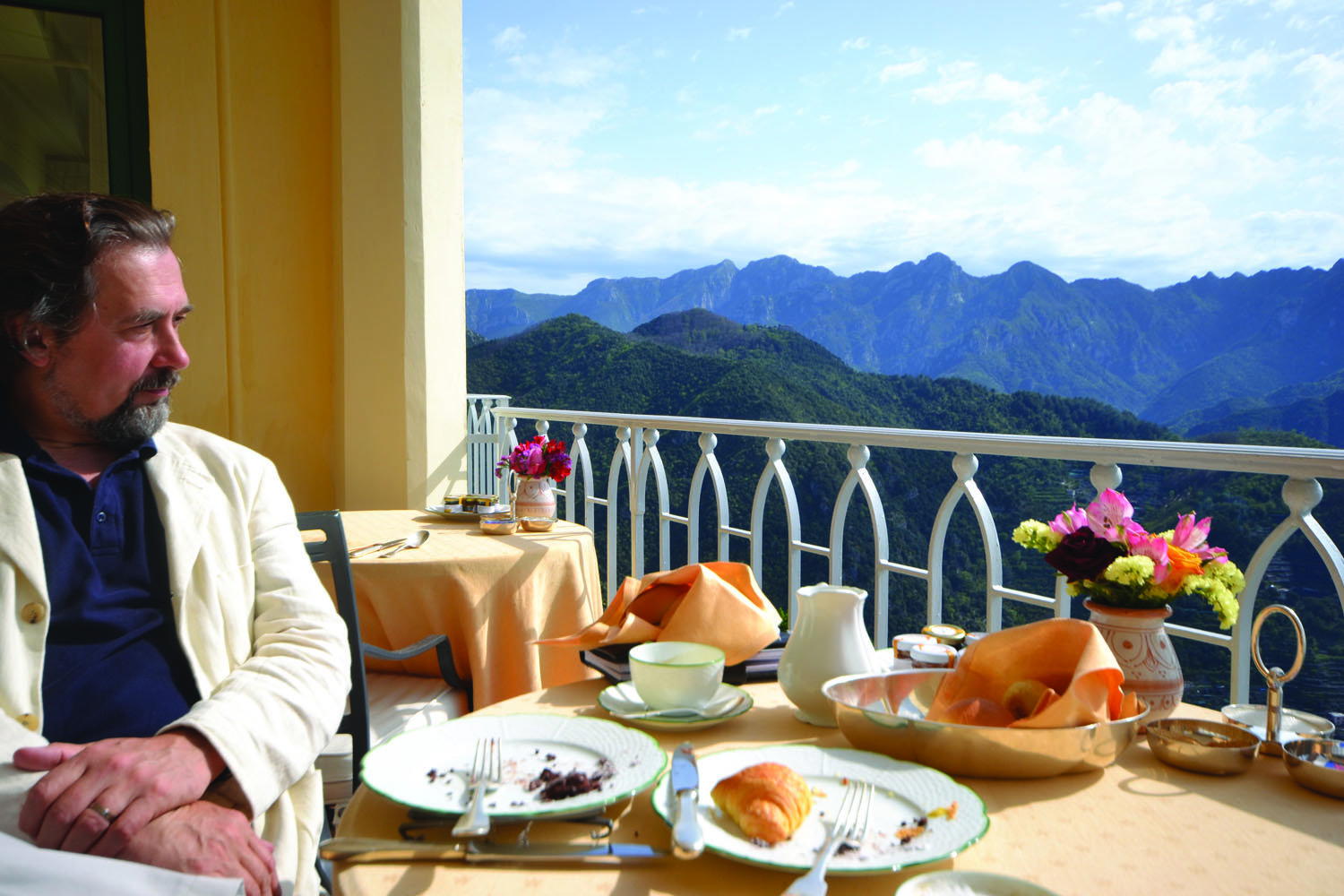
La Medusa Dimora di Charme occupies a position few properties in the Bay of Naples can match: a historic villa set within extensive grounds on the archaeological promenade of Castellammare di Stabia, with unobstructed sightlines across the Sorrento coast toward Mount Vesuvius. The property belongs to a small category of Campanian hotels where the physical setting and architectural heritage do most of the heavy lifting.

Pearl is the En Primeur Club membership app — saves, bookings, and concierge access live there. Same editors, same standards.
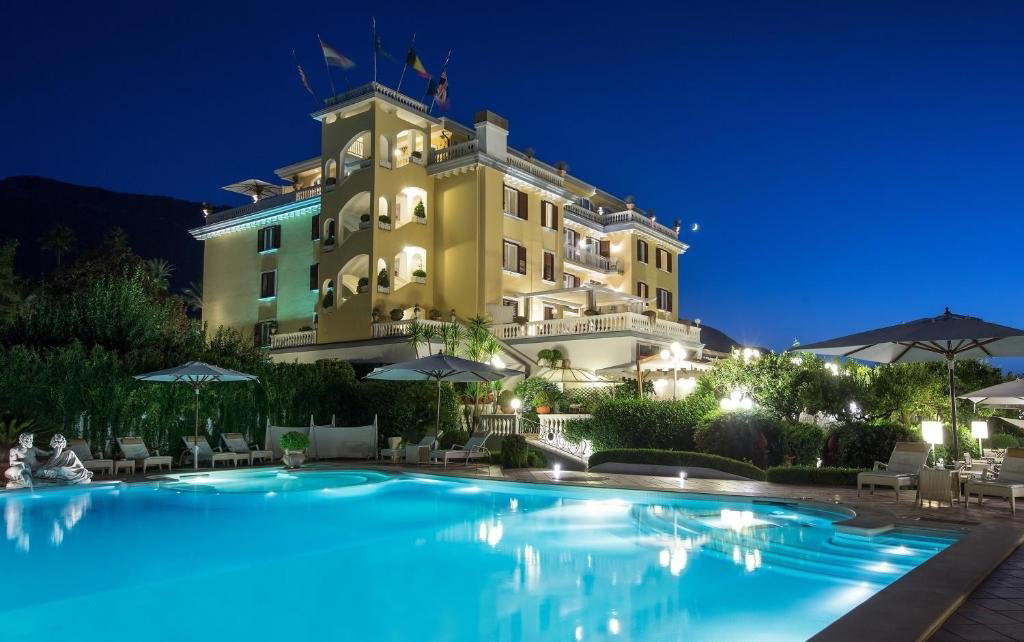
Where the Bay of Naples Frames Every Room
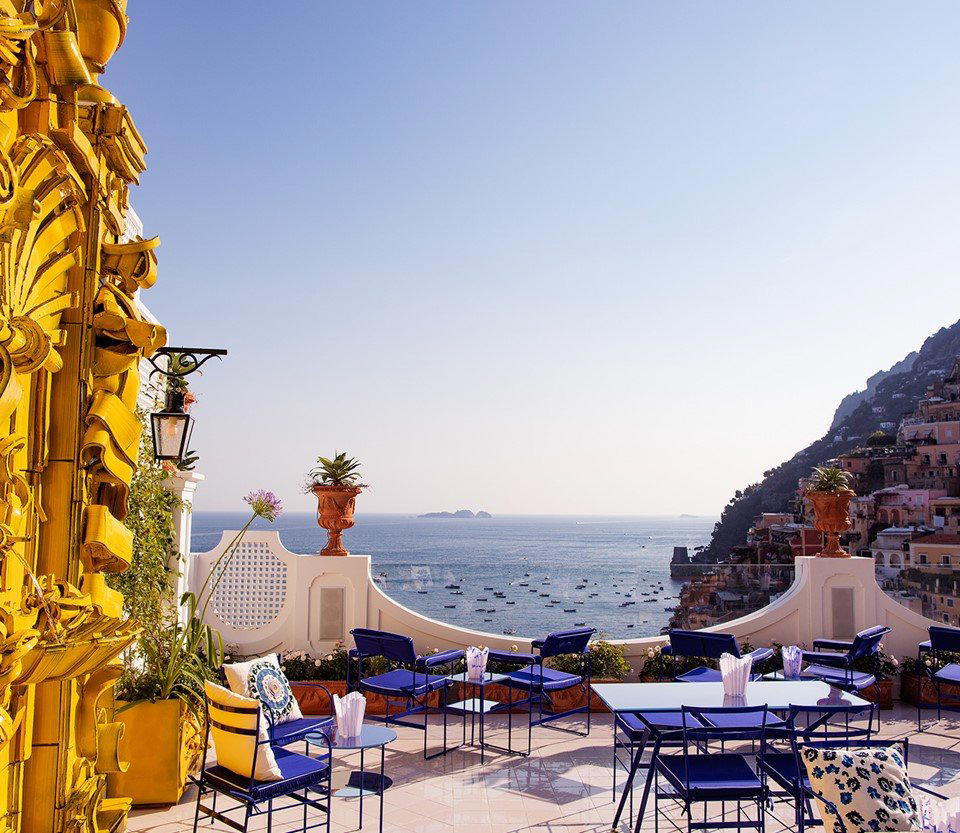
The stretch of coastline between Castellammare di Stabia and Sorrento has been drawing visitors since the Romans built their imperial villas here, and the logic of that gravitational pull has not changed. The view from this part of the bay is one of the most compositionally complete in southern Italy: the Sorrento peninsula curves westward, the water shifts between deep blue and green depending on the hour, and Mount Vesuvius holds its position on the northern horizon with an authority that no photograph fully conveys. Properties that sit inside this panorama occupy a different category from those that merely reference it in their marketing copy.
La Medusa Dimora di Charme, positioned on the Passeggiata Archeologica in Castellammare di Stabia, belongs to the former category. The address alone signals the architectural and historical weight of the location: the passeggiata runs adjacent to ancient Roman sites, placing the property in direct conversation with the layered past of a town that was buried alongside Pompeii and Herculaneum in 79 AD and has been excavated, studied, and gradually rediscovered ever since. For a certain kind of traveller, that proximity to documented history is not incidental — it is the reason to come.
The Architecture of a Campanian Villa Hotel
Southern Italy has developed a recognisable typology for this kind of property: the historic villa or palazzo converted into a small hotel, surrounded by gardens or grounds that act as a buffer between the guest and the surrounding town. The design logic is consistent across the leading examples of the form. Thick walls, high ceilings, and deep-set windows manage the summer heat without the aggressive intervention of mechanical cooling. Terraces and loggias function as extensions of interior rooms. The garden is not decorative but structural, providing shade, orientation, and the sensory transition between private and public space.
La Medusa operates within this tradition. Set within what the property describes as acres of greenery on the foothills of Mount Faito, it occupies the kind of site that became increasingly rare in Campania as coastal development accelerated through the latter half of the twentieth century. Properties with genuine grounds in this part of the bay — as opposed to a terrace and a container of bougainvillea, represent a meaningfully smaller inventory. The comparison set here is not the large international hotel chains that dominate Naples itself, but smaller design-led properties of the kind found elsewhere on the peninsula: Borgo Santandrea in Amalfi Coast and Il San Pietro di Positano in Positano belong to a similar category of site-specific Campanian hospitality, where the physical conditions of the location shape the guest experience more directly than brand standards or group affiliation.
The foothills of Mount Faito provide both elevation and enclosure. Faito is the mountain that rises sharply behind Castellammare, reaching over 1,100 metres and covered in beech and oak forest that remains cool even in August. Properties on its lower slopes benefit from air movement and shade that the seafront does not always provide in high summer. The green mass of the mountain also creates a visual backdrop that shifts the character of the bay view: rather than an unbroken seascape, the perspective here is framed and layered, with vegetation in the foreground and sea and volcano in the distance.
Castellammare di Stabia as a Base
Castellammare di Stabia sits in a position that is logistically useful but frequently overlooked by travellers who route directly to Sorrento, Positano, or Capri. The town has its own Circumvesuviana station, placing it on the rail line that connects Naples with Sorrento, which means the main sites of the bay, Pompeii, Herculaneum, the Sorrento centre, are reachable without a car. The ferry connections to Capri operate from the port, giving the town a utility that its relatively modest profile in the luxury travel circuit does not fully reflect.
The archaeological dimension of the address is substantive rather than cosmetic. The Villa di Arianna and Villa San Marco, two of the better-preserved Roman seaside villas in Campania, sit within the town, and the Antiquarium of Stabiae holds finds from the ancient city. This is not the kind of heritage context that requires effort to access, it is walkable from the Passeggiata Archeologica address of La Medusa itself. For travellers who want to use the Campanian coast as a base for genuine engagement with the region's ancient history, rather than simply as a backdrop, Castellammare offers more than Positano or Ravello at a fraction of the ambient noise.
The Sorrento coast's premium accommodation has historically concentrated on Sorrento town itself and the Amalfi side of the peninsula. Properties like Bellevue Syrene 1820 in Sorrento represent the established luxury tier in that market. Castellammare operates in a different register: less internationally marketed, more dependent on the intrinsic quality of the site, and priced in a way that reflects its position outside the headline destinations. Whether that positioning represents an opportunity or a limitation depends on what a traveller is looking for. For those who find the high season performance of Positano or Capri exhausting, it represents an alternative that the market has not fully absorbed.
Elsewhere in Italy's premium villa-hotel category, the same site-specificity logic applies. Castello di Reschio in Lisciano Niccone, Casa Maria Luigia in Modena, and Passalacqua in Moltrasio are all properties where the architectural and landscape conditions precede and exceed whatever the hospitality programme delivers. La Medusa belongs to that conversation, even if it operates on a quieter frequency than those more internationally visible addresses. For a broader view of what this part of Campania offers across dining and accommodation, see our full Castellammare di Stabia restaurants guide.
Planning a Stay
The Passeggiata Archeologica address places the property within walking distance of the town centre and the port, with the Circumvesuviana station accessible on foot or by short taxi. High season on the Bay of Naples runs from June through August, when the combination of heat, ferry traffic, and Italian and international tourism pushes the entire coast toward capacity. The foothills position and the garden grounds of a property like La Medusa offer some mitigation of that pressure, making May, September, and early October worth considering for travellers who want the light and temperature of the south without the logistical friction of peak summer. Specific pricing, room configuration, and booking availability are best confirmed directly with the property.
Comparison Snapshot
Comparable venues nearby, for context on price, style, and recognition.
| Venue | Cuisine | Price | Awards | Notes |
|---|---|---|---|---|
| La Medusa Dimora di CharmeThis venue — the venue you are viewing | 19th-century historic villa with luxurious interiors | Not listed | Michelin Selected · Small Luxury Hotels of the World Member | Not listed |
| Italian Style Villas | Historic 18th-century noble villa blending timeless elegance with modern comforts. | Not listed | Virtuoso Luxury Hotel Partner | Capodimonte |
| Hotel Lamm | Historic alpine design hotel with casual luxury | $300–500 | Michelin Selected | Castelrotto |
| Splendid Venice - Starhotels Collezione | Historic Venetian palace with modern updates | $300–500 | Michelin Selected | San Marco |
| Aquapetra Resort & Spa | Tuscan-style boutique resort in a historic hamlet setting | $200–300 | Michelin Selected | Telese Terme |
| Villa d'Amelia | Restored 19th-century farmhouse blending classic architecture with contemporary design | $200–300 | Michelin Selected · Small Luxury Hotels of the World Member | Benevello |
Recognition history
Dated appearances from independent guides and award organizations, with the underlying list record or original source where available.
Michelin Selected
Michelin
Small Luxury Hotels of the World Member
Small Luxury Hotels of the World
Continue exploring
More in Castellammare di Stabia
Hotels in Castellammare di Stabia
All hotels in Castellammare di Stabia →
Bars in Castellammare di Stabia
Browse all →


Details
- Romantic
- Elegant
- Scenic
- Intimate
- Sophisticated
- Romantic Getaway
- Honeymoon
- Anniversary
- Wellness Retreat
- Panoramic View
- Garden
- Terrace
- Wi Fi
- Pool
- Spa
- Fitness Center
- Room Service
- Concierge
- Restaurant
- Bar
- Sauna
- Hot Tub
- Garden
- Mountain
- Wheelchair Accessible
- Elevator
- Step Free Entrance
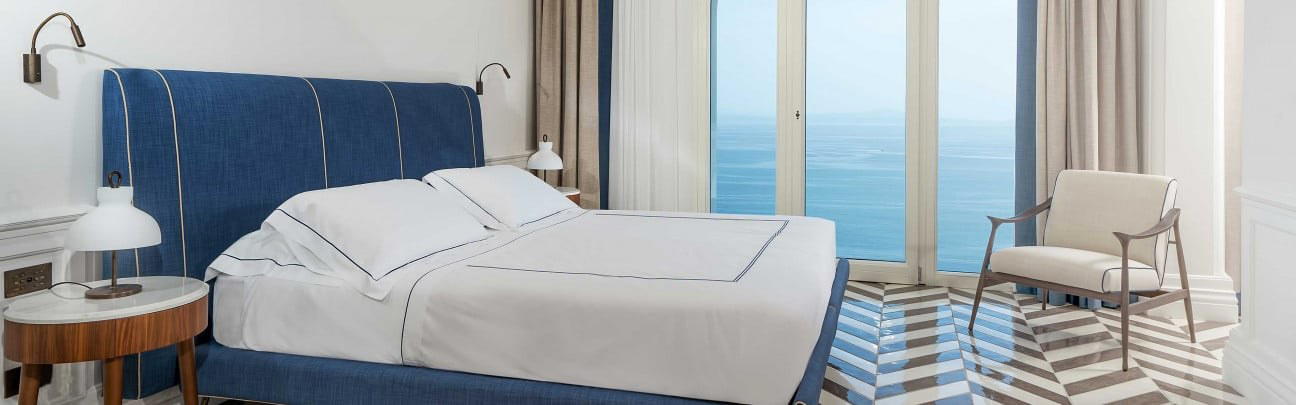
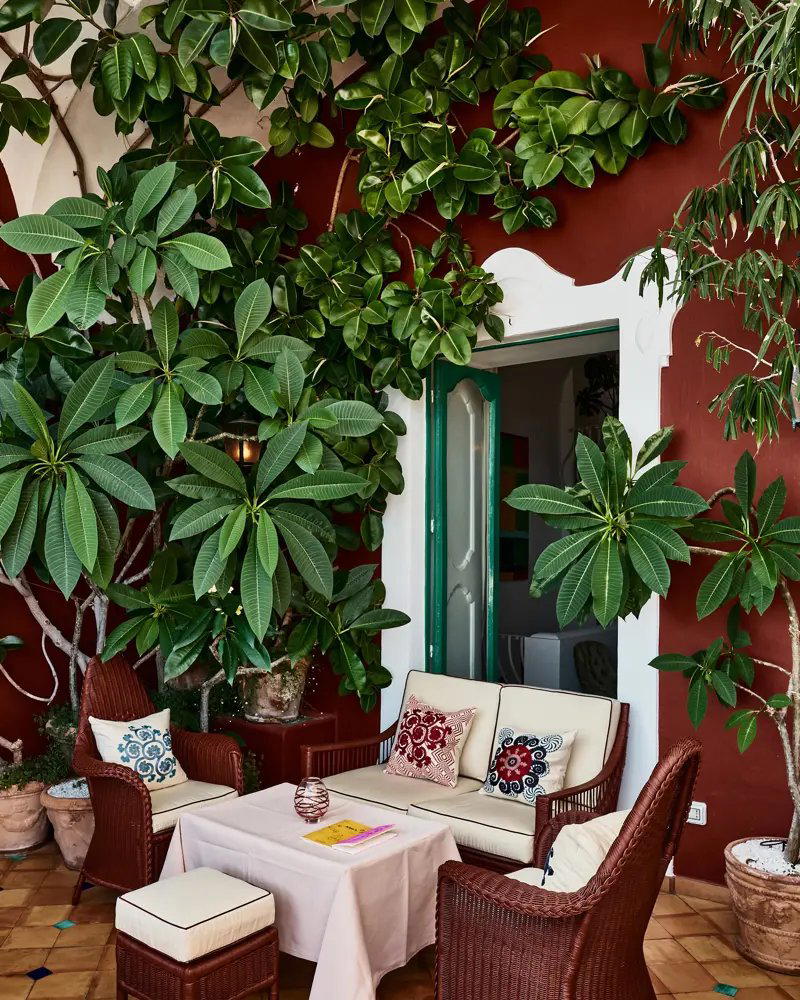
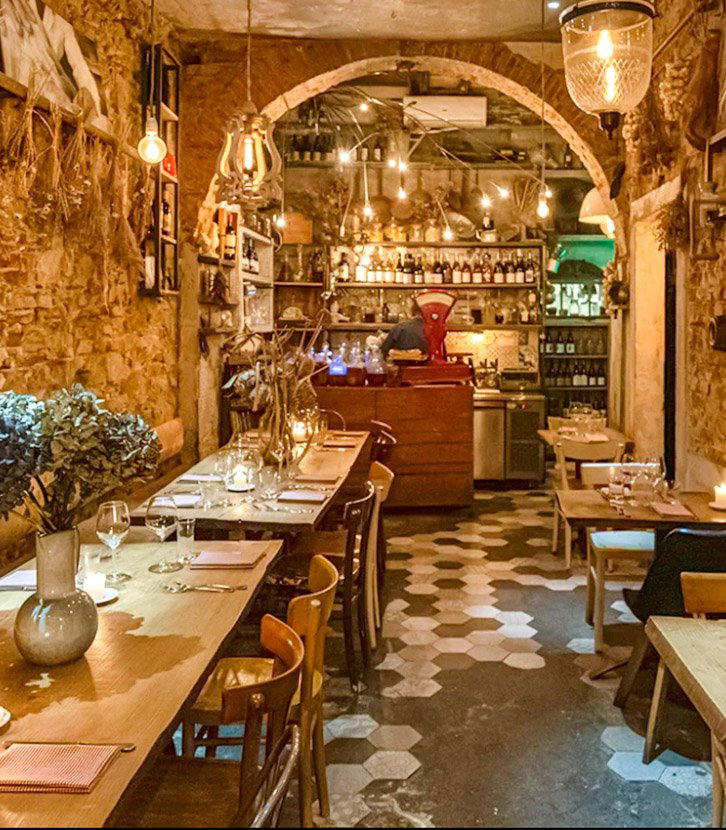
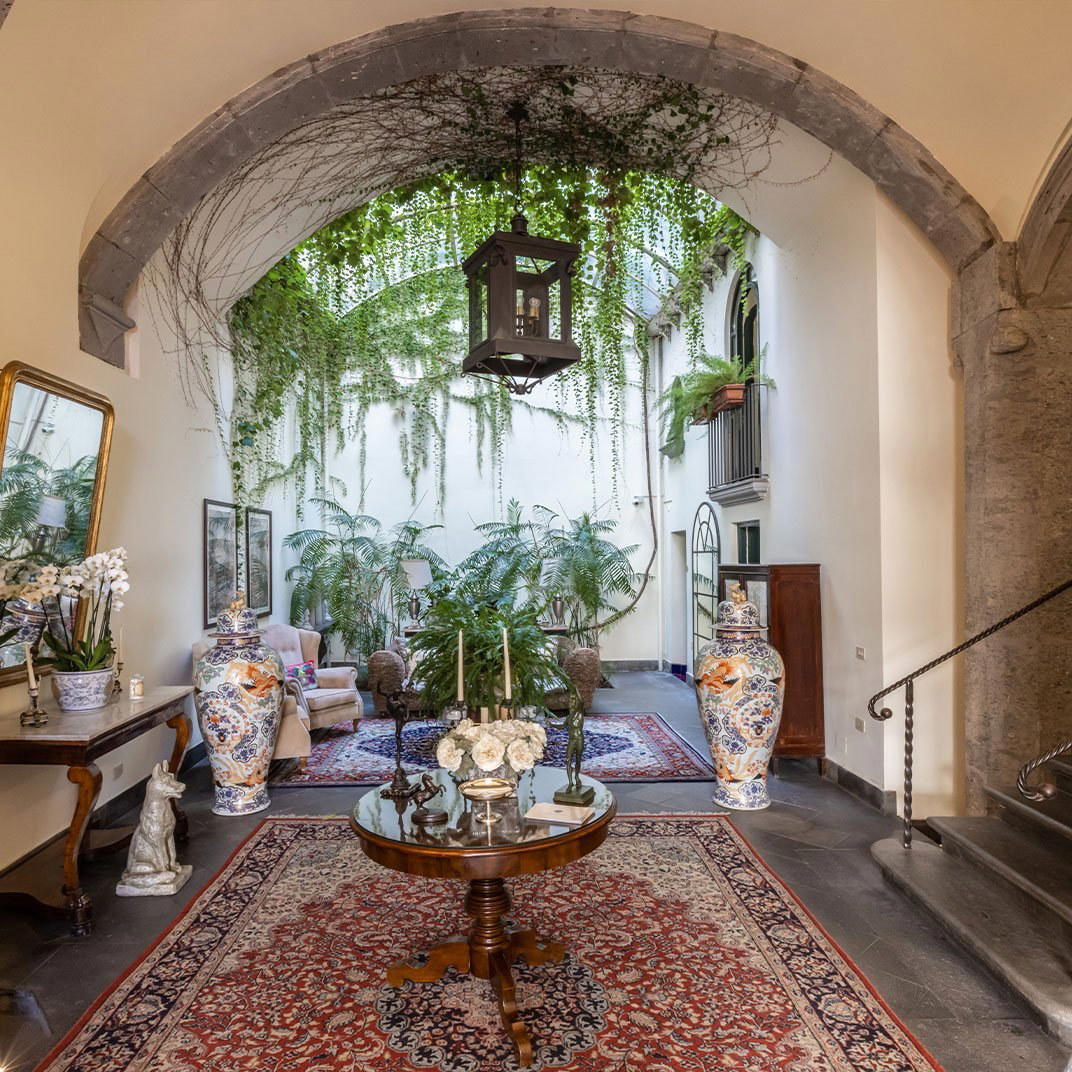
Elegant period interiors with Liberty Style glass windows opening to a lush garden, creating a tranquil and sophisticated atmosphere.