Jumeirah Zabeel Saray


Michelin Selected · World Travel Awards
Named the UAE's Leading Luxury Resort at the 2025 World Travel Awards, Jumeirah Zabeel Saray occupies a commanding position on the western crescent of Palm Jumeirah. The property draws on Ottoman palace architecture to set a register that few Dubai addresses attempt at this scale. For travellers weighing the Palm's luxury tier, it represents one of the city's clearest architectural and experiential positions.

Pearl is the En Primeur Club membership app — saves, bookings, and concierge access live there. Same editors, same standards.
- Address
- Crescent Rd - The Palm Jumeirah - Dubai - United Arab Emirates
- Phone
- +971 4 453 0000
- Website
- jumeirah.com
- Directions
- Get directions
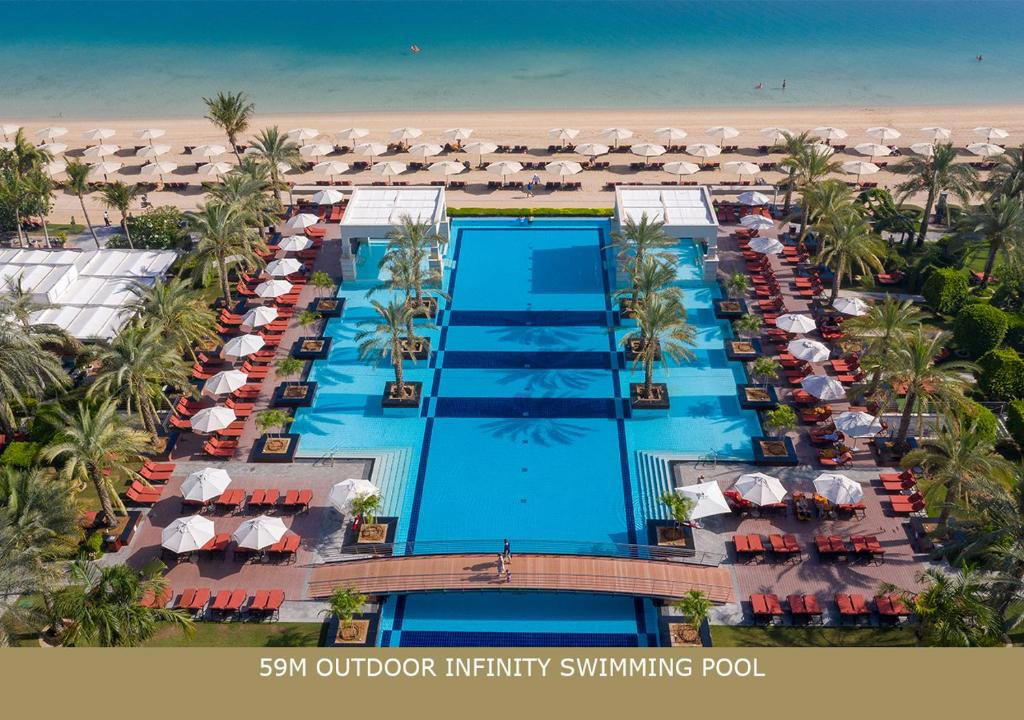
Ottoman Scale on the Western Crescent
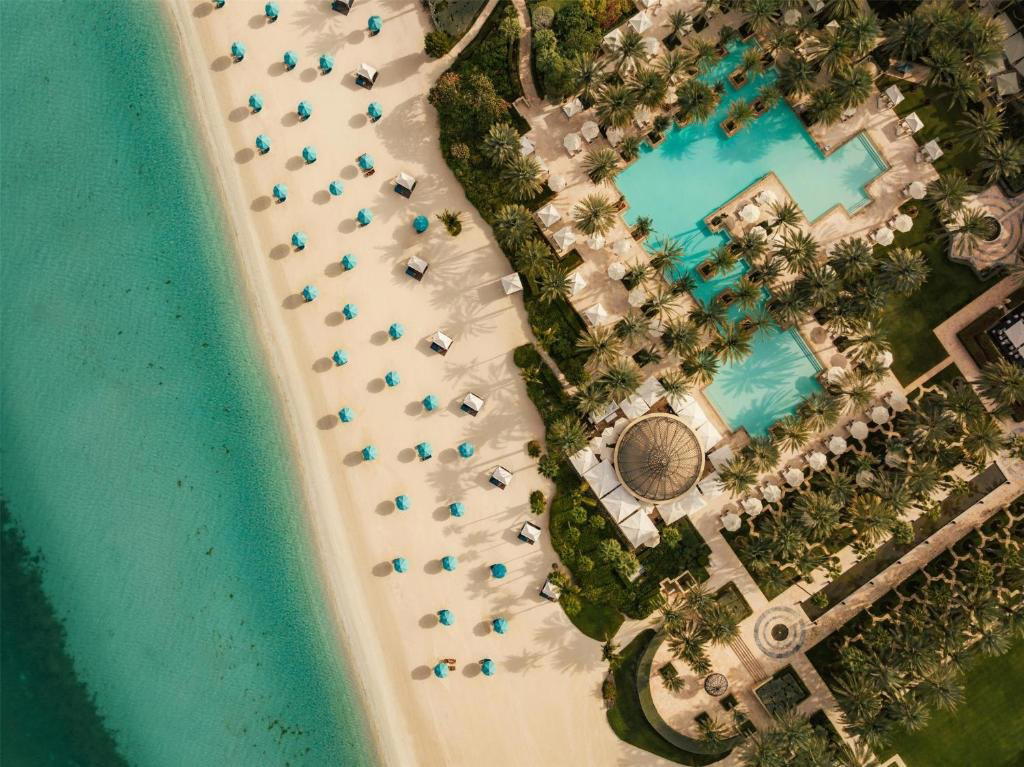
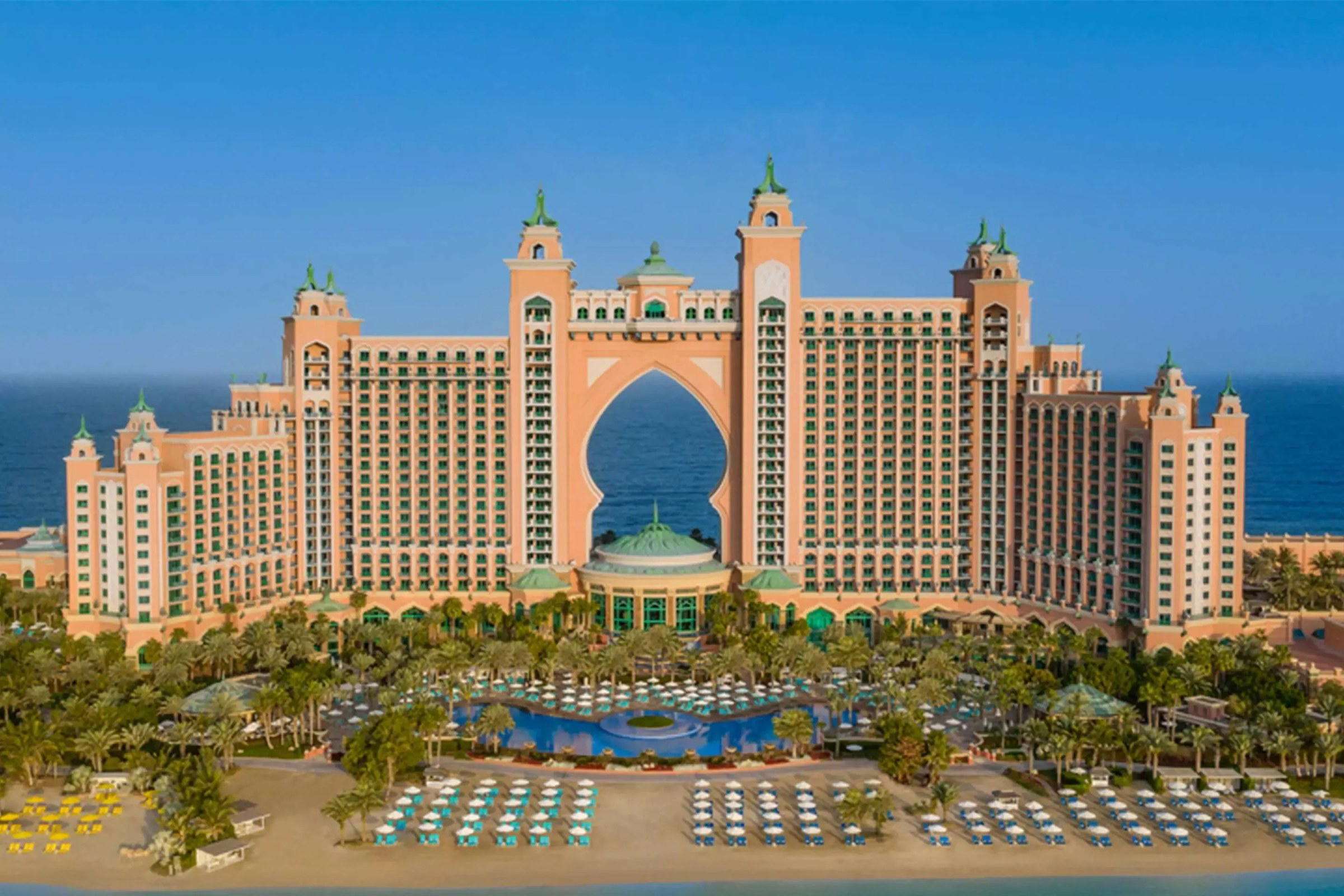
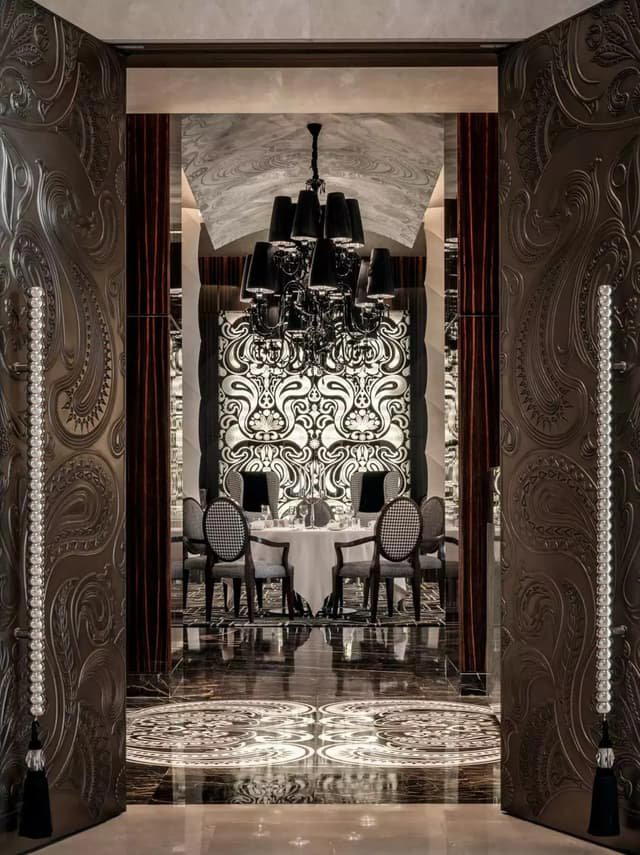
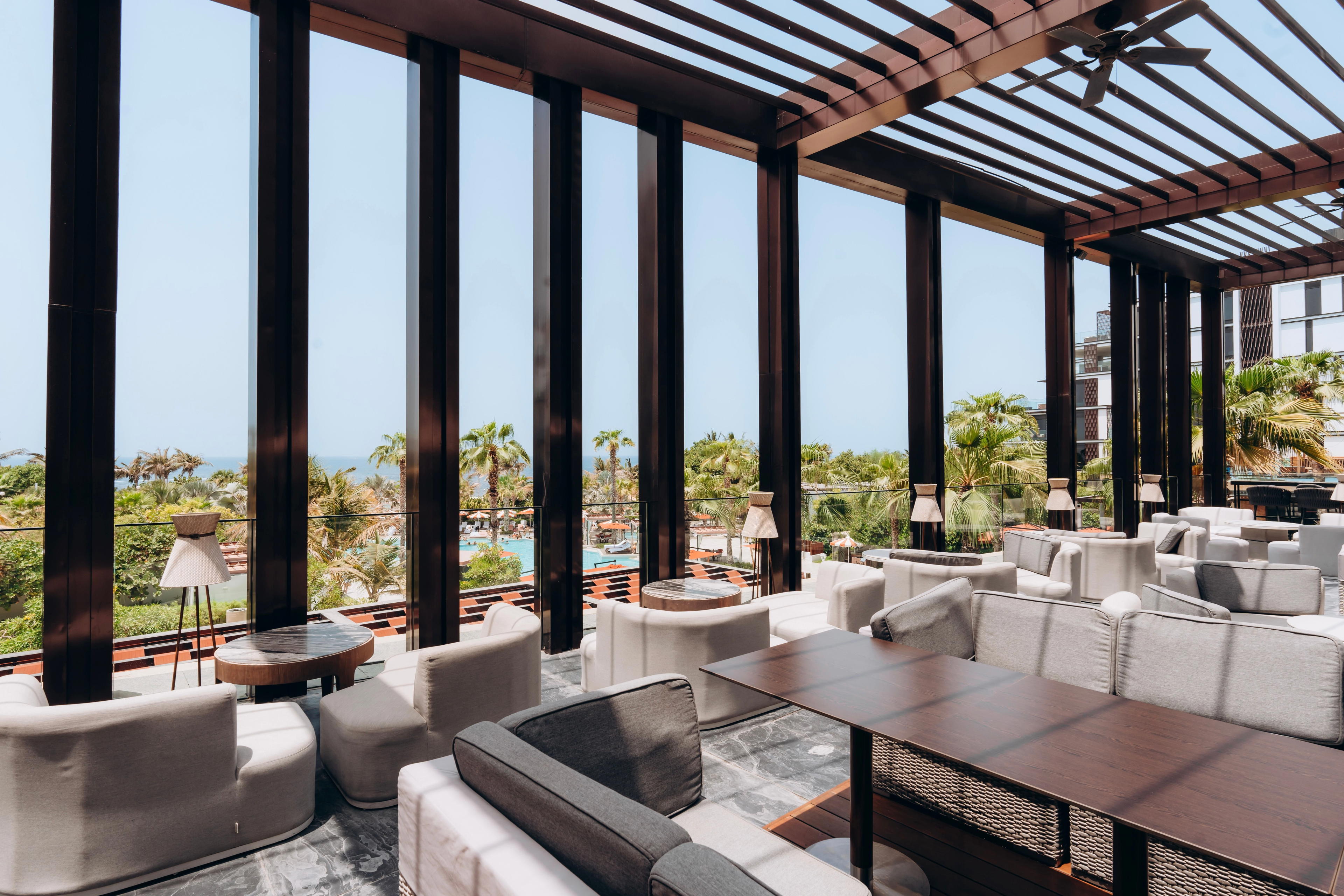
The western crescent of Palm Jumeirah has developed into a distinct sub-tier within Dubai's luxury resort market, separated from the busier trunk and frond addresses by a longer approach road and, consequently, a quieter orientation toward the Arabian Gulf. Jumeirah Zabeel Saray sits at this end of the crescent, and the physical impression on arrival is not subtle. The property commits to Ottoman palace references at a scale that goes well beyond decorative gesture: domed silhouettes, ornate tilework, and ceremonial entrance proportions that position the resort in a different architectural register from the glass-and-steel contemporaries that dominate much of Dubai's coastline.
That architectural choice carries editorial weight in the context of the Palm's current luxury tier. Properties such as Atlantis The Royal operate in the spectacle-and-scale lane, while newer addresses like The Lana push toward restrained contemporary luxury. Zabeel Saray occupies a third position: historicist grandeur translated into a resort format, which appeals to a specific traveller who finds modernist minimalism cold and pure spectacle exhausting. That position has been recognised externally: the 2025 World Travel Awards named the property the UAE's Leading Luxury Resort, placing it ahead of a competitive field that includes Palm neighbours and mainland five-star addresses alike.
Where the Palm's Luxury Tier Sits in Dubai's Wider Picture
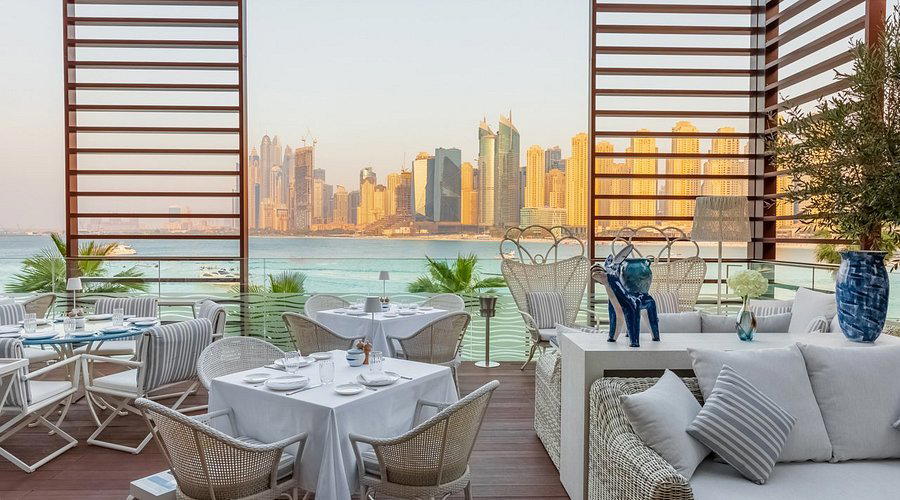
To understand Zabeel Saray's market position, it helps to map the broader geography of Dubai luxury accommodation. The Palm Jumeirah cluster competes with Jumeirah Beach Road properties, Downtown addresses near the Burj Khalifa corridor, and the newer Dubai Creek Harbour developments. Each zone has a distinct character. Address Beach Resort and Address Creek Harbour anchor the urban-lifestyle end of the spectrum, while Address Downtown and Address Dubai Mall serve the shopping-and-skyline crowd. The Palm's draw is different: it offers a peninsula setting where the Gulf is visible from multiple orientations, pool and beach access is generous, and the distance from Downtown creates a genuine resort separation rather than a hotel-with-a-pool arrangement.
What differentiates the properties is less about absolute amenity count and more about the specific register of the guest experience: Anantara tends toward spa-led wellness positioning, Fairmont toward contemporary beach resort execution, and Zabeel Saray toward a more theatrical, heritage-inflected formality. Travellers choosing between them are essentially choosing a tone rather than a category. For a different part of the Jumeirah portfolio, Jumeirah Marsa Al Arab represents the group's more contemporary design direction.
The Service Register: Front-of-House as Interpretive Layer
In a resort structured around historicist architecture, the front-of-house team carries a particular burden: they must make a formal, grand environment feel inhabited rather than theatrical. This is where the collaboration between the guest experience team and the operational structure of the property becomes legible. Ottoman-scale lobbies work against intimacy by design, so the mitigation depends almost entirely on how staff manage the transition from public ceremonial space to personalised service. At Zabeel Saray, the architectural formality is the setting; the service layer is the interpretation.
This dynamic is worth noting for travellers who find large-format luxury resorts impersonal. The guest experience in properties of this type is always a product of how well the operational team bridges physical grandeur and individual attention. The 2025 World Travel Awards recognition for Leading Luxury Resort suggests that the property has maintained that balance at a level that peers in the UAE have not surpassed this year, at least by that measure. Awards of this type are voted on by travel industry professionals and consumers, making them a reasonable proxy for sustained delivery rather than a single exceptional visit.
Beyond the Palm: The UAE's Wider Luxury Accommodation Context
Travellers using Zabeel Saray as a base sometimes extend into the wider UAE, and the regional options span a range of experiences that contrast sharply with Palm Jumeirah's urban resort format. For desert immersion, Anantara Qasr al Sarab Desert Resort in Liwa Desert occupies a category of its own, as does Arabian Nights Village Rd in Abu Dhabi for those seeking something closer to the capital. The northern emirates have developed their own luxury tier: Anantara Mina Ras Al Khaimah Resort and Fairmont Ajman both offer coastal alternatives with lower density than Dubai's Palm. For a genuinely remote experience, Desert Islands Resort and Spa by Anantara in Al Dhafra sits on a wildlife reserve off the Abu Dhabi coast.
Within Sharjah, Al Badayer Retreat by Sharjah Collection represents the cultural emirate's growing design-led hospitality ambition. Mountain seekers have Jebel Hafeet in Al Ain and Address Beach Resort Fujairah as east-coast alternatives to Gulf-facing properties.
For readers mapping Zabeel Saray against international luxury benchmarks, properties like Badrutt's Palace Hotel in St. Moritz or Cheval Blanc Paris operate in a comparable historicist-grandeur-meets-contemporary-service mode, suggesting that Zabeel Saray belongs to a recognisable global type rather than a purely regional phenomenon. The same appetite for architectural narrative and formal service registers appears in Aman Venice and Castello di Reschio in Lisciano Niccone, though those properties use inherited historic fabric rather than new construction.
Planning a Stay
Jumeirah Zabeel Saray is located on Crescent Road, The Palm Jumeirah, Dubai. The western crescent address means the drive from Dubai International Airport typically runs 45 to 55 minutes depending on traffic, and from Al Maktoum International Airport somewhat less. The Palm Monorail serves the trunk and gateway pavilion, with taxi connections from there to the crescent; most guests arriving from the airport use direct transfers. Dubai's peak season runs from October through April, when temperatures are manageable and outdoor facilities are at their most useful. Summer rates across the Palm luxury tier are substantially lower, though outdoor pool and beach time is limited by heat. Booking should be treated as essential for the October-to-April window, particularly around UAE National Day in December, which generates high domestic and regional demand across Palm properties. For a broader orientation to dining and further accommodation options in the city, the EP Club Dubai guide covers the full range of the city's current scene.
At-a-Glance Comparison
Comparable venues nearby, for context on price, style, and recognition.
| Venue | Cuisine | Price | Awards | Notes |
|---|---|---|---|---|
| Jumeirah Zabeel SarayThis venue — the venue you are viewing | Ottoman palace-inspired luxury beach resort | Not listed | Michelin Selected · World Travel Awards | Not listed |
| Rixos The Palm Dubai Hotel & Suites | Luxurious all-inclusive beach resort with family suites and private villa options | $500–750 | World Travel Awards | Palm Jumeirah |
| InterContinental Residences Dubai Business Bay | Luxury serviced residences with full kitchens | Not listed | Star Wine List | Bussiness Bay |
| W Dubai - Mina Seyahi | Bold luxury urban beach resort with W Hotels signature flair | Not listed | Forbes Recommended | Al Sufouh 2 |
| Siro One Za'abeel | immersive fitness and recovery sanctuary | $100–200 | Michelin Selected · Mr & Mrs Smith Seal of Approval | Za'abeel |
| Address Downtown | Luxury urban skyscraper with spacious apartments and club access. | $200–300 | Virtuoso Luxury Hotel Partner · Forbes 4-Star | Downtown Dubai |
Recognition history
Dated appearances from independent guides and award organizations, with the underlying list record or original source where available.
Michelin Selected
Michelin
World Travel Awards
World Travel Awards
Details
- Ornate
- Elegant
- Sophisticated
- Family Vacation
- Honeymoon
- Romantic Getaway
- Celebration
- Beachfront
- Infinity Pool
- Rooftop Pool
- Butler Service
- Pool
- Spa
- Fitness Center
- Room Service
- Concierge
- Kids Club
- Private Beach
- Tennis
- Business Center
- Valet Parking
- Waterfront
- Wheelchair Accessible
- Elevator
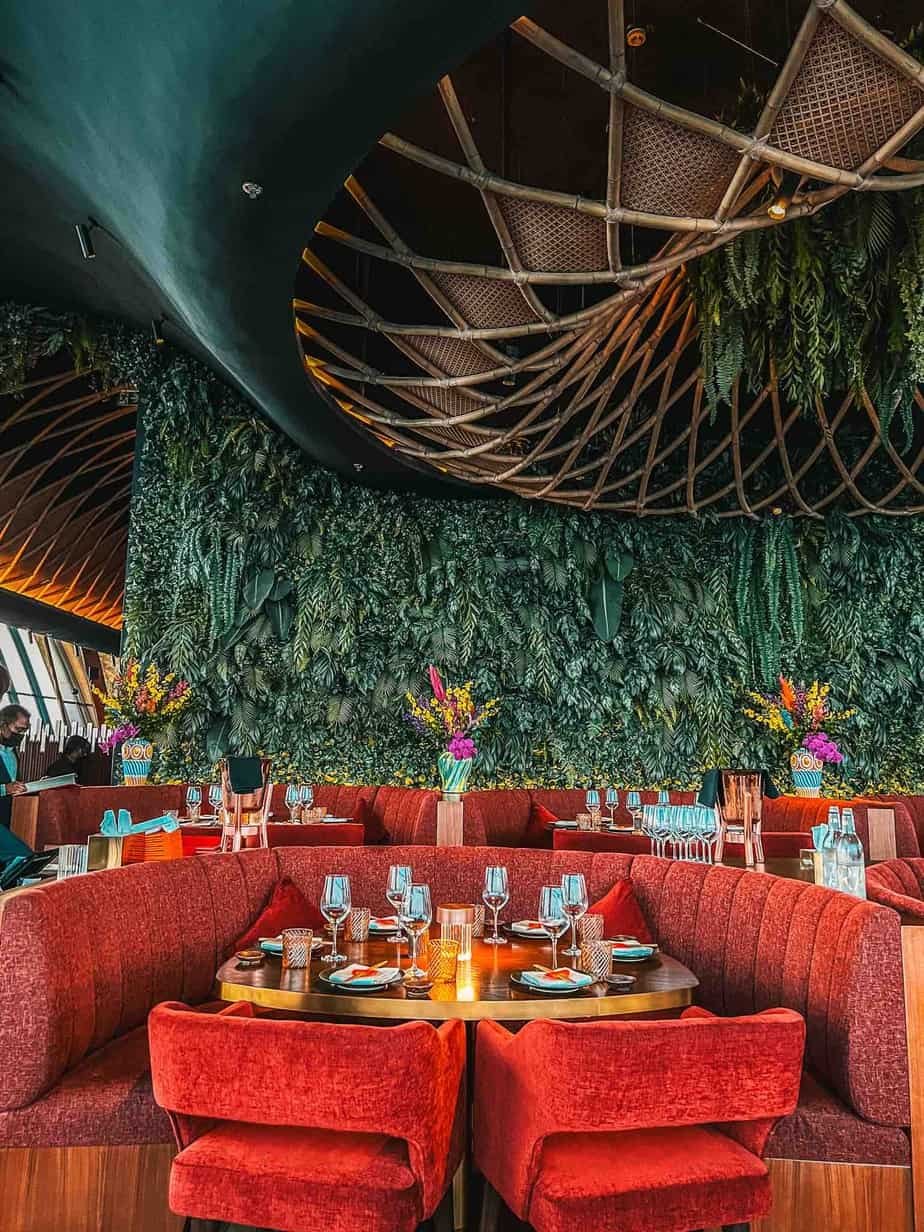
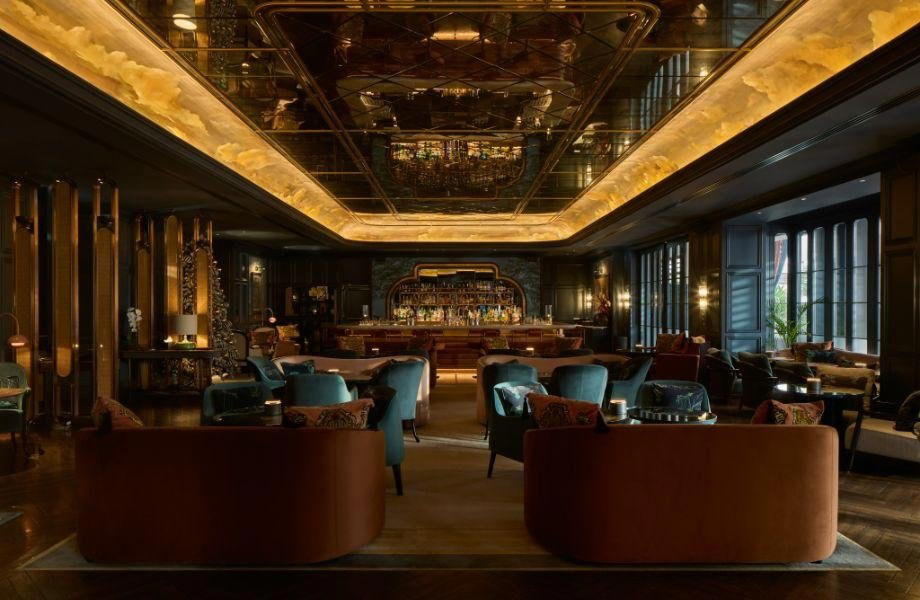
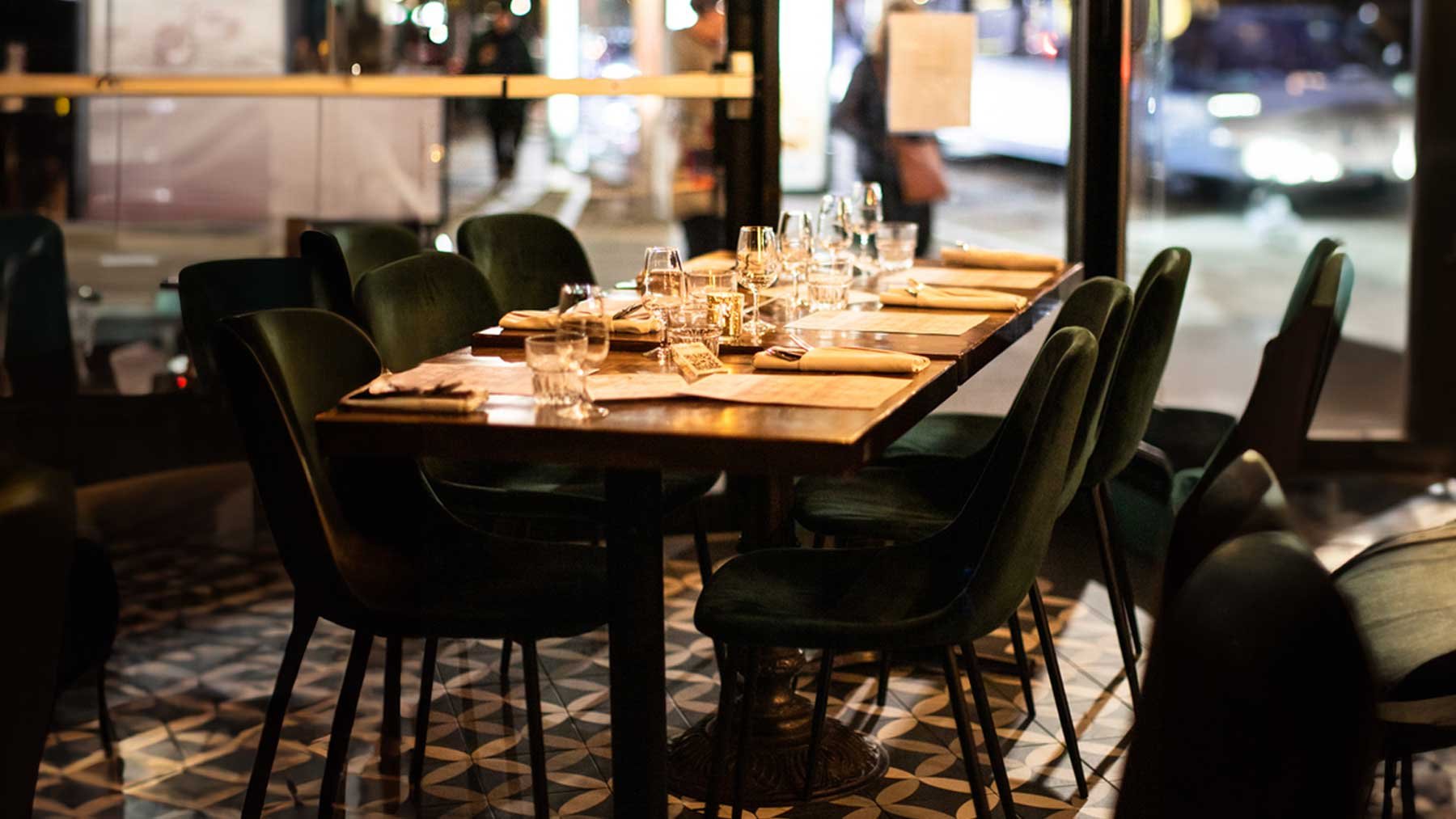
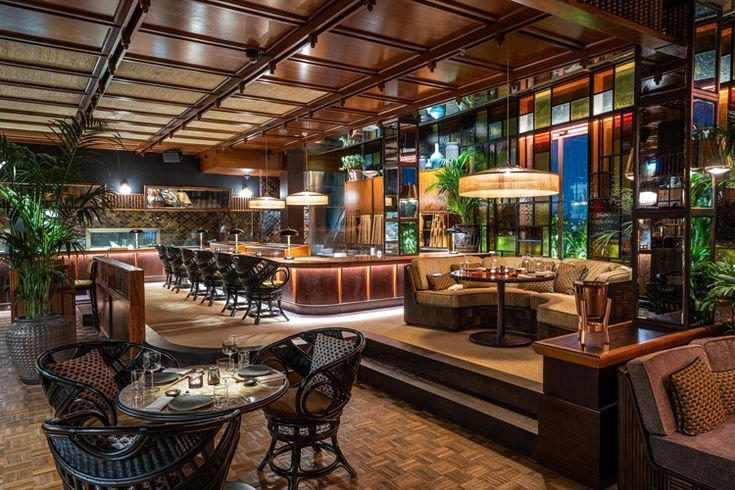
Regal and luxurious with ornate, royalty-inspired furnishings, soft lighting, and serene sea-view balconies.