STAY by Yannick Alléno






2 Michelin Stars · La Liste Top Restaurants · Forbes 4-Star
Our verdict
STAY by Yannick Alléno brings two Michelin stars to Palm Jumeirah inside the Forbes Travel Guide Four-Star One&Only The Palm. Chef Ilya Evdokimov executes contemporary French technique across a five- and six-course menu format, with a dining room defined by black crystal chandeliers, vaulted ceilings, and Baroque detailing. La Liste has scored the kitchen at 85 points in both 2025 and 2026.

Pearl is the En Primeur Club membership app — saves, bookings, and concierge access live there. Same editors, same standards.
- Address
- Crescent Road (West) - The Palm Jumeirah - Dubai - United Arab Emirates
- Phone
- +971 4 440 1010
- Hours
- Mon–Fri 6:30 PM–12 AMSat 12:30–3 PM, 6:30 PM–12 AMSun 6:30 PM–12 AM
- Website
- oneandonlyresorts.com
- Directions
- Get directions
- Booking
- Book on SevenRooms
The menu
What to order
- Wagyu_beef_mushroom_mille_feuille
- King_crab
- Blue_lobster
Drama Before the First Course
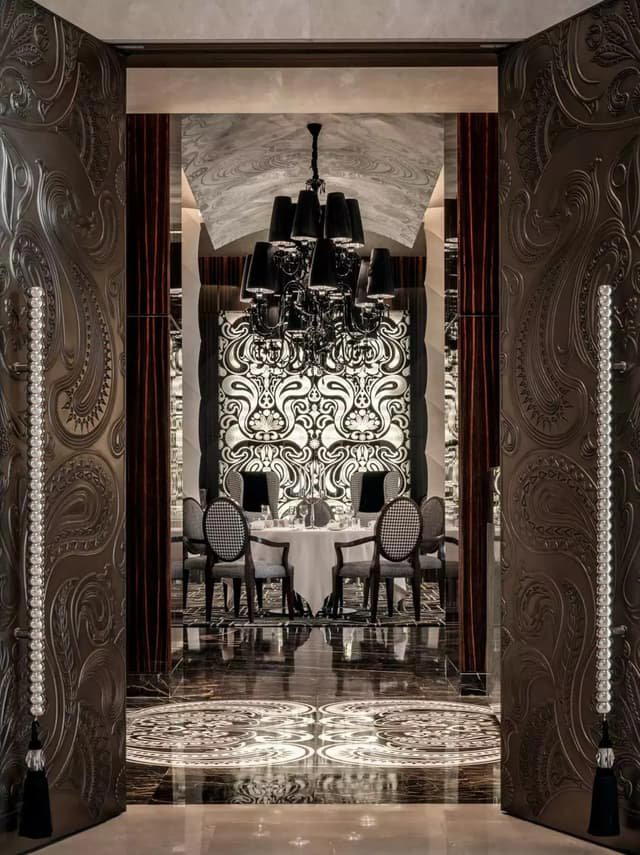
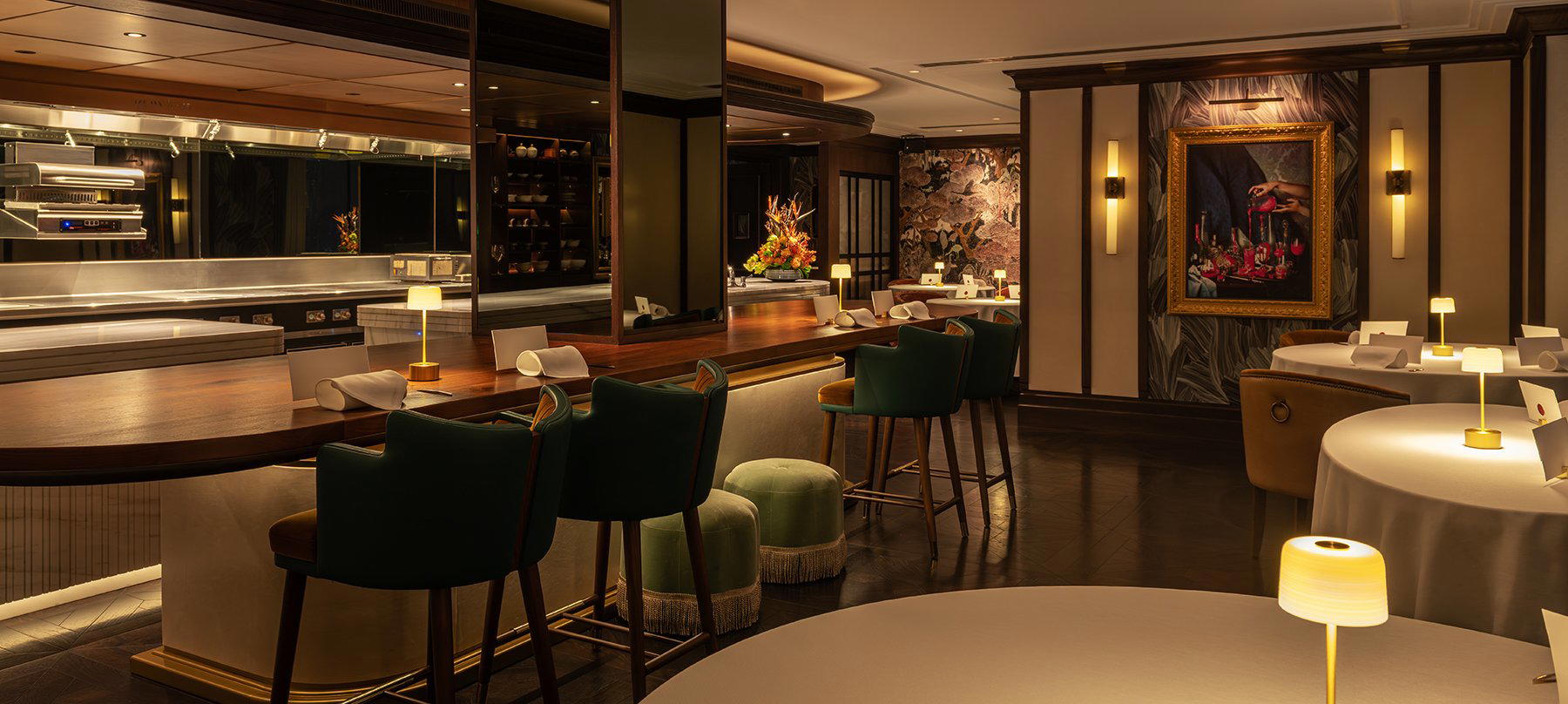
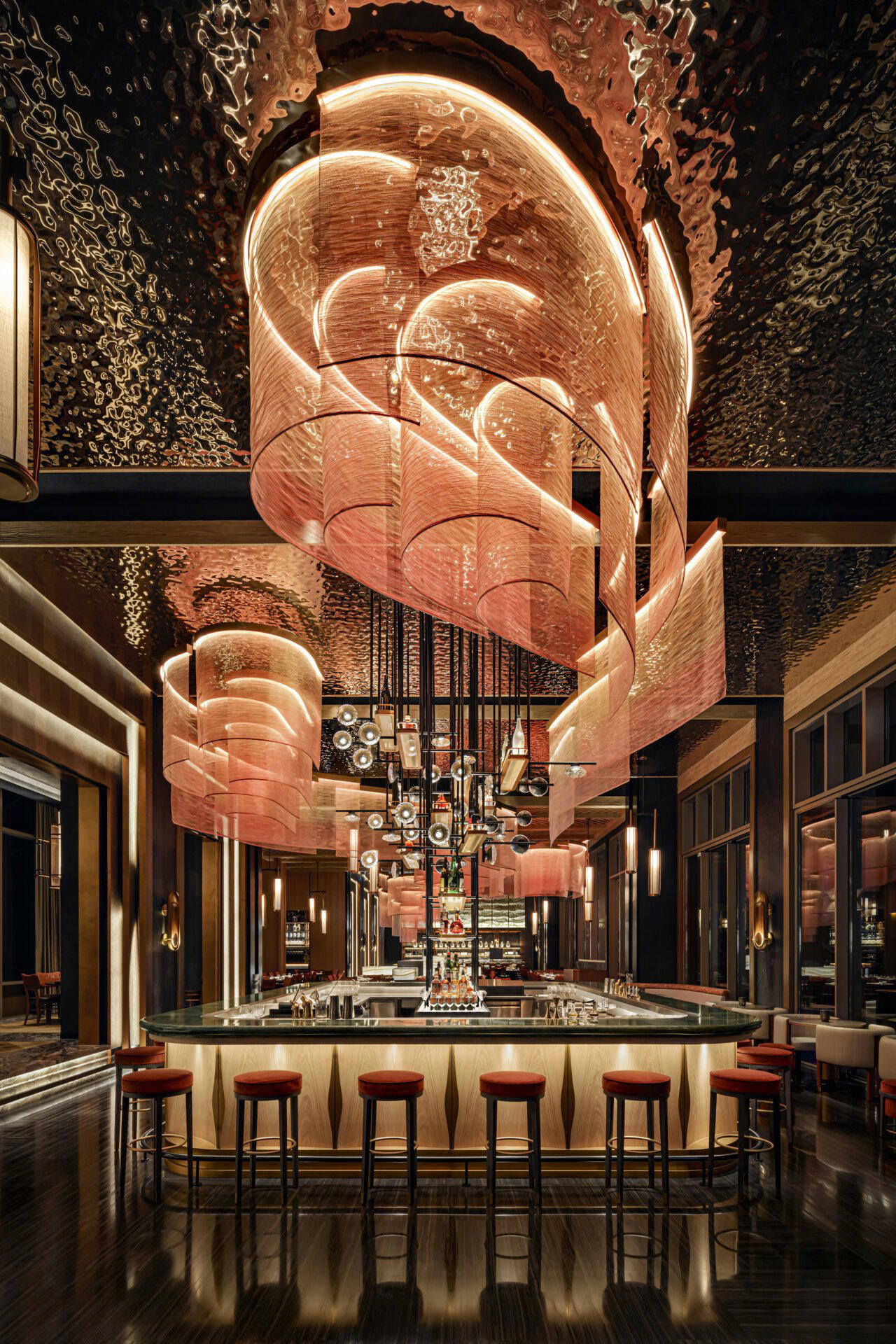
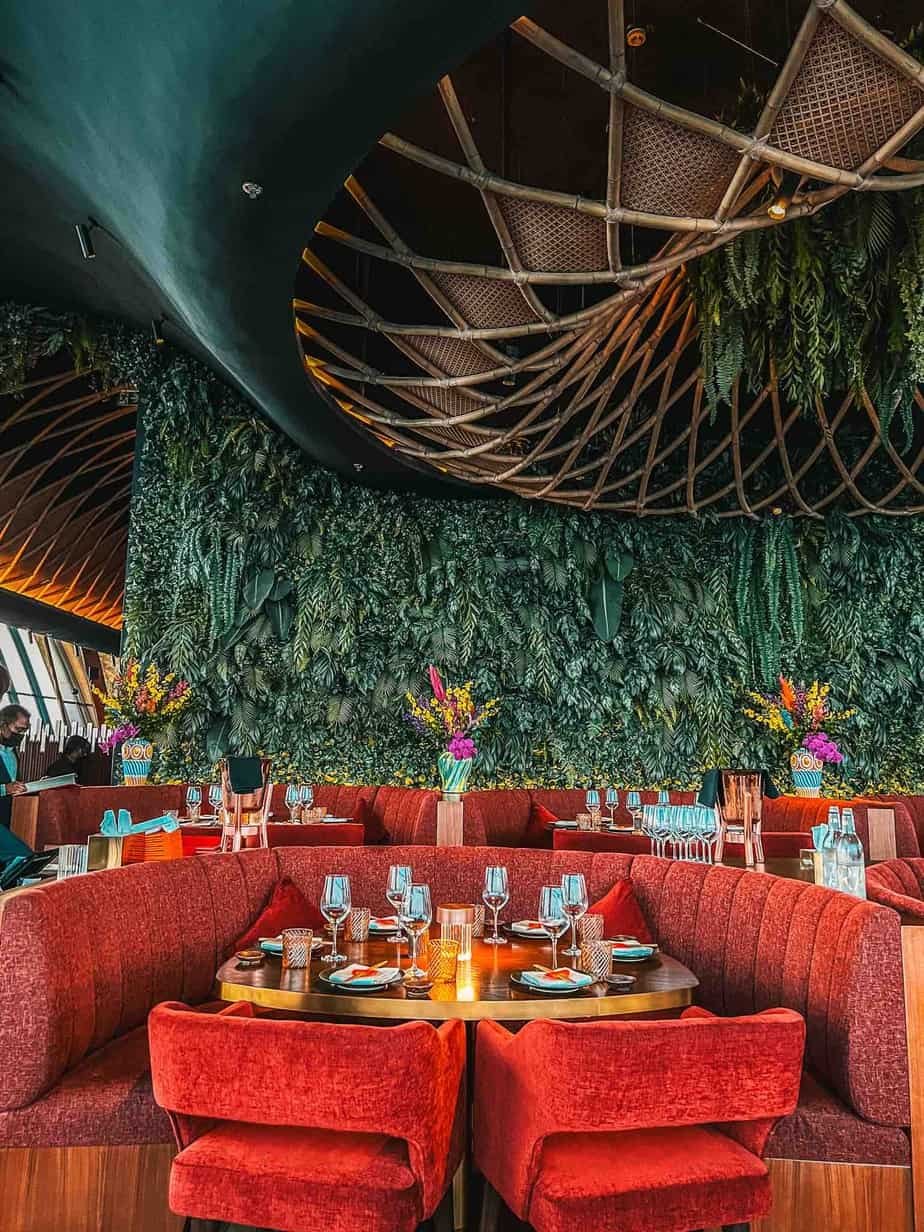
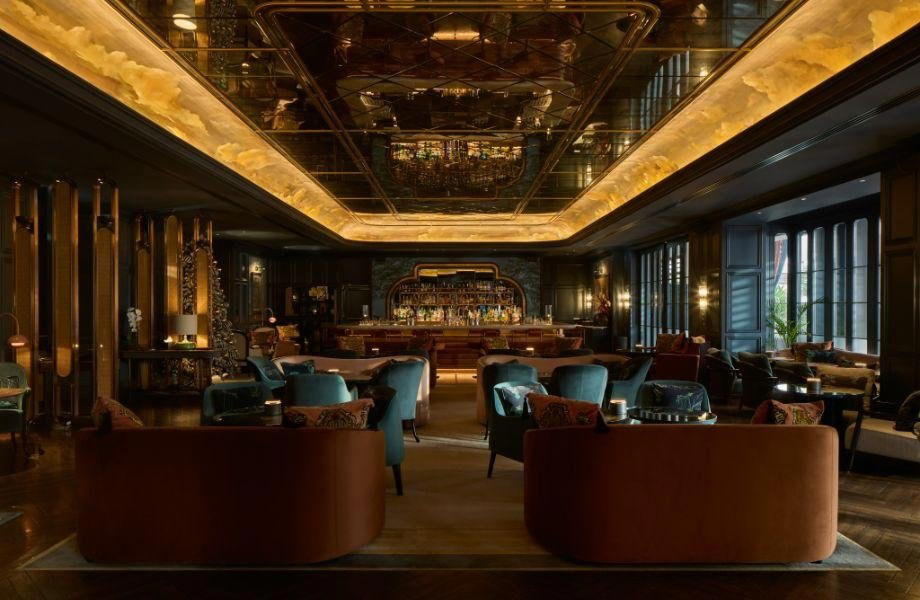
On Palm Jumeirah, where resort dining tends toward the palatial and the safe, the room at STAY by Yannick Alléno lands as a deliberate provocation. The moment you cross into the dining space, the ceiling draws the eye: black crystal chandeliers hang against vaulted arches, and a palette of burgundy, muted gold, silver, and bronze displaces whatever calm the rest of the One&Only; The Palm's Andalusian corridors had established. The Baroque detailing is not incidental. It signals that the kitchen has ambitions that match the scale of the room, and that the meal ahead will be structured accordingly.
That combination of theatrical interior and technically serious French cooking has earned the restaurant two Michelin stars in both 2024 and 2025, placing it in a small bracket of Dubai tables where the award validates the price rather than the reverse. La Liste scored the kitchen at 85.5 points in 2025 and 85 points in 2026, and Opinionated About Dining ranked it among its leading restaurants in Asia at position 455 for 2025. For a restaurant attached to a beach resort, those signals place it closer to standalone destination dining than to hotel-restaurant convention.
Contemporary French Technique in a Gulf Context
French fine dining outside France operates across a wide range of registers. At one end, outpost restaurants replicate a metropolitan template without adjustment. At the other, chefs with serious classical grounding adapt technique to local ingredient availability and audience expectation. STAY by Yannick Alléno positions itself in the second category. The six-course Experience Menu draws on rigorous classical foundations: a sturgeon nonette with Prunier caviar and beef bacon extraction, king crab with farmhouse cream and nori seaweed broth, Wagyu beef and mushroom mille-feuille with parsley purée and braised lettuce. These are not dishes that read as compromises toward a tourist-friendly middle ground.
The five-course Emotion Menu runs a parallel argument at a slightly shorter format: steamed cheese soufflé with foie gras croquant and Albufera sauce, blue lobster civet with Bordeaux wine sauce and bone marrow, lamb saddle with vegetables brunoise. A dessert of orange pearl with dates and cinnamon introduces a local register without abandoning the kitchen's technical frame. On the à la carte side, the inspector's recommended mains include wood-fired French turbot with mustard, cacio e pepe sauce and confit garlic, and Dover sole with yellow wine, both of which reflect a kitchen comfortable with applying classical French method to high-quality sourced product. Appetizers extend the range: pan-seared foie gras with persimmon confit and crunchy kataifi, portobello mushrooms cooked like abalone with bread risotto, and langoustine with vanilla.
This menu structure, where set-format menus and à la carte options coexist at the premium tier, is now standard for two-star operations in major international cities. It allows the kitchen to control the narrative of the tasting experience while still accommodating guests who prefer to build their own meal. Comparable French kitchens in other Asian markets, including Sézanne in Tokyo and Les Amis in Singapore, operate within similar structural logic.
The Team That Delivers the Experience
Chef Ilya Evdokimov leads the kitchen. His role is to translate the Alléno culinary vocabulary into daily execution: a task that requires both technical discipline and the organizational capacity to run a two-star operation in a high-volume resort environment. The distinction between a concept-holder's vision and a resident chef's execution is not unique to this restaurant; it defines the model for most chef-branded international outposts. What separates the better examples of this format from the weaker ones is whether the resident kitchen team has genuinely internalized the technique or is simply reproducing a script. At STAY, the consistency of recognition across successive Michelin cycles and La Liste assessments suggests the former.
Front-of-house at this level carries obligations that go beyond service choreography. The sommelier function at One&Only; The Palm has been explicitly noted by the inspector as a knowledge resource worth consulting for wine pairings, which signals that the wine program is treated as a genuine complement to the kitchen rather than a list to be managed. In two-star French dining, the conversation between what the kitchen produces and what the cellar selects is often where the most revealing quality signals emerge. A sommelier who can narrate the logic of a pairing, rather than simply pour, indicates a front-of-house culture that takes the full meal seriously.
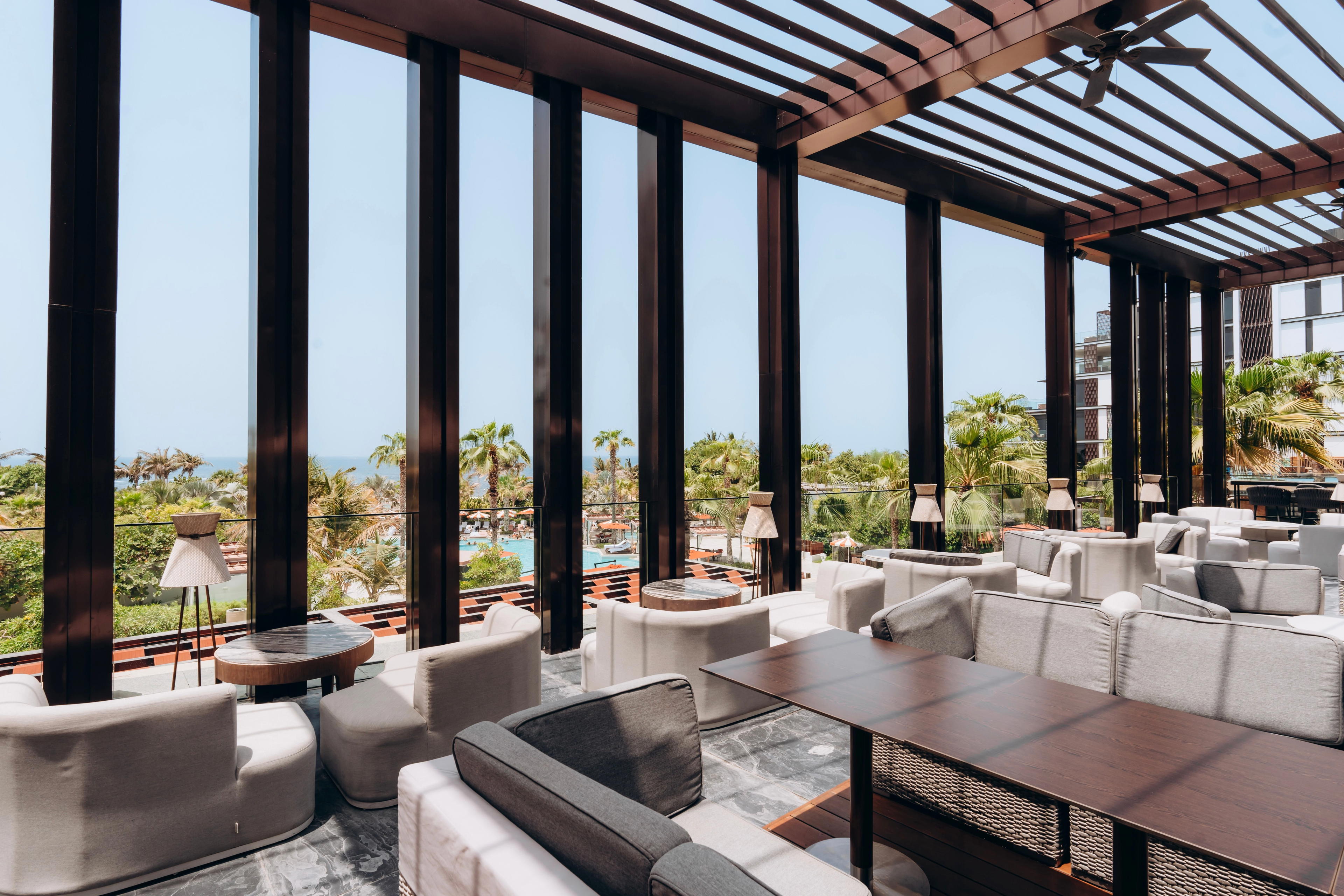
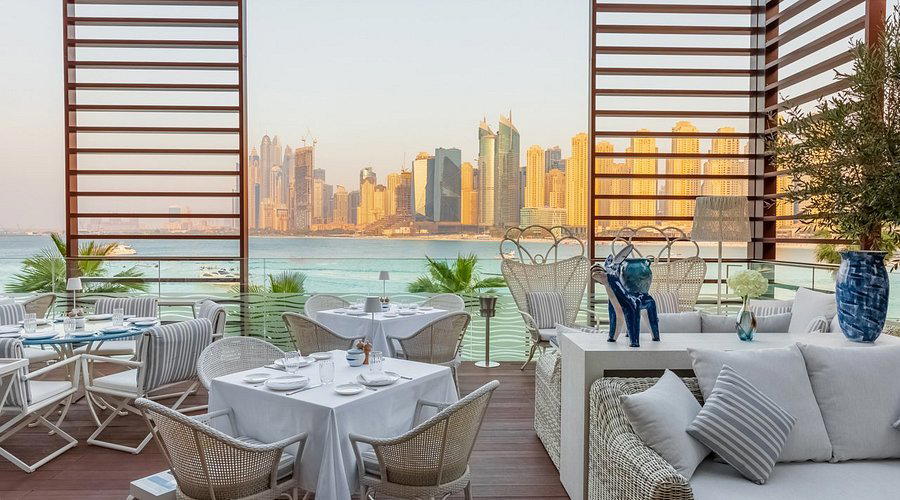
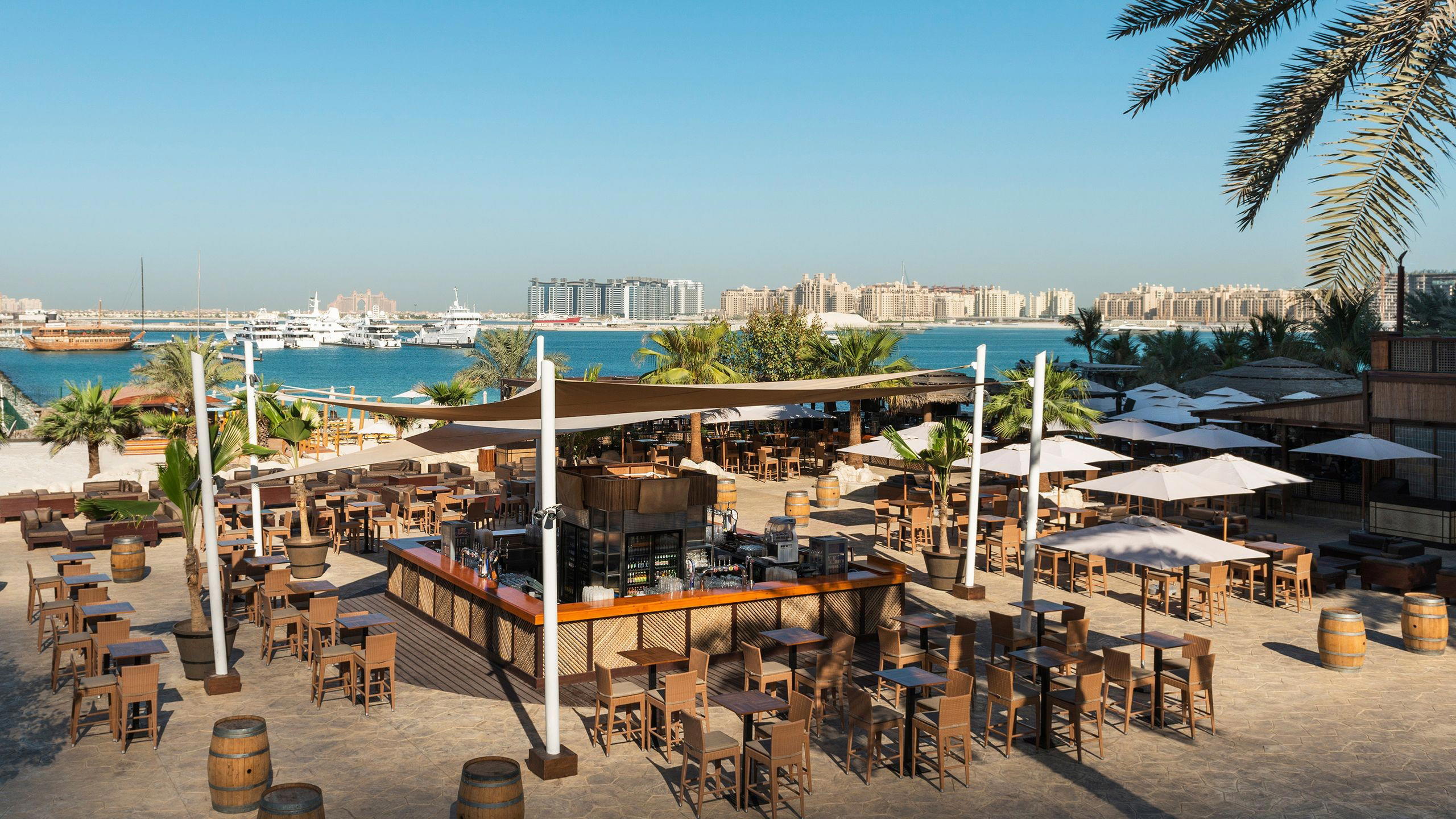
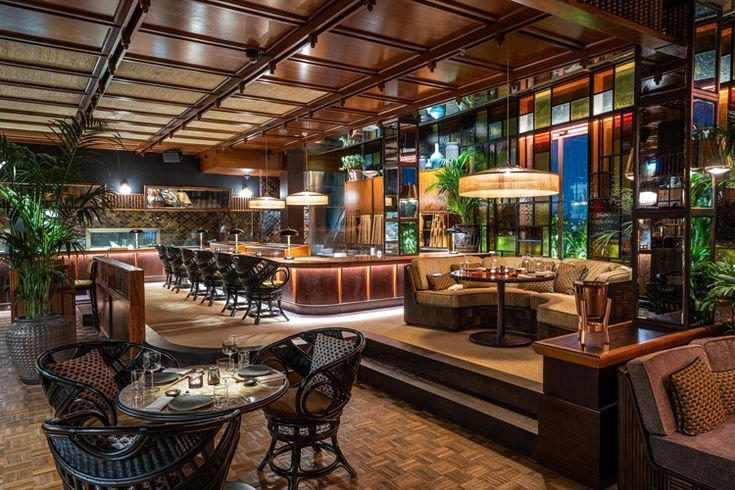
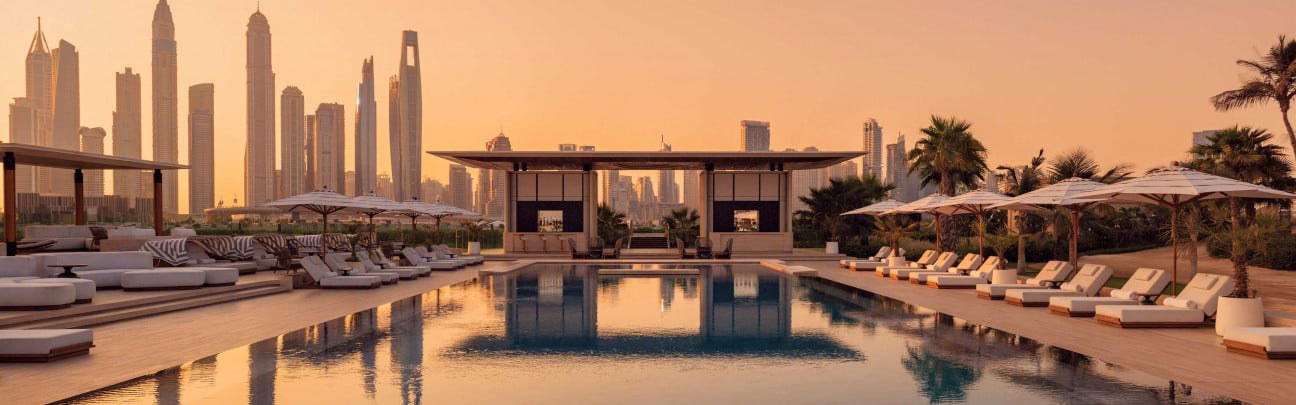
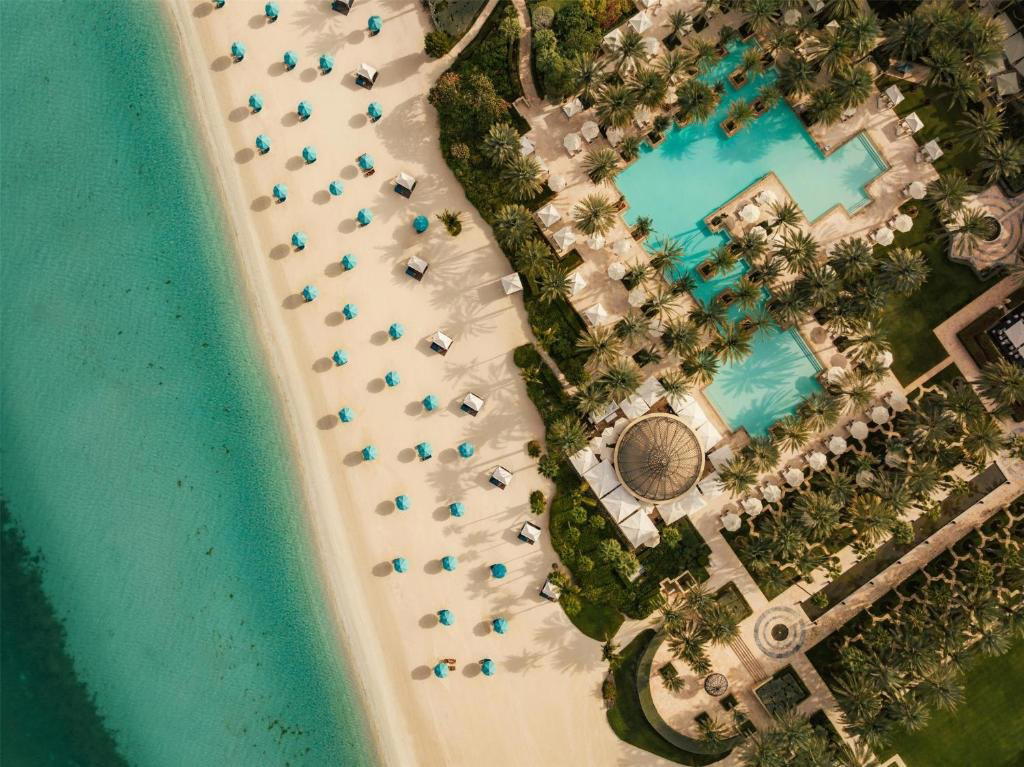
The terrace, where lanterns frame views over landscaped gardens and a grand pool, offers a contrast to the Baroque interior without reducing the formality of the meal. The choice between inside and outside is genuinely a choice rather than a concession: both settings carry weight within the overall format. For Dubai's cooler months, the terrace functions as the more atmospheric option; in summer, the interior earns its drama.
Where STAY Sits in Dubai's Fine Dining Map
Dubai's leading restaurant tier has consolidated around a small number of formats: international chef-brand outposts, standalone destination kitchens, and a growing group of restaurants drawing on regional and South Asian culinary tradition. Among the French-heritage tables in the city, Brasserie Boulud operates at a less formal register, while Fouquet's leans into brasserie classicism. Al Muntaha at the Burj Al Arab holds a different kind of position: the architecture does work that the kitchen shares. STAY's two-star standing currently places it at the upper end of the French category in the city with verifiable critical credentials.
Across the broader Dubai premium dining scene, the contrast with venues like 3 Fils Counter illustrates how wide the range of ambition has become. The city now sustains both precision counter formats and elaborately staged classical French operations within the same booking ecosystem. For readers building a broader trip, French Riviera Beach offers a lighter coastal alternative without the set-menu commitment. The full Dubai restaurants guide maps the complete range.
For context on how the Alléno kitchen approach translates across markets, the French fine dining circuit offers useful reference points. Hotel de Ville Crissier in Switzerland and Le Taillevent in Paris represent the metropolitan French tradition that informs STAY's frame. In the Tokyo French scene, L'Effervescence, ESqUISSE, and Florilège show how French-trained kitchens adapt to a different market while sustaining critical credibility. STAY operates within that same international framework, applied to Dubai's specific conditions of climate, clientele, and resort infrastructure.
Visitors extending beyond Dubai will find further reference in Erth in Abu Dhabi, which takes a contrasting approach to regional fine dining. The broader UAE itinerary is supported by the Dubai hotels guide, Dubai bars guide, Dubai wineries guide, and Dubai experiences guide.
Know Before You Go
Location: Crescent Road (West), The Palm Jumeirah, Dubai, UAE. Located within the One&Only; The Palm resort.
Price range: $$$$
Awards: Michelin Two Stars (2024, 2025); La Liste Leading Restaurants 85pts (2026), 85.5pts (2025); Opinionated About Dining Leading Restaurants in Asia #455 (2025)
Format: Five-course Emotion Menu and six-course Experience Menu; à la carte available
Dress code: Business casual
Reservations: Required
Parking: Self-parking and valet available
Dietary options: Gluten-free and vegetarian options available
Outdoor seating: Terrace available; well suited to Dubai's cooler months (October through April)
Private dining: Available
Frequently asked questions
Has STAY by Yannick Alléno won any awards?
STAY by Yannick Alléno has received recognition including: Located at Forbes Travel Guide Four-Star One&Only; The Palm, a palatial beachfront resort on Palm Jumeirah where Andalusian architecture and arabesque design create a sense of refined grandeur, Stay by Yannick Alléno offers a contemporary ta….
How do I find STAY by Yannick Alléno?
STAY by Yannick Alléno is located at Crescent Road (West) - The Palm Jumeirah - Dubai - United Arab Emirates, Dubai.
What's the signature dish at STAY by Yannick Alléno?
No single dish holds official signature status, but the six-course Experience Menu draws the sharpest focus from inspectors. The sturgeon nonette with Prunier caviar and beef bacon extraction is repeatedly cited, alongside the Wagyu beef and mushroom mille-feuille with parsley purée and braised lettuce. From the à la carte selection, the wood-fired French turbot with cacio e pepe sauce and the Dover sole with yellow wine both represent the kitchen's French classical grounding with measured technique.
Cuisine and Credentials
A quick peer list to put this venue’s basics in context.
| Venue | Cuisine | Price | Awards | Notes |
|---|---|---|---|---|
| STAY by Yannick AllénoThis venue — the venue you are viewing | Modern French Fine Dining | $500+ | 2 Michelin Stars · La Liste Top Restaurants | Not listed |
| 11 Woodfire | Modern Woodfire Grill | $150–200 | 1 Michelin Star · World's 50 Best #14 | Modern Cuisine |
| Avatara Restaurant | Modern Vegetarian Indian Fine Dining | Not listed | 1 Michelin Star · Gault & Millau UAE Selected Restaurant | Indian |
| Al Mahara | Modern Italian Seafood | $300–500 | Michelin Plate · World's 50 Best #31 | Seafood |
| Zuma | Modern Japanese Izakaya | $150–200 | Michelin Plate · World's 50 Best #34 | Japanese - Asian, Japanese, Japanese Contemporary |
| City Social | Modern European with Japanese influences | $150–200 | Michelin Plate · Star Wine List | Modern British, Modern Cuisine |
Recognition history
Dated appearances from independent guides and award organizations, with the underlying list record or original source where available.
Michelin 2 Stars
Michelin
La Liste Top Restaurants
La Liste
Forbes 4-Star
Forbes
Gault & Millau UAE Selected Restaurant
Gault & Millau · Gault & Millau UAE 2026 - Selected Restaurant
Opinionated About Dining Top Restaurants in Asia Recommended
Opinionated About Dining
Full recognition history (10 entries)
Forbes 4-Star
Forbes
La Liste Top Restaurants
La Liste
Opinionated About Dining Top Restaurants in Asia Ranked #455
Opinionated About Dining
World Culinary Awards Middle East's Best French Cuisine Restaurant 2025 #1
World Culinary Awards
Michelin 2 Stars
Michelin
Details
- Elegant
- Sophisticated
- Ornate
- Romantic
- Modern
- Date Night
- Special Occasion
- Celebration
- Hotel Restaurant
- Terrace
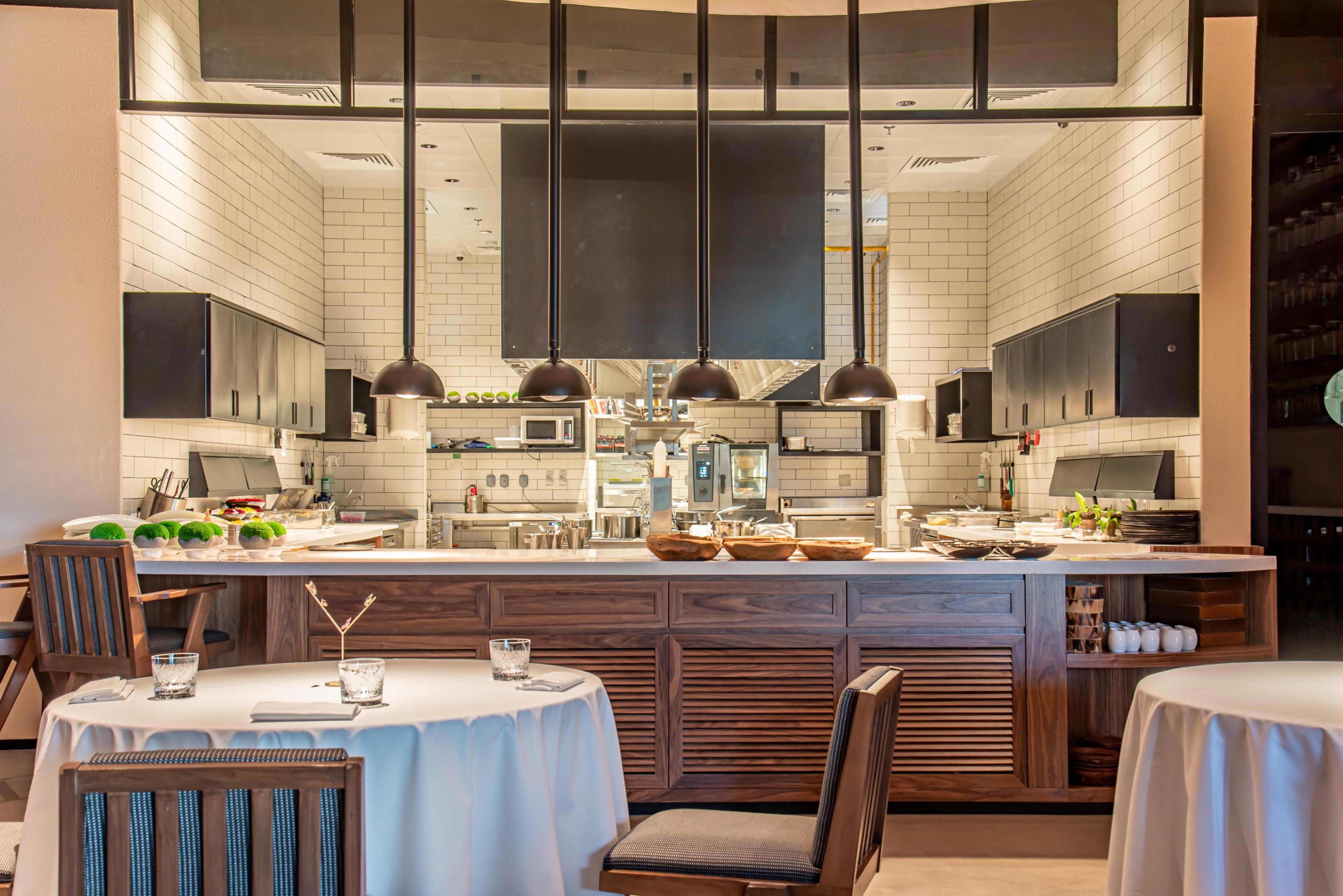
- Open Kitchen
- Extensive Wine List
- Sommelier Led
- Local Sourcing
- Garden
- Tasting Menu
- A La Carte
- Wine Pairing
- Vegetarian Friendly
- Allergy Accommodating
Current opening hours
- Monday
- 6:30 PM–12 AM
- Tuesday
- 6:30 PM–12 AM
- Wednesday
- 6:30 PM–12 AM
- Thursday
- 6:30 PM–12 AM
- Friday
- 6:30 PM–12 AM
- Saturday
- 12:30–3 PM, 6:30 PM–12 AM
- Sunday
- 6:30 PM–12 AM
Hours can change for holidays and private events. Last verified .
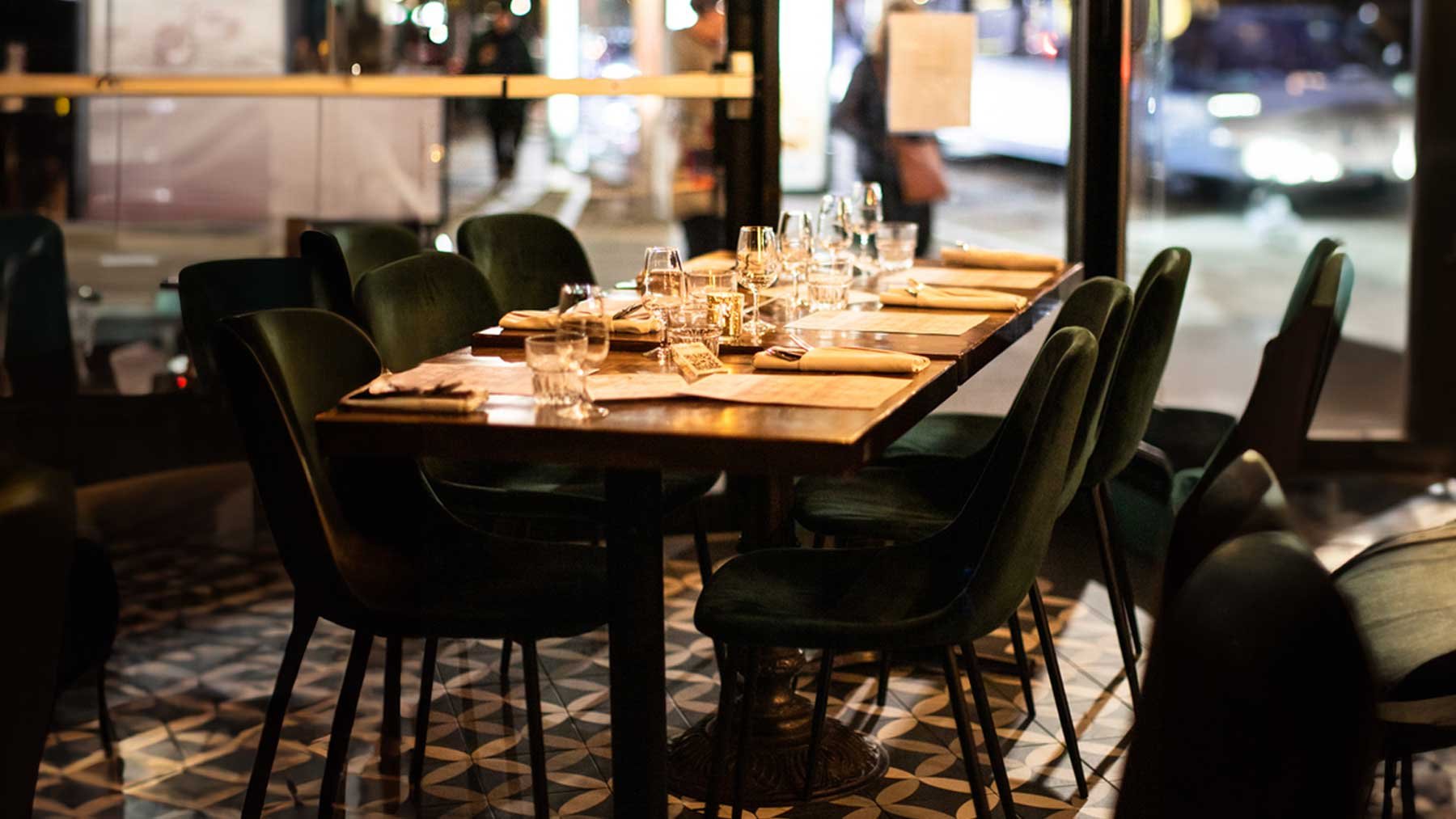
Sleek monochromatic dining room with black crystal chandeliers and high-backed chairs creating a theatrical yet relaxed luxury atmosphere; terrace overlooks perfumed gardens lit with lanterns.