Jebel Hafeet
Jebel Hafeet rises to 1,249 metres above Al Ain, making it the highest peak in the emirate and one of the most striking natural landmarks in the UAE. The mountain road that spirals to its summit is among the most dramatic drives in the Arabian Peninsula, offering sweeping views across the desert plains and the Hajar range. For travellers passing through Al Ain, the ascent functions as both orientation and destination.

Pearl is the En Primeur Club membership app, where members save venues, book tables and use the concierge.
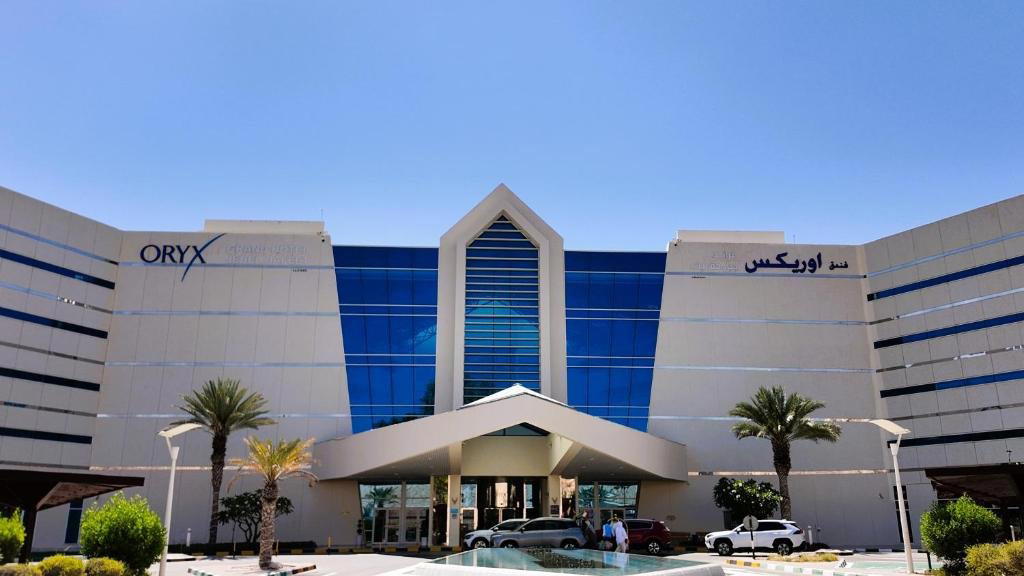
A Mountain That Shapes a City
Al Ain is often described as the UAE's garden city, a place of oases, archaeology, and a slower pace than Abu Dhabi or Dubai. But the feature that anchors the city geographically and visually is not a palace or a park: it is Jebel Hafeet, a limestone massif that rises 1,249 metres from the surrounding plain and forms a near-vertical backdrop to Al Ain's southern edge. The mountain sits on the border between the UAE and Oman, and its upper reaches are administered jointly. On clear days, which are frequent outside the humid summer months, the summit offers a panoramic sweep across the Al Ain oasis, the Hajar mountain foothills, and the flat desert extending toward Abu Dhabi. Few natural formations in the Gulf carry the same visual weight.
The architecture of the place is geological. Jebel Hafeet is a fold mountain formed from ancient marine sediment, and its exposed limestone flanks reveal strata that run in visible horizontal bands across the face. The colours shift across the day, from pale chalk in the midday glare to amber and ochre as the sun drops west. This is not a dramatic volcanic peak but something more austere: a long, ridged formation that dominates by mass and elevation rather than silhouette drama. That restraint is, in its own way, architecturally coherent with the wider range of the UAE's interior.
The Road as Experience
The summit road is the defining designed element of Jebel Hafeet. Stretching approximately 11.7 kilometres from the base to the leading, the road climbs through a series of switchbacks engineered to manage the mountain's gradient while keeping sightlines open across the valley. Driving it at dusk, when the plain below catches the last flat light, is among the more compelling road experiences available in the Gulf region. Cyclists also use the route regularly: the climb has become one of the region's better-known sporting ascents, attracting riders who would otherwise be limited by the UAE's flat coastal terrain.
Mountain sits within Jebel Hafeet Desert Park, a protected area managed by Al Ain's municipal authorities. The park designation means the lower slopes and surrounding terrain are maintained for nature access rather than development, which keeps the approach to the mountain relatively open. Al Ain itself is accessible from Abu Dhabi in approximately 90 minutes by road, and from Dubai in around two hours via the E66 highway. The mountain is open to vehicles during daylight hours, and the summit is reachable without any technical equipment or guided access.
At the Summit
Mercure Grand Jebel Hafeet hotel occupies the upper section of the mountain, positioned to capture the views across both the UAE and Oman sides of the border. Its presence on the summit makes it one of the more unusual hotel locations in the Gulf: not a desert resort or a coastal property, but a mountain-leading building that functions as a destination in its own right. The hotel's architecture is utilitarian rather than landmark, but its position compensates for that entirely. Guests who stay at the summit experience a temperature differential of several degrees compared to the city below, which is particularly relevant during the warmer months when Al Ain's floor-level heat is considerable.
Broader Gulf luxury hotel market tends to cluster along coastlines or within urban developments. Properties that take mountainous or refined desert terrain as their setting form a smaller, distinct category. In the UAE, comparable positioning logic applies to places like Anantara Qasr al Sarab Desert Resort in Liwa Desert, where the landscape itself is the primary spatial argument, or Arabian Nights Village Rd in Abu Dhabi, which draws on the interior desert environment rather than coast or city. Jebel Hafeet belongs to that tradition of UAE properties where the natural setting carries more editorial weight than the building's design or brand affiliation. For those interested in comparing coastal scale, Atlantis The Royal in Dubai operates at the opposite end of that spectrum.
Al Ain as a Base
Jebel Hafeet is most logically visited as part of a wider engagement with Al Ain rather than as a standalone stop. The city holds a UNESCO World Heritage Site designation covering its oases, falaj irrigation systems, and Bronze Age tombs. Some of those tombs are located at the base of Jebel Hafeet itself, dating to the Hafit period (roughly 3200 to 2600 BCE) and named directly after the mountain. The combination of prehistoric archaeology and geological spectacle on the same site gives Al Ain a density of interest that the city's relative obscurity in international travel media undersells. Our full Al Ain restaurants guide covers the city's dining options in more detail for those planning extended stays.
Within the UAE's broader travel circuit, Al Ain competes with desert and coastal resort destinations for visitor time. The Telal Resort Al Ain offers a more resort-focused base within the city for those who want amenities alongside mountain access. Travellers looking for comparable interior landscape experiences elsewhere in the Emirates might consider Al Badayer Retreat by Sharjah Collection in Sharjah or Desert Islands Resort and Spa by Anantara in Al Dhafra for contrasting takes on non-coastal UAE environments. For those working through a wider UAE itinerary that includes Ras Al Khaimah's Hajar mountain terrain, Anantara Mina Ras Al Khaimah Resort provides a northern coastal alternative. Internationally, the experience of a landscape-dominant mountain property finds loose comparisons in places like Amangiri in Canyon Point, where terrain similarly outweighs built environment as the primary draw.
Planning a Visit
The optimal window for Jebel Hafeet is October through April, when temperatures at the summit remain manageable and visibility is at its clearest. Summer months bring heat that makes the base-level approach uncomfortable, though the summit's altitude provides some relief. The mountain road is a practical day excursion from Abu Dhabi, though an overnight stay at the summit hotel allows for the experience of watching both sunset and sunrise over the plain below, which changes the nature of the visit considerably. No specialist booking or advance permission is required to drive to the summit during standard park hours.
Quick Comparison
| Venue | Price | Awards |
|---|---|---|
| Jebel HafeetThis venue (the venue you are viewing) | $100–200 | Not listed |
| Anantara The Palm Dubai Resort | $300–500 | Forbes 4-Star · World Travel Awards #1 |
| Conrad Abu Dhabi Etihad Towers | Not listed | 1 Michelin Key · La Liste Top Hotels |
| Conrad Dubai | Not listed | La Liste Top Hotels · Forbes 4-Star |
| Emirates Palace Mandarin Oriental, Abu Dhabi | Not listed | 2 Michelin Keys · La Liste Top Hotels |
| Fairmont Bab Al Bahr | Not listed | Michelin Selected · Forbes 4-Star |
Continue exploring
More in Al Ain
Hotels in Al Ain
All hotels in Al Ain →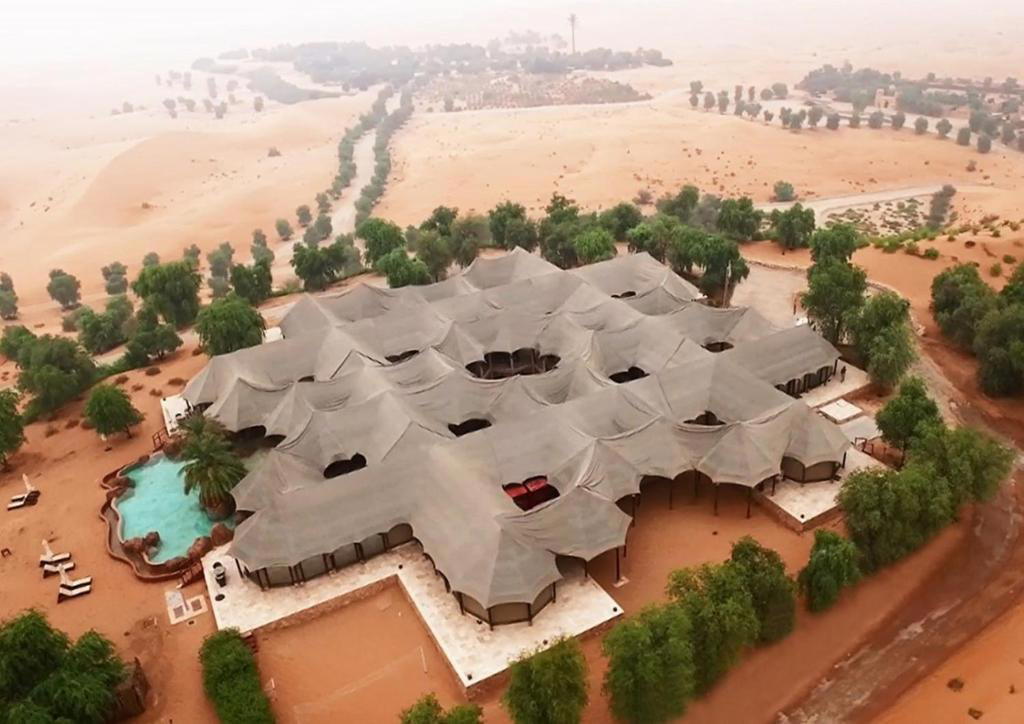
Restaurants in Al Ain
All restaurants in Al Ain →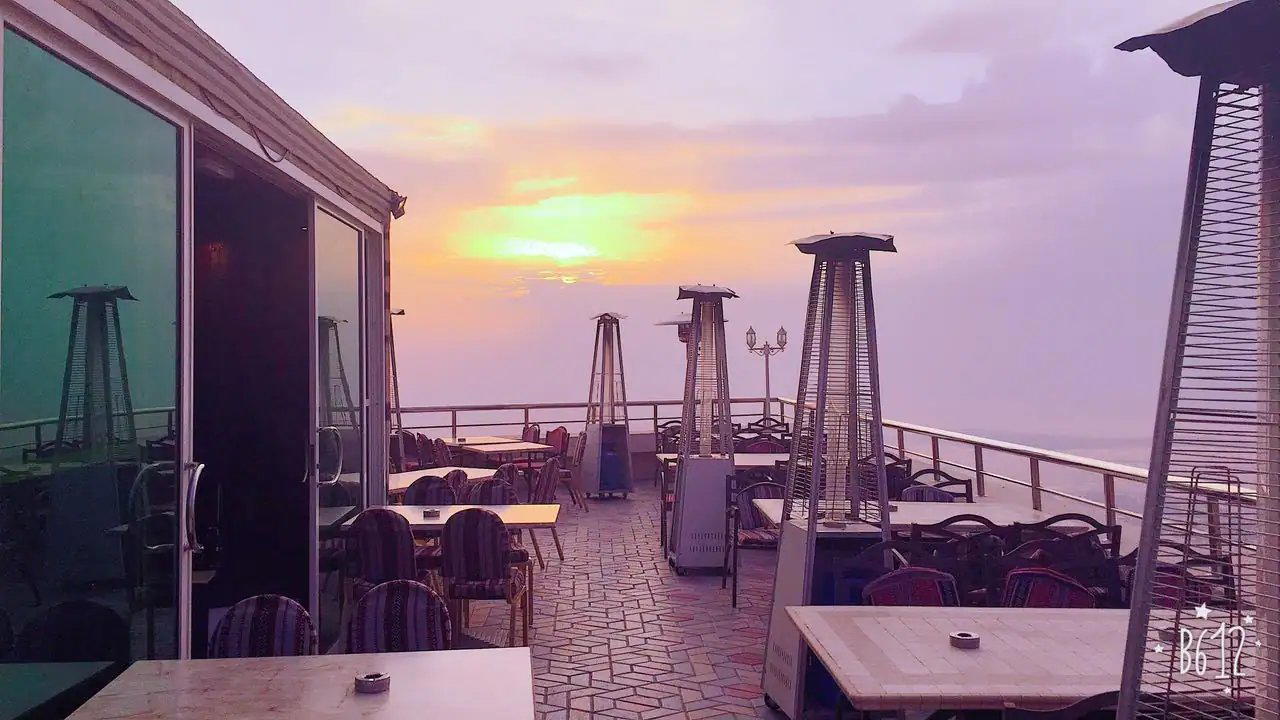
Details
- Scenic
- Elegant
- Modern
- Family Vacation
- Romantic Getaway
- Weekend Escape
- Panoramic View
- Infinity Pool
- Rooftop Pool
- Pool
- Spa
- Fitness Center
- Room Service
- Concierge
- Kids Club
- Mountain
Tranquil and scenic with verdant palm surroundings, modern rooms, and relaxed poolside atmosphere.