Desert Islands Resort & Spa by Anantara

Michelin Selected
Desert Islands Resort & Spa by Anantara occupies Sir Bani Yas Island, one of Abu Dhabi's largest natural islands in the Al Dhafra region, placing guests inside a wildlife reserve where Arabian oryx and giraffes roam freely. The resort represents a format increasingly rare in the Gulf: a property where the surrounding ecology, not the built environment, is the primary draw. Reaching it requires a short ferry crossing or seaplane transfer from the mainland.

Pearl is the En Primeur Club membership app, where members save venues, book tables and use the concierge.
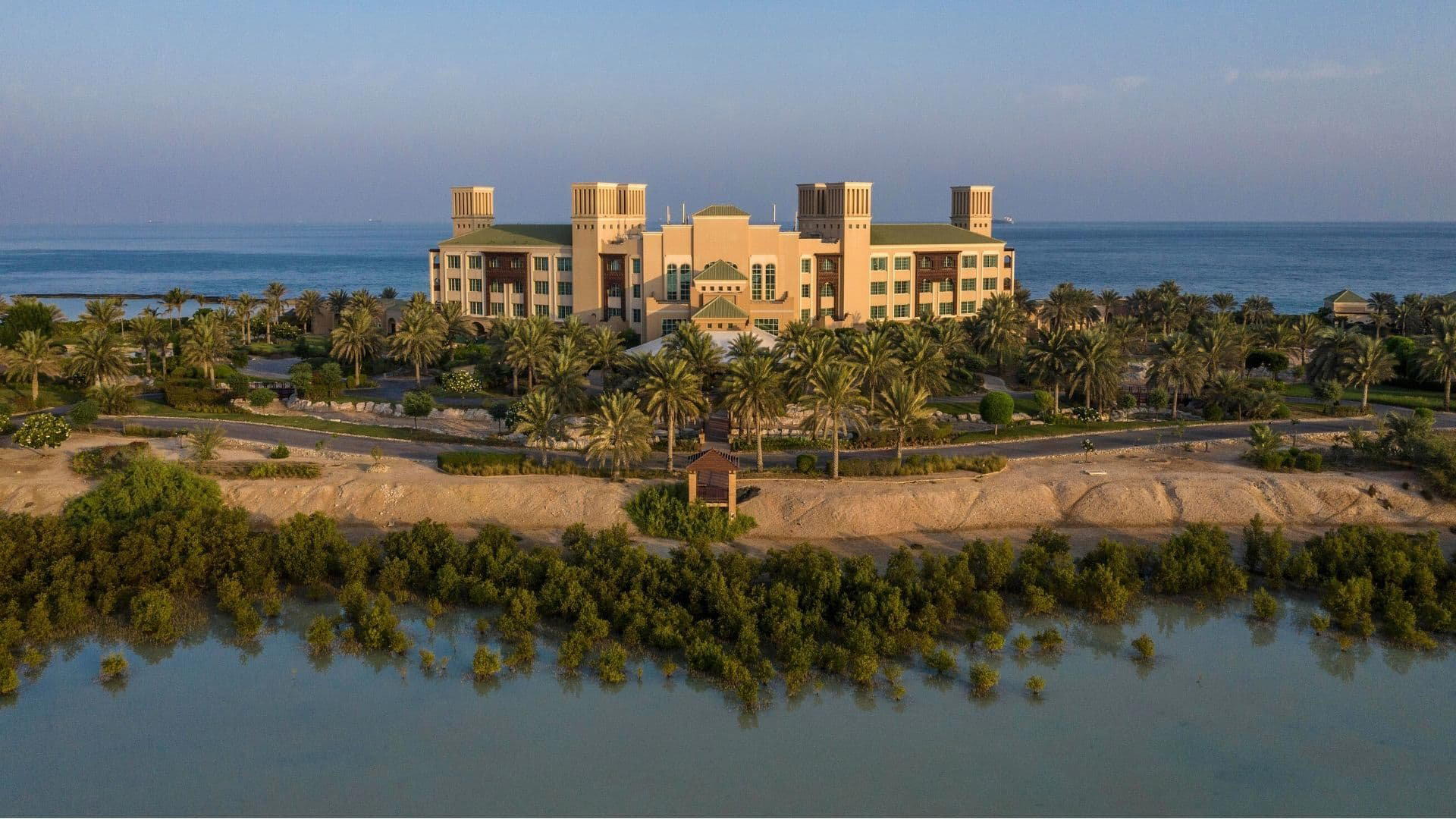
An Island That Predates the Resort
The Gulf's premium hotel market has long operated on a familiar template: towers of glass and marble rising from reclaimed coastline, positioned against city skylines and connected to international airports by refined highways. Desert Islands Resort & Spa by Anantara in Al Dhafra sits in a categorically different register. Sir Bani Yas Island, where the resort is located, was established as a wildlife sanctuary by Sheikh Zayed bin Sultan Al Nahyan decades before the first luxury guests arrived. That sequence matters architecturally and experientially. The built environment here was designed to occupy a pre-existing ecological framework, not the other way around. When a resort's physical context includes free-roaming Arabian oryx, giraffes, and over 10,000 animals across more than 170 species, the design challenge is not to impress, it is to defer. See our full Al Dhafra restaurants guide for broader context on what the region offers beyond this property.
Architecture as Restraint
The wider Gulf luxury market in 2024 is structured around spectacle. Atlantis The Royal in Dubai represents one extreme of that register, maximalist, deliberately theatrical, designed to be photographed rather than inhabited quietly. Desert Islands operates at the opposite end of the tonal spectrum. The resort's physical footprint is low-rise and spread across terrain that prioritises the island's topography over any single architectural statement. This approach places it in a peer group that includes properties like Amangiri in Canyon Point, where the land itself sets the visual hierarchy and the buildings are positioned as considered interventions rather than centrepieces.
Within the Anantara portfolio, the contrast is instructive. Anantara Qasr Al Sarab Desert Resort in the Liwa Desert uses dramatic dune-facing architecture and a fortress-style silhouette to create a strong visual identity against the Empty Quarter. Anantara Santorini Abu Dhabi Retreat in Ghantoot draws on Mediterranean whitewash aesthetics transplanted to the Gulf coastline. Desert Islands takes a different position: its design vocabulary borrows from the regional vernacular of low stone structures and shaded courtyards, which reduces visual competition with the surrounding wildlife reserve. The ambition is integration, not statement.
The Island's Geography and What It Means for the Stay
Sir Bani Yas Island lies roughly 240 kilometres southwest of Abu Dhabi city in the Al Dhafra region, accessible via a short ferry crossing from Jebel Dhanna on the mainland or by seaplane transfer for guests who prefer to arrive with the island's full geography visible on approach. That crossing functions as more than logistics, it marks a clear threshold between the connected Gulf and a slower, more contained environment. Few Gulf properties can offer genuine physical separation of this kind. Arabian Nights Village in Abu Dhabi creates a sense of remoteness through desert setting rather than water, and Jebel Hafeet in Al Ain uses elevation to achieve similar psychological distance from the urban. Desert Islands uses the sea.
The island's 87-square-kilometre area encompasses the Arabian Wildlife Park, archaeological sites including Christian monastery ruins from the fifth and sixth centuries, and a coastline suited to kayaking, snorkelling, and cycling. The resort is positioned as a gateway into that broader geography. This is a structural difference from urban properties like the Fairmont Ajman or resort hotels oriented primarily toward beach and pool. The outdoor programming here is substantive and anchored to an ecological resource that predates the hotel industry in the UAE.
Placing It Within the UAE's Desert and Island Property Set
The UAE's premium accommodation market has diversified significantly over the past decade. The dominant tier remains urban and coastal, five-star towers in Dubai and Abu Dhabi drawing business and leisure travellers through proximity, infrastructure, and concentrated F&B programming. A smaller niche has emerged for nature-integrated properties, driven partly by growing interest in wildlife-focused travel and partly by Abu Dhabi's strategic positioning of its western region as an alternative to saturated city tourism. Al Badayer Retreat by Sharjah Collection reflects the same structural trend from a Sharjah context. Anantara Mina Ras Al Khaimah Resort takes the brand's coastal approach in the emirate's northern corridor.
Desert Islands sits at the intersection of two criteria that are rarely available simultaneously in the Gulf: genuine ecological depth and international-standard hospitality infrastructure. Properties at comparable price points in international markets, say, Hotel Esencia in Tulum or Castello di Reschio in Lisciano Niccone, achieve nature-integrated positioning through surrounding landscape and low-intervention design. Desert Islands does so through the specific mechanism of an active wildlife reserve that functions independently of the resort's commercial operation. That independence is the distinguishing structural feature.
Practical Planning
The resort is located at address 12452 on the Al Ruwais to Abu Dhabi road, Al Dhafra Region, Abu Dhabi emirate. Guests travelling from Abu Dhabi city should account for approximately two to three hours of road travel to the Jebel Dhanna ferry terminal, followed by the crossing to the island. Seaplane transfers can reduce total travel time and allow guests to bypass the mainland drive. The island's relative remoteness means that most guests plan multi-night stays rather than single-night visits; the activity programming across the wildlife reserve, water sports, and cultural sites is designed around that duration. Booking through Anantara's central reservations infrastructure is the standard approach. For those comparing options across the brand's UAE and wider GCC properties, the Qasr Al Sarab and Santorini Abu Dhabi properties offer distinct experiences within the same hospitality group. For readers who compare island and urban property formats globally, reference points such as Aman Venice, Cheval Blanc Paris, Hotel Plaza Athénée, La Réserve Paris, Badrutt's Palace Hotel, Hotel Du Cap-Eden-Roc, Hotel Sacher Wien, Hôtel de Paris Monte-Carlo, Bvlgari Hotel Tokyo, Hotel The Mitsui Kyoto, Aman New York, The Fifth Avenue Hotel, and Hotel Bel-Air span the range of what design-led, nature-adjacent, or historic-urban hospitality looks like at international level.
A Quick Peer Check
| Venue | Price | Awards |
|---|---|---|
| Desert Islands Resort & Spa by AnantaraThis venue (the venue you are viewing) | Not listed | Michelin Selected |
| Anantara The Palm Dubai Resort | $300–500 | Forbes 4-Star · World Travel Awards #1 |
| Conrad Abu Dhabi Etihad Towers | Not listed | 1 Michelin Key · La Liste Top Hotels |
| Conrad Dubai | Not listed | La Liste Top Hotels · Forbes 4-Star |
| Emirates Palace Mandarin Oriental, Abu Dhabi | Not listed | 2 Michelin Keys · La Liste Top Hotels |
| Fairmont Bab Al Bahr | Not listed | Michelin Selected · Forbes 4-Star |
Recognition history
Dated appearances from independent guides and award organizations, with the underlying list record or original source where available.
Michelin Selected
Michelin
Continue exploring
More in Al Dhafra
Hotels in Al Dhafra
All hotels in Al Dhafra →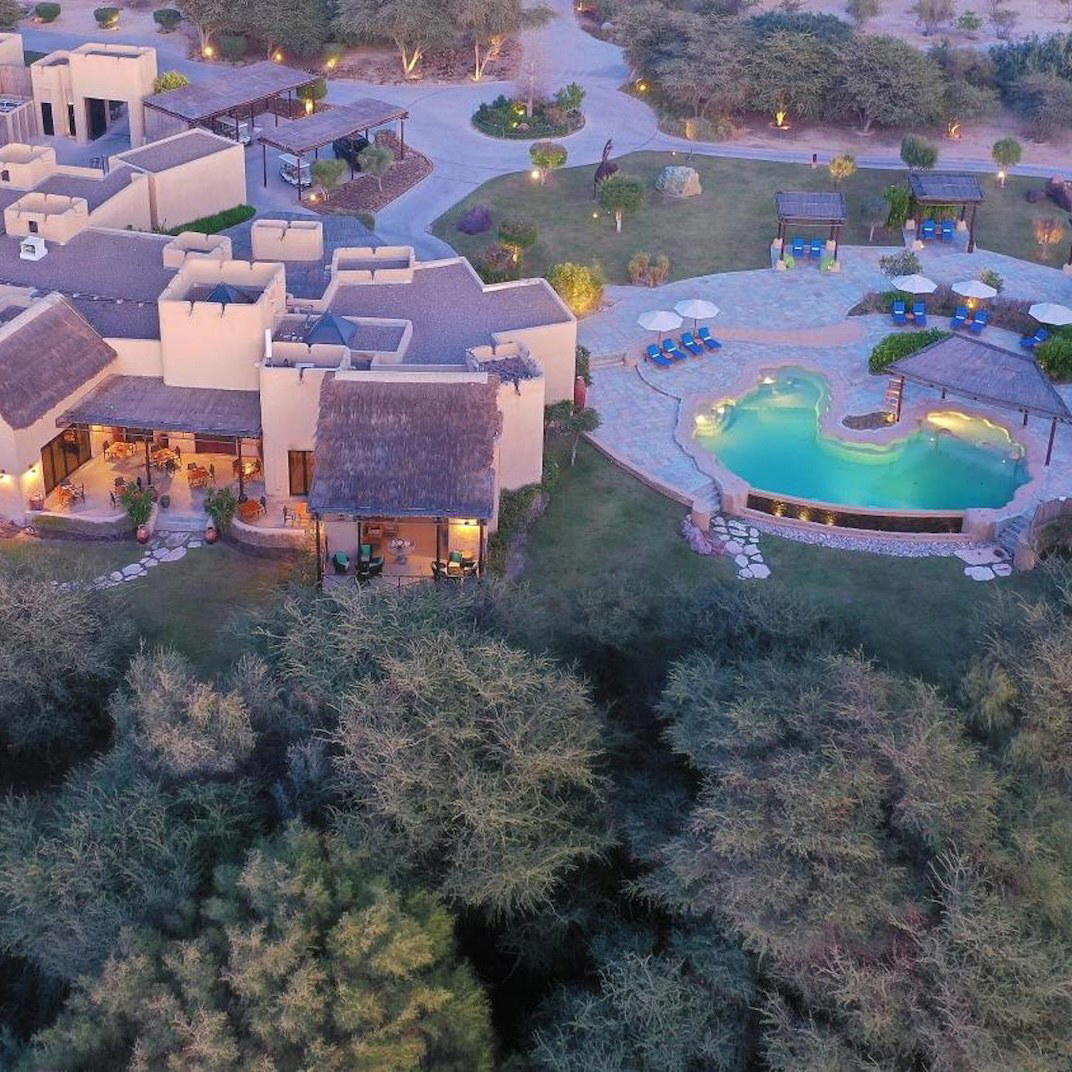
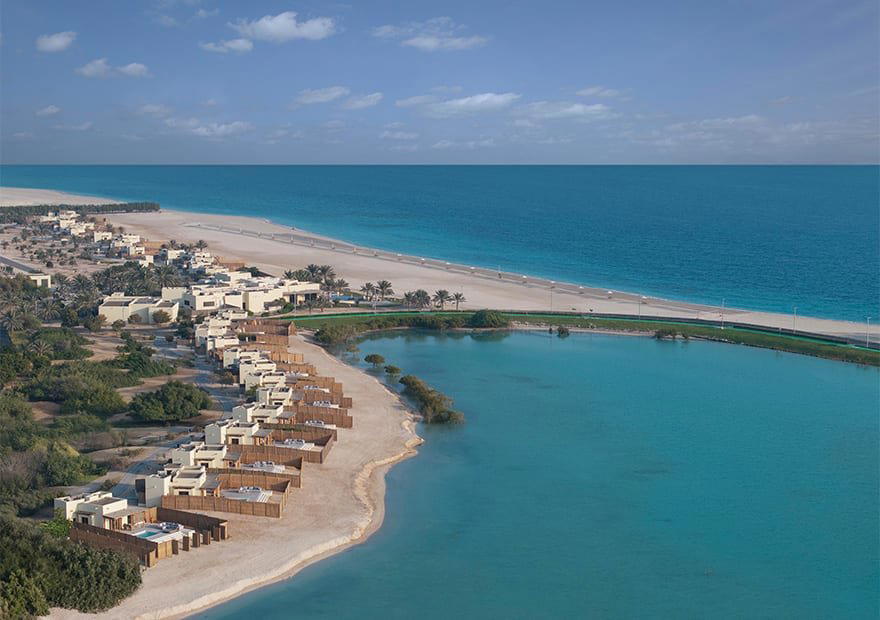
Restaurants in Al Dhafra
All restaurants in Al Dhafra →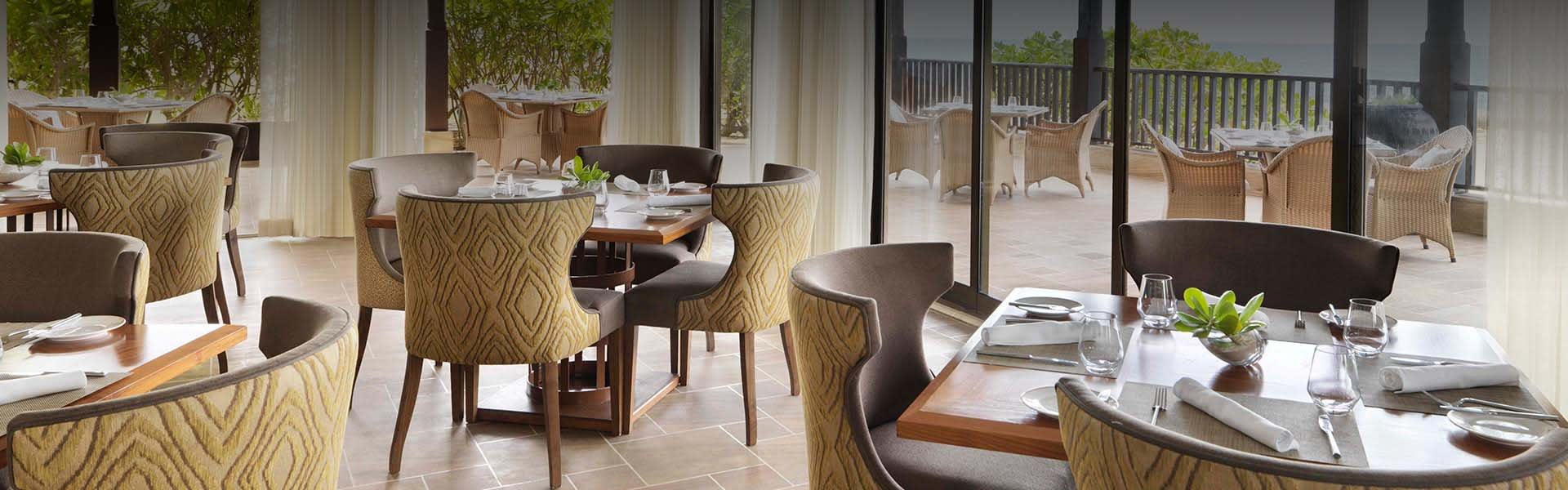
Details
- Romantic
- Scenic
- Elegant
- Rustic
- Family Vacation
- Romantic Getaway
- Wellness Retreat
- Celebration
- Beachfront
- Private Villa
- Destination Spa
- Waterfront
- Garden
- Panoramic View
- Private Dining
- Pool
- Spa
- Fitness Center
- Kids Club
- Beach Access
- Wi Fi
- Restaurant
- Bar
- Tennis Court
- Waterfront
- Garden
Serene and sophisticated with muted earth tones blending into the natural landscape; combines rustic elegance with modern comfort in a tranquil island setting.