Jumeirah Marsa Al Arab








Michelin Selected · World's 50 Best #15 · TIME 2026 TIME World's Greatest Places
Ranked #20 on the World's 50 Best Hotels list in 2025 and named Best New Hotel in the Middle East by Tatler Asia, Jumeirah Marsa Al Arab sits on the Umm Suqeim waterfront where Dubai's beach hotel corridor reaches its most ambitious recent expression. The property operates at the upper end of the Jumeirah group's own portfolio, competing directly with the ultra-luxury tier that includes Atlantis The Royal and The Lana.

Pearl is the En Primeur Club membership app, where members save venues, book tables and use the concierge.
Where Dubai's Waterfront Ambition Found a New Address
The stretch of Jumeira Street running through Umm Suqeim has anchored Dubai's luxury hotel identity for decades. The Burj Al Arab sits at its most photographed point; the older Jumeirah Beach Hotel occupies the adjacent shoreline. Jumeirah Marsa Al Arab, the group's newest flagship on that same corridor, arrived into a competitive set that had already been reshaped by the openings of Atlantis The Royal on the Palm and The Lana in Business Bay. Both of those properties set a new benchmark for what opening-year recognition looks like in Dubai. Jumeirah Marsa Al Arab answered quickly: a ranking of #20 on the World's 50 Best Hotels list in 2025, alongside the Tatler Asia Leading New Hotel in the Middle East award for the same year, placed it inside the city's top tier before most guests had completed a full season of stays.
That positioning matters for how you read the property. Dubai's luxury hotel market splits broadly into two cohorts: the high-volume resort format, where beach access, multiple pools, and F&B; volume carry the experience, and a smaller, more curated tier where room count is lower, design is more considered, and the property competes on atmosphere over amenity count. Jumeirah Marsa Al Arab operates closer to the latter, even within its own group's portfolio. For context on where the wider beach resort category sits, Address Beach Resort represents the scale-led end of Dubai's coastline offer, while Marsa Al Arab reads as more contained in its ambition.
The Approach and the Physical Register
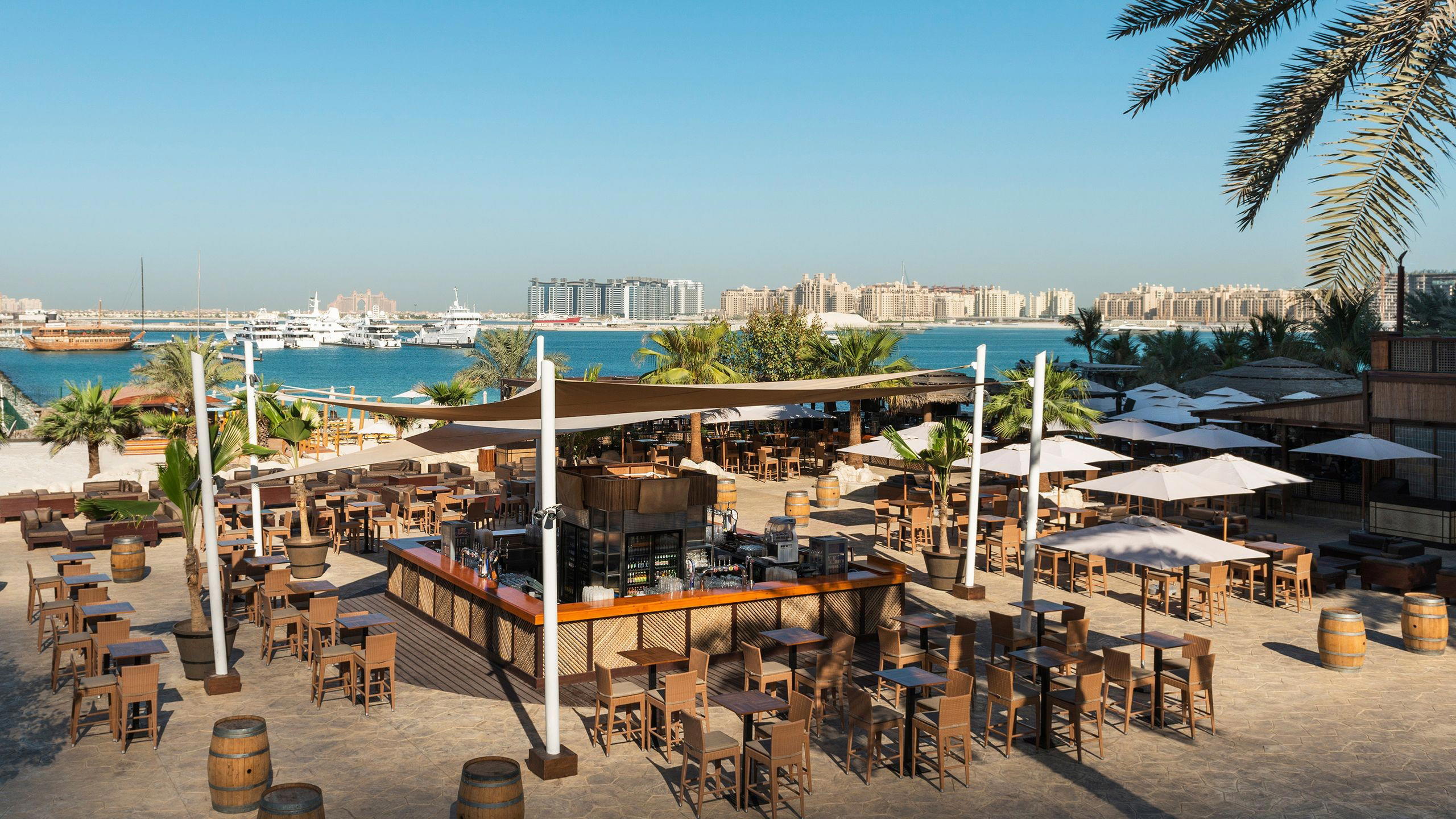
Arriving along Jumeira Street, the property's silhouette reads differently from the Burj Al Arab's sail-form landmark next door. Where that building was designed as a visual signal from the highway, Jumeirah Marsa Al Arab positions itself at water level, extending toward a marina basin that gives the address its name, marsa translates from Arabic as harbour or anchorage. The result is a property oriented around the idea of arrival by sea as much as by road, with the marina forming an organising gesture for the surrounding architecture. Dubai's newer ultra-luxury addresses tend to compete on vertical drama; this one competes on horizontal reach and water proximity.
Morning at a property like this has a different register than evening. The waterfront orientation and marina setting mean that daytime hours carry a specific quality of light and calm that changes substantially once evening F&B; programming takes over and the property's social spaces shift in energy. Dubai's beach hotels operate this divide sharply: daytime is often quieter and better suited to appreciating the architecture and pool zones, while dinner reservations and sunset-hour bar service define the evening rhythm. Guests who arrive expecting the same pace across both will find the gap between a mid-morning terrace hour and a Saturday evening at the same venue considerable.
Lunch vs. Dinner: How the Hours Read at This Address
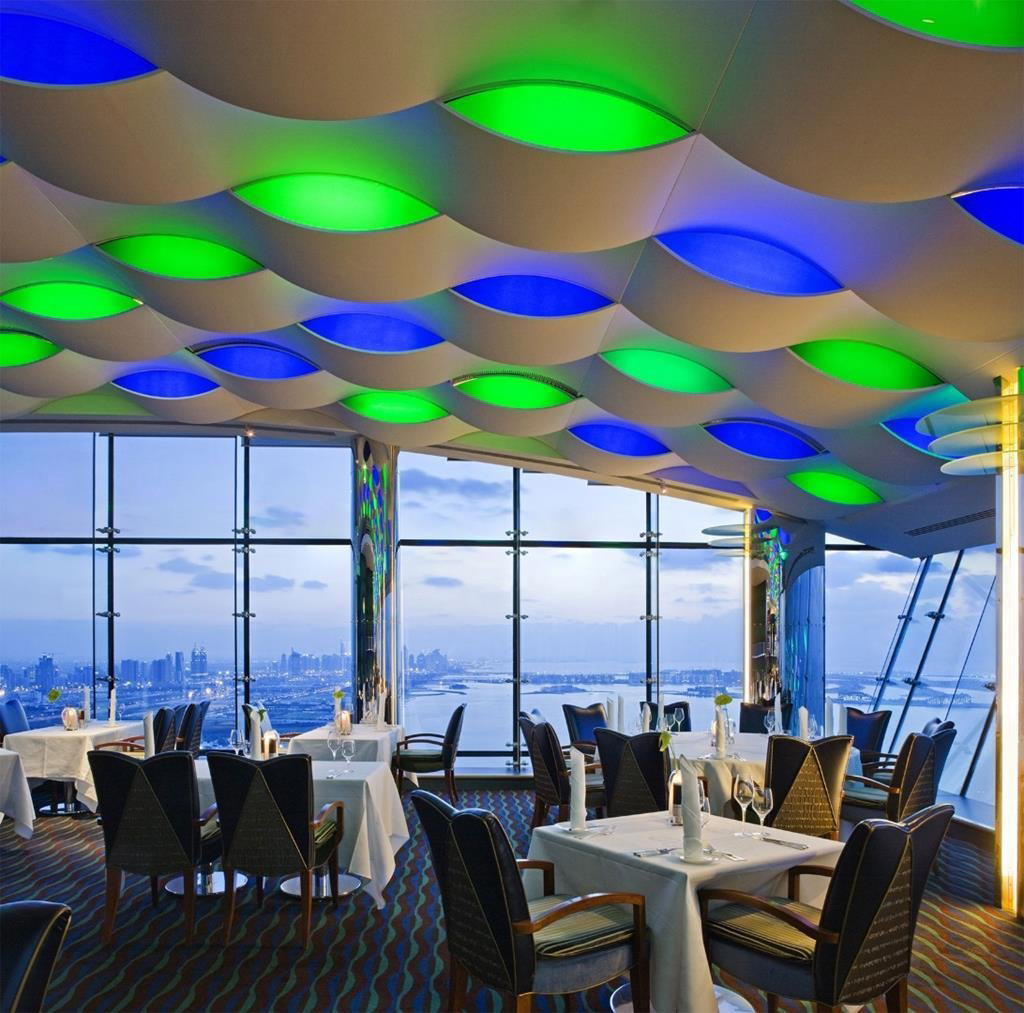
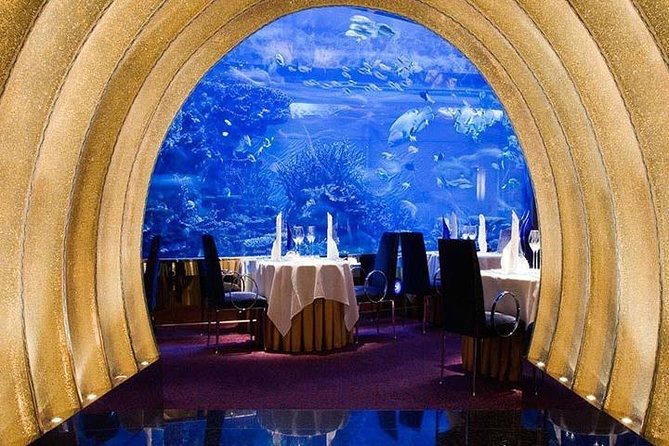
The lunch-versus-dinner divide at Dubai's top-tier beach properties is more pronounced than at comparable addresses in cities where the hotel isn't also a destination in its own right. At properties competing in Marsa Al Arab's tier, alongside peers like Address Beach Resort or the Four Seasons Resort at Jumeirah Beach, daytime service tends to draw a mix of in-house guests and residents escaping city offices, with a more relaxed pace and often better value in per-cover terms. Evening service is where the property's full positioning becomes visible: the F&B; spaces carry more formal energy, reservation demand is higher, and the experience shifts toward the theatrical lighting and curated service cadence that Dubai's upper-tier hotel dining is known for.
For guests planning a single-day visit rather than a full stay, the calculus is different. A lunch visit to a property at this level in Umm Suqeim offers access to the waterfront setting and kitchen quality without the full-evening pricing structure that accompanies dinner. The trade-off is atmosphere: Dubai's luxury hotel dining is engineered for nightfall, with skyline views and marina reflections doing significant work after dark. Neither moment is wrong, but they serve different purposes, and the choice should be deliberate rather than logistical.
Guests staying in-house across multiple nights will find the property's morning-to-evening arc worth mapping in advance. The Umm Suqeim coastline is at its most comfortable between October and April, when temperatures allow genuine outdoor terrace use during daylight hours. Summer stays shift the experience more substantially toward interior F&B; and air-conditioned pool environments, which affects how the marina-facing orientation reads in practice.
Placing Marsa Al Arab in the Dubai and Regional Context
That the newest Jumeirah flagship earned a ranking at this level within its first operational year signals something about how the international hotel conversation has shifted toward the Gulf in recent cycles. Atlantis The Royal made similar waves on opening; the difference is that Marsa Al Arab competes in a quieter register, without the waterpark and spectacle infrastructure that defines the Palm Jumeirah address.
Within the UAE more broadly, the luxury hotel field has expanded rapidly across emirates. Arabian Nights Village in Abu Dhabi and Anantara Qasr Al Sarab in the Liwa Desert represent the desert-immersion pole of regional luxury; Anantara Mina Ras Al Khaimah and Al Badayer Retreat by Sharjah Collection extend the premium conversation into the northern emirates. Marsa Al Arab sits firmly at the city-beach end of that regional spectrum, competing on marina access, Jumeirah Group operational scale, and proximity to Dubai's central luxury corridor rather than on remoteness or landscape drama.
Each addresses a different version of the Dubai stay. Marsa Al Arab's Umm Suqeim address gives it a connection to the original Jumeirah beach hotel corridor that newer Creek-side and Downtown addresses can't replicate, and that heritage adjacency, sitting next to what remains one of the most photographed hotel buildings in the world, is part of the product whether you read it as advantage or noise.
Planning logistics for Umm Suqeim follow Dubai's standard beach hotel patterns: a taxi or ride-share from Dubai International Airport takes approximately 30 to 40 minutes depending on traffic, with the property reachable from the Al Maktoum International side in a similar window. The nearest metro access point requires a transfer to road transport regardless, so most guests arriving from outside the city will default to car. Booking through the Jumeirah group's direct channels is standard; the property's award profile in 2025 suggests high demand for the rooms that face the marina basin directly, so early reservation is advisable for peak winter-season travel between November and March. Forbes Travel Guide has indicated it is in the process of rating the property, with its Star designation pending.
For a full overview of Dubai's restaurant and hotel scene beyond Umm Suqeim, see our full Dubai guide.
The Short List
Comparable venues nearby, for context on price, style, and recognition.
| Venue | Price | Awards | Notes |
|---|---|---|---|
| Jumeirah Marsa Al ArabThis venue (the venue you are viewing) | $1,000–1,500 | Michelin Selected · World's 50 Best #15 | Not listed |
| Bvlgari Resort and Residences Dubai | Not listed | 2 Michelin Keys · La Liste Top Hotels | Jumeira, Mediterranean-inspired luxury resort with nautical Italian Riviera elegance on a private island. |
| One&Only The Palm | $300–500 | 2 Michelin Keys · La Liste Top Hotels | Palm Jumeirah, Low-rise Andalusian-inspired beachfront resort |
| Jumeirah Burj Al Arab | Not listed | La Liste Top Hotels · Virtuoso Luxury Hotel Partner | Umm Suqeim, Ultra-luxury all-suite sail-shaped icon with dedicated butlers. |
| Bab Al Shams Desert Resort & Spa | $300–500 | 1 Michelin Key · Tablet Hotels Top 40 New Hotels #4 | Dubai desert, Traditional Arabian desert resort with modern luxury renovations |
| The St. Regis Downtown Dubai | $300–500 | 1 Michelin Key · Forbes 4-Star | Bussiness Bay, Contemporary luxury infused with Emirati heritage and Old World glamour |
Recognition history
Dated appearances from independent guides and award organizations, with the underlying list record or original source where available.
Michelin Selected
Michelin
World's 50 Best Hotels #15 · No. 15
World's 50 Best · 2026 World’s 50 Best Hotels 1-50
AFAR Best New Hotels
AFAR · AFAR 40 Best New Hotels 2026
Conde Nast Hot List Hotels
Conde Nast
Esquire Best New Hotels
Esquire
Full recognition history (12 entries)
TIME 2026 TIME World's Greatest Places
TIME
Travel + Leisure It List Hotels
Travel + Leisure
Virtuoso Luxury Hotel Partner
Virtuoso
Tatler Listed in Best Hotels Middle East
Tatler
Tatler Best New Hotel
Tatler
Tatler Best Middle East: Best New Hotel
Tatler
World's 50 Best Hotels #20
World's 50 Best
Jumeirah Marsa Al Arab
Featured Guides
Continue exploring
More in Dubai
Hotels in Dubai
All hotels in Dubai →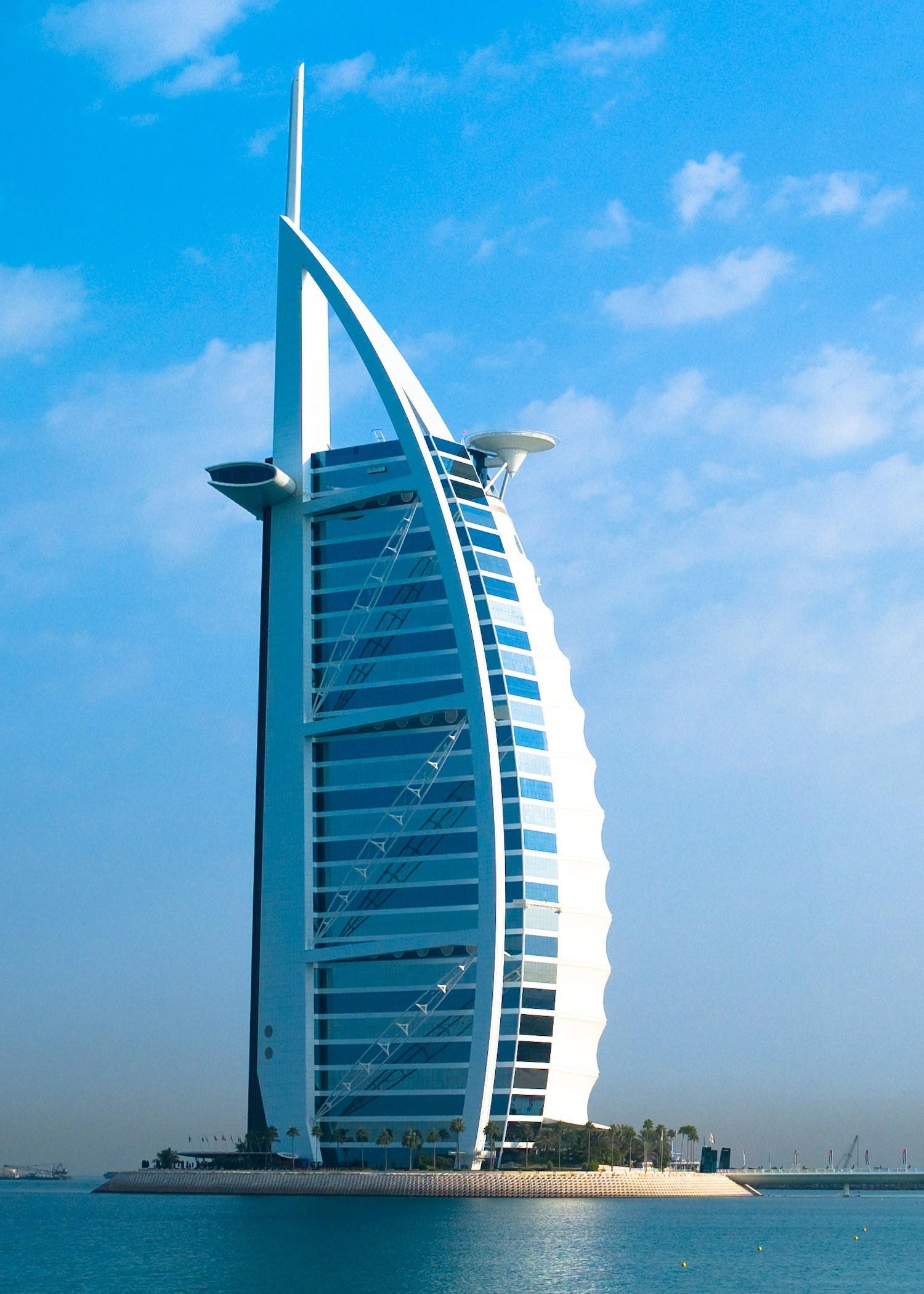
Bars in Dubai
All bars in Dubai →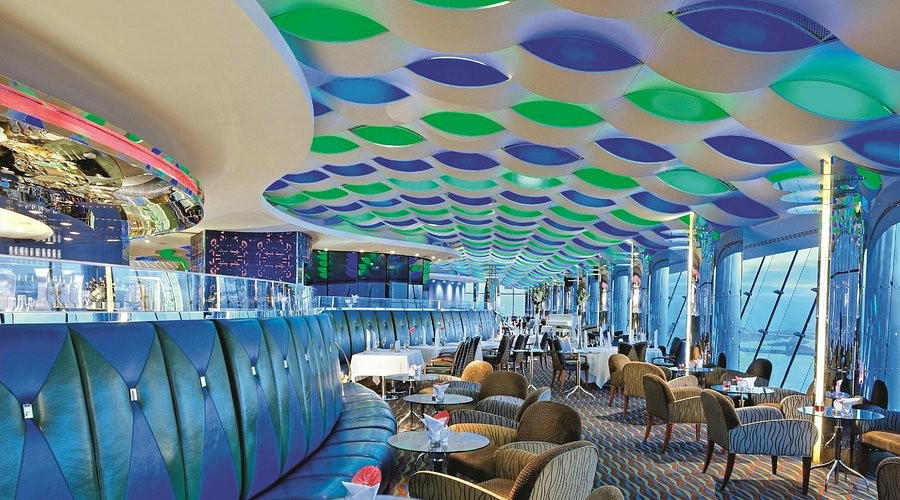
Details
- Elegant
- Sophisticated
- Modern
- Scenic
- Honeymoon
- Romantic Getaway
- Family Vacation
- Wellness Retreat
- Anniversary
- Celebration
- Beachfront
- Infinity Pool
- Butler Service
- Destination Spa
- Panoramic View
- Private Dining
- Waterfront
- Terrace
- Wi Fi
- Pool
- Spa
- Fitness Center
- Room Service
- Concierge
- Valet Parking
- Kids Club
- Beach Access
- Restaurant
- Bar
- Waterfront
- Skyline
- Wheelchair Accessible
- Elevator
- Accessible Restroom
- Accessible Parking
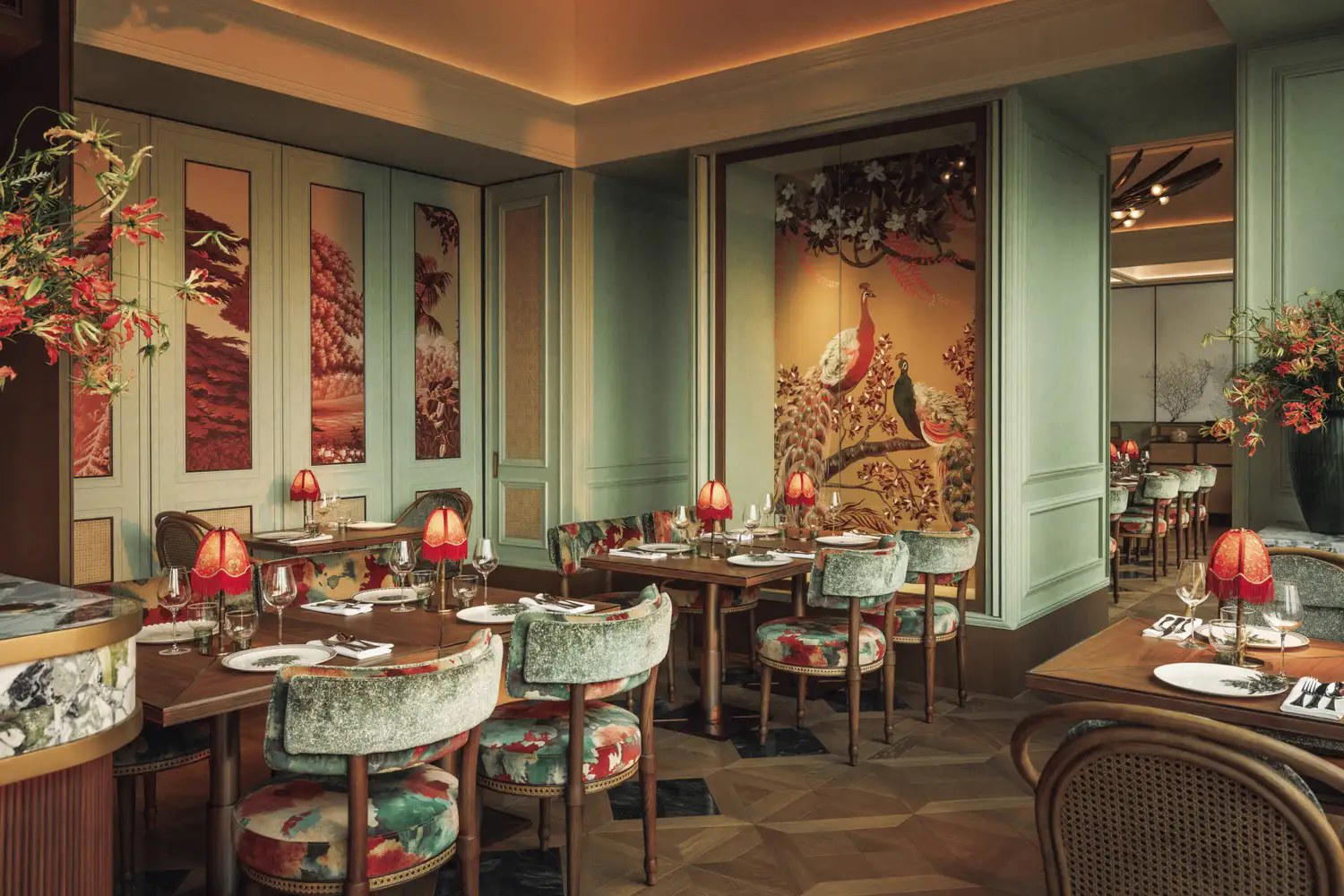
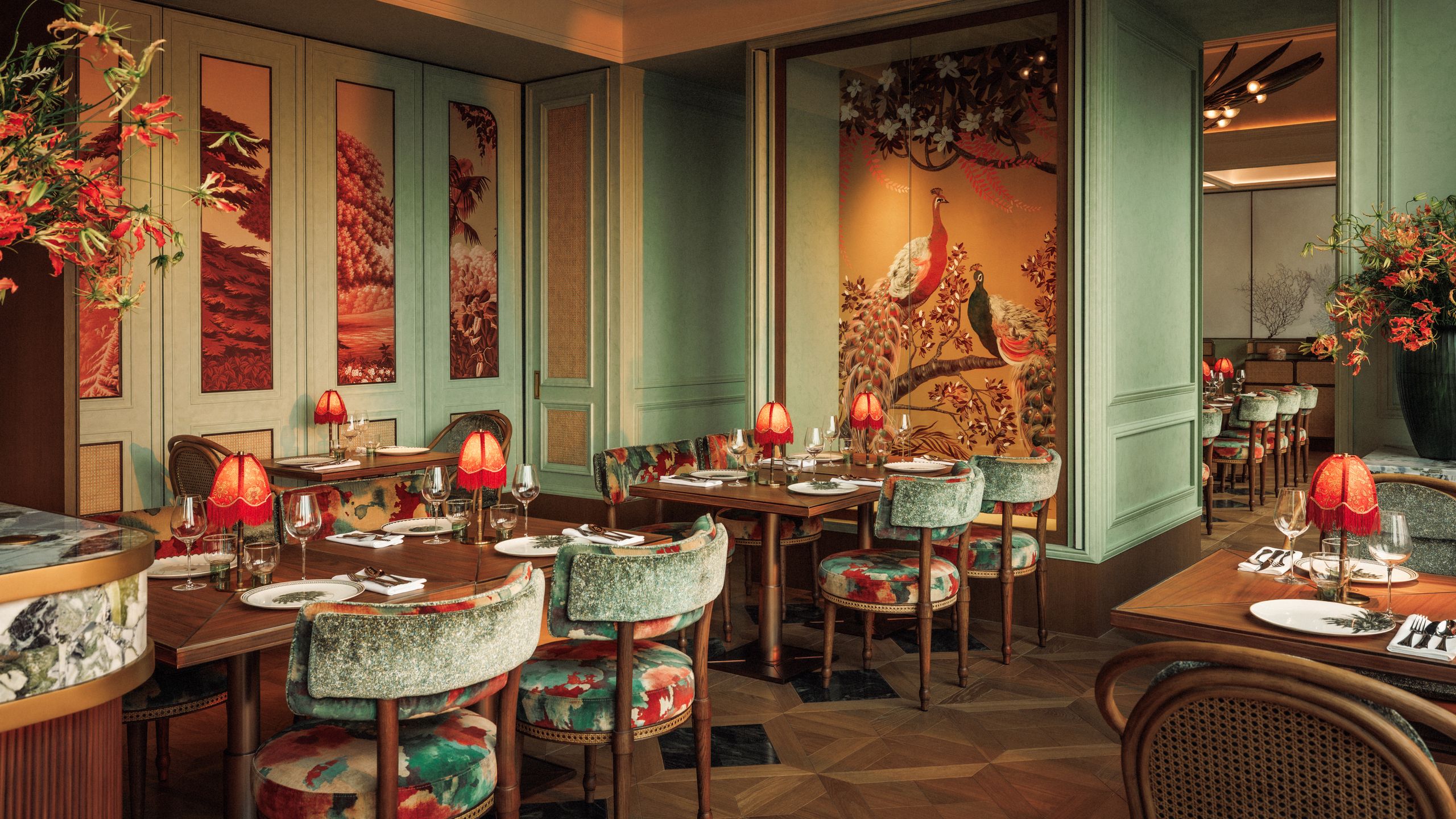
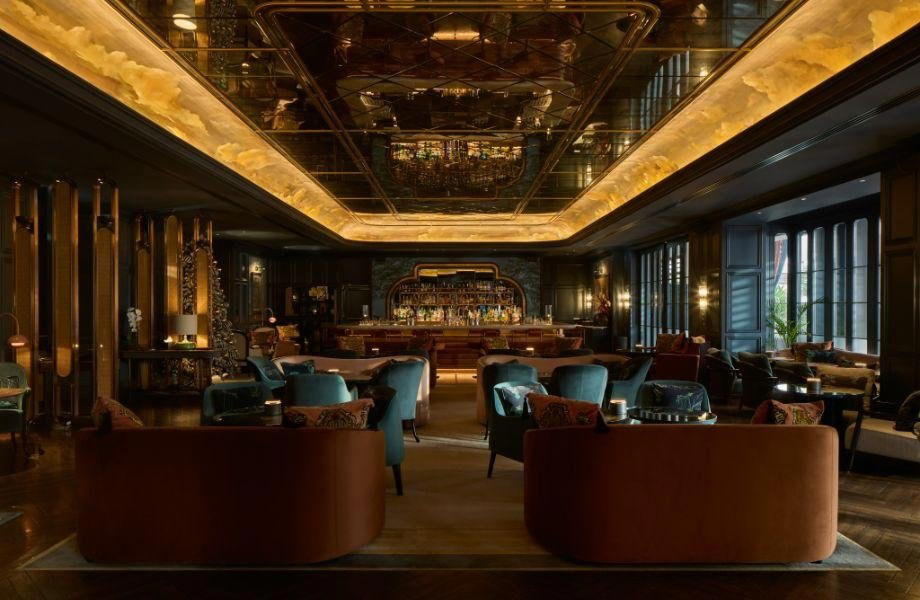
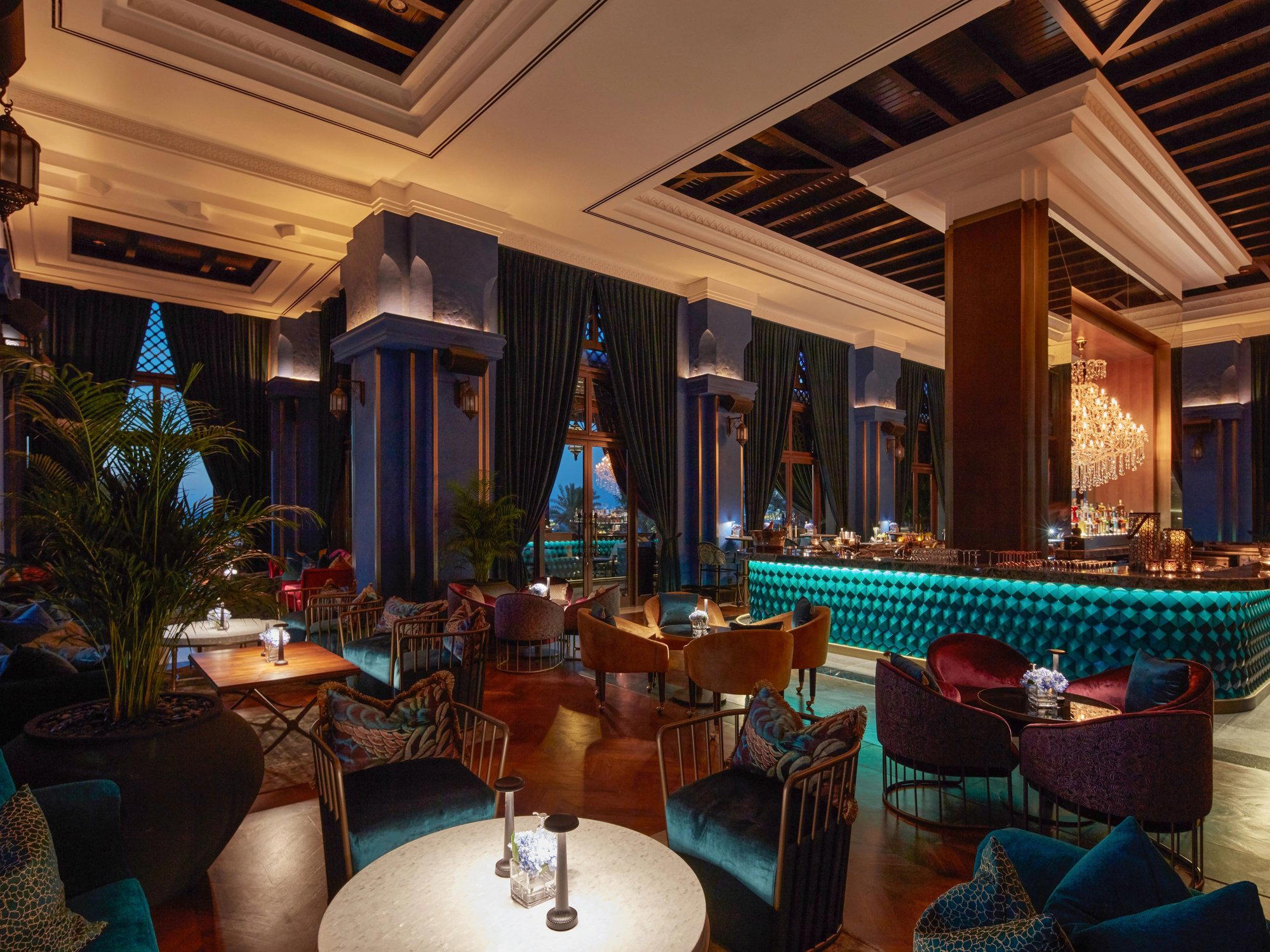
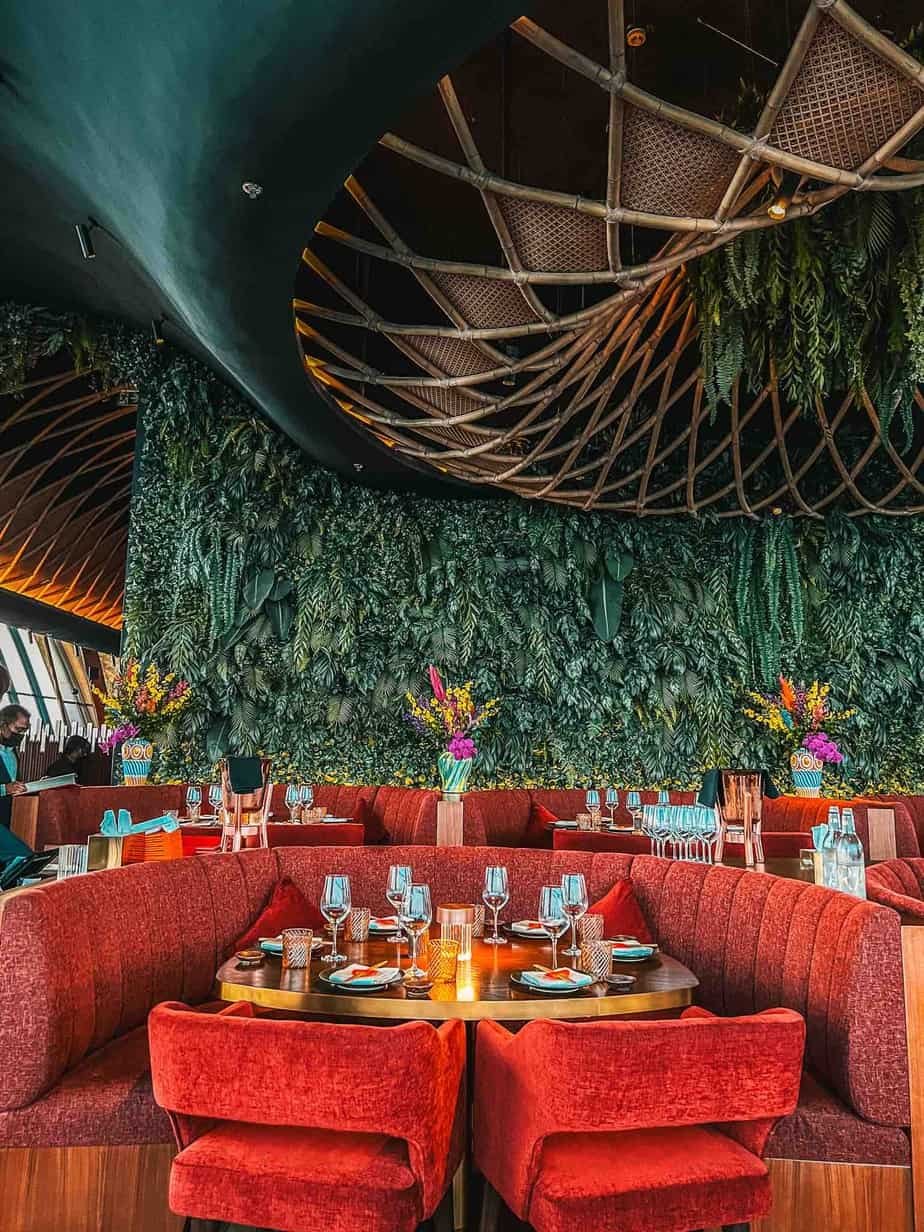
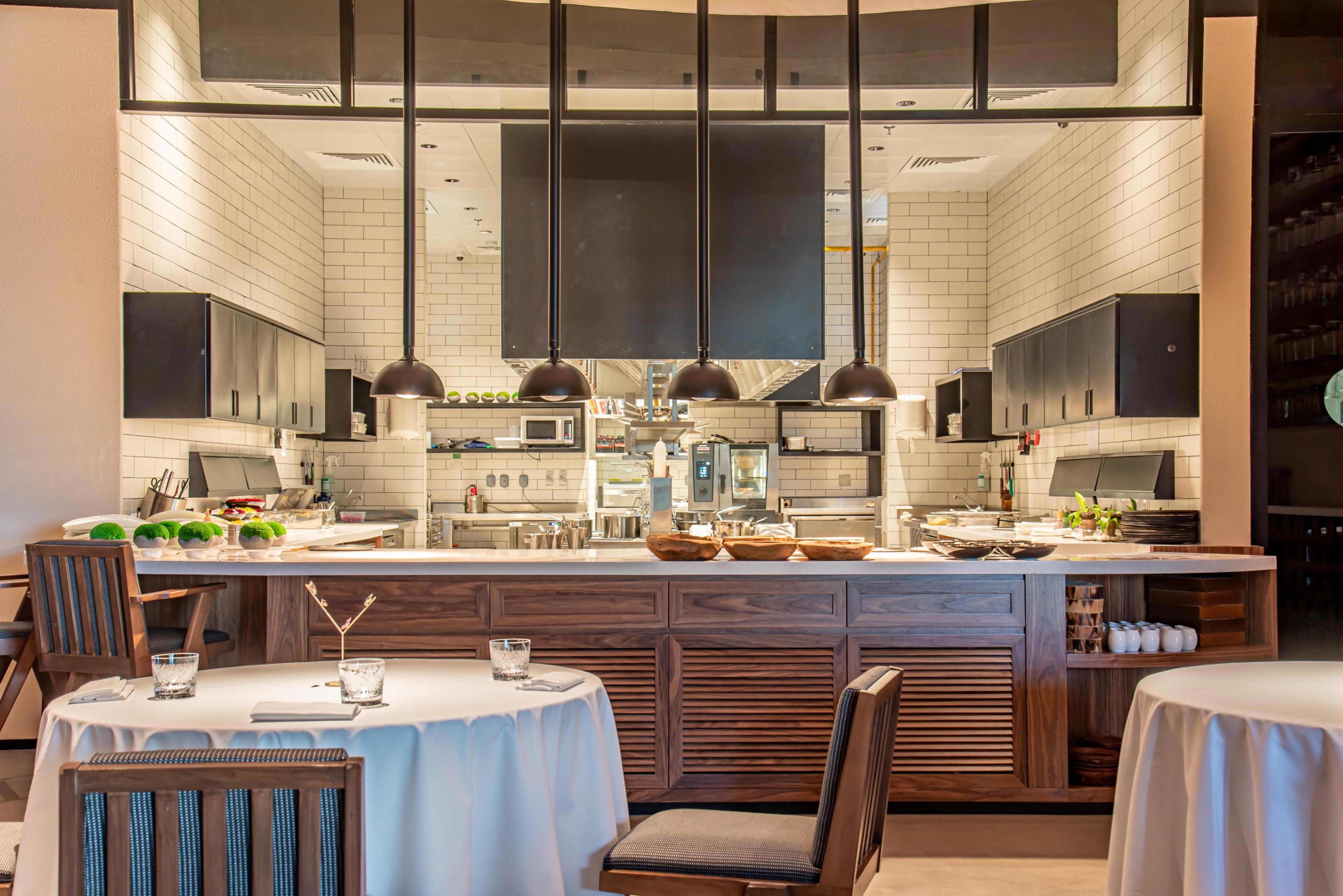
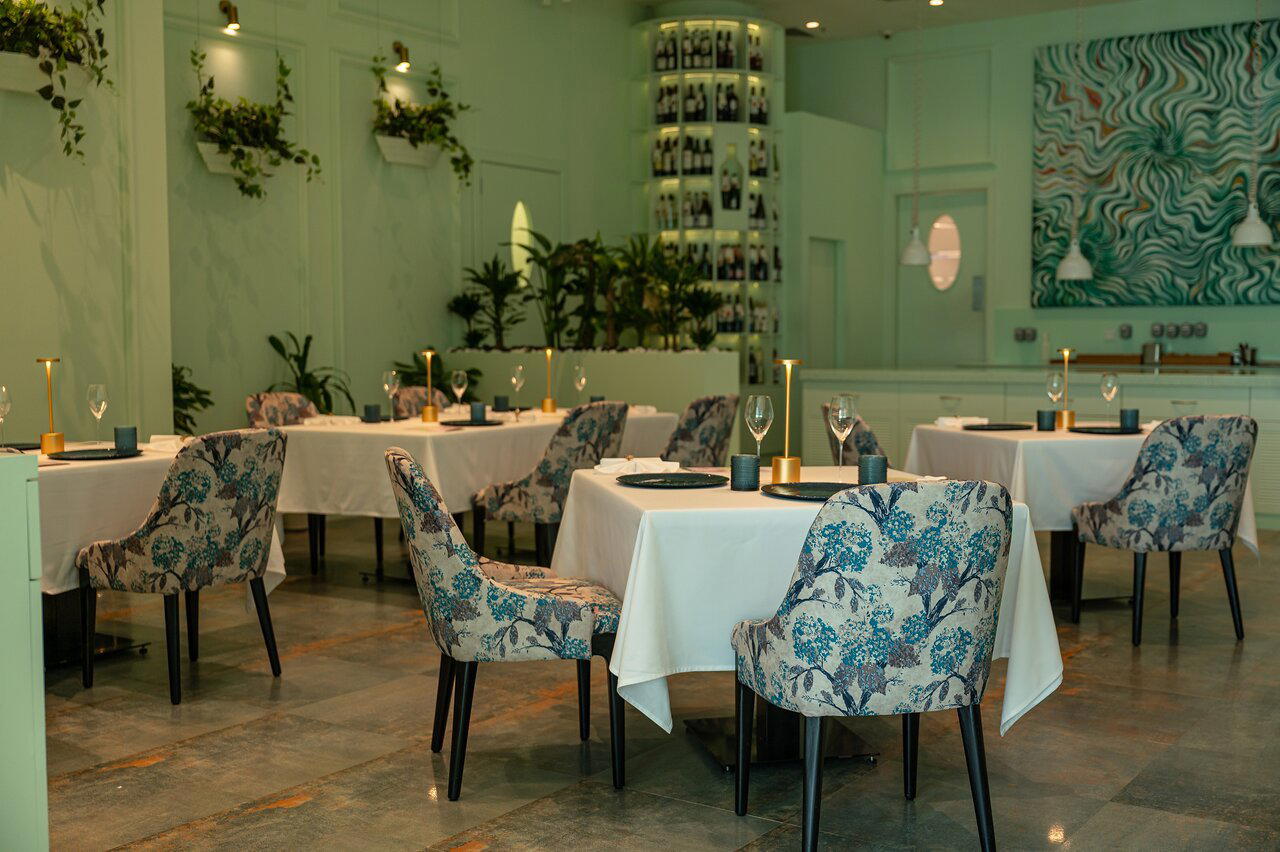
Luxurious and refined with nautical-inspired interiors featuring 1960s glamour aesthetics, abundant natural light from floor-to-ceiling windows, and serene wellness spaces overlooking the Arabian Gulf.