
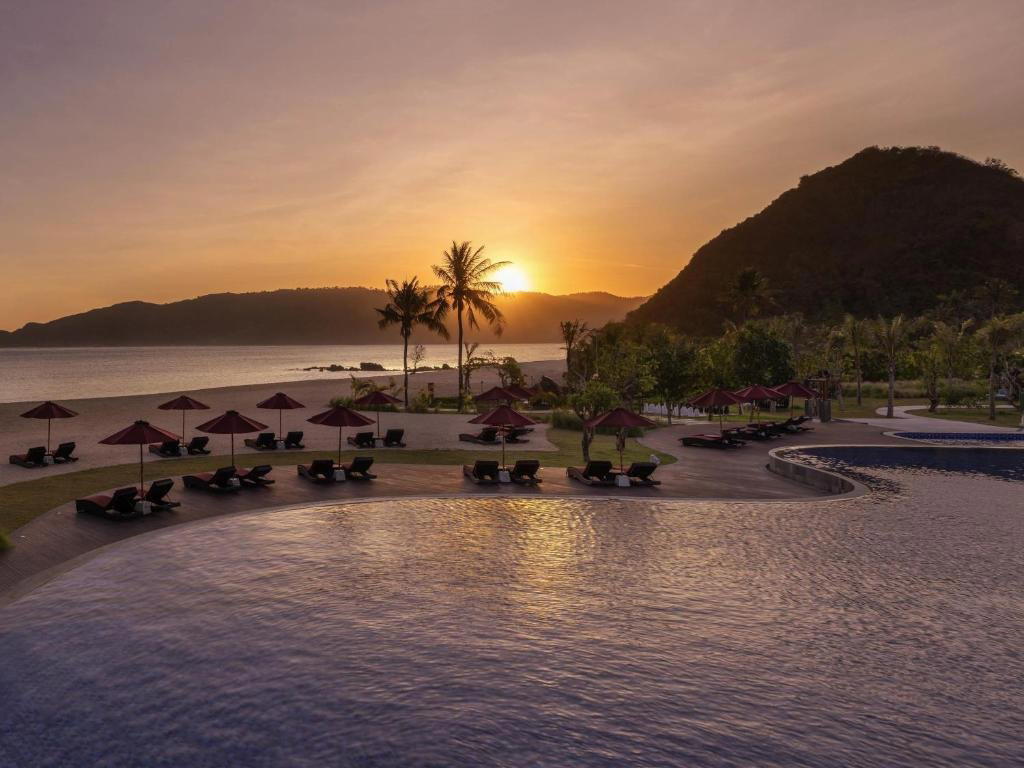
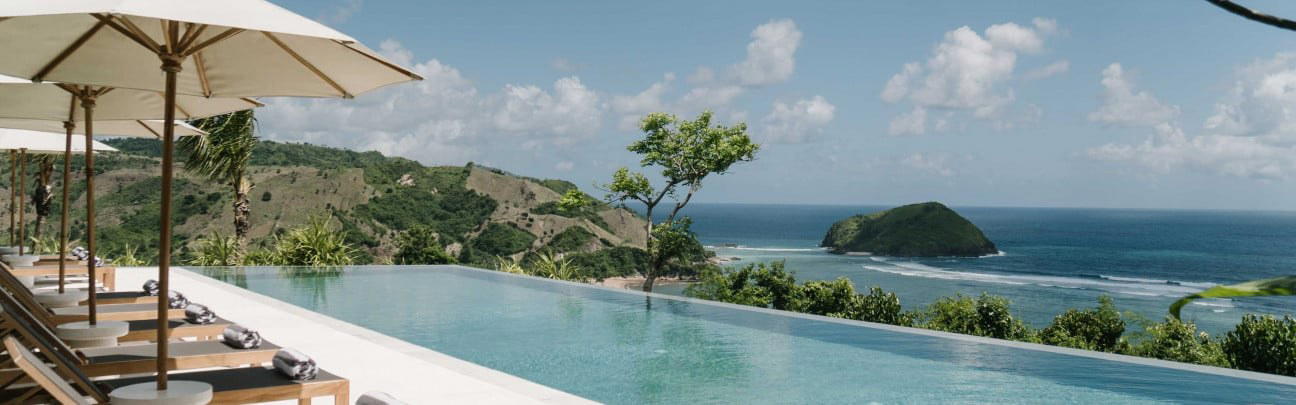
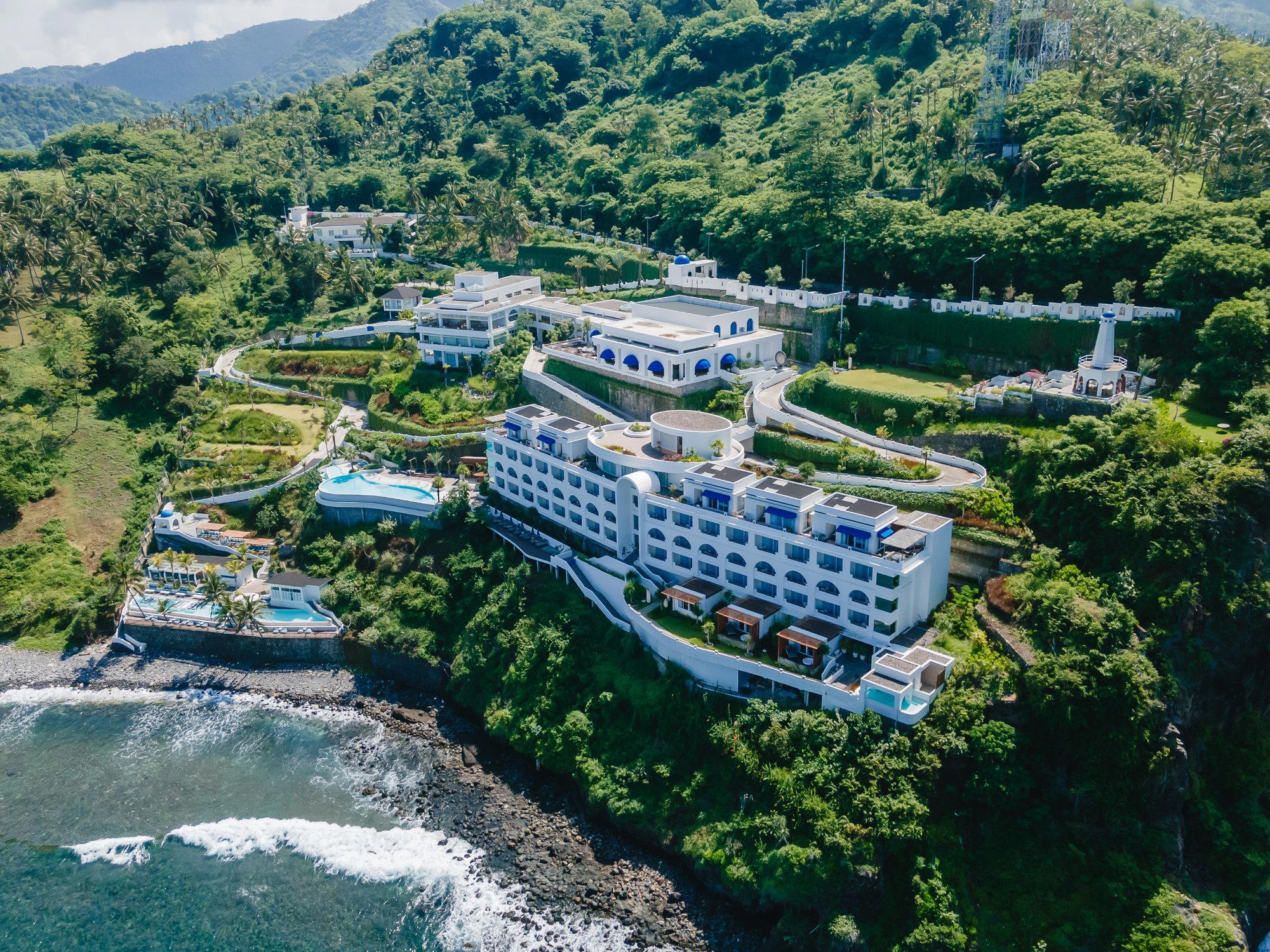
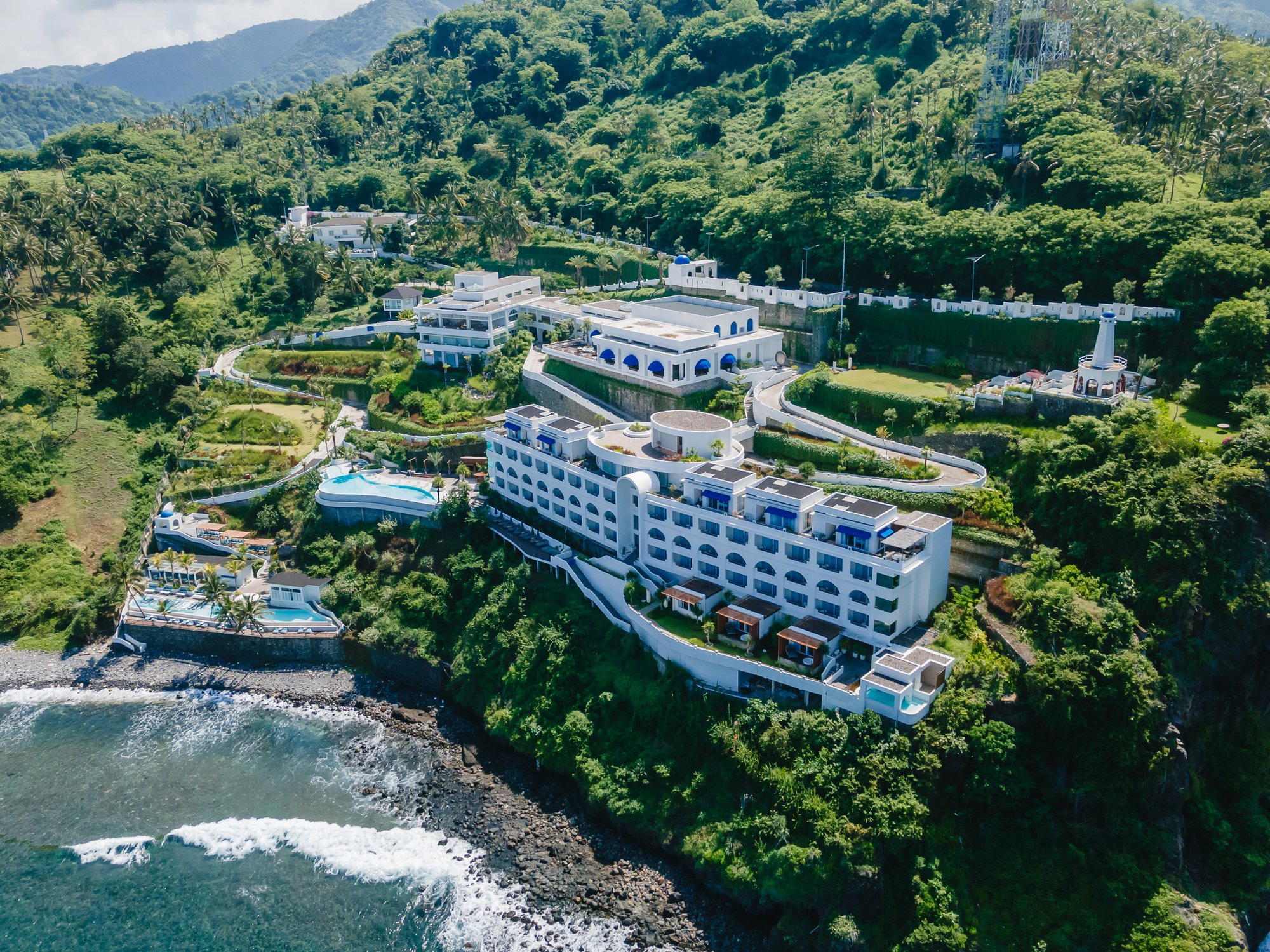
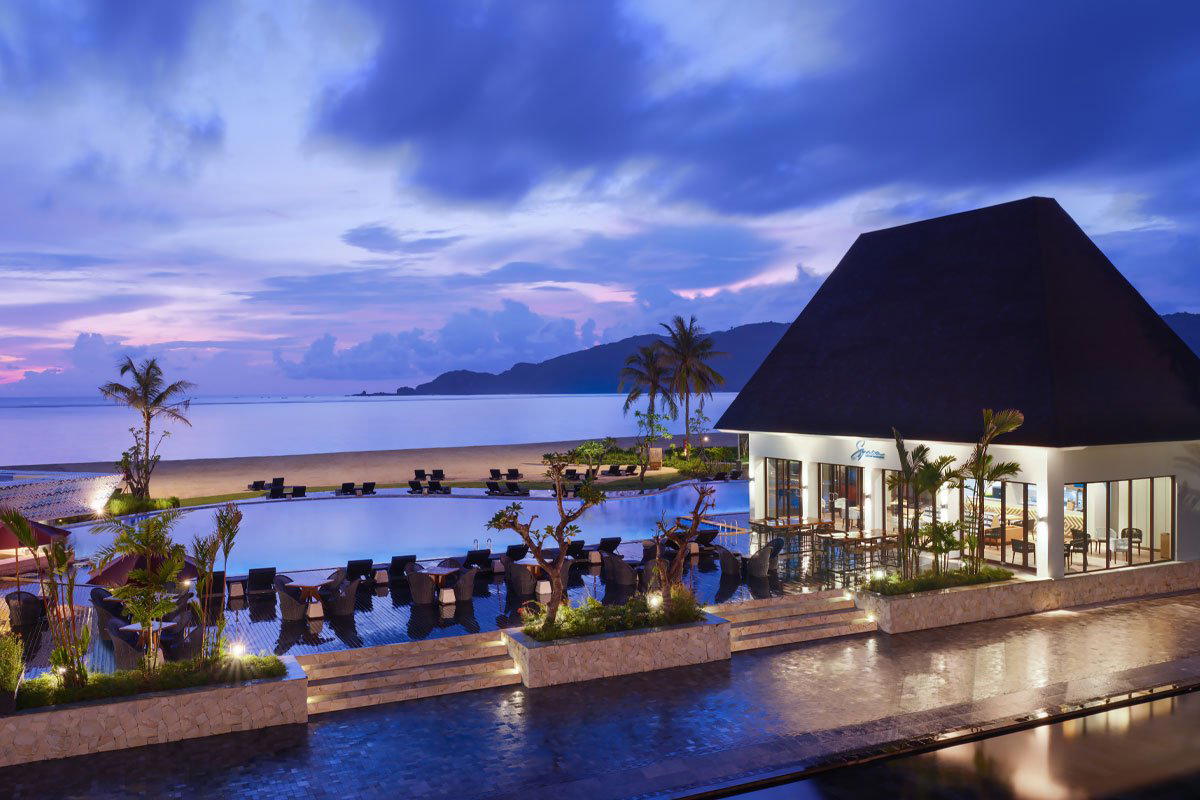
Innit Lombok sits at the edge of Indonesia's Ekas peninsula, a MICHELIN Selected property for 2025 in one of Lombok's least-trafficked coastal stretches. The property places visitors at the threshold between remote savanna terrain and the Indian Ocean surf breaks that have drawn a small, deliberate international following to this corner of East Lombok. It belongs to a different register than Bali's resort corridor.
Pearl is the En Primeur Club membership app — saves, bookings, and concierge access live there. Same editors, same standards.
- Address
- Kampong Berore, Ds. Ekas Buana, Jln. Innit No.1, Pemongkong, Jerowaru, East Lombok Regency, West Nusa Tenggara 83672, Indonesia
- Phone
- +62 811-3900-8500
- Website
- innithotels.com
- Directions
- Get directions
 Saves & bookings on Pearl
At the Edge of the Indonesian Archipelago: Ekas and the Properties That Define It
East Lombok's Ekas peninsula occupies a position in Indonesian travel that Seminyak did twenty years ago: known to a specific type of traveller, largely underdeveloped, and carrying the kind of spatial generosity that disappears once infrastructure catches up. The approach to Innit Lombok, along roads that pass through rice paddies and dry savanna scrub toward the coastline at Kampung Berore, marks a deliberate exit from the Bali resort corridor. This is not the manicured tropics of Mandapa, a Ritz-Carlton Reserve in Ubud or the design-forward beachside of COMO Uma Canggu. The terrain is rawer, the scale smaller, and the relationship between the built environment and the natural one far less mediated.
That quality of mediation, how much a property insulates guests from where they actually are, is the defining design question in premium Indonesian hospitality right now. Innit Lombok answers it on the side of exposure rather than enclosure. MICHELIN's 2025 Selected designation places it within a broader set of recognised properties across the archipelago, but its physical and geographic context is closer to surf-camp-adjacent than to the polished villa compounds that dominate MICHELIN's Indonesian hotel selections further west.
Design Position: Between the Raw and the Considered
Across Indonesia's smaller island properties, two dominant design philosophies have emerged. The first borrows from the international luxury template: high-specification finishes, filtered natural light, controlled sight lines toward curated ocean views. Properties like Nihi Sumba and Bvlgari Resort Bali in Uluwatu operate in this register, where the landscape is dramatic but the experience of it is architecturally orchestrated. The second approach, increasingly common in Lombok and Sumbawa, treats the built structure as a threshold object: minimal enough that the surrounding environment does most of the spatial work.
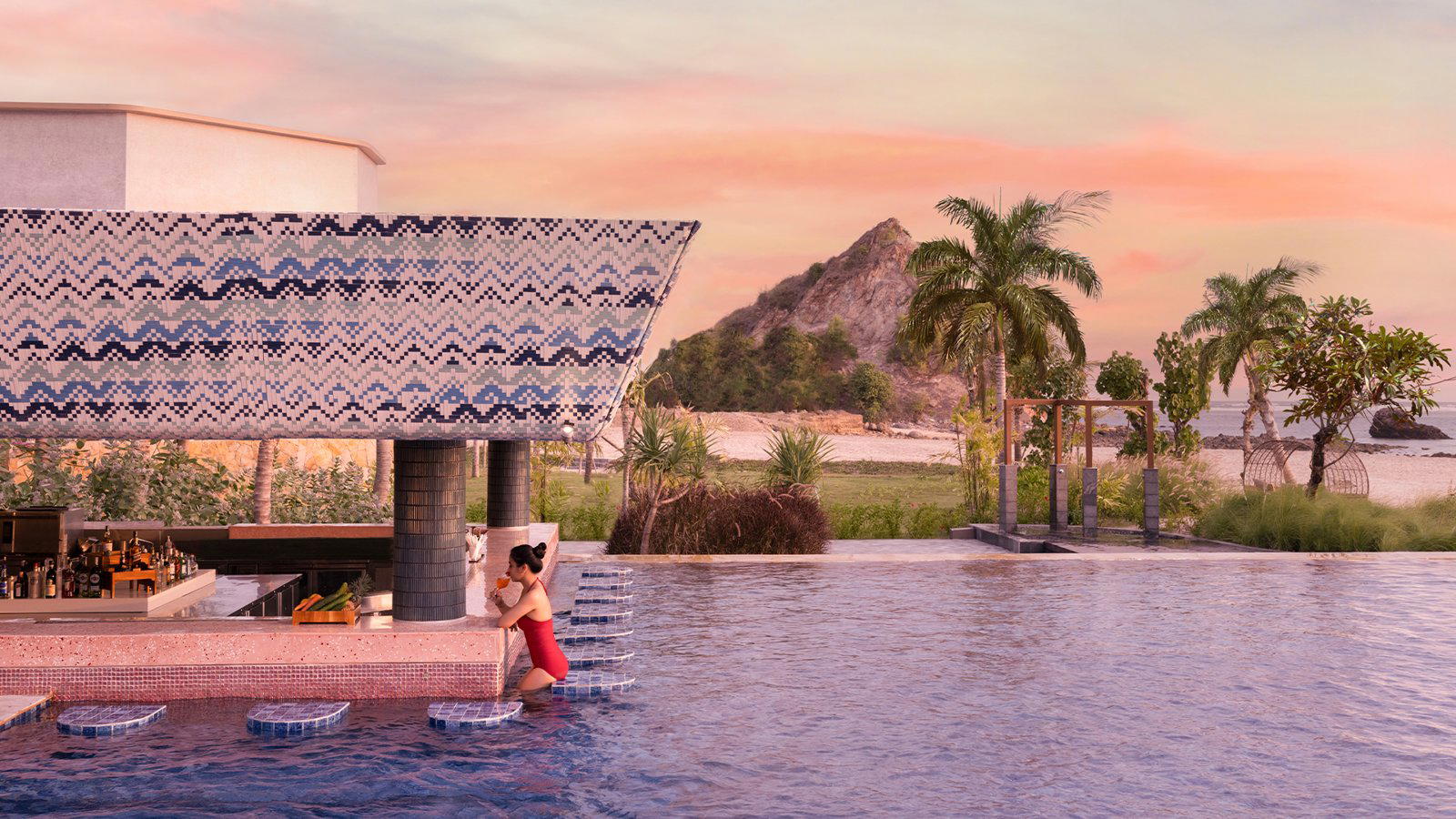
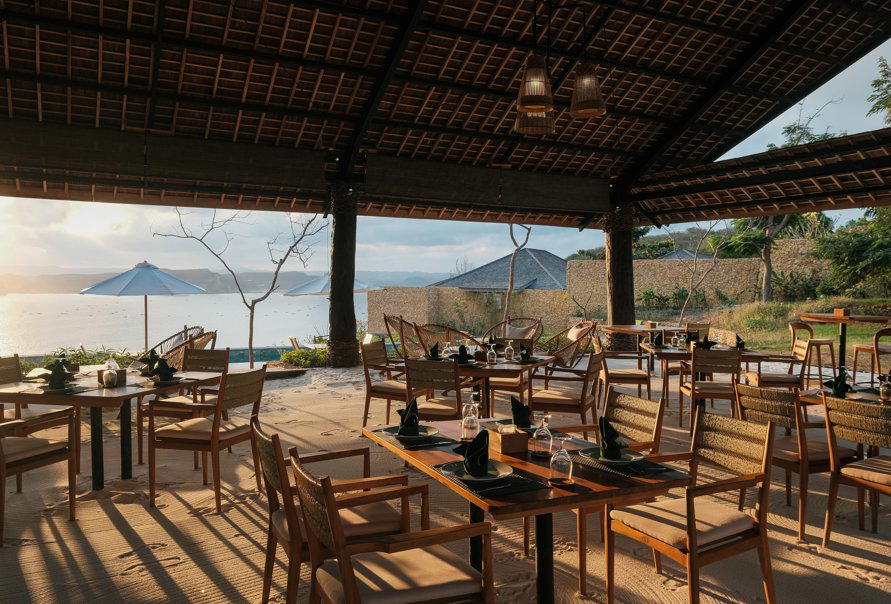
Innit Lombok's address at Desa Ekas places it in the second camp. The property sits within a coastal zone where the dominant architectural influence is Indonesian vernacular construction adapted for climate and site, rather than imported resort grammar. Thatched and timber-frame structures that reference Sasak building traditions read differently against Lombok's dry eastern coast than they would against Bali's lush interior rice terraces. The material palette responds to the terrain: earth tones, natural fibres, open-sided pavilions that let the Indian Ocean air move through rather than conditioning it out of existence.
For travellers who have stayed at larger-footprint Indonesian properties, the Mulia Villas in Nusa Dua or Jumeirah Bali, the scale shift at Innit Lombok is the primary experience, not a secondary detail. Fewer keys means the property maintains a ratio of space to guest that larger Indonesian resorts cannot sustain.
Ekas in Regional Context: What This Part of Lombok Offers
The Ekas area has built a reputation among a narrow international set primarily because of its surf, specifically the right-hand break at Ekas Bay that delivers consistent, surfable waves for most of the year. That single attribute has historically kept visitor numbers low and accommodation choices limited: the guests who came were self-sufficient, and the infrastructure catered to that. The entry of MICHELIN-selected properties into this coastal pocket signals the beginning of a more deliberate hospitality offer, though the area remains far less developed than Lombok's northwest Gili corridor or the southwestern Kuta beach stretch.
For context on Lombok's broader hospitality range, the Tunak Resort Luxury Escape on the island's southern peninsula occupies a similarly remote position, and the comparison is useful: both properties operate in Lombok's quieter coastal zones, distinct from Bali's resort density and from the traveller volumes that define properties such as Desa Potato Head in Denpasar or Potato Head Suites and Studios in Seminyak. The guest selecting Ekas is not choosing between Lombok and Bali in the way that comparison normally runs, between convenience and scenery. They are choosing a specific type of remoteness that has its own internal logic.
Travellers arriving from other islands should account for the overland component after reaching Lombok. Lombok's international airport is in Praya, and the drive to Ekas moves through the island's central and eastern reaches.
The MICHELIN 2025 Selection and What It Signals
MICHELIN's hotel selections function differently from its restaurant stars, the criteria weight ambiance, service quality, and overall experience rather than culinary achievement. A MICHELIN Selected designation at the 2025 level indicates that inspectors found the property meeting threshold standards across those categories, placing it in the same searchable tier as recognised Indonesian properties considerably larger and more established. For a small coastal property in a low-traffic peninsula, the designation serves primarily as a navigation signal: it tells a traveller sorting through Indonesian options that this property has been assessed and cleared a credible benchmark.
Among Indonesia's broader accommodation offer, this places the hotel in a different competitive conversation than major international-brand properties such as The Ritz-Carlton Jakarta, Mega Kuningan or InterContinental Bandung Dago Pakar. It is also a different selection from wellness-positioned Indonesian properties like REVĪVŌ Wellness Resort Nusa Dua Bali. The recognition is useful less as a comparative ranking and more as a baseline assurance that the property functions at a level consistent with considered travel planning.
For travellers building an Indonesian itinerary that extends beyond the Bali axis, Ekas represents a logical extension toward an eastern Nusa Tenggara register closer to Plataran Komodo Resort and Spa in Labuan Bajo than to anything in the Seminyak or Ubud orbit.
Planning Your Stay
The hotel's address, Kampung Berore, Desa Ekas, Jerowaru, East Lombok, is specific enough to require a mapped route from whichever Lombok entry point you use. Reservations are recommended. The dry season between May and September delivers one consistent conditions in this part of Lombok, both for surf at Ekas Bay and for the general comfort of open-sided pavilion accommodation. Packing for remoteness, including cash, as ATM infrastructure thins out east of Praya, is practical preparation rather than precaution.
For travellers sequencing this into a wider Indonesian itinerary, the contrast with Bali properties is as much atmospheric as logistical. Moving from a property like RIMBA by AYANA Bali in Jimbaran Bay or Hotel Komune and Beach Club Bali in Gianyar to Ekas involves a genuine gear-shift in pace and infrastructure. That gear-shift is the product, not an obstacle to it.
Comparable Venues
Comparable venues nearby, for context on price, style, and recognition.
| Venue | Cuisine | Price | Awards | Notes |
|---|---|---|---|---|
| Innit LombokThis venue — the venue you are viewing | Beachfront minimalist villas inspired by traditional Lombok Lumbung homes | $$$$ | 5-Star | Not listed |
| The Meru Sanur | Tropical luxury resort with wellness emphasis for extended stays. | $$$$ | 5-Star | Sanur Kaja |
| The Apurva Kempinski Bali | Contemporary Javanese palace inspired by Majapahit Kingdom and Balinese temples | $$$$ | 5-Star | Nusa Dua |
| Jumeirah Bali | Luxury all-villa resort designed as a contemporary interpretation of a classical Javanese-Hindu water palace inspired by the Majapahit Empire. | $$$$ | 5-Star | Uluwatu, Pecatu |
| Bambu Indah | Regenerative eco-luxury with bamboo and reclaimed teak structures | $$$$ | 5-Star | Ubud |
| The Oberoi Lombok | Luxury private villa resort with village-like clustering of traditional Balinese architecture set within expansive tropical gardens. | $$$$ | 5-Star | Medana Beach, Northwest Coast |
Recognition history
Dated appearances from independent guides and award organizations, with the underlying list record or original source where available.
Michelin Selected
Michelin
Continue exploring
More in Ekas
Hotels in Ekas
Browse all →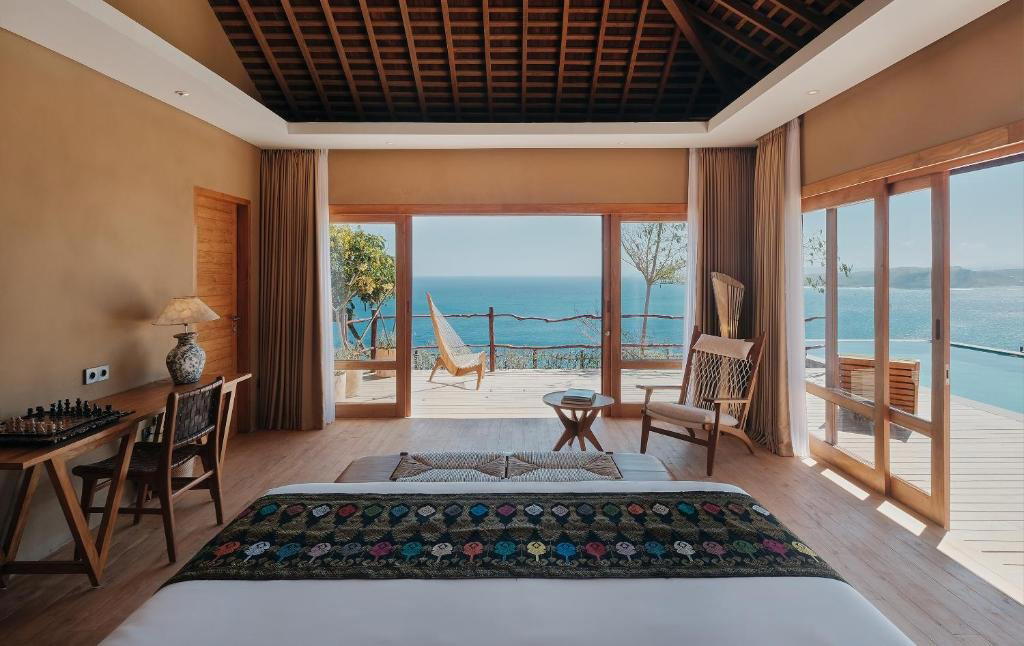

At a Glance
- Quiet
- Scenic
- Intimate
- Minimalist
- Romantic Getaway
- Honeymoon
- Weekend Escape
- Beachfront
- Design Destination
- Panoramic View
- Waterfront
- Pool
- Restaurant
- Wi Fi
- 24 Hour Front Desk
- Beach Access
- Waterfront
- Pool
- Restaurant
- Wi Fi
- 24 Hour Front Desk
- Beach Access
Secluded, quiet, and nature-immersive, with an understated barefoot-luxury feel shaped by open-air spaces, natural light, and direct beach proximity.