Hotway's Chicken Lombok Ampenan Seruni
On a busy strip in Ampenan's old port district, Hotway's Chicken operates within Mataram City's informal ayam taliwang circuit, where charcoal-grilled Sasak-style chicken is the only logic on the menu. The setting is functional and the price point local. For travellers willing to leave Bali's polished warung trail behind, this is where Lombok's most debated chicken tradition is served without adjustment.
Pearl is the En Primeur Club membership app — saves, bookings, and concierge access live there. Same editors, same standards.
- Address
- Jl. Panji Tilar Negara No.1, Taman Sari, Kec. Ampenan, Kota Mataram, Nusa Tenggara Bar. 83115, Indonesia
- Website
- hotwayschicken.com
- Directions
- Get directions
 Saves & bookings on Pearl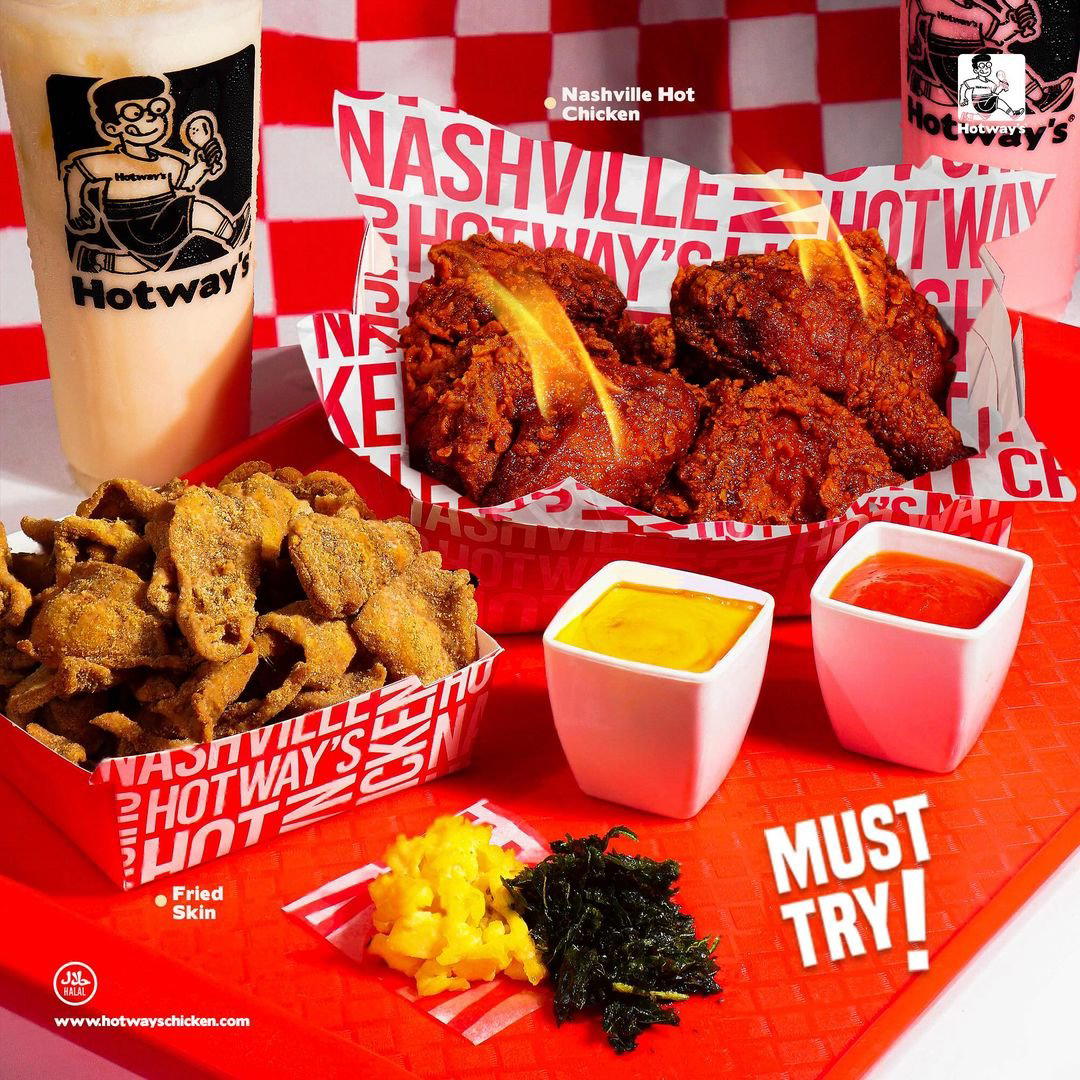
Ampenan's Street Food Circuit and Where Ayam Taliwang Fits
The old port district of Ampenan, on the western edge of Mataram City, runs on a different clock from the tourist-facing parts of Lombok. The streets around Jalan Panji Tilar Negara fill with smoke and the sound of charcoal fans in the late afternoon, when neighbourhood warungs and chicken stalls begin their evening preparations. This is where Lombok's most argued-over dish, ayam taliwang, gets made with the least ceremony and the frequency. Hotway's Chicken, positioned on that same strip, operates inside a food culture where the sourcing of local broiler birds and the calibration of chilli paste are not selling points but baseline requirements.
Lombok's chicken culture is worth understanding on its own terms. Ayam taliwang is not a grilled chicken dish that happens to be spicy; it is a specific preparation tradition tied to the Sasak people of Lombok, involving young, small-bodied birds split and grilled over coconut charcoal, then dressed with a paste built from red chilli, garlic, shrimp paste, and kencur, the pungent rhizome that gives the sauce its slightly medicinal, earthy undertone. The bird is intentionally small, kept lean, so the char-to-flesh ratio favours the smoke. A heavier chicken absorbs the paste differently and the result reads as different dish entirely. In Mataram's local eating circuit, regulars know this distinction and apply it.
Ingredient Logic in a Sasak Kitchen
The editorial angle on a place like this is not about innovation; it is about fidelity to supply chain. Lombok has consistent access to the aromatic inputs that make this food work: kencur from the island's interior markets, locally grown bird's eye chillies, and coconut charcoal that burns hotter and cleaner than wood alternatives. These are not premium inputs sourced for narrative effect. They are what has always been here, and their continued use in Ampenan's street stalls and casual restaurants is a function of proximity rather than philosophy.
Compare this to how ayam taliwang gets interpreted in Bali-facing tourist restaurants, where the spice level is moderated and the bird is sometimes substituted with a larger, meatier chicken that holds up better in a hotel kitchen but loses the structural logic of the original. The dish becomes readable to a broader audience but loses its claim to the tradition. Spots in Mataram's Taman Sari neighbourhood operate closer to the original brief. For a contrasting read on how Indonesian ingredients get applied in a fine-dining frame, Locavore NXT in Ubud works the same local pantry with a different set of intentions.
The Physical Scene on Jalan Panji Tilar Negara
Arriving at the Ampenan end of Mataram in the evening means navigating a street that doubles as a thoroughfare and an outdoor kitchen. The air carries charcoal and palm sugar from several directions simultaneously. Hotway's Chicken sits at street level, the kind of operation where the grill is visible from outside and the ordering happens quickly. The setting is functional rather than atmospheric in any designed sense: plastic furniture, fluorescent light, tables that turn fast. This is the standard format for the mid-tier ayam taliwang stall in Mataram, a city where the restaurant category sits well below the price points of comparable chicken specialists in Bali or Jakarta.
That price difference matters as a signal. Mataram's dining economy runs at a lower nominal cost across categories, which means a meal in this part of Ampenan represents genuine local pricing rather than a discounted tourist rate. For visitors used to the Bali warung circuit, the adjustment is noticeable. For a broader sense of how Indonesia's regional cities position their food culture relative to the major tourist hubs, our full Mataram City restaurants guide maps the categories in more detail.
Ordering and the Menu Logic
At a Lombok chicken stall of this type, the decision tree is short. The core question is heat level: the paste can be applied at full intensity or pulled back slightly, though in a neighbourhood spot like this, the default tends to run hot. Plecing kangkung, the blanched water spinach dressed with chilli-tomato sambal and toasted coconut, is the canonical pairing across Mataram. Together, the chicken and the kangkung form a complete plate that has not changed much in decades, which is precisely its appeal.
Rice arrives as a given. The beverage calculus in Mataram's casual sector skews toward bottled iced tea and coconut water over anything else. There is no wine list and no cocktail program; the drink is not the point here. Contrast this with Jakarta operations that have built Indonesian street food into more elaborate formats, like August in Jakarta or Kita 喜多 Restaurant And Bar in Kecamatan Menteng, and the difference in ambition and price tier is apparent. Both approaches have validity; they are answering different questions.
Elsewhere in the Indonesian archipelago, regional chicken traditions hold similar ground: Gudeg Yu Djum in Yogyakarta is the Javanese equivalent of a preparation that does not need reinvention. İstanbul kebab in Lombok Utara represents a different imported grilling tradition now embedded in the island's northern food economy.
Planning a Visit
Ampenan is accessible from central Mataram in under fifteen minutes by ojek or short taxi ride. The address on Jalan Panji Tilar Negara places the spot in the Taman Sari subdistrict, a mixed residential and commercial zone. No website or phone number is publicly listed for this location, which is standard for the informal end of Mataram's food sector. Walk-ins are the expected mode of arrival; there is no reservation infrastructure at this price tier. Given the informal nature of the operation, arriving early in the evening service window reduces the chance of selling out on the day's bird supply.
Fast Comparison
Comparable venues nearby, for context on price, style, and recognition.
| Venue | Cuisine | Price | Notes |
|---|---|---|---|
| Hotway's Chicken Lombok Ampenan SeruniThis venue — the venue you are viewing | Fried Chicken & Rice | $ | Not listed |
| Ipo | Indonesian Warung | $ | Tanakawu |
| Gindaco | Japanese Takoyaki & Okonomiyaki | $ | Menteng |
| TRI DATU RESTOURANT | Indonesian Warung | $$ | Baturiti |
| Warung Babi Guling Ibu Oka 1 | Balinese Babi Guling | $ | Ubud |
| Ground Zero Kitchen | Fusion Italian-American-Indonesian | $$ | Kuta |
Continue exploring
More in Mataram City
Restaurants in Mataram City
Browse all →
Bars in Mataram City
Browse all →

At a Glance
- Casual
- Lively
- Casual Hangout
- Group Dining
- Family
- Standalone
Current opening hours
- Monday
- 10 AM–10 PM
- Tuesday
- 10 AM–10 PM
- Wednesday
- 10 AM–10 PM
- Thursday
- 10 AM–10 PM
- Friday
- 10 AM–10 PM
- Saturday
- 10 AM–10 PM
- Sunday
- 10 AM–10 PM
Hours can change for holidays and private events. Last verified .
Casual, fast-casual dining environment typical of Indonesian quick-service restaurants.