
World Luxury Hotel Awards WLHA Regional Winner
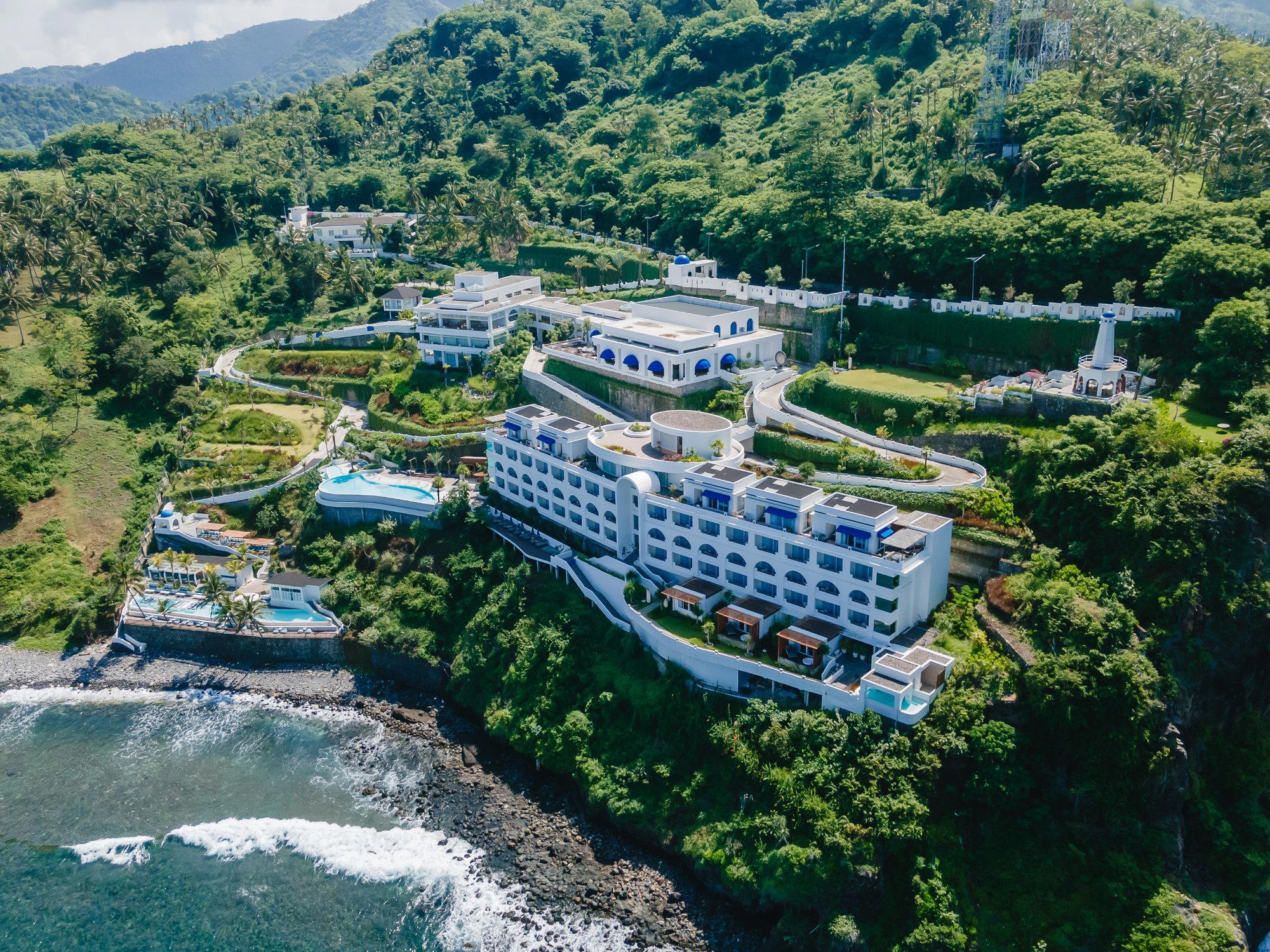
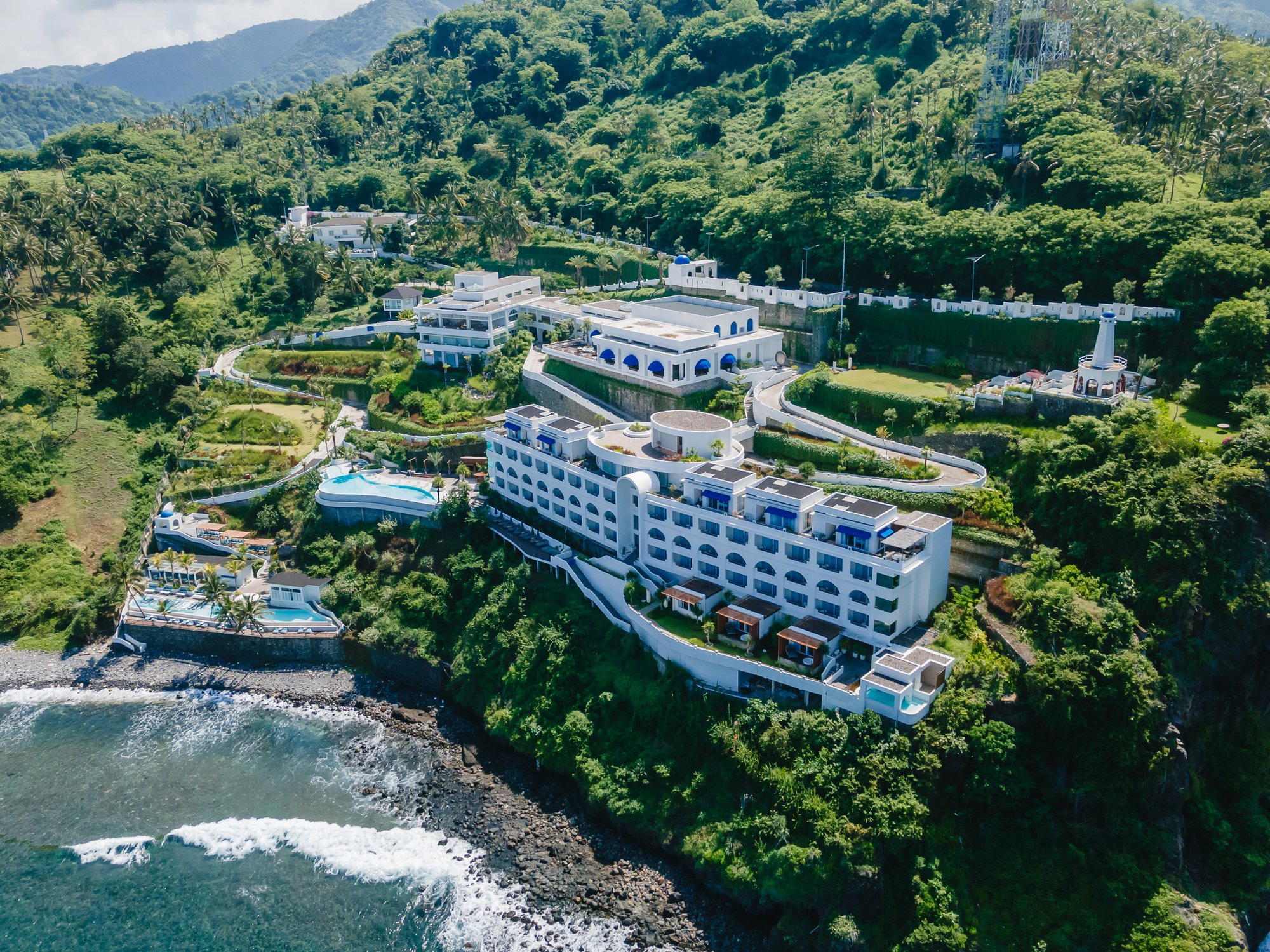
Tunak Resort Luxury Escape sits on Lombok's southern peninsula near Mertak, holding a Regional Winner award for Luxury Eco Resort — a designation that places it among a small cohort of properties where environmental commitment and premium accommodation intersect. The resort speaks to a strand of Indonesian hospitality that prioritises landscape integration and considered service over resort-scale spectacle.

Pearl is the En Primeur Club membership app — saves, bookings, and concierge access live there. Same editors, same standards.
- Address
- Mertak, Pujut, Central Lombok Regency, West Nusa Tenggara 83573, Indonesia
- Phone
- +62 815-4518-9990
- Website
- tunakresort.com
- Directions
- Get directions
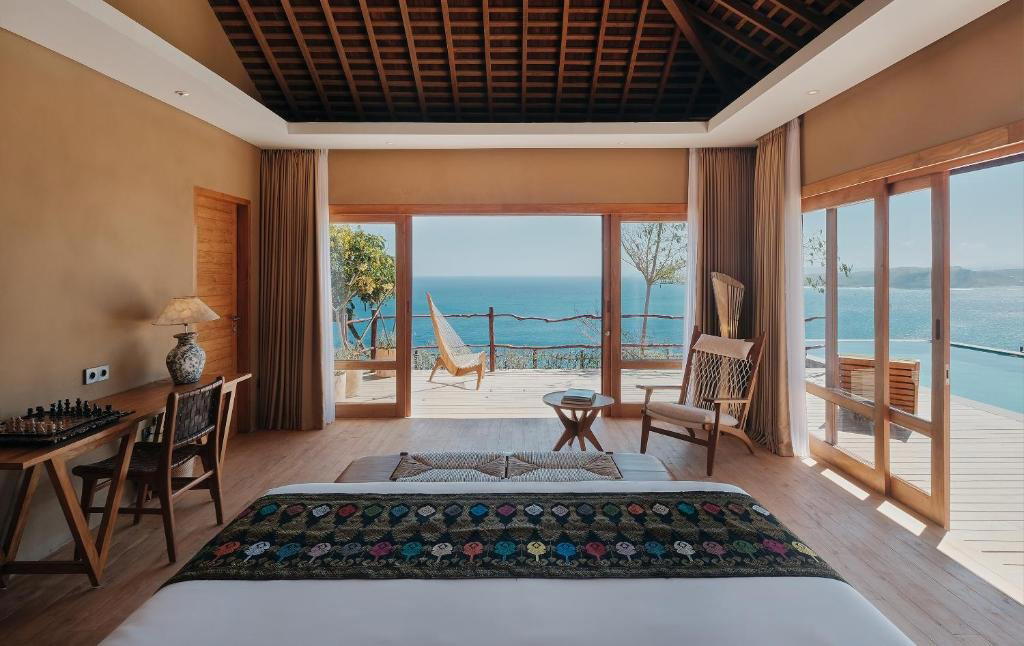
Where the Southern Peninsula Defines the Experience
Lombok's southern coast operates on a different register from the island's more trafficked northern and central zones. The Pujut district, which takes in the Mertak coastline where Tunak Resort Luxury Escape sits, is characterised by karst headlands, sheltered bays, and a physical remoteness that filters the guest list before a traveller even arrives. This is not the Lombok of ferry crowds and surf schools. The terrain itself sets expectations: guests who reach this part of the peninsula have made a deliberate choice, and properties here are designed to reward that decision rather than explain it.
Within that geography, the resort category that has grown most credibly in this part of Indonesia is the eco-luxury tier — properties that hold recognised environmental credentials alongside high-end accommodation formats. Tunak Resort Luxury Escape carries a Regional Winner award for Luxury Eco Resort, which places it inside a competitive set that includes properties across West Nusa Tenggara assessed on both environmental practice and guest experience quality. That dual standard is harder to meet than either criterion alone, and recognition at regional level signals a property that has moved beyond greenwashing into programme depth.
The Arrival and What It Signals About Service Philosophy
In eco-luxury properties across Indonesia, the arrival sequence functions as a deliberate decompression. The further a resort sits from paved infrastructure, the more the approach becomes part of the offering. Properties in this tier, from coastal retreats in Sumba to jungle-edge addresses in Ubud, have learned that the transition from road to reception is the first act of service — the moment when the team either accelerates the shift in pace or fumbles it. At resorts in the Mertak area, that arrival typically involves unpaved tracks, coastal air, and a physical disorientation that well-trained staff convert into orientation. The rhythm slows. The instinct to check schedules fades.
Service philosophy at eco-resort properties of this classification tends to favour anticipatory attention over scripted hospitality. The distinction matters. Scripted service delivers what the manual specifies; anticipatory service reads what the guest hasn't yet articulated. In remote-luxury settings, where a guest cannot simply step outside and find alternatives, that second mode becomes the entire proposition. Staff who understand that a guest arriving after a long overland journey needs cold water and a seat before any welcome speech are demonstrating a form of intelligence that no checklist produces. The Regional Winner designation suggests this resort operates with that understanding.
For comparison within Lombok, the hospitality character differs considerably across properties. Hotel Tugu Lombok occupies the cultural-heritage tier, where service is layered with Javanese art history and deliberate ceremony. Pullman Lombok Merujani Mandalika Beach Resort operates at international-chain scale, with the standardisation that implies. Royal Avila Boutique Resort and Somewhere Lombok occupy the boutique tier with more intimate scale, while Villa Tokay sits in the private-villa category. Tunak's eco-resort positioning places it in a distinct niche within this map, where the guest experience is shaped as much by what the property chooses not to do, no high-footfall entertainment programming, no resort-scale F&B; sprawl, as by what it provides.
The Eco-Luxury Category Across the Indonesian Archipelago
The eco-luxury designation has matured considerably across Indonesia over the past decade. Early iterations leaned heavily on solar panels and recycled materials as selling points, with the guest experience remaining secondary. The more sophisticated current model integrates environmental practice into the stay itself: foraging-informed menus, local hiring programmes, construction that uses indigenous techniques and materials, and conservation partnerships that give guests a visible stake in the surrounding ecosystem. Nihi Sumba in Sumba represents one end of that spectrum, with a conservation fund baked into the rate structure. Bambu Indah in Banjar Badung applies bamboo construction as both environmental statement and design language. Desa Seni Baturiti in Tabanan folds traditional Javanese house structures into its accommodation format.
Tunak's award places it in this broader Indonesian eco-luxury conversation, operating from a coastal West Nusa Tenggara position that brings its own set of ecological contexts: reef systems, dry-season coastal vegetation, and a biodiversity corridor shaped by the Lombok Strait. Properties that work with these conditions rather than against them, keeping building footprints measured, managing light and sound pollution near water, supporting local fishing communities rather than competing with them, are the ones that survive regional scrutiny. The award record here indicates that standard has been met.
Across the wider region, the contrast with high-volume luxury formats is instructive. Properties like Pullman Lombok Merujani Mandalika Beach Resort serve a traveller who wants infrastructure certainty alongside location. The eco-resort model at Tunak's tier serves a different decision: guests who are willing to accept reduced connectivity and fewer amenity options in exchange for a more calibrated relationship with place. Neither is wrong. They are answers to different questions.
Placing Tunak in the Indonesian Premium Travel Map
Lombok sits between two heavily documented destinations: Bali to the west and the Gili Islands to the northwest. That positioning has historically caused it to be treated as a transit point rather than a destination in its own right. The southern peninsula, specifically, remained under-visited relative to its geographic quality for longer than the north. Properties that established themselves in the Mertak and Pujut areas before the Mandalika circuit brought wider attention built a different kind of clientele, one that arrived with fewer preconceptions and more tolerance for the conditions that come with genuine remoteness.
For travellers extending trips across the archipelago, the Lombok southern coast connects logically to a wider Indonesian itinerary. Bali's design-led properties, including Mandapa, a Ritz-Carlton Reserve in Ubud and Alila Villas Uluwatu in Uluwatu, establish a high baseline for regional luxury. Hotel Komune and Beach Club Bali in Gianyar represents the active-lifestyle segment of the Bali market. Moving east into Lombok, the eco-resort tier that Tunak occupies offers a pace and environmental specificity that the Bali properties, for all their quality, are not positioned to deliver.
For those building Indonesian itineraries at the premium end, the planning sequence matters. Lombok's southern peninsula is not a same-day arrival and departure point. The properties that work here require at least two nights to justify the travel investment, and three nights to begin delivering the deceleration that is the point of the visit. Reaching Mertak typically means a flight into Lombok International Airport, followed by a road transfer south through the Pujut district, a route that should be confirmed with the property directly, as road conditions and transfer arrangements vary by season. Booking ahead is strongly advisable, particularly during the dry season (May through September), when the southern coast draws a higher proportion of the island's premium travellers and availability at award-recognised properties tightens. For dining and activity context beyond the property, our full Lombok restaurants guide covers the island's broader food and hospitality scene.
What It’s Closest To
| Venue | Price | Awards |
|---|---|---|
| Tunak Resort Luxury EscapeThis venue — the venue you are viewing | $200–300 | World Luxury Hotel Awards WLHA Regional Winner |
| Hotel Tugu Lombok | $100–200 | 1 Michelin Key |
| Pullman Lombok Merujani Mandalika Beach Resort | Not listed | Michelin Selected · World Luxury Hotel Awards WLHA Regional Winner |
| Villa Tokay | $300–500 | Michelin Selected · Small Luxury Hotels of the World Member |
| Royal Avila Boutique Resort | $200–300 | World Luxury Hotel Awards WLHA Global Winner |
| Somewhere Lombok | $300–500 | Michelin Selected · Mr & Mrs Smith Seal of Approval |
Recognition history
Dated appearances from independent guides and award organizations, with the underlying list record or original source where available.
World Luxury Hotel Awards WLHA Regional Winner
World Luxury Hotel Awards

Details
- Scenic
- Elegant
- Romantic
- Quiet
- Ornate
- Honeymoon
- Romantic Getaway
- Wellness Retreat
- Family Vacation
- Group Retreat
- Private Villa
- Infinity Pool
- Panoramic View
- Beachfront
- Waterfront
- Pool
- Spa
- Wi Fi
- Room Service
- Concierge
- Beach Access
- Mountain
- Wheelchair Accessible
- Step Free Entrance
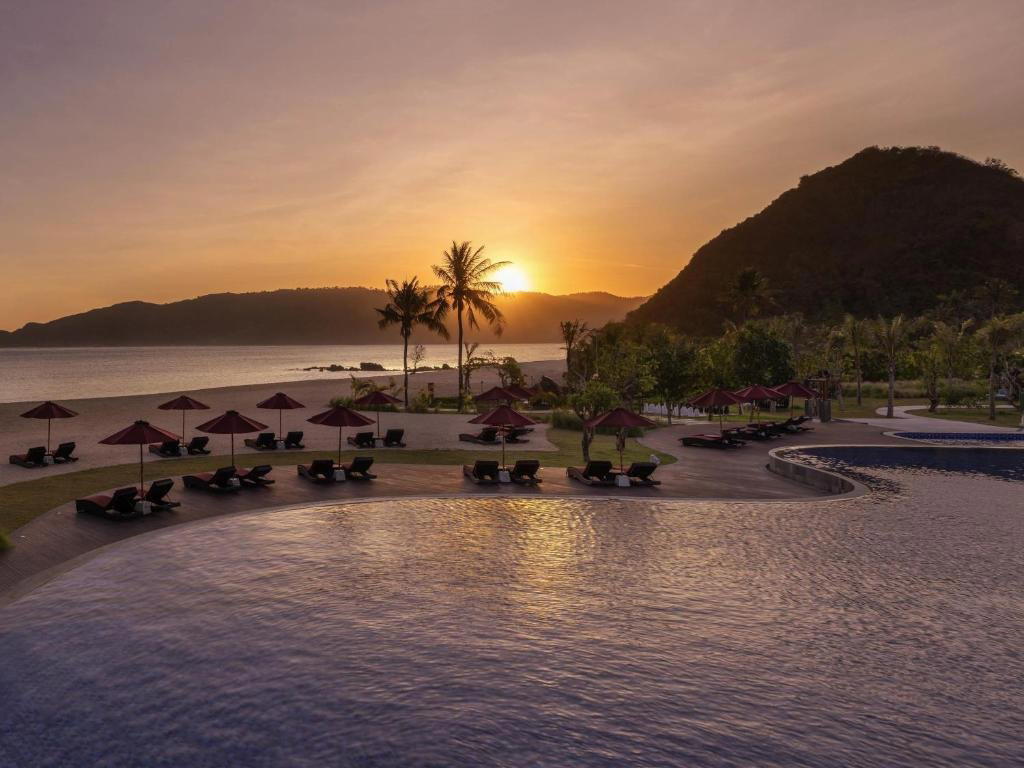
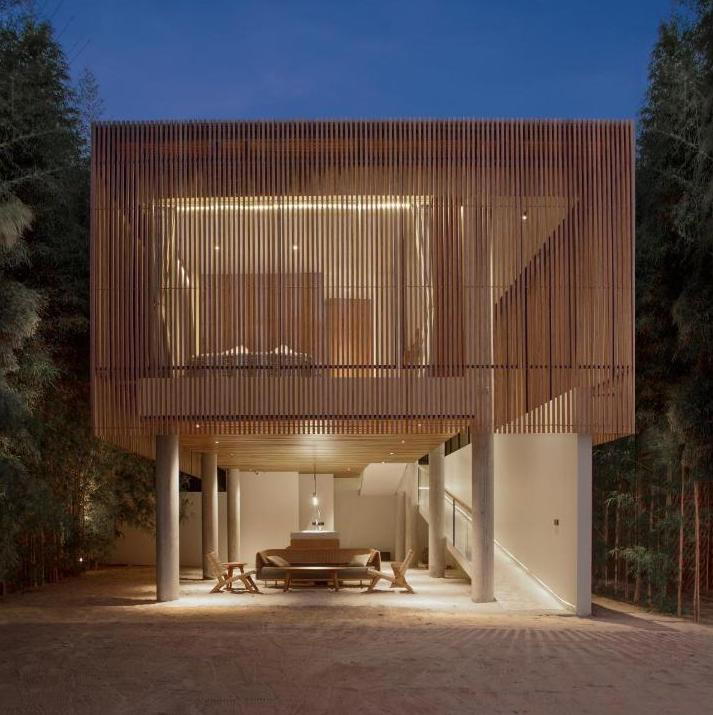
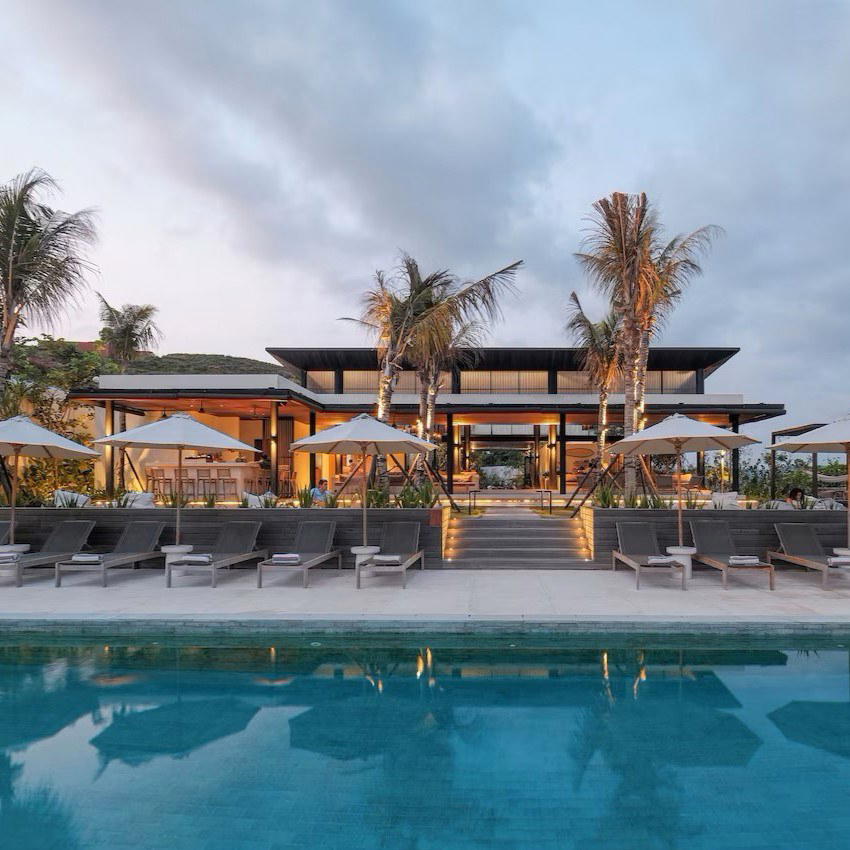
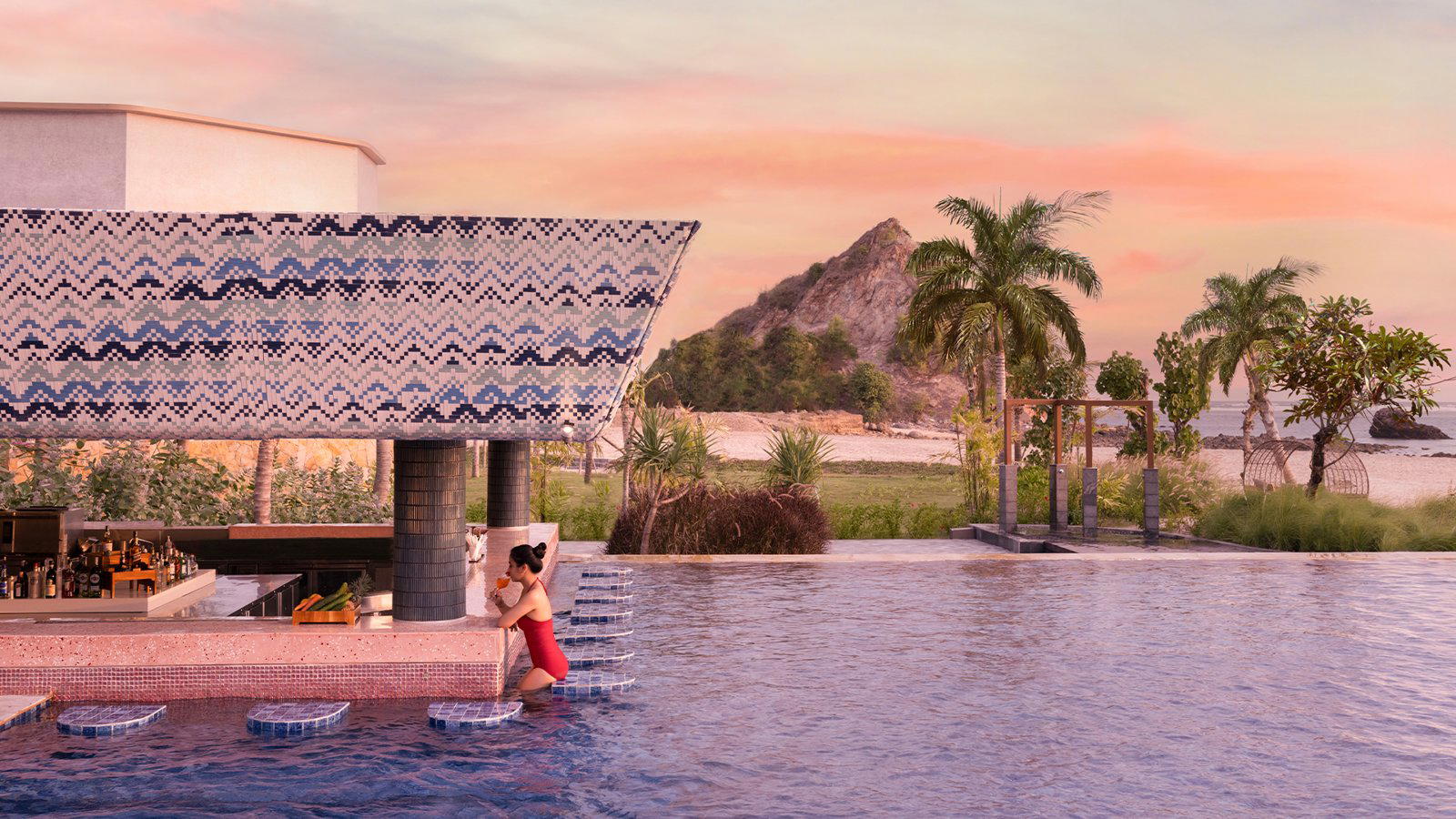
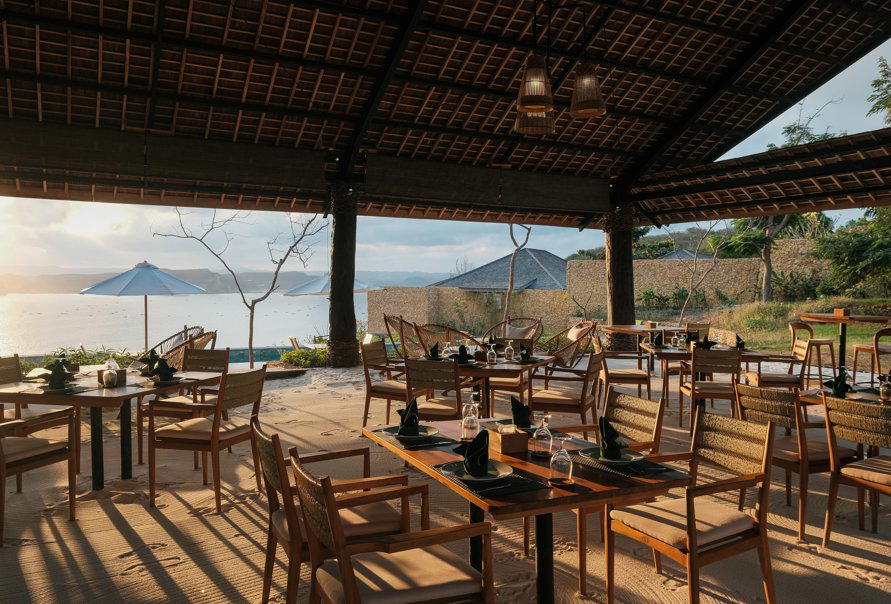
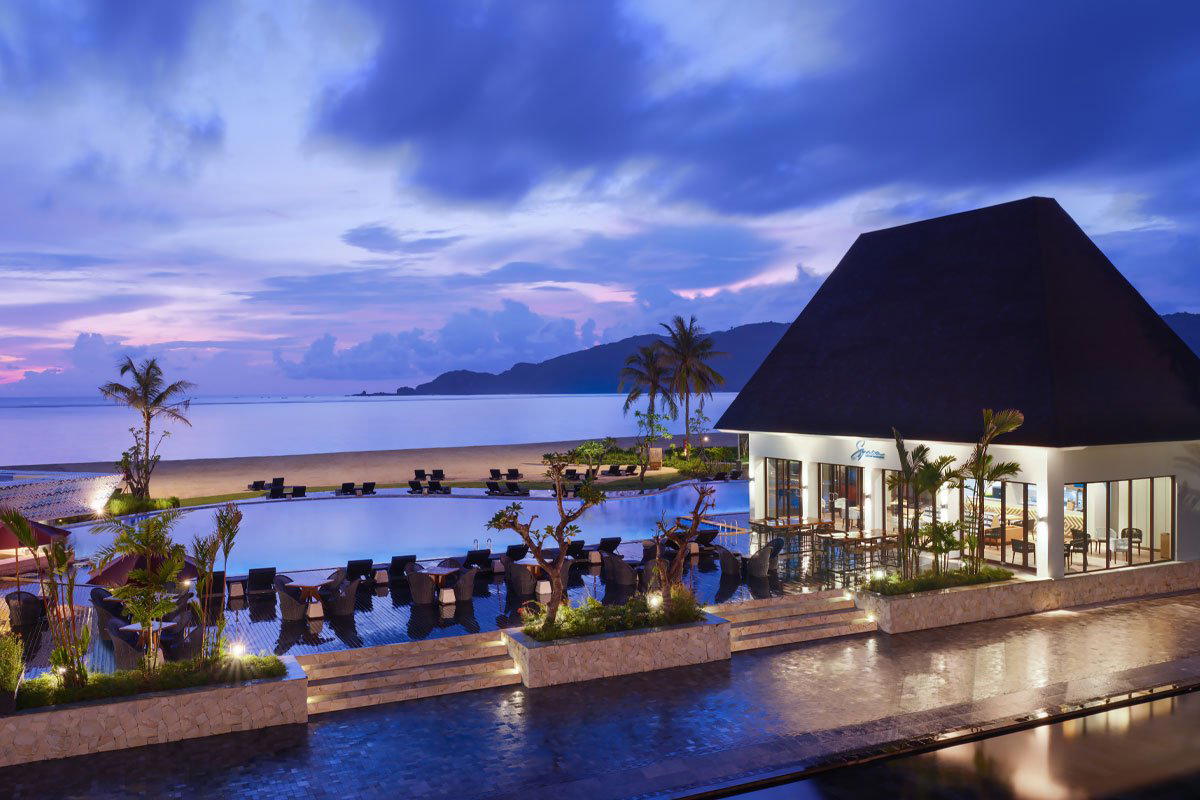
Serene and tranquil with natural jungle and ocean surroundings, luxurious open-air villas, and peaceful spa atmosphere.