Hotel Irada, Pune Wine Country

Set within a working winery in Maharashtra's emerging wine country, Hotel Irada occupies a restored manor house where vineyard trails, forest rituals, and considered design converge. The property sits at the intersection of India's new hospitality sensibility and its nascent wine culture, making it a credible alternative to the hill stations and heritage forts that have long defined the country's premium rural escapes.
 Discover on Pearl
Pearl is the En Primeur Club membership app — saves, bookings, and concierge access live there. Same editors, same standards.
- Address
- G 37 Hingnigada Roti, Maharashtra MH 413801, India
- Website
- marriott.com
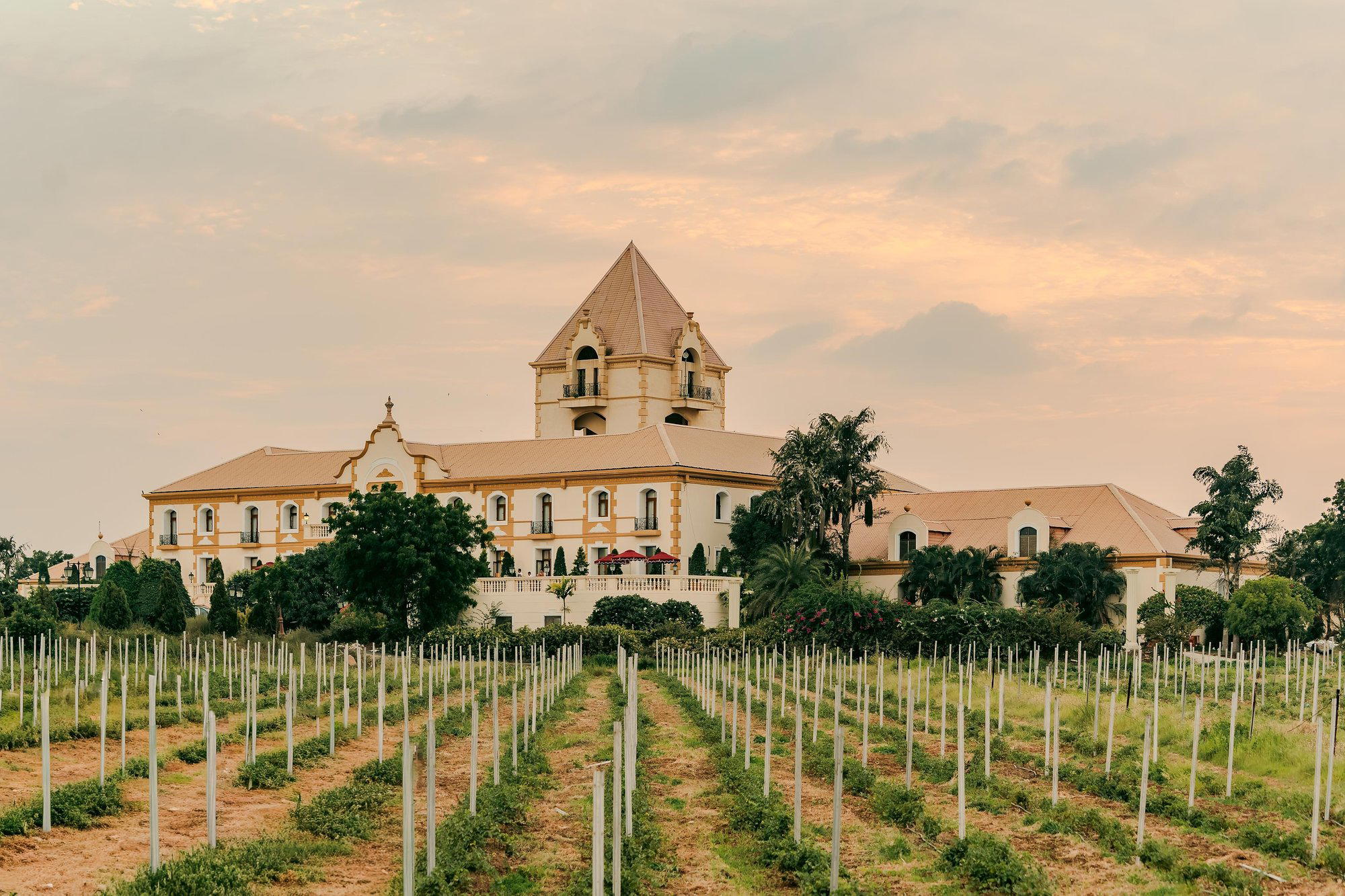
A Manor in the Vines: What Hotel Irada Represents in Maharashtra's Wine Country
Hotel Irada, located at Hingnigada Roti in Maharashtra's wine belt south-east of Pune, is a five-star hotel with 21 rooms and a nightly rate of about US$316. It occupies an older manor house set inside an operational winery, a format that is still rare enough in India to constitute a category of its own rather than a variation on something familiar.
The Nashik-Pune corridor, which stretches across Maharashtra's Deccan plateau, has been producing commercially viable wine since the 1990s and now accounts for a substantial majority of India's domestic wine output. Hotel Irada attempts to close that gap, and the estate manor is both the method and the argument for doing so.
The Architecture of the Estate: Restoration as Editorial Statement
Working wineries that double as accommodation tend to resolve the tension between production and hospitality in one of two ways: they either subordinate the winery to a hotel that happens to have vines, or they foreground the agricultural reality and let it shape the guest experience. Hotel Irada, described formally as an elegant and storied manor house, takes the second position. The manor predates the contemporary wine operation, which means its architecture carries a different register than purpose-built resort design. The bones of the building, its proportions, its relationship to the land around it, were established in a prior era and the restoration has had to work with that inheritance rather than against it.
This is the more demanding approach to heritage hospitality. Properties like Haveli Dharampura in Delhi or Chapslee in Shimla demonstrate how deeply that challenge can cut: when the structure is genuinely old, the restoration either honours the original logic of the space or it produces a kind of theme-park approximation that satisfies neither history nor comfort. The renovation reads the manor as a living document rather than a set piece.
For comparison, Alila Fort Bishangarh in Rajasthan represents the higher end of the fort-restoration spectrum, where structural archaeology and contemporary design are held in deliberate tension. Amanbagh in Ajabgarh similarly derives its authority from the discipline with which Mughal spatial grammar has been reinterpreted. Hotel Irada operates in a different register, Maharashtrian rather than Rajput, viticultural rather than courtly, but the underlying question is the same: does the restoration serve the building's original intelligence, or override it?
Wine Trails and Forest Rituals: The Programming Logic
The property's programming of wine trails and forest rituals locates it in a growing category of Indian estates that treat the surrounding land as a structured itinerary rather than background scenery. This is a meaningful distinction. At properties focused on wildlife, like Ananda in the Himalayas or Anantya By The Lake, the landscape is the primary draw and the built environment serves it. At Hotel Irada, the dual programme, enological and ecological, implies that neither the winery nor the forest is merely decorative. The wine trails move through active production areas, making the hospitality inseparable from the agricultural operation. The forest rituals position the estate within a broader wellness and land-connection trend.
This pairing of wine and forest is less common in India than it might appear in, say, Burgundy or Tuscany, where centuries of viticultural culture have produced a dense ecosystem of estate experiences. In Maharashtra, the tradition is younger and the estates fewer, which means Hotel Irada is working closer to the frontier of this format than its European counterparts would be. That is both the opportunity and the constraint: the programming can define the category rather than respond to it, but without established benchmarks, guests are also extending more interpretive trust to the property.
Positioning Within India's Premium Estate Market
India's premium rural and heritage hotel market has expanded considerably in the past decade, with properties ranging from the refined wilderness camps of Aman-i-Khas to the more relaxed coastal settings of Baale Resort Goa. Hotel Irada's competitive set is narrower: it draws comparison primarily with properties that combine heritage architecture with agricultural or ecological programming, rather than with urban luxury addresses like The Taj Mahal Palace in Mumbai or The Leela Palace New Delhi. Its appeal is to a guest who has already resolved the question of urban luxury and is now asking something more specific: what does India's wine country actually feel like to inhabit, and is there a property that takes that question seriously?
The answer, based on the estate's own framing, is that Hotel Irada is attempting to be that property. Whether the execution matches the ambition is the kind of judgment that requires a stay. But the category it is staking out, manor-house hospitality inside a working winery, with trails and rituals that make the land legible, is coherent and, within India, not yet crowded. Properties like Amaya in Solan and Garner Kutch Gujarat serve adjacent niches, culturally specific and landscape-rooted, but neither operates inside a winery, which remains Hotel Irada's clearest differentiator.
Planning a Stay: What to Know Before You Book
Hotel Irada is located at Hingnigada Roti, Maharashtra 413801, placing it within the wine-growing zone south-east of Pune.
Comparison Snapshot
Comparable venues nearby, for context on price, style, and recognition.
| Venue | Cuisine | Price | Awards | Notes |
|---|---|---|---|---|
| Hotel Irada, Pune Wine CountryThis venue — the venue you are viewing | Contemporary luxury resort housed in a restored neoclassical estate with curated international design and local Indian artworks. | $$$$ | 5-Star | |
| Taj Aravali Resort & Spa, Udaipur | Contemporary Rajasthani retreat blending tradition and modernity | $$$$ | 5-Star | Bhujra |
| Pratap Mahal, Ajmer | Modern luxury resort designed as a contemporary recreation of a traditional Rajasthani palace with haveli-inspired architecture. | $$$$ | 5-Star | Pushkar |
| Taj Green Cove Resort & Spa, Kovalam | Luxury tropical resort combining contemporary Balinese design with traditional Kerala architecture on a hillside setting. | $$$$ | 5-Star | Kovalam |
| Taj Madikeri Resort and Spa, Coorg | Inspired by traditional Kodagu architecture with contemporary luxury cottages and villas nestled in rainforest. | $$$$ | 5-Star | Monnangeri |
| Taj Exotica Resort & Spa, Goa | Luxurious beachfront resort with colonial-inspired architecture sprawled across 56 acres of lush greenery | $$$$ | 5-Star | Benaulim |
Continue exploring
More in Maharashtra
Hotels in Maharashtra
Browse all →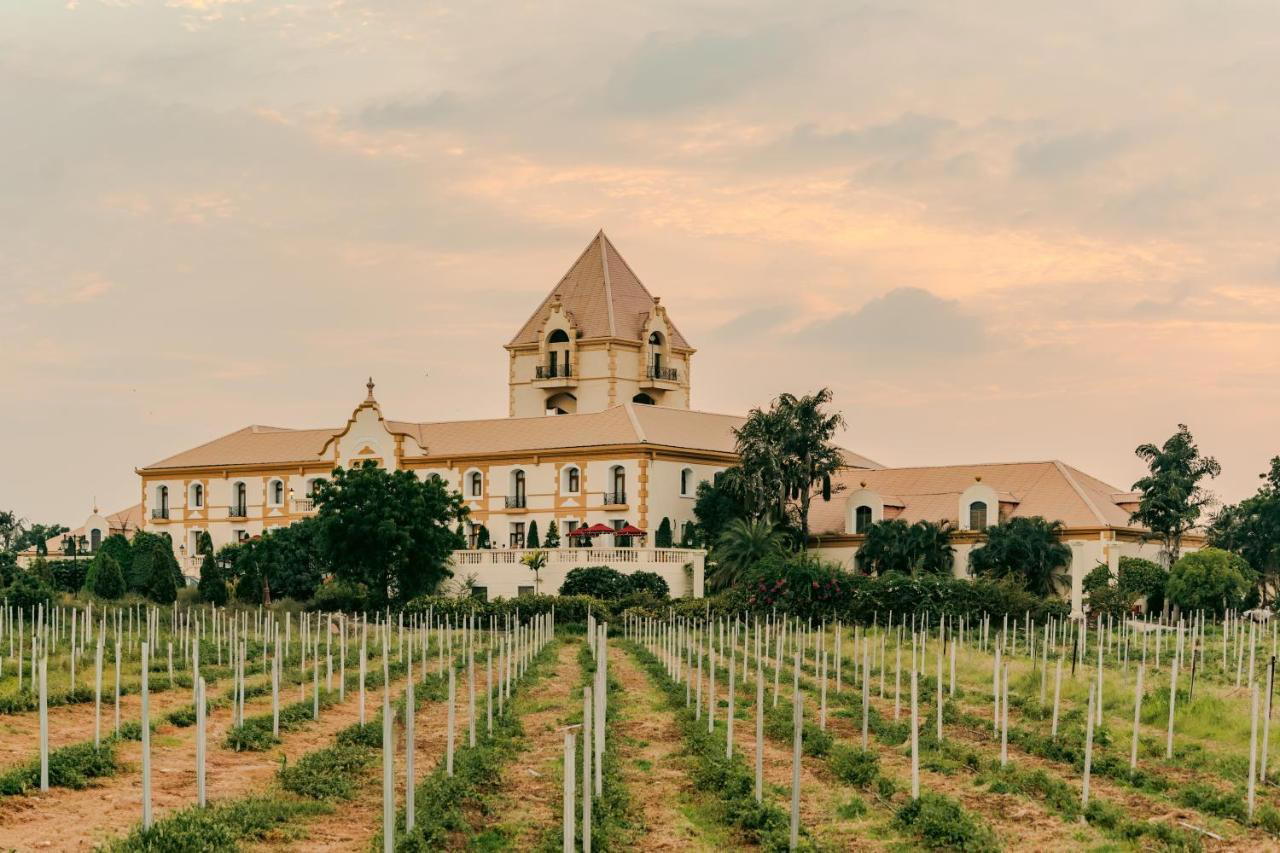
At a Glance
- Romantic
- Elegant
- Scenic
- Sophisticated
- Romantic Getaway
- Wellness Retreat
- Weekend Escape
- Honeymoon
- Destination Spa
- Garden
- Terrace
- Panoramic View
- Private Dining
- Design Destination
- Pool
- Spa
- Restaurant
- Wifi
- Parking
- Room Service
- Business Center
- Steam Room
- Sauna
- Vineyard
- Garden
Sophisticated and serene with midcentury modern aesthetics, curated art pieces, and expansive vineyard-facing decks creating a refined, leisurely atmosphere.