


Michelin Selected · Design Hotels Member · Mr & Mrs Smith Seal of Approval
Hotel Hotel on Travessa da Glória positions itself against Lisbon's polished international properties by doing the opposite: placing creative locals at the center of the guest experience. Less a retreat from the city than a structured entry point into it, this Príncipe Real-adjacent address has built a reputation as a social hub where the neighbourhood's artists, designers, and independent operators set the tone.

Pearl is the En Primeur Club membership app — saves, bookings, and concierge access live there. Same editors, same standards.
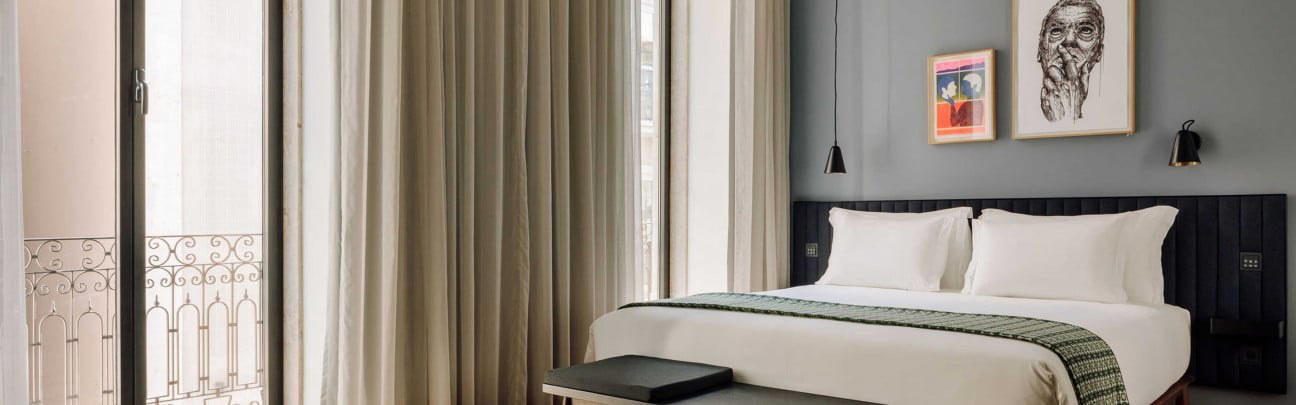
A Different Kind of Address in Príncipe Real
Travessa da Glória is not one of Lisbon's grand thoroughfares. It is narrow, slightly uphill, and the kind of street you find by looking for it rather than stumbling across it. That geography is not accidental for Hotel Hotel. The property sits in the zone where Bairro Alto bleeds into Príncipe Real, a neighbourhood that has spent the last decade consolidating its identity as Lisbon's most design-conscious quarter, home to independent concept stores, wine bars, and studios that have little interest in performing for tourist audiences. The hotel's address at number 22 places it inside that world rather than beside it.
Lisbon's hotel market has split along a familiar fault line. On one side sit the large international brands and historic palace conversions, properties like the Four Seasons Ritz or the InterContinental Lisbon, where the experience is deliberately sealed from its surroundings, offering a consistent product for travellers who want Lisbon as backdrop. On the other side, a smaller cohort of independently spirited properties has emerged that treat local creative culture as a core amenity. Hotel Hotel belongs firmly to the second group, and it has positioned that distinctiveness not as a quirk but as a proposition.
The Social Centre Model and Its Evolution
The descriptor that has followed Hotel Hotel through its public life is telling: "as much a social centre as a hotel." That framing signals a deliberate pivot away from the hospitality industry's default posture, in which the lobby is a transitional space and the guest experience is largely contained within the room. Social-centre hotels emerged across European cities in the 2010s as a response to a very specific problem: luxury hospitality had become expert at delivering comfort and very poor at delivering access to the cities it occupied. The guest left each morning into a place they did not understand and returned each evening to a product they could have found in any city.
Hotel Hotel's answer to that problem is to bring the city inside. The property connects visitors with creative locals, meaning the programming, the atmosphere, and arguably the staff culture are calibrated around people who live in and shape Príncipe Real and its surroundings, not around the preferences of passing guests. This is a harder model to maintain than it looks. The properties that do it poorly end up with a lobby full of people who ignore each other; the ones that do it well generate a room energy that is genuinely difficult to replicate with interior design alone.
Internationally, the social-centre model has been refined over two decades, from the Ace Hotel chain's influence in the 2000s to a generation of European independents that absorbed those lessons and adapted them to older, denser cities. Lisbon, with its compact neighbourhood structure and high density of working artists and designers relative to its size, is a particularly good environment for this format. The question for any hotel taking this approach is whether the creative community it claims as a draw actually shows up, or whether the "local connection" is a visual language applied to a conventional product. Hotel Hotel's positioning as a Lisbon renegade suggests the former is the intent.
Placing Hotel Hotel in the Wider Lisbon Hotel Set
For travellers comparing options in central Lisbon, the choice between hotel types is now genuinely consequential. Properties like Altis Avenida Hotel or 1908 Lisboa Hotel offer a more conventional luxury framework rooted in Lisbon's architectural heritage. A Casa das Janelas Com Vista and Art Legacy Hotel Baixa-Chiado sit in an art-forward tier that overlaps with Hotel Hotel's orientation. As Janelas Verdes and Altis Belém Hotel and Spa serve travellers whose priorities are river views and quieter residential settings.
Hotel Hotel's competitive differentiation is less about physical amenities than about access. If a traveller's primary interest is getting below the surface of Lisbon's creative scene quickly, this property's model of connecting guests to neighbourhood culture is a more direct route than spending three days finding your own way into it. That is particularly relevant for short-stay visitors, for whom the hotel's social function compresses what might otherwise take a week of independent research.
For context on how Portugal's independent hotel sector is evolving beyond Lisbon, properties like Ventozelo Hotel and Quinta in the Douro Valley and M Maison Particulière Porto apply comparable logic to wine country and Porto respectively, foregrounding local culture and creative identity over international brand consistency. Further afield, Hospedaria da Pensão Agrícola in the Algarve and Craveiral Farmhouse in São Teotónio represent the same principle in rural and agricultural settings. The through-line is a rejection of the sealed-experience model in favour of properties that treat their surrounding communities as programming partners.
Practical Orientation
Hotel Hotel's address at Travessa da Glória 22 places it within walking distance of Príncipe Real's main square, the miradouros of Bairro Alto, and the independent retail corridor along Rua da Escola Politécnica. The neighbourhood is served by tram and on foot is more manageable than much of hilly Lisbon. For a broader orientation to eating, drinking, and staying in the city, our full Lisbon guide maps the wider landscape.
Travellers who want to extend a Portugal trip beyond Lisbon have strong options: Douro Valley Casa Vale do Douro, Q.ta da Corte in the northern Douro, and coastal options including Villa Epicurea in Sesimbra and Bela Vista Hotel and Spa in Praia da Rocha each represent distinct formats for different travel priorities. In the Algarve specifically, Anantara Vilamoura and Masana Algarve serve the resort end of the spectrum, while 3HB Faro covers the city gateway. For those planning onward travel to the Azores, Boutique Hotel Teatro in Angra do Heroísmo and Bussaco Palace Hotel in Luso round out the mainland-to-island range. Internationally, travellers who respond to the social-centre format may find comparable energy at The Fifth Avenue Hotel in New York or, at the quieter end of that spectrum, Aman New York and Aman Venice for those prioritising seclusion over social programming.
Compact Comparison
Comparable options at a glance, pulled from our tracked venues.
| Venue | Price | Awards |
|---|---|---|
| Hotel HotelThis venue — the venue you are viewing | Not listed | Michelin Selected · Design Hotels Member |
| Four Seasons Hotel Ritz Lisbon | $500–750 | 2 Michelin Keys · La Liste Top Hotels |
| InterContinental Cascais-Estoril | $300–500 | Virtuoso Luxury Hotel Partner · Forbes 4-Star |
| InterContinental Lisbon | $200–300 | Forbes Recommended |
| Sofitel Lisbon Liberdade | $300–500 | Michelin Selected · Forbes Recommended |
| Altis Avenida Hotel | $200–300 | Forbes Recommended · Preferred Hotels Member |
Recognition history
Dated appearances from independent guides and award organizations, with the underlying list record or original source where available.
Michelin Selected
Michelin
Design Hotels Member
Design Hotels
Mr & Mrs Smith Seal of Approval
Mr & Mrs Smith
Continue exploring
More in Lisbon
Hotels in Lisbon
All hotels in Lisbon →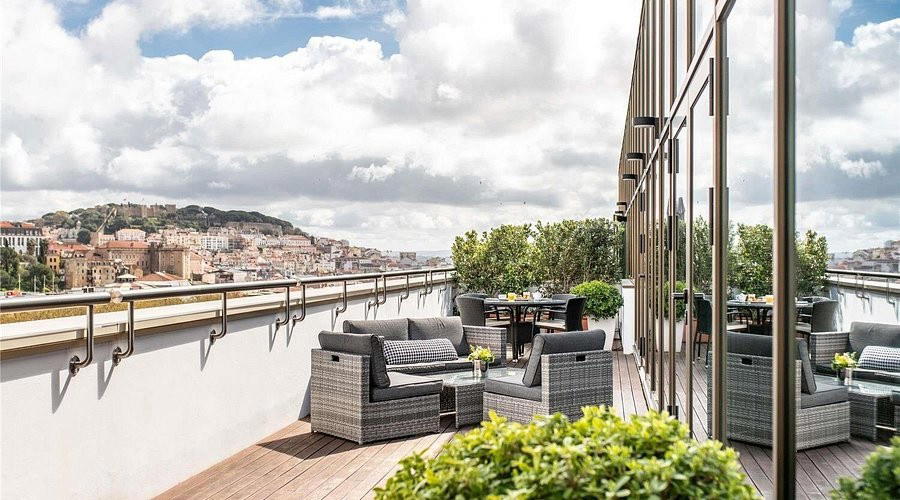
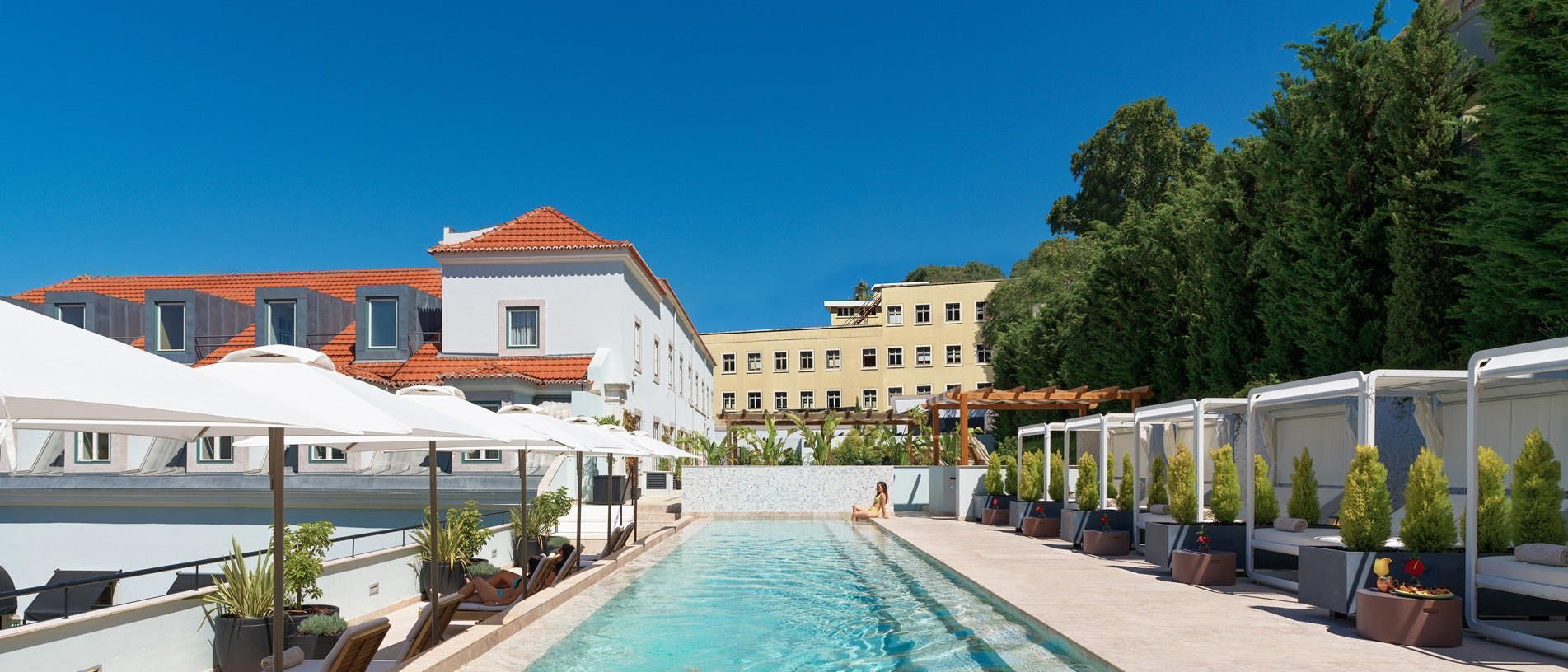
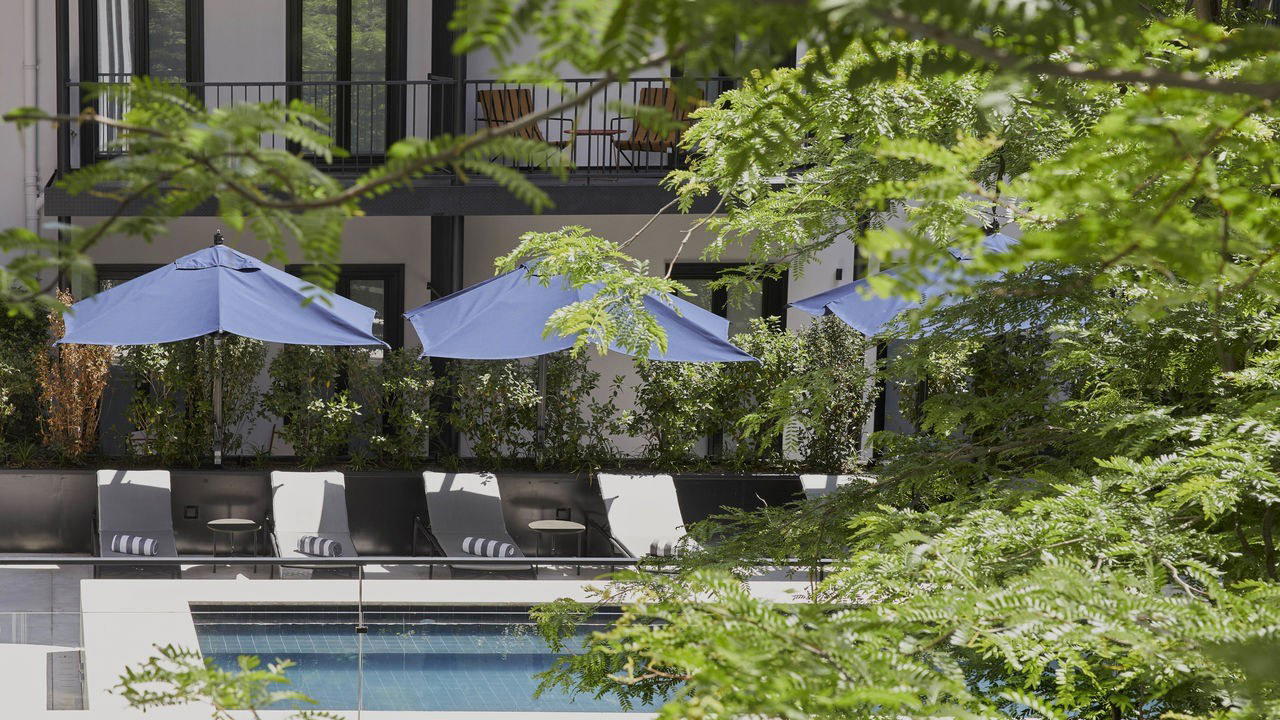
Bars in Lisbon
All bars in Lisbon →
Restaurants in Lisbon
All restaurants in Lisbon →

Details
- Modern
- Trendy
- Elegant
- Cozy
- Romantic Getaway
- Weekend Escape
- Terrace
- Garden
- Wi Fi
- Pool
- Restaurant
- Concierge
- Room Service
- Laundry Service
- Garden
- Elevator
- Wheelchair Accessible
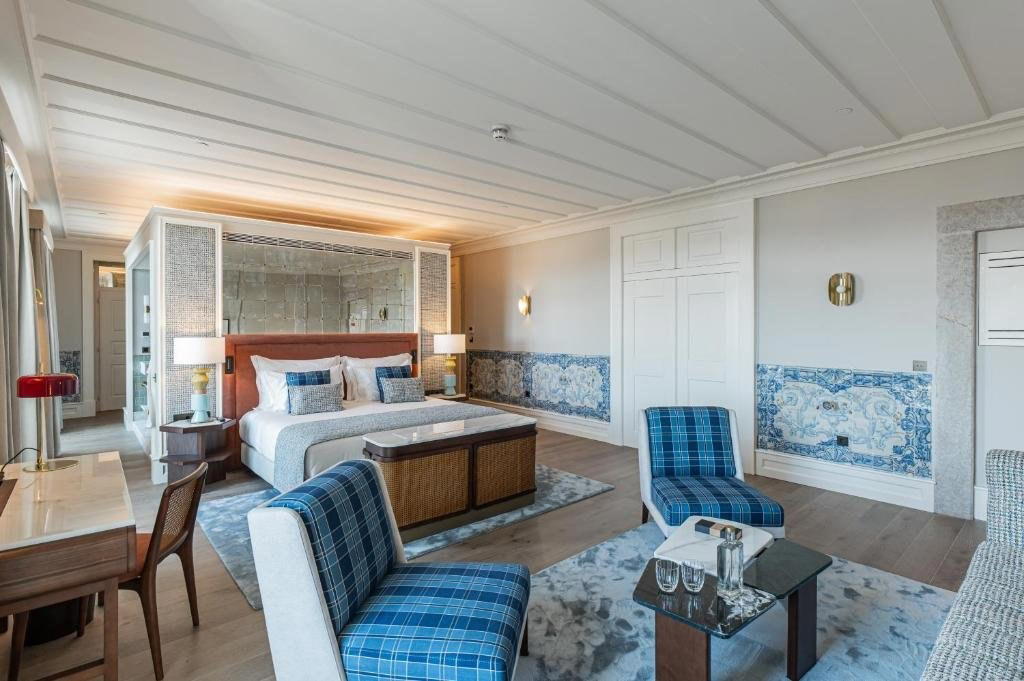
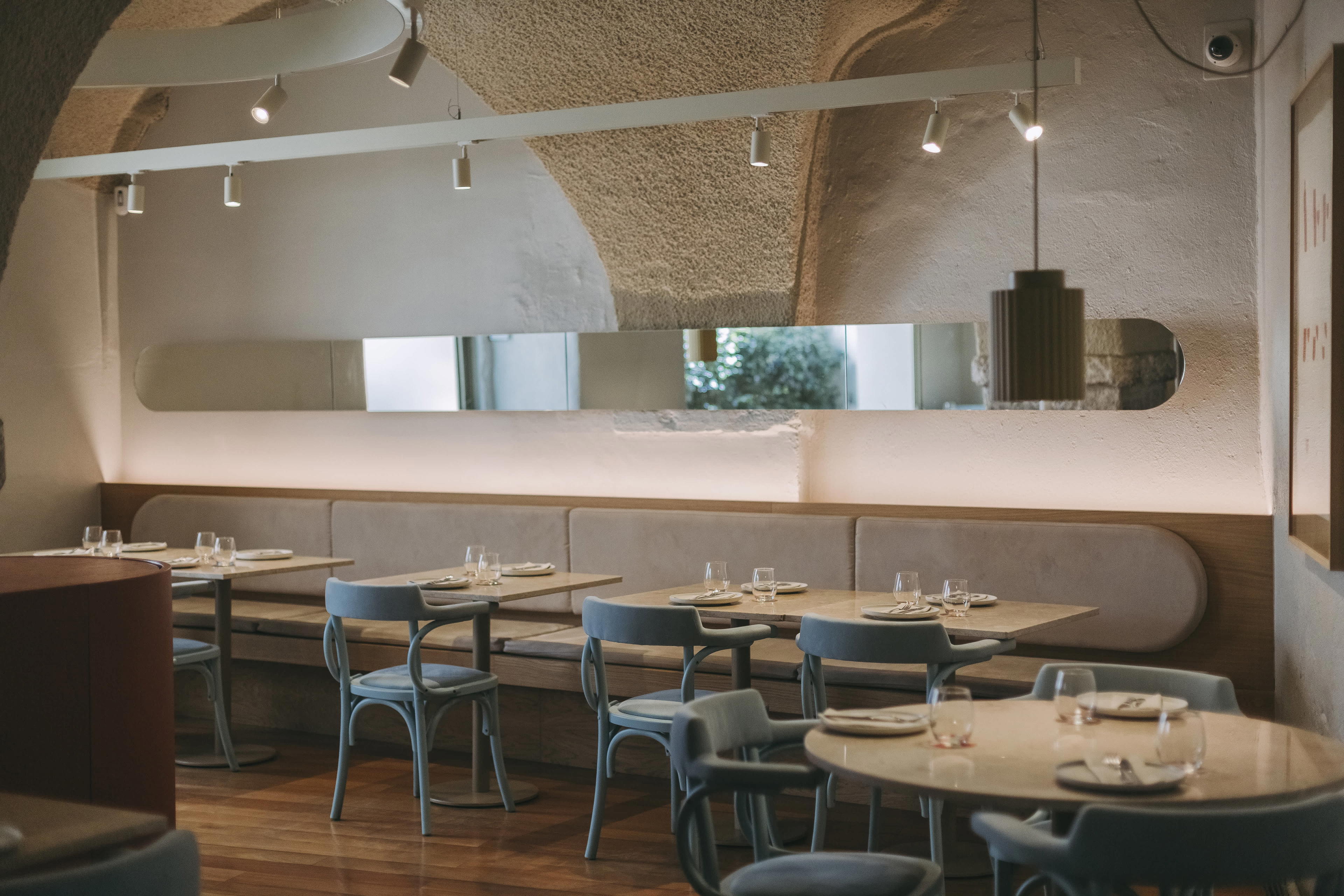
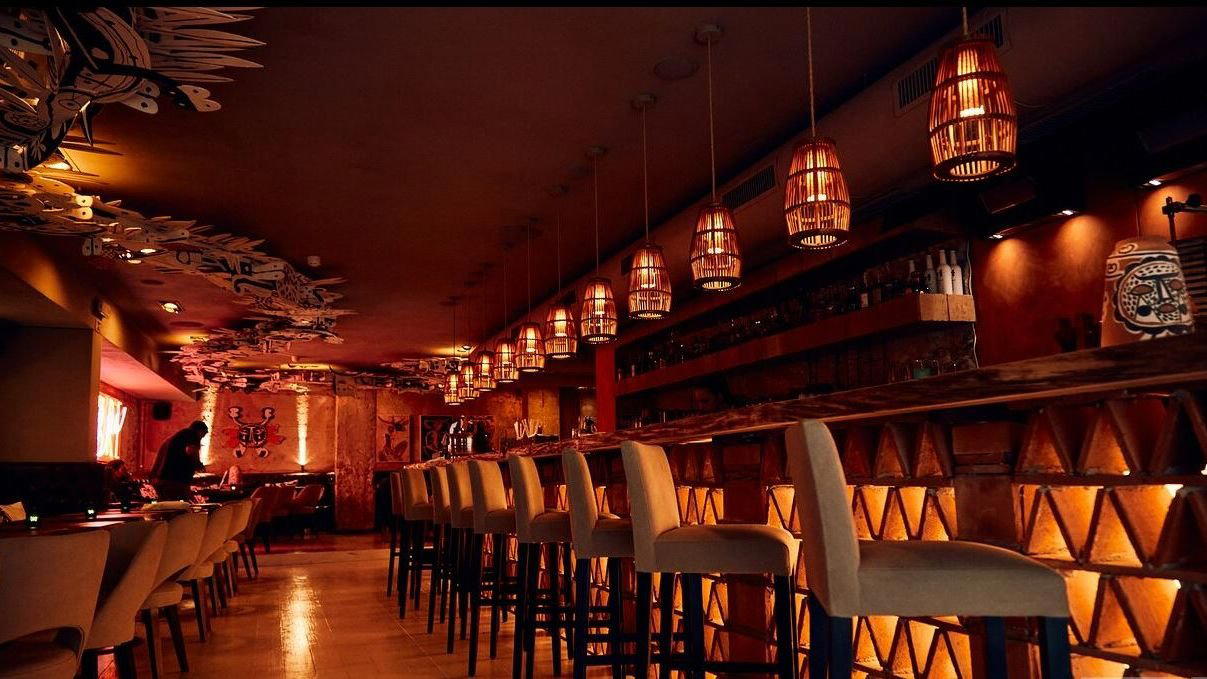
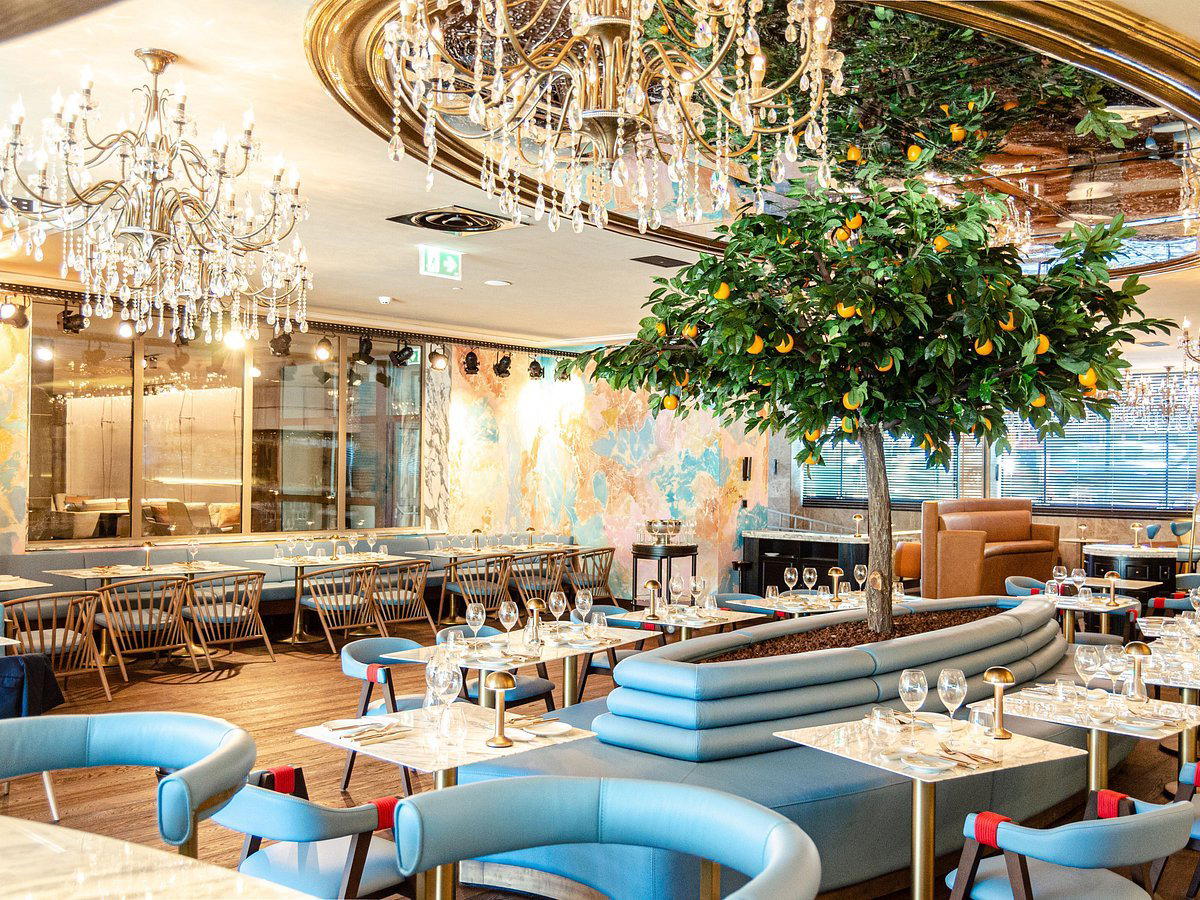
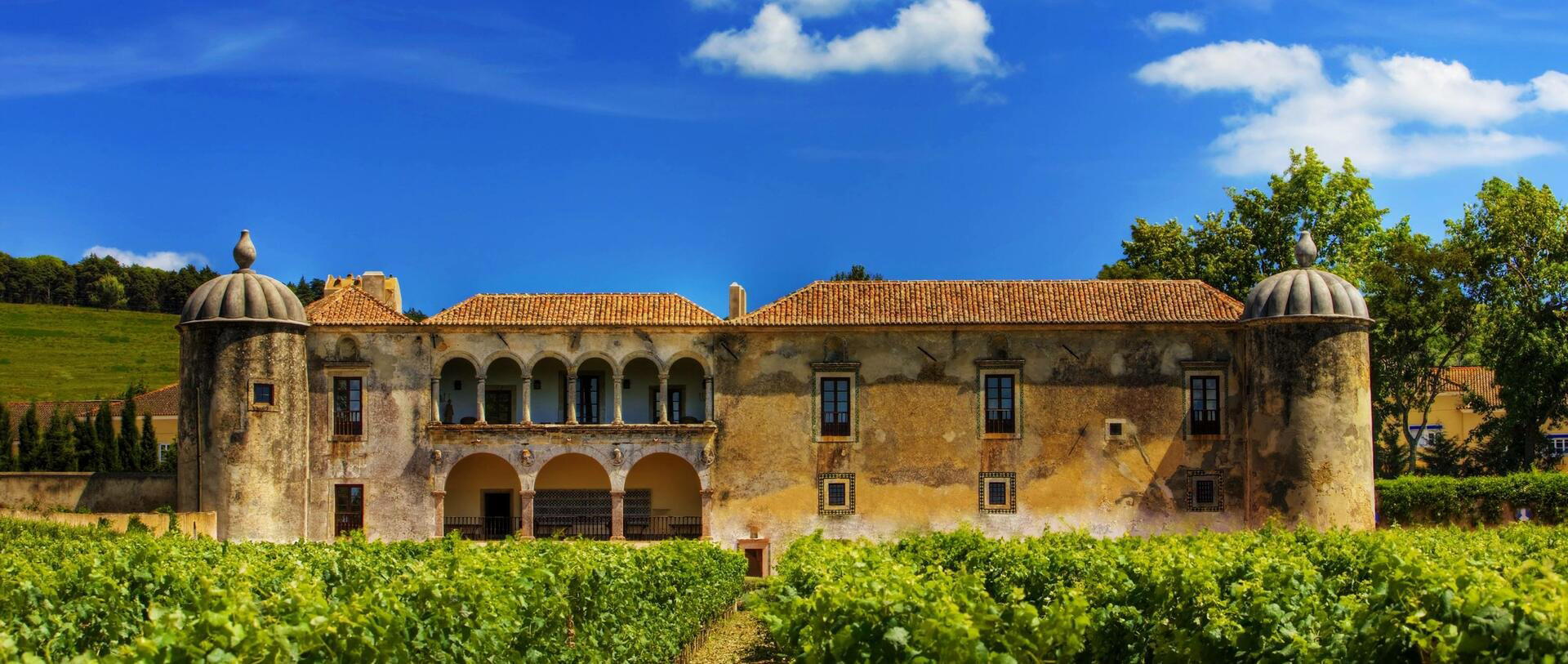
Chic and modern with soothing pastel tones, soundproofed rooms, and inviting communal spaces.