Skip to Main Content
← Collection
Lisbon, Portugal

casateliê

Price≈$180
Size6 rooms
Group:teliê
NoiseQuiet
CapacitySmall

Tucked into Calçada do Monte 48 in Lisbon's Mouraria quarter, casateliê occupies a historic Alfama-adjacent building where the city's layered past is present in the architecture itself. The address places it within one of Lisbon's oldest residential corridors, a neighbourhood that has resisted full gentrification and retains genuine local texture. Visitors looking for Lisbon's heritage-inflected creative scene will find casateliê positioned squarely within it.

Pearl is the En Primeur Club membership app — saves, bookings, and concierge access live there. Same editors, same standards.

Plan your visit on PearlPlan Your Visit

Address
Calçada do Monte 48, 1100-362 Lisboa, Portugal
Phone
+351 919 090 595
casateliê hotel in Lisbon, Portugal
About

A Building That Carries Its Own Argument

Calçada do Monte is the kind of street Lisbon does well and other cities rarely manage: steep enough to demand attention, old enough to have accumulated memory, and just far enough from the tourist circuit to feel inhabited rather than performed. The address at number 48 sits in the gravitational pull of Mouraria, the quarter immediately below the castle hill that remained largely untouched by the 1755 earthquake and its subsequent Pombaline rebuilding. That geological and historical accident gives this part of the city a texture that the grid-planned Baixa simply cannot replicate. The buildings here are older, the walls thicker, and the relationship between interior and exterior space more compressed. Arriving on foot from the Intendente end of Mouraria, you pass azulejo-faced facades in various states of repair, laundry lines crossing the narrowing alleyways, and the occasional fado note filtering from an upper-floor window. It is one of the few Lisbon approaches that still functions as an unscripted arrival experience.

casateliê at Calçada do Monte 48 is a 4-star hotel in Lisbon. The name itself, a compound of casa (house) and ateliê (atelier or studio), signals a hybrid function, a live-work premise that aligns with the building typologies common in this part of the city, where artisans and residents historically shared the same structures. Properties in this corridor tend to follow a characteristic Lisbon vernacular: ground-floor workshops or commercial uses giving way to residential quarters on upper floors, with a internal logic shaped by the hillside rather than by a planner's grid.

Mouraria's Position in Lisbon's Heritage Hierarchy

Lisbon's neighbourhood reputation among serious travellers has shifted considerably over the past decade. Bairro Alto and Chiado, the traditional addresses for design-led accommodation and premium dining, have absorbed the majority of international investment, producing properties like the Bairro Alto Hotel and the AlmaLusa Baixa/Chiado, both of which trade on the central city's historic prestige. Further along the waterfront, Altis Belém Hotel & Spa represents the Belém corridor's draw for visitors anchored to the monument circuit. Mouraria, by contrast, has developed along a different axis: lower commercial density, stronger local residential retention, and a creative scene that has grown from the neighbourhood itself rather than being imported by developers.

That distinction matters for understanding where casateliê sits in the city's offer. It is not competing for the same traveller as the Altis Avenida Hotel or the 1908 Lisboa Hotel (the latter a notable heritage conversion on Intendente square, just minutes away). The peer reference for a Calçada do Monte address is the smaller, building-led property, places where the architecture is the primary argument and the surrounding neighbourhood is understood to be part of the experience rather than something to be insulated from. The A Casa das Janelas Com Vista and the As Janelas Verdes properties represent a comparable instinct on the riverfront side of the city: small-scale, heritage-inflected, defined by their physical container as much as their services.

Travellers who have sought out similar address-led stays elsewhere in Portugal, the M Maison Particulière Porto in Porto, or the converted quinta model represented by Ventozelo Hotel & Quinta in the Douro Valley, will recognise the logic. These are properties where the building's biography precedes the brand, and where the location functions as an argument rather than a convenience.

The Heritage of the Site and Its Neighbourhood

Mouraria's historical significance runs deeper than its picturesque surface. The quarter takes its name from the Moorish quarter established here after the Christian reconquest of Lisbon in 1147, when the city's Muslim population was confined to this hillside territory outside the newly Christian walls. That layered history, Islamic, medieval Christian, and subsequent centuries of popular culture, produced a neighbourhood with an unusual density of social memory. Fado, Lisbon's defining musical form, has its strongest claimed roots here: the singer Maria Severa, a nineteenth-century figure widely credited as the first great fado artist, was associated with this quarter. The neighbourhood's subsequent history of working-class density and relative poverty preserved its physical fabric by keeping out the development pressures that remodelled other parts of the city.

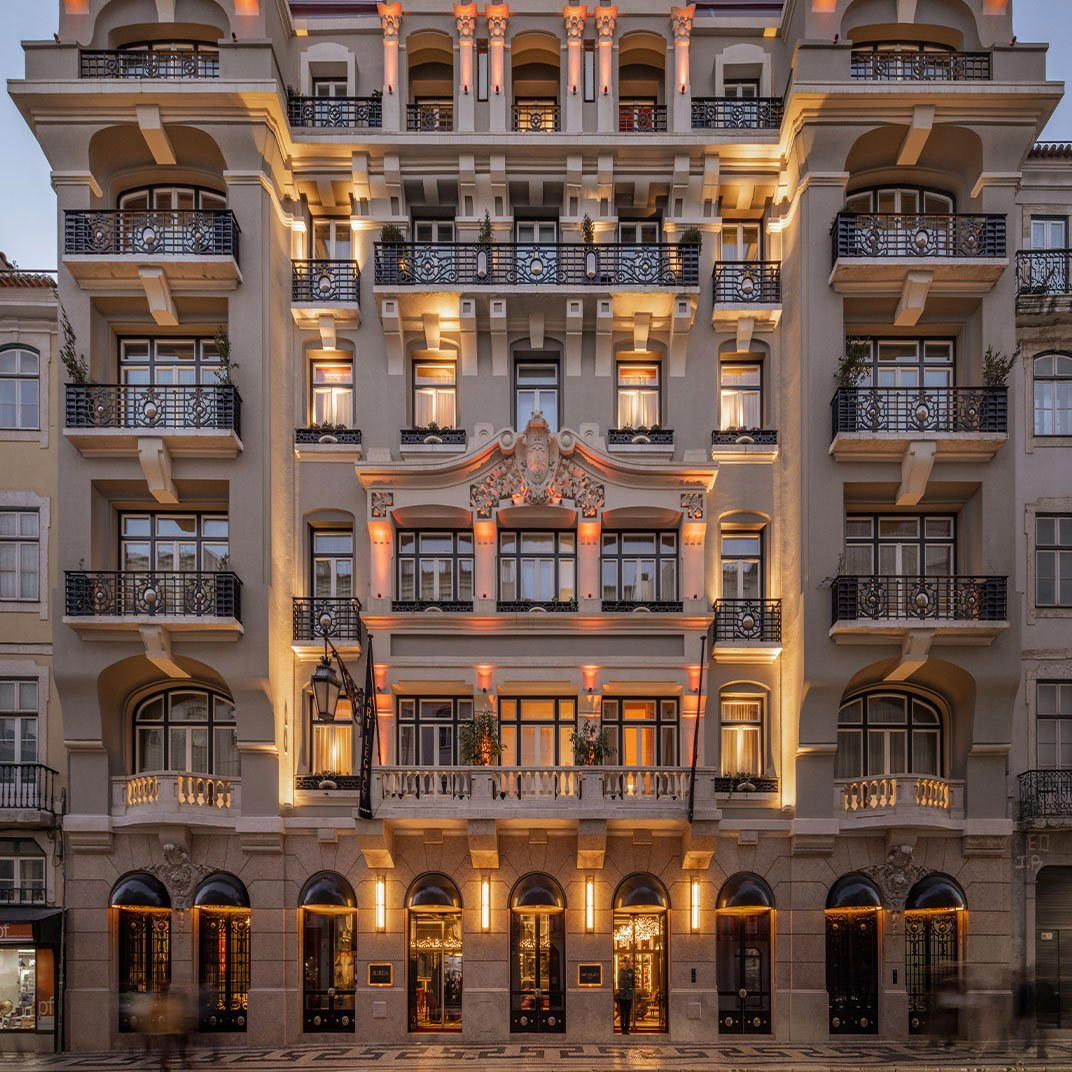
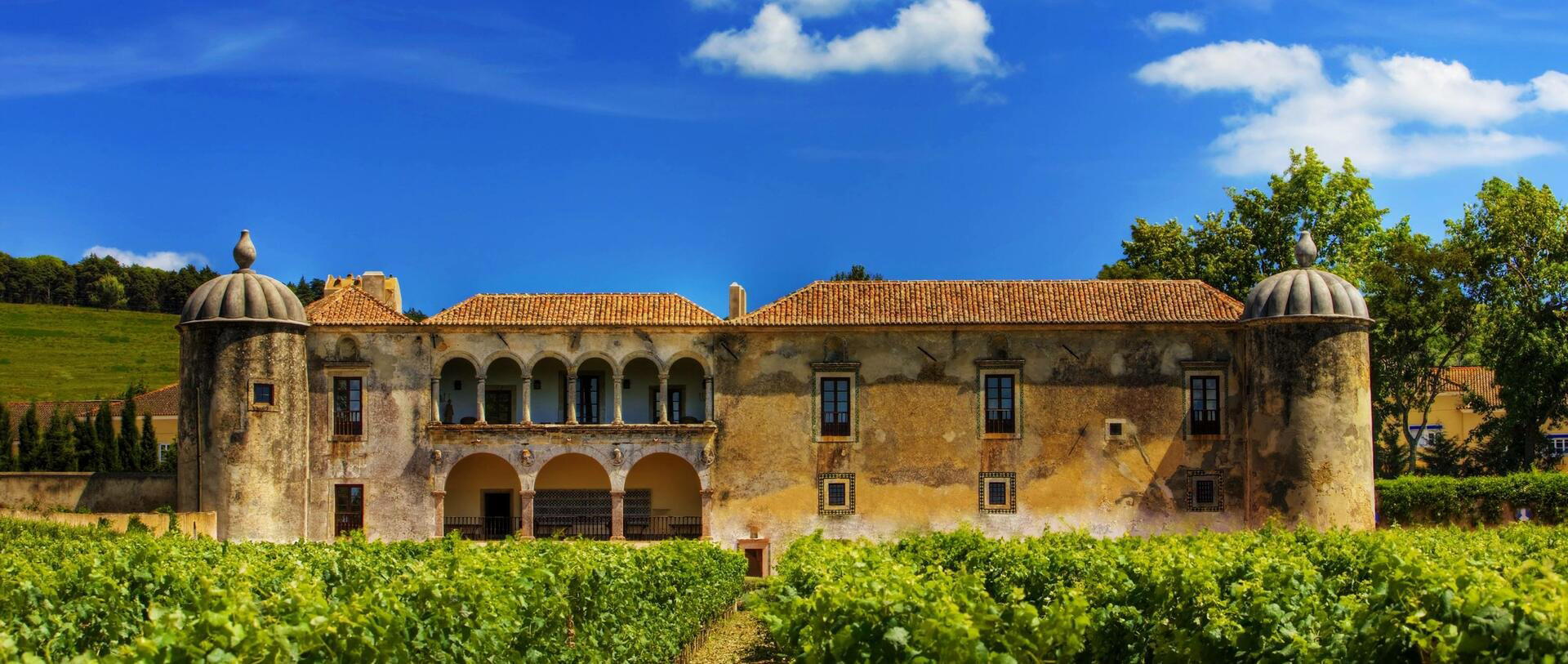
The building at Calçada do Monte 48 sits within that accumulated history. The hillside location, the street's gradient, and the typical construction methods of the area, thick stone walls, interior timber structures, compact floor plans adapted to the slope, produce a physical environment that can be dated by its materials as much as by any documentary record. For visitors arriving from the Art Legacy Hotel Baixa-Chiado or other central addresses, the shift in atmosphere on crossing from the Baixa grid into Mouraria's organic street pattern is immediate and measurable.

Planning Your Visit

Calçada do Monte 48 is most directly reached on foot from Martim Moniz metro station (Green and Yellow lines), a walk of roughly five to eight minutes uphill through the heart of Mouraria. The Tram 28E route, Lisbon's most-used tourist circuit, passes along the ridge above and can serve as an alternative approach from Graça or Alfama. Visitors based in the Chiado or Baixa hotel corridor, including guests of the Bairro Alto Hotel, should allow fifteen to twenty minutes on foot, with the route passing through the Rossio and up through Mouraria's lower lanes. Rideshare access is direct to the Intendente square level, though the final approach to Calçada do Monte itself is pedestrian-only in character. For those visiting Lisbon as part of a wider Portugal itinerary, whether arriving from the Algarve properties like Anantara Vilamoura Algarve Resort or from the Douro stays like Casa Vale do Douro, Mouraria makes a logical final urban chapter before departure. The neighbourhood's low-key character and the building's heritage weight offer a Lisbon experience that the more international hotel corridors do not fully replicate.

Frequently asked questions

Peers You’d Cross-Shop

Comparable venues nearby, for context on price, style, and recognition.

At a Glance
Vibe
  • Romantic
  • Elegant
  • Intimate
  • Cozy
Best For
  • Romantic Getaway
  • Weekend Escape
Experience
  • Historic Building
  • Design Destination
  • Garden
Amenities
  • Wifi
  • Concierge
  • Room Service
Views
  • Garden
  • Street Scene
Dress CodeCasual
Noise LevelQuiet
CapacitySmall
Rooms6
Check-In15:00
Check-Out11:00
PetsNot allowed

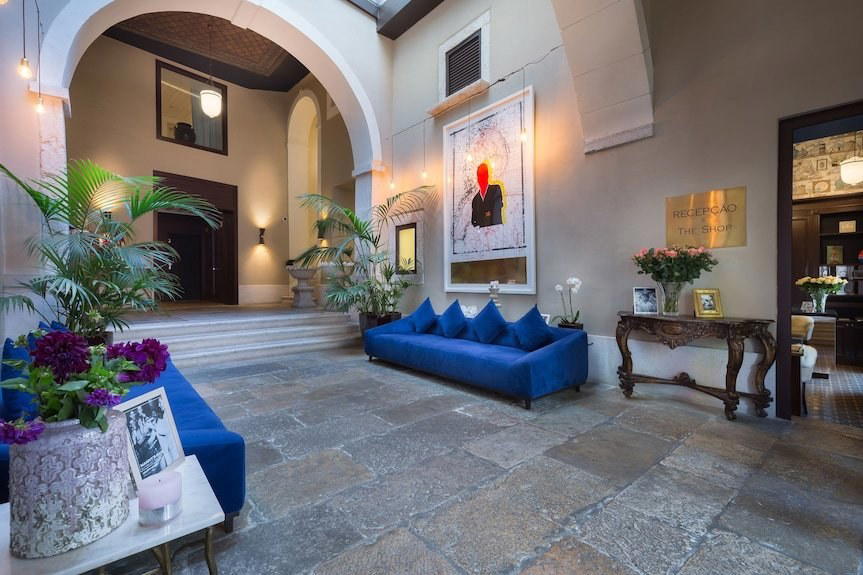
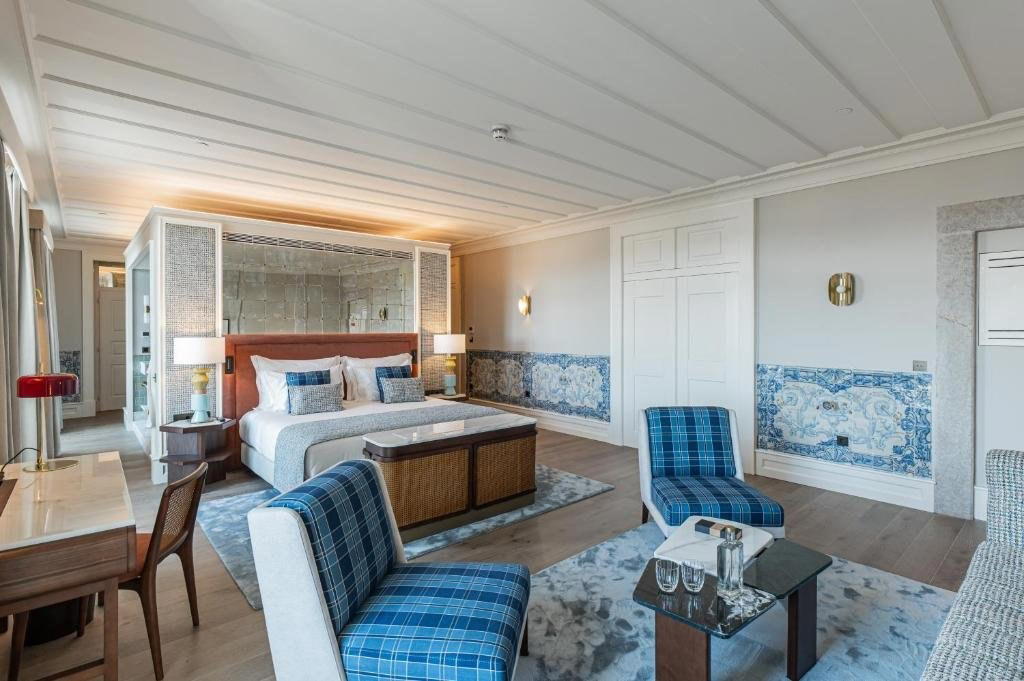
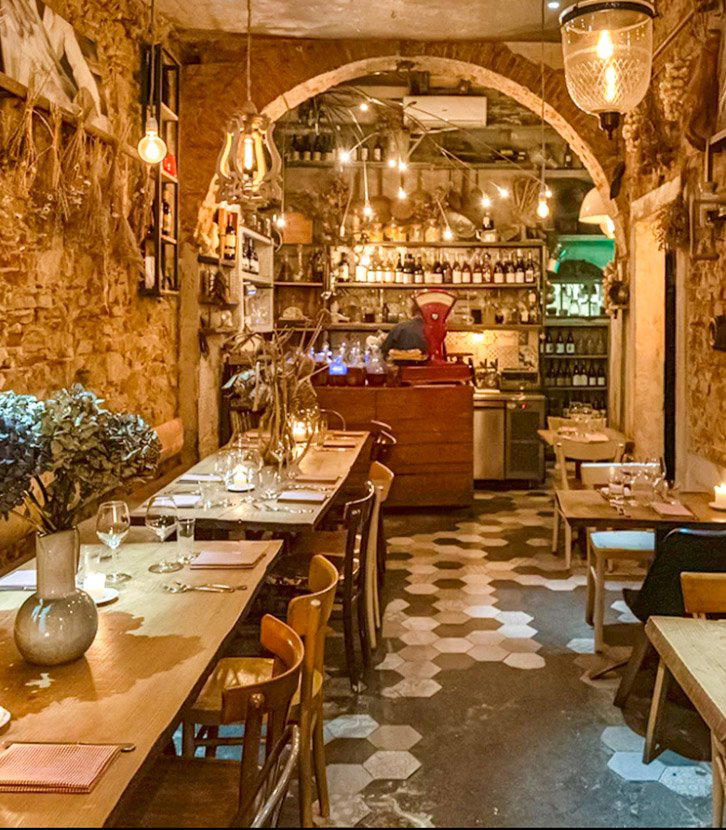
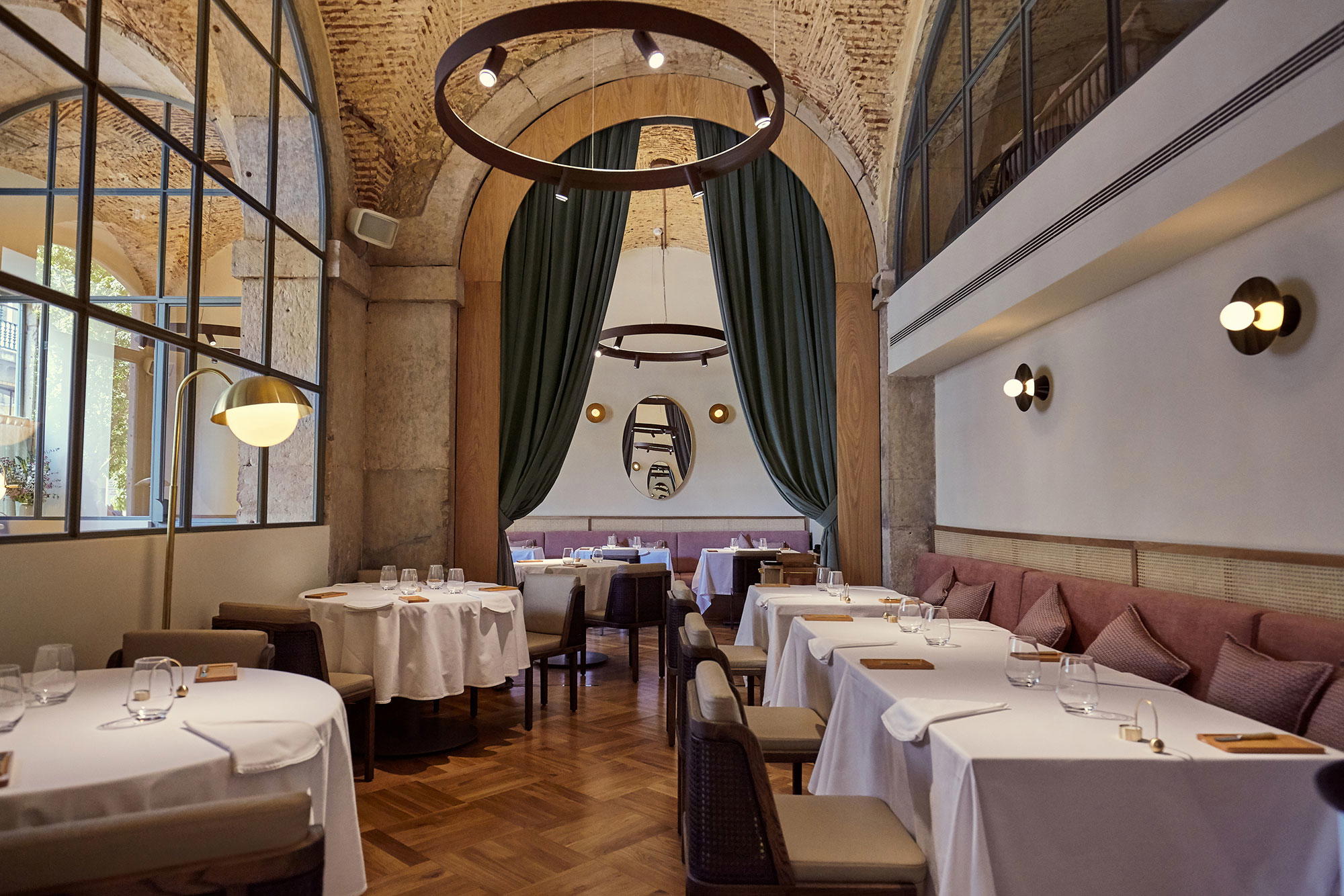
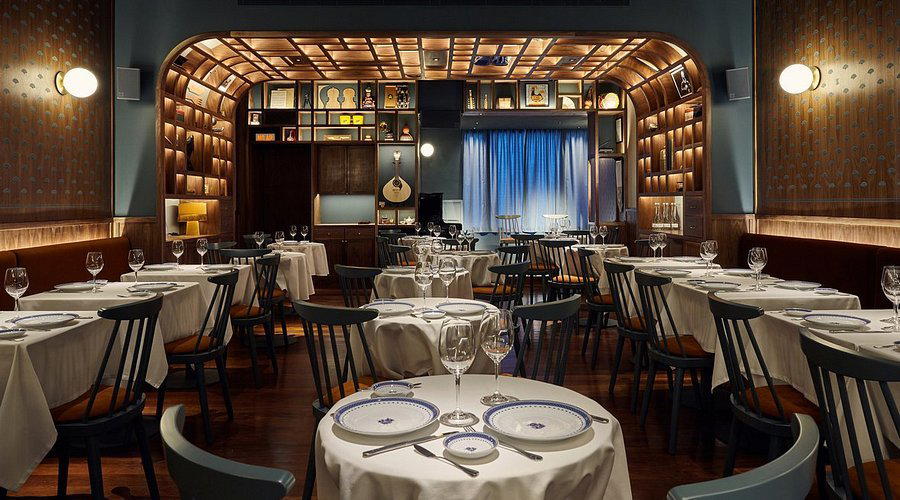
Warm, intimate lighting with carefully curated vintage and contemporary furnishings creating a sophisticated yet welcoming atmosphere throughout the property.