
World Luxury Hotel Awards WLHA Regional Winner
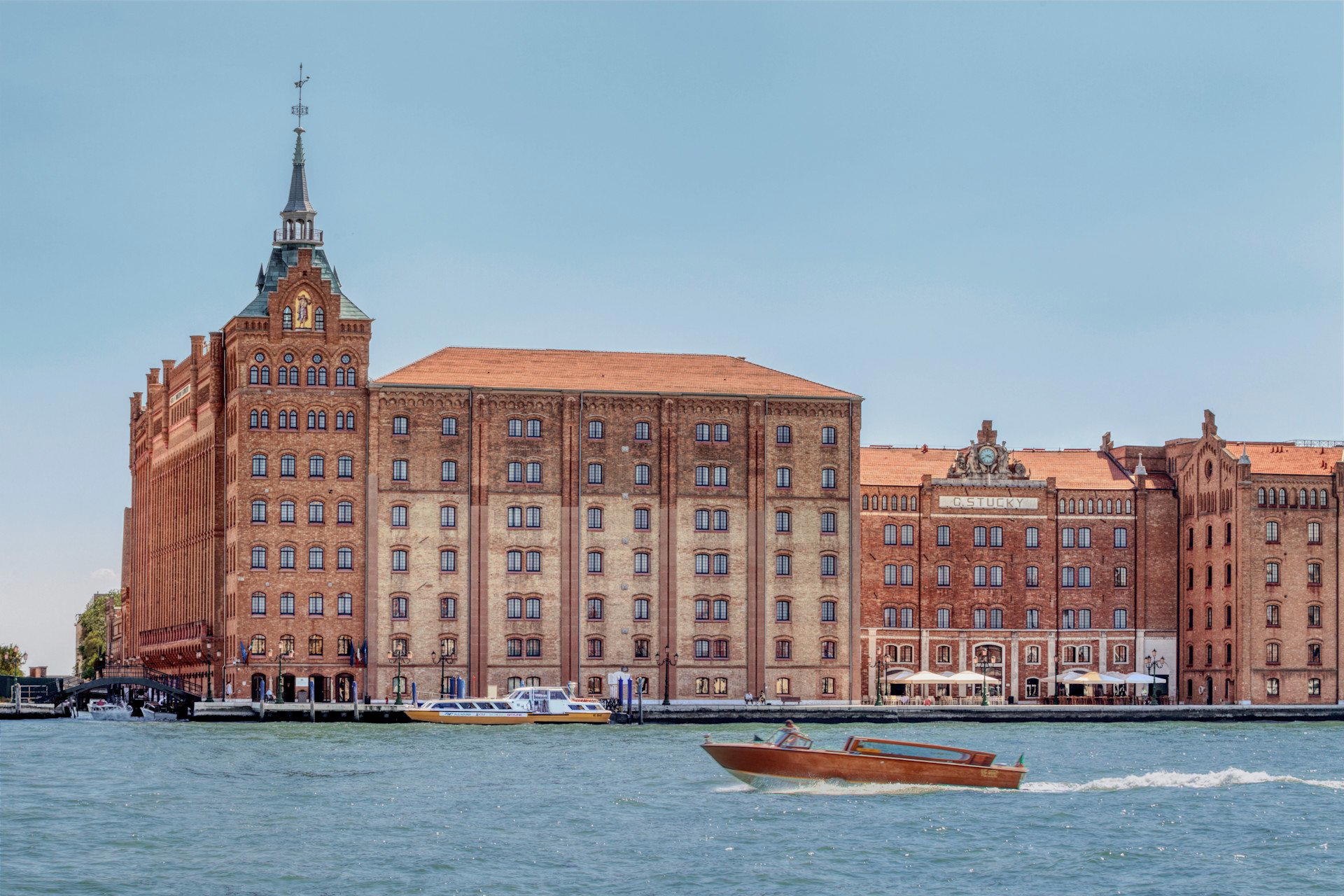
A converted nineteenth-century flour mill on the Giudecca canal, Hilton Molino Stucky Venice is one of the few large-scale hotels in the city to hold both a Regional Winner award for Best Interior Design and a Continent Winner award for Best Architectural Design. The industrial bones of the original Stucky mill remain legible throughout, making it a different proposition from the palazzo hotels clustered along the Grand Canal.

Pearl is the En Primeur Club membership app, where members save venues, book tables and use the concierge.
A Mill Becomes a Hotel: Venice's Industrial Heritage Reclaimed
Venice's hotel geography divides roughly into two registers: the Grand Canal palazzi that trade on centuries of aristocratic architecture, and the outlier properties that occupy buildings with a different kind of history. Hilton Molino Stucky Venice belongs firmly to the second category. The original Stucky flour mill, built in the late nineteenth century on the Giudecca island's northern waterfront, was one of the largest industrial structures in the lagoon city. Its neo-Gothic brick facade and mill tower were anomalies in a city of marble and plasterwork, and that anomaly is precisely what the hotel conversion preserved rather than erased.
The architectural awards the property has received reflect this tension between industrial legacy and hospitality function. A Continent Winner for Leading Architectural Design and a Regional Winner for Leading Interior Design are credentials that place the building in a genuinely competitive bracket, not the gilded-salon tier occupied by Hotel Gritti Palace or the intimate-palazzo category that includes Aman Venice, but a distinct category where structural drama and adaptive reuse are the design proposition.
Giudecca: The Canal That Separates and Defines
Location on the Giudecca places the hotel outside the pedestrian density of central Venice, which operates as both a limitation and an advantage. The island sits across the Giudecca canal from the Zattere promenade and Dorsoduro, a short vaporetto crossing, but a meaningful psychological shift from the tourist pressure of San Marco and Rialto. Hotels on the Giudecca have historically served a specific traveller: one who wants lagoon views without the Grand Canal premium, or who values the slightly slower pace of an island that most day visitors never cross to.
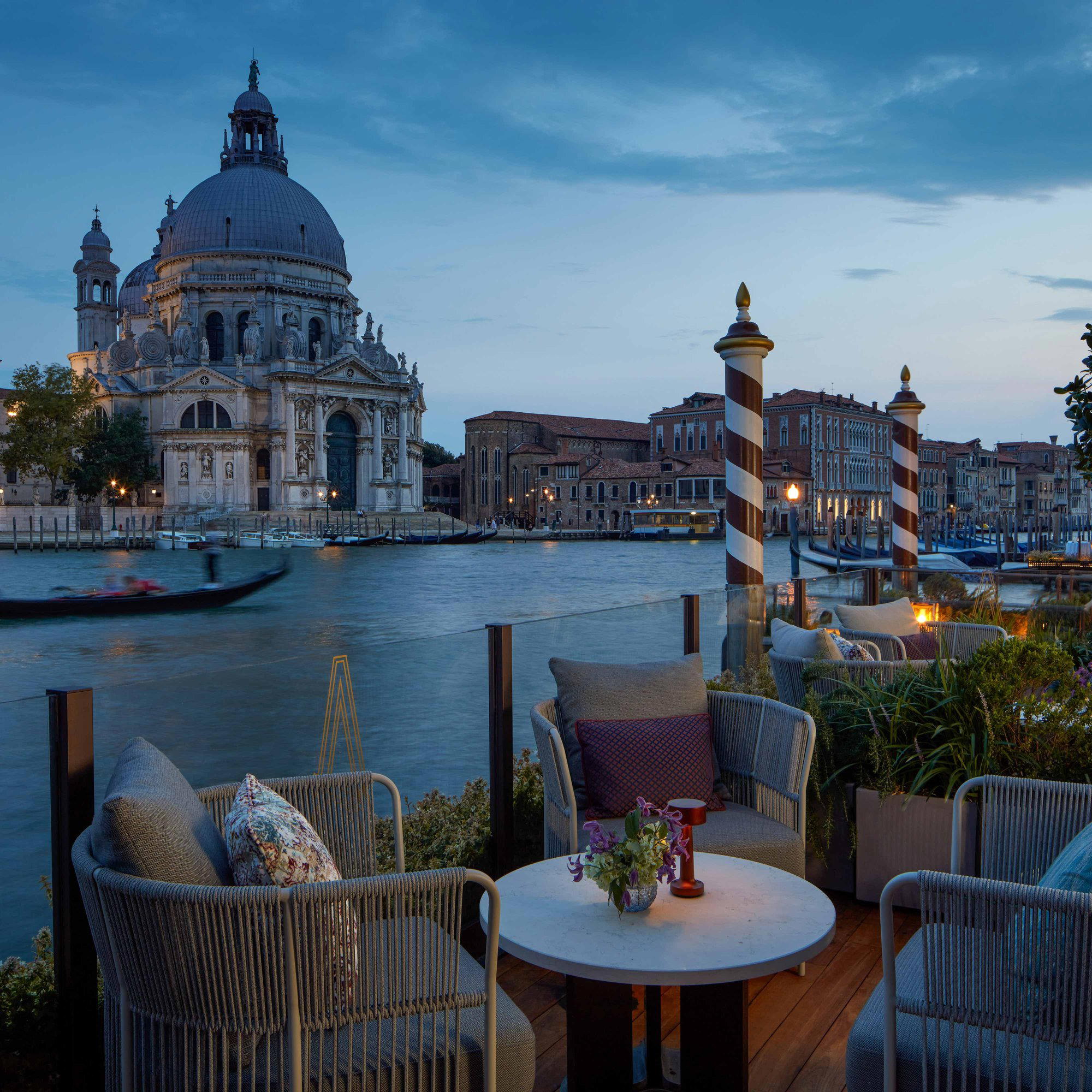
The view from the Giudecca side back toward the Redentore church and across to the main islands is one of the more cinematic in Venice, and it is a view that the hotel's rooftop and canal-facing rooms are positioned to capture. Guests arriving by water taxi from Marco Polo Airport land at the hotel's private dock, which frames the brick mill facade as the first impression of the property, an arrival sequence that the palazzo hotels on the Grand Canal, for all their finery, cannot replicate in quite this way.
For guests comparing options across the city, Cipriani, A Belmond Hotel, Venice occupies the eastern tip of the same Giudecca island, and the two properties represent different ends of the island's hospitality spectrum. Ca' di Dio, Il Palazzo Experimental, Londra Palace Venezia, and Nolinski Venezia each stake out different positions in a city where hotel choice is as much about neighbourhood logic as room quality.
The Interior Argument: Industrial Scale as Hospitality Asset
Where most Venice hotels work with relatively modest room footprints constrained by historic palace proportions, the mill conversion allowed for a different spatial language. Mill buildings were engineered for volume, high ceilings, deep floor plans, structural spans that residential palaces never required. The interior design award the property holds signals that the conversion used this inherited scale to create a sense of drama that smaller boutique properties structurally cannot achieve.
This is a genuinely contested category in Italian hotel design. Properties like Four Seasons Hotel Firenze in Florence and Castello di Reschio in Lisciano Niccone occupy different adaptive-reuse traditions, but the logic of awards judges evaluating architectural conversion consistently rewards schemes that make the building's original purpose legible. At Molino Stucky, the mill tower, the brick detailing, and the scale of the public spaces all perform that function.
The rooftop pool and bar, positioned at height on the converted mill structure, offers panoramic views across the lagoon that are among the more spatially unusual in Venice's hotel offering. The vantage point is the product of the building's industrial height, not a design addition that could be grafted onto a low-slung palazzo.
Service Architecture in a Large-Format Property
Large-format hotels in historic cities face a specific challenge: the coordination between food and beverage, front-of-house, and concierge functions becomes critical when a property has substantial room count. The team dynamic at a hotel of this scale operates differently from the intimate staffing of properties like Corte di Gabriela, where a small team can maintain close guest contact throughout a stay. At Molino Stucky, the editorial interest lies in how the multiple food and beverage outlets, rooftop operations, and event-scale catering coordinate within a single property whose architecture already asks guests to navigate significant vertical and horizontal distances.
Venice's broader hotel cohort increasingly splits between the very small (boutique properties of under thirty rooms) and the operationally complex full-service hotels. Molino Stucky sits in the latter group, and its awards recognition for design, rather than for restaurant programming or service distinction, suggests that the property's primary credential is spatial and architectural rather than gastronomic or service-driven.
For guests whose priority is restaurant-led stays, the EP Club's full Venice restaurants guide maps the city's food offer independently of hotel affiliation, which is the more reliable way to plan dining in a city where the gap between hotel restaurants and independently operated trattorie or osterie remains significant.
Italy in Context: Where Molino Stucky Sits in a Competitive Field
Across Italy, the full-service large hotel category faces pressure from smaller, more design-coherent properties. Passalacqua in Moltrasio, Casa Maria Luigia in Modena, Borgo Santandrea on the Amalfi Coast, and Il San Pietro di Positano in Positano all represent the editorial momentum toward smaller, owner-operated or design-led properties. Against that current, Molino Stucky's case rests on what smaller properties cannot offer: scale, event infrastructure, a rooftop with genuine height, and a building with a documented industrial history that is specific to Venice in a way that imported palazzo decor rarely is.
Other Italian reference points for conversion-driven hotel design include Borgo Egnazia in Savelletri di Fasano and Rosewood Castiglion Del Bosco in Montalcino, both of which operate within historic estate structures, and Corte della Maestà in Civita di Bagnoregio as a smaller-scale example of historic building activation. The comparison across these properties makes clear that conversion quality is judged on how well the host building's original character survives the hospitality overlay, and by that measure, the Stucky mill's brick shell and tower have fared better than many.
For guests planning Italy itineraries that extend beyond Venice, Bulgari Hotel Roma in Rome, Portrait Milano in Milan, Il Pellicano in Porto Ercole, and JK Place Capri in Capri each occupy different tiers and design traditions that collectively illustrate how varied Italy's premium accommodation offer has become. Internationally, the architectural conversion argument has close parallels in properties like Aman New York in New York City, The Fifth Avenue Hotel in New York City, and Amangiri in Canyon Point, where the relationship between building form and guest experience is the primary design argument.
Planning a Stay
The hotel's Giudecca location is reached by vaporetto line 2 from Piazzale Roma or the train station, with the Palanca or Zitelle stops serving the island. Water taxis from Marco Polo Airport arrive directly at the hotel dock, making it one of the more logistically clean arrivals in Venice for guests coming from the airport. Given Venice's seasonal concentration, Carnevale in February and the high summer months from June through September bring the heaviest visitor pressure, and the hotel's capacity for conferences and events, guests targeting specific room types or the rooftop pool area in warmer months should expect to book considerably in advance. The property's architecture and award credentials are documented; specific pricing, current dining formats, and room availability are best confirmed directly through the hotel's reservations channel.
Recognition Snapshot
Comparable venues nearby, for context on price, style, and recognition.
| Venue | Cuisine | Price | Awards | Notes |
|---|---|---|---|---|
| Hilton Molino Stucky VeniceThis venue (the venue you are viewing) | Historic flour mill restored into luxury hotel | Not listed | World Luxury Hotel Awards WLHA Regional Winner | Not listed |
| Eight Venezia | Historic Venetian palazzo transformed into a luxury boutique hotel | Not listed | Michelin Selected | Castello |
| Ai Reali di Venezia | Renovated aristocratic Venetian palace with refined elegance. | Not listed | Forbes Recommended · Small Luxury Hotels of the World Member | San Marco |
| Aqua Palace Hotel | Refined 18th-century Venetian palace converted into luxury boutique hotel | Not listed | Michelin Selected | San Marco |
| Charming House iQs | Contemporary apartments in historic Gothic palazzo | $300–500 | Michelin Selected | Castello |
| Hotel Cà Zusto Venezia | Historic boutique palace hotel | $100–200 | Michelin Selected | Santa Croce |
Recognition history
Dated appearances from independent guides and award organizations, with the underlying list record or original source where available.
World Luxury Hotel Awards WLHA Regional Winner
World Luxury Hotel Awards
Full recognition history (2 entries)
World Luxury Hotel Awards WLHA Continent Winner
World Luxury Hotel Awards
Continue exploring
More in Venice
Hotels in Venice
All hotels in Venice →
Bars in Venice
All bars in Venice →
Details
- Elegant
- Sophisticated
- Well Known
- Scenic
- Ornate
- Romantic Getaway
- Honeymoon
- Anniversary
- Business Trip
- Rooftop Pool
- Panoramic View
- Historic Building
- Waterfront
- Terrace
- Wi Fi
- Pool
- Spa
- Fitness Center
- Room Service
- Concierge
- Business Center
- Waterfront
- Skyline
- Wheelchair Accessible
- Elevator
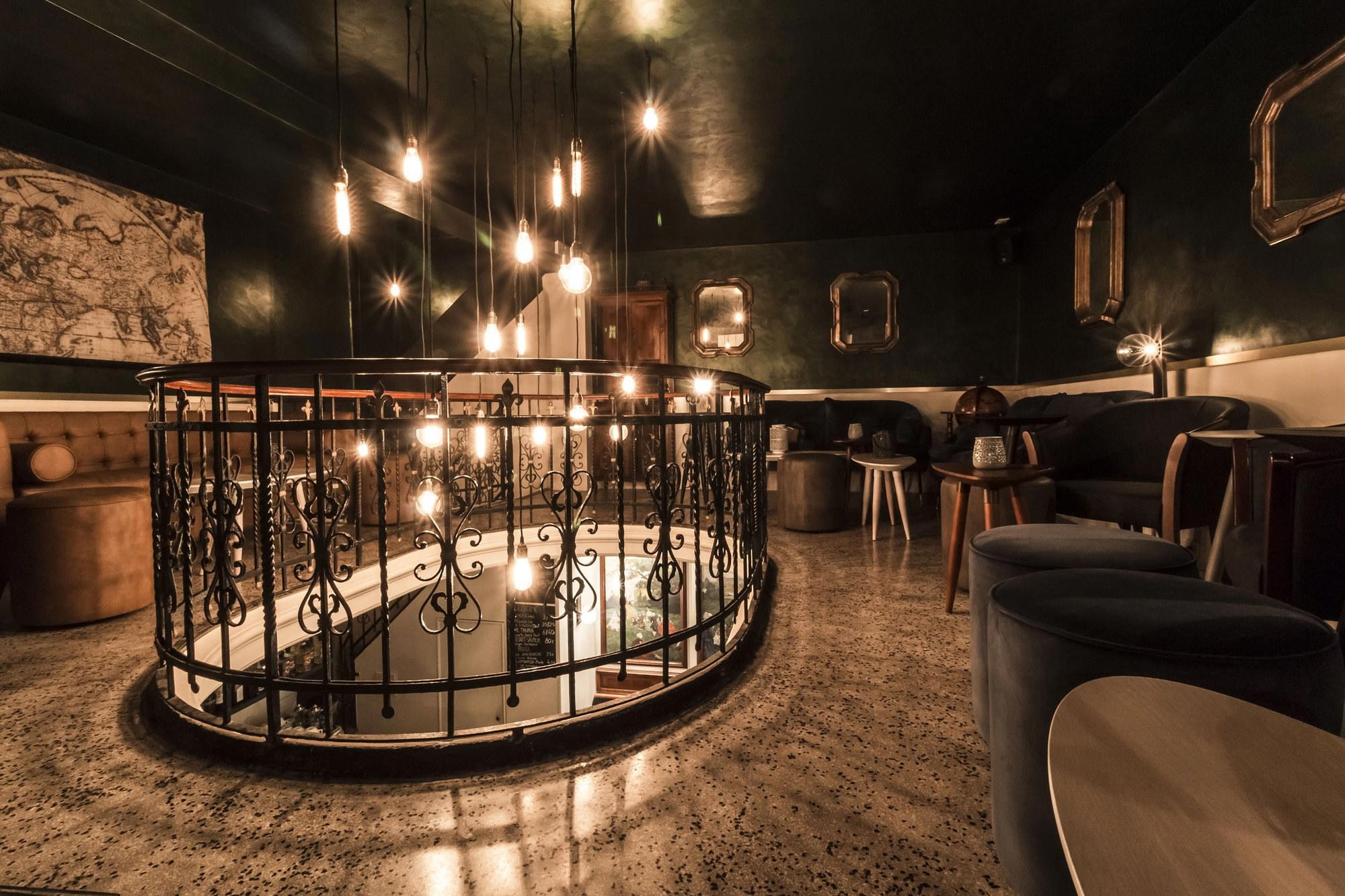
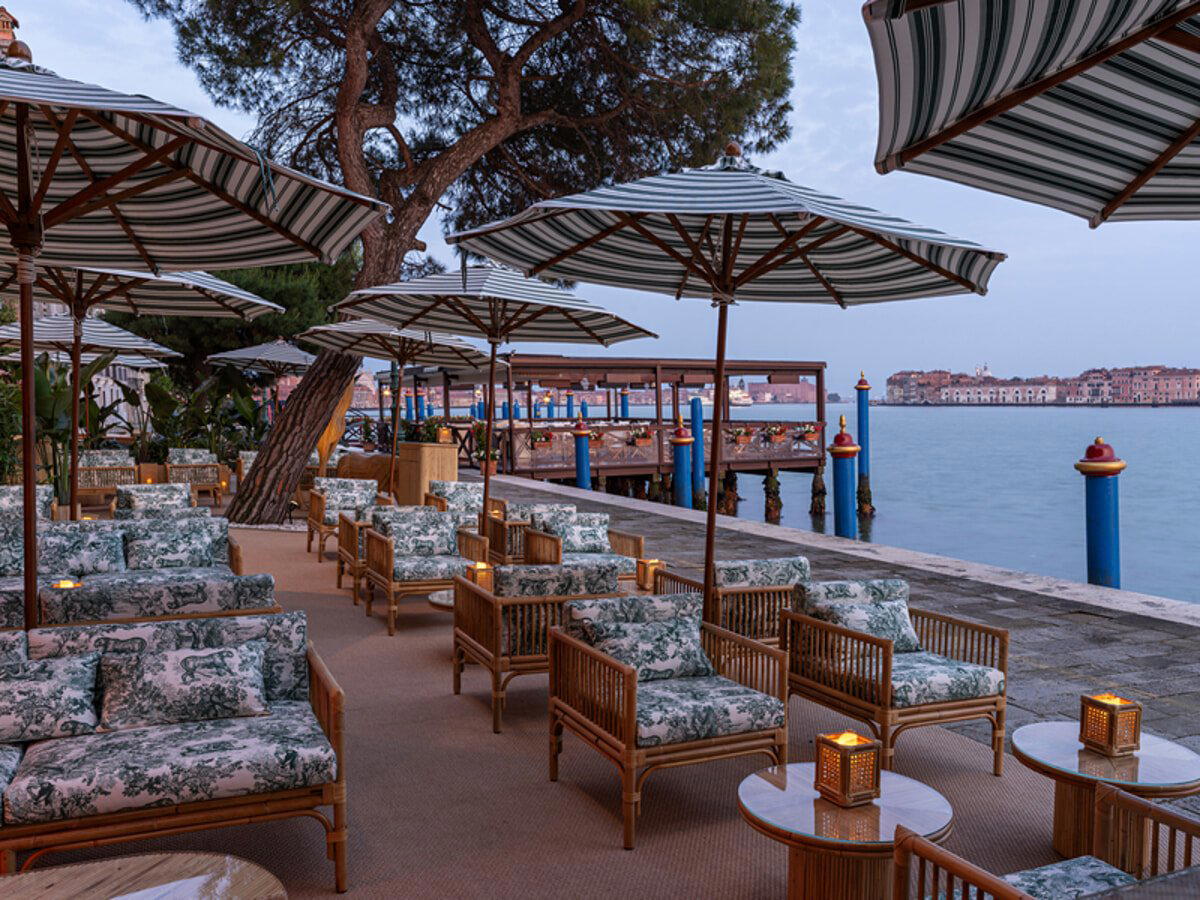
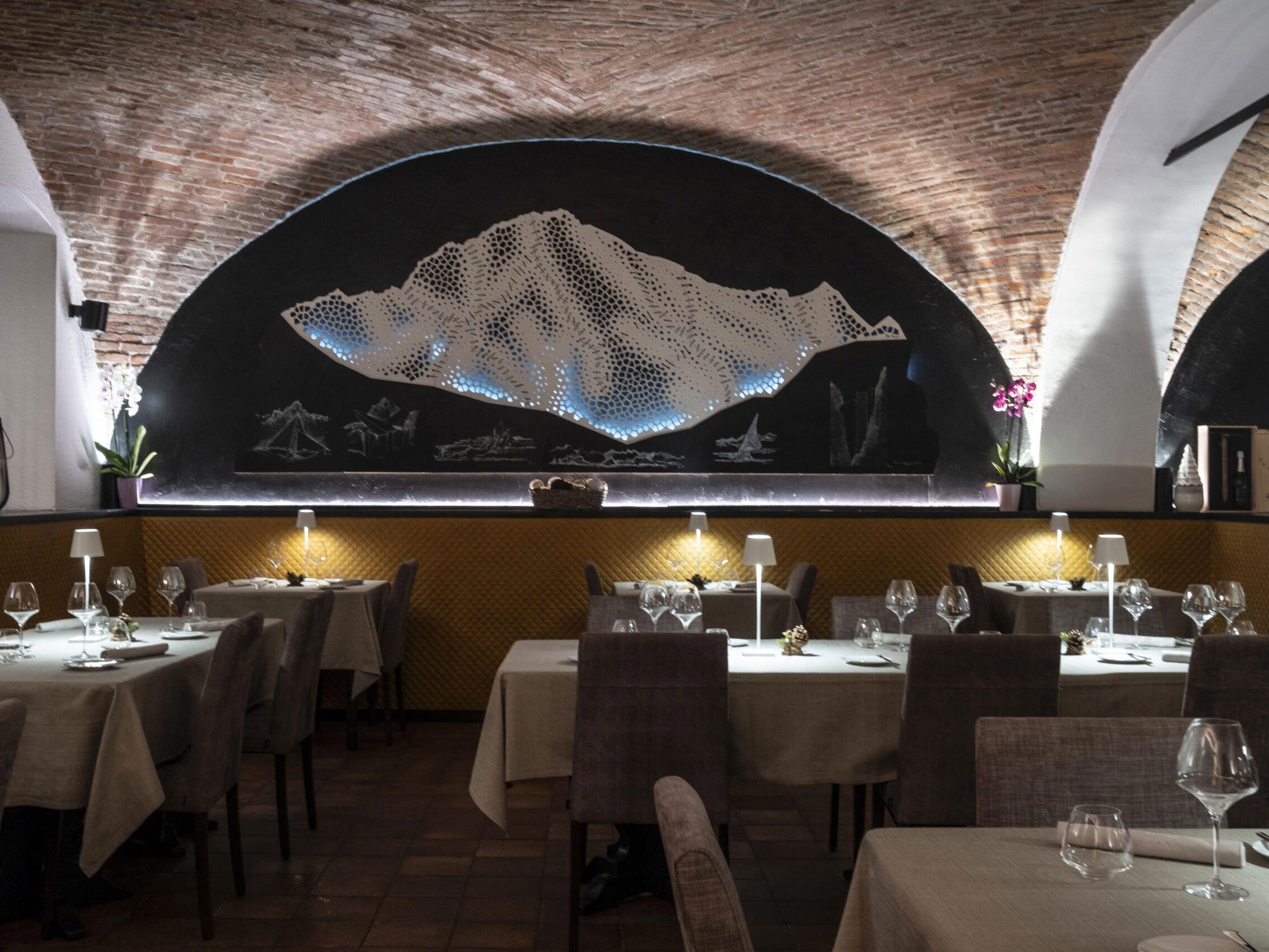
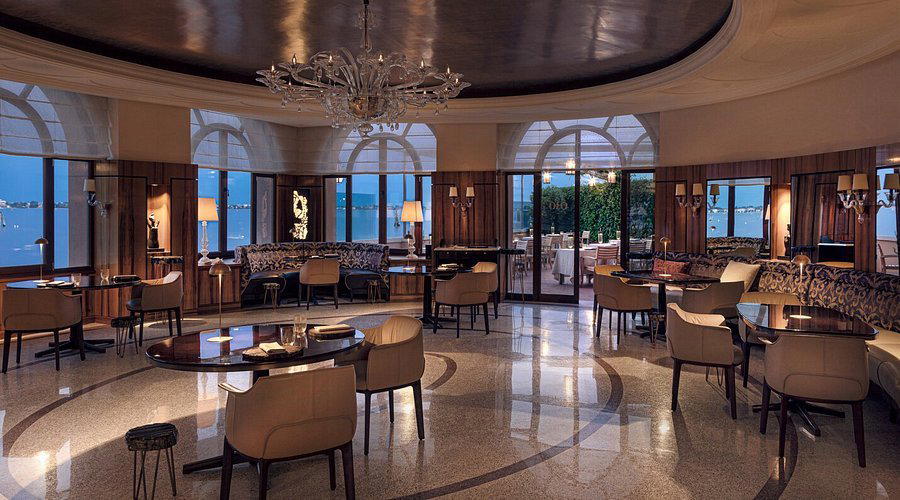
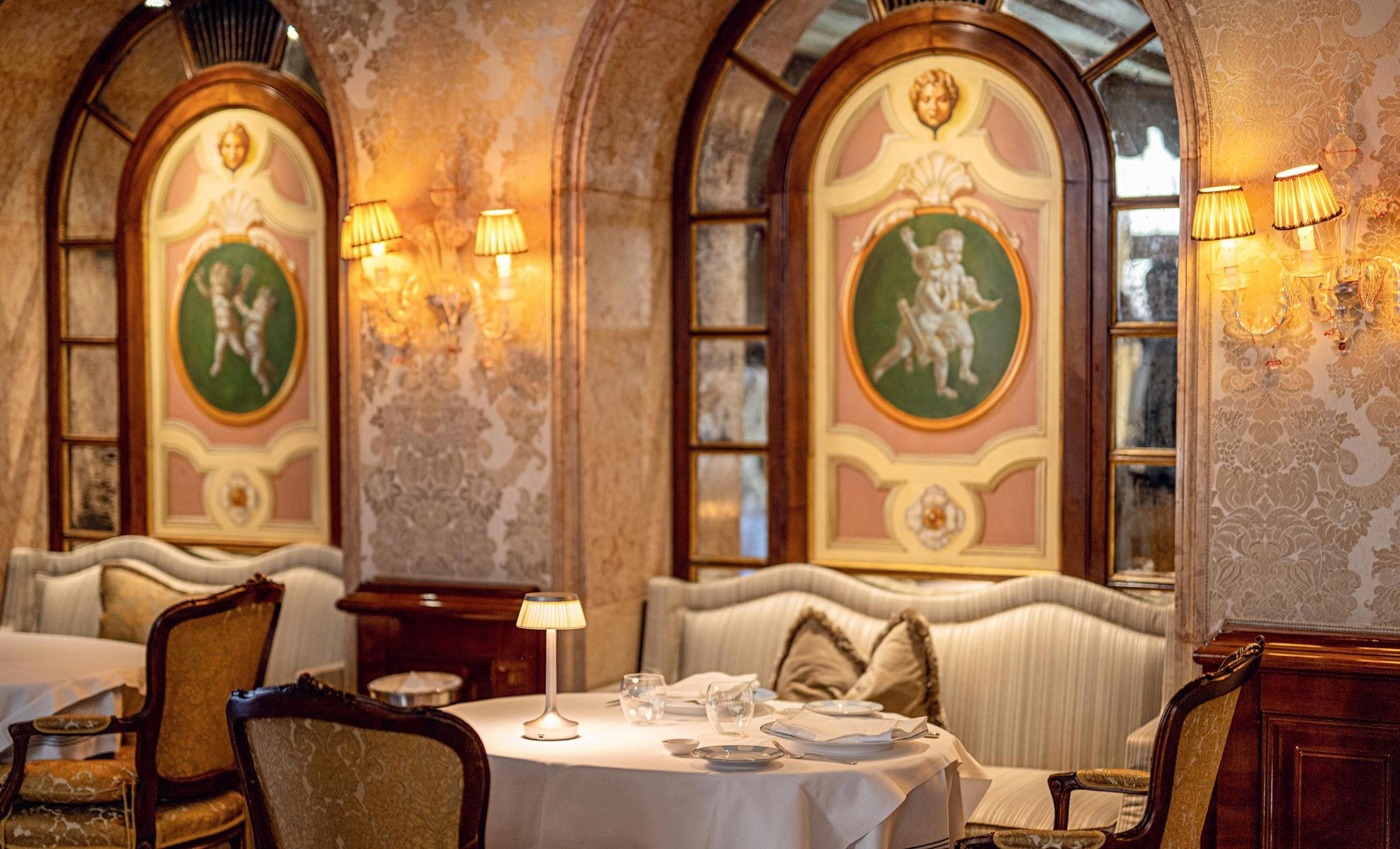
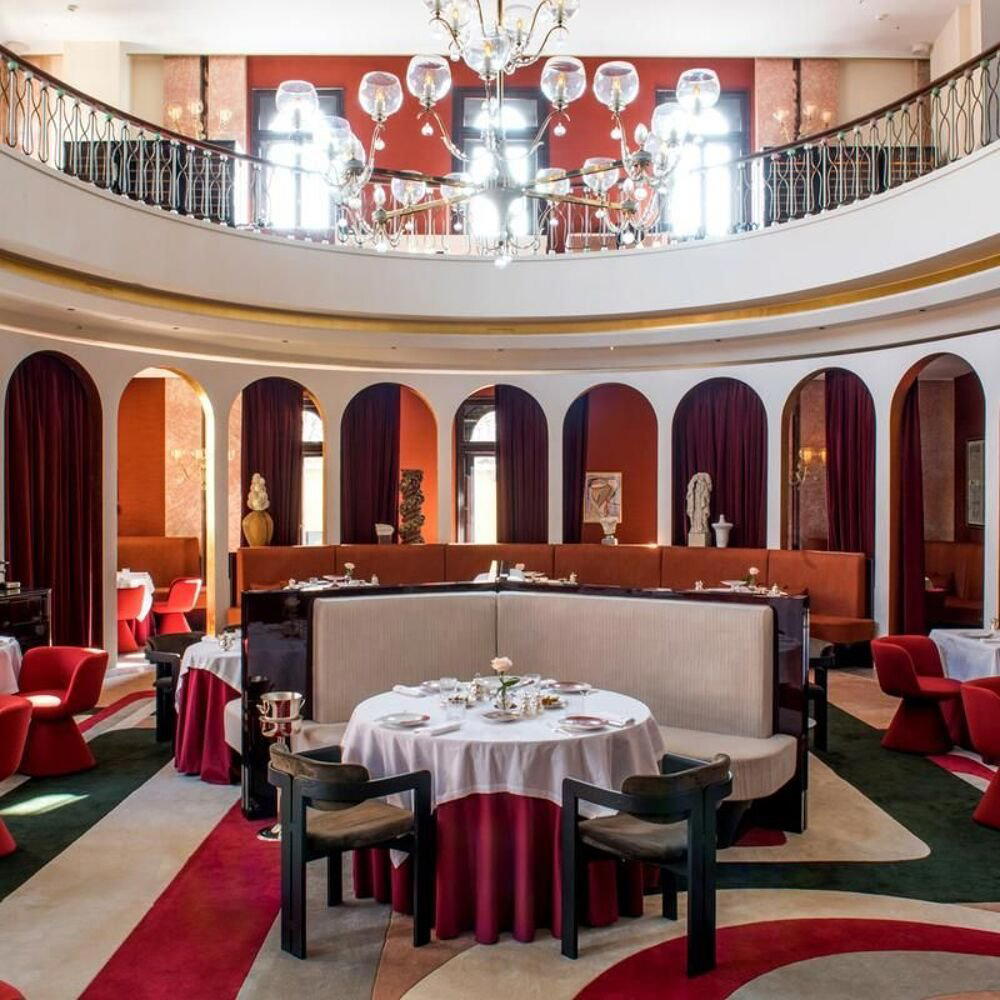
Elegant historic atmosphere with panoramic city views, warm lighting from the rooftop terrace, and sophisticated spa relaxation areas.