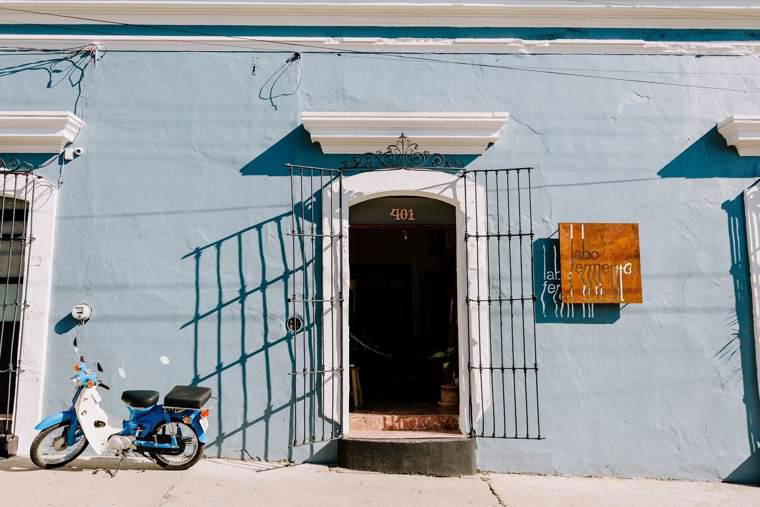
Hotel Escondido occupies a central address on Avenida José María Morelos in Oaxaca City's historic Centro district, positioning it within walking distance of the city's mercados, mezcalerías, and pre-Hispanic culinary traditions. The property sits in a tier of design-conscious boutique hotels that have reshaped how travellers engage with one of Mexico's most complex food cities. Verify current rates and availability directly before booking.
 Discover on Pearl
Pearl is the En Primeur Club membership app — saves, bookings, and concierge access live there. Same editors, same standards.
- Address
- Av. José María Morelos 401, RUTA INDEPENDENCIA, Centro, 68000 Oaxaca de Juárez, Oax., Mexico
- Phone
- +52 951 689 0330
- Website
- escondidooaxaca.com
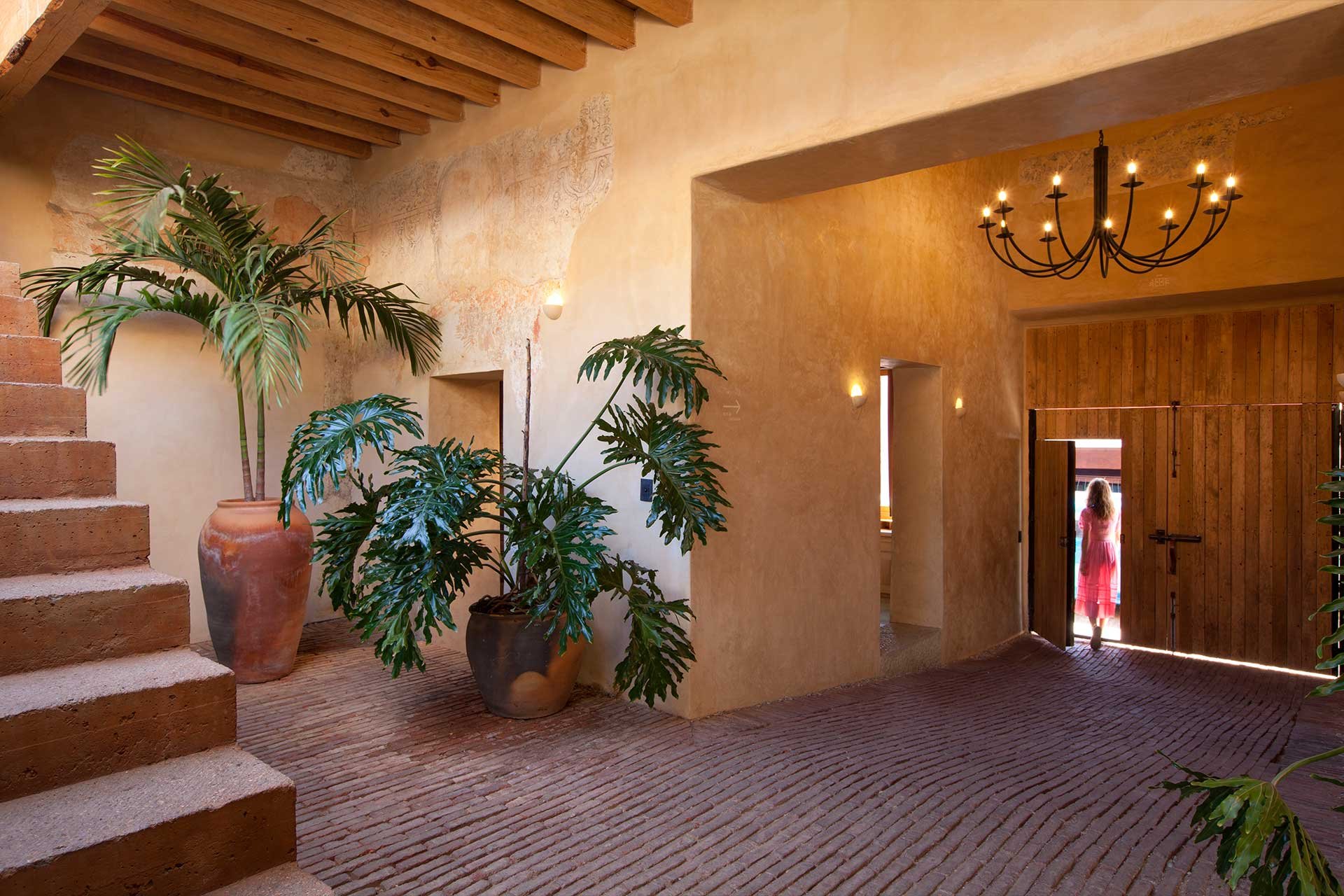
Centro Oaxaca and the Boutique Hotel Shift
Over the past decade, Oaxaca City's Centro district has attracted a particular kind of hospitality investment: small-footprint, design-led properties that use the neighbourhood's colonial architecture and proximity to the city's food and craft markets as their primary selling point rather than amenity scale. Hotel Escondido is a 5-star hotel in Oaxaca de Juárez, Oaxaca, Mexico, with 12 rooms and rates from about US$330 per night. It sits on Avenida José María Morelos, a central artery that places it squarely within this pattern. The address puts guests within the orbit of the Mercado Benito Juárez, the mezcalerías of Jalatlaco, and the restaurant corridor that has made Oaxaca one of the most-discussed food destinations in Mexico over the last several years.
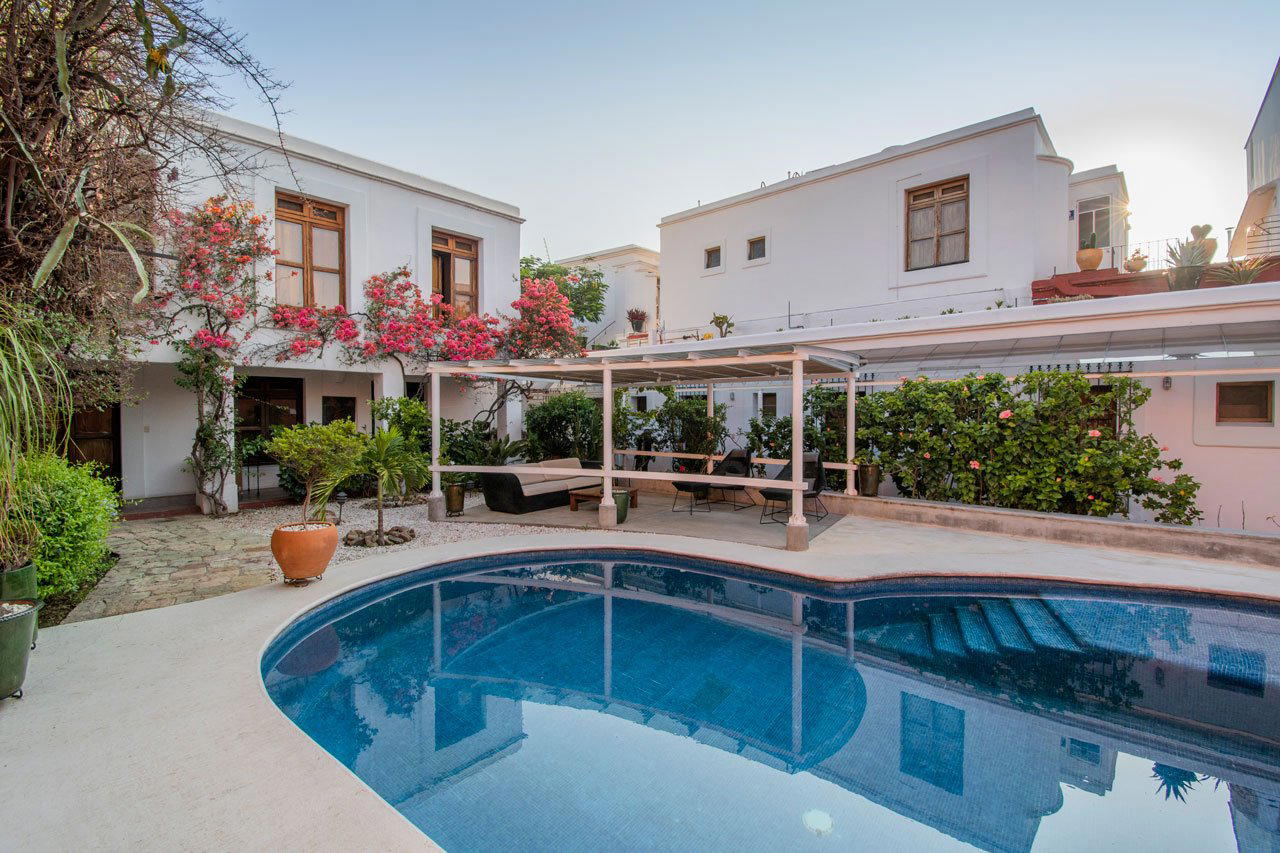
This matters because Oaxaca's premium accommodation market is genuinely bifurcated. On one side are the larger colonial-hacienda properties with full spa and pool infrastructure, exemplified by the Hotel Hacienda Los Laureles Spa. On the other are the smaller, more intimate properties that bet on location, aesthetic coherence, and programmatic ties to the city's culinary and artisan culture. Casa Oaxaca Hotel and Casa de Siete Balcones Hotel Boutique occupy that second tier, and Hotel Escondido operates in the same competitive space.
What the Dining Programme Signals
In a city where the food culture is the primary reason most travellers come at all, a hotel's relationship to Oaxacan cuisine is a meaningful differentiator. Oaxaca's culinary identity is not a single thread: it encompasses the seven moles, the tlayudas cooked on clay comales, the grasshopper-topped memelas from market stalls, and a growing cohort of chef-driven restaurants that have drawn international press. The question for any hotel operating in this environment is how deliberately it connects guests to that broader scene.
The boutique properties in Centro that perform strongest tend to do one of two things: they either anchor their dining programme to verified local sourcing and traditional technique, creating a reason to eat in, or they curate enough neighbourhood knowledge to function as a credible launching pad for the city's independent restaurants. Either approach requires genuine engagement with the food culture rather than a generic hotel restaurant that could exist anywhere. For travellers arriving specifically to eat in Oaxaca, the hotel's position on this axis matters more than thread counts.
The Neighbourhood as Context
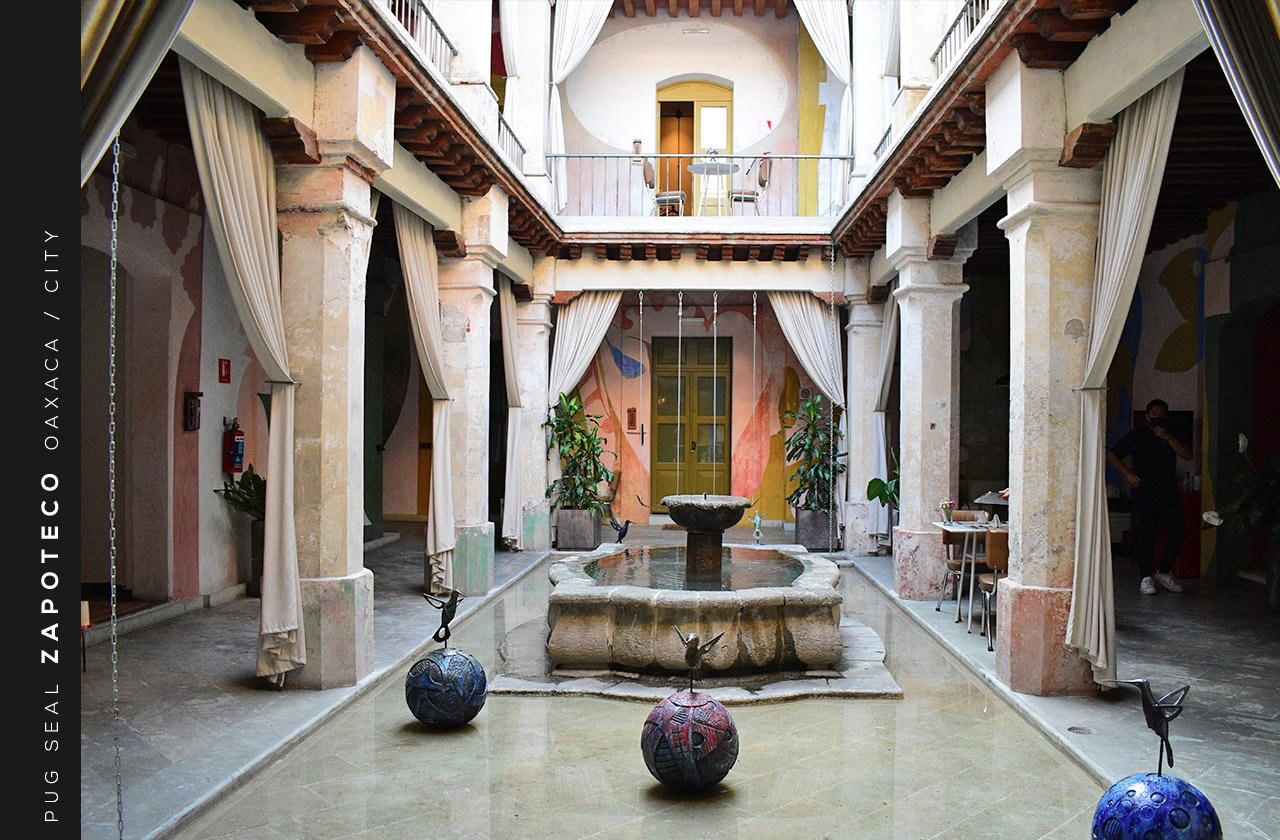
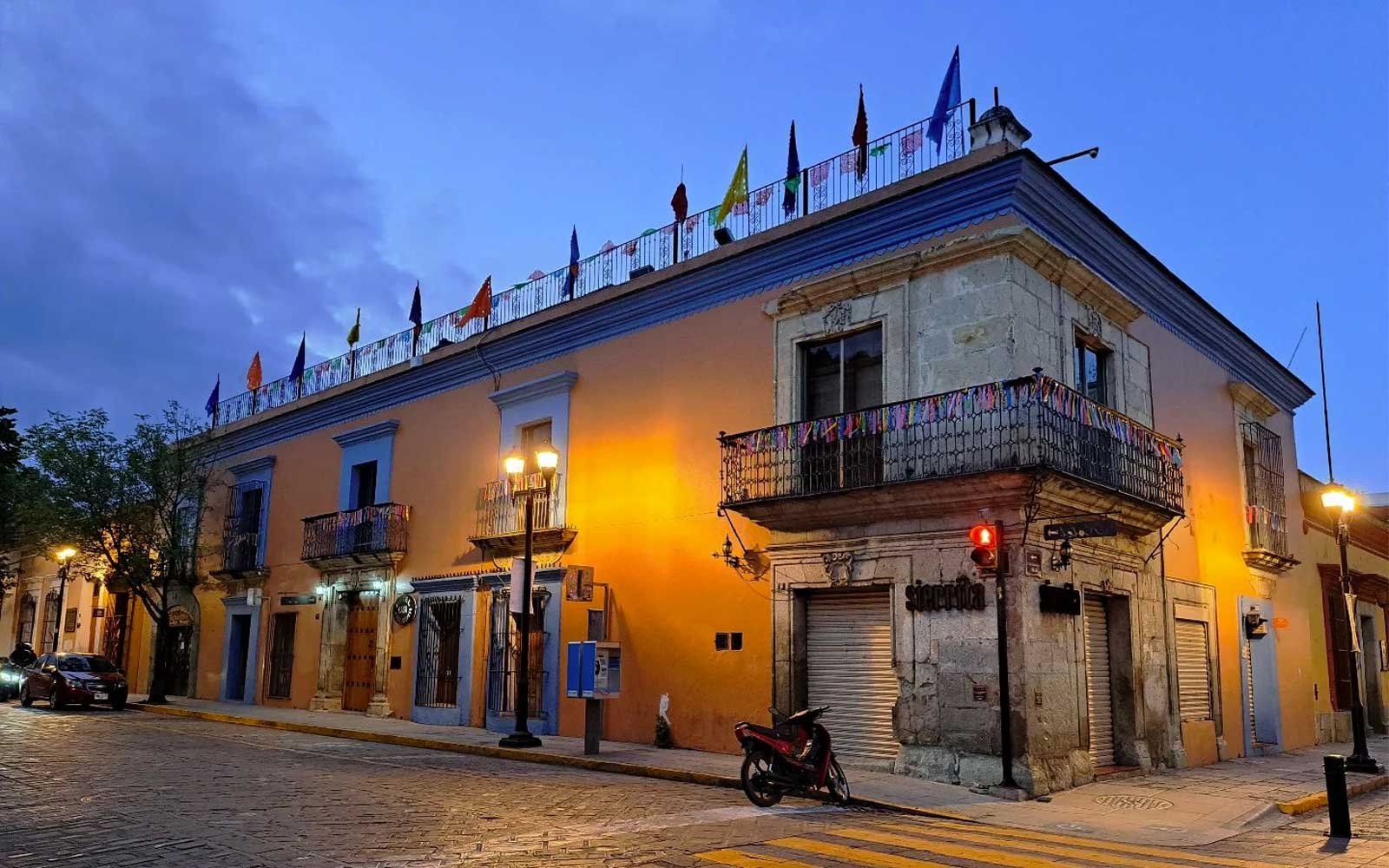
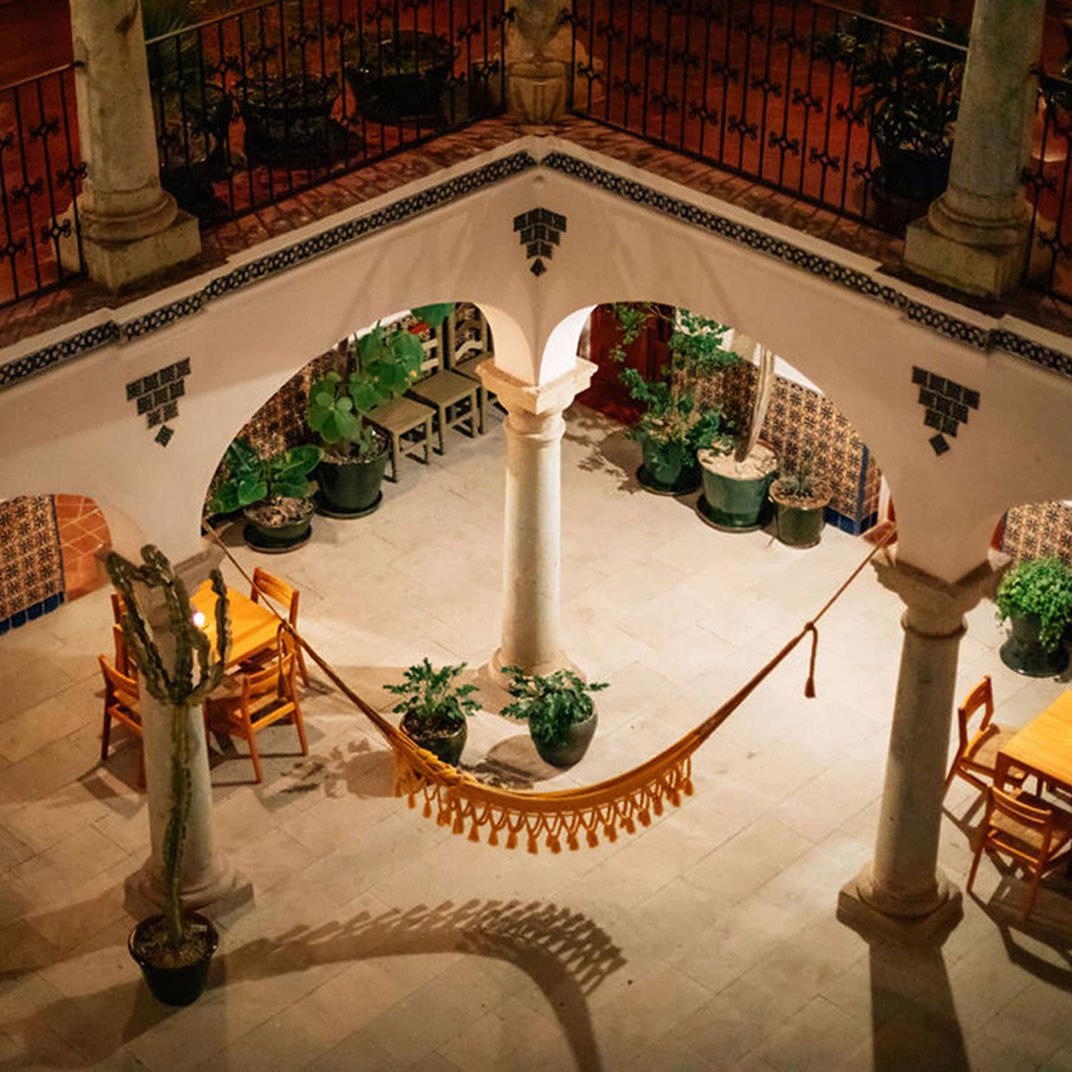
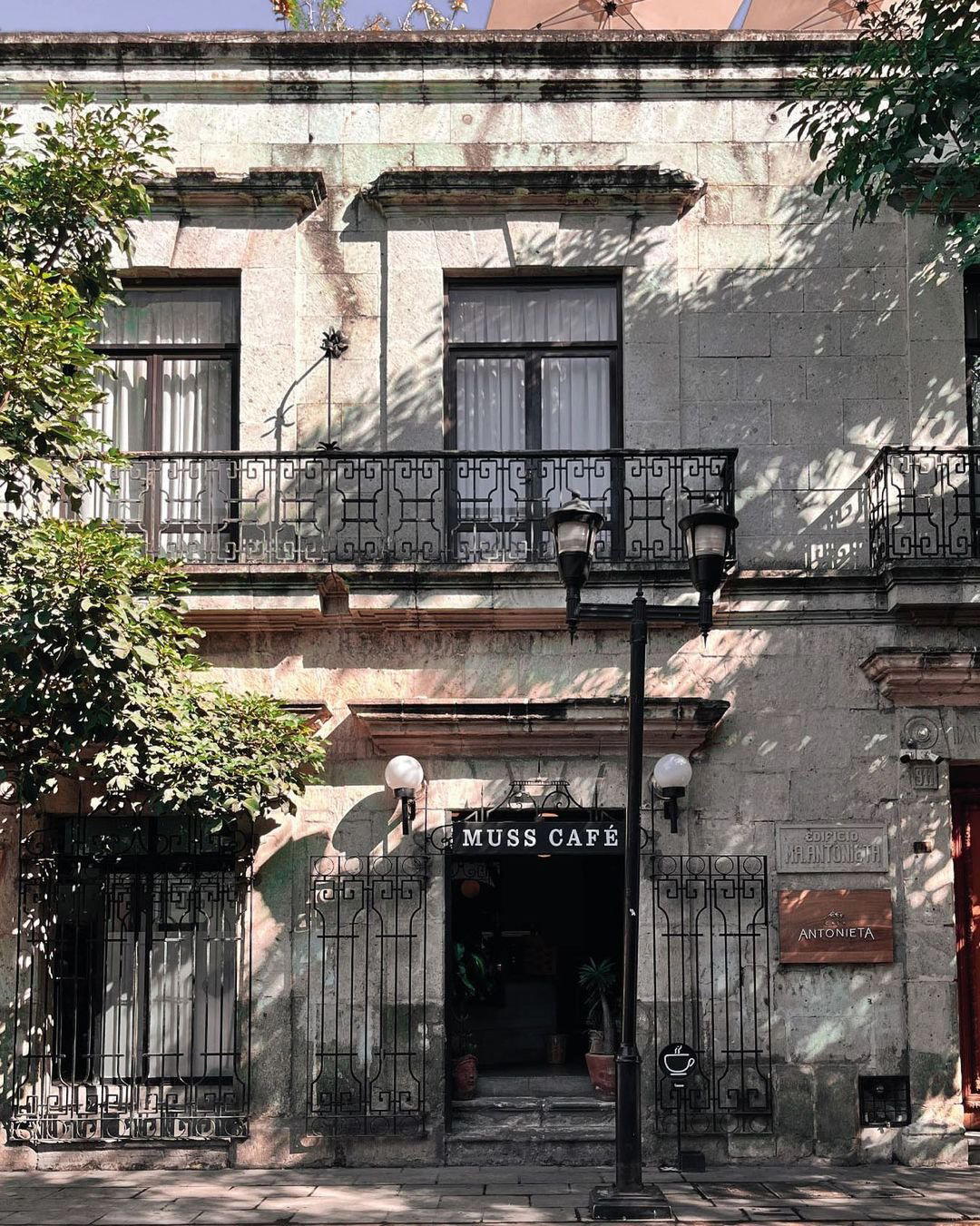
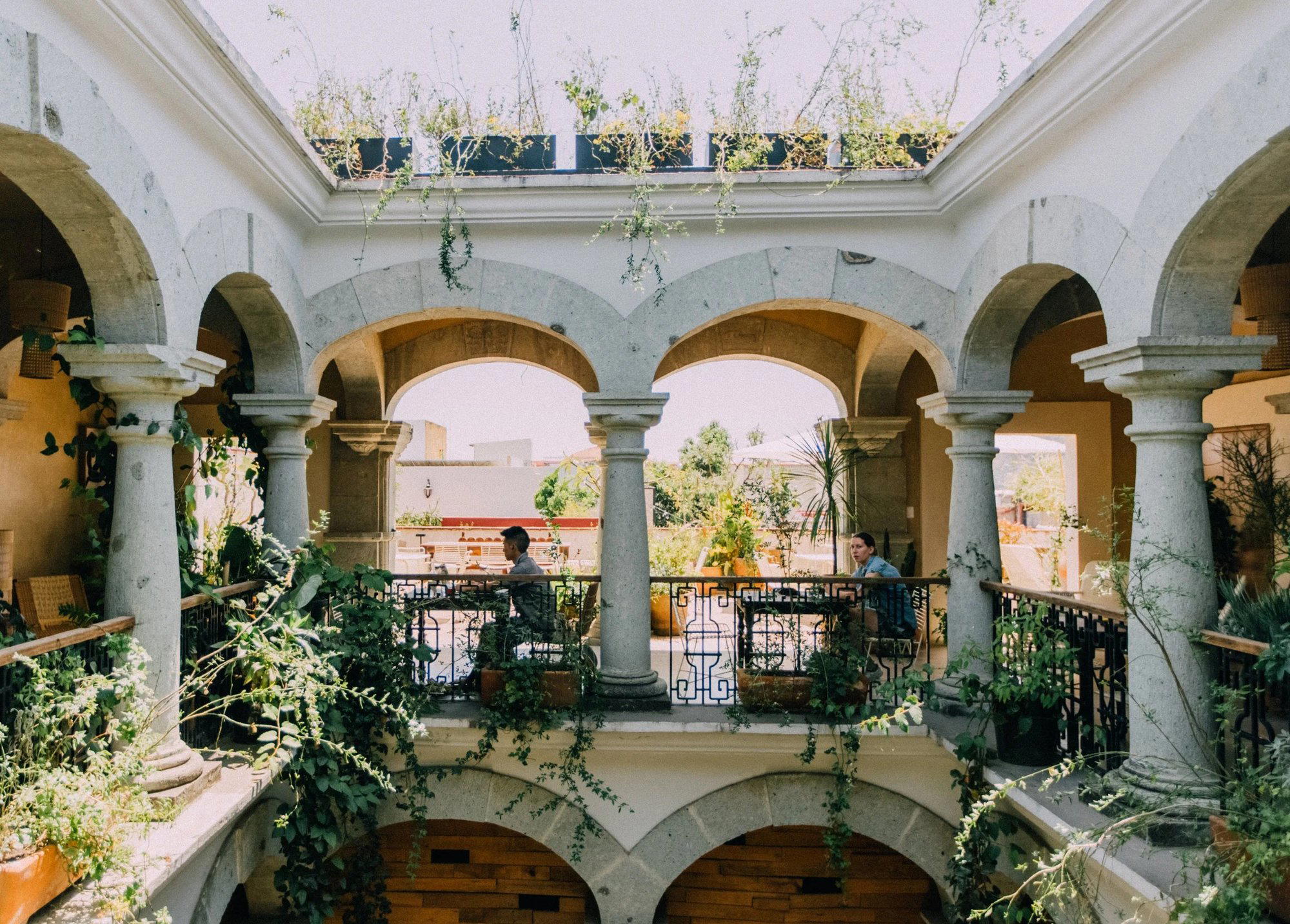
The Centro address carries weight beyond proximity to restaurants. Oaxaca's historic core is a UNESCO World Heritage Site, and the architecture of the neighbourhood, colonial-era buildings in ochre and terracotta, stone archways, inner courtyards that open unexpectedly to planted patios, sets a physical context that boutique hotels either lean into or work against. The properties that work in this environment tend to use original building fabric as a design asset rather than imposing an imported aesthetic.
Avenida Morelos itself connects the Zócalo to the northern residential streets, making it a pedestrian-friendly base for the kind of city-immersion travel that Oaxaca now consistently attracts. The mezcal producers with city-facing tasting rooms, the chocolate workshops in Barrio Jalatlaco, the Friday-night artisan markets in the Llano park, these are all reachable without a vehicle. For most travellers in this category, that walkability is a practical priority rather than an incidental benefit.
Comparable boutique properties in adjacent blocks include Casa Antonieta, Casa de las Bugambilias B&B;, and the more residential-feel El Diablo y la Sandia, Libres. Each occupies a slightly different point on the scale between full-service hotel and intimate guesthouse. Hotel Azul offers another reference point in this comparable set.
Oaxaca in the Wider Mexican Boutique Market
Oaxaca's rise as a premium travel destination has happened in parallel with a broader pattern across Mexico, where secondary cities and coastal properties have drawn the kind of traveller previously concentrated in Mexico City or Los Cabos. Properties like Hotel Esencia in Tulum, Chablé Yucatán in Merida, and Xinalani in Quimixto represent different expressions of the same underlying shift: travellers willing to pay meaningfully for design-conscious, culturally embedded accommodation outside the resort corridors. Oaxaca fits this pattern precisely because the city's appeal is intrinsic rather than manufactured, grounded in living culinary tradition, active indigenous craft markets, and a festival calendar anchored by Guelaguetza.
At the higher end of Mexican boutique luxury, properties like One&Only; Mandarina in Riviera Nayarit, Las Ventanas al Paraíso in San José del Cabo, and Zadun, A Ritz-Carlton Reserve in Los Cabos operate on infrastructure and service ratios that city-centre boutique properties cannot replicate. What Centro Oaxaca boutiques trade instead is density of cultural access: the ability to walk out the front door and be inside one of Mexico's most layered food cities within minutes. That is a different value proposition, not an inferior one, and the traveller leading matched to it understands the distinction.
Travellers planning across multiple Mexican destinations can also compare with Casa Polanco in Mexico City, Casa de Sierra Nevada in San Miguel de Allende, and Casa Silencio in San Pablo Villa de Mitla, which sits in Oaxaca's own valley and offers a rural counterpoint to the city-centre model.
Planning Your Stay
Hotel Escondido's address at Av. José María Morelos 401 in Centro places it within the historic district, accessible from Oaxaca International Airport (OAX) by taxi or app-based car service in roughly 20 to 30 minutes depending on traffic. The Guelaguetza festival in July and the Noche de Rábanos in December represent the city's two most pressured booking periods; accommodation across Centro tightens several months in advance for both. The shoulder months of October through November and February through April tend to offer more availability and cooler temperatures without sacrificing the full market and restaurant programme. Current rates, room configurations, and booking procedures should be confirmed directly with the property.
Continue exploring
More in Oaxaca
Hotels in Oaxaca
Browse all →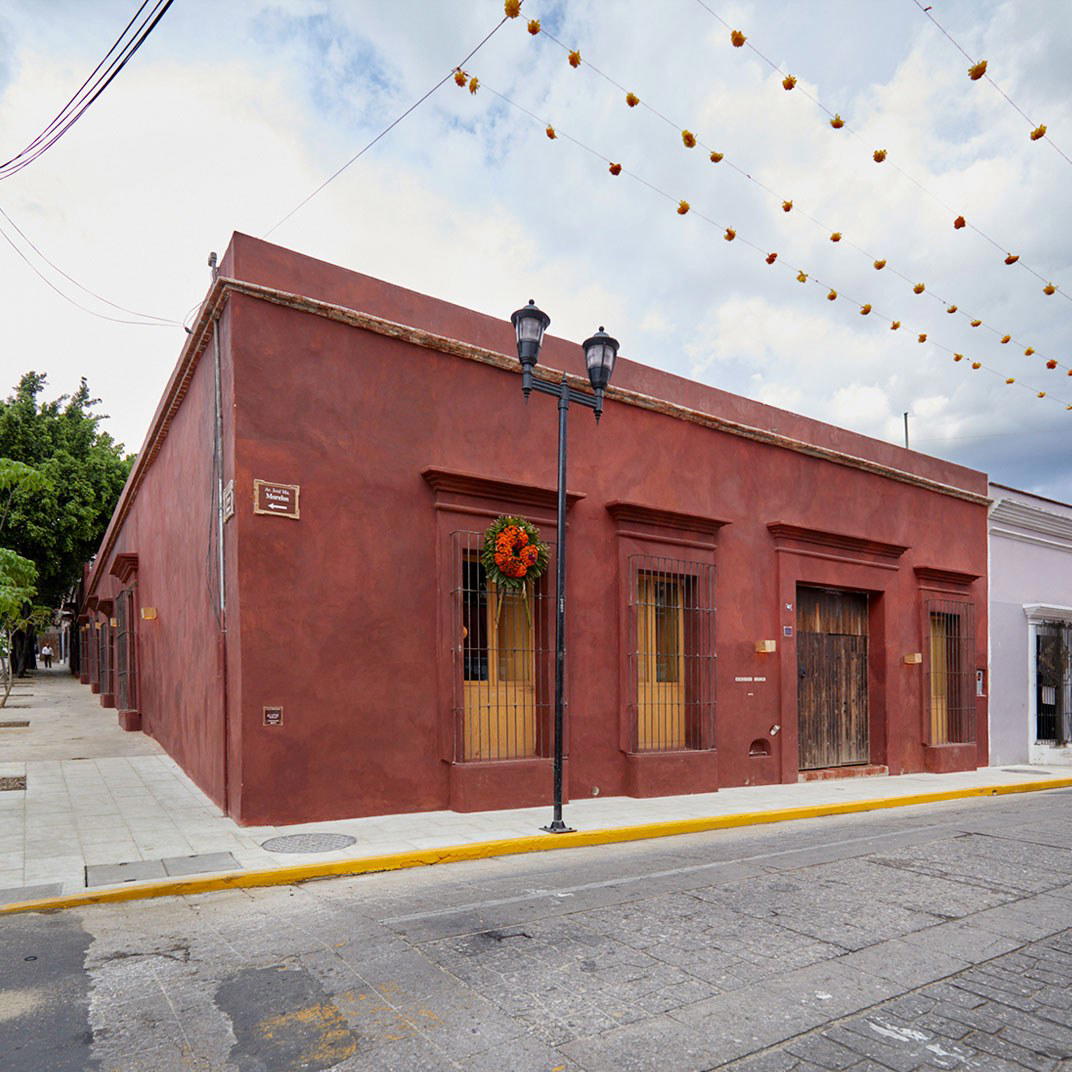
Bars in Oaxaca
Browse all →
Restaurants in Oaxaca
Browse all →
At a Glance
- Modern
- Elegant
- Rustic
- Intimate
- Sophisticated
- Minimalist
- Romantic Getaway
- Weekend Escape
- Anniversary
- Terrace
- Historic Building
- Design Destination
- Wifi
- Pool
- Restaurant
- Room Service
- Concierge
- Air Conditioning
- Street Scene
Calm retreat with beautifully textured minimalist style, high ceilings, and subtle modern luxuries amid historic authenticity.