On García Vigil in Oaxaca City's Centro Histórico, Zandunga Sabor Istmeño occupies the kind of address that puts it within steps of the neighbourhood's mezcal bars, market-facing cafés, and colonial-era plazas. The bar sits in a city where agave spirits set the baseline for every drinks conversation, making its cocktail-forward approach a deliberate counterpoint to the mezcalerías that dominate the blocks around it.
Pearl is the En Primeur Club membership app — saves, bookings, and concierge access live there. Same editors, same standards.
- Address
- C. de Manuel García Vigil #512, RUTA INDEPENDENCIA, Centro, 68000 Oaxaca de Juárez, Oax., Mexico
- Phone
- +52 951 516 2265
- Website
- zandungasabor.com
 Saves & bookings on Pearl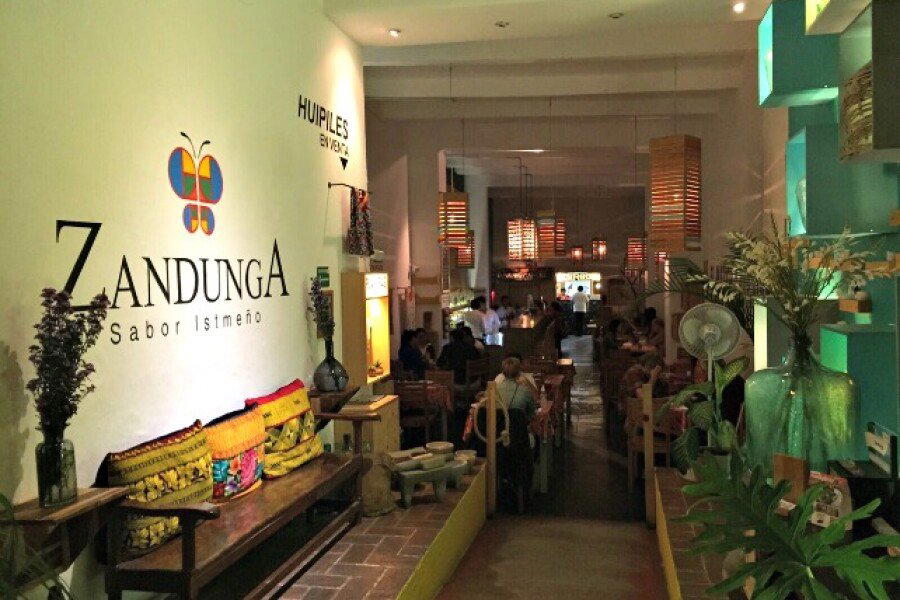
García Vigil and the Street That Sets the Tone
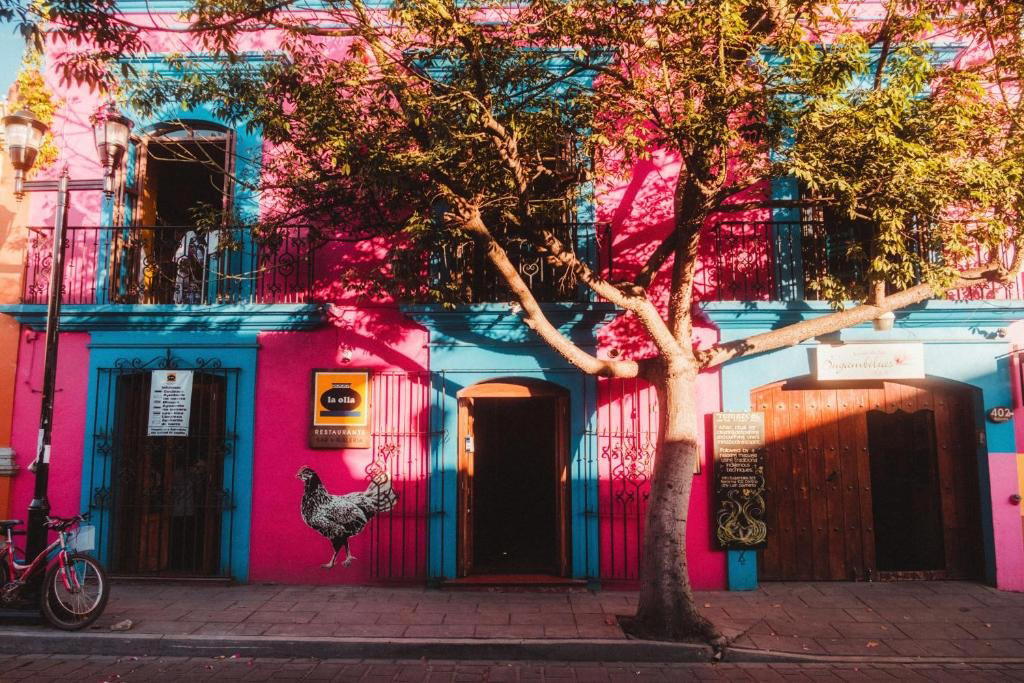
Calle Manuel García Vigil is one of those Centro Histórico addresses in Oaxaca City where the urban rhythm does a lot of work before you even step inside anywhere. The street runs through the heart of the RUTA INDEPENDENCIA quarter, a stretch of the centro defined by colonial stonework, shaded doorways, and a density of independently run bars, cafés, and restaurants that makes it one of the more concentrated drinking and eating corridors in the city. Arriving at number 512, you're in a neighbourhood that sustains specialist, format-driven venues alongside the more casual mezcalerías and market stalls that define Oaxacan street life at large.
That neighbourhood context matters when reading Zandunga Sabor Istmeño. Oaxaca City's bar culture is, in most respects, an agave-forward culture. Mezcal is not a category here; it is the ambient condition. Any bar operating within that context makes a choice about whether to centre the spirit in its traditional forms, incorporate it into a cocktail program, or treat it as one ingredient among many. A dedicated cocktail bar on García Vigil is implicitly making an argument about where the city's drinks scene is heading, and that argument is worth taking seriously given how quickly Oaxaca's food and bar culture has shifted over the last decade.
The Centro's Drinks Scene: What Zandunga Sabor Istmeño Is Positioned Against
Oaxaca City's centro now runs a wide spectrum between traditional mezcalerías, where the priority is sourcing and education around a single spirit, and more format-driven cocktail venues that treat mezcal, tejate, tepache, and other local ingredients as raw material for mixed drinks. Boulenc, a few streets away, blends a bakery and wine-bar sensibility into its format. Cafe Los Cuiles holds a café-adjacent position in the neighbourhood drinking circuit. Amá Terraza occupies the rooftop tier of the city's bar options, where views compete with drinks for attention. Zandunga Sabor Istmeño sits in a different lane: the name signals cocktail specificity rather than mezcal education or all-day café format, placing it alongside a smaller cohort of venues in the centro that treat the cocktail glass as the primary editorial statement.
Across Mexico, the cocktail bar as a distinct format has matured substantially. Baltra Bar in Mexico City has been central to that shift at the national level, with a technical drinks program that draws international recognition. Bekeb in San Miguel de Allende demonstrates how smaller colonial cities have absorbed and adapted that influence. In Oaxaca, the cocktail bar format is still establishing its grammar, and venues on a street like García Vigil are doing the definitional work of showing what a Oaxacan cocktail sensibility looks like when it's not simply a mezcal tasting with a lime wedge.
Agave as Ingredient, Not Just Identity
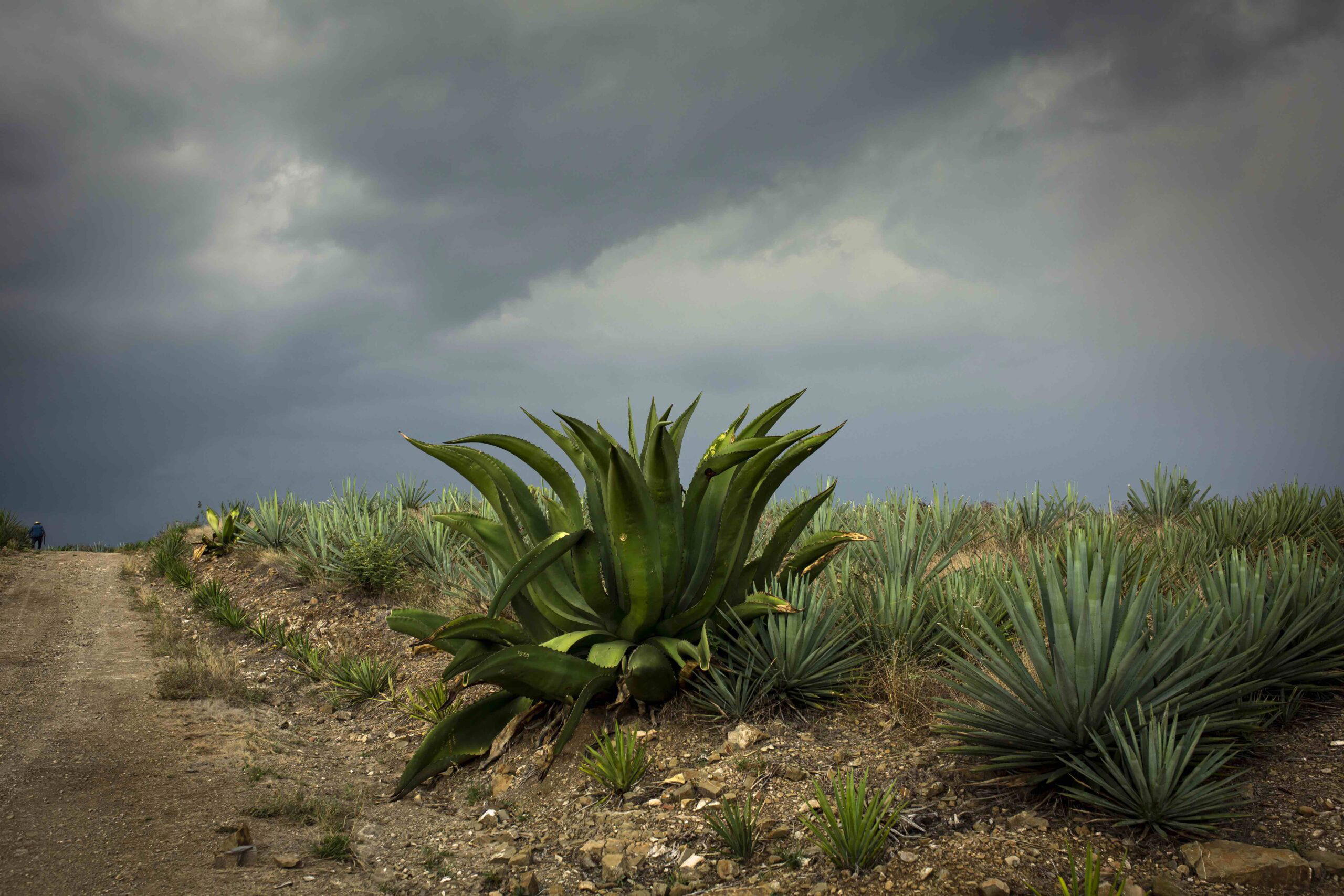
The broader movement in Mexico's craft drinks culture has been toward treating agave spirits as culinary ingredients: things with terroir, harvest timing, and production method that can be read and combined, not just consumed neat with sal de gusano on the side. This is the intellectual frame that specialist cocktail bars in cities like Oaxaca are working within. When a bar in a mezcal-producing state builds a cocktail program, the interesting question is how it handles that inheritance: does it defer to tradition, reframe it, or try to synthesise the two?
Zandunga Sabor Istmeño's address on García Vigil, within walking distance of producers, markets, and the kind of ingredient supply chain that a city like Oaxaca sustains, suggests an environment where local sourcing is less a branding choice than a practical given. Bars in this corridor tend to work with what the city's market system provides: local citrus, herbs, honey, and the full range of agave categories from espadín to tobalá. Compared to cocktail bars in tourist-facing resort contexts, a centro Oaxaca bar operates with a denser network of local suppliers and a more knowledgeable local clientele, which tends to raise the baseline for ingredient quality without requiring it to be advertised.
For a comparison in scale and context, consider how Arca in Tulum handles the tension between tourist-market positioning and local ingredient integrity, or how El Gallo Altanero in Guadalajara builds a drinks identity around regional spirits without sacrificing cocktail craft. Zandunga Sabor Istmeño operates in a city with more acute agave depth than either of those locations, which sets a higher bar for what counts as genuine engagement with local material.
Planning Your Visit
Zandunga Sabor Istmeño sits at C. Manuel García Vigil 512 in the Centro Histórico, a walkable address from the Zócalo and from the main cluster of the city's independent restaurants and bars. The centro is most navigable on foot, and García Vigil is a logical street to build an evening around: the density of options means you can treat Zandunga as one stop on a longer circuit rather than a destination that requires its own dedicated journey. Checking directly before visiting is advisable, particularly on weekends when centro bars tend to fill from early evening. Elotes y Esquites El Llano is the kind of nearby street-food reference that pairs logically with a cocktail bar evening in this part of the city.
The Essentials
Comparable venues nearby, for context on price, style, and recognition.
| Venue | Price | Notes |
|---|---|---|
| Zandunga Sabor IstmeñoThis venue — the venue you are viewing | $$ | |
| Elotes y Esquites El Llano | $ | 2006700010897, Bar |
| Muss Café | $$ | 2006700010204, wine_bar |
| Amá Terraza | $$ | 2006700010204, rooftop_bar |
| Expendio Cuish Díaz Ordaz | $$ | 200670001101A, mezcaleria |
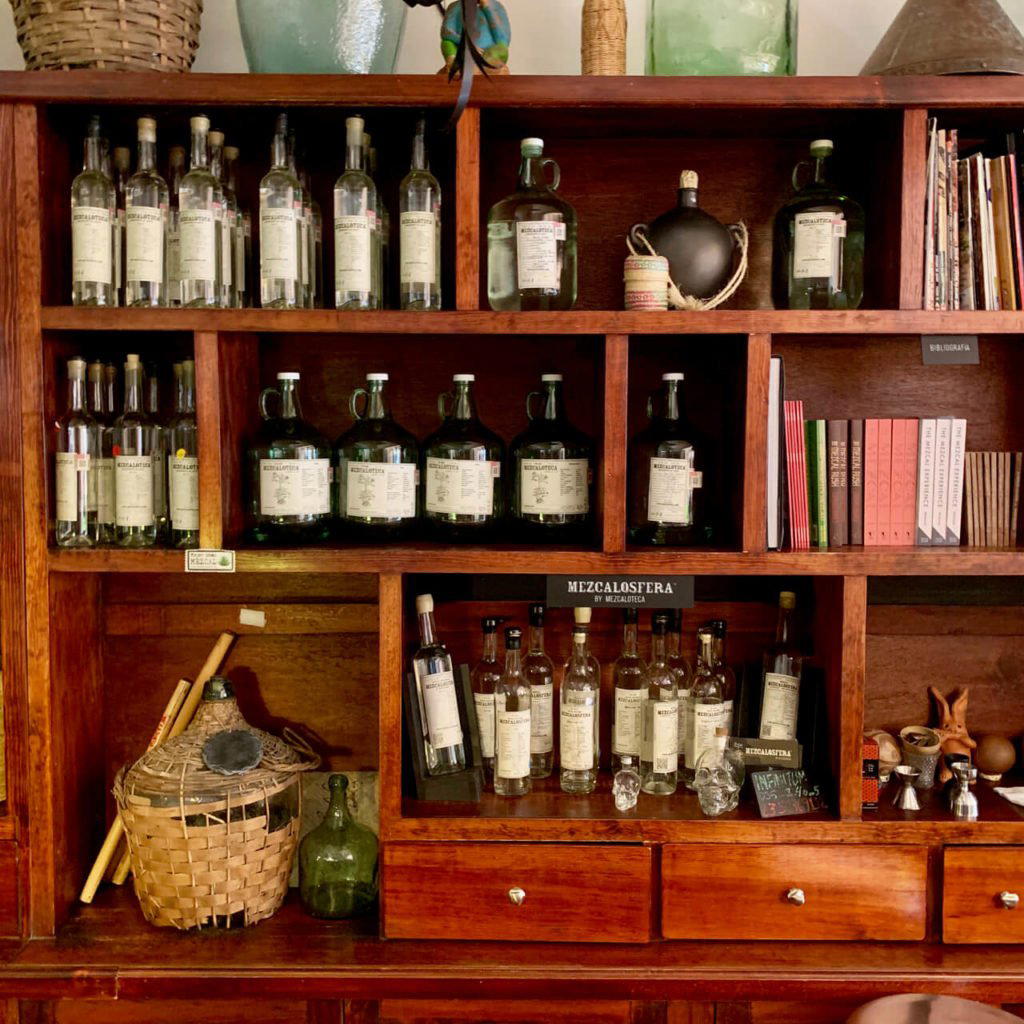
| La Mezcaloteca | $$$ | 2006700010897, mezcaleria |
Continue exploring
More in Oaxaca
Bars in Oaxaca
Browse all →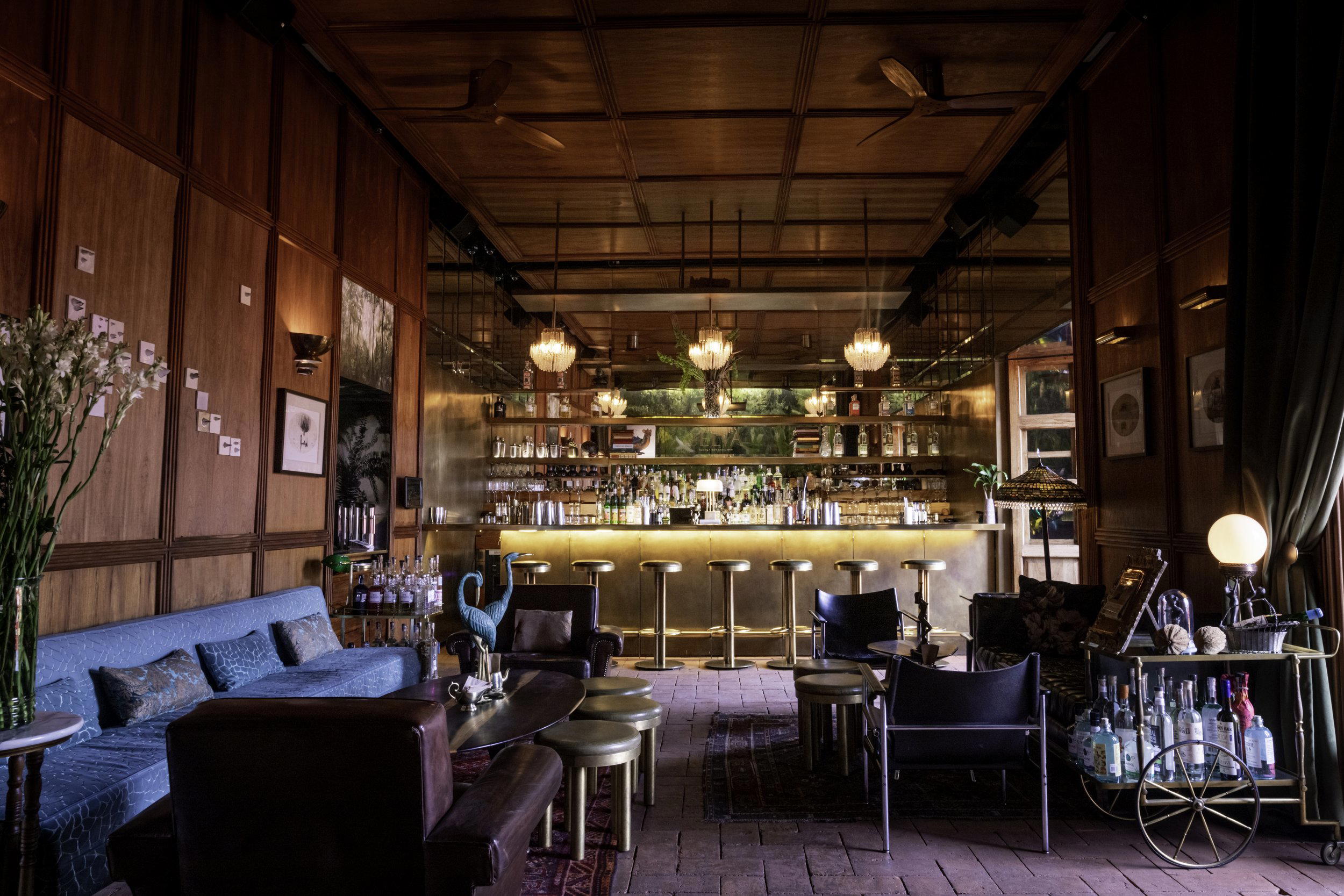
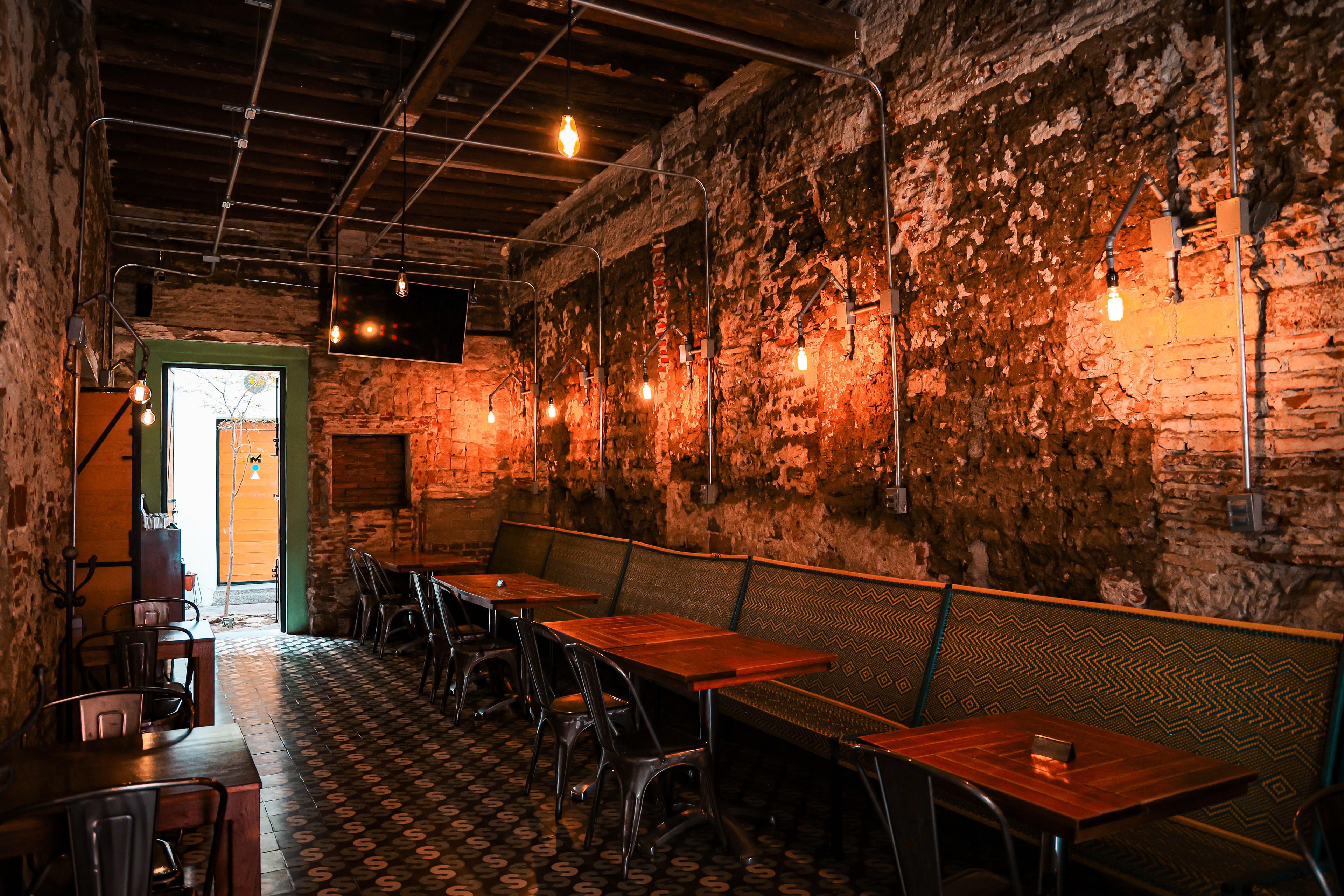

Restaurants in Oaxaca
Browse all →
Hotels in Oaxaca
Browse all →
At a Glance
- Trendy
- Lively
- Modern
- Date Night
- Casual Hangout
- Courtyard
- Lounge Seating
- Mezcal
- Craft Cocktails
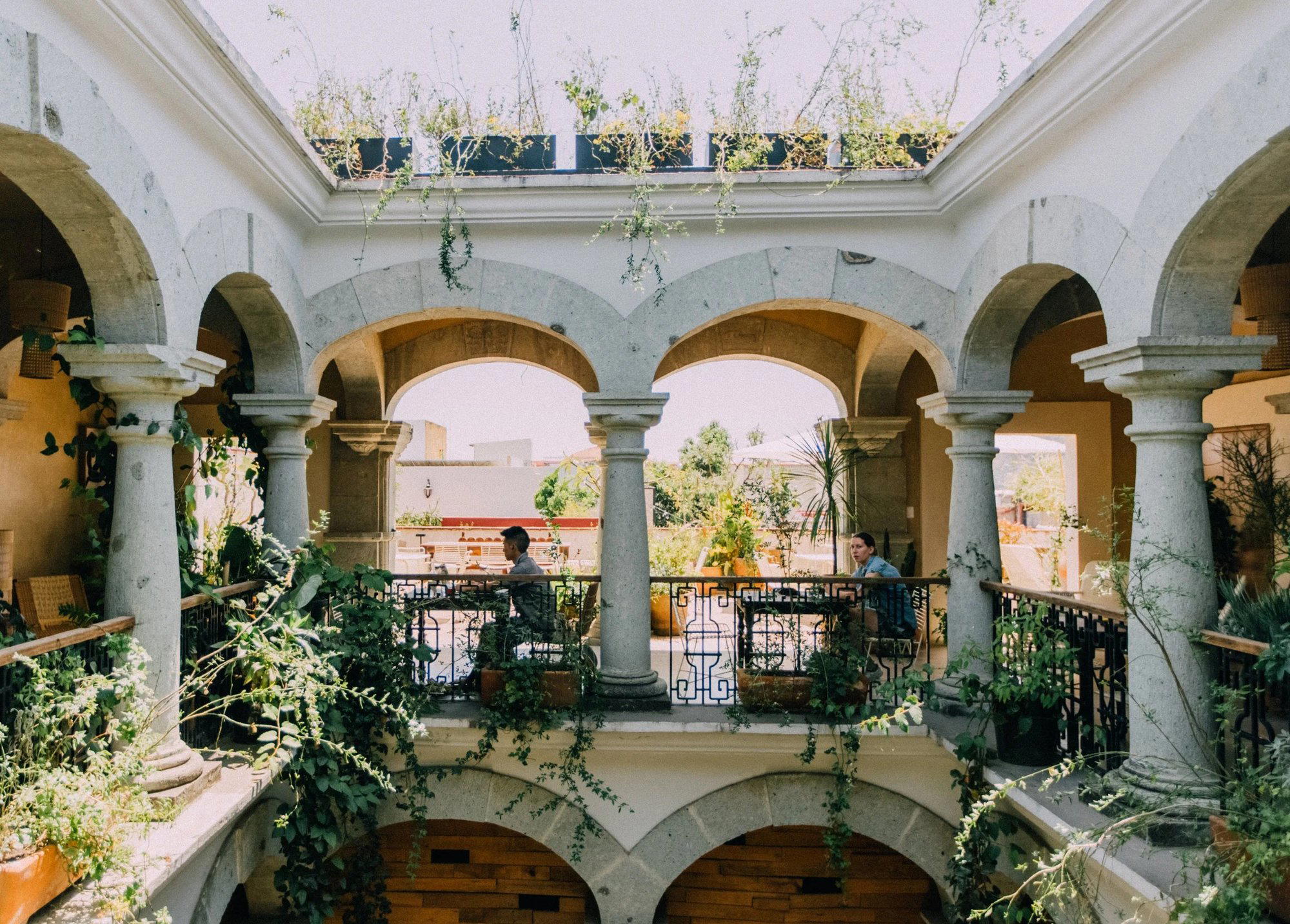
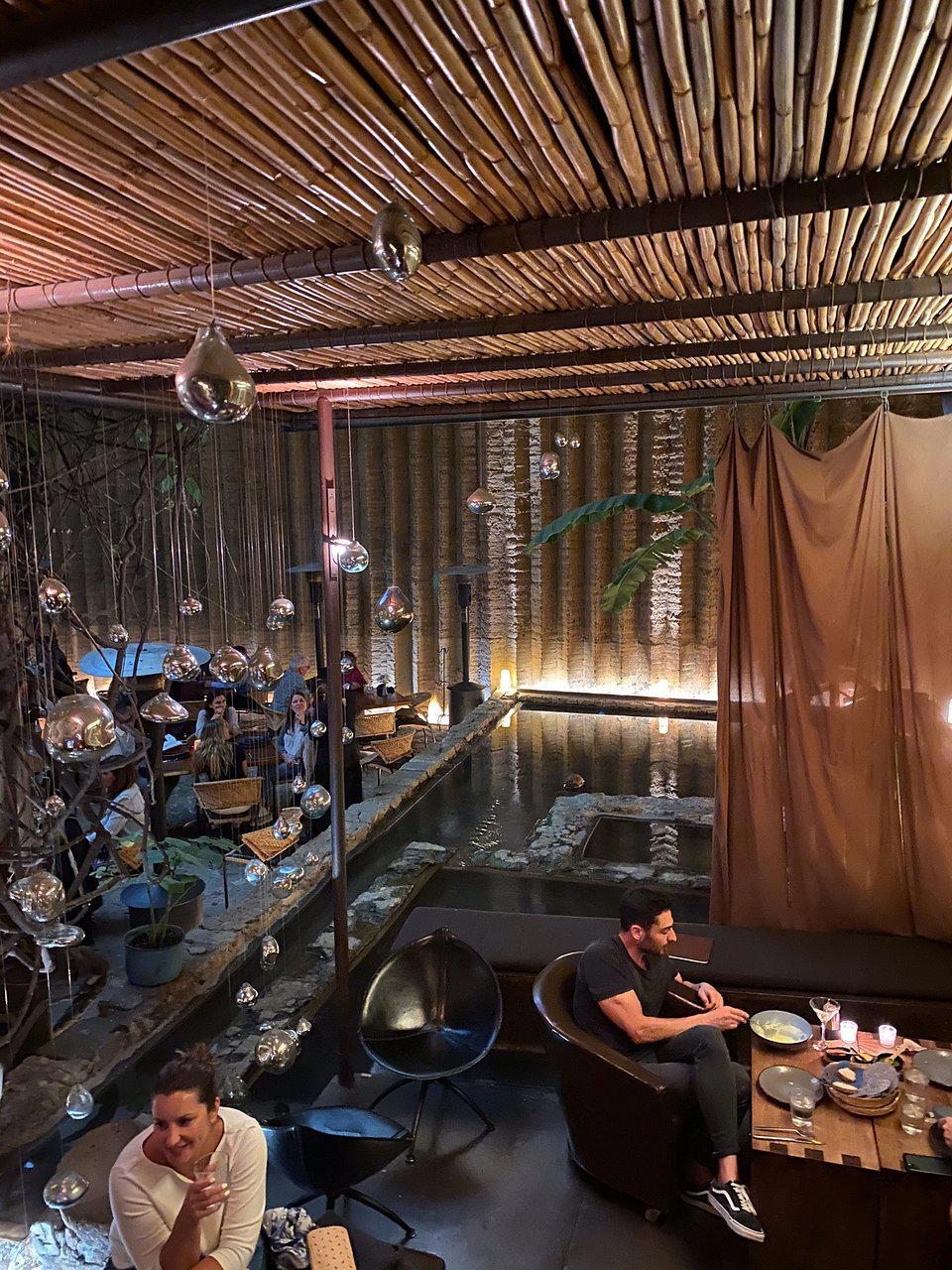
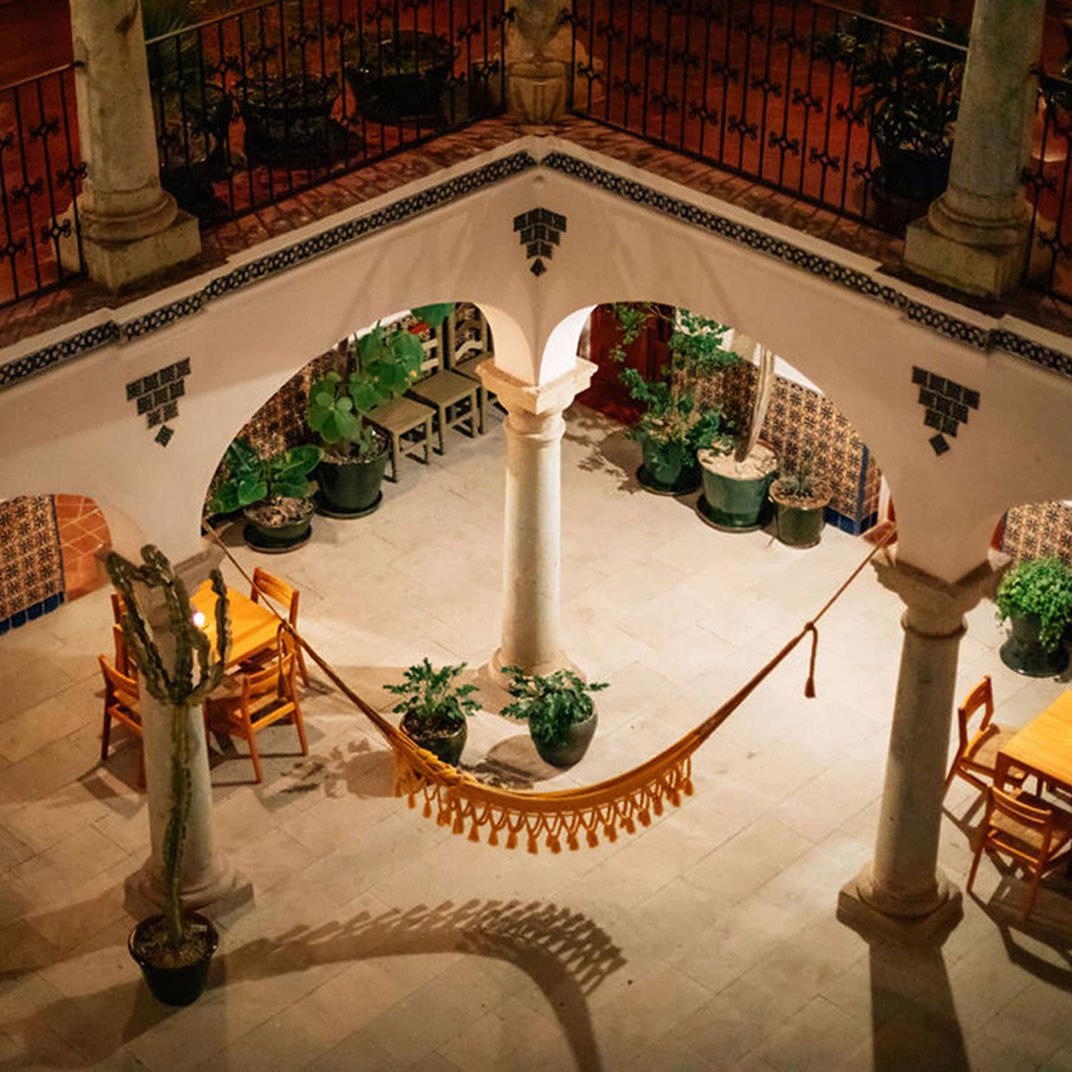
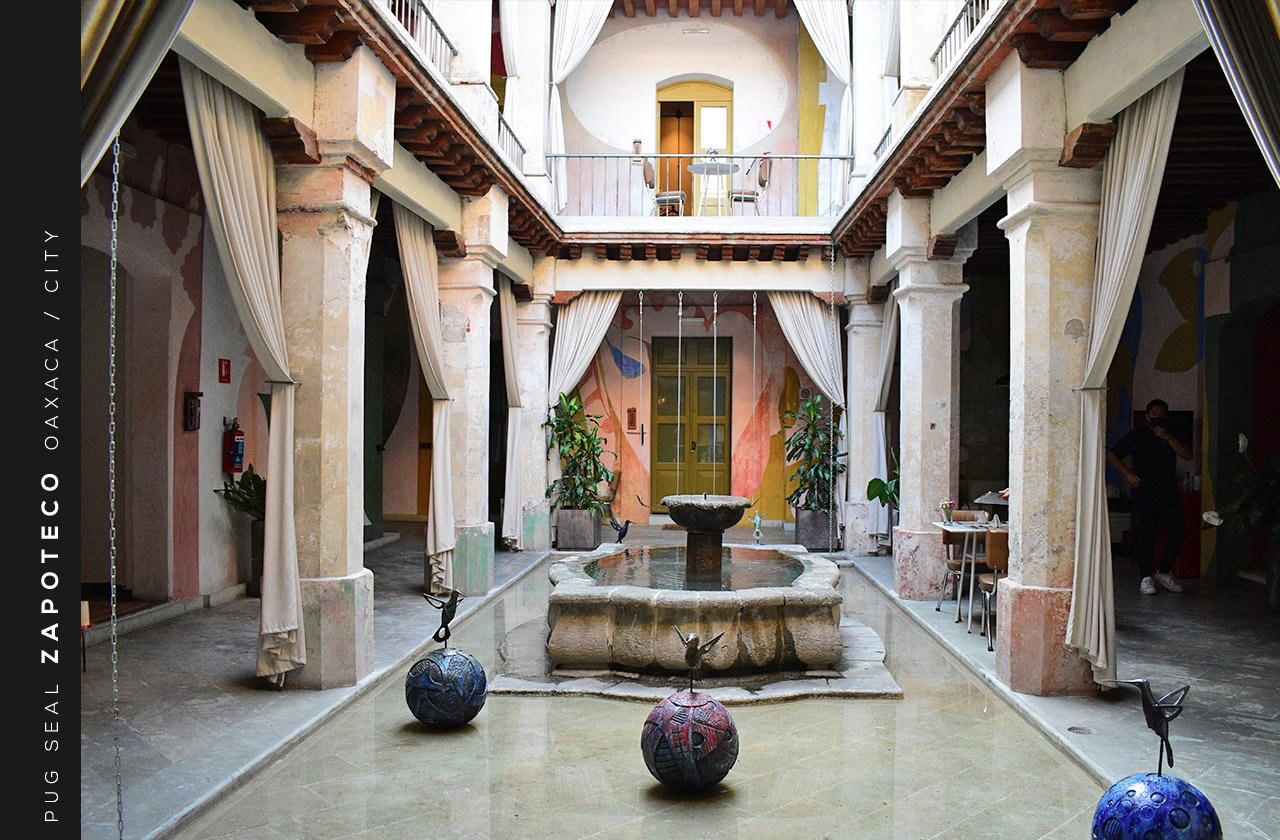
Chic decor with calming ambiance, colorful spacious courtyard with sunlight through open roof, pottery, textiles, and local art.