Hotel Casa Camper occupies a narrow Raval building on Carrer d'Elisabets, where the Camper footwear brand's design instincts translate into a hotel format built around function over ornament. The property sits at the quieter, residential edge of Ciutat Vella, placing guests closer to the MACBA arts complex than the cruise-ship crowds of the Gothic Quarter. It operates in the compact, design-led tier of Barcelona accommodation.
Pearl is the En Primeur Club membership app — saves, bookings, and concierge access live there. Same editors, same standards.
- Address
- Carrer d'Elisabets, 11, Ciutat Vella, 08001 Barcelona, Spain
- Phone
- +34 933 42 62 80
- Website
- casacamper.com
- Directions
- Get directions
 Saves & bookings on Pearl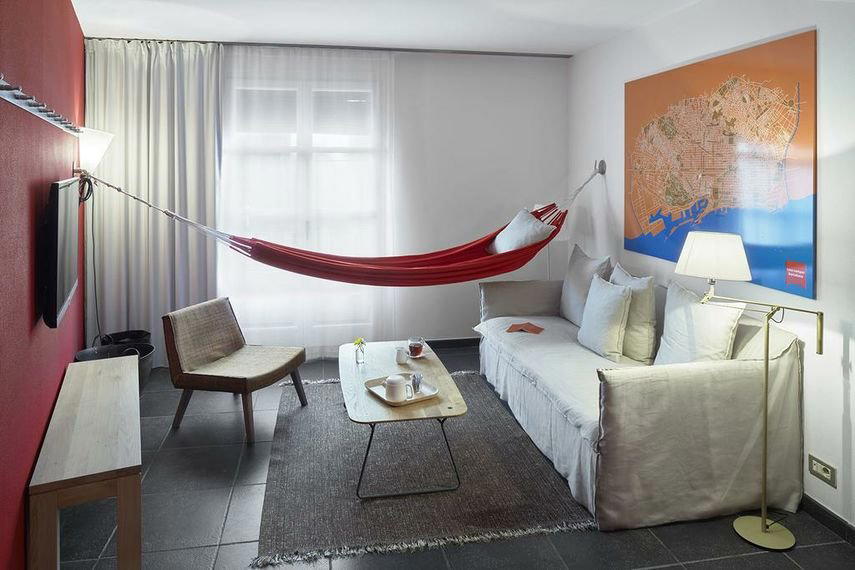
Raval, Redesigned: What Casa Camper Represents in Barcelona's Hotel Scene
Barcelona's hotel offer has stratified sharply over the past two decades. At one end sit the grand international flagships along Passeig de Gràcia, properties like Mandarin Oriental Barcelona and Almanac Barcelona, where scale and amenity depth are the primary argument. At the other end, a smaller cohort of design-driven properties has emerged in the city's older, denser neighbourhoods, where the editorial logic is different: proximity to cultural infrastructure, architectural restraint, and a deliberate refusal of the full-service resort model. Hotel Casa Camper is a 4-star hotel in Barcelona's Raval, with 40 rooms and rates from about $250 per night. It belongs to this second cohort, and understanding what it is requires understanding where it sits in that split.
The property occupies Carrer d'Elisabets, 11 in Raval, one of the tighter streets in Ciutat Vella's western half. Raval spent much of the late twentieth century as Barcelona's most contested neighbourhood, historically working-class, later stigmatised, then gradually transformed by the opening of the MACBA contemporary art museum in 1995 and a sustained wave of independent cultural investment that followed. The result is a district that feels genuinely layered rather than curated: independent bookshops and record stores, studios, cafés operating on long hours, and the occasional reminder that gentrification here has been partial rather than total. Casa Camper has tracked the neighbourhood's evolution rather than existing apart from it.
The Camper Hypothesis: What Happens When a Footwear Brand Builds a Hotel
Brand-extension hotels are a recognised category, but the outcomes vary considerably. The logic at Casa Camper was not lifestyle branding in the conventional sense. The Camper approach, rooted in Mallorcan craft traditions, with a design philosophy that prioritises durability and purposefulness over trend cycles, translated into a hotel format built around functional intelligence rather than decorative ambition. Rooms are divided into sleeping and sitting areas across two levels, a configuration that addresses a real problem in urban hotels: the inability to separate rest from waking hours in a compact space. The concept has held through the property's subsequent years of operation.
That architectural decision, the split-level, dual-zone room, remains the property's most discussed feature, and it places Casa Camper in a different competitive conversation from properties like Alma Barcelona or Hotel Boutique Mirlo, where the emphasis falls on heritage restoration or aesthetic richness. Here the argument is ergonomic as much as aesthetic. For a traveller spending multiple nights in a single city, the ability to work, eat, or read without sitting on a bed is a material quality-of-life difference that the floor plan actually delivers.
How the Property Has Shifted Over Time
The evolution at Casa Camper has been less about dramatic reinvention and more about calibration. When the property opened, Raval was in an earlier phase of its transformation, the cultural institutions were established, but the neighbourhood's reputation outside Barcelona remained mixed. The hotel's positioning as a design-forward alternative to the Eixample and Barceloneta options carried some inherent risk. Guests who arrived expecting the ease of a polished district and found instead the texture of a working neighbourhood either adapted their expectations or didn't return.
Over time, that calculus shifted. Raval's profile has risen substantially, and properties like Mercer Hotel Barcelona, which operates from a Roman wall in the adjacent Gothic edge of Ciutat Vella, have demonstrated that historic-core positioning carries genuine premium logic. Casa Camper's Raval address, once its most debated characteristic, now reads more straightforwardly as a locational asset. The MACBA, the CCCB, the Boqueria market on La Rambla's eastern edge, and a dense concentration of independent food and drink operators are all within a short walk.
The food programme has also evolved in line with broader patterns in the city. Barcelona's hotel food-and-beverage culture has moved away from the obligatory restaurant model toward lighter, more integrated formats, a direction that suits the Casa Camper scale and philosophy. The in-house offering, focused on a free, around-the-clock snack and drink service, was an early signal of that shift and remains genuinely unusual in a market where most properties at this tier charge separately for every amenity. That detail alone repositions the value calculation for guests comparing across the design-hotel tier.
Where It Fits Among Barcelona's Smaller Properties
The relevant comparable set for Casa Camper is not the five-star palace hotels. It sits alongside properties like Antiga Casa Buenavista in the upper Eixample and the more architecturally ambitious ABaC Restaurant & Hotel in the Sarrià district, where restaurant credentials carry much of the hotel's identity. Casa Camper makes no such gastronomic argument. The hotel's case rests on neighbourhood integration, design coherence, and a format that serves the independent traveller.
Across Spain, the design-led independent tier has produced a range of compelling properties in different registers: Atrio Restaurante Hotel in Cáceres leads with its restaurant and wine cellar; Akelarre in San Sebastián grounds its identity in Basque gastronomy; Cap Rocat in Cala Blava converts military architecture into a coastal retreat. Casa Camper's distinguishing position in that broader map is urban density and conceptual clarity, it does fewer things, but does them with consistency.
For travellers whose frame of reference extends to other cities, the model has parallels: compact, concept-driven city hotels in dense European historic districts, where the neighbourhood is as much the product as the room. Properties like Aman Venice operate at a different price register entirely, but share the underlying logic that address and context carry more weight than floor area. At Casa Camper, that logic is expressed at a more accessible tier.
Planning a Stay
Casa Camper sits at Carrer d'Elisabets, 11 in Ciutat Vella, a short walk from the Liceu metro station on the L3 line and roughly equidistant between La Rambla and the MACBA plaza. The neighbourhood operates on its own rhythm, which suits the property's positioning as a base for cultural engagement. Guests comparing the Barcelona design-hotel tier should also consider Hotel Arts Barcelona on the waterfront for a contrasting scale and setting. For those extending a Spain itinerary, Mandarin Oriental Ritz, Madrid anchors the capital's palace-hotel tier, while Mas de Torrent Hotel & Spa in Torrent and Terra Dominicata in Escaladei offer distinct rural alternatives in the Catalan interior.
Cost and Credentials
Comparable venues nearby, for context on price, style, and recognition.
| Venue | Price | Awards | Notes |
|---|---|---|---|
| Hotel Casa CamperThis venue — the venue you are viewing | $$$ | 4-Star | Not listed |
| H10 Cubik | $$$ | 4-Star | Barri Gotic, Exclusive four-star superior design hotel with cutting-edge brutalist interior design featuring geometric shapes and pure colors. |
| ME Barcelona | $$$ | 4-Star | la Dreta de l'Eixample, Design-forward urban hotel blending history and modernity. |
| Yurbban Ramblas | $$$ | 4-Star | Ciutat Vella, Urban boutique in historic 19th-century building |
| Hotel España | $$$ | 4-Star | el Raval, Historic modernist property blending Art Nouveau heritage with modern comforts. |
| Primero Primera | $$$ | 4-Star | Tres Torres, Historic family home transformed into a contemporary boutique hotel that preserves original 1950s architecture while integrating modern comforts and design. |
Continue exploring
More in Barcelona
Hotels in Barcelona
Browse all →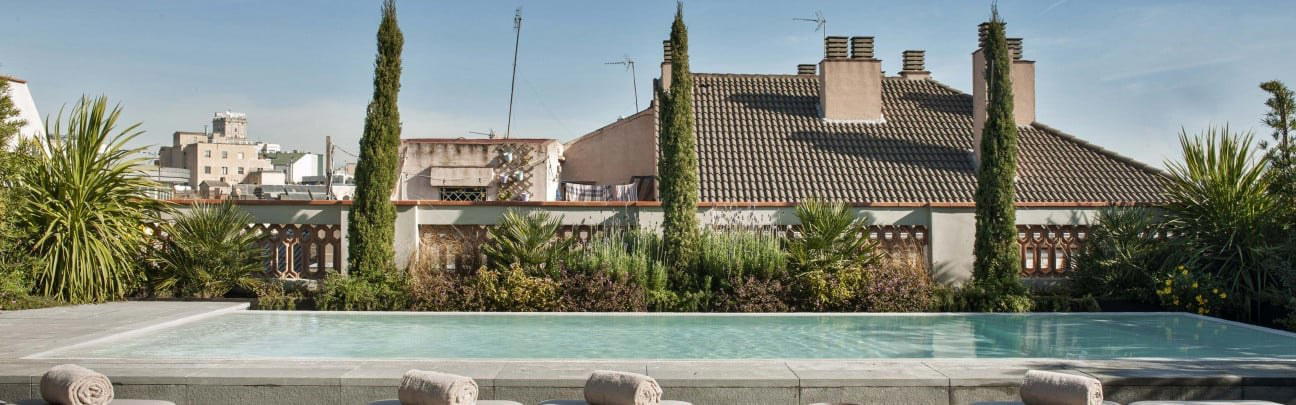
Bars in Barcelona
Browse all →
Restaurants in Barcelona
Browse all →
At a Glance
- Modern
- Minimalist
- Trendy
- Weekend Escape
- Garden
- Design Destination
- Terrace
- Wi Fi
- Fitness Center
- Business Center
- Bicycle Rental
- Street Scene
- Garden
- Wi Fi
- Fitness Center
- Business Center
- Bicycle Rental
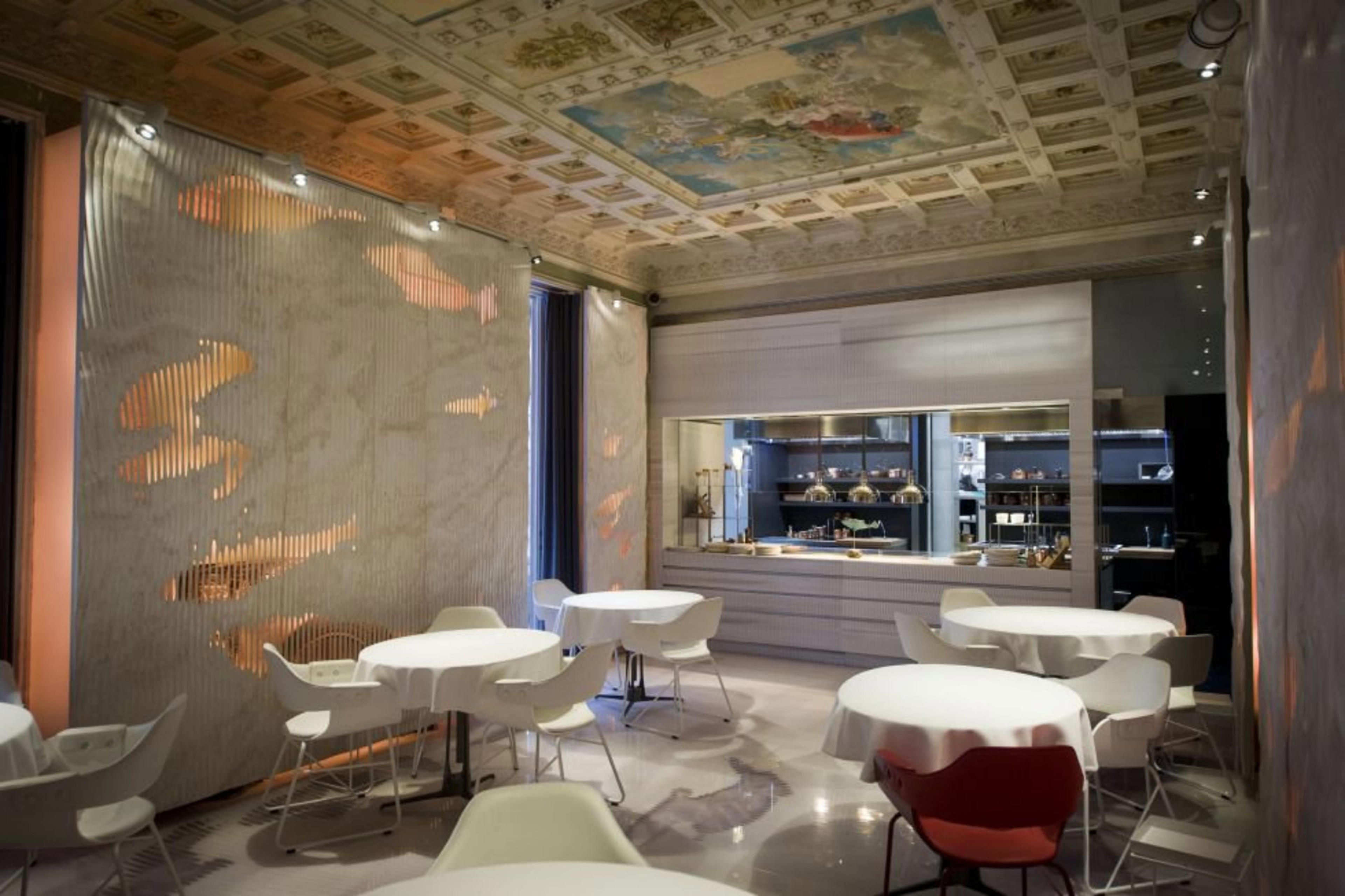
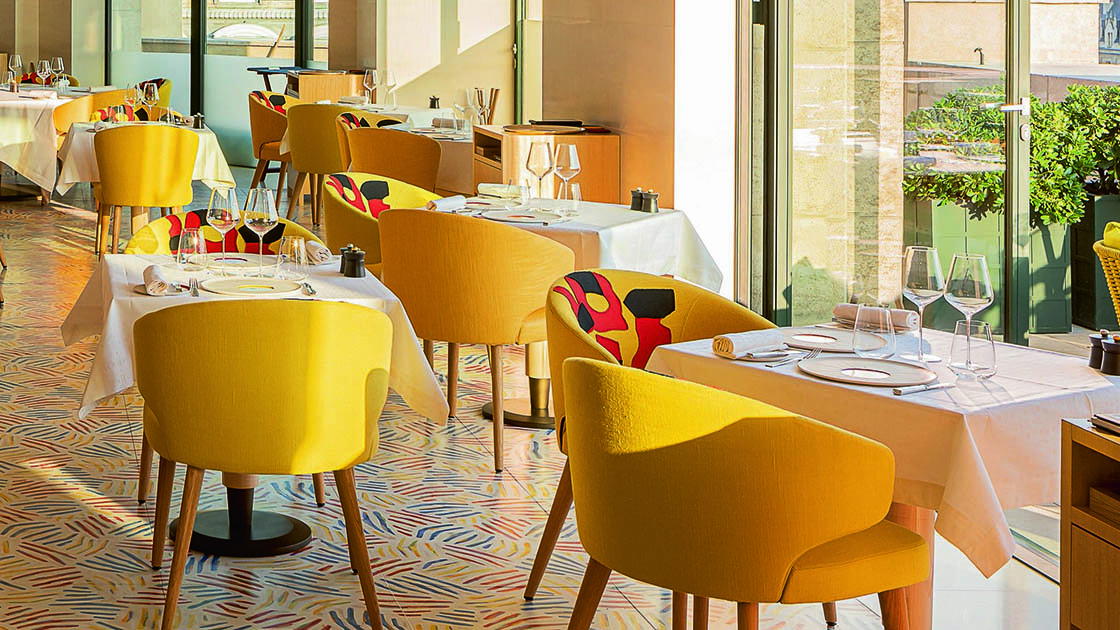
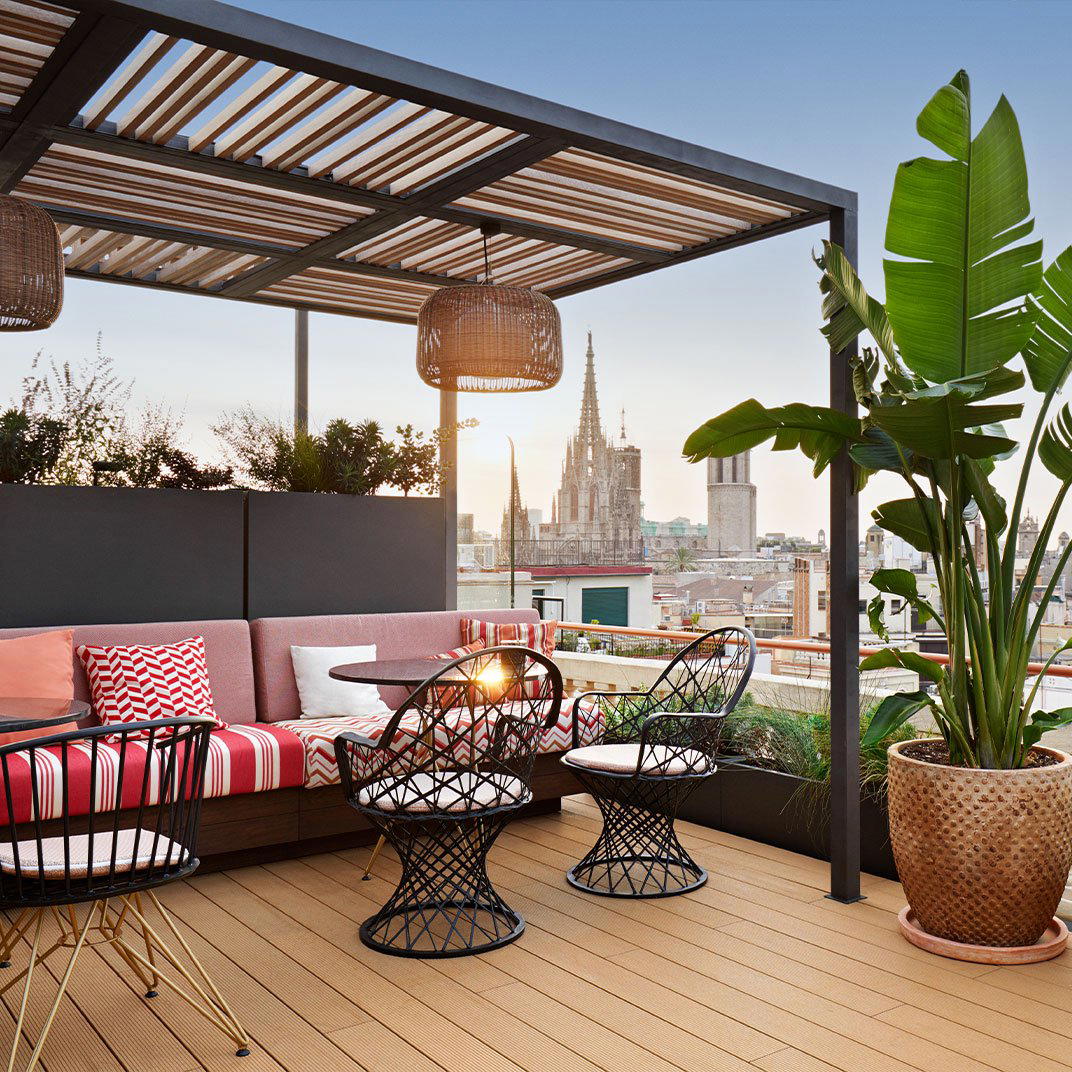
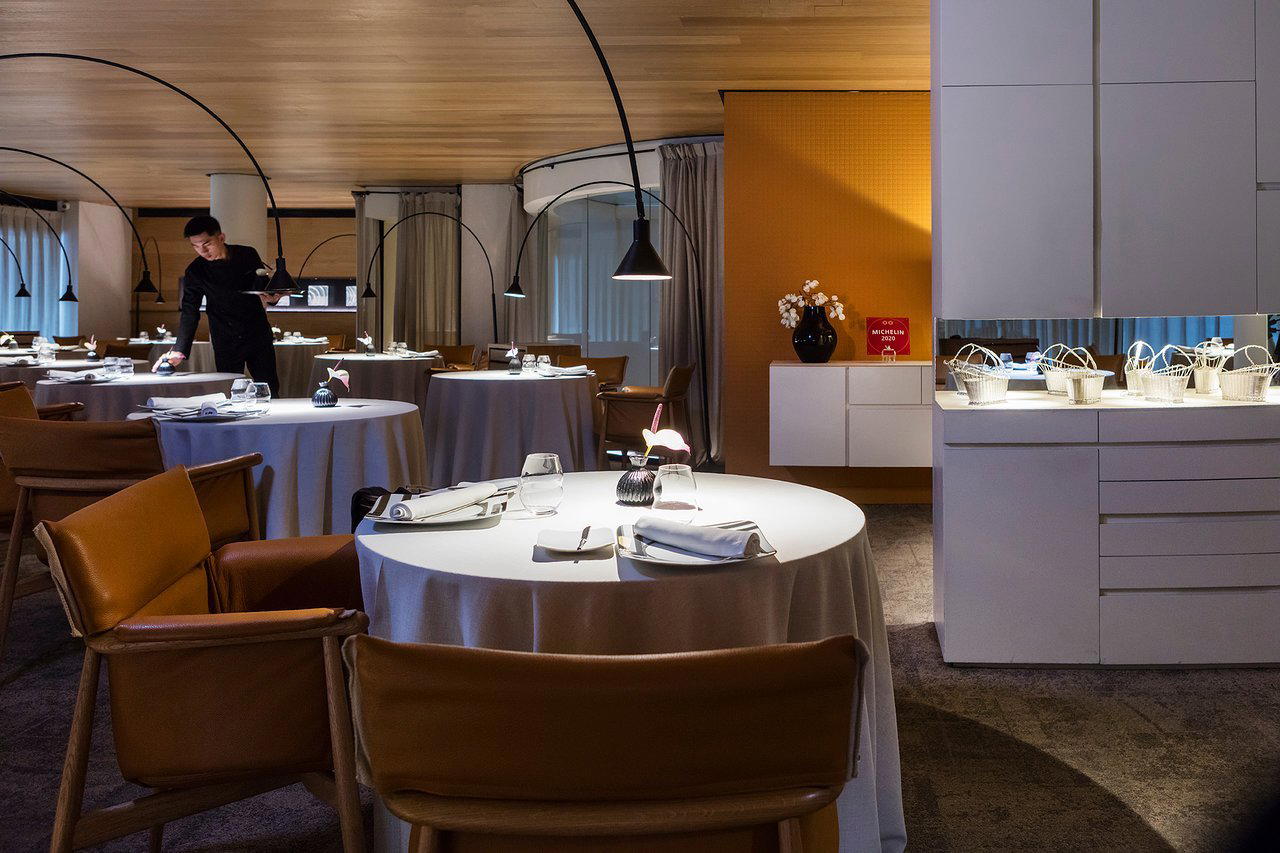
Contemporary and laid-back with thoughtful design touches, bright natural light in corner rooms, minimalist aesthetic with unexpected whimsical elements like hammocks and plant-filled spaces.