




Perched a thousand feet above the Bay of Naples on Capri's western cliffside, Hotel Caesar Augustus is a Relais and Chateaux property with 55 individually appointed rooms and near-unobstructed views across to Mount Vesuvius, Sorrento, and Ischia. A 2026 Star Wine List award confirms the quality of its beverage program. The combination of cliff-edge dining, a celebrated infinity pool, and an organic kitchen garden makes it one of the island's most distinctive addresses.
Pearl is the En Primeur Club membership app — saves, bookings, and concierge access live there. Same editors, same standards.
- Address
- Via G. Orlandi
- Phone
- 39-081-8373395
- Website
- caesar-augustus.com
- Directions
- Get directions
 Saves & bookings on Pearl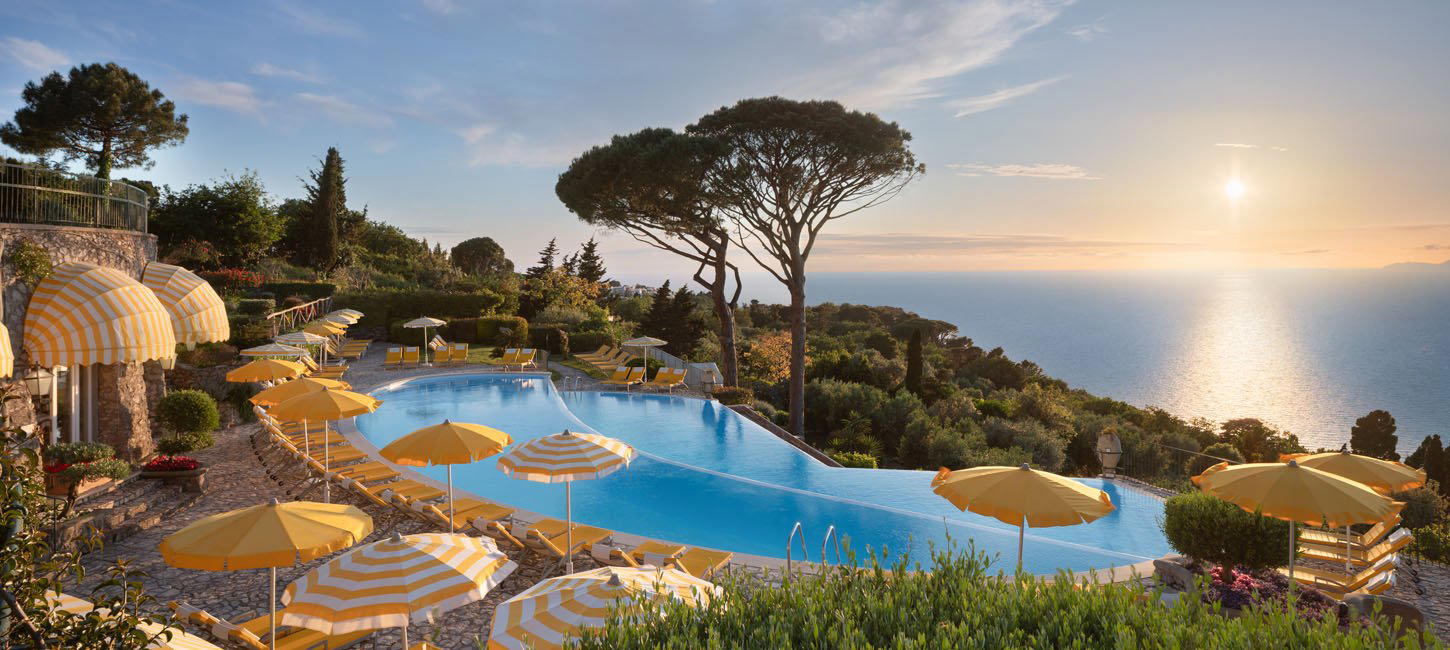
A Thousand Feet Above the Bay
The approach to Capri's Anacapri side has always felt different from the town below. Where the main piazzetta trades in concentrated glamour, the western ridge offers something more exposed: open sky, vertiginous drops, and the full panoramic sweep of the Bay of Naples laid out without interruption. Hotel Caesar Augustus sits at that elevation, its terraces cantilevered over a cliff edge that falls a thousand feet to the sea.
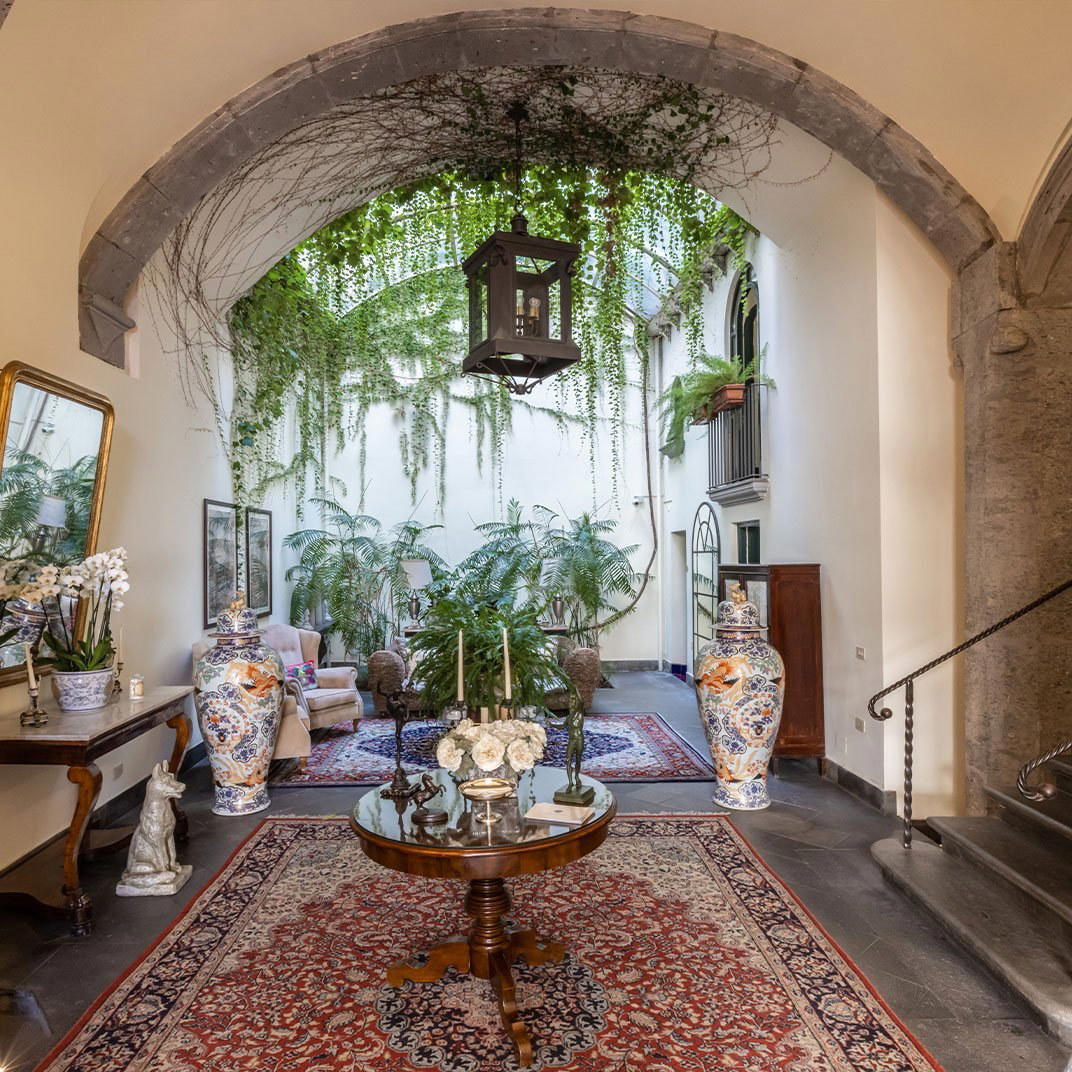
The property's history runs in layers. The original structure dates to the 1850s, built as a private residence for a German businessman of considerable means. A Russian Prince acquired it in the early twentieth century and remade it as a personal island retreat, installing a life-size statue of Emperor Augustus that still anchors the grounds. The conversion to hotel came in the mid-twentieth century, and the building has operated as one of Italy's more distinguished luxury addresses since. That lineage, from private residence to aristocratic retreat to Relais and Chateaux property, gives Caesar Augustus a character that purpose-built hotels rarely replicate. The public spaces feel inhabited rather than staged.
The Service Architecture of a Small Property
Among Capri's upper tier of hotels, the 55-room count at Caesar Augustus places it in a notably intimate bracket. For context, Grand Hotel Quisisana operates at considerably larger scale, and Jumeirah Capri Palace carries the infrastructure of an international brand. Caesar Augustus, as a family-run Relais and Chateaux, works from a different model: tighter guest numbers, fewer anonymous interactions, and the kind of concierge operation that can actually absorb and act on individual preferences.
The concierge function reflects how small luxury properties compete where they cannot match the amenity range of larger hotels. Rather than breadth, Caesar Augustus concentrates on logistical precision. The team organises transfers by car, public hydrofoil, private boat, or helicopter. Walking tours with private guides, excursions by traditional gozzo boat or motor yacht, and access to the Blue Grotto, Villa Jovis, and the Faraglioni are standard concierge offerings, but the coordination of those options across different transport modes is where the service actually earns its keep.
The island's geography also makes Caesar Augustus a practical base for exploring beyond Capri itself. Located at the centre of the Bay of Naples, the island sits within reach of Ischia, Procida, Pompeii, Herculaneum, and the cliff towns of the Amalfi Coast. Borgo Santandrea on the Amalfi Coast offers a comparable cliff-and-sea residential sensibility for those splitting a trip, while Bellevue Syrene 1820 in Sorrento provides another anchor point on the peninsula opposite.
Dining on the Cliff Edge
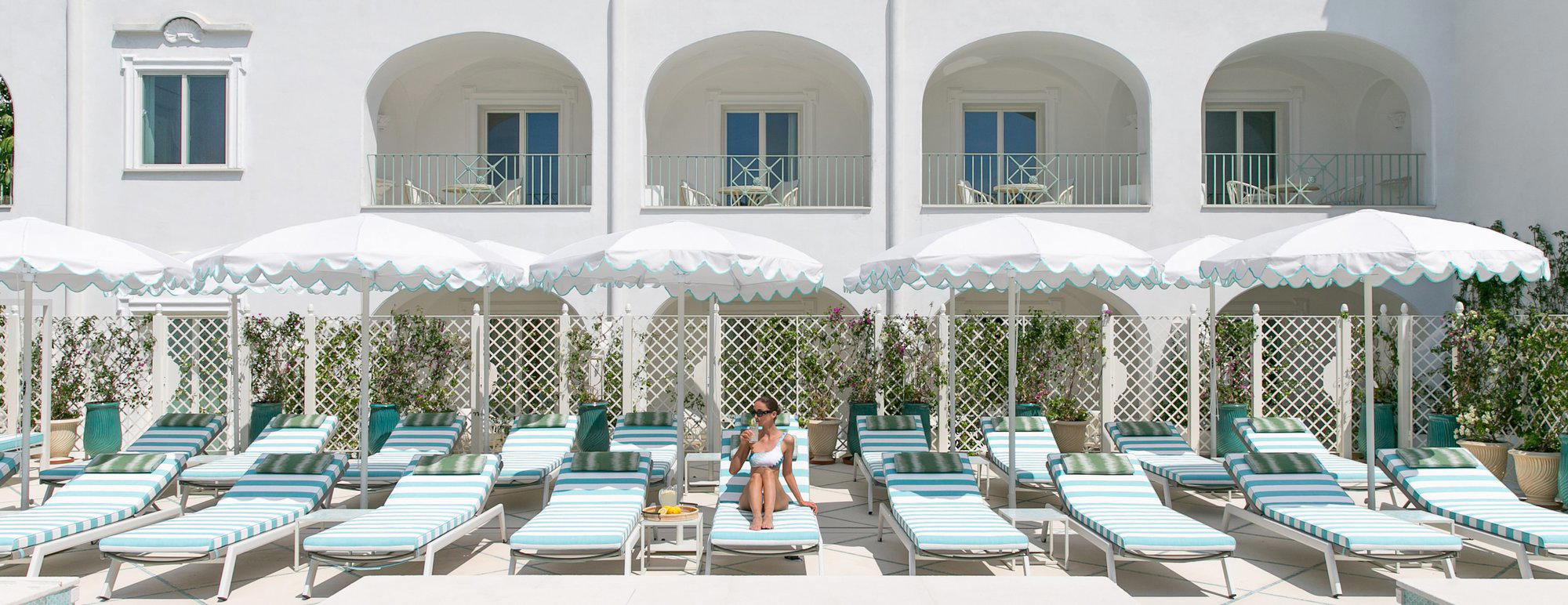
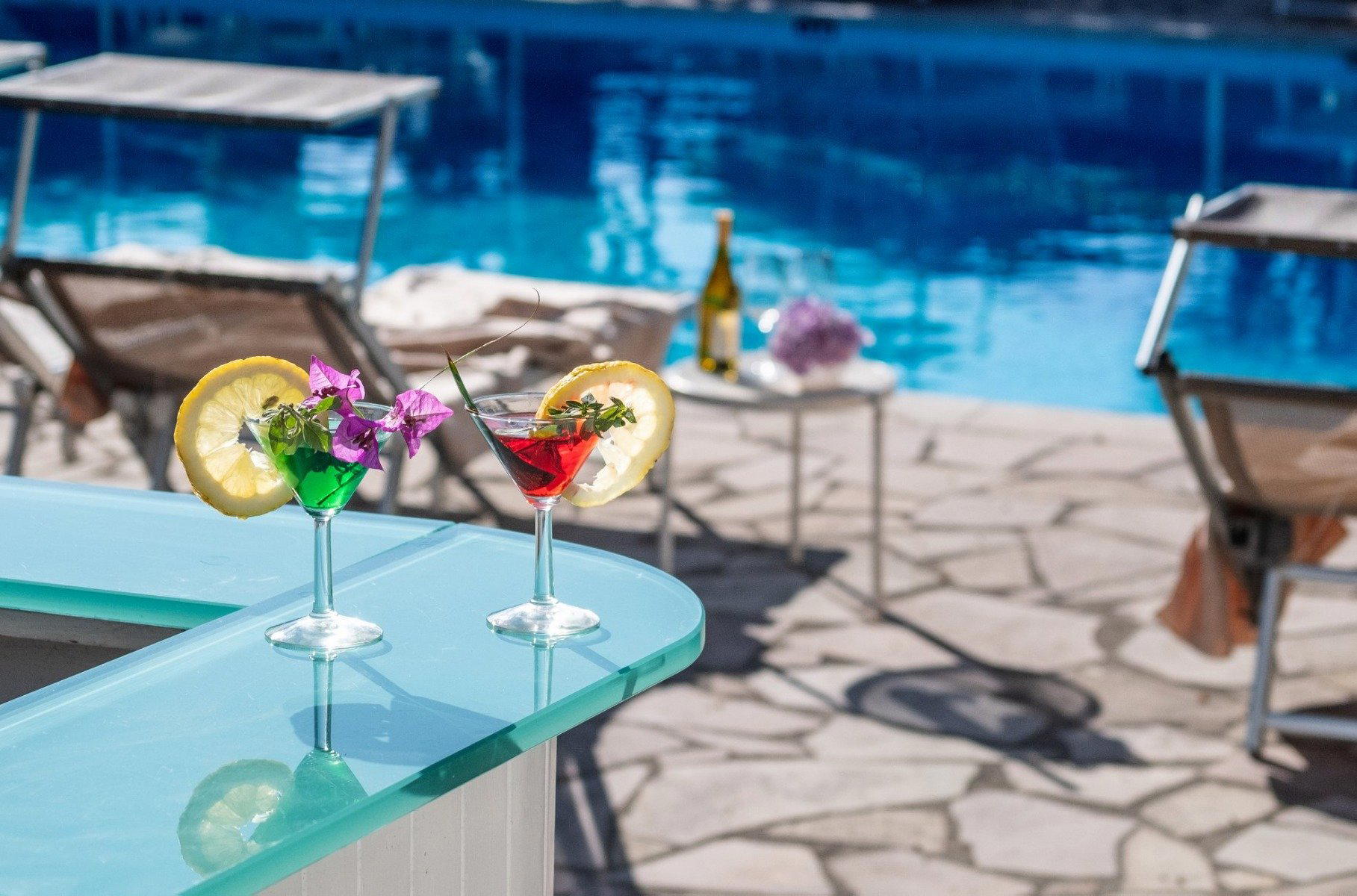
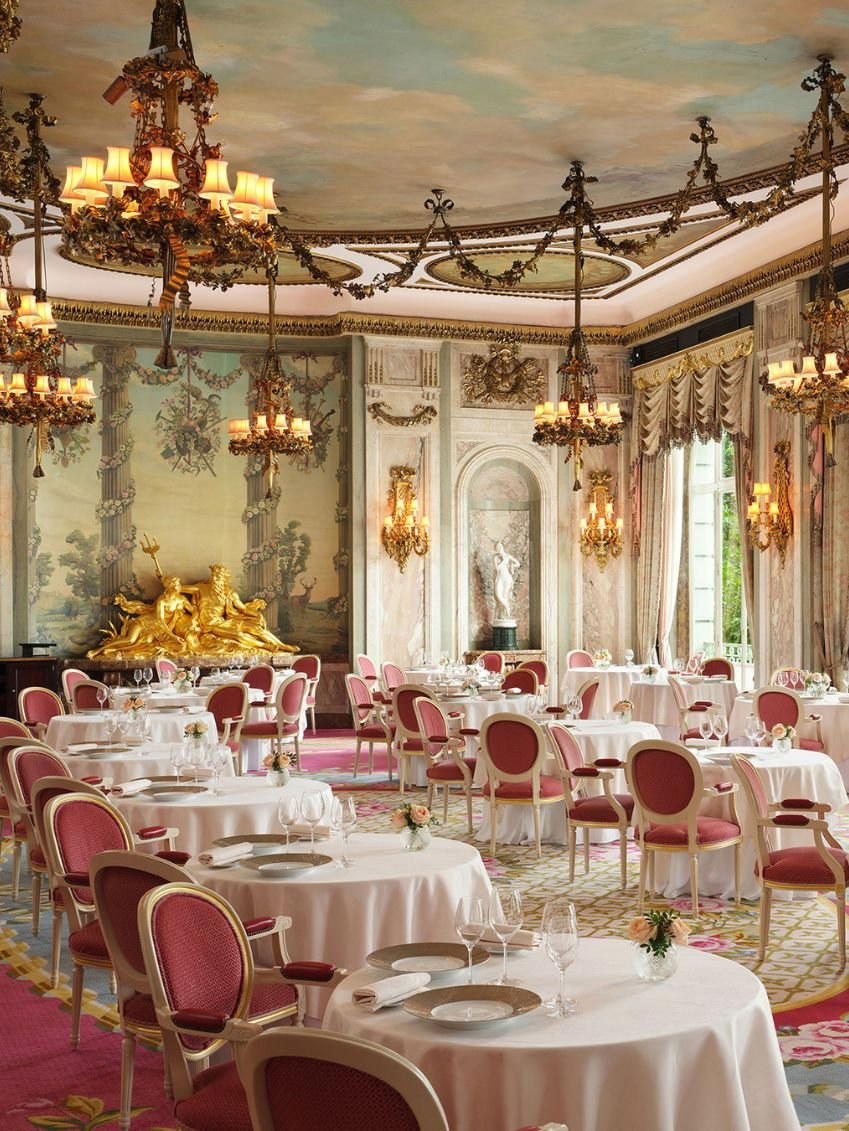
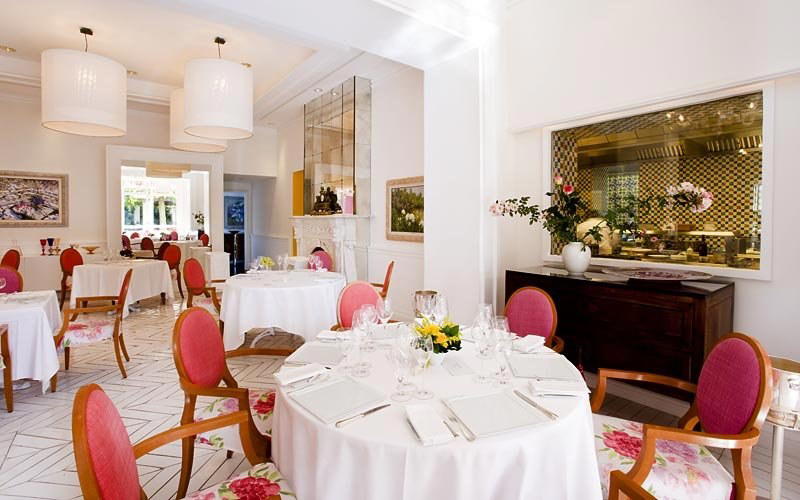
Capri's alfresco lunch culture is one of those local habits that travel well as a concept but depends entirely on execution. At Caesar Augustus, lunch is served on the cliff-edge terraces adjacent to the infinity pool, with fresh fish and pasta as the kitchen's central register. The evening restaurant, La Terrazza di Lucullo, operates on a zero-mile philosophy: the hotel maintains a large organic kitchen garden, and the produce from it moves directly into the kitchen. Sun-ripened fruit and vegetables grown on the property supply the cooking rather than arriving via mainland supply chains, a discipline that has measurable implications for what ends up on the plate in a Mediterranean summer.
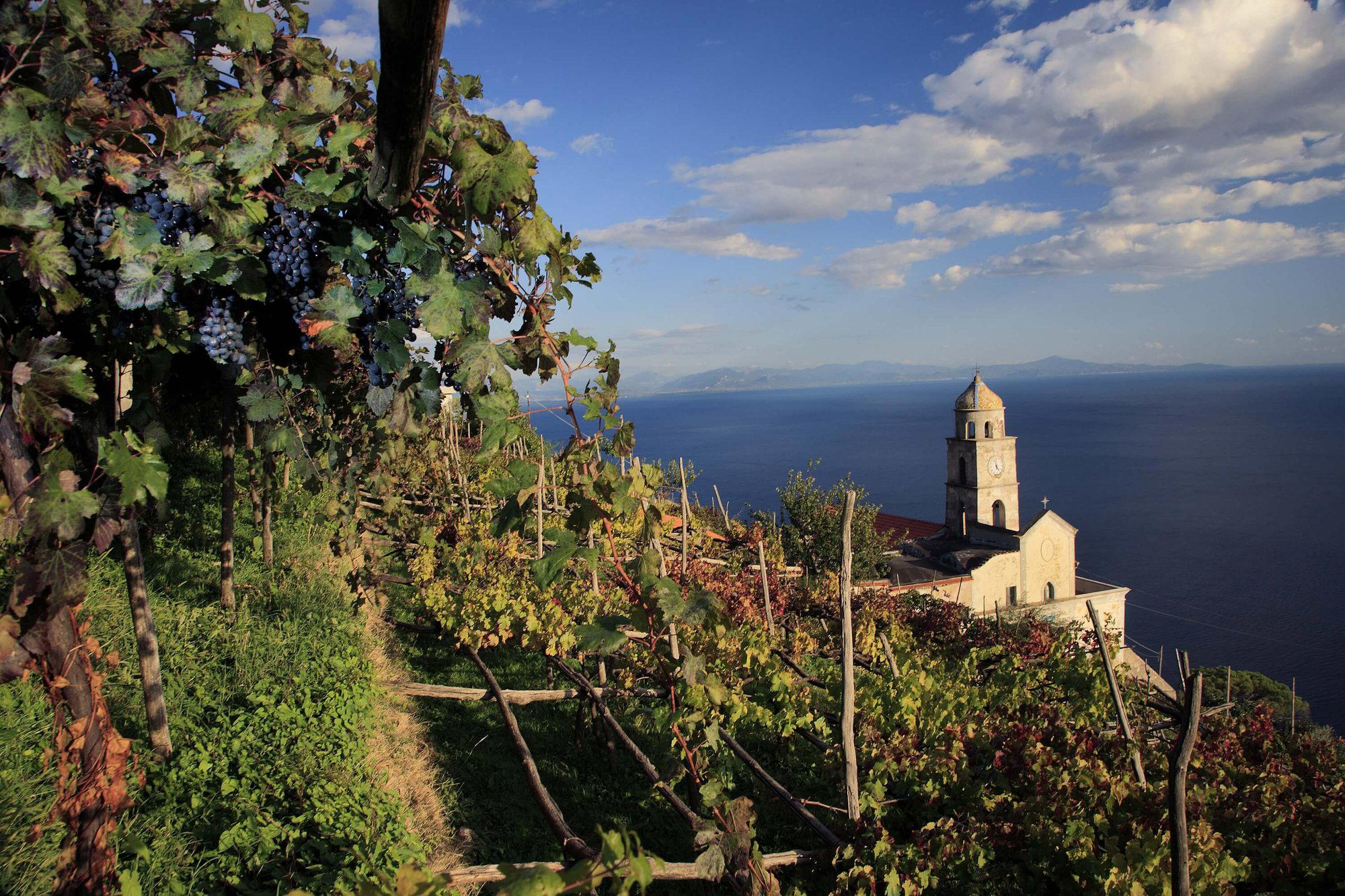
The wine program holds a 2026 Star Wine List award, a credential that signals depth and curation in the cellar. Southern Italian wine production has expanded considerably in critical stature over the past two decades, and a cellar that engages seriously with that shift adds a regional dimension to the dining experience.
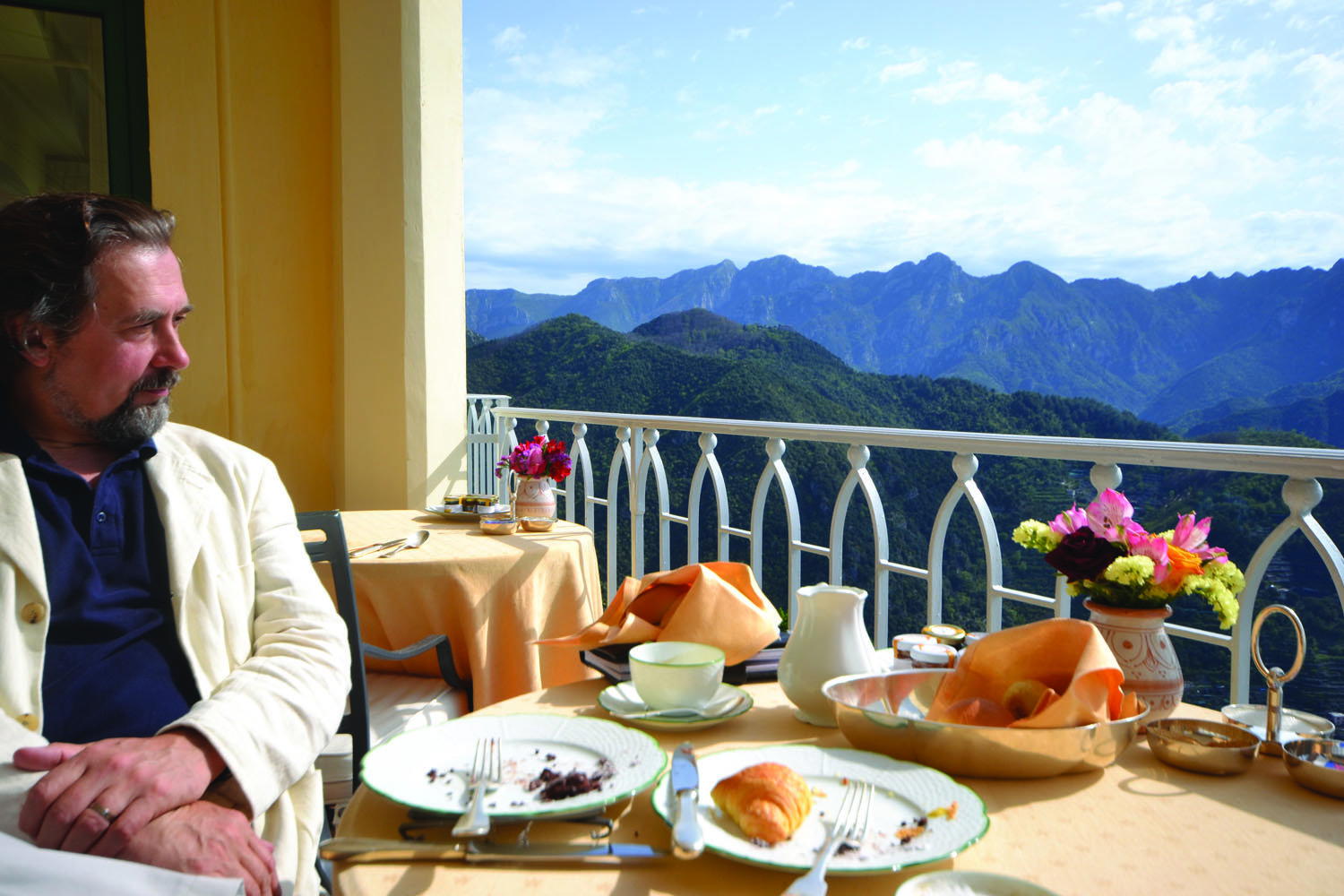
The Terrace Bar, where oysters and champagne are served against the open panorama of the bay, operates as the property's most visible social space. At a hotel where the view is the primary architectural feature, the bar's position on the terrace ensures that the-used communal space is also the one that makes the strongest case for being there.
Rooms and Rhythm
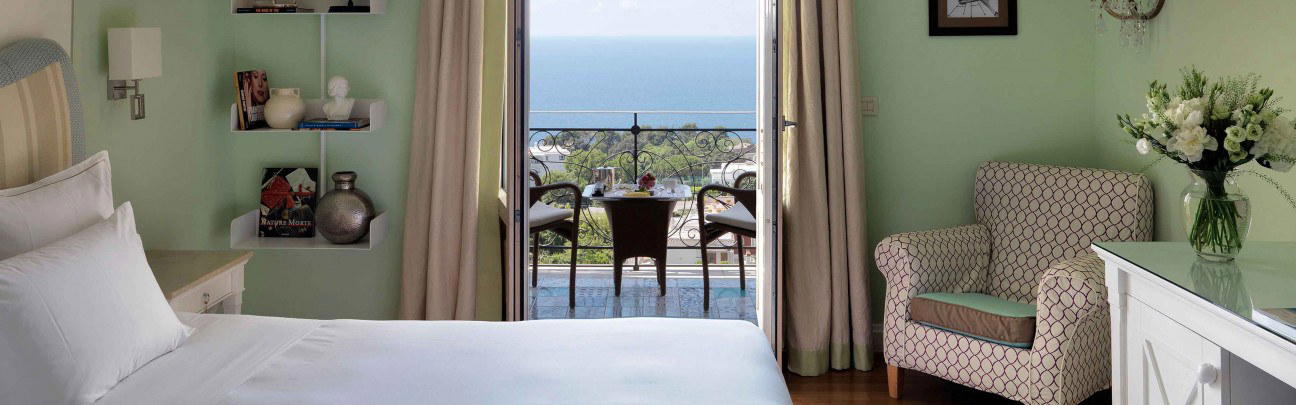
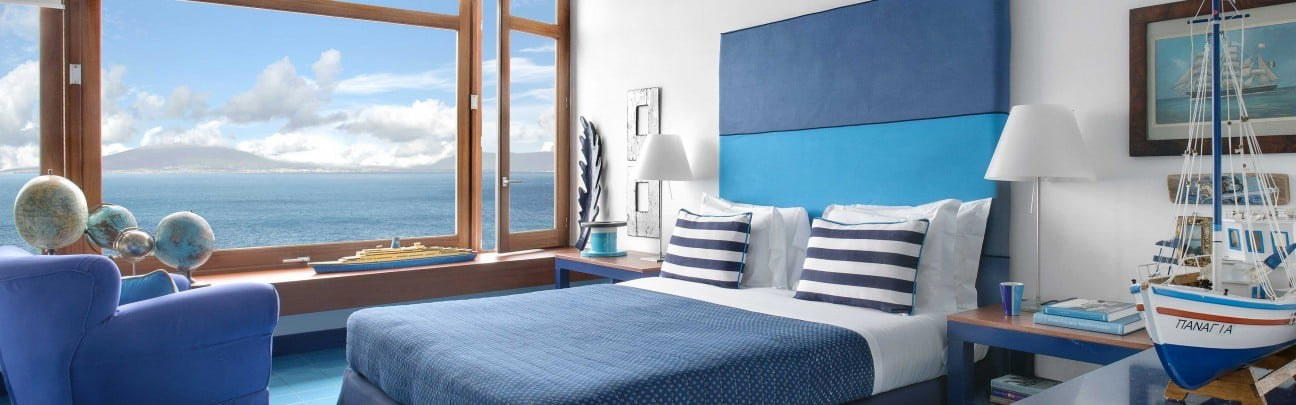
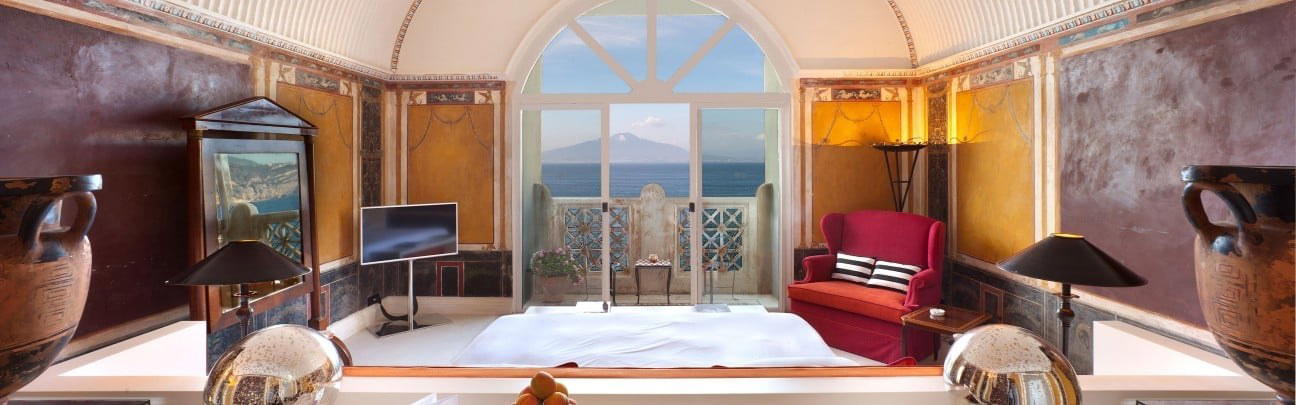
Almost all 55 rooms carry views of the Bay of Naples, Mount Vesuvius, Sorrento, or the island of Ischia. The individually appointed format, standard across Relais and Chateaux properties, means that no two rooms are identical in configuration or decor, though all sit within a consistent register of Mediterranean residential comfort. Properties in this tier, including Punta Tragara and JK Place Capri, make similar arguments about intimacy and individual character. The difference at Caesar Augustus is the elevation: the cliff-leading position means even a standard room with a sea-facing window commands a view that takes in horizon and water column simultaneously.
Seasonality operates clearly here. High summer, from late June through August, brings the island at full pace: the piazzetta crowded, the water taxis busy, and the hotel running at capacity with a clientele that includes one visible tier of European summer society. Spring, from April through early June, and autumn, from September through October, offer quieter rhythms, reduced crowd pressure, and according to the hotel's own framing, the possibility of room upgrades for guests who communicate preferences in advance. For a property where the specific room and terrace orientation can significantly change the experience, that seasonal flexibility has practical value.
Among comparable Italian luxury properties, Caesar Augustus operates in a comparable set that includes cliff-and-sea addresses with deep historical roots. Il San Pietro di Positano works from a similar residential-conversion logic on the Amalfi Coast, while Il Pellicano in Porto Ercole offers a Tyrrhenian counterpart with its own long-standing reputation for quiet, precise service. Across central and northern Italy, the Relais and Chateaux network includes properties such as Passalacqua in Moltrasio on Lake Como and Castello di Reschio in Lisciano Niccone, both of which share the small-scale, historically rooted model. For city-based Italian luxury, Aman Venice, Bulgari Hotel Roma, and Four Seasons Hotel Firenze represent a different but overlapping bracket.
Other properties in Capri's upper tier, including Capri Tiberio Palace, Hotel La Palma Capri, and Villa Marina Capri, cluster closer to Capri town itself.
Cuisine-First Comparison
Comparable venues nearby, for context on price, style, and recognition.
| Venue | Cuisine | Price | Awards | Notes |
|---|---|---|---|---|
| Hotel Caesar AugustusThis venue — the venue you are viewing | Clifftop Relais & Chateaux boutique hotel with panoramic Bay of Naples views | $$$$ | 5-Star | Not listed |
| Punta Tragara | Modernist luxury villa with contemporary Italian design; exclusive and romantic retreat blending architectural heritage with refined comfort. | $$$$ | 5-Star | Tragara |
| Grand Hotel Quisisana | Grand European tradition with neoclassical façade | $$$$ | 5-Star | Capri Town |
| Palazzo M Capri | Modern luxury palazzo blending contemporary design with historic charm, positioned as an upscale boutique retreat in a heritage building. | $$$$ | 5-Star | Capri Town |
| Villa Marina Capri | Authentic Caprese villa with Art Deco architecture built in 2008 | $$$$ | 5-Star | Marina Grande |
| Casa Morgano | Luxury boutique on panoramic Via Tragara | $$$$ | 5-Star | Capri Town |
Recognition history
Dated appearances from independent guides and award organizations, with the underlying list record or original source where available.
Forbes Recommended
Forbes
Relais Chateaux Award
Relais Chateaux
Star Wine List
Star Wine List
Virtuoso Luxury Hotel Partner
Virtuoso
Michelin Selected
Michelin
Continue exploring
More in Capri
Hotels in Capri
Browse all →
Bars in Capri
Browse all →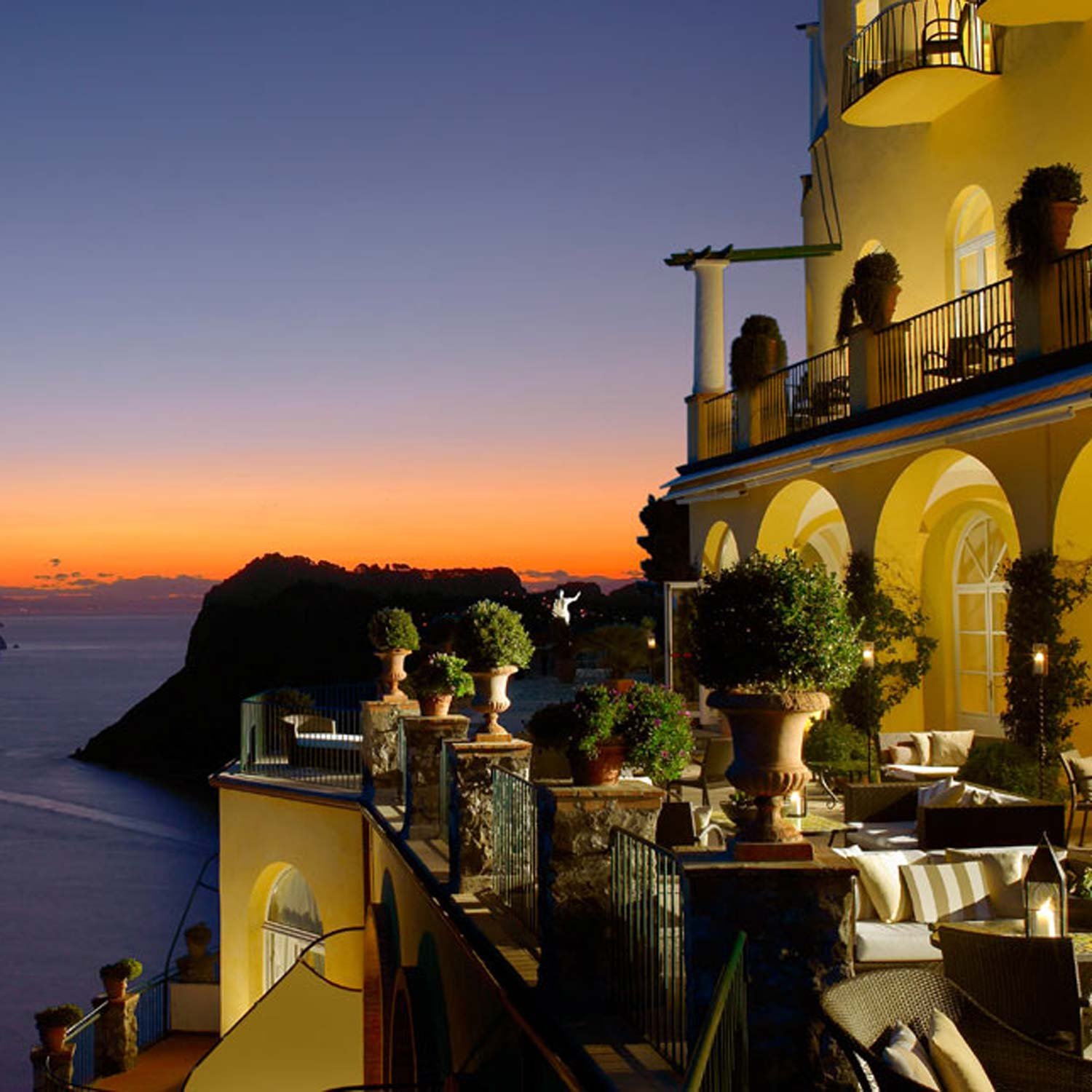
Restaurants in Capri
Browse all →

At a Glance
- Romantic
- Elegant
- Scenic
- Sophisticated
- Ornate
- Honeymoon
- Romantic Getaway
- Anniversary
- Infinity Pool
- Panoramic View
- Terrace
- Wi Fi
- Pool
- Spa
- Fitness Center
- Room Service
- Concierge
- Garden
- Waterfront
- Wi Fi
- Pool
- Spa
- Fitness Center
- Room Service
- Concierge
- Garden
Light and airy classic elegance with far-reaching sea views from terraces, gardens, and rooms, enhanced by live piano music at sunset.