
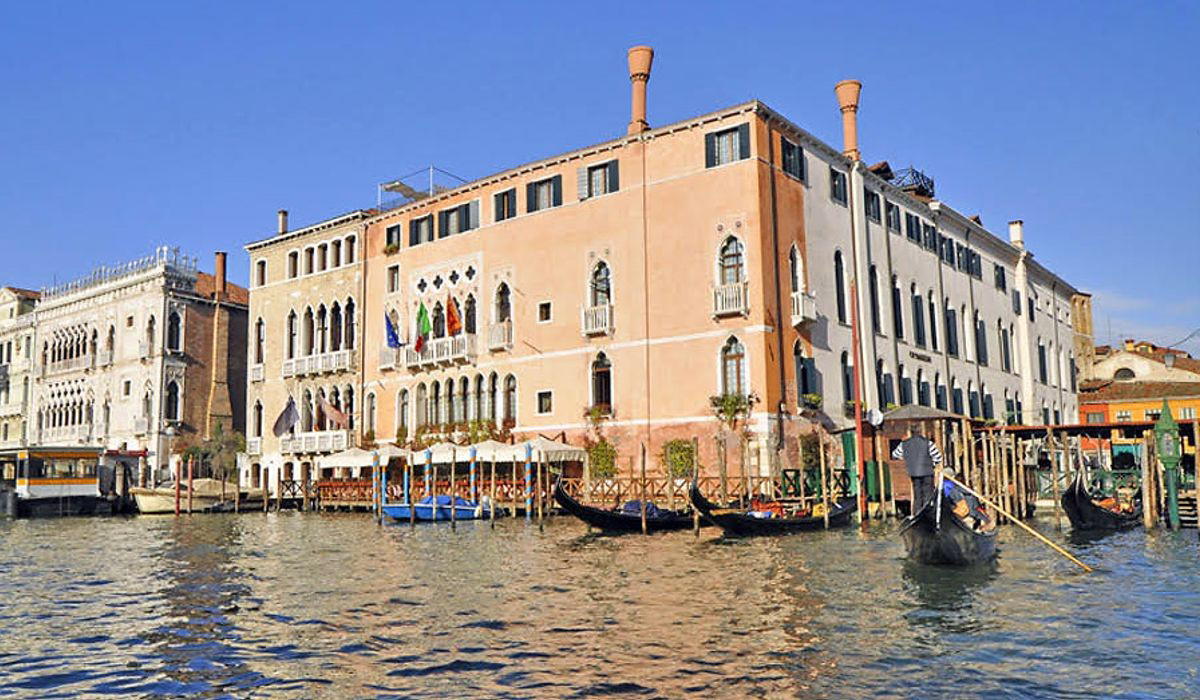
On the Riva del Vin, one of the Grand Canal's most historically trafficked embankments, H10 Palazzo Canova occupies a restored Venetian palazzo and carries a 2025 Michelin Selected designation. It sits in the mid-to-upper tier of Venice's hotel market, offering canal proximity without the ultra-luxury price points of properties like Aman Venice or Hotel Gritti Palace, making it a considered option for travellers who want period architecture with fewer compromises on position.
Pearl is the En Primeur Club membership app — saves, bookings, and concierge access live there. Same editors, same standards.
- Address
- Riva del Vin, 744, 30125 Venezia VE, Italy
- Phone
- +39 041 520 0172
- Website
- h10hotels.com
- Directions
- Get directions
 Saves & bookings on Pearl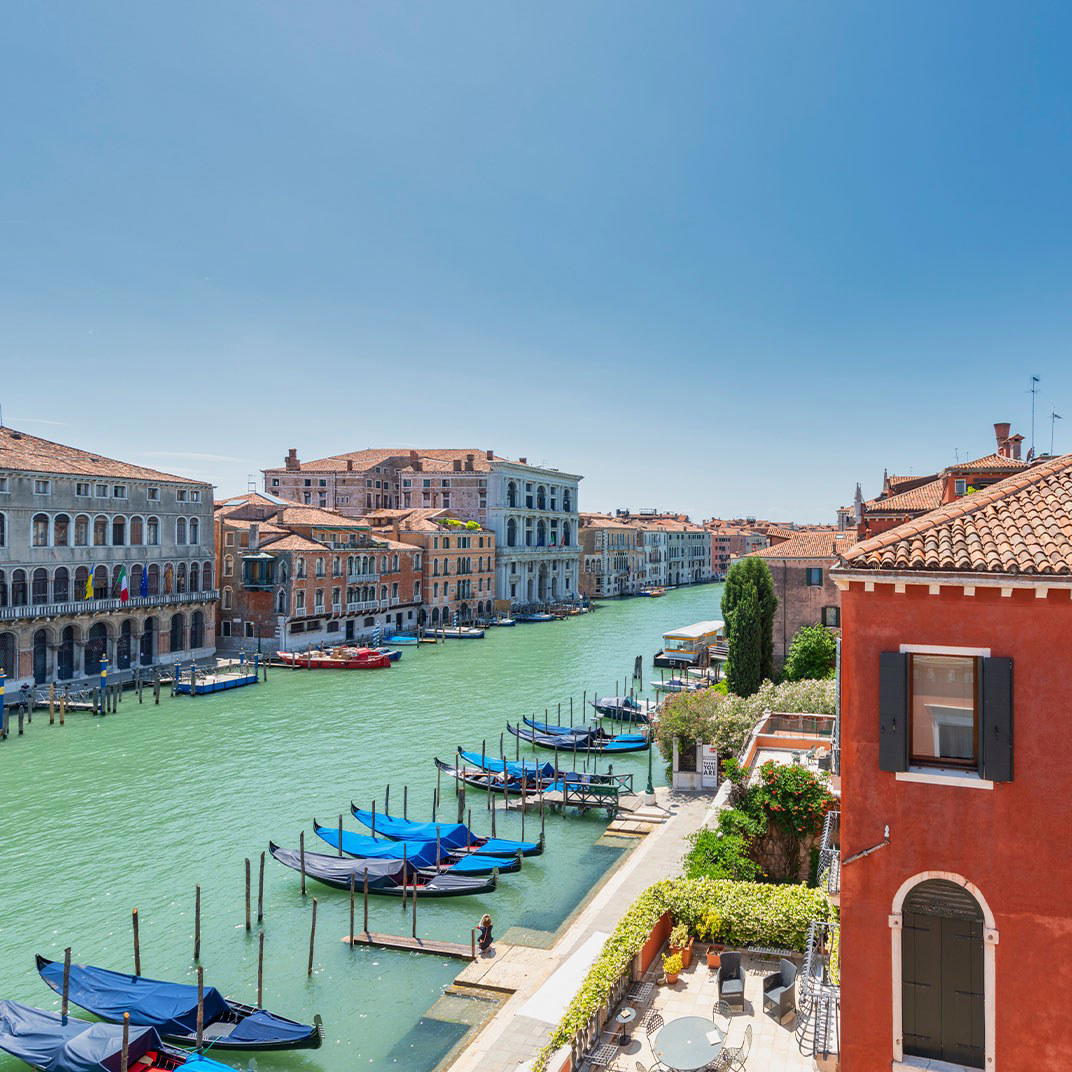
A Palazzo on the Wine Quay
The Riva del Vin takes its name from the wine barges that once unloaded their cargo along this stretch of the Grand Canal. For centuries, merchants and boatmen worked this embankment on the San Polo side of the Rialto Bridge, and the commercial energy that defined Venice's relationship with trade was concentrated precisely here. Today, the riva is quieter in its function but unchanged in its geography: it remains among the more direct encounters with the Grand Canal available anywhere in the city, with the water just metres from the building facades. H10 Palazzo Canova sits on this embankment at number 744, in a historic palazzo with 61 rooms that frames the canal as a constant visual and atmospheric presence rather than a distant amenity.
That physical address places the hotel in a genuinely Venetian context rather than a tourist-facing simulacrum of one. The Rialto Bridge, the oldest of the Grand Canal's four crossings and the commercial centre of Venice for half a millennium, is within easy walking distance, as are the markets of the Pescheria and Erberia, which have supplied the city's kitchens since the medieval period. Guests arriving by water taxi from Marco Polo Airport land directly at the waterfront; the transit from open lagoon to palazzo doorway involves no buses, no crowds on refined bridges, and no dragging luggage across calli. That logistics point matters in Venice more than in almost any other European city, where the absence of cars forces every arrival into some form of negotiation with the city's pedestrian grid.
Where It Sits in the Venice Hotel Market
Venice's hotel offer divides roughly into three tiers. At the leading sit the historic palaces with institutional reputations and prices to match: Aman Venice, Hotel Gritti Palace, and Cipriani, A Belmond Hotel, Venice occupy this bracket, each carrying decades of mythology alongside their room rates. Below them, a middle tier of smaller, design-conscious properties has grown considerably in the past decade, including addresses like Ca' di Dio, Il Palazzo Experimental, and Nolinski Venezia, all of which trade on architectural pedigree and editorial positioning rather than legacy brand recognition. H10 Palazzo Canova operates in this middle-to-upper band, carrying the 2025 Michelin Selected designation. That credential places it in a vetted comparable set without overstating its position relative to the city's trophy properties.
The H10 group operates Palazzo Canova as part of its upper-tier collection. Within the Venice market, the brand operates without the institutional cachet of Belmond or Aman, but the Riva del Vin address and the Michelin recognition function as proxies for quality for travellers less interested in brand hierarchy than in location and editorial validation. Comparable properties in other Italian cities, such as Four Seasons Hotel Firenze in Florence or Portrait Milano in Milan, demonstrate how the upper-mid tier in Italian city hotel markets has become increasingly competitive on architecture and position, with brand affiliation mattering less than it once did.
The Cultural Weight of the Canal Address
Venice operates on a logic that most cities do not. There are no cars, no through roads, and no ambient noise beyond water, footsteps, and bells. The Grand Canal is the city's primary artery, and proximity to it has always carried social and economic significance. The Riva del Vin, specifically, was a working waterfront before it became a residential and hospitality address, and that layering of function gives it a texture that newer developments on the fringes of the historic centre lack. Staying on the canal here means waking to vaporetto sounds and the particular light that Venice produces when morning reflects off moving water onto stone, a quality that has drawn painters, writers, and travellers in documented numbers since the era of the Grand Tour.
For travellers structuring a stay around cultural access, the Rialto position is more practical than the hotel's quieter competitors further into the sestieri. Corte di Gabriela and Londra Palace Venezia, for instance, offer strong interior qualities but sit away from the Grand Canal itself. The tradeoff at those properties is more residential quiet in exchange for less immediate immersion in the city's waterway. At Palazzo Canova, the canal is not a view earned from a high floor, it is the immediate physical context of the building.
Planning a Stay
Venice operates on a strong seasonal rhythm. The period from late spring through early autumn concentrates tourist volume to a degree that affects everything from walking speed on the calli to table availability at the better cicchetti bars. Carnival, held in February, adds a different kind of pressure: high demand, theatrical atmosphere, and accommodation rates that spike across all categories. For travellers seeking relative quiet with functional weather, the shoulder months of March to early May and October into November tend to offer particularly navigable conditions, both in terms of acqua alta risk management and crowd density.
The Riva del Vin address means water taxi arrivals from the airport or train station at Santa Lucia can terminate directly at or near the embankment, which removes one of the more logistically demanding aspects of reaching a Venice hotel.
Within that Michelin-validated set, H10 Palazzo Canova's differentiation is its Grand Canal position in a city where geography determines experience more than design choices or F&B; programming. The palazzo itself provides the context; the canal provides the argument for choosing it over any Venice hotel that sits one or two blocks further inland.
The Short List
Comparable venues nearby, for context on price, style, and recognition.
| Venue | Price | Notes |
|---|---|---|
| H10 Palazzo CanovaThis venue — the venue you are viewing | $$$$ | Not listed |
| Hilton Molino Stucky Venice | $$$$ | Dorsoduro, Historic flour mill restored into luxury hotel |
| Carnival Palace Hotel | $$$ | Cannaregio, Exclusive 4-star superior boutique hotel blending Venetian tradition with modern luxury. |
| Charming House iQs | $$$$ | Castello, Contemporary apartments in historic Gothic palazzo |
| Hotel Cà Zusto Venezia | $$$ | Santa Croce, Historic boutique palace hotel |
| Hyatt Centric Murano Venice | $$$ | Murano, Urban lifestyle retreat in a historic glass factory |
Recognition history
Dated appearances from independent guides and award organizations, with the underlying list record or original source where available.
Michelin Selected
Michelin
Continue exploring
More in Venice
Hotels in Venice
Browse all →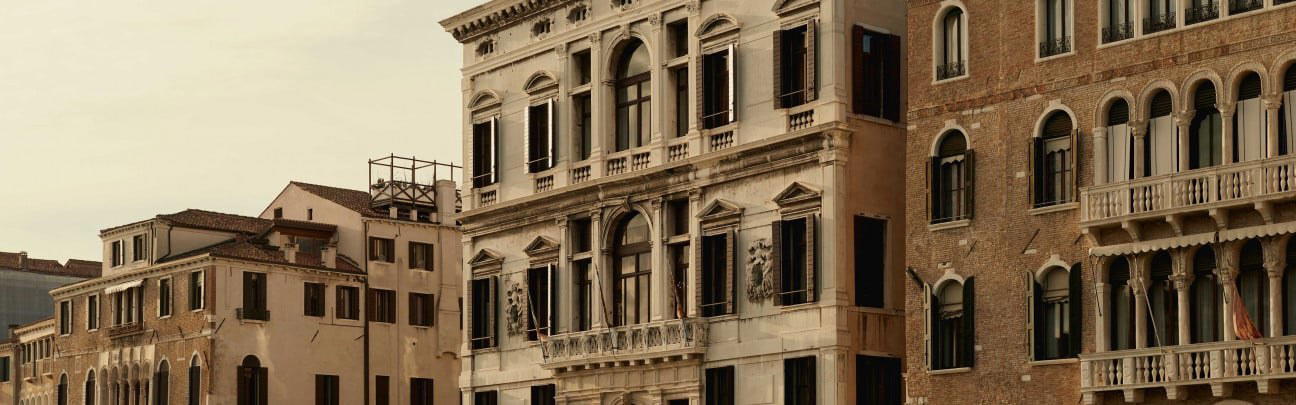
Bars in Venice
Browse all →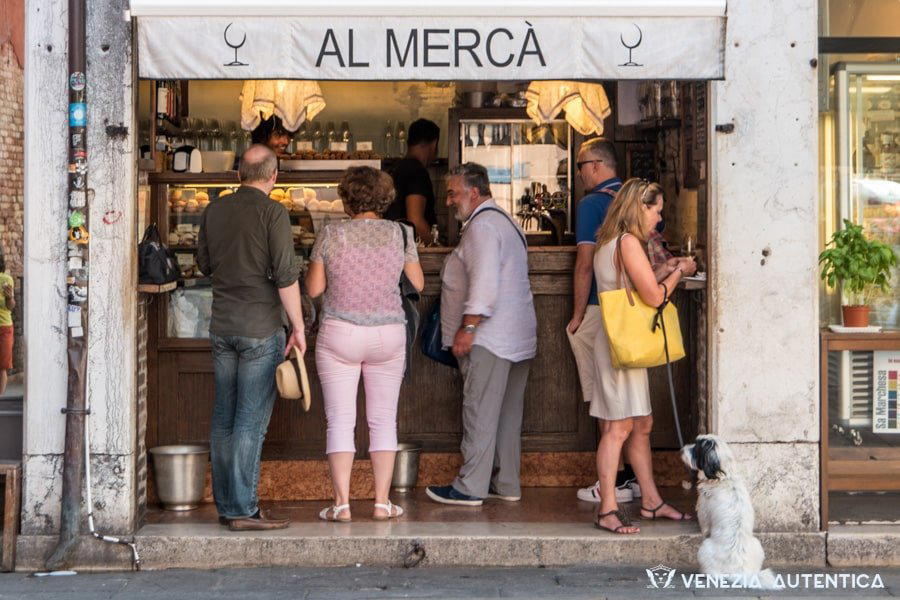
Restaurants in Venice
Browse all →
At a Glance
- Romantic
- Elegant
- Modern
- Sophisticated
- Scenic
- Romantic Getaway
- Anniversary
- Honeymoon
- Waterfront
- Terrace
- Historic Building
- Panoramic View
- Wi Fi
- Bar
- Restaurant
- Concierge
- Laundry Service
- Waterfront
- Wi Fi
- Bar
- Restaurant
- Concierge
- Laundry Service
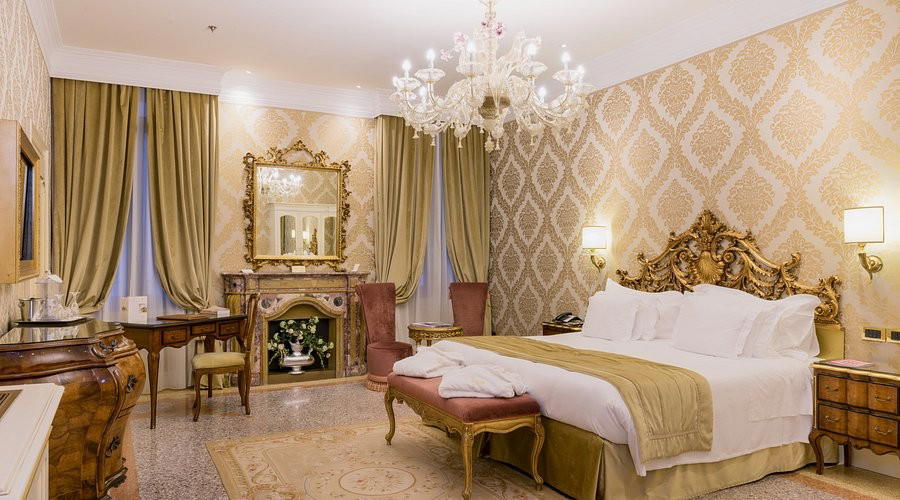
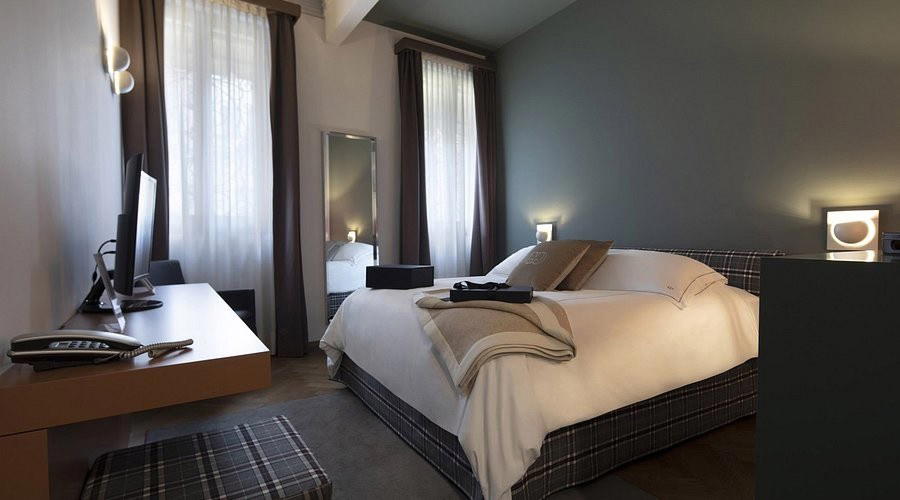
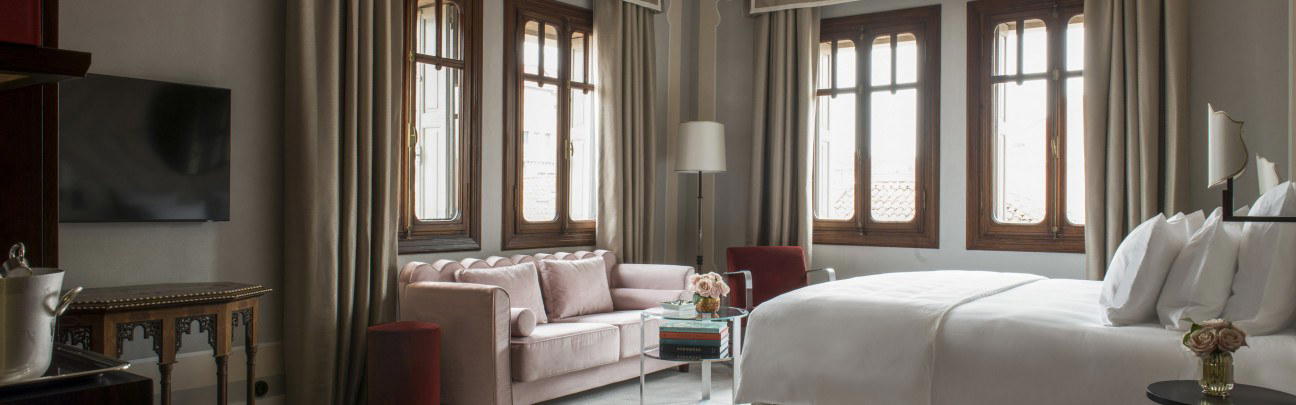
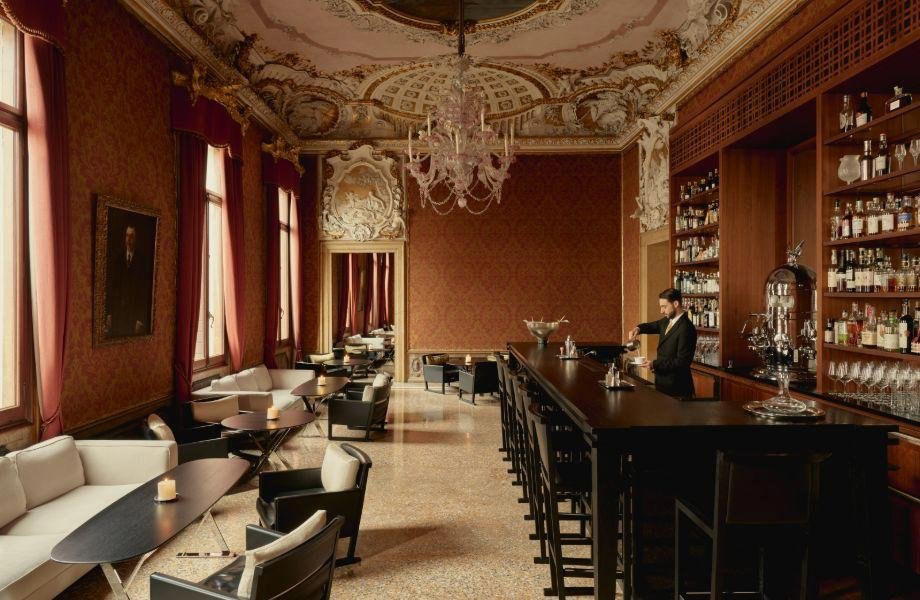
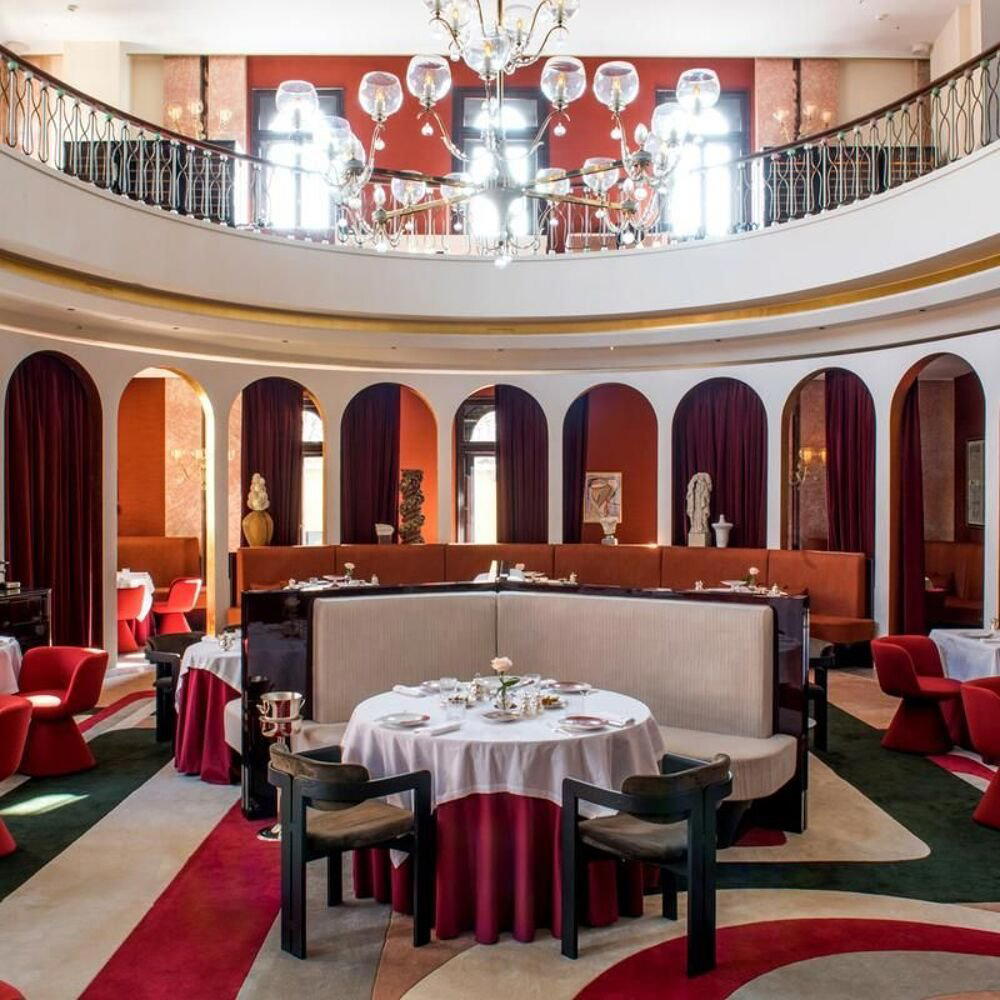
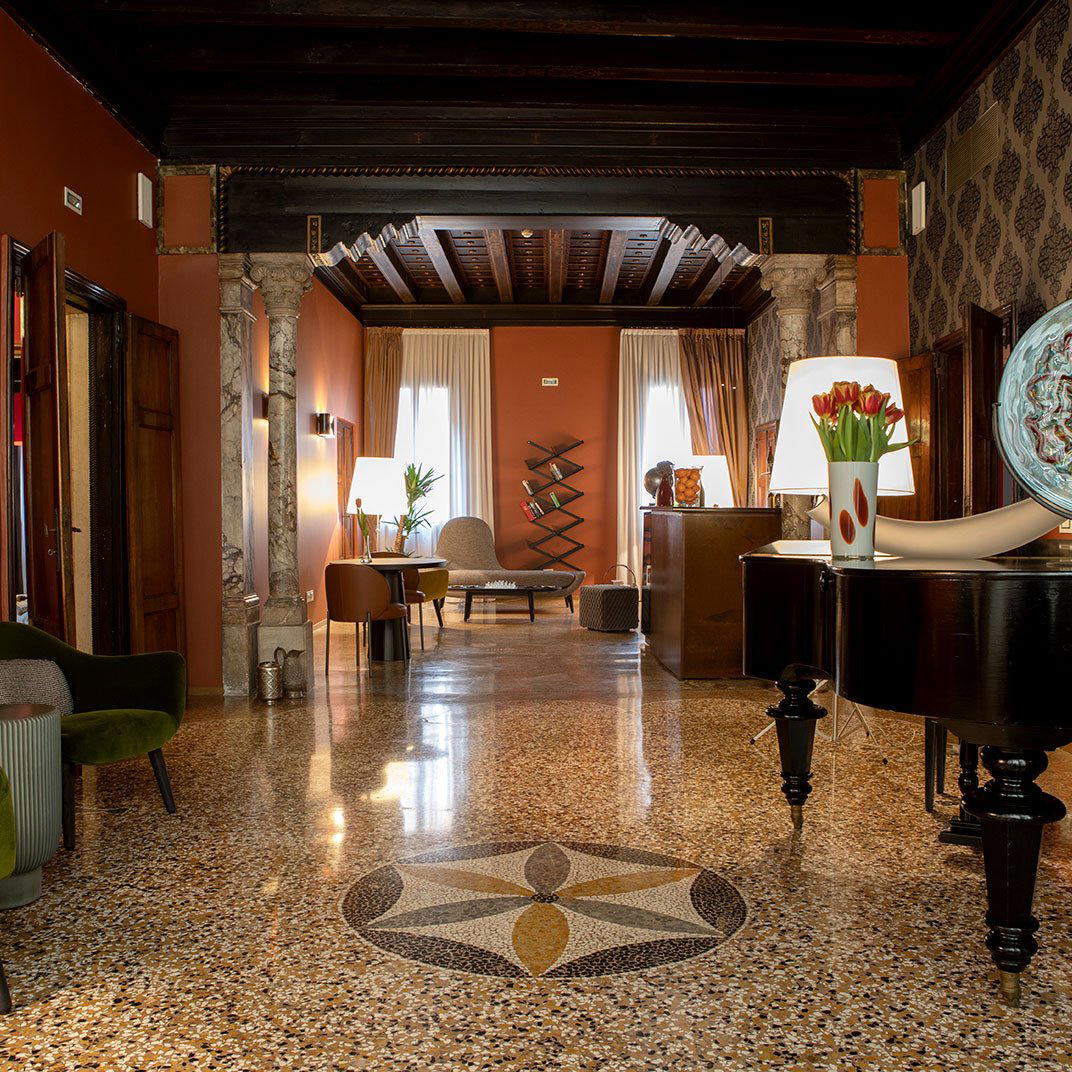
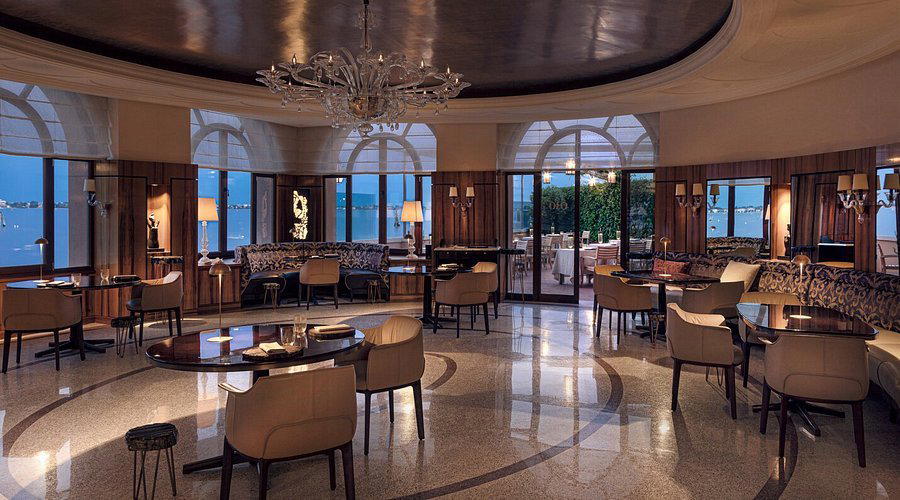
Peaceful and ornate with harmonious blend of marble, wood, stone, contemporary and antique furnishings, and Venetian-inspired elegance.