

G-Rough occupies a centuries-old palazzo at Piazza Pasquino 69, steps from Piazza Navona, and positions itself as an unconventional take on Italian luxury, less grand-hotel formality, more curated domestic character. The property sits inside a creative niche that has emerged in Rome's boutique hotel sector over the past decade, where design-led properties counter the city's dominant tradition of palatial grandeur.
Pearl is the En Primeur Club membership app — saves, bookings, and concierge access live there. Same editors, same standards.
- Address
- Piazza Pasquino 69, Rome 00186, Italy
- Phone
- +39 06 68801085
- Website
- marriott.com
- Directions
- Get directions
 Saves & bookings on Pearl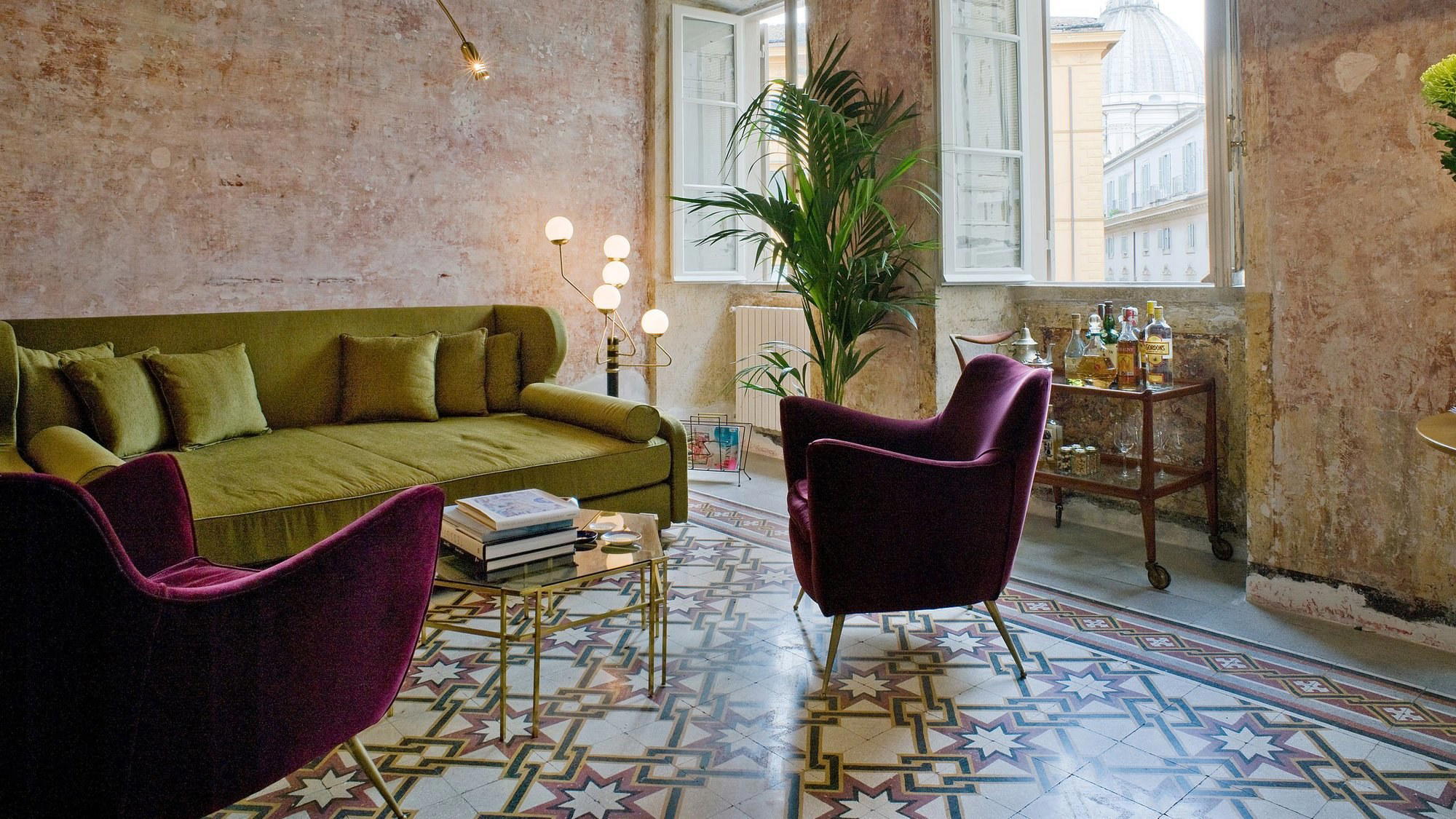
Where Rome's Boutique Shift Landed
Rome's premium accommodation sector has historically operated in one register: grand palazzo hotels with frescoed ceilings, livered staff, and room counts measured in the hundreds. Properties like Hassler Roma and Hotel Eden defined that standard for generations. Over the past fifteen years, however, a smaller and quieter counter-movement has taken hold, intimate properties that trade ceremony for character, and lobby grandeur for something closer to the feel of a well-appointed private residence. G-Rough, a 4-star hotel at Piazza Pasquino 69 in Rome, belongs to that second cohort.
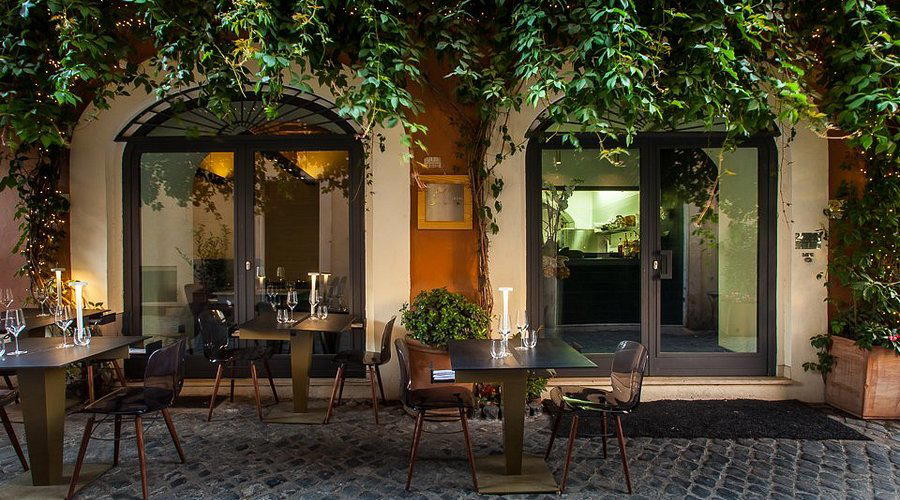
The address alone signals intent. Piazza Pasquino sits at the southern edge of Piazza Navona's gravitational field, close enough to absorb the neighbourhood's foot traffic and baroque energy, far enough removed that the immediate square retains a working-Roman quality. The talking statue of Pasquino, one of the city's ancient "speaking statues" used for anonymous political satire since the sixteenth century, stands a few metres from the entrance. That proximity is not incidental context. It frames the kind of stay G-Rough is positioned to offer: culturally embedded rather than hermetically sealed from the city around it.
The Unconventional Luxury Argument
Italian luxury has always contained internal tensions. The country that produces the world's most admired craft objects also produced, in hospitality, a long tradition of formal service hierarchies and rooms designed to impress rather than inhabit. The boutique counter-movement, which gained momentum across Italian cities through the 2010s, pushed back on that formality without abandoning quality. Hotel Vilòn, Maalot Roma, and Portrait Roma each found different points on that spectrum. G-Rough frames its position explicitly as an "unconventional Made in Italy" approach to luxury, a phrase that does real work in distinguishing it from both the international-brand properties and the traditionally formal palazzo hotels that otherwise dominate the upper tiers of the Rome market.
That framing matters because the Italian design and craft tradition is the competitive advantage being claimed, not simply repudiated. The argument is not that formality is wrong, but that Italian creative culture, its furniture, textiles, objects, and aesthetic restlessness, is more interesting material for a hotel than ceremony for its own sake. Properties making similar arguments elsewhere in Italy include JK Place Capri and Il Pellicano in Porto Ercole, both of which have built sustained reputations on design-led intimacy rather than scale. The hotel's Parione location gives it a different kind of grain, urban, central, and embedded in one of Rome's most historically layered neighbourhoods.
A Property That Has Reinvented Its Own Category
When small luxury properties first appeared in Rome's centro storico, the model was often misread as simply a smaller version of the grand hotel: fewer rooms, same service register, lower price point. The hotel's evolution represents something more considered. The "Made in Italy" concept it now articulates is not a branding afterthought but a design and curation philosophy that has sharpened over time into a coherent identity. That kind of clarity typically takes years to arrive at, and it places the hotel in a more confident position now than early boutique entries in the Rome market managed to sustain.
The pivot that defines this current direction is one shared by several of Italy's most discussed small hotels over the past decade: away from the idea that luxury is communicated through size, grandeur, or the replication of aristocratic domestic codes, and toward the idea that it is communicated through the quality and intentionality of objects, materials, and spatial decisions. Castello di Reschio in Lisciano Niccone and Passalacqua in Moltrasio have arrived at comparable positions from different starting points. What they share with the hotel is the refusal to let room count or building age do the persuasive work that considered design should do instead.
The Neighbourhood as Extended Property
Parione is one of Rome's denser and more historically continuous rioni. The street grid between Campo de' Fiori and Piazza Navona has changed remarkably little since the medieval period, and the neighbourhood retains a mix of Romans and visitors that many other parts of the centro storico have lost to short-term rental saturation. For a property making a cultural argument about Italian identity, the location functions as supporting evidence: the neighbourhood is not a backdrop but an active part of what staying here means.
Guests using the hotel as a base for central Rome have immediate walking access to both the Campo de' Fiori market in the morning and the full baroque circuit of Navona, Sant'Agnese, and the surrounding palazzi within a few minutes. The relative absence of large international hotel brands in this specific pocket of Parione means the street-level experience remains local in texture. That is a diminishing quality in Rome's most-visited zones and a material asset for any property whose identity depends on feeling embedded rather than imported.
For readers comparing Rome's design-led boutique tier, JK Place Roma and Hotel Locarno offer adjacent reference points, each with distinct neighbourhood positions and design registers. The wider Italian boutique circuit, for travellers combining Rome with other cities, runs through properties like Four Seasons Hotel Firenze, Casa Maria Luigia in Modena, and Aman Venice, each occupying a different position on the formality-versus-character spectrum.
Planning a Stay
The hotel sits at Piazza Pasquino 69 in central Rome, within walking distance of the main baroque monuments and the Campo de' Fiori. As a small boutique property with a design-led identity, rooms are limited in number, and booking well in advance is advisable for high-demand periods, spring and early autumn in particular see the heaviest pressure on Rome's centro storico accommodation. A stay starts at $587 per night, and reservations are essential. Travellers flying into Fiumicino will find the centro storico accessible by train or taxi in under an hour from the airport.
Pricing, Compared
Comparable venues nearby, for context on price, style, and recognition.
| Venue | Price | Awards | Notes |
|---|---|---|---|
| G-RoughThis venue — the venue you are viewing | $$$$ | 4-Star | Not listed |
| Martis Palace Hotel Rome | $$$$ | 4-Star | Parione, Luxury boutique hotel housed in a beautifully restored Renaissance palazzo with contemporary elegance and monastic architectural heritage. |
| Martius Private Suites | $$$$ | 4-Star | Colonna, Historic palazzo with modern luxury suites |
| Casa Montani | $$$$ | 4-Star | Flaminio, Intimate luxury townhouse guesthouse in historic palazzo |
| Hotel De' Ricci | $$$$ | 4-Star | Regola, repurposed historic palazzo with modern luxury hospitality focused on wine enthusiasts |
| Grand Hotel Plaza | $$$$ | 5-Star | Campo Marzio, Historic 19th-century palace hotel blending original architectural grandeur with modern luxury amenities, positioned as one of Rome's most prestigious addresses. |
Recognition history
Dated appearances from independent guides and award organizations, with the underlying list record or original source where available.
Design Hotels Member
Design Hotels
Michelin Selected
Michelin
Continue exploring
More in Rome
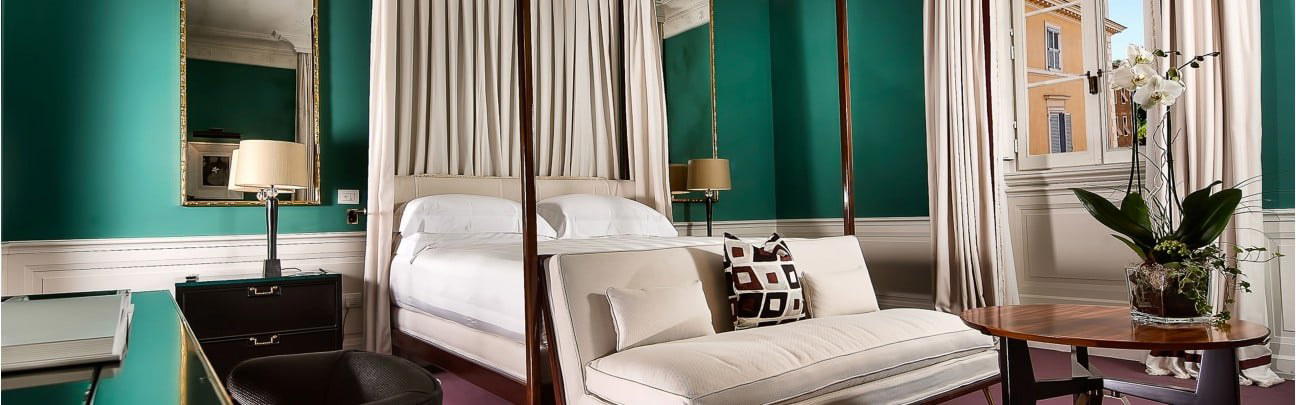
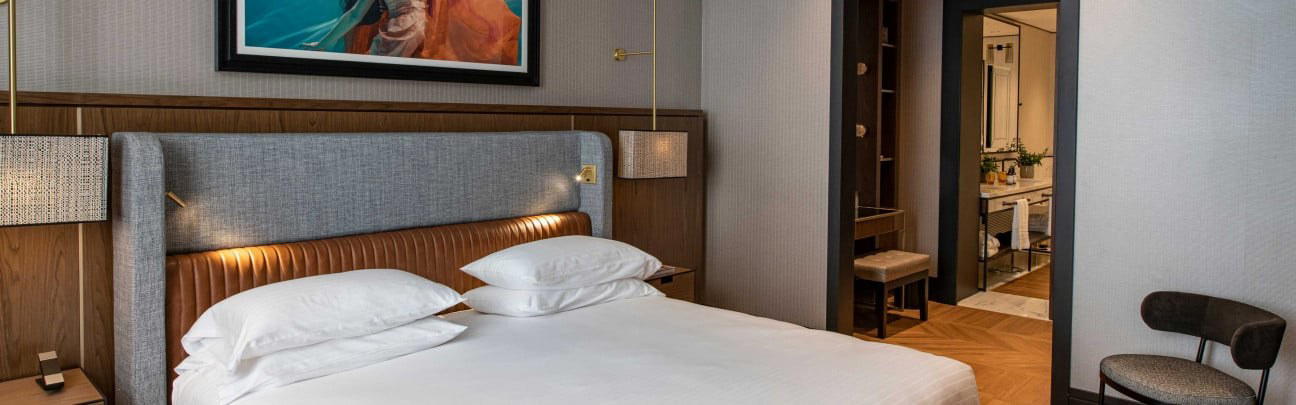
Hotels in Rome
Browse all →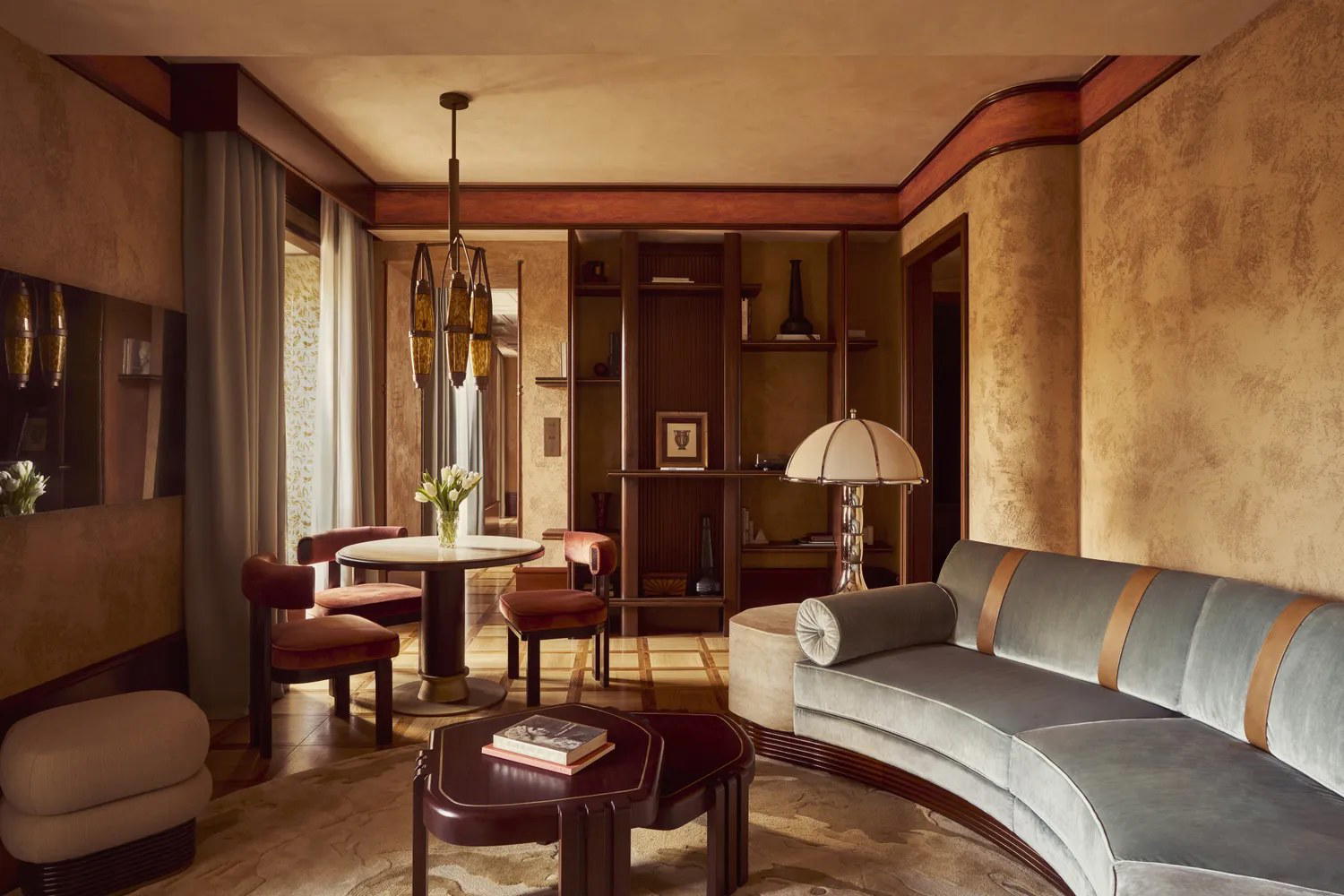
Bars in Rome
Browse all →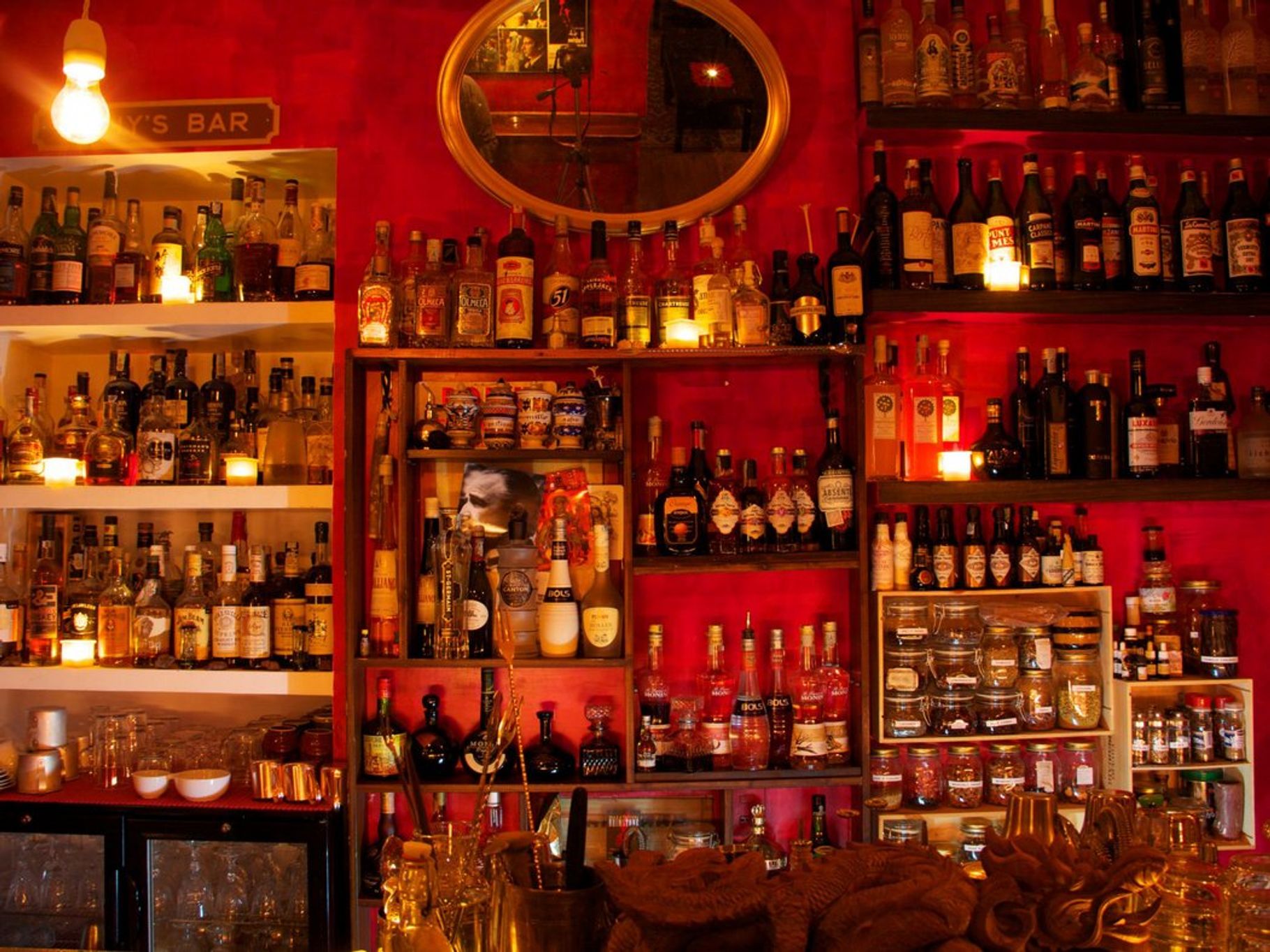
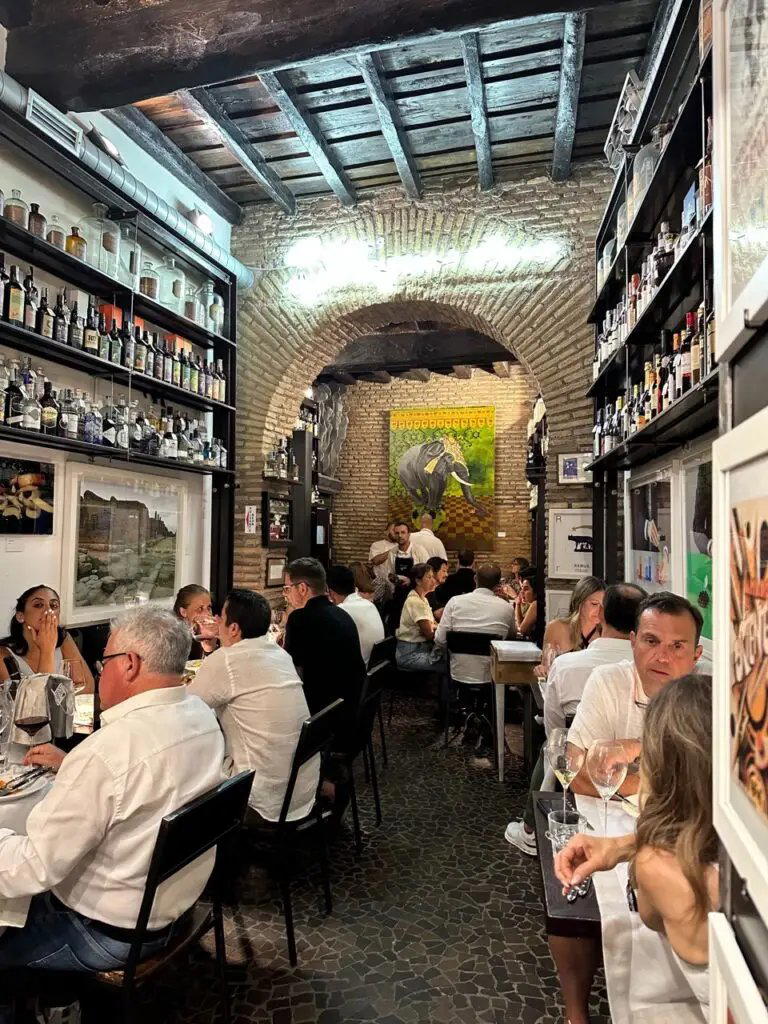
Restaurants in Rome
Browse all →

At a Glance
- Modern
- Trendy
- Elegant
- Intimate
- Sophisticated
- Minimalist
- Romantic Getaway
- Anniversary
- Weekend Escape
- Historic Building
- Design Destination
- Terrace
- Wi Fi
- Room Service
- Concierge
- Laundry Service
- Street Scene
- Wi Fi
- Room Service
- Concierge
- Laundry Service
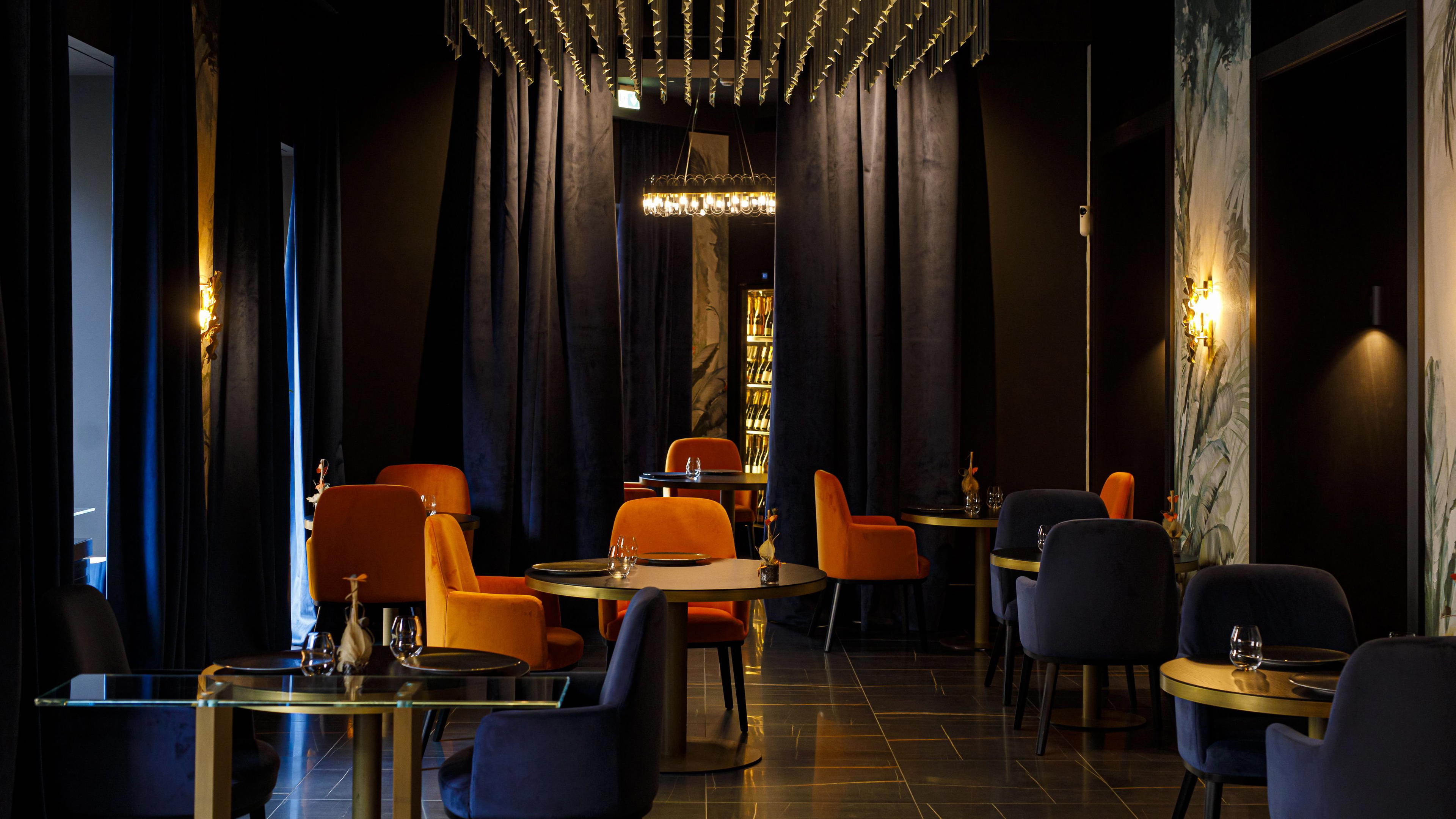
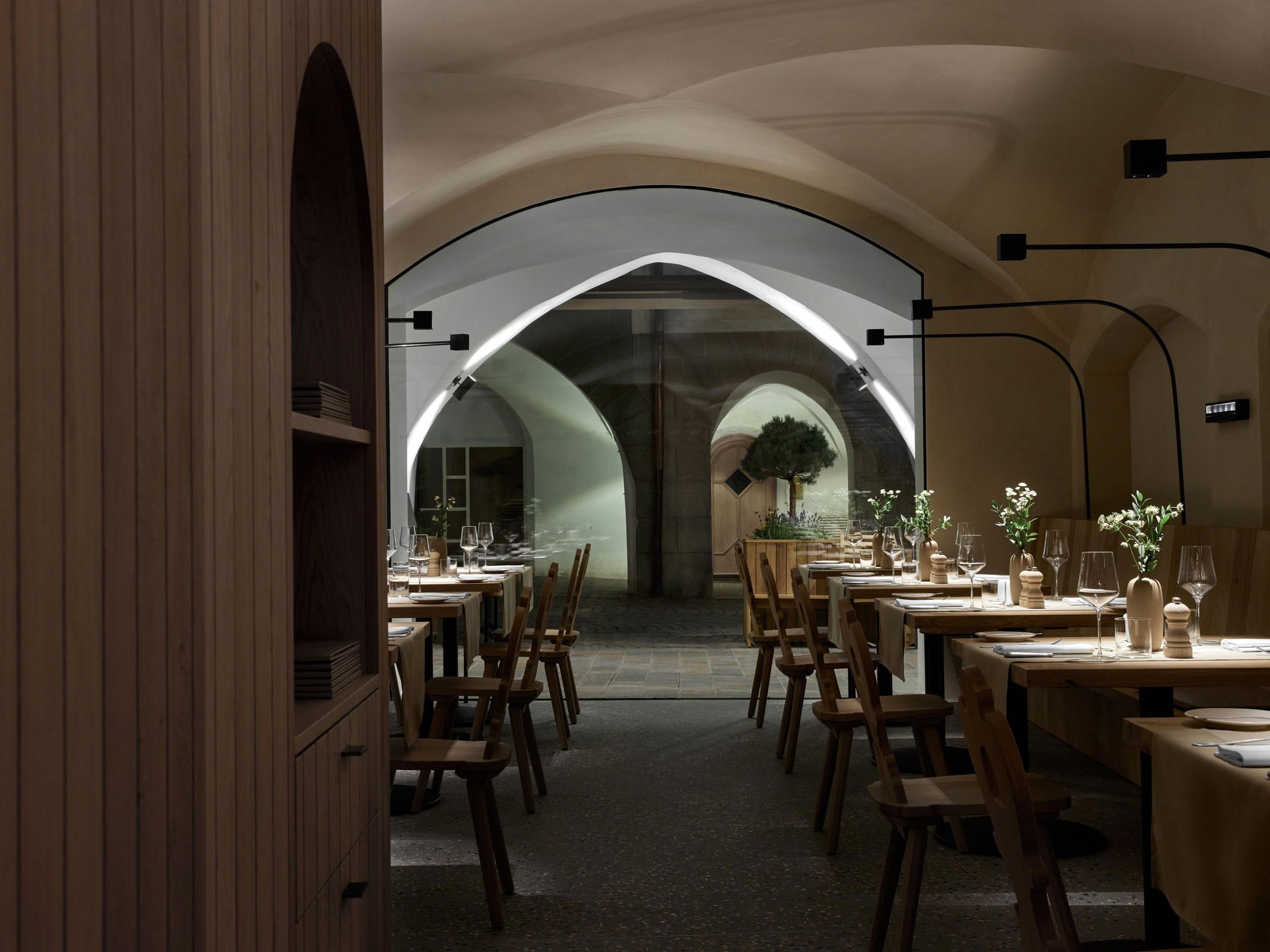
Eclectic mix of vintage furniture and curated decor creating a stylish, character-filled atmosphere with lively bar evenings.