Gran Meliá Dubai
Gran Meliá Dubai sits inside a city where hotel choice is increasingly a design decision, not only a question of beach, skyline, or brand scale. With public record data currently limited, it is best assessed against Dubai’s broader luxury hotel scene: architectural ambition, service density, neighbourhood fit, and how clearly a property defines its reason to stay.

Pearl is the En Primeur Club membership app — saves, bookings, and concierge access live there. Same editors, same standards.
- Address
- Dubai, United Arab Emirates
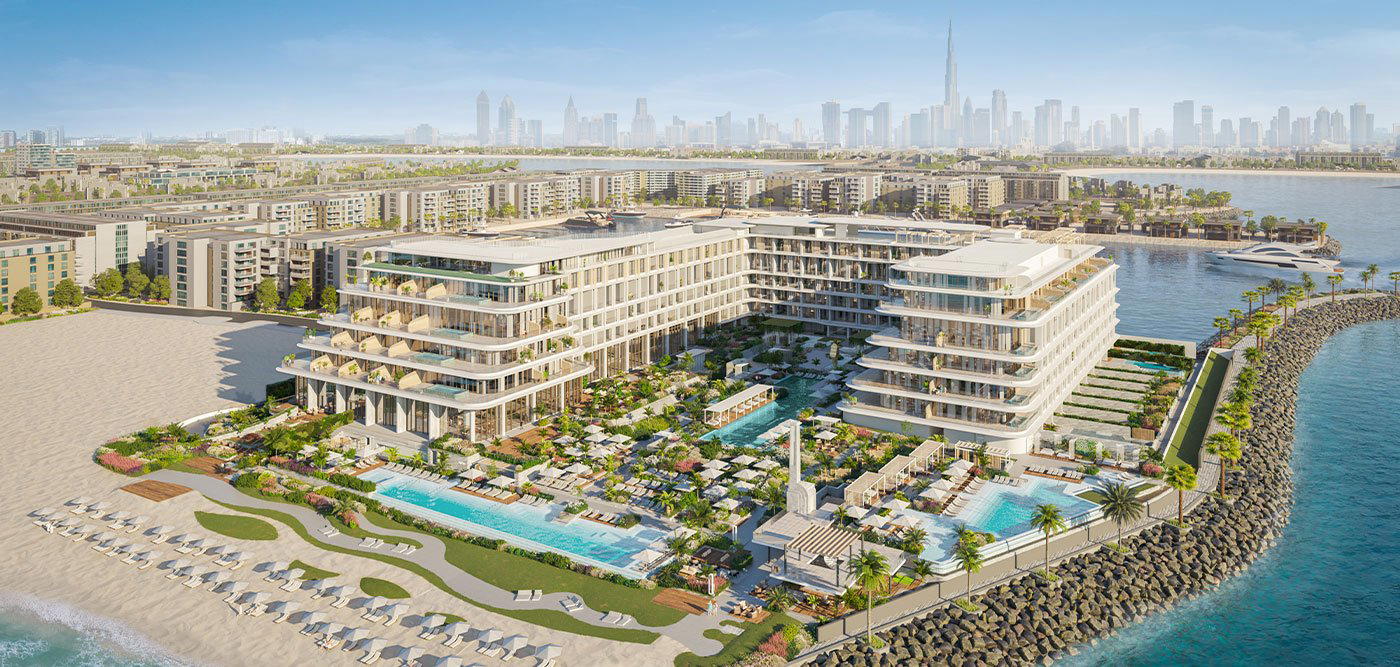
Dubai hotel design is now the first filter
Approaching a luxury hotel in Dubai usually begins before the lobby: a driveway sequence, a shift in temperature, a controlled view, the choreography of arrival. In this city, architecture is not background decoration. It tells guests what kind of Dubai they are buying into: beachfront theatre, downtown verticality, creek-side calm, resort scale, or design-led urban living. Gran Meliá Dubai enters that conversation in a market where new hotels are judged as much by spatial identity as by room count or brand familiarity.
That absence matters editorially. In Dubai, where hotel positioning often depends on precise neighbourhood, building form, and service format, missing public detail makes it difficult to place any property with the confidence used for fully documented hotels. The useful reading, then, is comparative: how a Gran Meliá flag should be assessed in Dubai’s design-heavy hotel market, and what travellers should verify before treating it as a fit for a particular trip.
The architectural question: spectacle, restraint, or brand theatre?
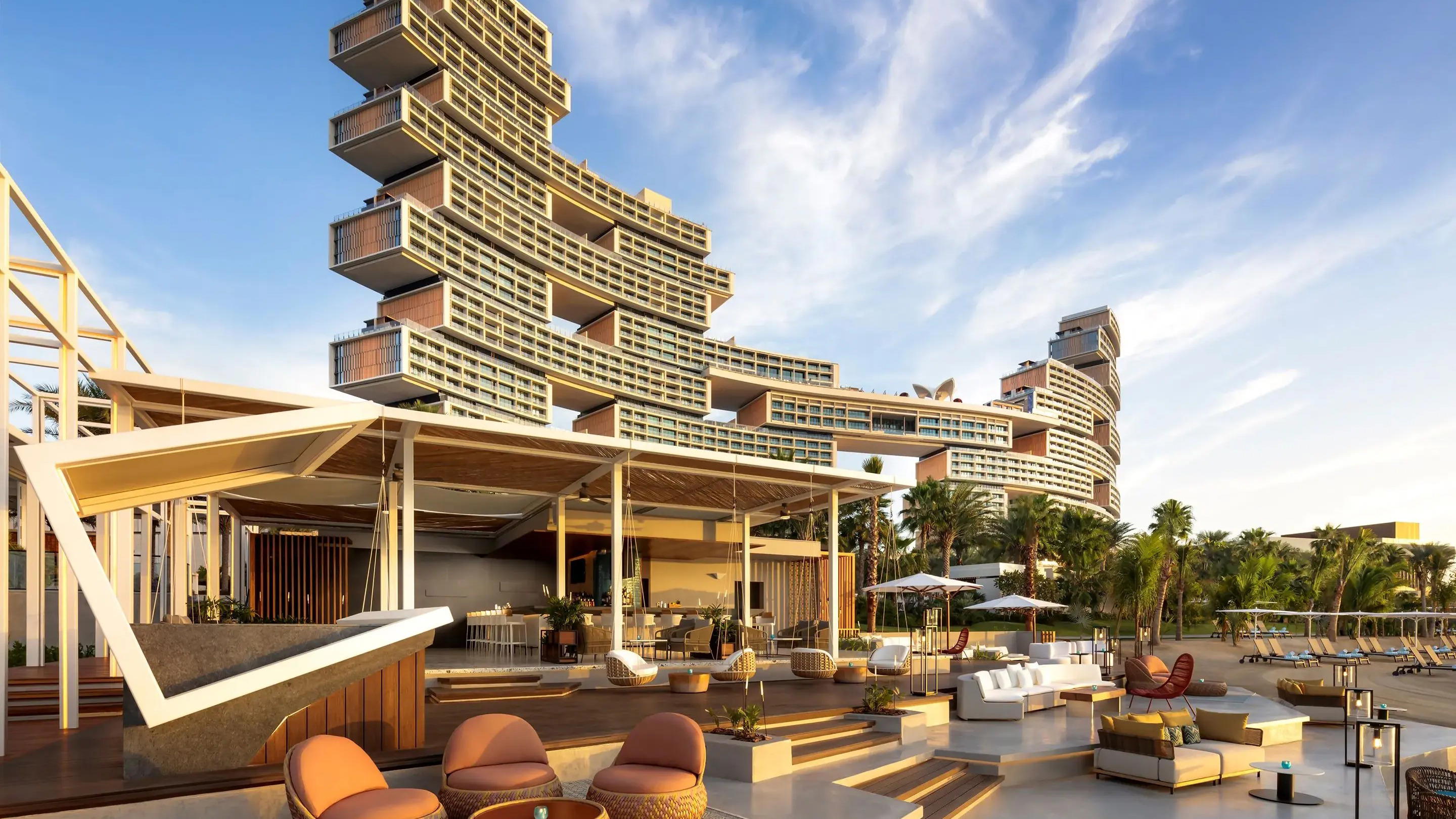
Dubai luxury has separated into several clear hotel types. There are large destination resorts built around scale and visual drama, such as Atlantis The Royal, where architecture becomes part of the city’s public image. There are maritime and resort-led properties such as Jumeirah Marsa Al Arab, where the building language is tied to shoreline presence. There are polished urban luxury addresses including The Lana, where the hotel works as a city base rather than a self-contained resort. Gran Meliá Dubai should be read against these peer sets rather than treated as a generic luxury label.
That limits any firm claim about architectural identity. The decision point for readers is therefore practical and visual: confirm whether the property’s physical setting matches the trip. A Dubai stay behaves differently if it is built around beach access, DIFC dining, Downtown retail, Business Bay meetings, or a resort compound designed to reduce movement around the city.
Design-led hotel writing often overstates personality when the hard facts are thin. The better test is less romantic: does the building solve a traveller’s day? In Dubai that means shade, arrival flow, lift capacity, pool placement, food and beverage access, car logistics, and distance from the districts that matter to the itinerary.
What the Dubai context tells you
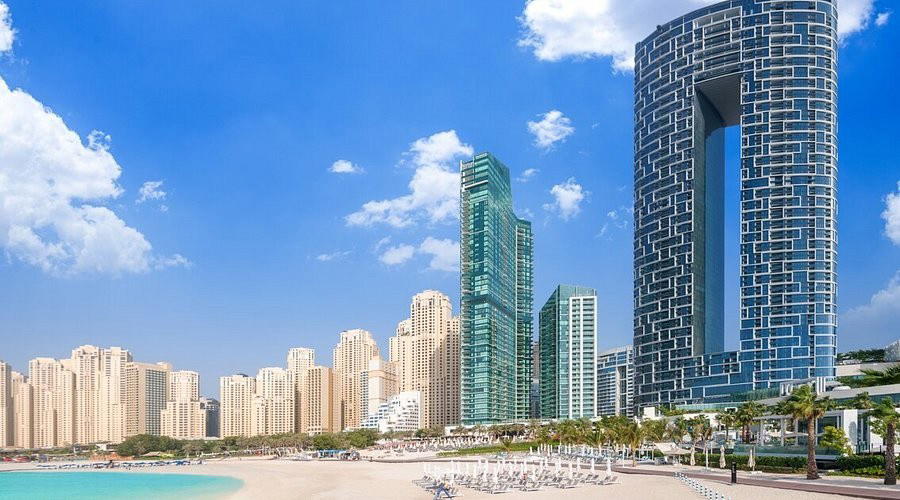
Dubai’s hotel market is unusually competitive because it has several mature luxury zones rather than a single central hotel quarter. Downtown and Business Bay suit skyline-driven trips and restaurant access. Jumeirah and the Palm lean toward resort days, pools, and beach time. Dubai Creek and newer waterside districts offer a different rhythm, often calmer in tone. One Central and the Trade Centre area work for business travel and short urban stays, a role illustrated by 25hours Hotel Dubai One Central. Marina and JBR operate with heavier leisure energy, where Address Beach Resort is part of a high-rise beachfront cluster.
This matters because a hotel name alone does not answer the Dubai question. A property can be luxurious yet inconvenient for a specific itinerary if the district is wrong. Address-led comparisons make that point clearly: Address Downtown speaks to mall, fountain, and Burj Khalifa proximity, while Address Creek Harbour belongs to a newer waterside rhythm. Address Beach Resort Fujairah shifts the calculation outside the Dubai city grid entirely. Gran Meliá Dubai needs the same treatment: not merely asking whether it is luxurious, but asking which version of the UAE trip it supports.
The city also rewards travellers who separate room design from hotel ecosystem. A handsome room matters less if restaurants require long transfers, if pool space feels mismatched to peak-season demand, or if business guests lose time to road patterns. Conversely, a hotel with quieter architecture can be the sharper choice when it reduces friction. Until published data confirms the property’s precise facilities, the editorial stance is conservative: judge it through location, verified amenities, and the consistency of its public operating details.
Dining, drinking, and the hotel as a base
Dubai hotels are rarely just places to sleep. Much of the city’s restaurant and bar culture is hotel-based, a legacy of licensing rules, international hotel investment, and the way luxury developments package dining into the guest experience. No specific claim should be made without those details.
What can be said with confidence is that Dubai travellers should assess hotel dining by occasion and access. A resort restaurant may be useful for a slow evening when leaving the property adds cost and time. A city hotel needs stronger links to the surrounding dining map. For broader planning, Our full Dubai restaurants guide gives the better citywide view, while Our full Dubai bars guide helps separate hotel lounges, cocktail rooms, and late-night addresses. Travellers building a longer itinerary can cross-check the stay against Our full Dubai experiences guide and, where relevant, Our full Dubai wineries guide.
The useful comparison is not whether a hotel has restaurants, but whether its dining reduces decision fatigue. Dubai has enough strong hotel dining that a weak in-house program can feel exposed. If Gran Meliá Dubai publishes named restaurant concepts, chef partnerships, or awards later, those data points will materially change its position in the city’s hotel hierarchy. For now, the absence of verified culinary detail keeps the assessment focused on the broader stay architecture.
How it compares with UAE resort alternatives
Dubai is only one version of UAE luxury. For travellers interested in architectural setting over city access, the comparison often extends beyond the emirate. Anantara Qasr al Sarab Desert Resort in Liwa Desert is part of a desert-resort category where remoteness and landscape-specific design define the stay. Telal Resort Al Ain in Al Ain and Bateen Liwa Resort in Mzeer Ah speak to a different pace than Dubai’s urban hotel circuit. Island and coastal formats add another layer: Anantara Sir Bani Yas Island Al Yamm Villa Resort in Abu Dhabi, Anantara Sir Bani Yas Island Al Sahel Villa Resort in Sir Bani Yas Island, and Anantara Santorini Abu Dhabi Retreat in Ghantoot all shift the value proposition toward retreat structure rather than city adjacency.
That comparison helps define the likely reader decision. If the trip is built around Dubai restaurants, shopping, art spaces, meetings, or nightlife, a city hotel has the advantage. If the point is spatial decompression, privacy, and a setting that slows the schedule, the wider UAE resort field may be a stronger match. Al Badayer Retreat by Sharjah Collection in Sharjah, Mövenpick Resort Al Marjan Island in Ras al Khaimah, and Fairmont Ajman in Ajman show how quickly the UAE hotel conversation changes once the stay moves away from Dubai’s central grid.
Internationally, design-led grand hotels also provide useful benchmarks. The Fifth Avenue Hotel in New York City, Hôtel de Paris Monte-Carlo in Monte Carlo, and Badrutt's Palace Hotel in St. Moritz demonstrate another rule: mature luxury hotels are remembered through a combination of location, spatial identity, service culture, and public reputation. Gran Meliá Dubai has to earn that reading through documented detail, not brand assumption.
Planning notes before committing
In practical terms, that means travellers should verify the basics directly before making plans: the exact location within Dubai, whether the hotel is open for the intended dates, which room categories are bookable, what facilities are operating, and whether rates include breakfast, taxes, resort fees, or transfer arrangements. This is not a minor administrative step in Dubai, where the wrong district can add meaningful travel time across a multi-day stay.
Advance booking is sensible for Dubai during peak travel periods, especially the cooler months from roughly November through March, major holiday weeks, and large trade-fair windows. That is general city intelligence rather than a property-specific policy. Because no booking channel is listed in the record, the safest approach is to confirm through an official hotel channel once published, then compare against the broader market in Our full Dubai hotels guide. Price should also be judged against the confirmed room type and location, not against the brand name in isolation.
For now, Gran Meliá Dubai belongs on a watchlist for travellers who value design positioning and Spanish luxury-brand context, but the final decision should wait for verifiable detail. Dubai rewards precision. A hotel can be visually persuasive and still be the wrong base if the itinerary points elsewhere.
In Context
Comparable venues nearby, for context on price, style, and recognition.
| Venue | Cuisine | Price | Awards | Notes |
|---|---|---|---|---|
| Gran Meliá DubaiThis venue — the venue you are viewing | Not listed | Not listed | Not listed | Not listed |
| Ciel Dubai Marina | Not listed | Not listed | Not listed | Dubai Marina, Architectural landmark redefining luxury hospitality with innovative design and superlative height. |
| Mandarin Oriental Downtown, Dubai | Al Wasl, contemporary urban luxury tower | $500–750 | 1 Michelin Key · Travel + Leisure It List Hotels | Not listed |
| Bab Al Shams, A Rare Finds Desert Resort, Dubai | Not listed | $300–500 | 1 Michelin Key · Tablet Hotels Top 40 New Hotels #4 | Margham, Contemporary classic with mod-Moorish design, blending vernacular Arabic architecture with sleek modern luxury and minimalist aesthetics. |
| Marriott Resort Palm Jumeirah, Dubai | Not listed | $300–500 | World Luxury Hotel Awards WLHA Continent Winner | Palm Jumeirah, Luxurious beachfront resort with modern comforts and private beach access |
| Nikki Beach Resort & Spa | Not listed | $300–500 | Michelin Selected · Virtuoso Luxury Hotel Partner | Pearl Jumeira, Luxury beachfront resort with contemporary barefoot luxury. |
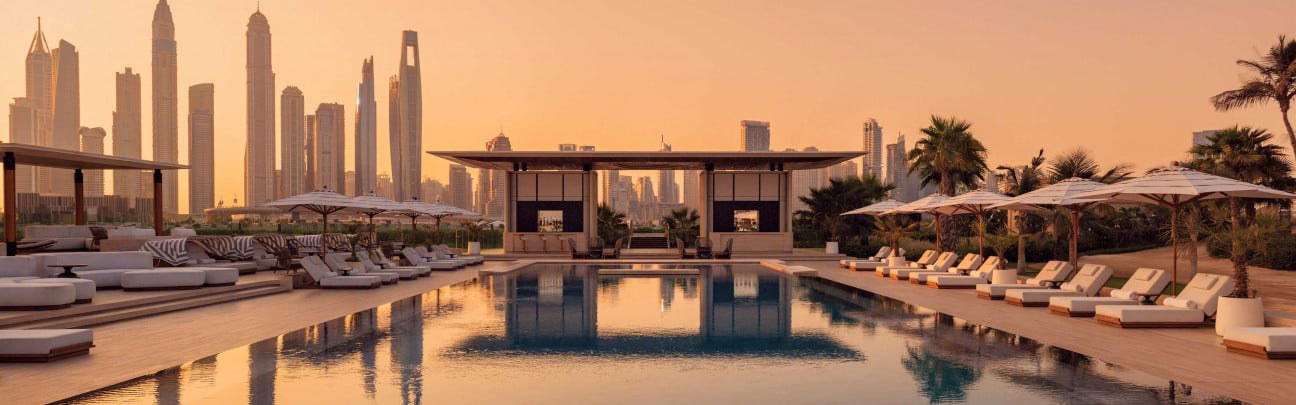
Details
- Elegant
- Modern
- Scenic
- Sophisticated
- Ornate
- Honeymoon
- Romantic Getaway
- Family Vacation
- Business Trip
- Weekend Escape
- Group Retreat
- Beachfront
- Waterfront
- Design Destination
- Panoramic View
- Terrace
- Business Center
- Beach Access
- Waterfront
- Skyline
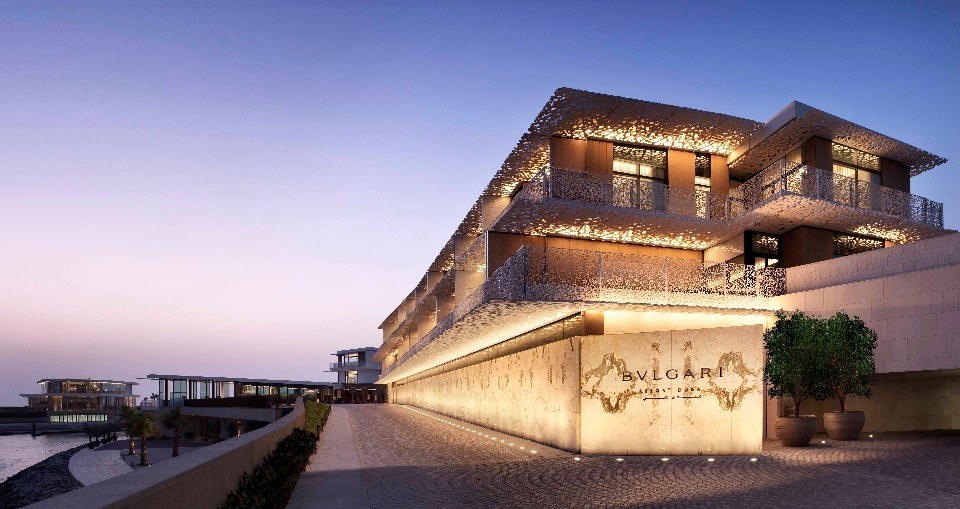
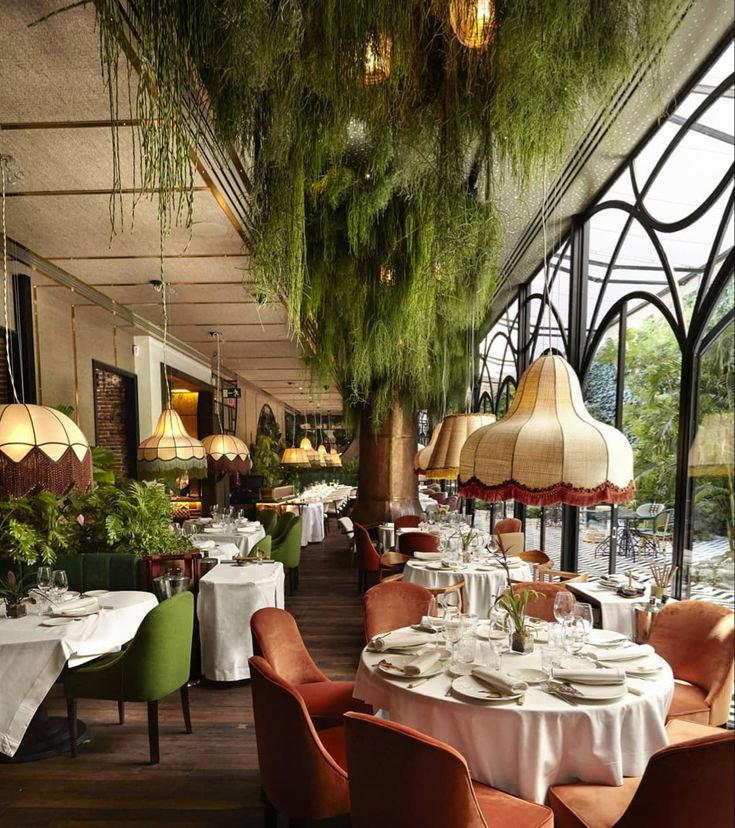
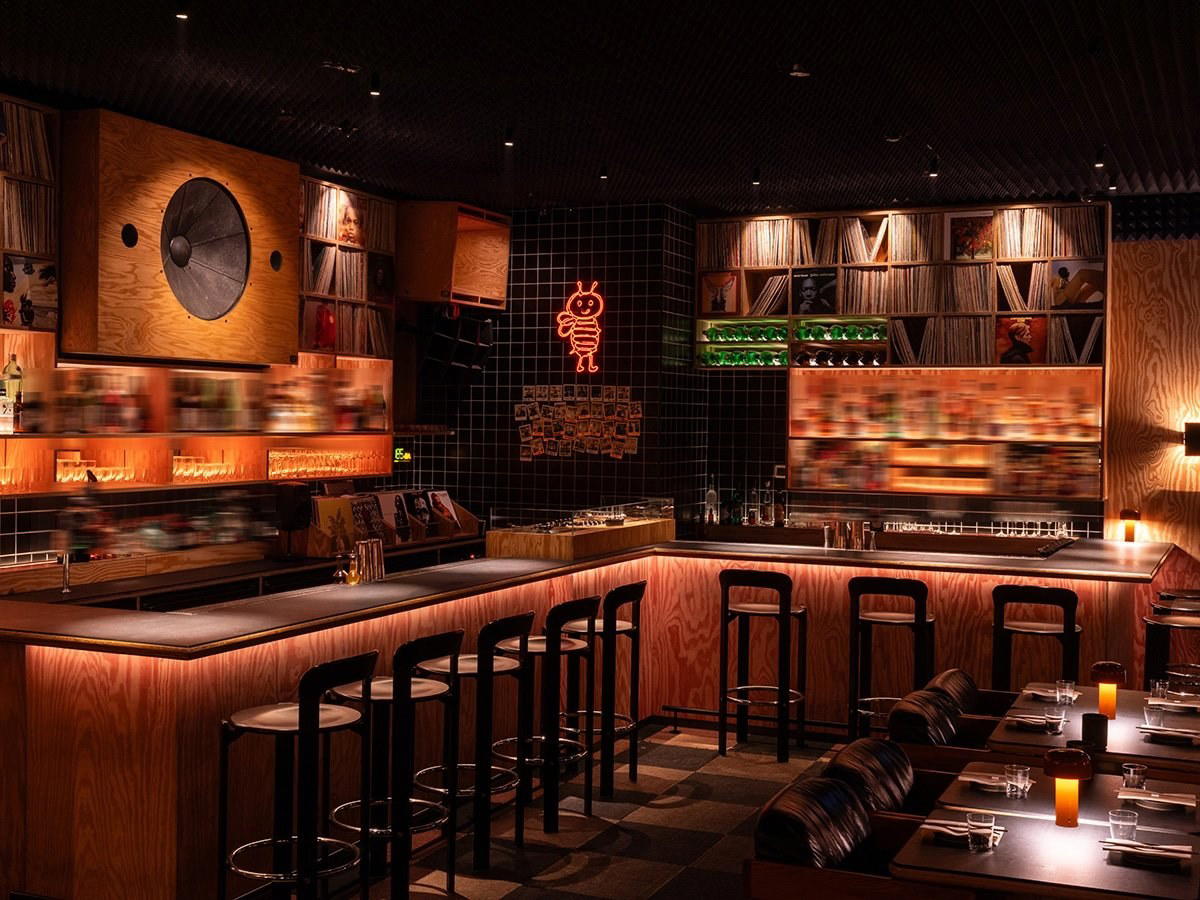
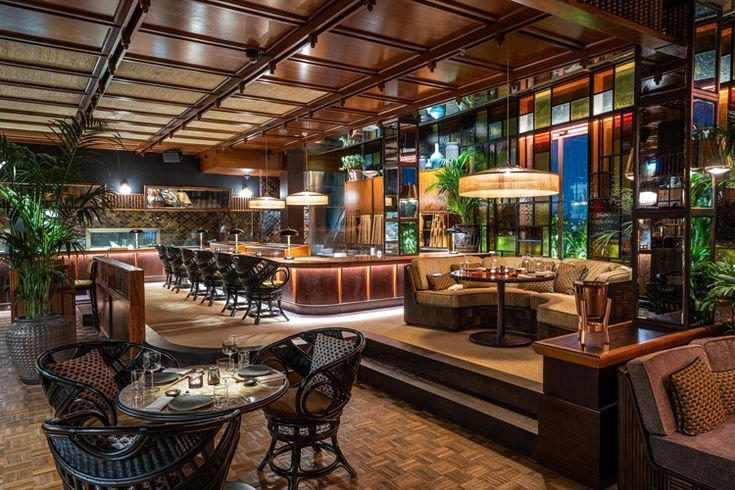
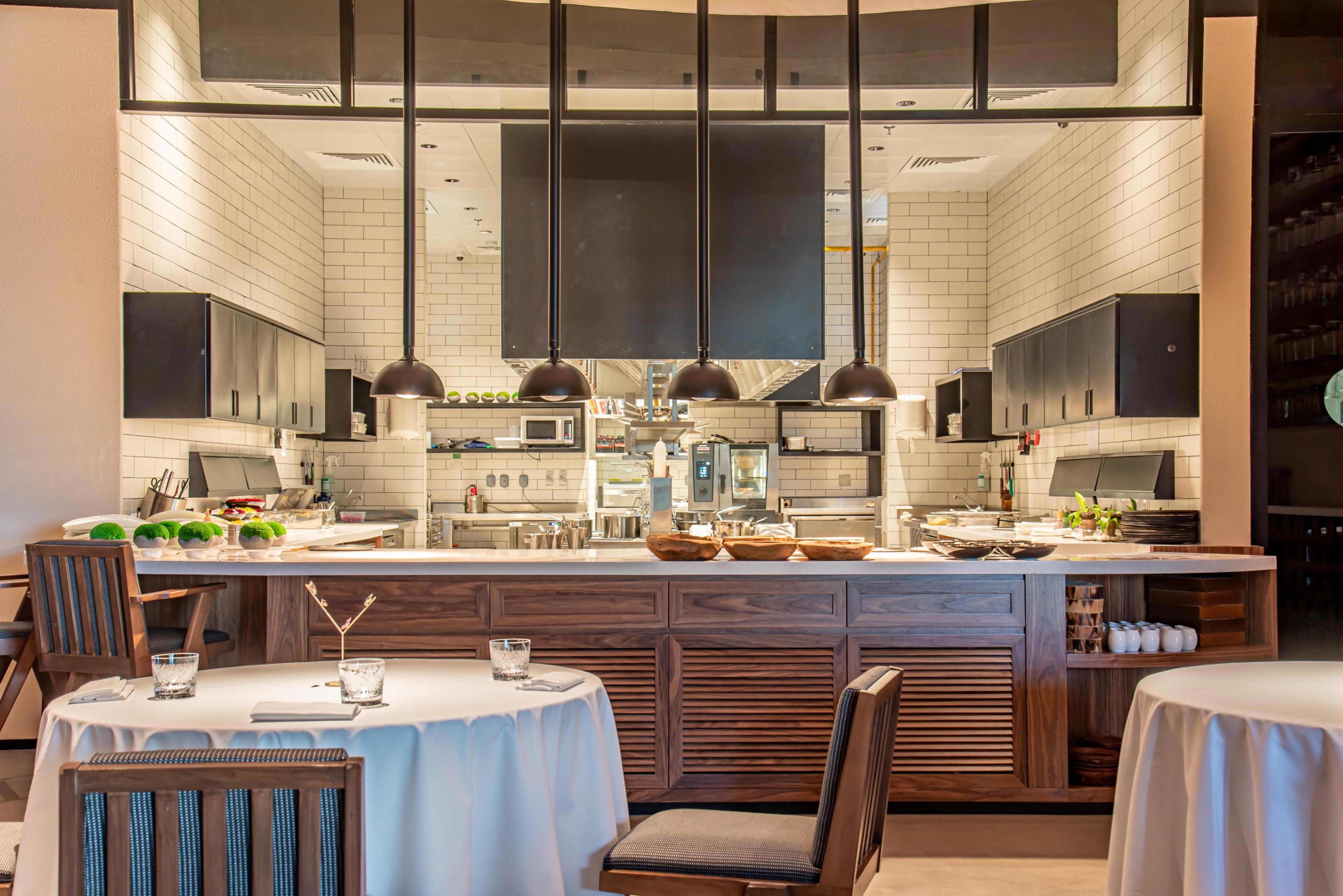
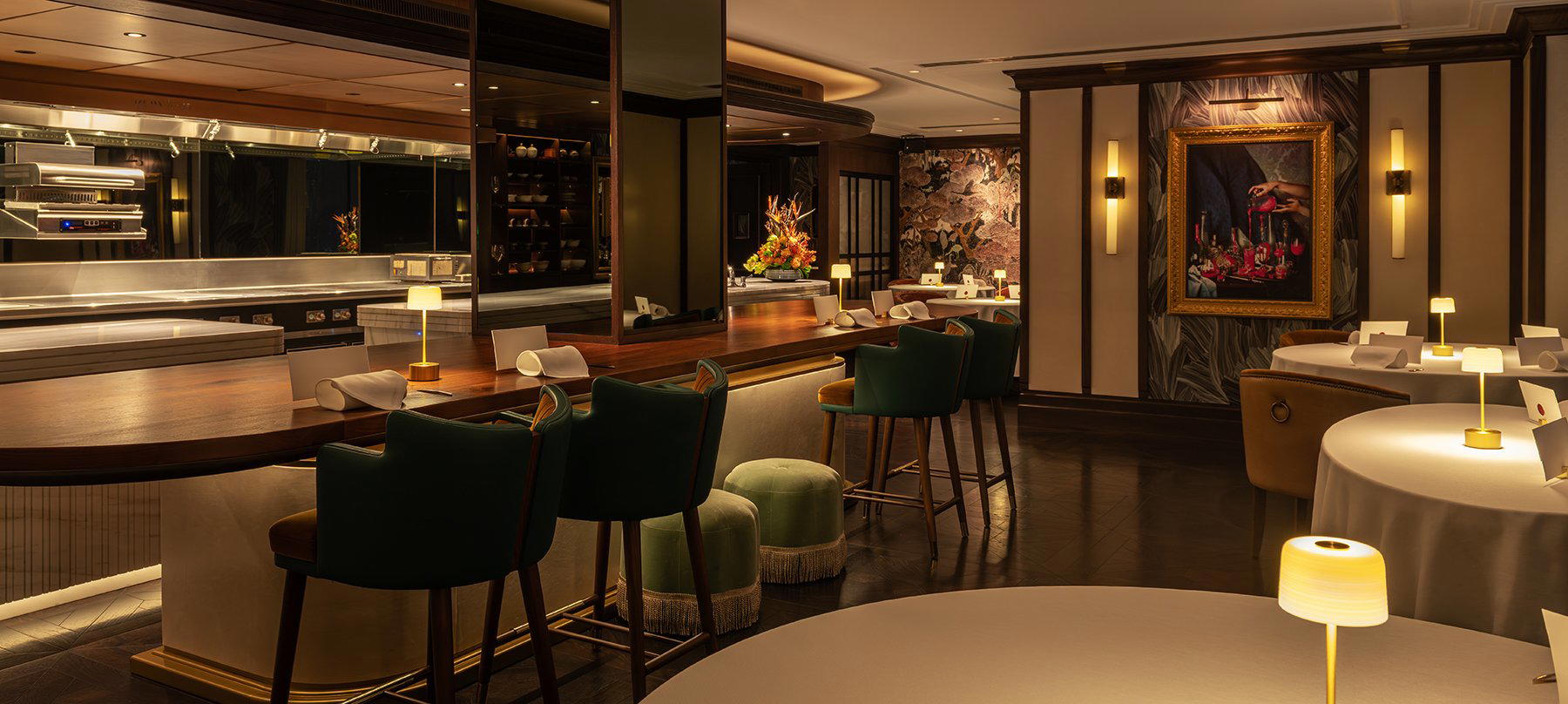
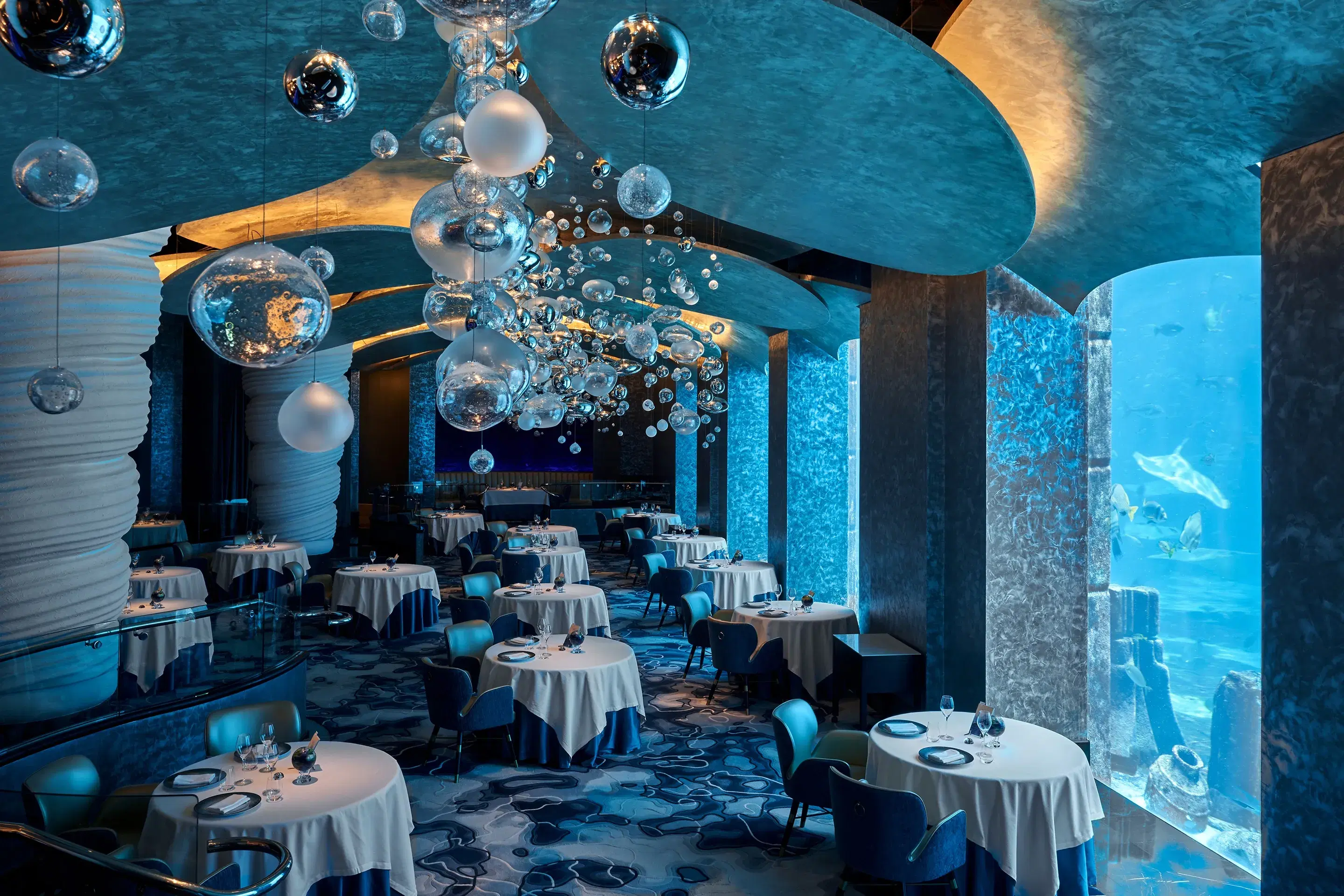
A Mediterranean-inspired luxury resort atmosphere that blends movement and tranquility, with flowing oyster‑inspired architecture opening toward the sea and a serene beachfront setting.