FZN by Björn Frantzén










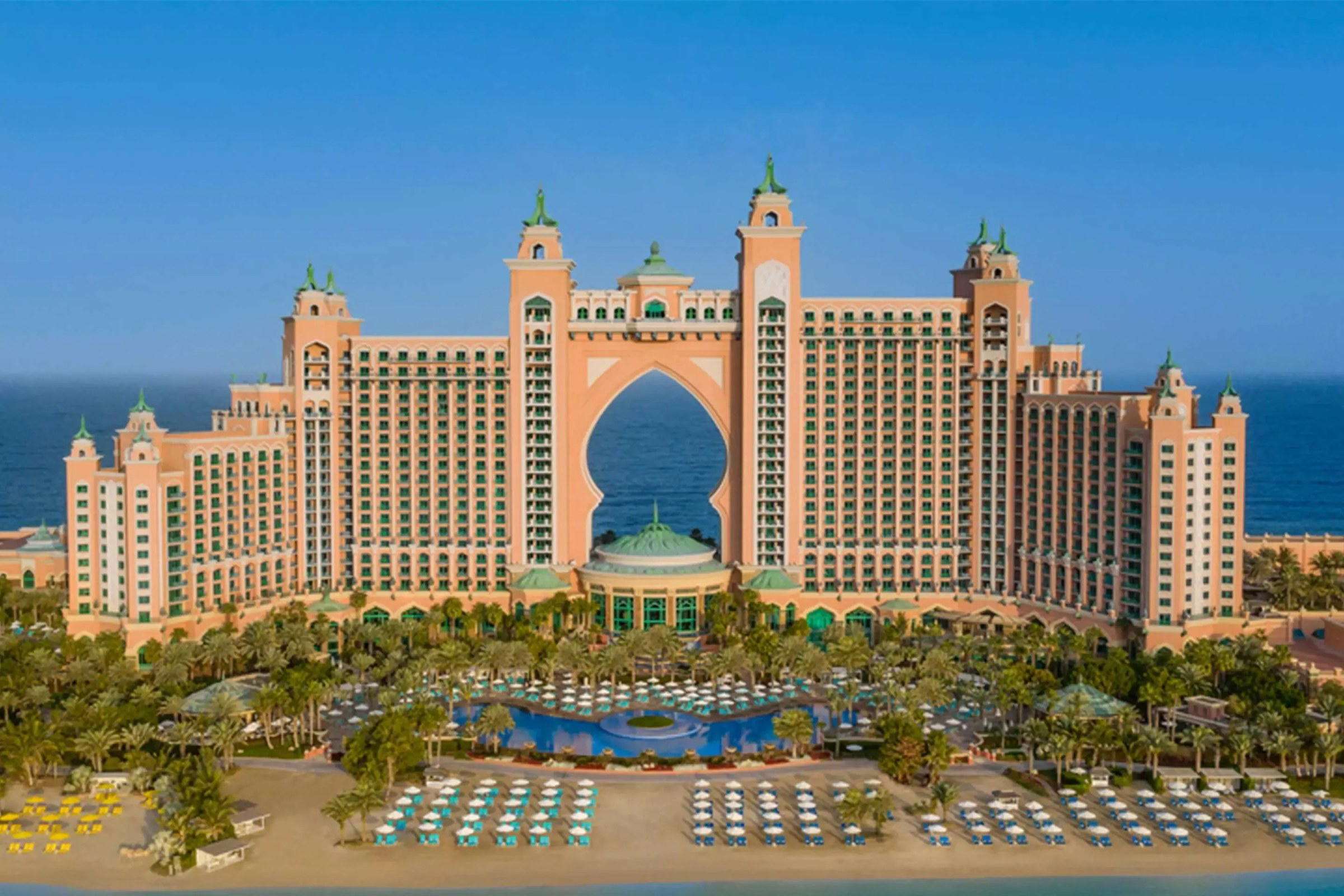
FZN by Björn Frantzén holds three Michelin stars at Atlantis, The Palm, placing it among Dubai's most formally recognised fine-dining addresses. Led by chef Torsten Vildgaard, the restaurant runs a nine-course tasting menu that draws on modern European technique with Japanese influences. La Liste ranked it at 97 points in 2026, and its wine program has maintained a top-15 position on Star Wine List throughout 2025.
Pearl is the En Primeur Club membership app — saves, bookings, and concierge access live there. Same editors, same standards.
- Address
- Crescent Rd - The Palm Jumeirah - Dubai - United Arab Emirates
- Phone
- +971 50 107 6322
- Website
- restaurantfzn.com
- Directions
- Get directions
 Saves & bookings on Pearl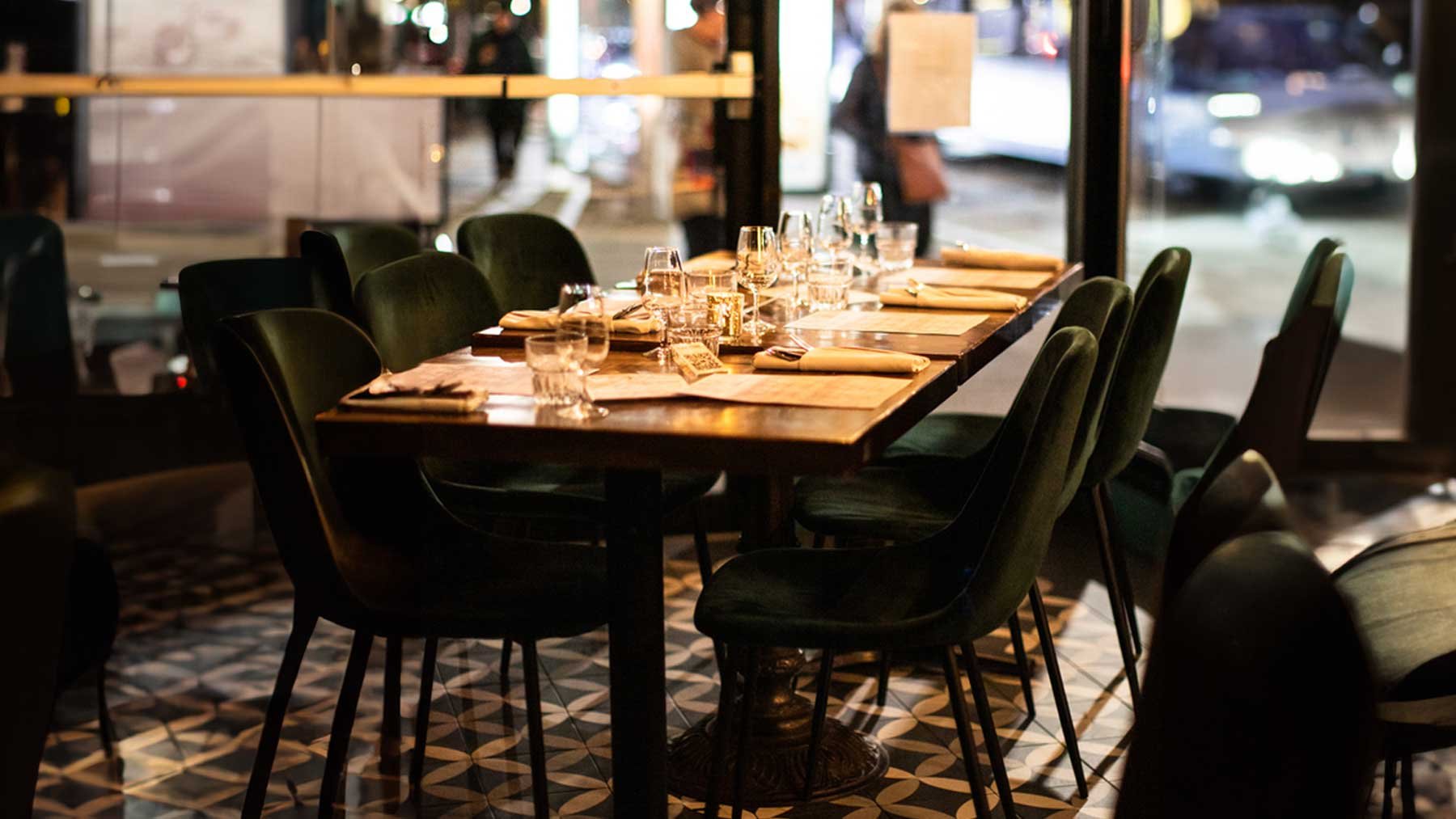
The Approach to Fine Dining on the Palm
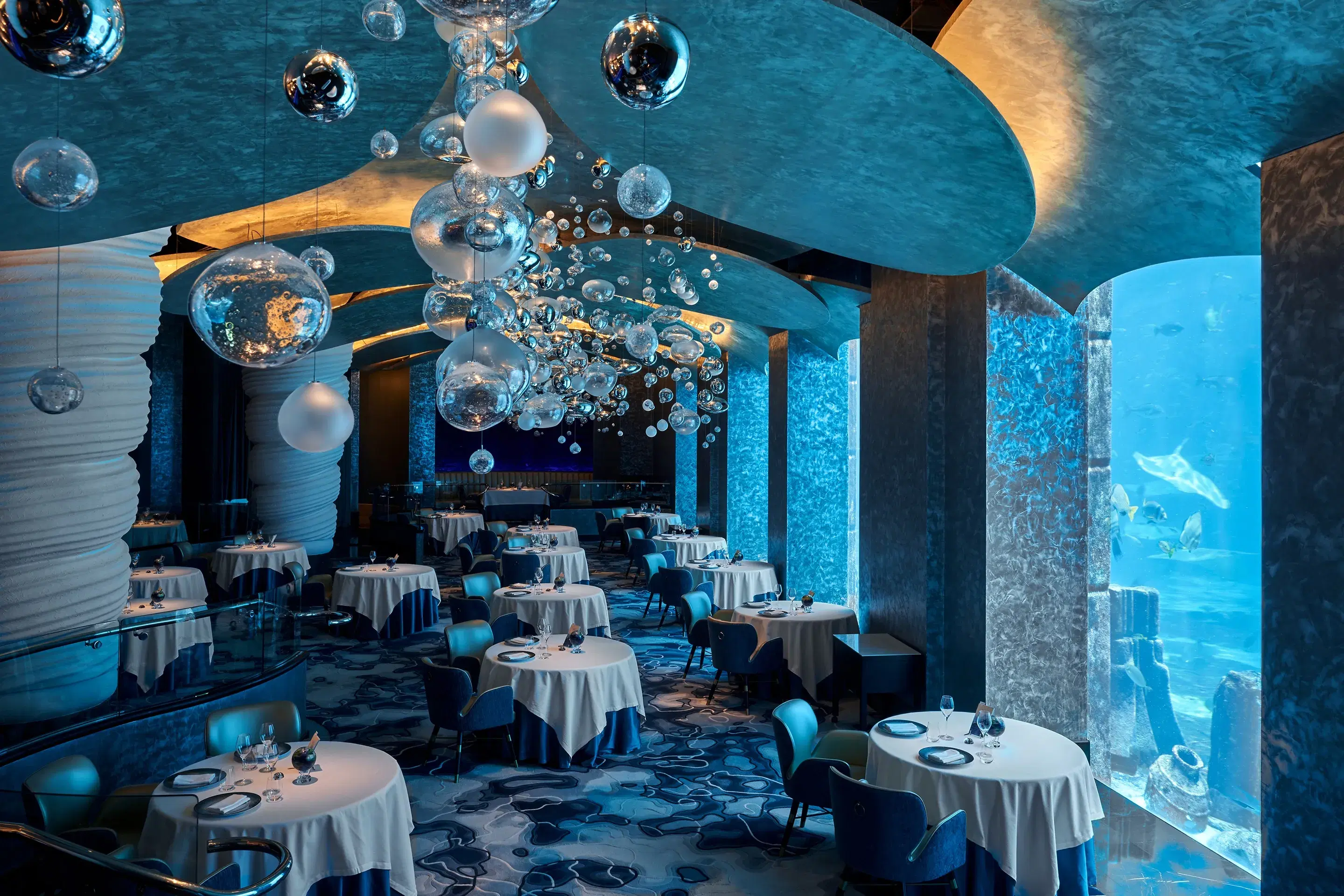
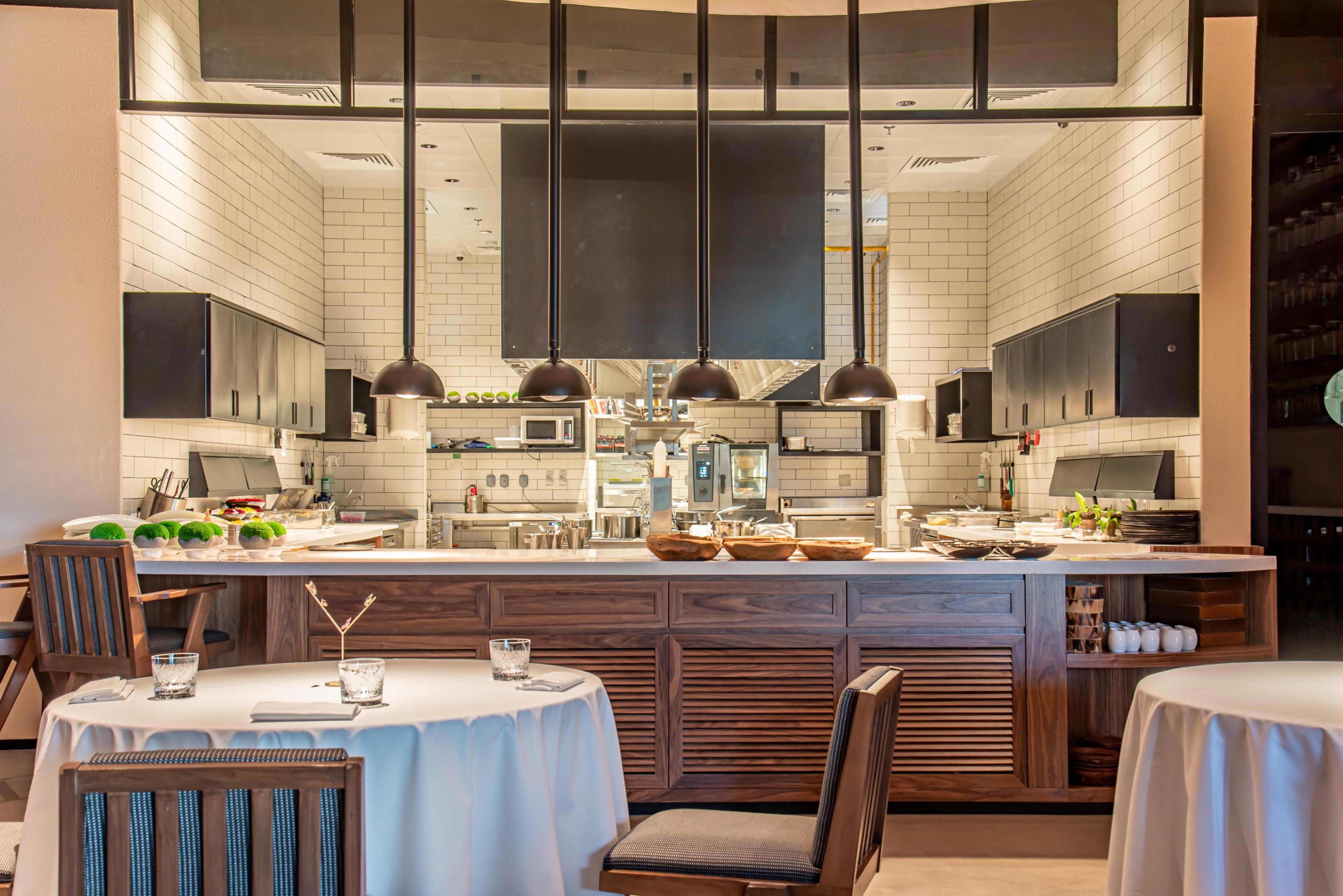
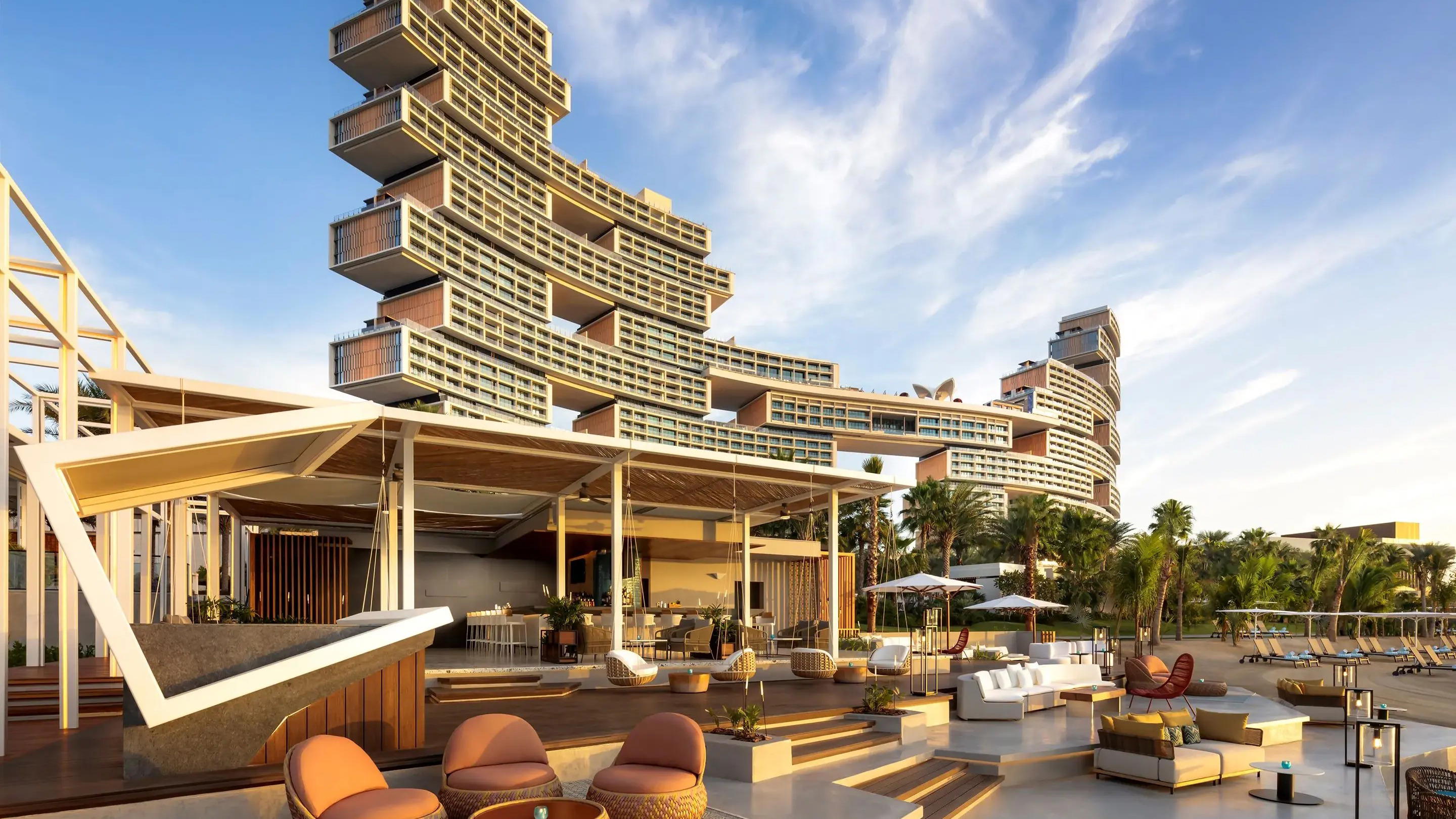
The Palm Jumeirah's crescent road is an unusual address for a three-Michelin-star restaurant. Most of Dubai's high-end dining clusters around Downtown or DIFC, where foot traffic and hotel density support the economics of formal tasting menus. Atlantis, The Palm operates differently: it draws destination diners already committed to a stay or a journey, which means the room at FZN by Björn Frantzén fills with people who have made an active decision to be there. That self-selection changes the atmosphere. The entry sequence, which moves guests through different preparation stations including the scallop station before reaching the main dining space, functions less as theatre and more as a deliberate decompression from the resort outside. Dubai's fine-dining scene has matured enough to support this kind of format, where the restaurant sets the pace rather than accommodating the city's speed.
For context on how FZN sits within Dubai's broader restaurant tier, see our full Dubai restaurants guide. Readers planning a wider trip can also reference our full Dubai hotels guide, our full Dubai bars guide, and our full Dubai experiences guide.
Lunch Versus Dinner: How the Two Services Differ
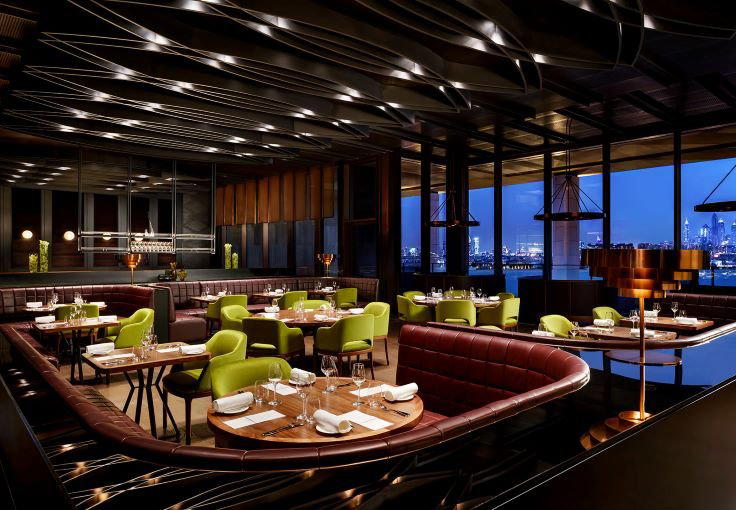
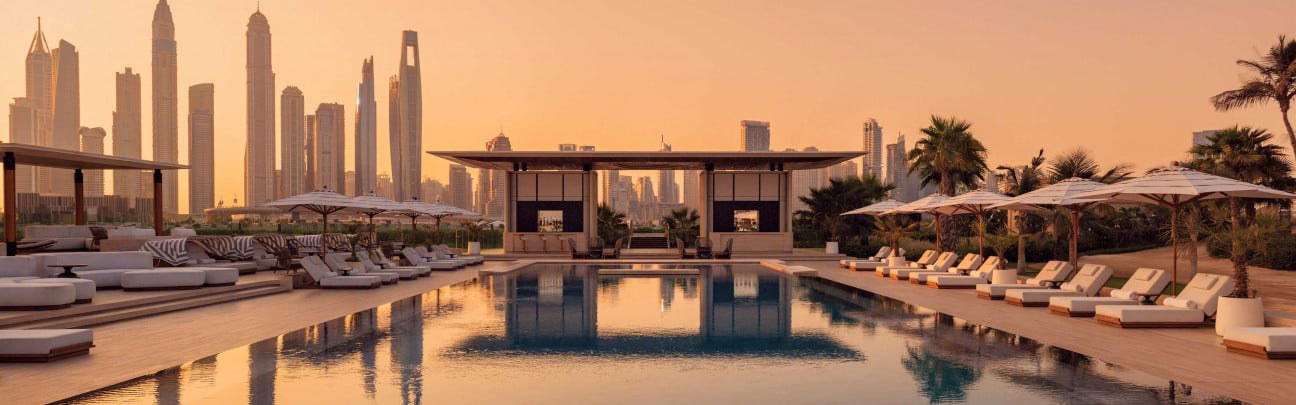
Dubai's leading tasting-menu restaurants tend to run their full-format experience exclusively at dinner, and FZN is consistent with that pattern. The nine-course menu is an evening proposition: the skyline views across Dubai's shimmer are calibrated to darkness, the pacing assumes a two-to-three-hour commitment, and the wine program, which has held a position in Star Wine List's top 15 every month through 2025, is designed to be worked through course by course rather than rushed over a midday hour.
Where lunch at comparable $$$$-tier venues in Dubai tends to offer abridged formats, lighter price exposure, or set menus designed for business use, a dinner at FZN operates as a single extended format. This is worth noting for planning purposes: unlike 11 Woodfire, which sits at the $$$ tier and runs a more flexible service structure, FZN commits its guests to the full sequence. The trade-off is a more controlled experience, where the kitchen's intentions are not diluted by format variation between services.
For diners who want high-end cooking with more daytime optionality, DUO Gastrobar at Creek Harbour or DUO Gastrobar at Dubai Hills operate at a different register but offer more scheduling flexibility.
The Menu's Culinary Position
Modern European tasting menus in the Gulf operate in a specific competitive context. The region's import logistics, seasonal produce constraints, and reliance on international supply chains mean that chefs running formal sequences here are working with different raw-material realities than their Stockholm or London counterparts. FZN's menu, which combines European technique with Japanese influence across nine courses, reflects a hybrid approach common among serious tasting-menu restaurants operating outside their source cuisine's geography.
The Frantzén network's Stockholm flagship, Frantzén in Stockholm, operates as the original reference point. FZN is not a replica of that model but a distinct concept led by chef Torsten Vildgaard. Within the Michelin framework, the distinction matters: the Dubai outpost earned its three stars on its own terms in 2025, rather than inheriting them. For comparison, restaurants such as Maison Lameloise in Chagny and Cracco in Galleria in Milan represent the European modern cuisine tier that FZN references formally, even if its physical context is very different.
The Japanese influence in FZN's cooking is not decorative. It informs ingredient handling, temperature, and sequencing in ways that align with a broader pattern in Dubai fine dining, where Nordic-Japanese crossovers have found a receptive audience among a travelling international clientele accustomed to both reference points.
Wine Program
A Michelin three-star wine list in a resort context faces a structural challenge: the cellar has to satisfy both destination diners who plan around wine and hotel guests for whom wine is secondary. FZN's wine program appears to have resolved this tension, based on its consistent Star Wine List recognition through all fifteen published rankings in 2025. That kind of sustained list-level consistency is unusual for a Gulf address, where import duties, storage logistics, and the complexity of operating in a non-wine-producing region create real constraints.
Diners interested in the wine dimension of Dubai dining can find further context in our full Dubai wineries guide.
FZN Within the Frantzén Ecosystem
The Frantzén brand in Dubai operates at two distinct tiers. Studio Frantzén Dubai represents the more accessible entry point in the portfolio, while FZN holds the formal fine-dining position. This two-tier structure is increasingly common among chefs building international presences: it allows the flagship to maintain format integrity while the secondary concept reaches a broader audience and tests a market's appetite for the brand.
For diners considering how FZN compares to other signature-chef formats in the region, Erth in Abu Dhabi offers a point of reference at the high end of the UAE dining tier, albeit with a very different cultural and culinary orientation. Globally, modern cuisine restaurants such as Trescha in Buenos Aires, Agli Amici in Godia, and Bartholomeus in Heist operate in the same broad modern European framework, though each within a very different geographic and market context. Azafrán in Mendoza provides another point of international comparison for readers tracking how modern cuisine translates across non-European contexts.
Peer Comparison: Planning at the $$$$-Tier in Dubai
| Venue | Cuisine | Price Tier | Key Recognition | Format |
|---|---|---|---|---|
| FZN by Björn Frantzén | Modern European / Japanese | $$$$ | Michelin 3 Stars (2025); La Liste 97pts (2026) | Nine-course tasting menu |
| City Social (Dubai) | Modern British / Modern Cuisine | $$$$ | Peer-tier fine dining | À la carte and set menu |
| Al Mahara | Seafood | $$$$ | Hotel fine-dining tier | À la carte |
| 11 Woodfire | Modern Cuisine | $$$ | Strong local recognition | Tasting menu |
Planning Your Visit
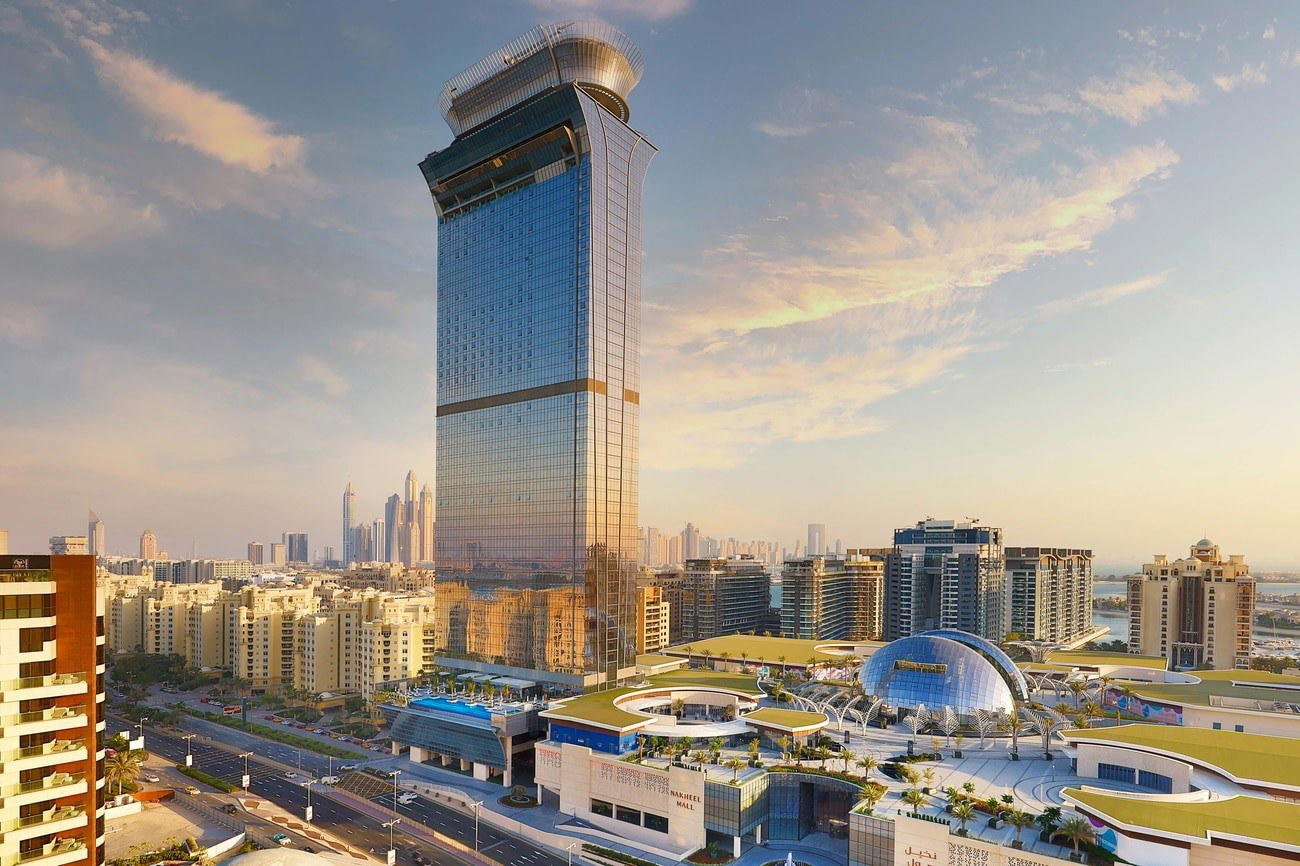
FZN sits within Atlantis, The Palm on Crescent Road, which is a 20-to-30-minute drive from central Dubai depending on traffic and point of origin. The Palm's location means it is not walkable from other dining districts, so an evening here is typically a dedicated trip rather than part of a broader neighbourhood circuit. Guests staying at Atlantis have an obvious convenience advantage; others should factor in travel time and return logistics, particularly given the length of the tasting menu experience.
La Liste's 2026 ranking of 97 points places FZN within the leading band of restaurants globally, and its three Michelin stars were awarded in 2025, meaning the recognition is current rather than legacy.
For reference, Teible represents a contrast at the more casual end of Dubai's serious-dining spectrum, for evenings where a lighter commitment suits the schedule better.
Nearby-ish Comparables
A short peer table to compare basics side-by-side.
| Venue | Cuisine | Price |
|---|---|---|
| FZN by Björn FrantzénThis venue — the venue you are viewing | Modern Cuisine | $$$$ |
| 11 Woodfire | Modern Cuisine | $$$ |
| Avatara Restaurant | Indian | $$$$ |
| Al Mahara | Seafood | $$$$ |
| Zuma | Japanese - Asian, Japanese, Japanese Contemporary | $$$ |
| City Social | Modern British, Modern Cuisine | $$$$ |
Recognition history
Dated appearances from independent guides and award organizations, with the underlying list record or original source where available.
Forbes 5-Star
Forbes
Gault & Millau UAE Selected Restaurant
Gault & Millau · Gault & Millau UAE 2026 - Selected Restaurant
La Liste Top Restaurants
La Liste
Opinionated About Dining Top Restaurants in Asia Ranked #25
Opinionated About Dining
Star Wine List
Star Wine List
Wine Spectator Best of Award of Excellence
Wine Spectator
World's 50 Best MENA's Best Restaurants #22
World's 50 Best
Michelin 3 Stars
Michelin
Star Wine List
Star Wine List
The Best Chef Two Knives
The Best Chef
World Culinary Awards World's Best New Hotel Restaurant 2025 #1
World Culinary Awards
World Culinary Awards Middle East's Best New Hotel Restaurant 2025 #1
World Culinary Awards
At a Glance
- Elegant
- Intimate
- Sophisticated
- Modern
- Special Occasion
- Celebration
- Date Night
- Chefs Counter
- Open Kitchen
- Wine Cellar
- Private Dining
- Extensive Wine List
- Sommelier Led
- Farm To Table
- Sustainable Seafood
Current opening hours
- Monday
- Closed
- Tuesday
- 7 PM–1 AM
- Wednesday
- 7 PM–1 AM
- Thursday
- 7 PM–1 AM
- Friday
- 7 PM–1 AM
- Saturday
- 7 PM–1 AM
- Sunday
- Closed
Hours can change for holidays and private events. Last verified .
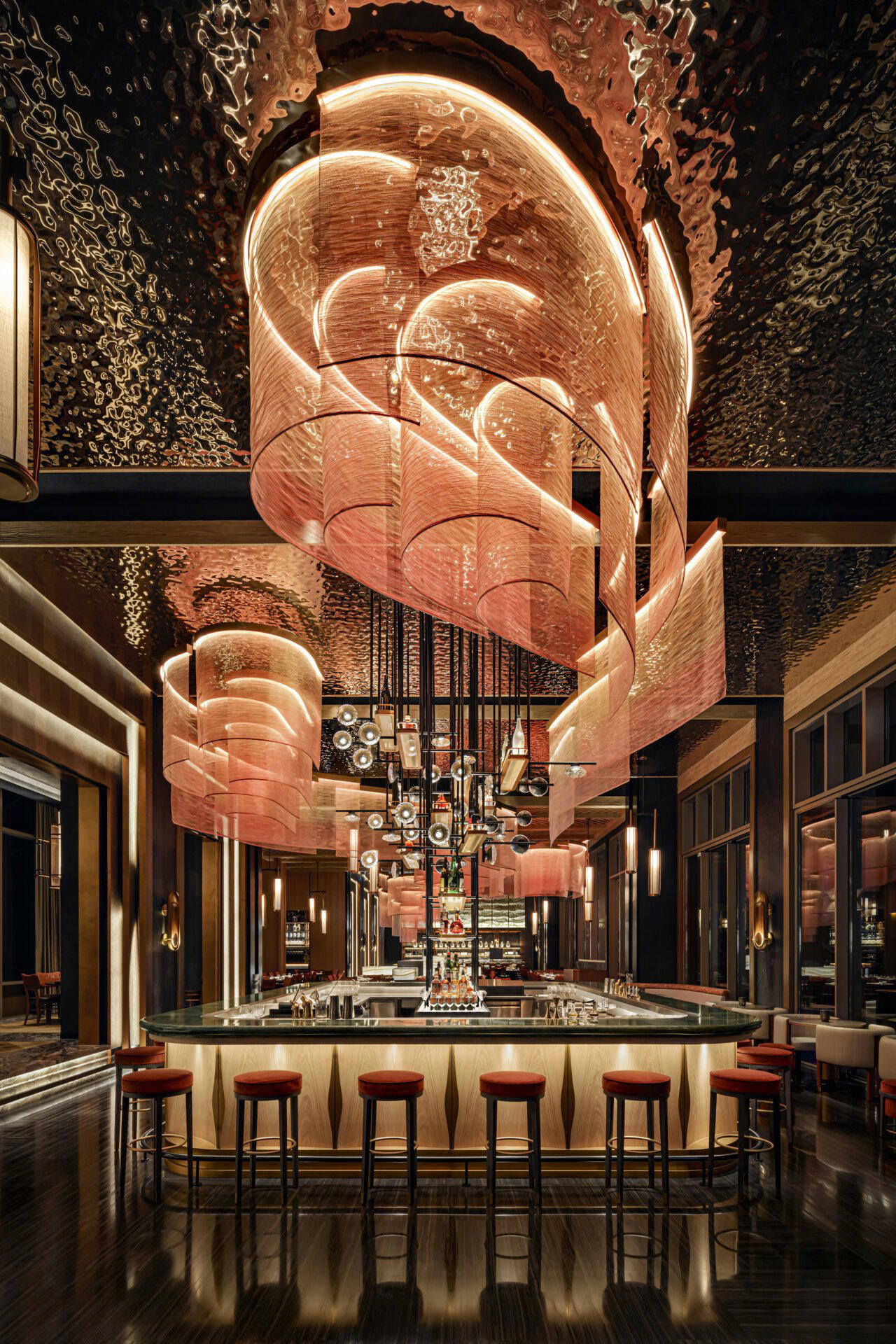
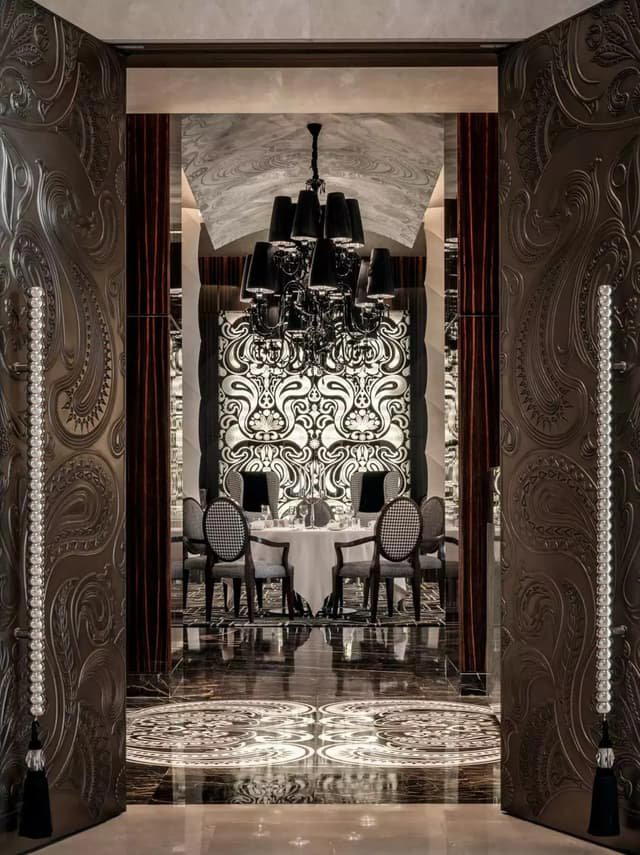
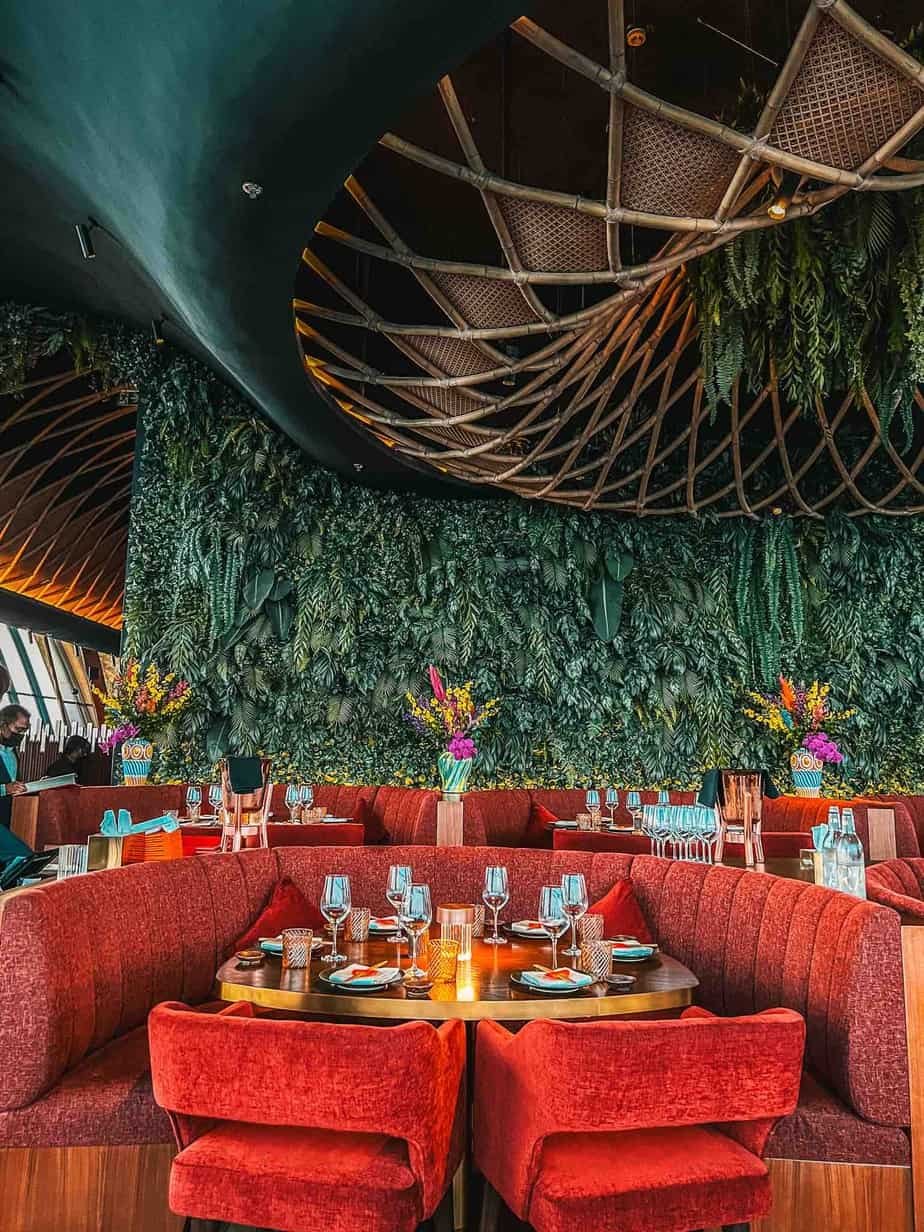
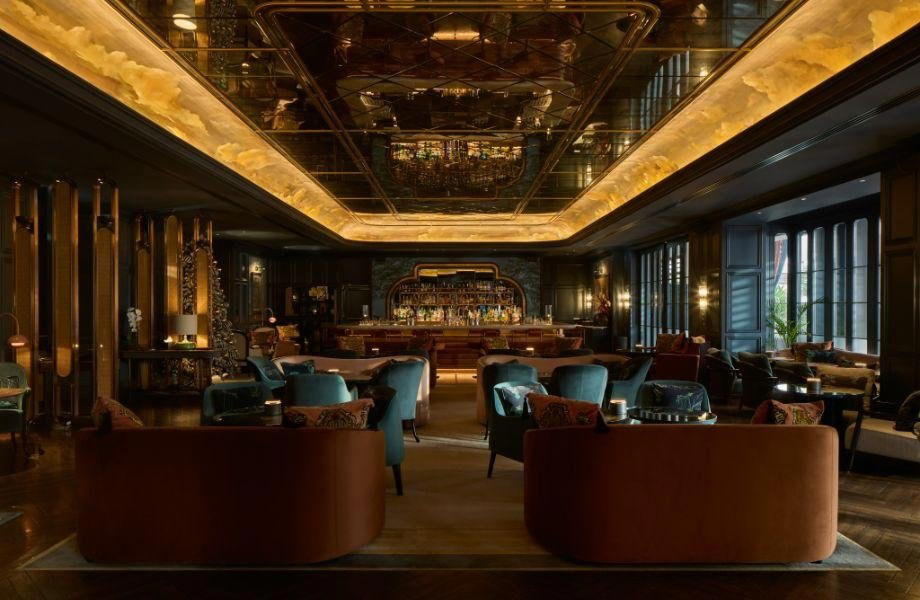
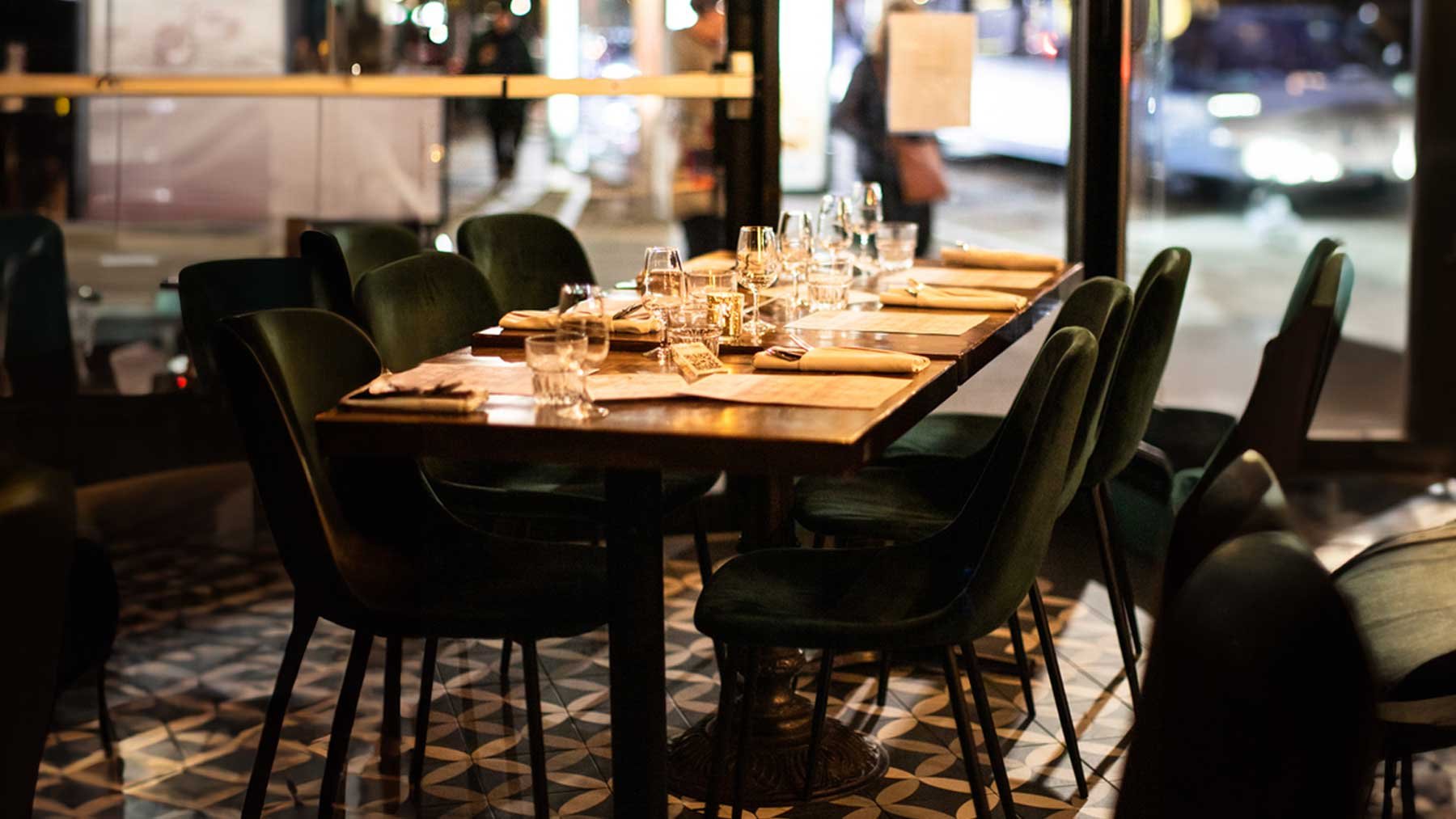
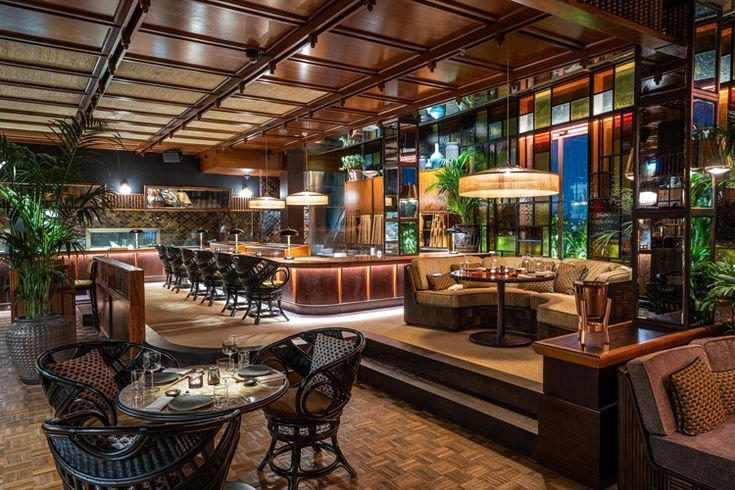
Soft Nordic lighting and warm materials in the lounge areas with curated music; the main dining room features an open kitchen with a wooden counter where diners watch chefs work with ritualistic precision.
Know Before You Go
- Getting there
- Crescent Rd - The Palm Jumeirah - Dubai - United Arab Emirates