
Alila Solo occupies a converted heritage building on Jl. Slamet Riyadi, Solo's principal boulevard, carrying a 2025 Michelin Selected distinction that places it among a narrow tier of formally recognised hotels in Central Java. The property sits at the intersection of the city's Javanese cultural identity and a considered design approach that leans on the area's architectural past rather than erasing it.
Pearl is the En Primeur Club membership app — saves, bookings, and concierge access live there. Same editors, same standards.
- Address
- Slamet Riyadi St No.562, Jajar, Laweyan, Surakarta City, Central Java 57144, Indonesia
- Phone
- +62 271 6770888
- Website
- hyatt.com
- Directions
- Get directions
 Saves & bookings on Pearl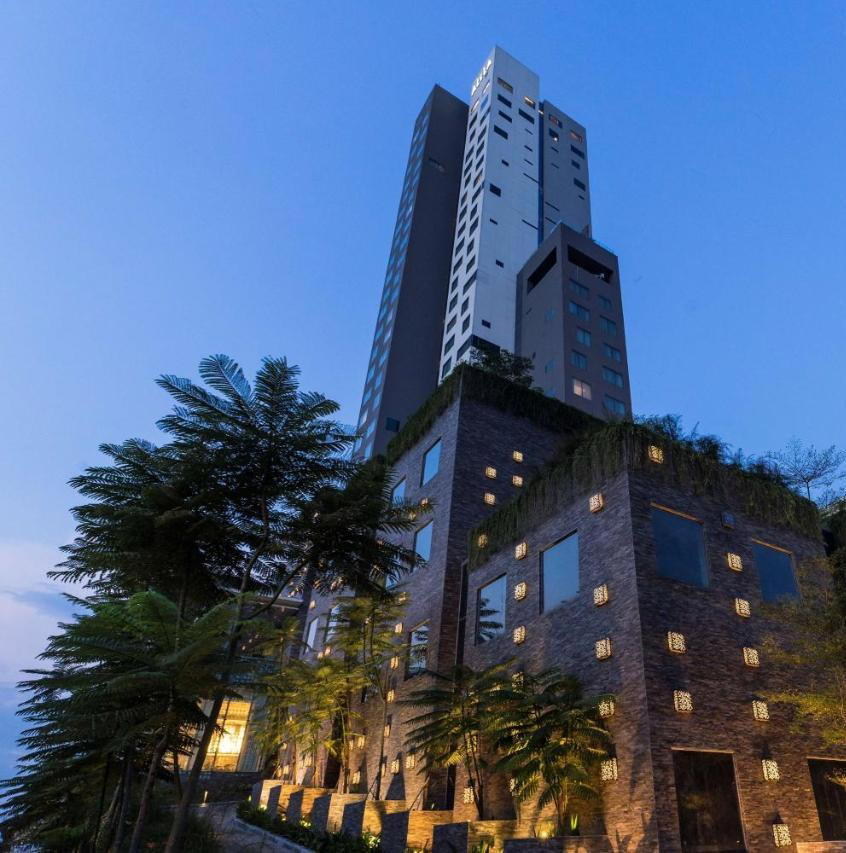
A Heritage Address on Solo's Main Boulevard
Jl. Slamet Riyadi runs through the heart of Solo, Surakarta, to use its full name, as both a physical artery and a kind of civic statement. The boulevard carries the weight of a city that considers itself the more restrained, more culturally serious counterpart to Yogyakarta: fewer backpackers, a deeper attachment to Javanese court traditions, and an architectural streetscape that still shows traces of its colonial and pre-colonial layers. Into this setting, Alila Solo occupies a converted heritage structure at number 562, near the western end of the strip. The address alone signals intent: this is not a resort compound cut off from the city, but a property that positions itself inside Solo's existing urban grain.
Alila as a brand has built its Indonesian presence around exactly this kind of positioning. Where peers in the archipelago, from Mandapa, a Ritz-Carlton Reserve in Ubud to COMO Uma Canggu in Canggu, have tended to build around landscape or resort-scale facilities, Alila's urban properties have leaned into the texture of existing cities. Solo is one convincing test case for that approach, given how much the city has to offer in terms of architectural and cultural material to work with.
Design as Argument: Reading the Building
The design logic at Alila Solo follows a pattern that has become increasingly legible among Southeast Asia's more considered hotel openings: rather than applying a generic luxury vocabulary on top of a local structure, the property treats the heritage shell as a primary design element. This approach, sometimes described as adaptive reuse, has become a credibility signal in the regional hotel market, separating properties willing to absorb the complexity and cost of conservation from those that simply build anew with colonial-adjacent aesthetics.
In Solo's case, the physical context makes that decision particularly consequential. The city's built environment includes Dutch colonial commercial architecture, the formal geometry of Javanese royal compounds, and the dense, layered shophouse streetscapes of its trading districts. A hotel that genuinely reads and responds to that context, rather than neutralising it with international hospitality finishes, occupies a different position in the market. The Michelin Selected distinction awarded to Alila Solo in 2025 reflects, among other criteria, the quality and coherence of the property's physical experience, a signal that the design approach has been assessed against a formal standard, not merely claimed by the marketing material.
For travellers comparing this property against other formally recognised options in Indonesia, that distinction matters. The 2025 Michelin Selected Hotels list spans a range of property types across the archipelago, and inclusion at the Solo address places Alila in a comparable set defined by consistency and considered execution rather than scale or resort spectacle. Properties like Nihi Sumba in Sumba or Bvlgari Resort Bali in Uluwatu operate at a different price tier and with different spatial logic; Alila Solo's recognition is grounded in a different kind of argument about what a hotel in a secondary Indonesian city can achieve.
Solo's Position in the Central Java Circuit
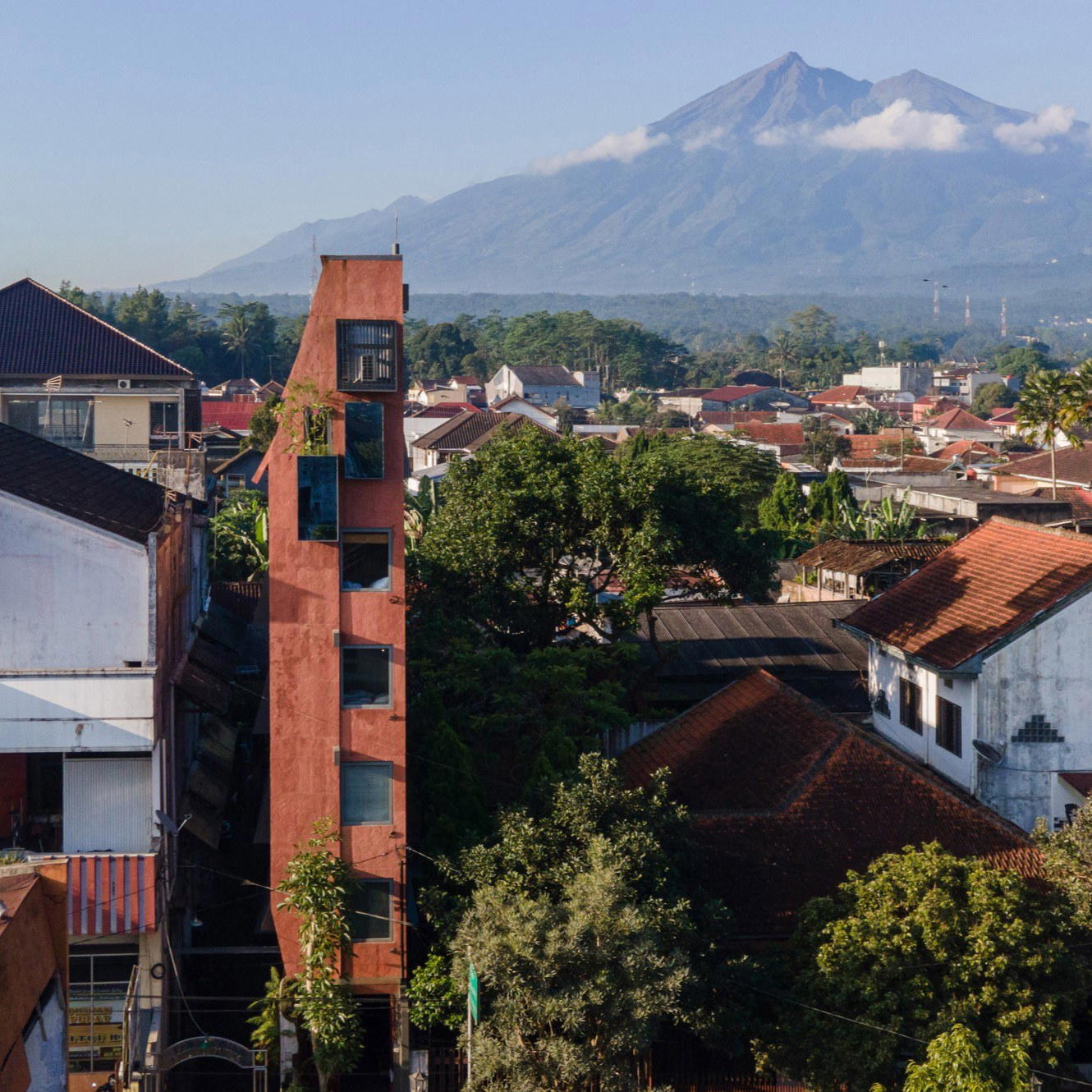
Solo tends to be underestimated by itineraries that treat Yogyakarta as the default Central Java base. The two cities sit roughly 65 kilometres apart and share access to the main heritage sites, Borobudur to the west, Prambanan between them, but their characters diverge sharply. Yogyakarta has absorbed decades of tourist infrastructure and now carries some of the corresponding friction: souvenir pressure, crowded main sites, pricing that no longer reflects the local economy. Solo has remained more self-contained, with a batik-producing culture centred around Pasar Klewer, a kraton (royal palace) that operates with less theatrical staging than its Yogyakarta counterpart, and a food culture, from nasi liwet to serabi Solo, that has stayed largely anchored in local daily life rather than being repositioned for visitors.
For a hotel sitting on the main boulevard of that city, the neighbourhood is the product as much as the rooms. The hotel's location on Jl. Slamet Riyadi puts guests within reach of the Kasunanan palace, the Mangkunegaran royal compound, and the market districts without requiring a vehicle for every movement. That walkability is not common in Indonesian hotel stays of this quality, and it changes the nature of what a two or three-night stay can accomplish. Guests interested in the wider Central Java circuit can also reach Plataran Borobudur Resort and Spa in Magelang, positioned near the temple complex itself, for a combined itinerary that uses each property's location logically.
Where Alila Solo Fits Among Indonesia's Broader Hotel Market
Indonesia's hotel market has stratified considerably over the past decade. At one end sit large-footprint resort properties in Bali's established zones, Seminyak, Nusa Dua, Jimbaran Bay, designed around pool access, spa programming, and international clientele who treat the island as a self-contained destination. Properties like Potato Head Suites and Studios in Seminyak, Mulia Villas in Nusa Dua, and RIMBA by AYANA Bali in Jimbaran Bay operate in that register.
At the other end, a smaller group of properties has positioned itself around cultural and architectural specificity, targeting travellers who are in Indonesia to engage with the country's depth rather than to be insulated from it. The hotel belongs clearly to the second group. Its competitive reference points are not the Bali resort corridor but rather a set of urban and culturally rooted properties across the archipelago, some within the Alila brand itself, and some independent. For those exploring Indonesia beyond its most-visited island, the comparison also extends to offerings further afield: Innit Lombok in Ekas and Plataran Komodo Resort and Spa in Labuan Bajo represent different points on the same spectrum of Indonesia's non-Bali luxury offer.
Planning a Stay: Practical Orientation
Solo is served by Adi Soemarmo International Airport (SOC), approximately 14 kilometres northwest of the city centre, with connections from Jakarta and Bali on domestic carriers including Garuda Indonesia, Lion Air, and Batik Air. Travel time from the airport to Jl. Slamet Riyadi runs roughly 30 to 45 minutes depending on traffic. The dry season, broadly May through October, is one comfortable period for moving around the city on foot and visiting outdoor sites. Batik workshops and the kraton complex are generally most active during morning hours, making an early start from the hotel worthwhile if those sites are a priority. Booking directly through the Alila website or via established travel agents familiar with the property is advisable, as availability at well-regarded Central Java properties during peak domestic travel periods, around Lebaran and the school holiday windows in June and December, can tighten significantly. For travellers comparing the Indonesia hotel market at a global scale, the hotel's Michelin Selected status puts it in recognisable company: the same formal guide lists properties ranging from The Ritz-Carlton Jakarta, Mega Kuningan in the capital to Jumeirah Bali on the island's Uluwatu coast, establishing a reference frame that extends well beyond any single destination. See our full Solo restaurants and hotels guide for a broader read on the city's hospitality and dining scene.
Comparable Spots, Quickly
Comparable venues nearby, for context on price, style, and recognition.
| Venue | Cuisine | Price | Awards | Notes |
|---|---|---|---|---|
| Alila SoloThis venue — the venue you are viewing | luxury urban resort | $$$$ | 5-Star | Not listed |
| Ulu Cliffhouse | Luxury boutique hotel designed as a spinoff of an exclusive beach club, blending high-end hospitality with laid-back clifftop living. | $$$$ | 5-Star | Uluwatu |
| Batu Karang Lembongan Resort | Traditional Balinese-style luxury boutique resort with indoor-outdoor villas | $$$$ | 5-Star | Jungutbatu |
| Villa Borobudur Resort | Traditional Javanese joglo pavilions with modern comforts | $$$$ | 5-Star | Borobudur |
| Six Senses Uluwatu Bali | Cliffside Balinese-inspired luxury resort integrated with nature. | $$$$ | 5-Star | Pecatu |
| Plataran Borobudur Resort and Spa | Javanese-inspired luxury villas blending traditional Indonesian architecture with modern comfort | $$$$ | 5-Star | Tanjungan Village |
Recognition history
Dated appearances from independent guides and award organizations, with the underlying list record or original source where available.
Michelin Selected
Michelin
Continue exploring
More in Solo
At a Glance
- Modern
- Elegant
- Sophisticated
- Business Trip
- Weekend Escape
- Family Vacation
- Rooftop Pool
- Infinity Pool
- Panoramic View
- Pool
- Spa
- Fitness Center
- Room Service
- Concierge
- Kids Club
- Skyline
- Mountain
- Pool
- Spa
- Fitness Center
- Room Service
- Concierge
- Kids Club
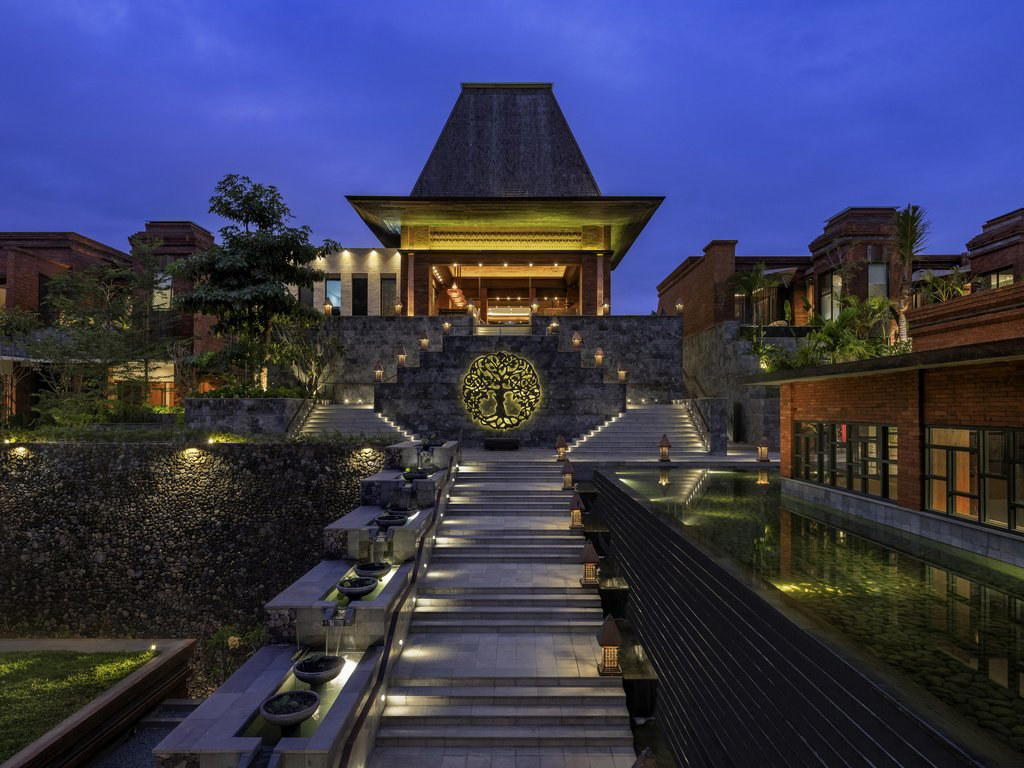
Softly lit with light timber accents, dreamy wayang-inspired murals, and a grand lobby featuring a massive floating batik installation, creating a serene yet sophisticated urban retreat atmosphere.