

La Fiermontina Ocean sits on Morocco's northern Atlantic shore near the fishing port of Larache, roughly an hour from Tangier. Eighteen rooms and villas spread across a hillside natural park, split between contemporary pool suites and traditional village houses built with ancestral techniques. Rates from $267 per night place it in a niche of small-scale, design-led properties with almost no luxury competition in the immediate area.
Pearl is the En Primeur Club membership app — saves, bookings, and concierge access live there. Same editors, same standards.
- Address
- NR 260, HOUMAT ELJEDIANE CENTRE SAHEL, Larache
- Phone
- +212 8 08 52 43 03
- Website
- lafiermontinaocean.com
- Directions
- Get directions
 Saves & bookings on Pearl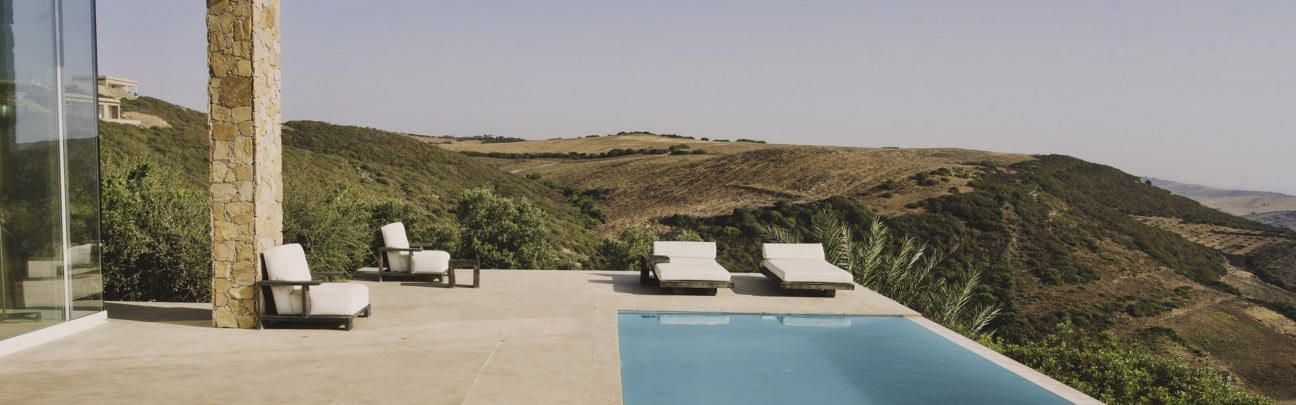
A Different Shore: Why Larache Changes the Moroccan Luxury Calculus
Most premium accommodation in Morocco clusters in Marrakesh, Fes, or along the Taghazout coast. The country's Atlantic north, between Tangier and Rabat, receives a fraction of that attention, and the fishing port of Larache receives almost none of it. That asymmetry is precisely what makes La Fiermontina Ocean interesting as a case study in where small-scale luxury is moving. The property sits inside a natural park on a sloping hillside above the ocean, approximately an hour's drive from Tangier, and its nearest luxury competitors are in a different city. At this latitude, with this density of open landscape, the property operates in a near-vacuum of comparable offerings.
The closest point of reference in the Moroccan luxury conversation is usually a place like La Mamounia in Marrakesh or Hotel Sahrai in Fes, properties that earn their positioning through urban cultural weight and decades of accumulated prestige. La Fiermontina Ocean earns its position differently: through remoteness, low capacity, and a design language borrowed from an entirely different Mediterranean tradition.
Stone, Dune, and the Architecture of Deliberate Restraint
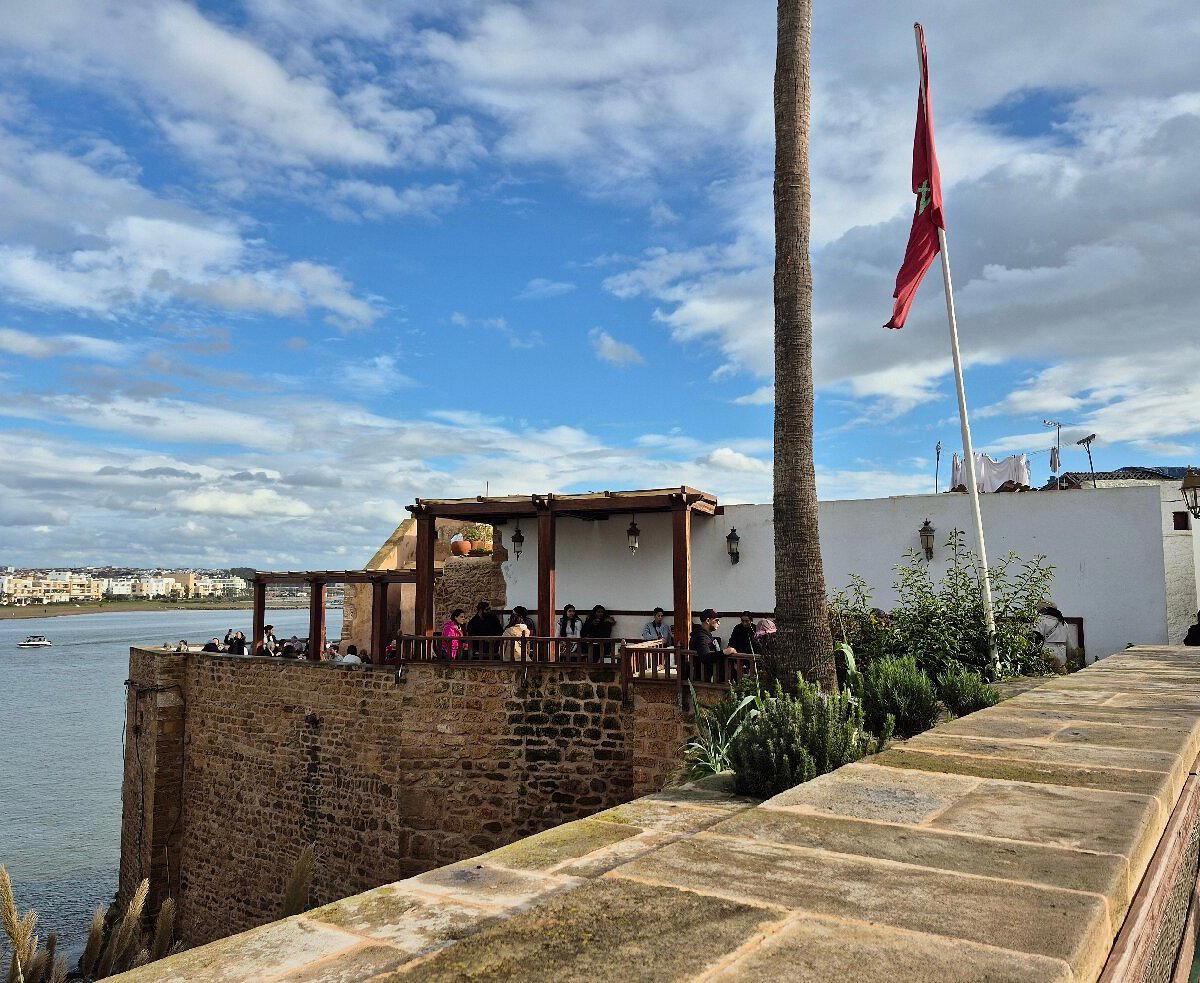
The physical environment at La Fiermontina Ocean is not incidental to the proposition. It is the proposition. Low-lying stone buildings arranged across a windswept hillside, surrounded by sand dunes and olive trees, make no attempt to impose themselves on the Atlantic landscape. The design reads less like a resort development and more like an archaeological site that happens to have plumbing. That quality, rare in the luxury sector where spectacle usually substitutes for restraint, is the clearest signal of the property's design intent.
Eighteen rooms and villas divide across two distinct zones that reflect different conceptions of what a hotel room should be. Pool suites on the main property use all-natural materials and hues throughout: cool stone flooring, floor-to-ceiling windows opening onto private gardens, and infinity pools that align with the horizon line of the Atlantic. The effect is interior architecture in conversation with the landscape rather than in competition with it. Larger pool villas extend this logic further, adding spacious kitchens and dedicated staff, which pushes them toward the private-villa model that properties like Jnane Tamsna in Marrakech or Dar Ahlam in Ouarzazate have made a recognizable tier in Moroccan hospitality.
Second zone is more architecturally specific and harder to find elsewhere. Part of the complex overlaps with the rural village of Dchier, and the hotel has integrated traditional houses built according to ancestral construction techniques: vaulted ceilings, woven rugs, small antique windows. These are not reconstructed vernacular spaces dressed up for tourism. The techniques themselves are the attraction, a living record of North African domestic architecture that most hotel design erases rather than preserves. Guests who choose this option are opting into a spatial experience that differs from the pool suites not just aesthetically but structurally, in how rooms relate to light, to air circulation, and to the village fabric around them.
The Fiermonte Reference and What It Signals About Curation
Name and the animating concept behind the collection come from Antonia Fiermonte, a painter and musician whose life connected Puglia, Paris, and Morocco. Her biography, short but unusually well-traveled for its era, provides the curatorial spine for all three properties in the group: the original in Lecce, a second in Paris, and now this Atlantic outpost. The choice of a historical figure rather than a design concept or a location as the organizing principle is unusual in hotel branding, and it produces a different kind of coherence. The property feels like it belongs to a lineage rather than a trend.
That lineage is also why the aesthetic reads as specifically Italian-Mediterranean rather than as generic North African luxury. Properties like Dar Maya in Essaouira or Rebali Riads in Sidi Kaouki operate within a Moroccan vernacular tradition. La Fiermontina Ocean imports a Puglian material sensibility, stone architecture, natural hues, deep restraint in decoration, and overlays it on Moroccan Atlantic landscape. The result is cross-cultural in a way that feels grounded in a real biographical connection rather than an aesthetic mood board.
On the Ground: Hammam, Restaurant, and the Beach Club Below
Across its eighteen keys, the property offers enough on-site programming to sustain a multi-day stay without requiring a car. The hammam, positioned within the Dchier village section of the complex, offers traditional treatments, placing it closer to the locally-embedded spa model than to the generic wellness facility found at larger resort properties such as the Hilton Taghazout Bay Beach Resort and Spa or the Mazagan Beach and Golf Resort in El Jadida.
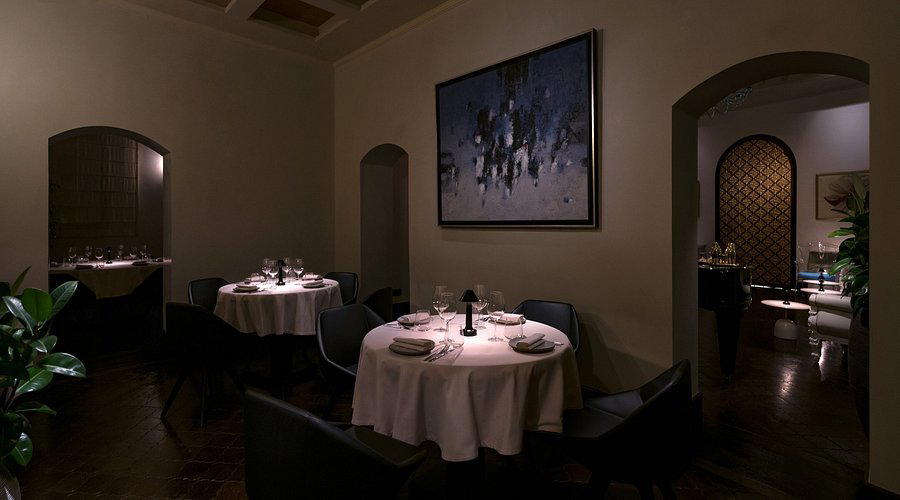
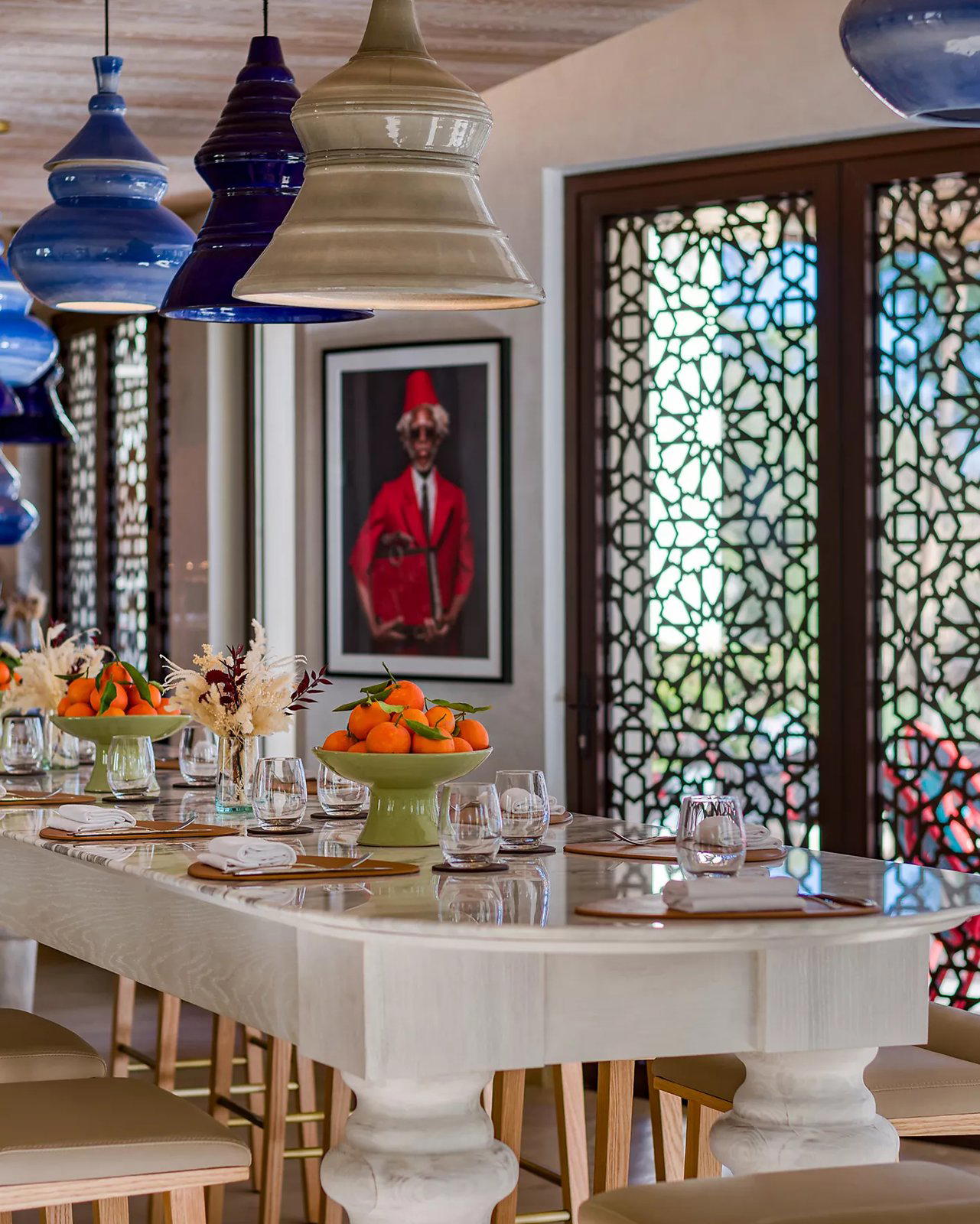
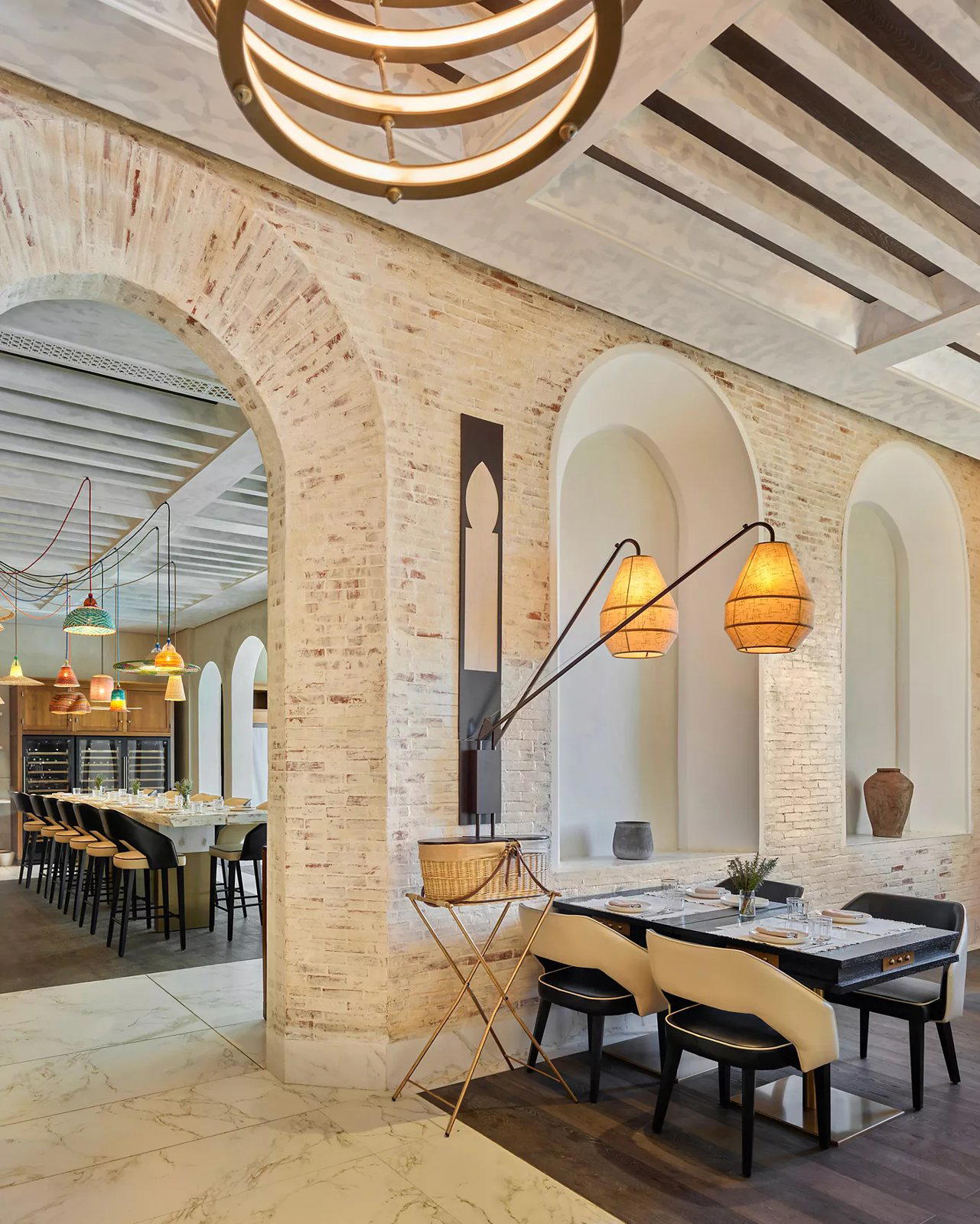
The restaurant serves a menu that combines Italian and Moroccan cooking, a pairing that is less arbitrary than it sounds given the property's founding narrative. It operates with an ocean view, which at a property of this elevation and position means a genuinely long sight line over the Atlantic. The beach club sits below, accessible by shuttle or a twenty-minute walk down the hillside, and provides the more casual counterpart to the main property's architectural seriousness: white-canopied cabanas, mint tea, cocktails, and direct beach access on a stretch of Moroccan Atlantic coastline that sees none of the resort density found further south.
Rates begin at $267 per night, positioning the property below flagship Moroccan palaces like Fairmont Tazi Palace in Tangier but above the entry level of the riad sector. At eighteen rooms, it operates at a scale where the guest-to-space ratio remains high and the experience avoids the anonymity of larger resort formats. For Moroccan north Atlantic travel, our full Larache guide covers the port, the surrounding landscape, and the limited but growing context for the area.
Guests arriving from Tangier should plan for approximately an hour by road. There is no public transport connection of note, and the property's natural-park setting means arrival by private car or arranged transfer is the practical default. The remoteness is not a flaw in the offer; it is the offer. What La Fiermontina Ocean sells is the absence of the infrastructure that surrounds most luxury hotel stays, and at this location, that absence is complete.
How La Fiermontina Ocean Larache compares with similar nearby venues.
| Venue | Awards |
|---|---|
| La Fiermontina Ocean | Michelin 2 Keys |
Recognition history
Dated appearances from independent guides and award organizations, with the underlying list record or original source where available.
Mr & Mrs Smith Smith Seal of Approval
Mr & Mrs Smith
Michelin 2 Keys
Michelin
National Geographic Hotel Awards Runner-up
National Geographic
Continue exploring
More in Larache
Bars in Larache
Browse all →

At a Glance
- Romantic
- Elegant
- Scenic
- Intimate
- Sophisticated
- Romantic Getaway
- Honeymoon
- Wellness Retreat
- Weekend Escape
- Beachfront
- Infinity Pool
- Private Villa
- Panoramic View
- Pool
- Spa
- Restaurant
- Private Beach
- Room Service
- Concierge
- Waterfront
- Pool
- Spa
- Restaurant
- Private Beach
- Room Service
- Concierge
Serene and peaceful with natural light flooding stone-floored rooms, ocean views, and a relaxing silence praised in guest reviews.
Know Before You Go
- Getting there
- NR 260, HOUMAT ELJEDIANE CENTRE SAHEL, Larache