Positioned on Ul. od Sigurate 7 within the limestone walls of Dubrovnik's UNESCO-listed Old Town, this hostel puts travellers at immediate walking distance from the Stradun, the city's main artery. It occupies a category of accommodation defined by access over amenity: the address does the heavy lifting. Budget-conscious travellers who prioritise location over room facilities will find the Old Town proximity difficult to replicate at this price tier.
 Discover on Pearl
Pearl is the En Primeur Club membership app — saves, bookings, and concierge access live there. Same editors, same standards.
- Address
- Ul. od Sigurate 7, 20000, Dubrovnik, Croatia
- Phone
- +385 20 322 007
- Website
- dubrovnikoldtownhostel.com
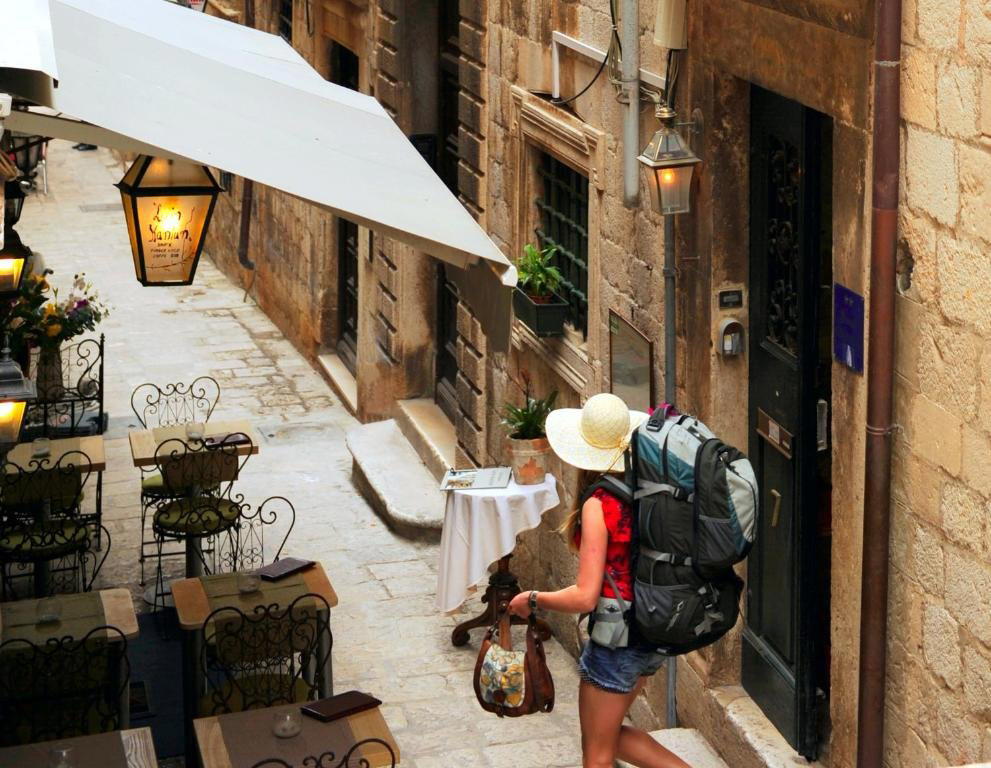
Staying Inside the Walls: What the Old Town Address Actually Means
Dubrovnik's accommodation market divides sharply along one fault line: properties inside the medieval walls and those outside them. The difference is not merely aesthetic. Guests staying within the Old Town walk to the Stradun in minutes, reach Fort Lovrijenac and the cable car base without taxis, and absorb the city's particular evening atmosphere, when the day-trip crowds thin and the limestone streets take on a quieter character. Dubrovnik Old Town Hostel, at Ul. od Sigurate 7, is a 3-star hotel in Dubrovnik, Croatia, with 25 rooms.
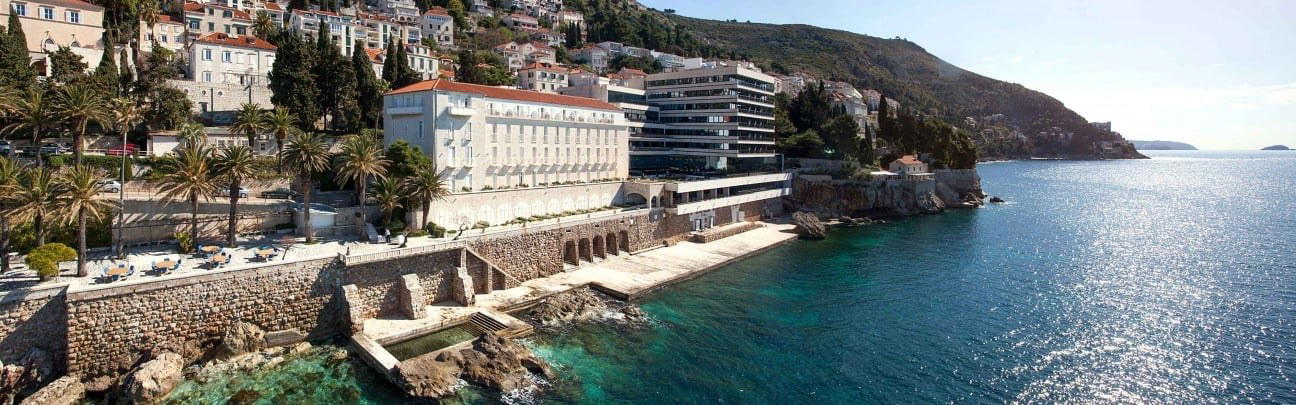
That address places it in direct contrast to the cliff-leading and seafront hotels that define Dubrovnik's luxury tier. Properties like Hotel Bellevue Dubrovnik, Hotel Excelsior Dubrovnik, and Hotel Villa Dubrovnik compete on sea views, pools, and formal dining programmes. President Hotel, Valamar Collection and Hotel Kompas Dubrovnik operate in the mid-to-upper bracket with amenity-led propositions. The hostel operates in a different category entirely, where the competitive advantage is the postcode, and everything else is secondary.
The Old Town as the Dining and Drinking Programme
For a hostel without its own restaurant or bar on record, the immediate neighbourhood functions as the entire food and beverage offer. This is not a limitation unique to budget accommodation in Dubrovnik's Old Town; it reflects a broader pattern across historic European city centres, where the density of independent restaurants and bars within walking distance removes the pressure on any single property to provide an in-house dining experience.
The streets around Ul. od Sigurate connect to a concentration of Dalmatian seafood restaurants, wine bars pouring local Plavac Mali and Pošip, and the kind of casual konoba dining that characterises Croatian coastal eating. Black risotto made with cuttlefish ink, grilled whole fish priced by weight, and lamb slow-cooked under a peka are the regional benchmarks. These are not hotel-restaurant interpretations of Dalmatian cuisine; they are the source material. Staying inside the walls means access to that dining culture without the mediation of a hotel kitchen or the need for transport.
The Hostel Category in a High-Cost City
Dubrovnik is among the more expensive coastal destinations in the Adriatic. The hostel format, in this context, performs a specific function: it makes the Old Town address accessible to travellers for whom the full-service hotel price point is prohibitive. That is a direct value proposition. The trade-off, as with hostel accommodation across European heritage cities, is typically in privacy, room size, and on-site facilities.
Croatia's Adriatic coast offers a wide spectrum of accommodation formats for travellers calibrating their options. At the design-led end of the regional market, Grand Park Hotel Rovinj by Maistra Collection in Rovinj and Lone Hotel by Maistra Collection in Istria represent the contemporary resort end of the Croatian market. Smaller, heritage-focused properties like Hotel Kastel in Motovun and Aminess Korčula Heritage Hotel in Curzola offer boutique positioning in historic settings. On Hvar, Littlegreenbay Hotel serves a different coastal register altogether.
Against that context, Dubrovnik Old Town Hostel is not competing for the same traveller. It addresses a specific need: Old Town proximity at a price point those other properties cannot match.
Approaching the Property: What the Setting Delivers
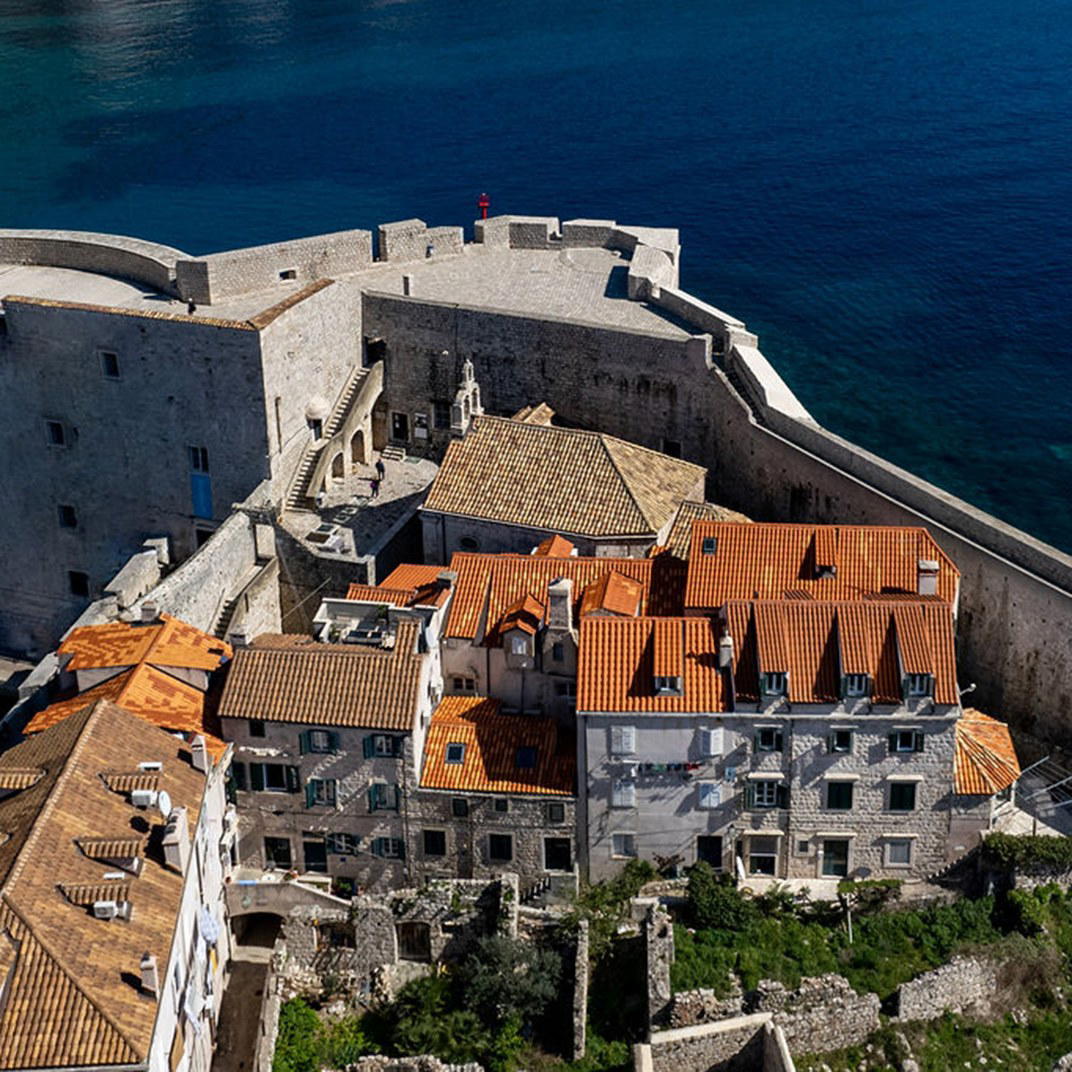
Ul. od Sigurate is a narrow lane in the upper section of the Old Town, away from the main Stradun artery but within the city wall perimeter. The Old Town's street grid is compact enough that most major sites, including the Dominican Monastery, the city walls walk, and the Pile Gate entrance, are reachable on foot within ten minutes. That walkability is the property's primary practical asset.
Arriving in Dubrovnik with luggage requires planning regardless of where you stay inside the walls. No motor vehicles operate within the Old Town, which means bags must be carried from the Pile Gate or Ploče Gate on foot. The cobblestone streets and stepped lanes that make the Old Town photogenic also make luggage handling physically demanding. This is a feature of every intra-muros property, not a hostel-specific issue, but worth factoring into arrival logistics.
Planning a Stay: Timing and Context
Dubrovnik's tourism pressure peaks sharply in July and August, when cruise ship arrivals and summer visitors combine to create congestion on the Stradun and at major sites. The city wall walk, one of the more compelling urban walks in the eastern Adriatic, becomes significantly more crowded during those months and is leading attempted early morning. Staying inside the Old Town during peak season means proximity to that congestion as well as to its attractions.
The shoulder months of May, June, and September offer a materially different experience: smaller crowds, manageable temperatures for the walls walk, and restaurants operating with less of the tourist-menu compression that peak season brings. For travellers with flexibility, those months represent a stronger case for the Old Town location.
Other properties worth cross-referencing for a Croatia multi-stop itinerary include Kastil in Bol on Brač, Brown Beach House Croatia in Trogir, B&B; Heritage Villa Apolon in Stari Grad, and Boutique & Design Hotel Navis in Opatija. Further along the Dalmatian coast, D-Resort Šibenik in Sibenik and Falkensteiner Hotel & Spa Iadera in Petrčane round out the upper-tier regional picture. In Zagreb, Esplanade Zagreb Hotel is the benchmark for historic city-centre accommodation.
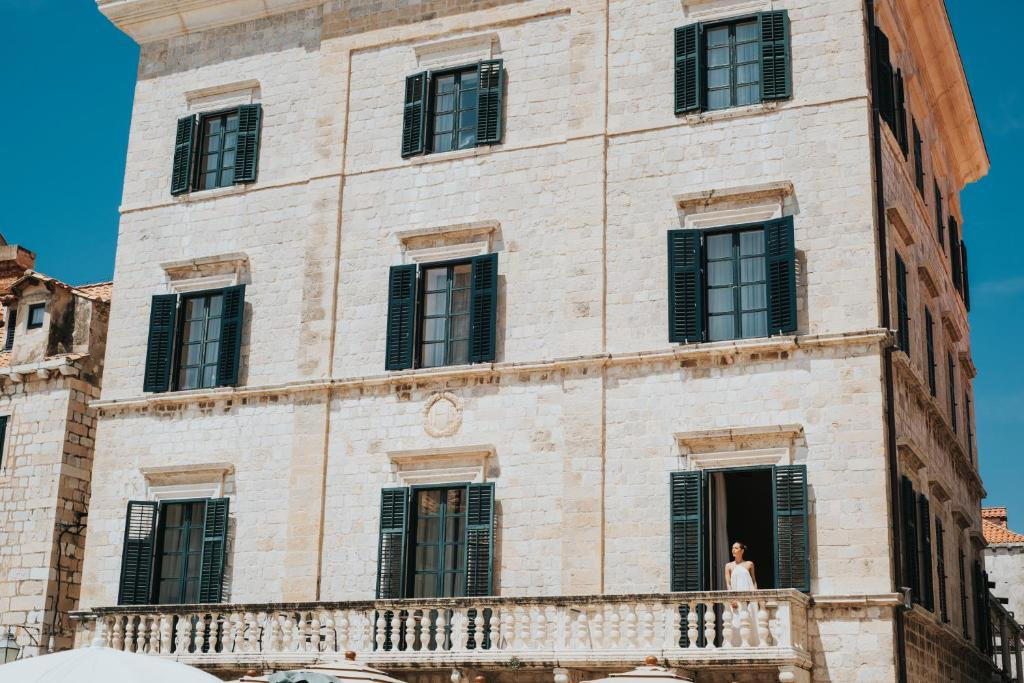
Closer to the Old Town's own upper tier, The Pucic Palace and Villa Orsula Dubrovnik offer a different entry point into Old Town or near-Old Town accommodation, with more complete on-site facilities and higher price points to match.
At a Glance
- Lively
- Bohemian
- Cozy
- Weekend Escape
- Group Retreat
- Historic Building
- Terrace
- Waterfront
- Wifi
- Shared Kitchen
- Beach Access
- Karaoke
- Nightclub
- Luggage Storage
- Game Room
- Board Games
- Children Play Area
- Street Scene
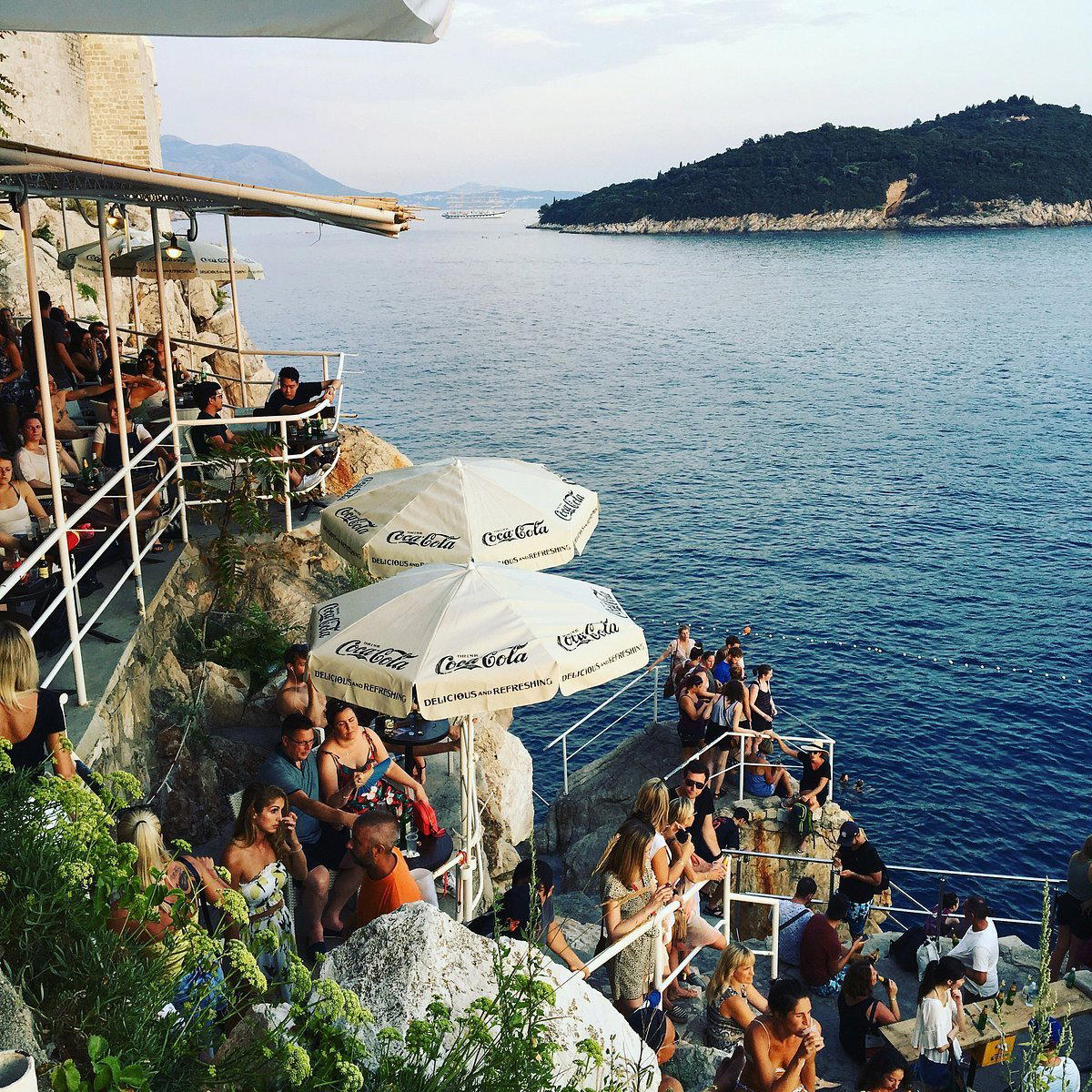
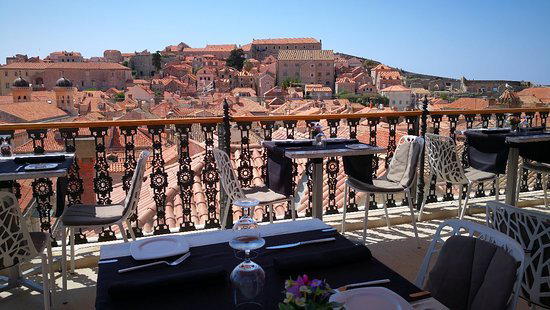
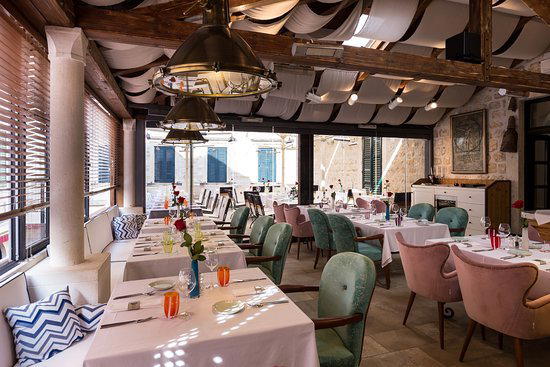
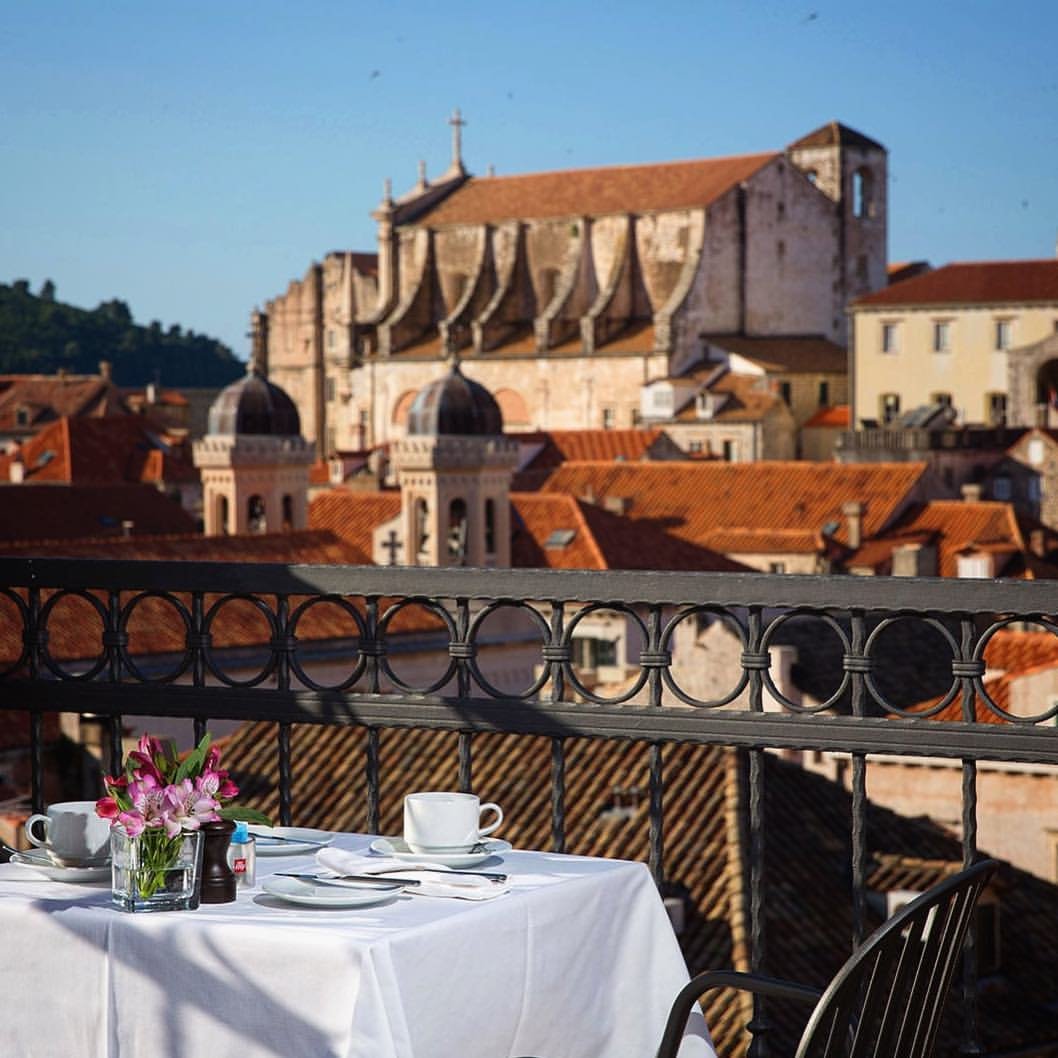
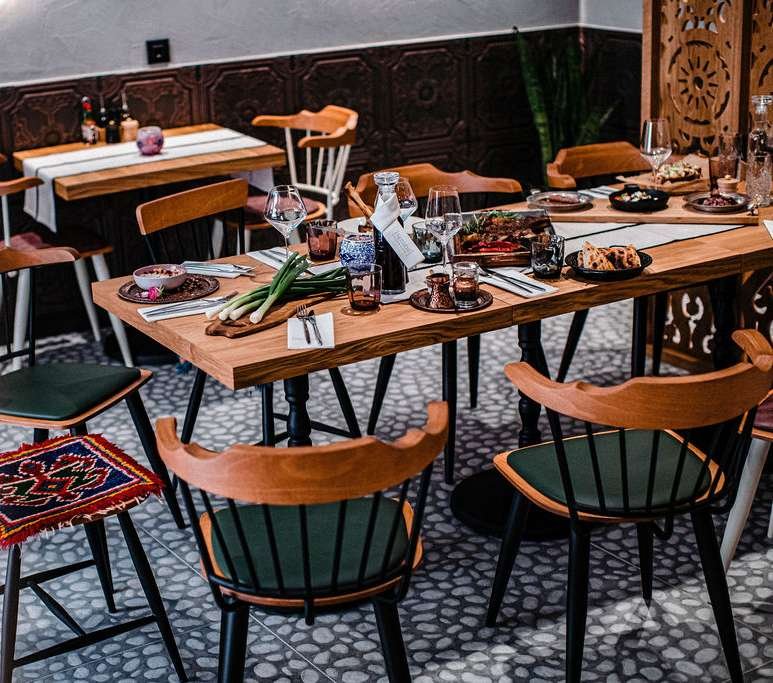
Lively and social with entertainment options including karaoke and nightclub; features a terrace with views where guests gather to share travel plans and enjoy afternoon drinks.