Design Suites Bariloche

A Michelin Selected hotel on Avenida Bustillo, Design Suites Bariloche positions itself within Bariloche's design-conscious accommodation tier, trading the resort-scale footprint of the lake's major properties for a more focused, architecturally driven experience. The address at KM 2.5 places it close to the city centre while maintaining views of the Andean lake district that define the region's appeal.
Pearl is the En Primeur Club membership app — saves, bookings, and concierge access live there. Same editors, same standards.
- Address
- Av. Exequiel Bustillo 2500, R8400 San Carlos de Bariloche, Río Negro, Argentina
- Phone
- +54 294 445-7000
- Website
- designsuites.com
- Directions
- Get directions
 Saves & bookings on Pearl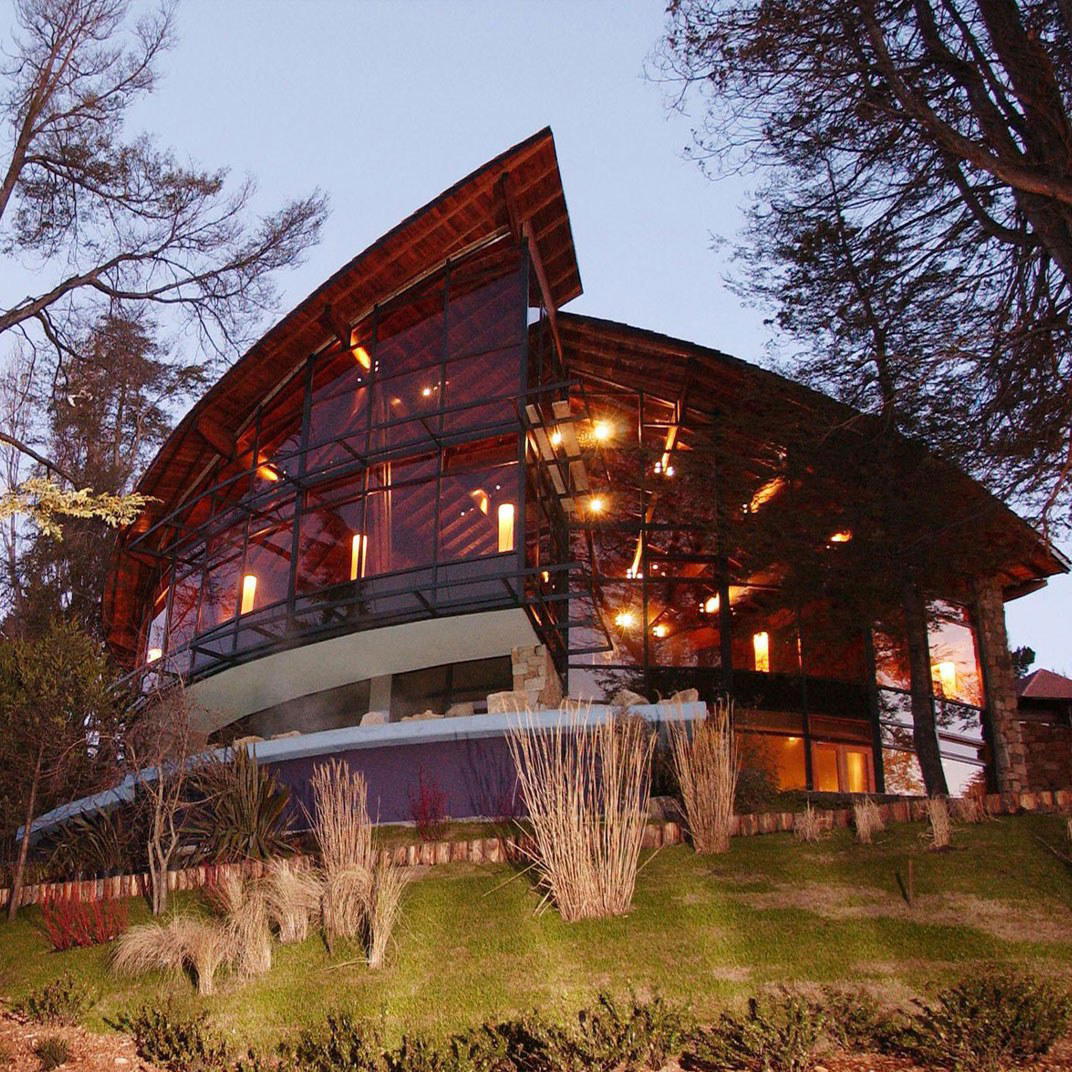
Where Bariloche's Design-Led Accommodation Sits in the Wider Picture
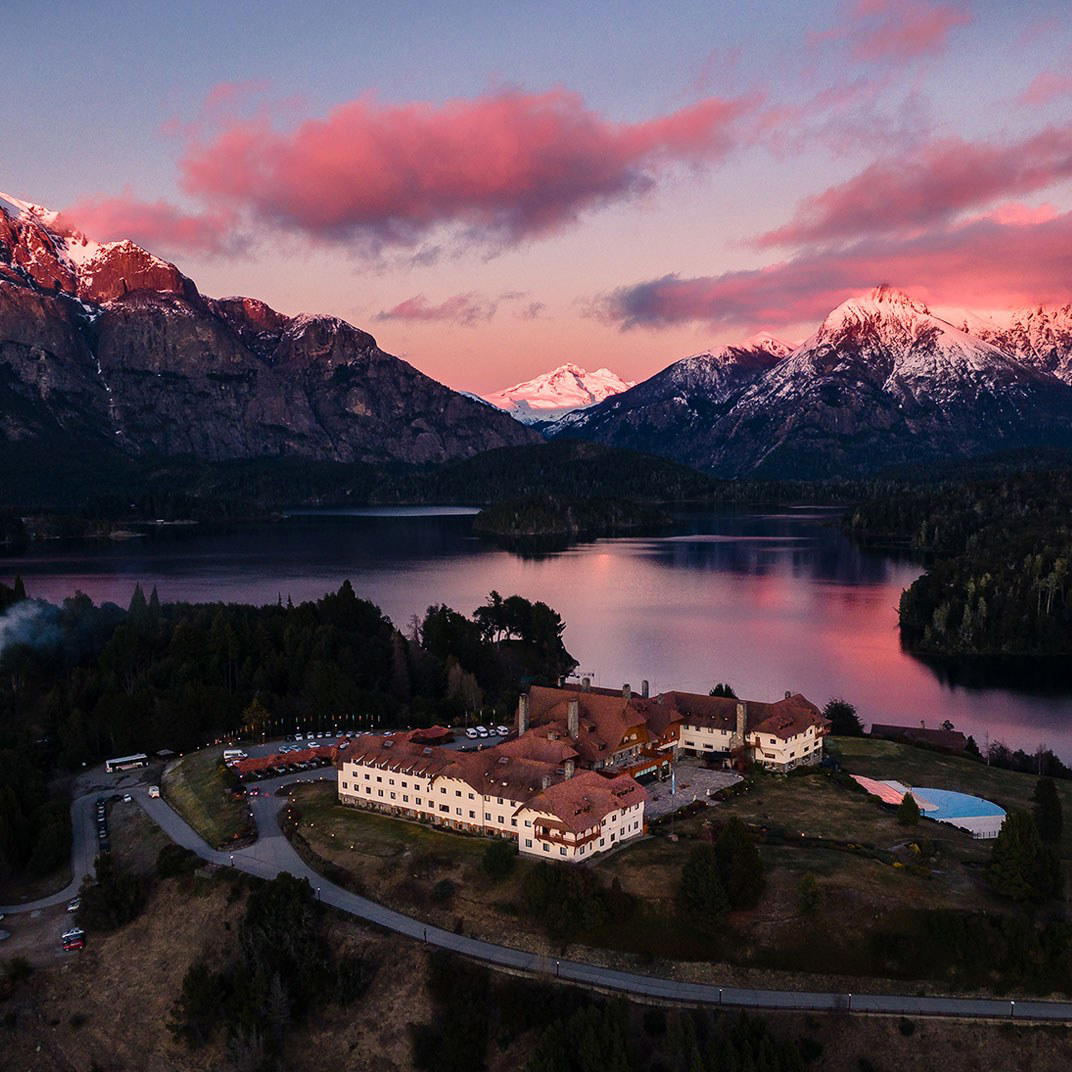
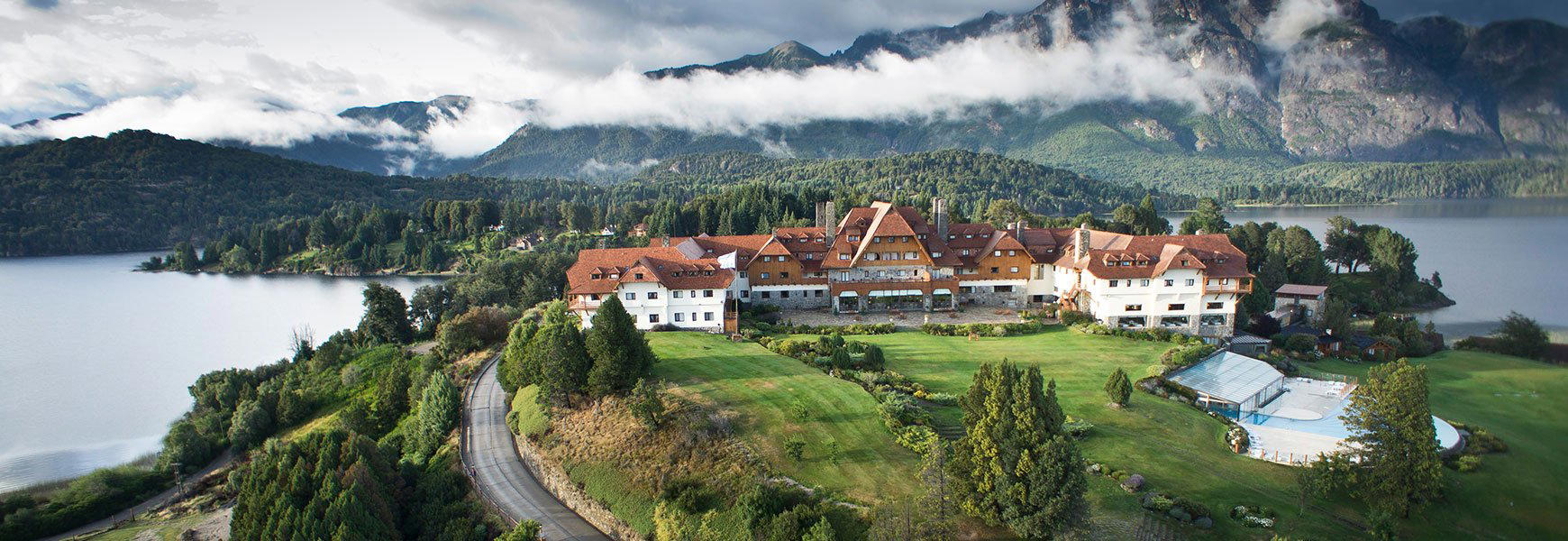
San Carlos de Bariloche has long operated on two distinct hospitality registers. On one side sit the grand resort properties that treat Nahuel Huapi Lake and the surrounding Andes as a backdrop for large-footprint luxury, with the Llao Llao Hotel & Resort being one established example in this category. On the other side, a smaller cohort of properties has emerged that prioritises architectural specificity and a tighter guest experience over scale. Design Suites Bariloche belongs to that second group. Aldebaran Hotel & Spa and the Charming Luxury Lodge & Private Spa.
The Michelin Selected classification signals a consistent guest experience rather than a restaurant-style culinary standard. What it signals instead is that the overall guest experience, from physical environment to service consistency, meets the editorial threshold that Michelin's inspectors apply globally. For a property in Bariloche, that recognition matters as a sorting mechanism for travellers comparing accommodation options.
The Address and What It Means Physically
The KM 2.5 position on Avenida Bustillo is one of Bariloche's most legible hotel coordinates. Bustillo runs west from the city centre along the southern shore of Nahuel Huapi, and the early kilometre markers put you close enough to walk into town while the road's trajectory already begins to open toward the lake. Properties further along Bustillo, particularly past KM 20, trade urban access for greater seclusion and more dramatic lakefront positioning. At KM 2.5, Design Suites occupies a middle point that suits guests who want proximity to the centre's restaurants, the cable car access point for Cerro Otto, and the departure points for lake excursions, without the logistical commitment of being based at the far end of the peninsula.
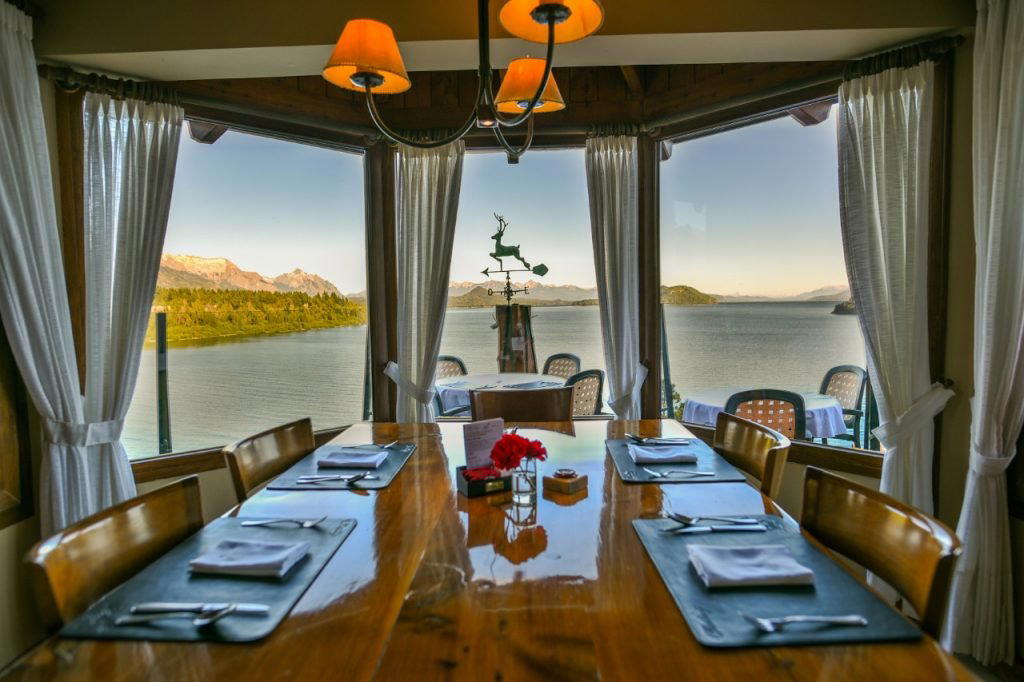
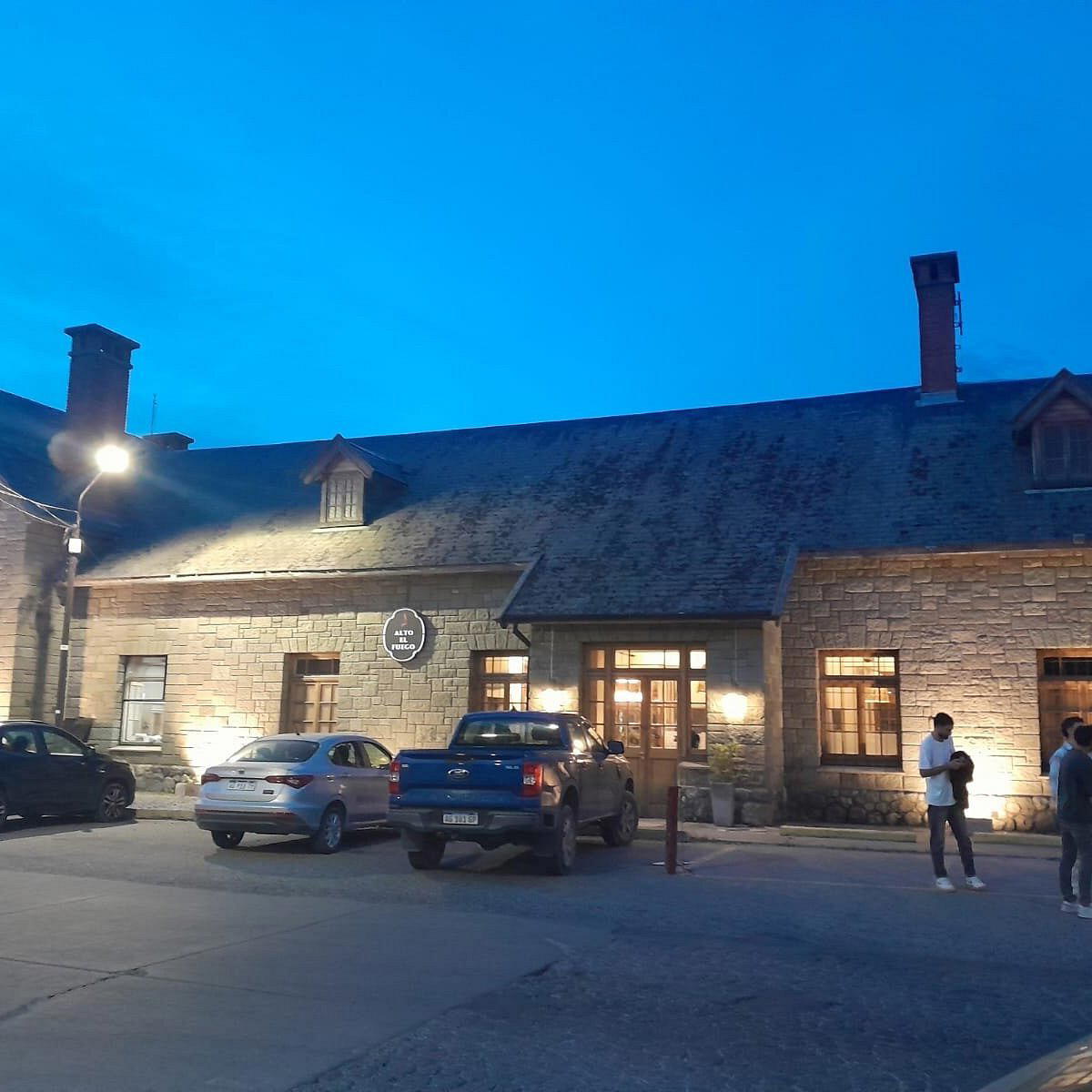
Approaching from the city, the Andean character of Bariloche's architectural vocabulary is immediately readable: steep pitches, natural stone, timber framing. The design-led properties along Bustillo use this vocabulary with varying degrees of restraint. The ones that read most coherently tend to let the lake and mountain views do the work rather than competing with them. That approach aligns with what the Design Suites brand has applied at its properties across Argentina, where the preference is for architecture that frames the landscape rather than obscures it.
Food and Drink in the Patagonian Context
This is not a city where hotel restaurants dominate the conversation. The broader dining scene along the Bustillo corridor and in the city centre has developed its own identity around Patagonian ingredients: lake trout, wild boar, deer, locally foraged mushrooms, and a wine selection that draws heavily from the nearby upper Rio Negro valley producers. Guests at design-led hotels in this tier typically engage with that external dining ecosystem as much as with in-house food and beverage.
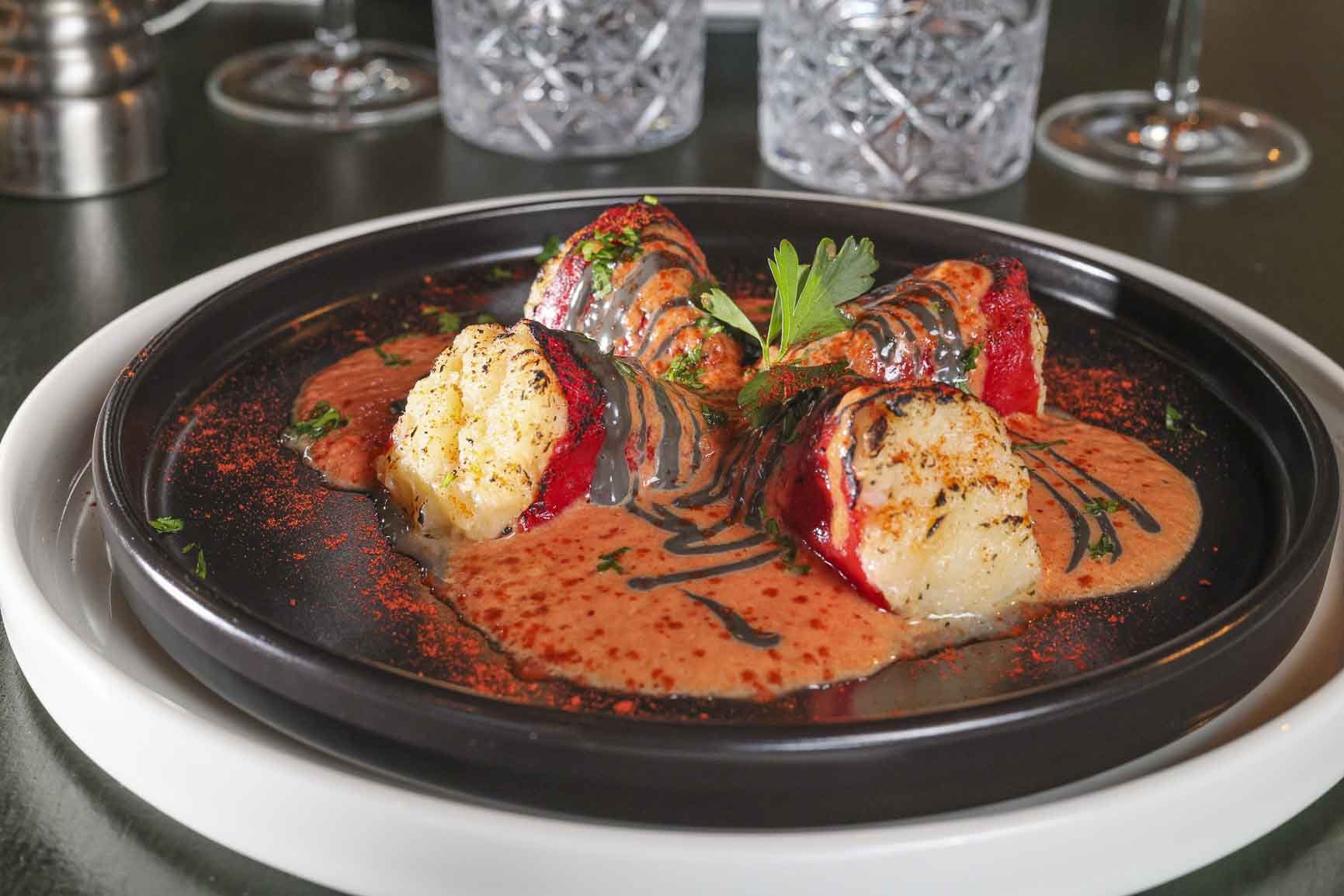
What the Michelin Selected designation implies about food and drink at Design Suites is measured: the guide does not select hotels where the food and beverage operation is actively poor, but the designation does not carry the same culinary weight as a starred restaurant recommendation. The practical read is that the property offers a competent, coherent food offer that supports the overall stay without necessarily anchoring the guest's dining decisions for the trip.
Argentina's broader hotel dining culture has shifted in recent years toward more locally-sourced programming, and Bariloche's position as a Patagonian gateway means that regional provenance is a baseline expectation rather than a differentiator. The properties that have built the strongest food reputations in this region, including the Villa Beluno Hotel & Spa nearby and further afield the Correntoso Lake & River Hotel in Villa La Angostura, tend to anchor their dining identity explicitly to the lake and valley produce around them.
How Design Suites Fits into Argentina's Wider Premium Accommodation Map
Argentina's Michelin Selected hotel cohort spans different environments. Wine country properties like Entre Cielos Wine & Wellness Hotel in Mendoza and Susana Balbo Winemaker's House & Spa Suites in Luján de Cuyo build their identity around vineyard access and wine programming. Remote estancia properties like Estancia Cristina in El Calafate and La Bamba de Areco in San Antonio de Areco lean on historical character and working-land atmosphere. Altitude specialists like Hotel El Manantial del Silencio in Jujuy and Colomé Winery in Molinos compete on remoteness and landscape drama.
Design Suites Bariloche competes on a different axis: design discipline and urban-adjacent positioning in Argentina's most established adventure tourism hub. That positioning puts it in conversation with guests who are in Bariloche for skiing at Cerro Catedral, summer trekking in the national park, or lake-based activities, and who want a hotel that operates with a level of architectural coherence without requiring full resort infrastructure. The comparison set internationally would include design-led mountain hotels that prioritise spatial quality over service volume, a category that has grown steadily in European Alpine markets and is still developing in South America.
For travellers building a broader Argentina itinerary, properties like Grace Cafayate in Cafayate, Los Cauquenes Resort & Spa in Ushuaia, and Awasi Iguazu in Puerto Iguazu cover the country's other major natural-landscape anchors. Ski-specific travellers with a budget focus might also look at Las Leñas in Las Heras. At the other end of the Argentina spectrum, urban travellers who want a point of contrast with Bariloche's mountain character can reference the Alvear Palace Hotel in Buenos Aires or the more intimate La Alondra Casa de Huéspedes in Corrientes for the northeast. Those planning a dedicated Andean wine and nature route might also consider the Lodge Atamisque in Tupungato or Algodon Wine Estates in San Rafael. For comparable design-led mountain properties internationally, Badrutt's Palace Hotel in St. Moritz represents the European Alpine benchmark, while Hôtel de Paris Monte-Carlo and The Fifth Avenue Hotel in New York City illustrate how design-identity hotels anchor themselves within a city's premium accommodation tier. The Estancia La Paz Hotel in Ascochinga and Azur Hotel & Spa in Cordoba round out the Argentina interior for those continuing from the Andes toward the Sierras de Córdoba. Design Suites Bariloche offers 78 rooms and a 4-star profile at a price tier of 3.
Planning Your Stay
Bariloche operates on two distinct seasonal peaks. The ski season runs from late June through September, with July the congested month when Argentine school holidays push occupancy across the board. Summer (December through February) brings lake and trekking demand, with the shoulder months of November and March offering more space and, typically, more negotiable rates. The KM 2.5 address means access to the city is manageable without a car, though guests planning frequent excursions to Cerro Catedral ski area or the far reaches of the national park will find transport planning easier with a rental vehicle. Bariloche's Teniente Luis Candelaria Airport sits roughly 15 kilometres from the city centre and is served by domestic connections from Buenos Aires year-round.
Cost Snapshot
Comparable venues nearby, for context on price, style, and recognition.
| Venue | Price | Awards | Notes |
|---|---|---|---|
| Design Suites BarilocheThis venue — the venue you are viewing | $$$ | 4-Star | Not listed |
| Aldebaran Hotel & Spa | $$$$ | 4-Star | Peninsula San Pedro, Modern mountain lodge with natural materials |
| Llao Llao Hotel & Resort | $$$$ | 5-Star | San Carlos de Bariloche, Historic mountain resort blending classic and contemporary Patagonian design |
| Charming Luxury Lodge & Private Spa | $$$$ | 5-Star | Costa de Lago Nahuel Huapi, luxury lodge with private chalets |
| Mine Hotel Boutique | $$$ | 4-Star | Palermo Soho, Owner-driven intimate retreat blending aesthetics, design, and personalized service. |
| El Cauce, Autograph Collection | $$$ | 4-Star | Contemporary boutique hotel blending modern design with Mendoza wine country heritage |
Recognition history
Dated appearances from independent guides and award organizations, with the underlying list record or original source where available.
Michelin Selected
Michelin
Continue exploring
More in San Carlos de Bariloche
Hotels in San Carlos de Bariloche
Browse all →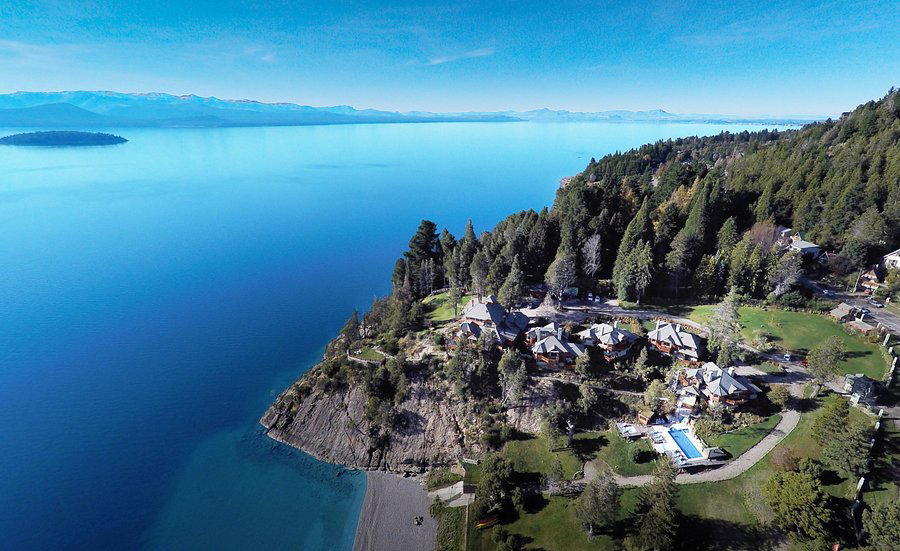
Bars in San Carlos de Bariloche
Browse all →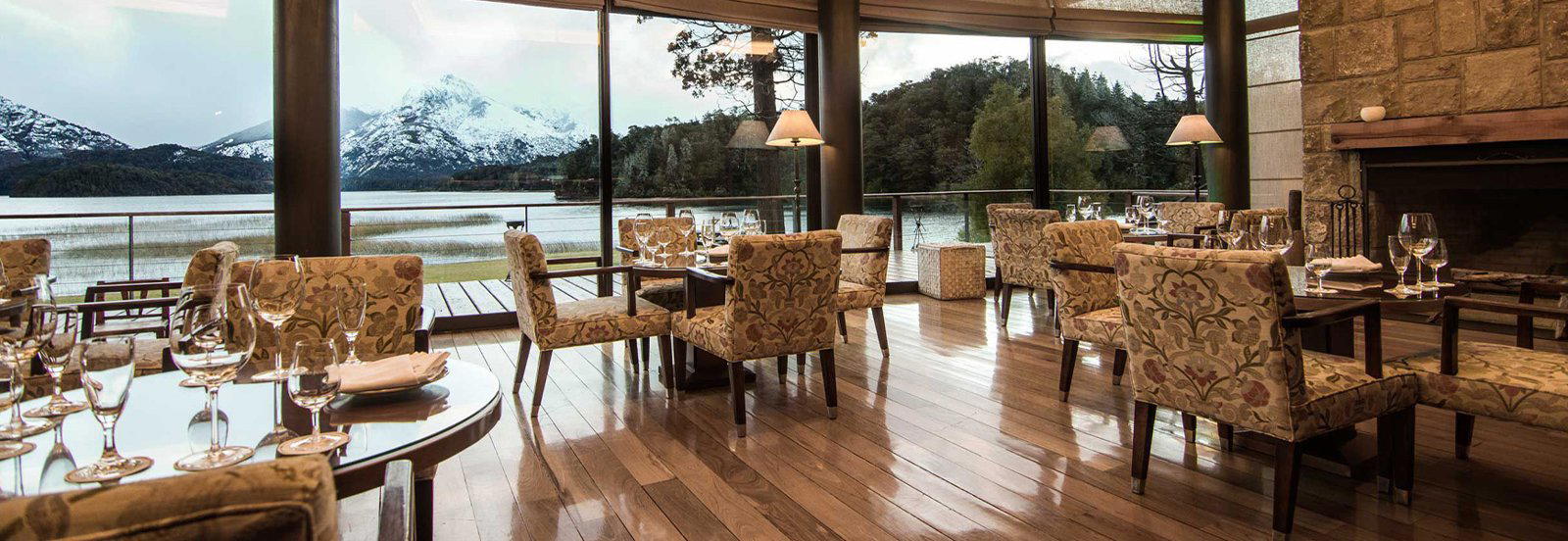

At a Glance
- Modern
- Scenic
- Elegant
- Cozy
- Romantic Getaway
- Weekend Escape
- Panoramic View
- Design Destination
- Wi Fi
- Pool
- Indoor Pool
- Outdoor Pool
- Sauna
- Fitness Center
- Spa
- Restaurant
- Concierge
- Garden
- Mountain
- Wi Fi
- Pool
- Indoor Pool
- Outdoor Pool
- Sauna
- Fitness Center
- Spa
- Restaurant
- Concierge
- Garden
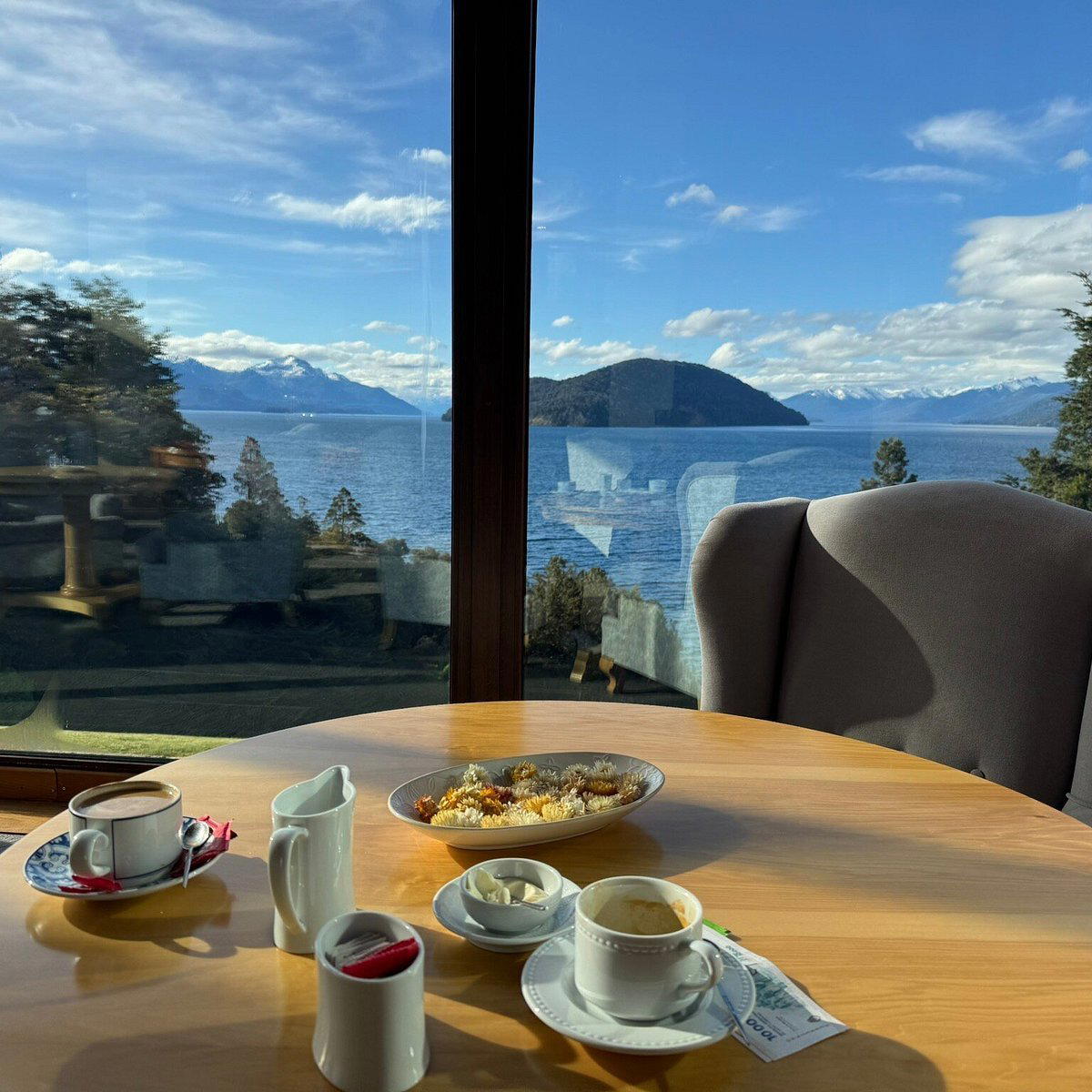
Cozy lobby with fireplace, sleek contemporary furnishings, natural materials, and floor-to-ceiling windows offering serene lake vistas and tranquil atmosphere.