
Small Luxury Hotels of the World Member
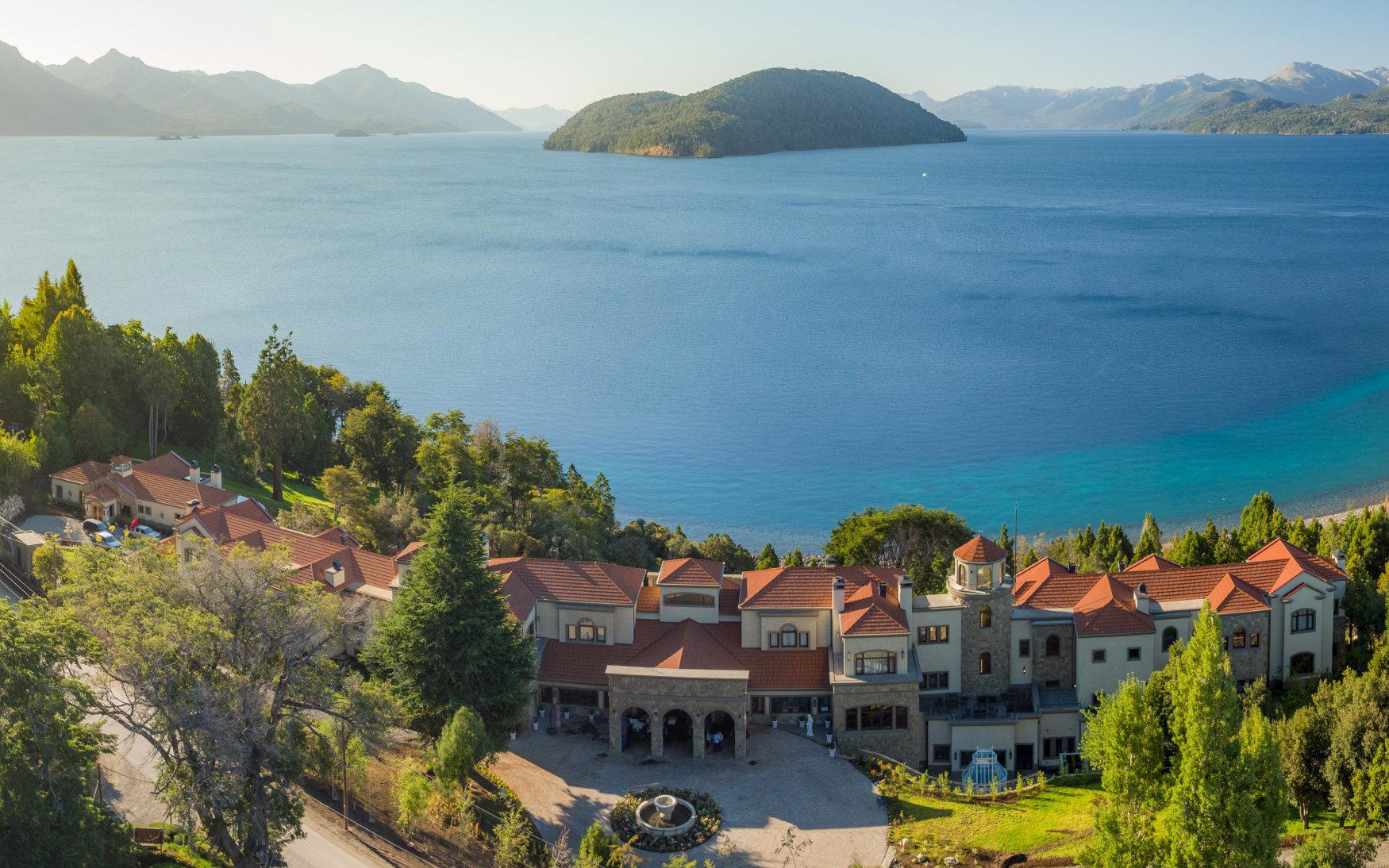
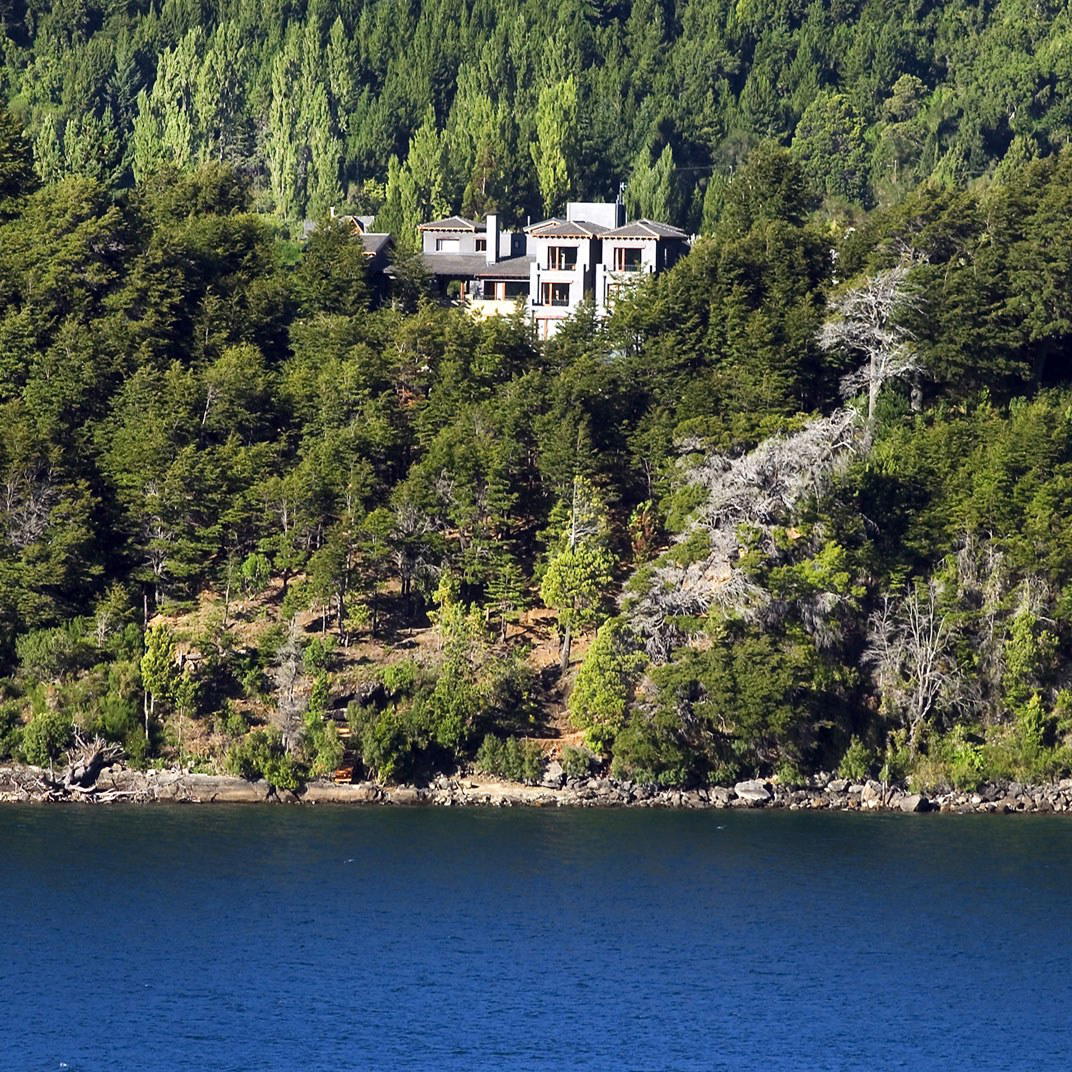
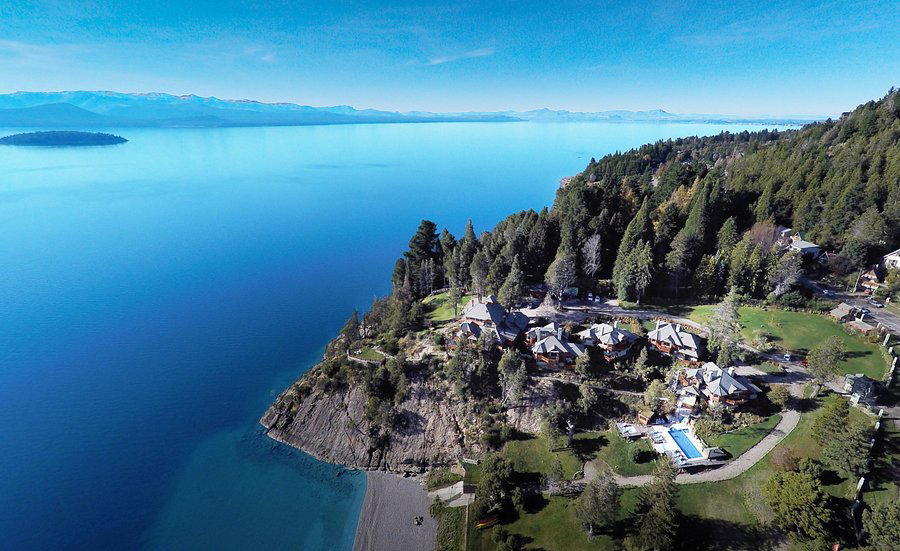
On the Península Arriba shoreline of Nahuel Huapi Lake, Villa Beluno Hotel & Spa sits where the Andes drop directly to the water's edge. The property pairs the raw geography of Patagonia with a composed hospitality approach — making it a considered address for travellers arriving in Bariloche with time to stay, not just pass through.

Pearl is the En Primeur Club membership app — saves, bookings, and concierge access live there. Same editors, same standards.
- Address
- Av. del Campanario 1144, R8400 San Pedro, Río Negro
- Phone
- +54 9 294 450-6897
- Website
- villabeluno.com
- Directions
- Get directions
Where Nahuel Huapi Sets the Terms
Patagonian lake-district hotels divide along a clear fault line: those that treat the landscape as backdrop and those that treat it as the primary material. The properties that work hardest at Bariloche tend to be the ones where the rooms, the dining rooms, and the arrival sequence are all oriented toward the water, so that Nahuel Huapi Lake is the constant reference point rather than an occasional view. Villa Beluno Hotel & Spa, at Av. del Campanario 1144 on the Península Arriba, sits in that second category. The address places it on one of the more deliberately positioned spits of land in the region: a peninsula that pushes out into the lake and collects light differently in morning and afternoon, making the physical location do a substantial share of the atmospheric work.
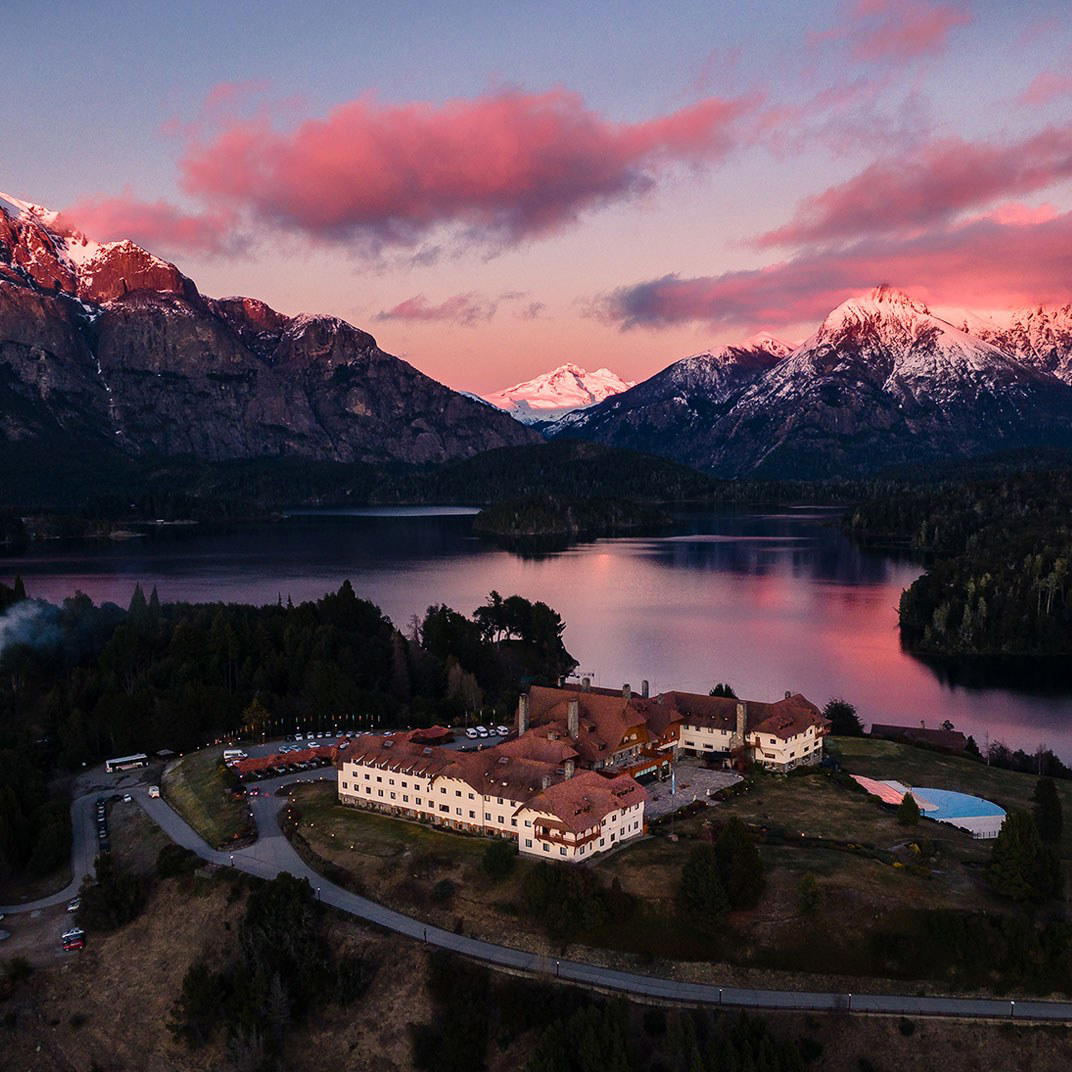
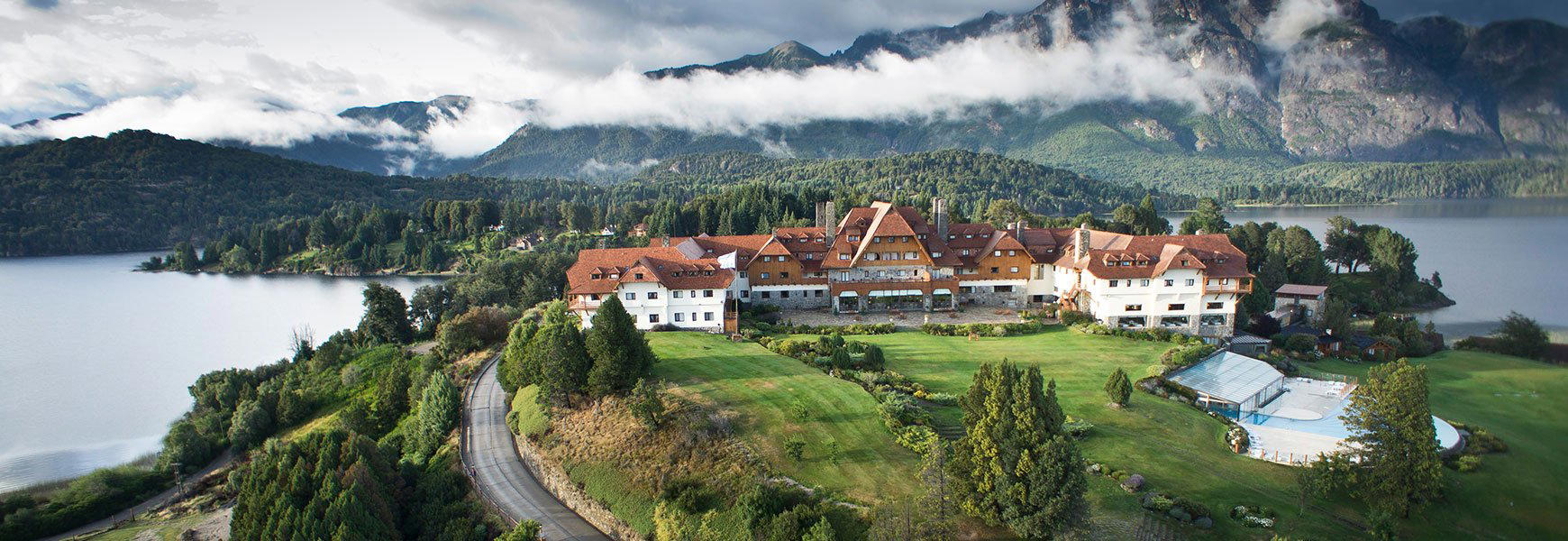
Bariloche's premium accommodation tier has never been as consolidated as, say, Mendoza's wine-lodge circuit or Buenos Aires's grande dame corridor. For comparison, the city's most referenced address, Llao Llao Resort, Golf & Spa, operates at scale with golf, multiple restaurants, and a wedding-and-conference infrastructure. Villa Beluno occupies a different register: smaller, more residential in its proportions, and positioned for guests who want the lake as an intimate daily companion rather than a panoramic amenity. That distinction shapes everything from the scale of the public spaces to the way the property organises its hospitality around the rhythm of the water and the mountains behind it.
The Culinary Logic of the Lake District
Patagonian cuisine has a clear structural identity that the better lake-district properties have learned to work with rather than override. The region's kitchen traditions centre on lamb raised on the open steppe, cold-water trout and salmon from the lake system, wild boar that migrated south from earlier agricultural introductions, and gathered mushrooms from the Andean forests. Those aren't trend ingredients; they are the actual larder, and properties that source and cook them well gain a credibility that imported menus cannot replicate. For travellers coming to Bariloche from the wine country — from addresses like Cavas Wine Lodge in Alto Agrelo or Casa de Uco in Tunuyán — the shift in culinary register is pronounced. Where Mendoza's lodge dining is built around the asado and the Malbec pairing, Bariloche's version is built around fire, cold water, and altitude.
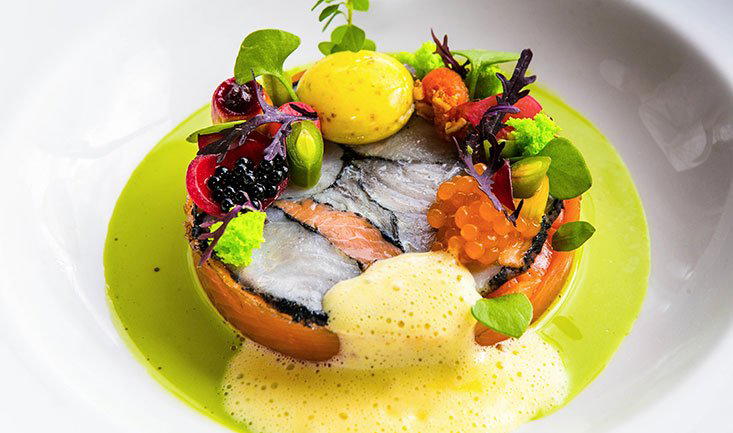
Villa Beluno's position on the lake places it in direct relationship with those ingredients. The dining programme details from the property's current setup are not fully documented in public records, but the property's location and format signal a kitchen that works with the surrounding ecology. That is the pattern at this end of the Patagonian luxury circuit: intimate properties with direct lake access tend to build their food and beverage offering around what the landscape provides, because that is what guests arriving for the scenery also want to eat. The leading Patagonian hotel kitchens treat the dining room as an extension of the excursion programme, what was on the water or in the forest in the morning can appear in some form at the evening table.
For context on how the dining-programme logic plays out elsewhere in Argentine destination hospitality, the Awasi properties are the clearest reference. Awasi Iguazu in Puerto Iguazu and Awasi Mendoza in Luján de Cuyo both anchor their culinary programming to the specific regional ecology rather than defaulting to a generic luxury-hotel menu. That approach, regionalism over generic prestige, is increasingly the standard that discerning travellers expect from premium Argentine stays, and it is the frame through which Villa Beluno's dining should be understood.
The Spa and the Lake as a Single Programme
Patagonia's lake district offers a wellness context that differs from urban or vineyard-based spa properties. The cold, clear altitude air, the lake for swimming or kayaking, and the surrounding forest create a natural infrastructure that the better properties fold into their spa and wellness offers rather than treating the two as separate departments. At this property type and location, the spa programme tends to operate in dialogue with outdoor activity scheduling: a thermal circuit or treatment in the late afternoon makes more sense after a morning on the water or in the hills than as a standalone daily activity. That integration of the built and natural environment is characteristic of the Patagonian approach to hospitality at this level.
The Andes backdrop, visible across the lake and rising behind the peninsula, gives Villa Beluno's guests a geography that very few lake-district properties in the Southern Hemisphere can match in sheer scale. Comparable addresses elsewhere in Argentine Patagonia, such as Correntoso Lake & River Hotel in Villa La Angostura, work within the same landscape logic. The differentiation between properties at this level is less about the view, which is uniformly impressive, and more about how the hospitality programme organises itself around that geography across a multi-day stay.
Placing Villa Beluno in the Wider Argentine Circuit
Travellers building a multi-destination Argentine itinerary typically move between three or four distinct ecosystem types: the Buenos Aires urban base, the Mendoza wine corridor, the estancia tradition of the Pampas, and the Patagonian south. For context on those adjacent tiers, Home Hotel in Buenos Aires represents the design-led boutique end of the capital; Estancia El Ombú de Areco in San Antonio de Areco anchors the Pampas gaucho tradition; and further south, Arakur Ushuaia Resort & Spa takes the Patagonian logic all the way to the continent's southern tip. Villa Beluno occupies the lake-district node on that circuit, which is the point where altitude, water, and mountain forest converge most fully.
Argentina's northwest offers a contrasting remote-lodge model worth noting for itinerary context: Colomé Winery in Molinos and Lodge Atamisque in Tupungato both operate at altitude, but against a very different terrain. Patagonian lake-district travel is its own category, and Bariloche remains the most accessible entry point to it, with direct flights from Buenos Aires cutting the transfer to around two hours.
Planning Your Stay
Bariloche's primary season runs from late November through March, when the lake is warmest and daylight hours extend well into the evening. The ski season, which brings a different kind of visitor to the Cerro Catedral slopes, peaks in July and August. For a stay oriented around the lake, the summer months offer kayaking, hiking, and long evenings on the water that are difficult to replicate in winter. Villa Beluno's Península Arriba address means guests are away from the town centre's busier hotel strip, which is an advantage for those prioritising quiet over convenience to Bariloche's chocolate shops and beer halls. The property is accessible by road from Bariloche's Teniente Luis Candelaria International Airport, which receives direct services from Buenos Aires year-round. Booking for the December-to-February peak period warrants advance planning. For a fuller picture of dining and activity options during your time in the region, see our full Bariloche restaurants guide.
Pricing, Compared
Comparable venues nearby, for context on price, style, and recognition.
| Venue | Price | Awards | Notes |
|---|---|---|---|
| Villa Beluno Hotel & SpaThis venue — the venue you are viewing | Not listed | Small Luxury Hotels of the World Member | Not listed |
| Llao Llao Resort, Golf & Spa | Not listed | Virtuoso Luxury Hotel Partner | Alpine-style luxury resort on private peninsula with two wings offering lake and mountain views |
| Las Balsas | $300–500 | Michelin Selected · Mr & Mrs Smith Seal of Approval | Villa La Angostura, High-end Patagonian estancia with contemporary luxury; a rustic-elegant retreat that blends traditional Argentine architecture with refined hospitality. |
| Awasi Mendoza | $500–750 | 2 Michelin Keys · La Liste Top Hotels | Luján de Cuyo, Spanish colonial adobe villas set in vineyards |
| Casa Duhau | Not listed | Not listed | Alto Agrelo, luxury villas and suites in wine country estate |
| SLS Buenos Aires Puerto Madero | $100–200 | Michelin Selected | Puerto Madero, Luxury contemporary design hotel blending Buenos Aires cultural energy with international sophistication, featuring residential towers and curated art collection. |
Recognition history
Dated appearances from independent guides and award organizations, with the underlying list record or original source where available.
Small Luxury Hotels of the World Member
Small Luxury Hotels of the World

Details
- Romantic
- Elegant
- Scenic
- Cozy
- Sophisticated
- Honeymoon
- Romantic Getaway
- Wellness Retreat
- Anniversary
- Panoramic View
- Infinity Pool
- Destination Spa
- Terrace
- Wi Fi
- Pool
- Spa
- Fitness Center
- Room Service
- Concierge
- Sauna
- Hot Tub
- Mountain
- Waterfront
- Garden
- Elevator
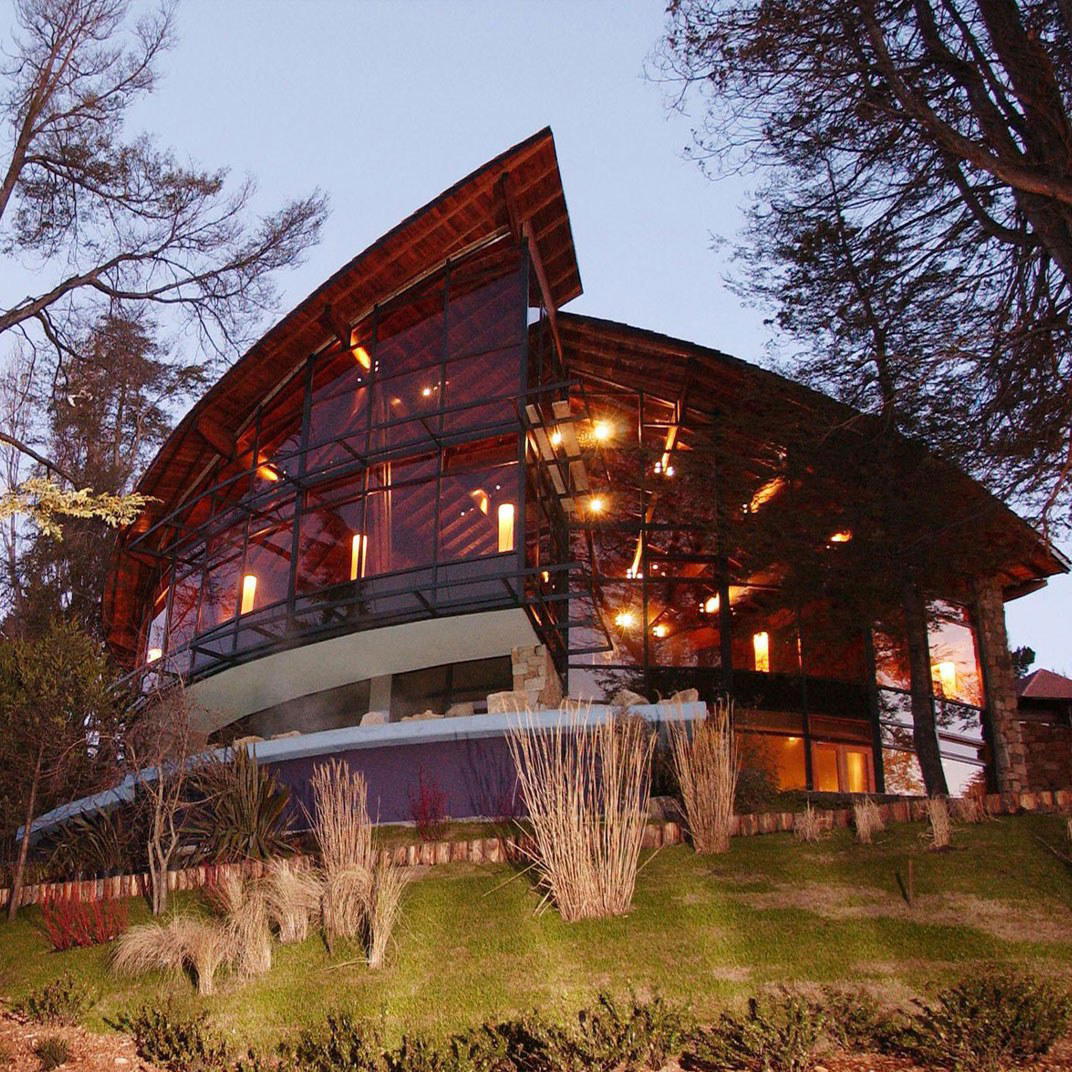
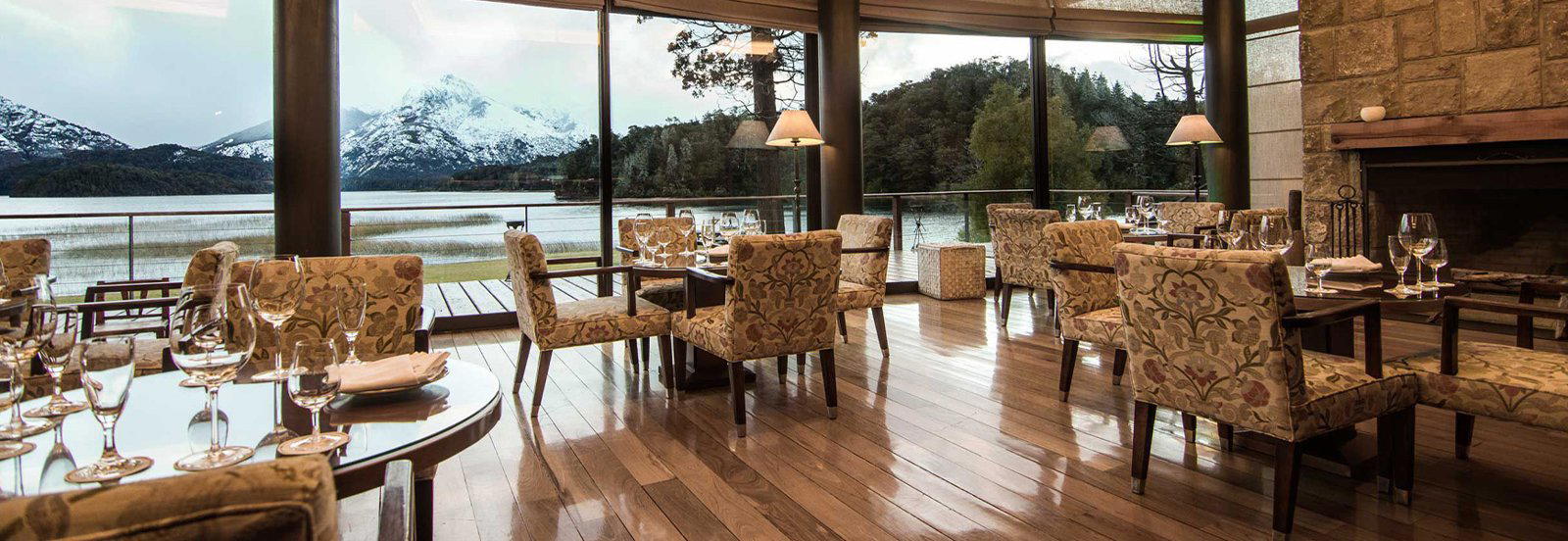
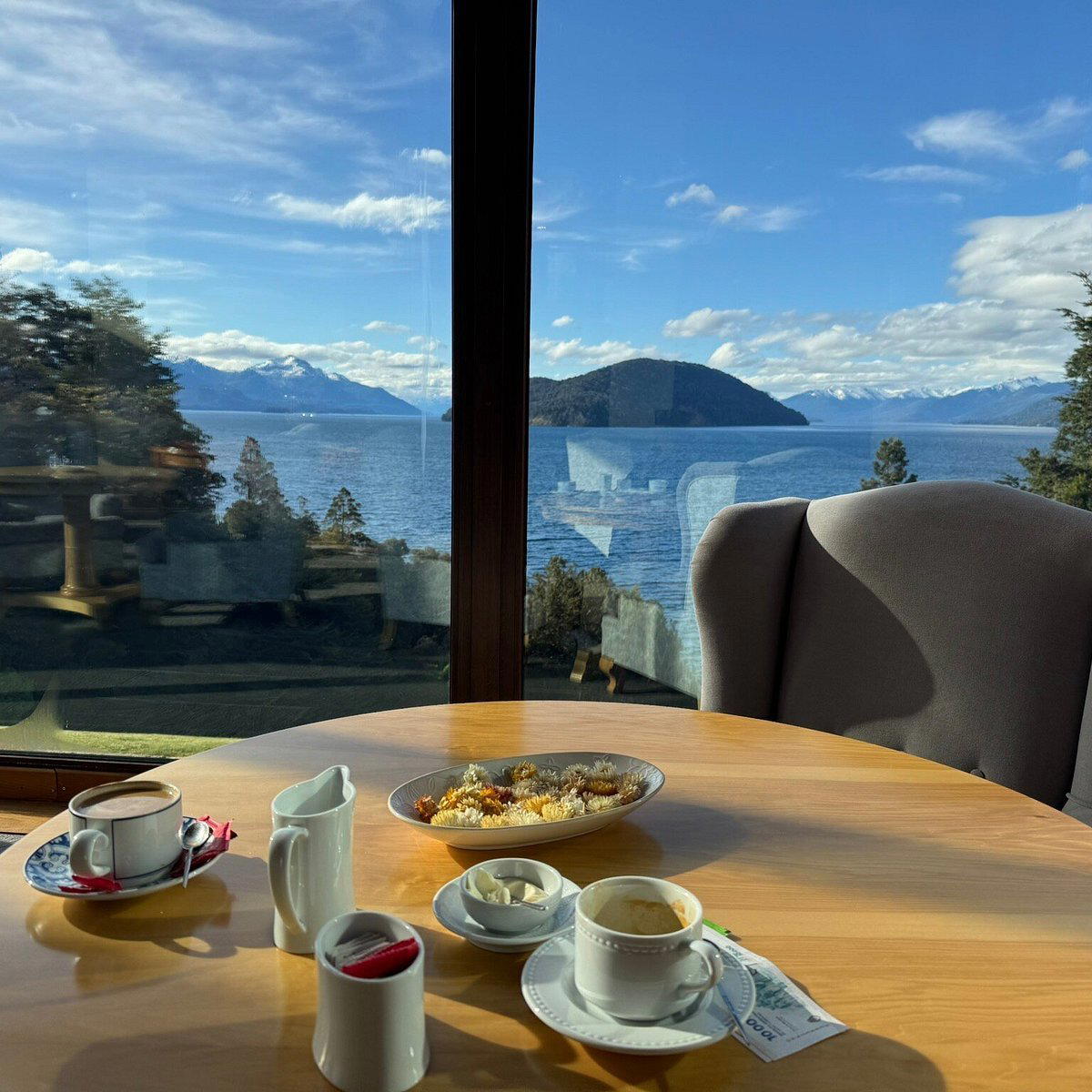
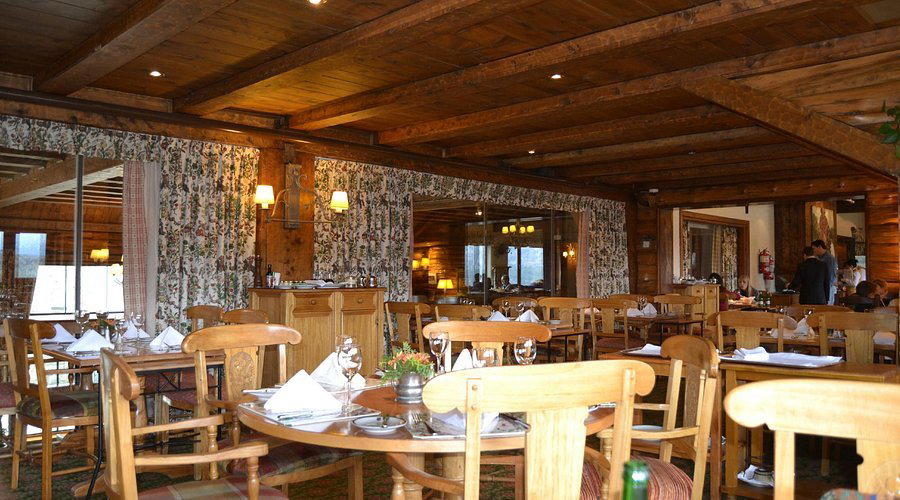
Warm, luxurious common areas with natural light, cozy fireplaces, and panoramic views creating a peaceful, romantic atmosphere.