On San Martín 574, Caliú sits within Bariloche's compact downtown dining corridor, a city whose food identity is shaped as much by Andean geography as by Argentine tradition. The restaurant draws on Patagonia's larder, lake fish, mountain lamb, local fungi, to produce cooking that reads as regional rather than generic. For visitors building a serious itinerary in the Argentine lake district, it belongs on the list.
Pearl is the En Primeur Club membership app — saves, bookings, and concierge access live there. Same editors, same standards.
- Address
- San Martín 574, R8400 San Carlos de Bariloche, Río Negro, Argentina
- Phone
- +542944100828
- Directions
- Get directions
 Saves & bookings on Pearl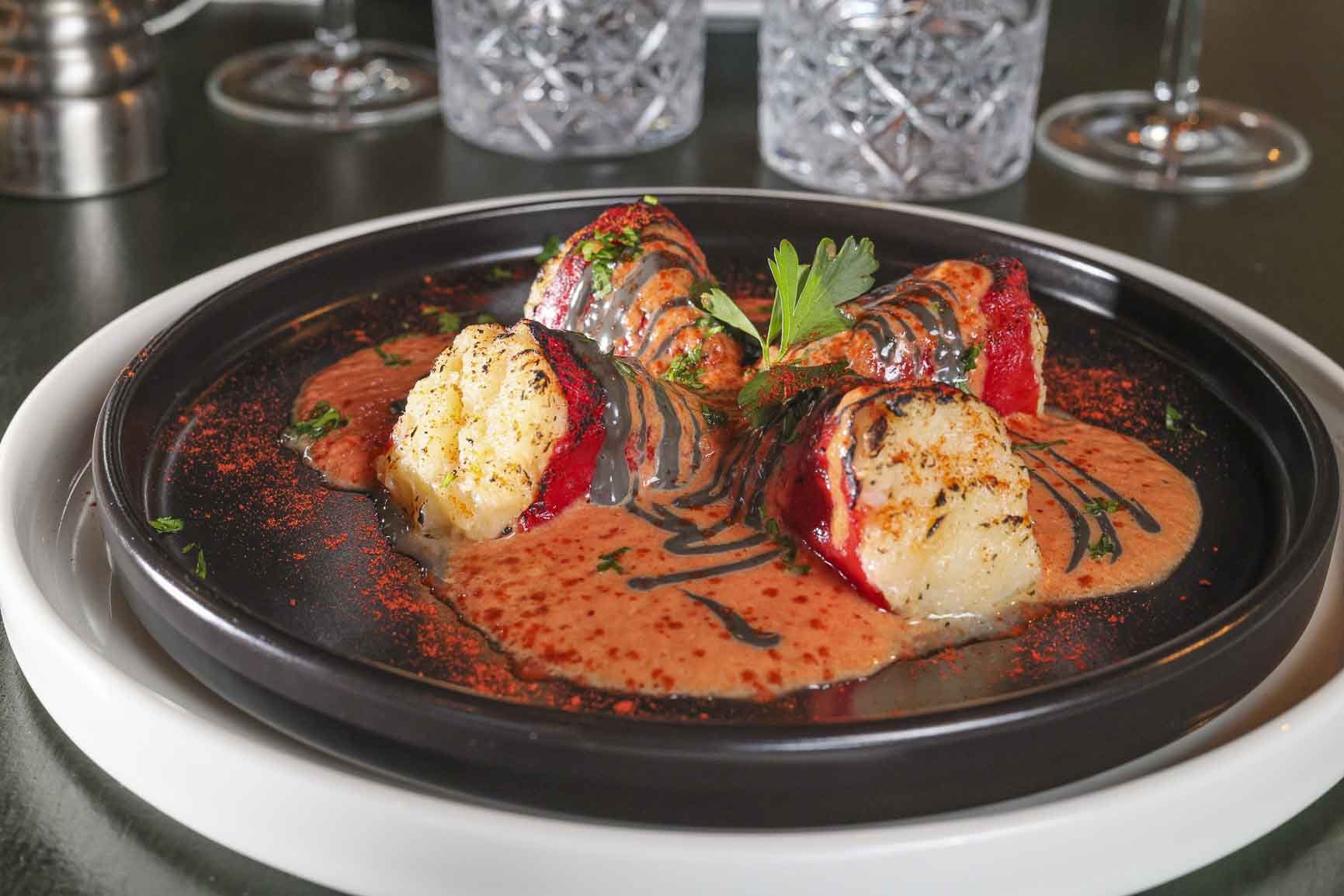
Patagonia on the Plate: What Bariloche's Larder Actually Looks Like
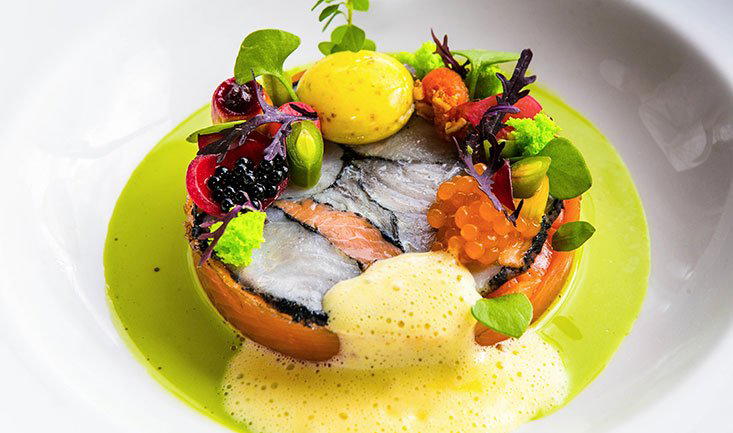
Caliú Bariloche is a restaurant in San Carlos de Bariloche serving Mediterranean with Argentine influences. The lake district's food identity is not built around the Argentine beef tradition that defines Buenos Aires institutions like Don Julio, it is built around what the surrounding terrain actually produces: cold-water lake fish such as pejerrey and introduced trout and salmon, mountain-raised lamb that spends its life on rough Patagonian pasture, wild mushrooms and calafate berries from the cordillera, and a Swiss-German baking tradition imported in the late nineteenth century that still shapes the city's pastry culture. Any restaurant in Bariloche is engaging with that regional supply, not simply replicating a Buenos Aires formula at altitude.
Caliú, at San Martín 574, sits on the pedestrian spine of downtown Bariloche, a strip dense with chocolate shops, tourist outfitters, and restaurants of varying seriousness. The address itself is not a disqualifier; some of the city's most considered kitchens occupy the same corridor, because San Martín is where foot traffic concentrates after a day on the water or in the mountains. The question worth asking of any restaurant here is what it does with what the lake district offers. For Caliú, that question points toward Patagonian sourcing as the organising logic of the menu.
Why Ingredient Origin Matters More in Patagonia Than Almost Anywhere Else in Argentina
Argentina's culinary geography is more fractured than its beef-first reputation suggests. Mendoza operates around vine-grown produce and wine-country cooking, see the estate dining approach at Cavas Wine Lodge or the Luján de Cuyo table at Entre Cielos. The northwest trades in high-altitude Andean ingredients. Patagonia's larder is distinct again: colder, wilder, and shaped by both indigenous and European settler influences. The trout and salmon that now define lake district menus were introduced by European colonisers in the early twentieth century and have since become as embedded in local identity as the native pejerrey. Mountain lamb raised on the steppe south of Bariloche, particularly around El Bolsón and the Río Negro valley, carries a flavour profile noticeably different from pampa-fed beef, leaner, with a mineral edge that reflects the pasture.
For restaurants in this context, sourcing is not a marketing position; it is a constraint and an opportunity simultaneously. Kitchens that source from local producers, small-scale mushroom growers in El Bolsón, lake fishers who work Nahuel Huapi and the surrounding waterways, regional cheesemakers drawing on the area's strong dairy tradition, are working with ingredients that do not travel well and therefore rarely appear on menus outside a tight radius. That specificity is the case for Patagonian dining in general, and it applies to what Caliú is positioned to offer on San Martín. Compare this with the estate-anchored sourcing logic at Las Balsas in Villa La Angostura, where proximity to Nahuel Huapi's northern shore shapes a similarly region-specific approach.
Bariloche's Dining Tier: Where Caliú Sits
Bariloche's restaurant market stratifies between tourist-facing operations on San Martín, many of them adequate but oriented toward volume, and a smaller set of kitchens that treat regional ingredients with more discipline. The city does not have the deep fine-dining infrastructure of Mendoza or the Buenos Aires circuit that supports tasting-menu formats. What it has is a set of restaurants, including operations like Alto el Fuego at the old train station, that have developed a credible regional cooking identity around open-fire techniques and Patagonian produce. Caliú occupies a position in that mid-to-upper tier on San Martín: accessible enough in address to catch passing visitors, but with a sourcing orientation that distinguishes it from the city's more generic offerings.
For travellers who have already benchmarked against Buenos Aires' prestige steakhouse tier or the Mendoza wine-estate circuit, the relevant recalibration in Bariloche is away from those comparative frames and toward what the lake district does differently. The fire-cooking tradition that runs through Patagonian restaurants, the same tradition that EOLO in El Calafate has developed further south, finds one of its more approachable expressions in Bariloche's mid-range bracket. For broader context on where Caliú sits within the city's full dining spread, the EP Club Bariloche restaurants guide maps the competitive field in detail.
Planning a Visit: Logistics and Timing
San Martín 574 is walkable from virtually every central accommodation option in Bariloche, the address is in the heart of the pedestrian zone, and no vehicle is needed to reach it from the main hotel corridors along the lakefront. Bariloche's high season runs from July through August (ski season at Cerro Catedral, roughly 19 kilometres from town) and December through February (summer trekking and lake activities), and restaurant demand tracks those peaks closely. Visits outside those windows, particularly in May or early June, and in March, tend to yield shorter waits and more attentive service across the city's restaurants. The restaurant is recommended for reservations, and it opens Monday through Saturday from 4 PM to 12 AM, with Sunday closed.
At-a-Glance Comparison
Comparable venues nearby, for context on price, style, and recognition.
| Venue | Cuisine | Price | Notes |
|---|---|---|---|
| Caliú BarilocheThis venue — the venue you are viewing | Mediterranean with Argentine influences | $$ | Not listed |
| Alto el Fuego - Estación de Tren | Argentine Asado & Patagonian Grill | $$$ | San Carlos de Bariloche |
| Chuchú | International | $$ | Retiro |
| María Antonieta | Modern Mediterranean-Argentine Bistro | $$ | Ciudad |
| Chila | Modern New Argentine Fine Dining | $$$$ | Puerto Madero |
| Las Balsas Restaurant | Patagonian Fine Dining | $$$$ | Villa La Angostura |
Continue exploring
More in Bariloche
Restaurants in Bariloche
Browse all →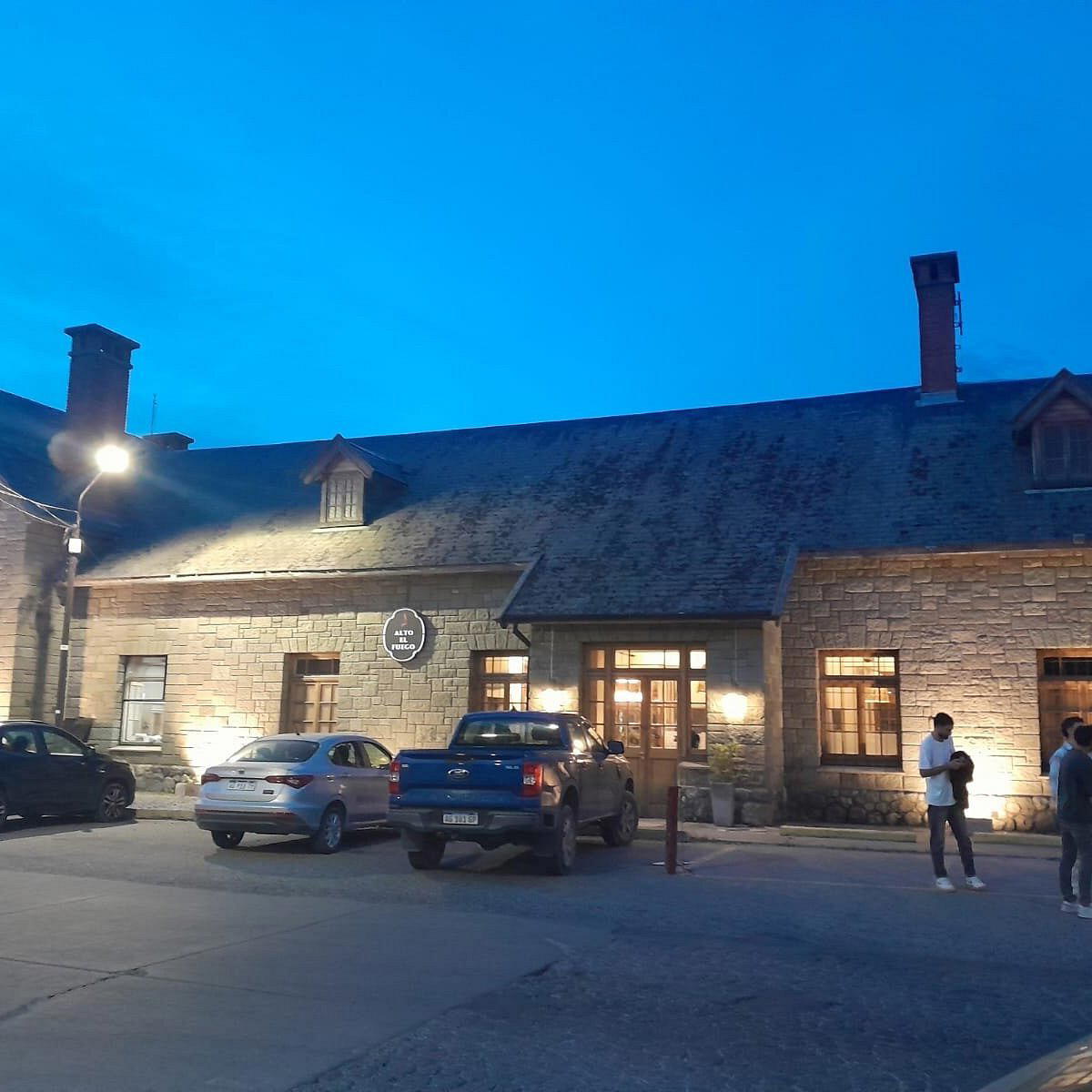

Bars in Bariloche
Browse all →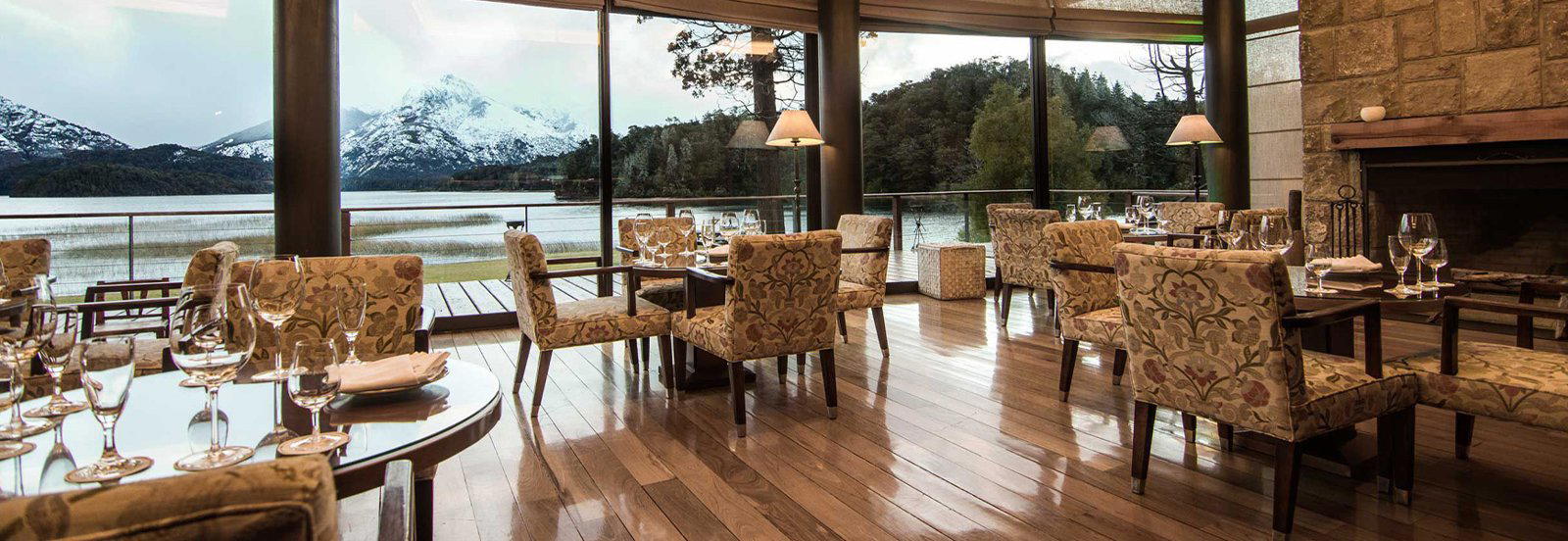
At a Glance
- Cozy
- Intimate
- Date Night
- Special Occasion
- Open Kitchen
Current opening hours
- Monday
- 4 PM–12 AM
- Tuesday
- 4 PM–12 AM
- Wednesday
- 4 PM–12 AM
- Thursday
- 4 PM–12 AM
- Friday
- 4 PM–12 AM
- Saturday
- 4 PM–12 AM
- Sunday
- Closed
Hours can change for holidays and private events. Last verified .
Warm, cozy environment with friendly, attentive service and ambient music.