Estancia Cristina

Three hours by boat across Lago Argentino, Estancia Cristina sits at the edge of the Patagonian wilderness where the Upsala glacier meets impossibly tall peaks. Twenty rooms across four cottages face the mountains through wide picture windows, and the property operates on a fully inclusive model from mid-October through mid-April. Getting there is part of the logic of being there.
Pearl is the En Primeur Club membership app — saves, bookings, and concierge access live there. Same editors, same standards.
- Address
- Av. del Libertador 1037, Z9405 El Calafate, Santa Cruz
- Phone
- +54 9 2902 50-4180
- Website
- estanciacristina.com
- Directions
- Get directions
 Saves & bookings on Pearl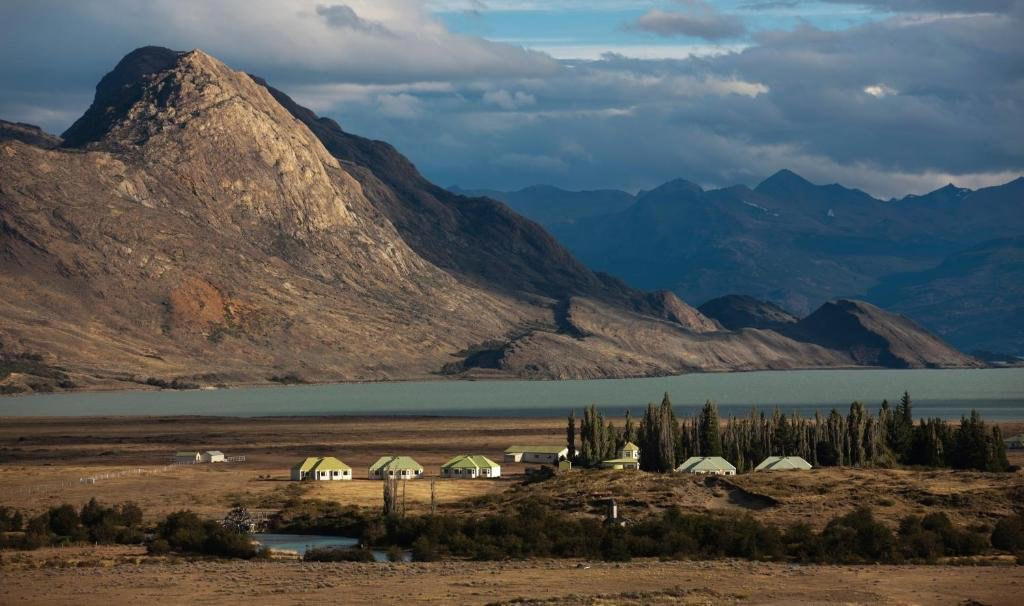
The Journey In Is the First Argument
There is a category of remote lodge that earns its credentials not through interior design magazines or celebrity chef consultancies, but through the sheer difficulty of arrival. El Calafate is already a long way from anywhere that matters on a conventional travel itinerary, a small Patagonian town that exists primarily as a gateway to Los Glaciares National Park. Estancia Cristina takes that remoteness and adds three hours by boat across the cold, deep blue of Lago Argentino, threading into the glacial fingers of the lake, past walls of rock that rise at angles that seem to defy basic geology, until the estancia finally appears at the water’s edge like a settlement at the end of the known world. The physical distance from El Calafate is not incidental to the experience. It is the experience’s first chapter.
Among Argentina’s remote lodges, the split runs between those that try to match their surroundings with architectural spectacle and those that accept, correctly, that no building will out-compete the scenery. Estancia Cristina belongs firmly in the second category. The architecture is restrained to the point of being almost utilitarian, a set of low structures that read as working ranch buildings rather than luxury resort pavilions. Four cottages hold the property’s 20 rooms, and the design vocabulary inside runs to warm textures, simple fabrics, and raw wood, the material language of a place built for cold weather and long days outside rather than for being looked at.
Design That Refuses to Compete
The decision to keep architecture quiet at a property this remote reflects a broader logic that the better South American lodges have understood for decades. The Patagonian wilderness is not a backdrop against which a statement building can perform. It is the primary object of attention, and any structure that asks to compete with it will lose. What Estancia Cristina offers instead is a set of spaces designed to frame and return the guest to the landscape rather than to substitute for it.
One direct expression of that approach is the picture window in each room. Wide and oriented towards the mountains, these windows do the work that a decorator might otherwise attempt with art or wallpaper. On a clear morning, with the peaks catching early light above the lake, no interior detail competes for attention, nor is it asked to. The rooms function as viewing platforms as much as sleeping quarters, which is an honest reading of why anyone travels this far.
Material choices throughout, raw wood, simple fabrics, warm textures, avoid both the cold minimalism of Scandinavian-influenced design and the heavy ornamentation that some South American lodges still reach for. It is a restrained palette that reads as deliberately considered rather than merely inexpensive, the kind of restraint that properties like Explora El Chaltén also practise in the same Patagonian region, where the wilderness makes a strong argument against interior noise.
Patagonia’s Remote Lodge Category
Argentina has developed a distinct tier of estancia and remote lodge accommodation that operates outside the logic of urban luxury hotels. Properties like Estancia El Ombú de Areco in the Buenos Aires province, Estancia La Bandada near San Miguel del Monte, and Estancia Los Potreros in Córdoba all represent variations on a format where the land, the activity, and the ranch tradition carry more weight than facilities or food. Estancia Cristina sits at one remote end of that spectrum, with its glacier access and the Lago Argentino crossing marking it out as a property defined almost entirely by location rather than amenity accumulation.
In contrast, Argentina’s wine country properties, including Cavas Wine Lodge in Alto Agrelo, Casa de Uco in Tunyán, and Lodge Atamisque in Tupungato, compete partly on gastronomy, wine access, and spa infrastructure. The hotel makes none of those arguments. Its comparable set is the handful of properties worldwide where the case for staying is almost entirely geographical.
The Activity Programme and Its Logic
The activity structure at the hotel is built around the Patagonian wilderness rather than around the lodge itself, which is the appropriate inversion of priorities given where the property sits. Treks into the surrounding terrain, horseback rides across estancia land, and 4x4 excursions out to the Upsala glacier constitute the core of what guests actually do here. The glacier access alone separates the hotel from most Patagonian accommodation, which can offer proximity to Los Glaciares National Park but not the kind of deep-terrain access that comes from being located at the lake’s glacial fingers rather than on its southern shore.
The fully inclusive model, covering accommodation, meals, and the activity programme with the exception of alcohol, is standard logic for a property at this level of remoteness. There is nowhere nearby to source an alternative meal or book a separate excursion, so the all-inclusive structure reflects geography as much as pricing strategy. It also means that the quality of the food matters more than it might at a lodge with restaurant alternatives within reach, and the kitchen at the hotel is reported to produce satisfyingly well-crafted cuisine that holds up after a full day outside.
Planning the Trip
The hotel operates seasonally, from mid-October through mid-April, following the Patagonian summer window when conditions in the park are stable enough to support the glacier and wilderness excursions that define the stay. Outside that period, the property closes entirely, which makes advance planning a prerequisite rather than a suggestion.
Transport from El Calafate is included in the rate. A van collects guests from their location in town for a 30-minute drive to Punta Bandera, where the boat departs for the three-hour crossing to the estancia. The crossing itself crosses Lago Argentino through some of its most dramatic glacial scenery, so the journey functions as an introduction to the wilderness rather than dead travel time. Guests staying at Arakur Ushuaia or planning a broader Patagonian circuit through Awasi Iguazu to the north might fold the hotel into a longer Argentina itinerary that takes in multiple ends of the country’s wilderness spectrum.
With 20 rooms across four cottages, capacity is limited enough that the property avoids the crowding that affects more accessible glacier-adjacent accommodation in high season. Booking well ahead of the season opening is advisable, particularly for the January and February peak, when Patagonian summer conditions are at their most reliable.
Comparable Venues
Comparable venues nearby, for context on price, style, and recognition.
| Venue | Cuisine | Price | Awards | Notes |
|---|---|---|---|---|
| Estancia CristinaThis venue — the venue you are viewing | Remote pioneer estancia with refurbished historic buildings | $$$$ | Michelin 1 Key | Not listed |
| EOLO - Patagonia's Spirit | Patagonian estancia with modern creole architecture and understated elegance | $$$$ | 5-Star | La Anita Valley |
| San Isidro Plaza | Modern boutique hotel on tree-lined street near cathedral | $$$ | 4-Star | San Isidro |
| Mine Hotel Boutique | Owner-driven intimate retreat blending aesthetics, design, and personalized service. | $$$ | 4-Star | Palermo Soho |
| Casa Duhau | luxury villas and suites in wine country estate | $$$$ | 5-Star | Alto Agrelo |
| Awasi Mendoza | Spanish colonial adobe villas set in vineyards | $$$$ | 5-Star | Luján de Cuyo |
Recognition history
Dated appearances from independent guides and award organizations, with the underlying list record or original source where available.
Michelin 1 Key
Michelin
Continue exploring
More in El Calafate
Hotels in El Calafate
Browse all →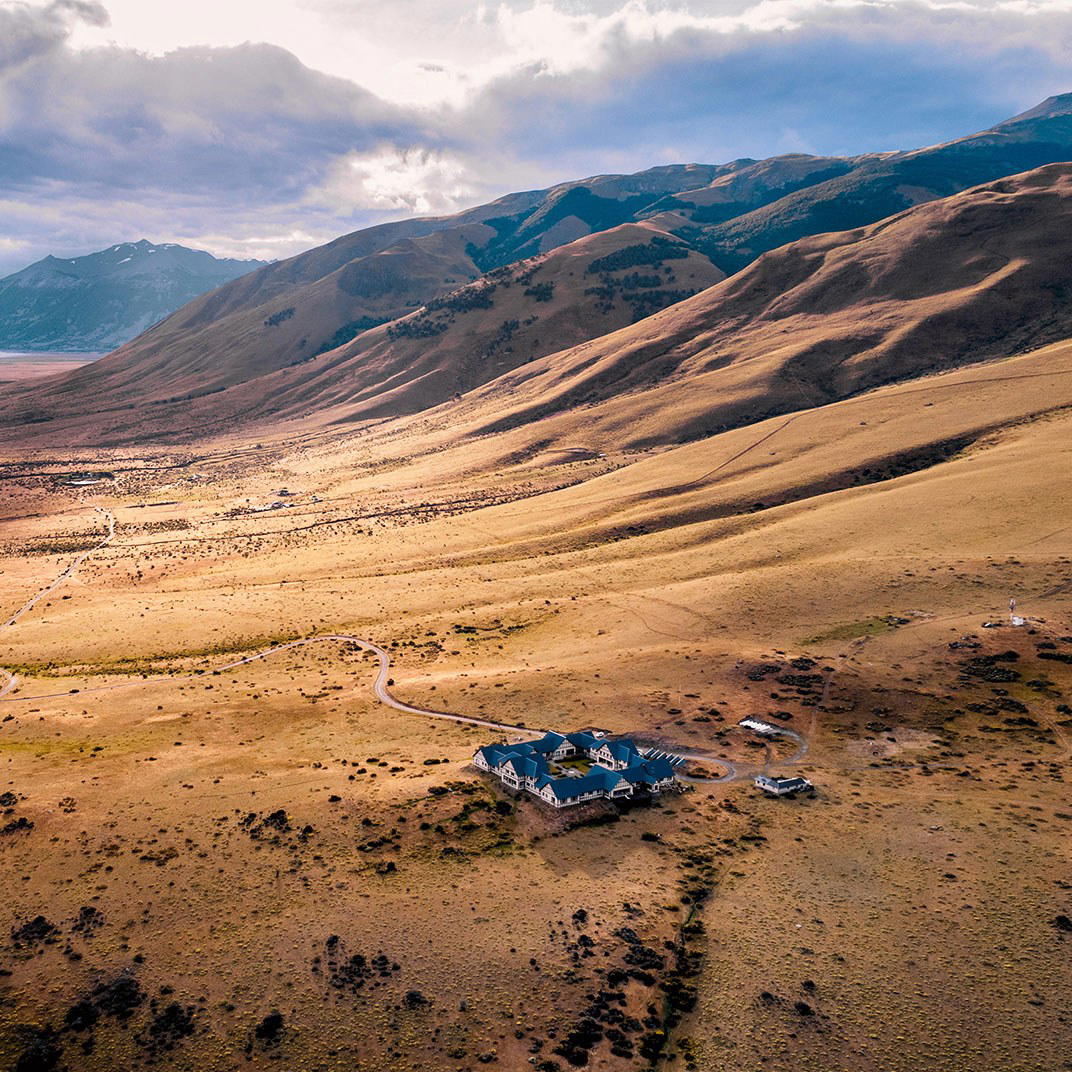
Restaurants in El Calafate
Browse all →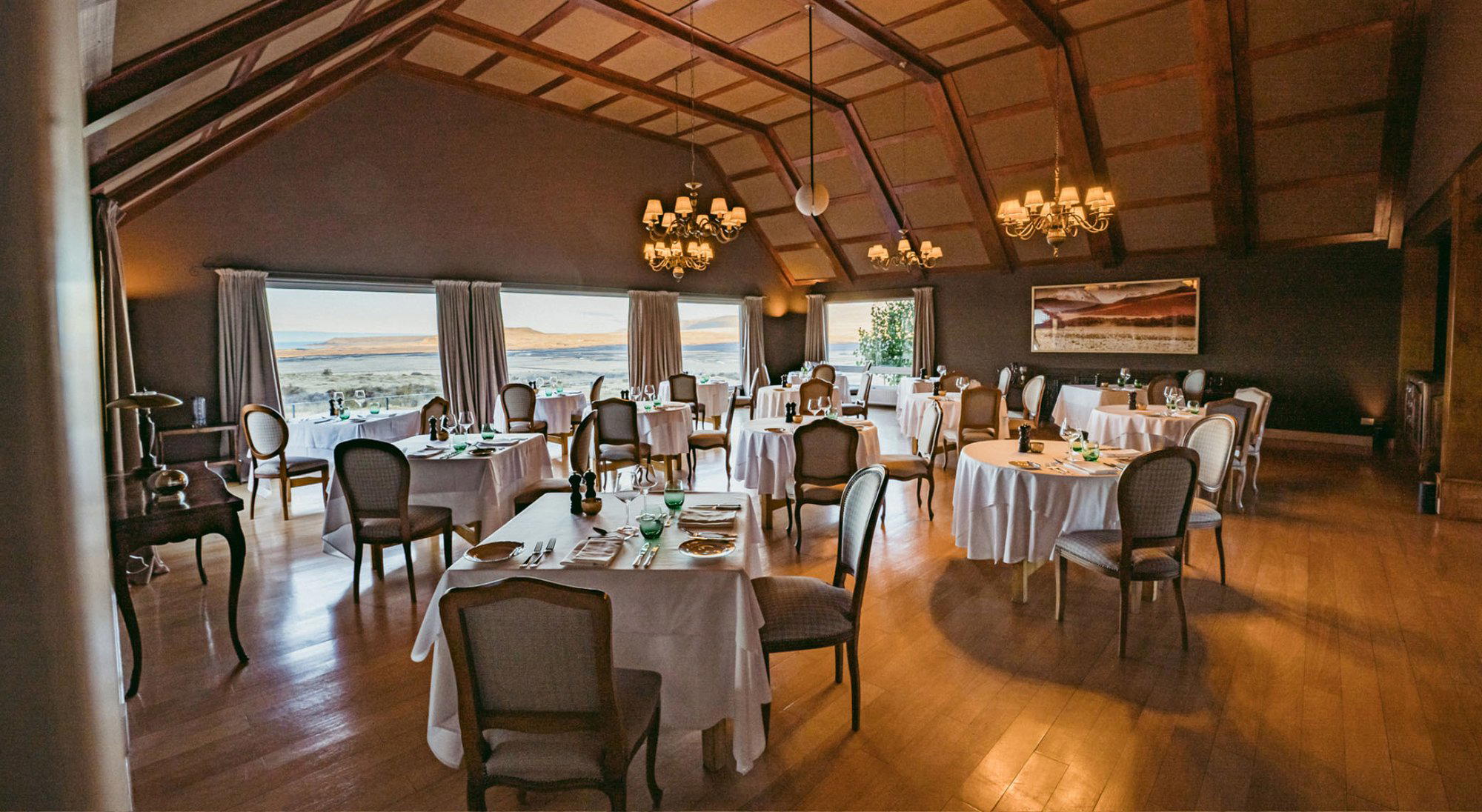
At a Glance
- Scenic
- Quiet
- Rustic
- Romantic
- Romantic Getaway
- Weekend Escape
- Family Vacation
- Group Retreat
- Panoramic View
- Historic Building
- Garden
- Wi Fi
- Restaurant
- Concierge
- Laundry Service
- Waterfront
- Mountain
- Wi Fi
- Restaurant
- Concierge
- Laundry Service
Remote, secluded, and scenic, with a quiet Patagonian lodge atmosphere shaped by wide mountain-facing windows, expansive wilderness, and warm rustic-comfortable interiors.