La Alondra Casa de Huéspedes

A Michelin Selected guest house on Corrientes's Avenida 3 de Abril, La Alondra Casa de Huéspedes belongs to a category of small-format Argentine accommodation that trades scale for spatial character. The property earns its place in the 2025 Michelin Hotels selection through design coherence and a sense of place that larger Corrientes options rarely attempt.
Pearl is the En Primeur Club membership app — saves, bookings, and concierge access live there. Same editors, same standards.
- Address
- Av. 3 de Abril 827, W3400 Corrientes, Argentina
- Phone
- +54 379 443-0555
- Website
- laalondra.com.ar
- Directions
- Get directions
 Saves & bookings on Pearl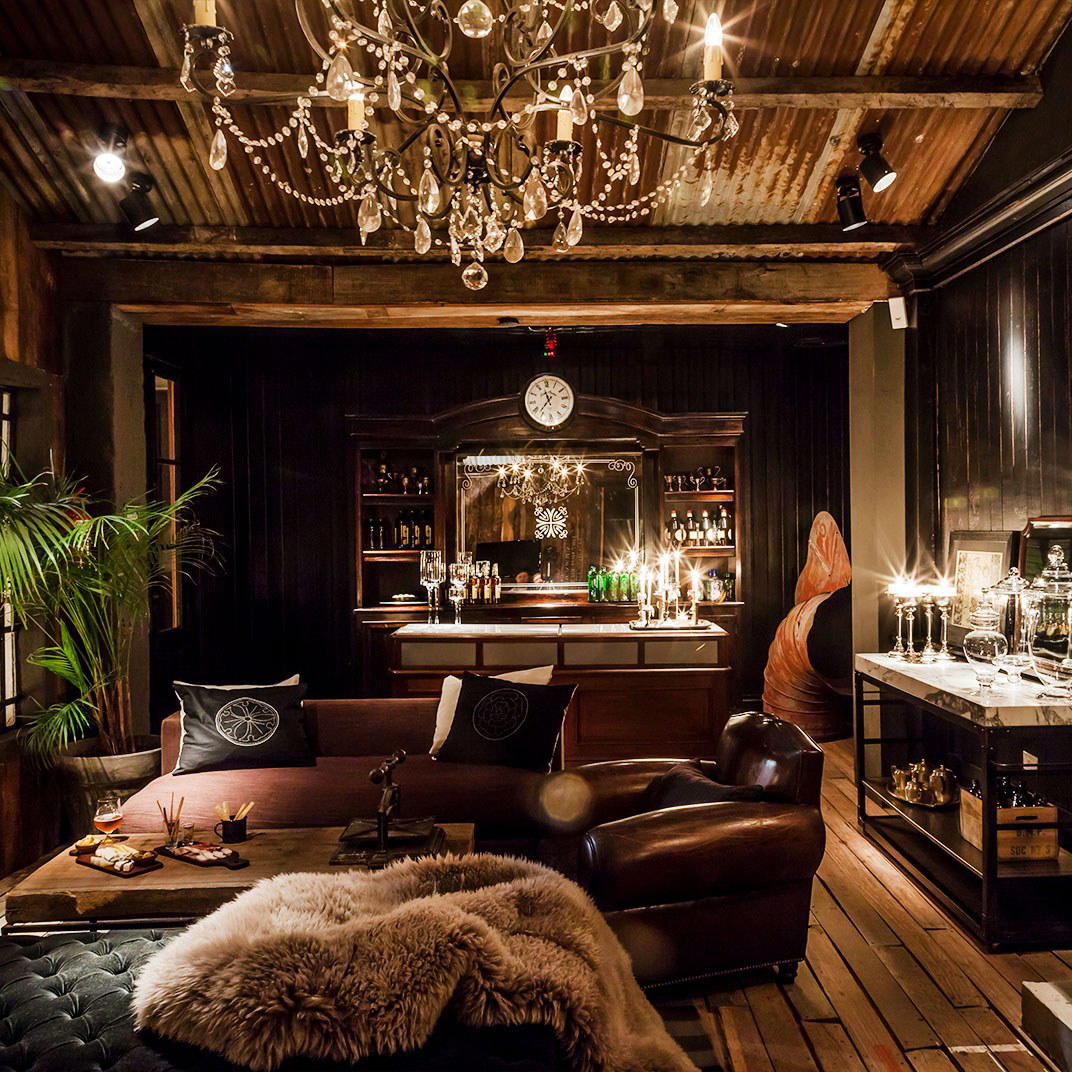
Corrientes and the Architecture of Intimate Stays
Argentina's northeast interior has never competed on the same hospitality terms as Buenos Aires or the wine country of Mendoza. Corrientes, a provincial capital on the upper Paraná where the heat is physical and the carnival tradition runs deeper than almost anywhere else in the country, has historically offered visitors functional rather than considered accommodation. That has been shifting, and the properties driving that shift tend to share a profile: small in key count, attentive to the physical fabric of the building they occupy, and willing to position themselves against a national rather than purely local comparable set. La Alondra Casa de Huéspedes, at Avenida 3 de Abril 827, fits that pattern and sits inside the 2025 Michelin Hotels selection to prove it.
The Michelin Hotels list does not award stars in the restaurant sense. Selection signals that inspectors have assessed the property and found it worth recommending to a reader who moves through the world with genuine attention to where they sleep. For a guest house in Corrientes to reach that standard places it in a smaller Argentine cohort than the awards-dense properties of Buenos Aires or Patagonia. Compare the density of Michelin-selected properties in the capital, where the Alvear Palace Hotel in Buenos Aires anchors a long-established luxury tier, against the relative scarcity of recognized stays in the northeast, and the distinction carries more weight than the label alone suggests.
The Physical Space as Editorial Argument
Casa de huéspedes as a format has a specific architecture in Argentina. These are not hotels in the international sense. They are residential structures, often from the late nineteenth or early twentieth century, that have been converted for paying guests while retaining the proportions and material vocabulary of domestic life: high ceilings, internal courtyards or patios, tiled floors that retain coolness against the Corrientes heat, rooms that open onto shared or semi-shared outdoor space rather than onto corridors. The design argument in a property of this type is made through what has been preserved and how it has been adapted, not through new construction or imported furniture programs.
Corrientes architecture in this period drew on Spanish colonial precedent filtered through a subtropical climate, producing buildings designed for cross-ventilation, shade, and a relationship between interior and exterior that mirrors the city's social life. Streets in the historic center are built for slowness: wide sidewalks, trees pruned to form canopies, facades that read as continuous rather than broken by setbacks. A guest house on Avenida 3 de Abril places a visitor inside that urban fabric rather than extracting them from it into a lobby environment designed to signal departure from the city.
The editorial case for small-format, architecturally coherent accommodation in cities like Corrientes rests on a simple premise: the building teaches you something about the place. Properties such as La Bamba de Areco in San Antonio de Areco and House of Jasmines in La Merced Chica operate on the same principle in their respective contexts: the physical space functions as primary content, not merely as shelter between activities. La Alondra positions itself within that tradition.
Where It Sits in the Argentine Guest House Map
Argentine accommodation has split into recognizable categories over the past decade. One tier is the large international-branded hotel, most concentrated in Buenos Aires and resort destinations. A second is the estancia, which has developed a sophisticated tourism infrastructure of its own, with properties such as Estancia La Paz Hotel in Ascochinga and ESTANCIA LOS POTREROS in Rio Ceballos drawing international visitors to the Córdoba hills. A third, smaller tier is the design-led boutique or guest house in secondary cities, where the draw is the building itself and the city it sits in, not a branded amenity program or a rural landscape.
La Alondra operates in this third tier. Its Michelin selection places it alongside a small set of Argentine properties that have earned recognition outside the primary tourism circuits. The northeast, which encompasses Corrientes, Misiones (where Awasi Iguazu in Puerto Iguazu has established a separate tier of ecological luxury near the falls), and the Chaco borderlands, is underrepresented in international hospitality coverage relative to the density of its cultural and natural assets. A Michelin-selected property in Corrientes is therefore a navigational signal for the kind of traveler who has already worked through the more obvious circuits and is extending into less-mapped territory.
Corrientes as Context for the Stay
Understanding what La Alondra offers requires understanding what Corrientes is. The city of roughly 400,000 sits at the confluence of the Paraná and Santa Lucía rivers, and its identity is shaped by water, heat, and a cultural distinctiveness that sets it apart from the Buenos Aires-centric narrative of Argentine identity. The Corrientes carnival, typically held in January and February, is among the more attended in the country, drawing participants from across the region. Chamamé, the musical form native to the Litoral, was granted UNESCO intangible heritage status in 2020, a recognition that codified what locals have always known about the depth of the tradition.
The city's historic center retains a walkable density of late colonial and early republican architecture. The costanera, the riverside promenade along the Paraná, is active in the evenings when the heat drops to manageable levels. For a visitor arriving with serious cultural intent rather than transit purposes, a stay that puts them inside a period building in the central urban fabric is a different proposition from a modern hotel on the city's periphery. La Alondra's address on Avenida 3 de Abril positions it within walking range of the center's main architectural and cultural points.
The Broader Argentine Context
Travelers who move through Argentina's recognized hospitality circuit, from the Entre Cielos Wine and Wellness Hotel in Mendoza to Correntoso Lake and River Hotel in Villa La Angostura, tend to follow a wine-country and Patagonia axis that leaves the northeast largely unvisited. Properties like Estancia Cristina in El Calafate and Los Cauquenes Resort and Spa in Ushuaia anchor the southern extreme of that circuit. Corrientes sits outside it geographically and culturally, which is precisely what makes a Michelin-recognized stay there worth noting. It signals that the northeast is developing the infrastructure, at least at the boutique end, to support serious independent travel rather than only group or adventure tourism.
For travelers who have worked through the primary Argentine itinerary and are extending east and north, the guest house format in a city like Corrientes offers something that neither the estancia tier nor the wine resort tier can provide: proximity to an urban tradition that is genuinely distinct from the capital, housed in architecture that makes that tradition visible in the proportions of a room.
Planning a Stay
La Alondra Casa de Huéspedes is located at Avenida 3 de Abril 827, Corrientes. As a Michelin Selected property in the 2025 guide, it can be cross-referenced via the Michelin Hotels platform. For the broader regional hotel picture, properties such as Azur Hotel and Spa in Cordoba and Hotel El Manantial del Silencio in Jujuy offer reference points for how Argentine interior cities are building out their premium accommodation options beyond the historical center of gravity in Buenos Aires and Mendoza.
At-a-Glance Comparison
Comparable venues nearby, for context on price, style, and recognition.
| Venue | Cuisine | Price | Awards | Notes |
|---|---|---|---|---|
| La Alondra Casa de HuéspedesThis venue — the venue you are viewing | Historic boutique guesthouse in restored antique house | $$$$ | 5-Star | Not listed |
| Awasi Mendoza | Spanish colonial adobe villas set in vineyards | $$$$ | 5-Star | Luján de Cuyo |
| SLS Buenos Aires Puerto Madero | Luxury contemporary design hotel blending Buenos Aires cultural energy with international sophistication, featuring residential towers and curated art collection. | $$$$ | 5-Star | Puerto Madero |
| Casa Duhau | luxury villas and suites in wine country estate | $$$$ | 5-Star | Alto Agrelo |
| Mine Hotel Boutique | Owner-driven intimate retreat blending aesthetics, design, and personalized service. | $$$ | 4-Star | Palermo Soho |
| Be Jardín Escondido by Coppola | Contemporary classic boutique hotel designed as a luxury private residence with artistic sensibility and refined taste. | $$$$ | 5-Star | Palermo |
Recognition history
Dated appearances from independent guides and award organizations, with the underlying list record or original source where available.
Michelin Selected
Michelin
Continue exploring
More in Corrientes
Restaurants in Corrientes
Browse all →
At a Glance
- Cozy
- Elegant
- Quiet
- Intimate
- Sophisticated
- Romantic Getaway
- Business Trip
- Weekend Escape
- Historic Building
- Garden
- Pool
- Wi Fi
- Fitness Center
- Spa
- Restaurant
- Parking
- Room Service
- Concierge
- Business Center
- Garden
- Street Scene
- Pool
- Wi Fi
- Fitness Center
- Spa
- Restaurant
- Parking
- Room Service
- Concierge
- Business Center
Warm and elegant with exposed brick walls, wooden furniture, soft lighting, and a peaceful garden atmosphere.